𝗪𝗵𝗮𝘁 𝗮𝗿𝗲 𝗧𝘄𝗼-𝗪𝗵𝗲𝗲𝗹𝗲𝗿𝘀?
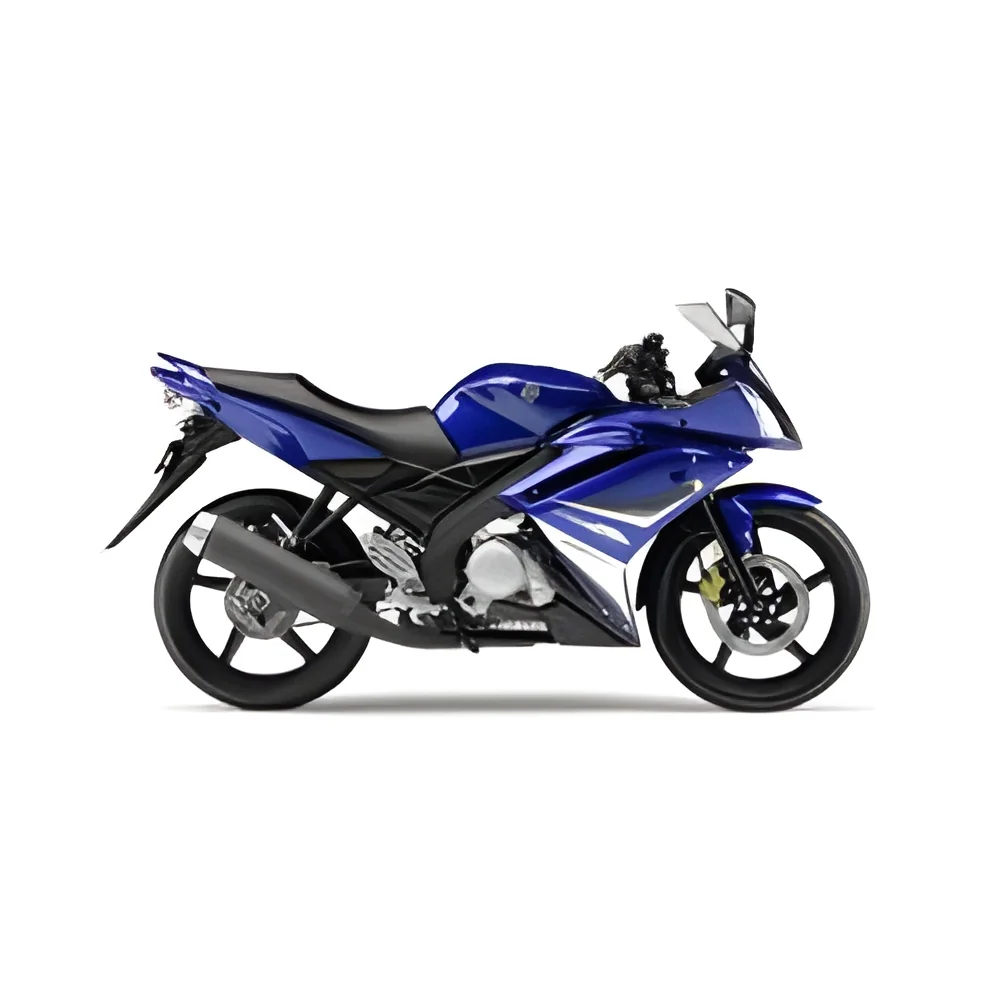
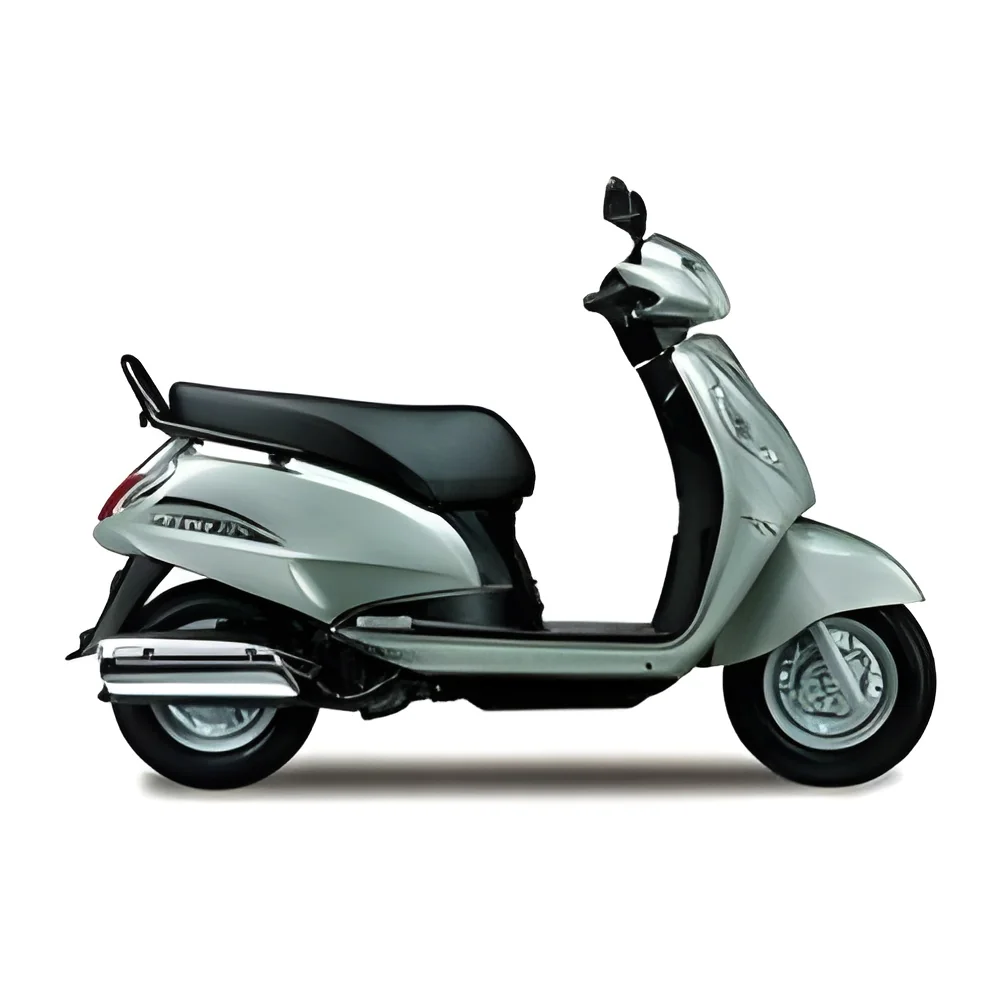
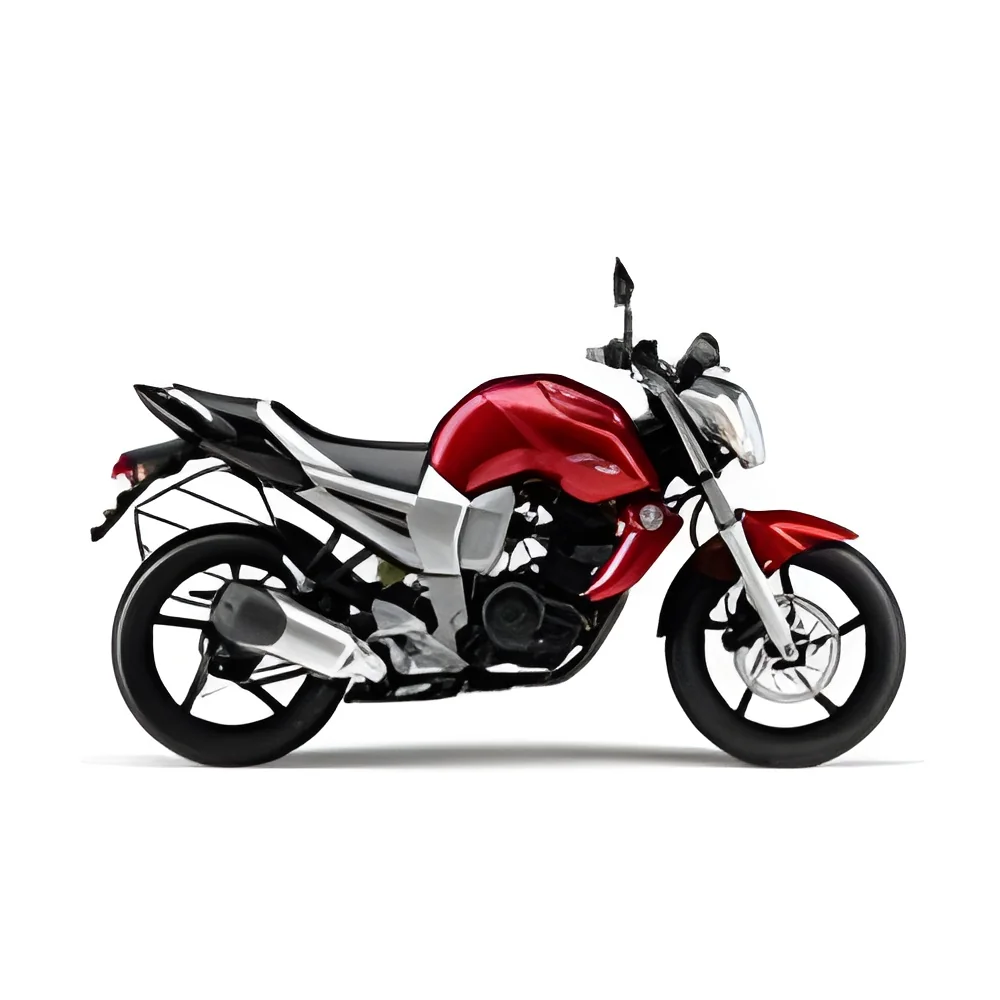
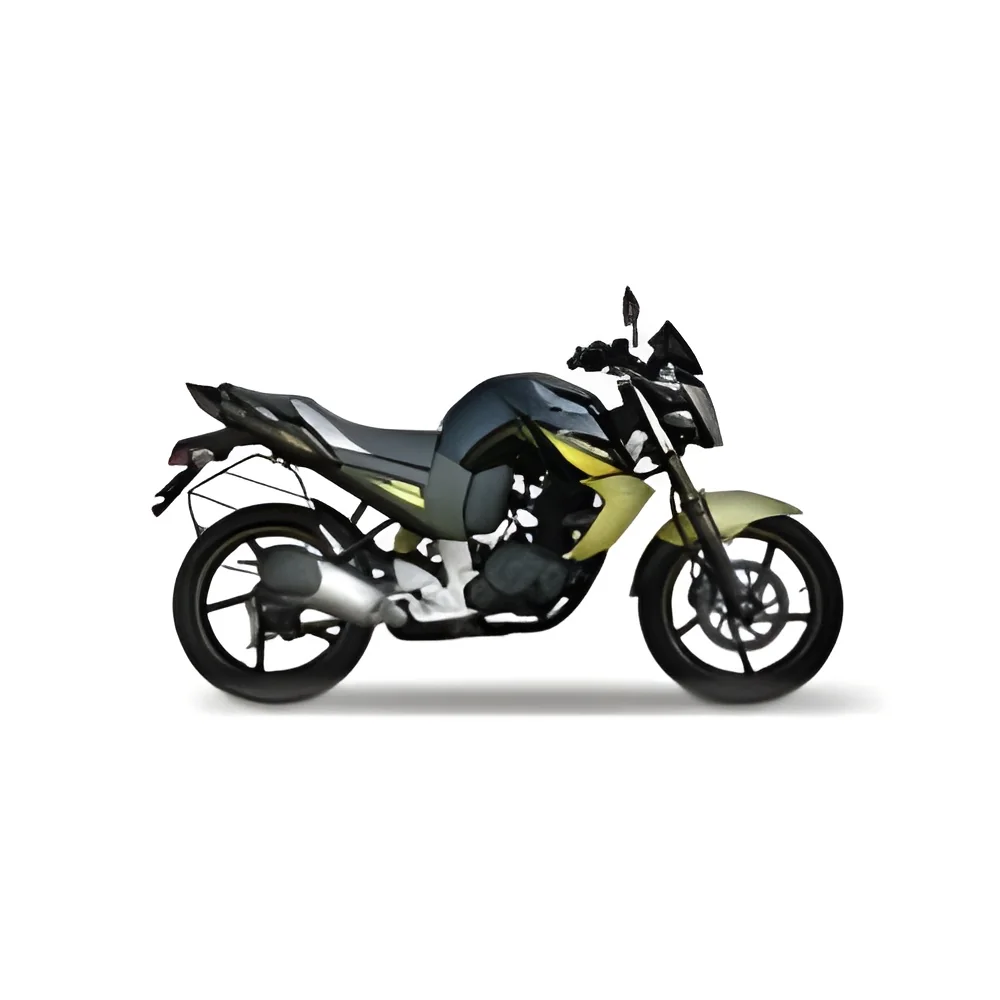
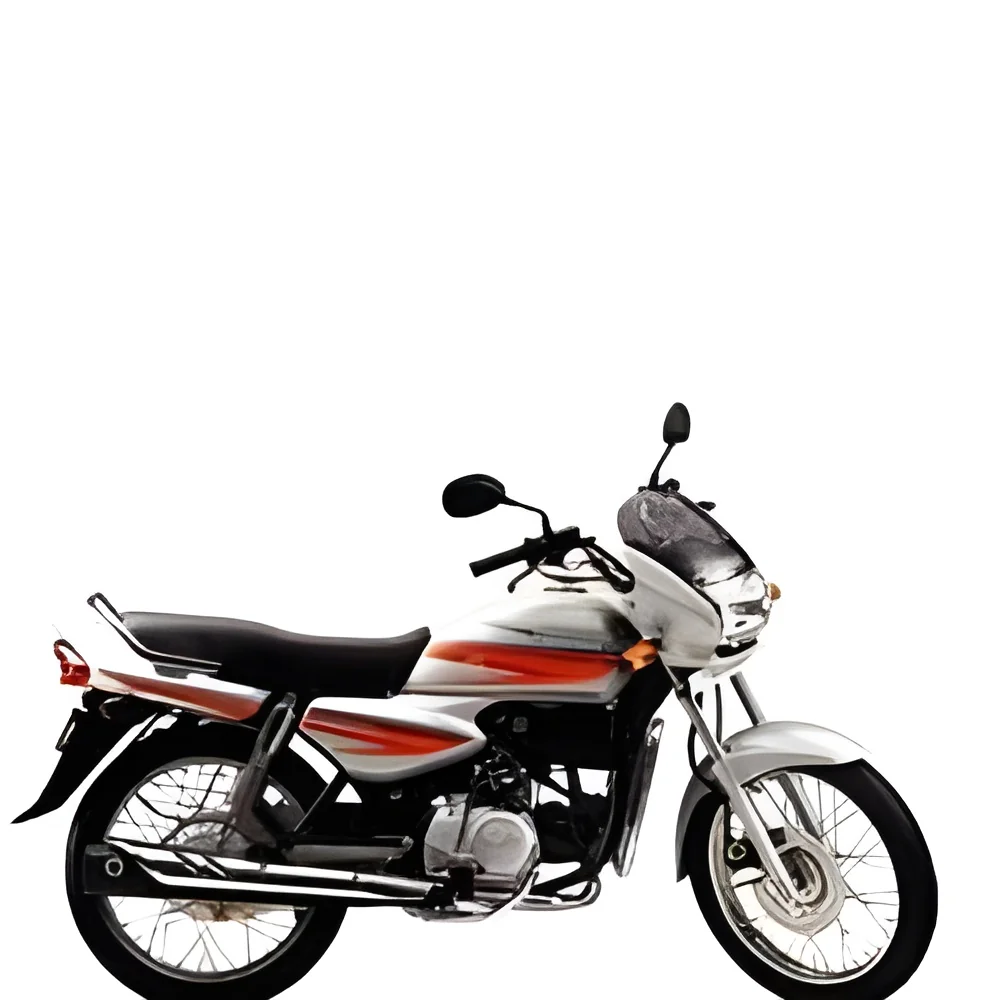
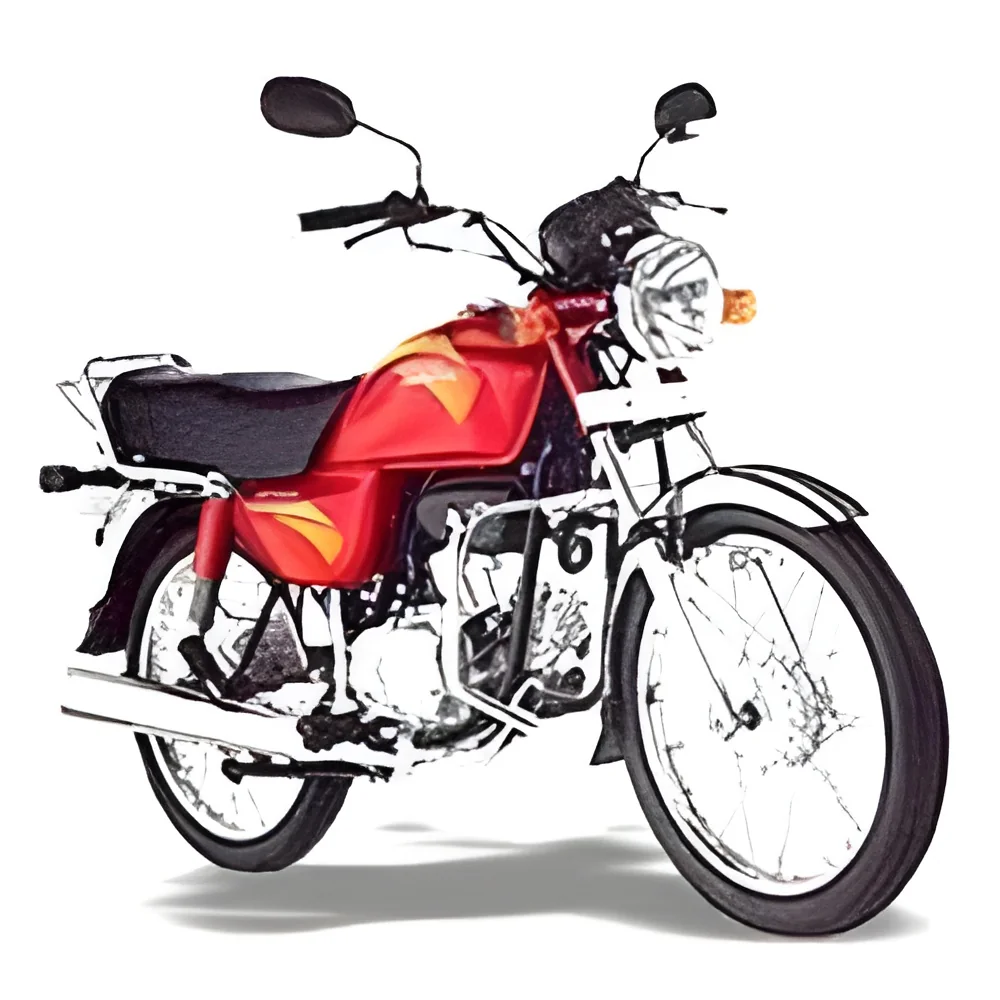
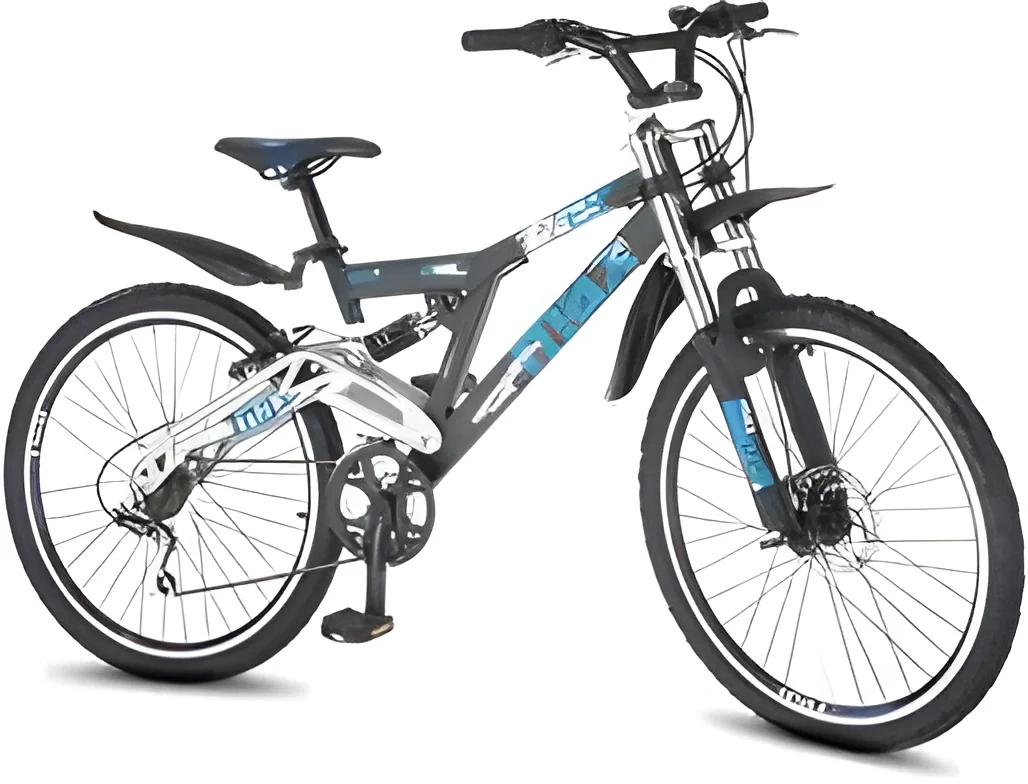
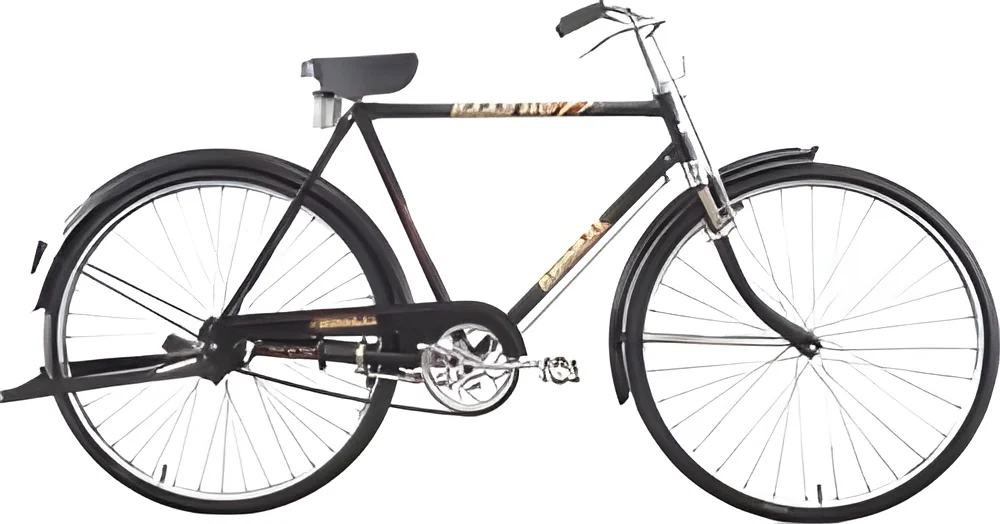
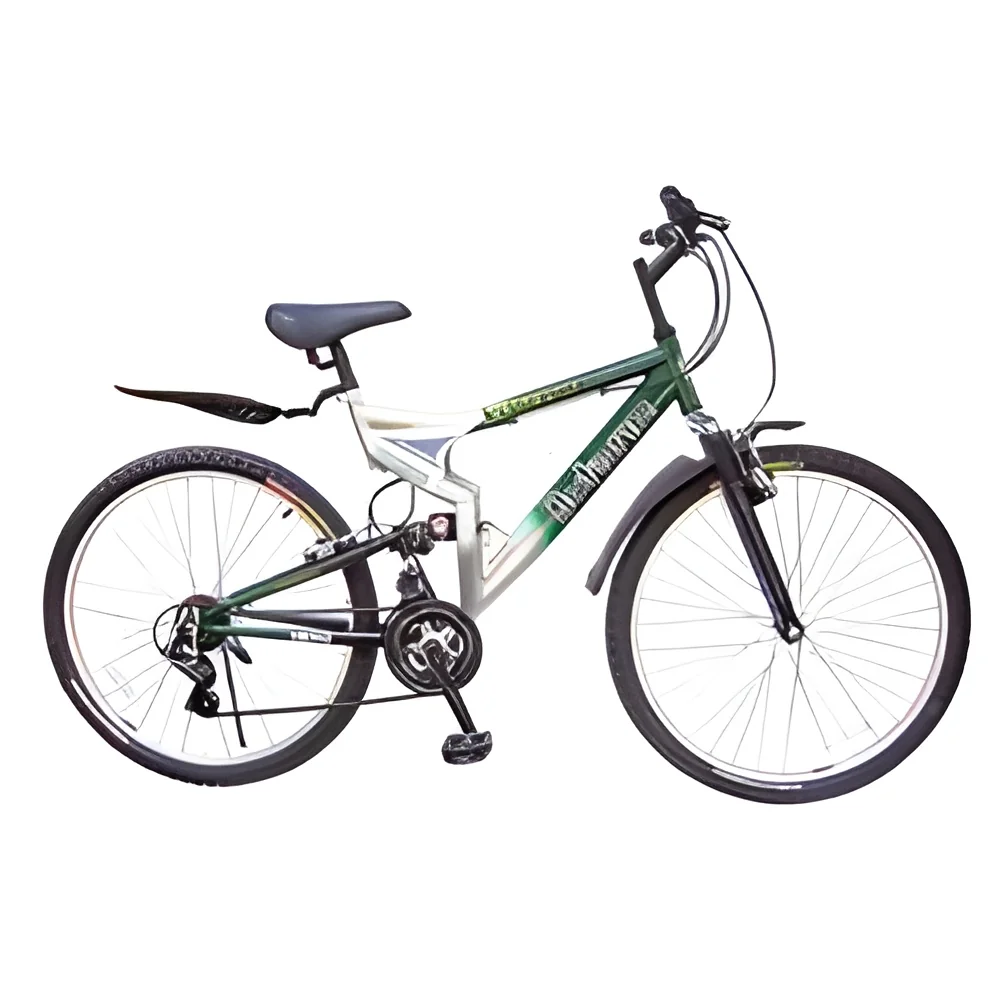
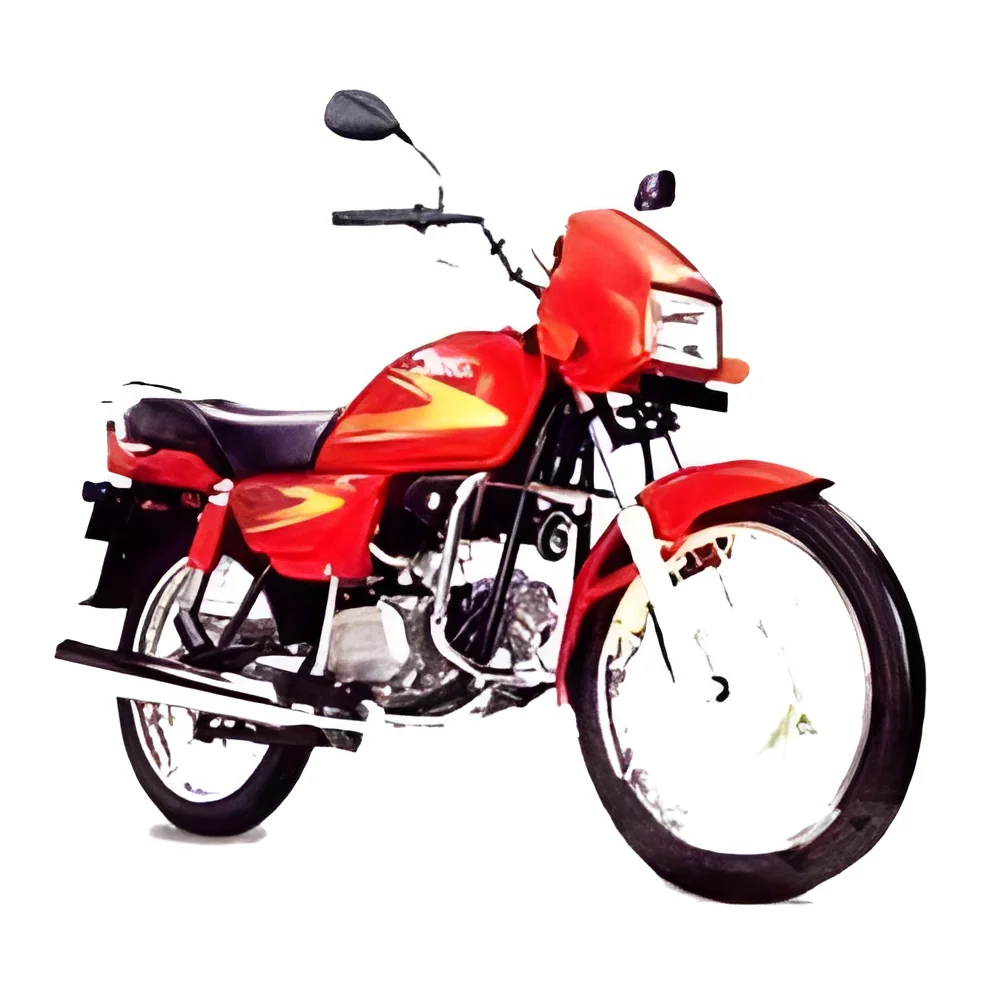
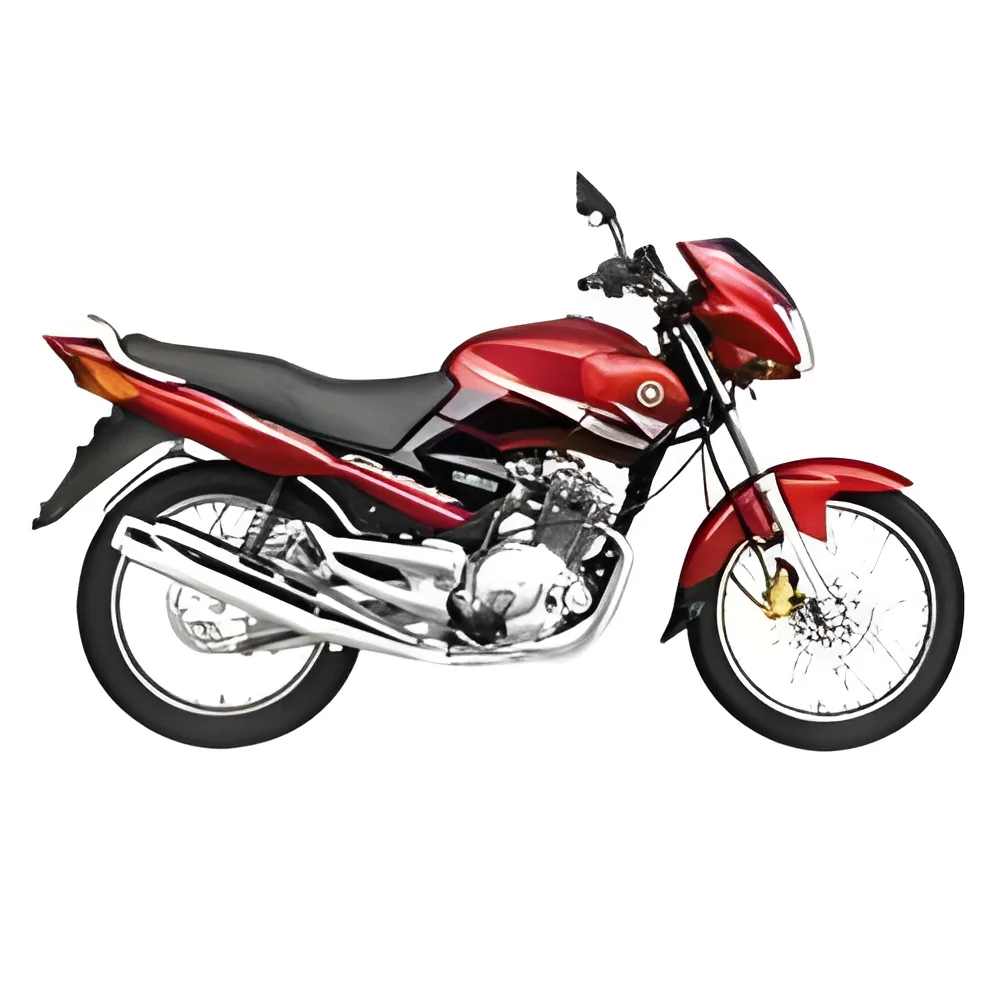
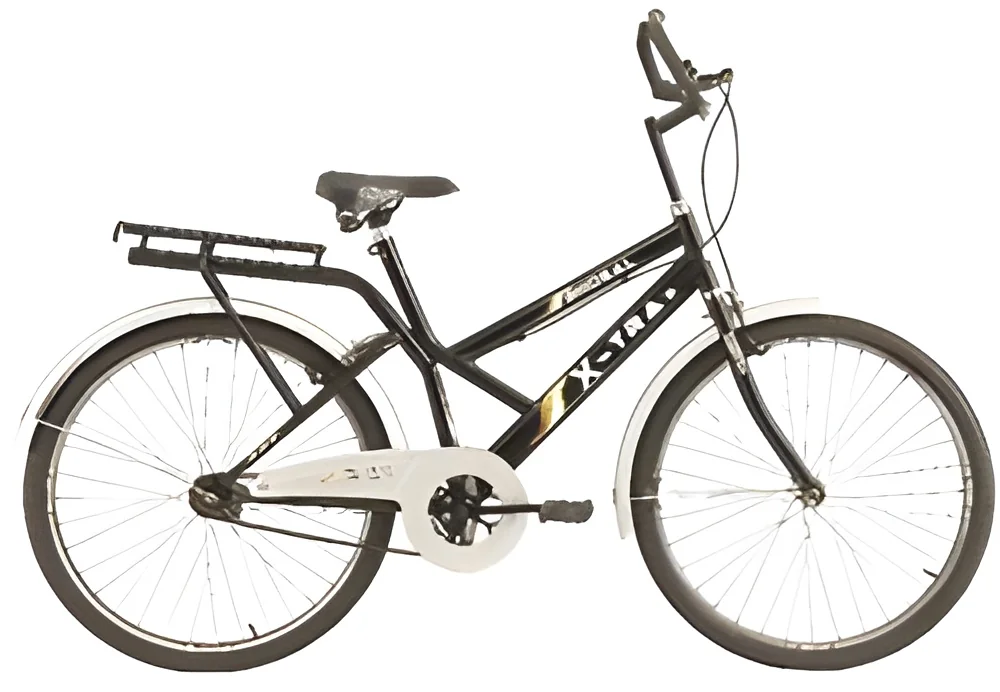
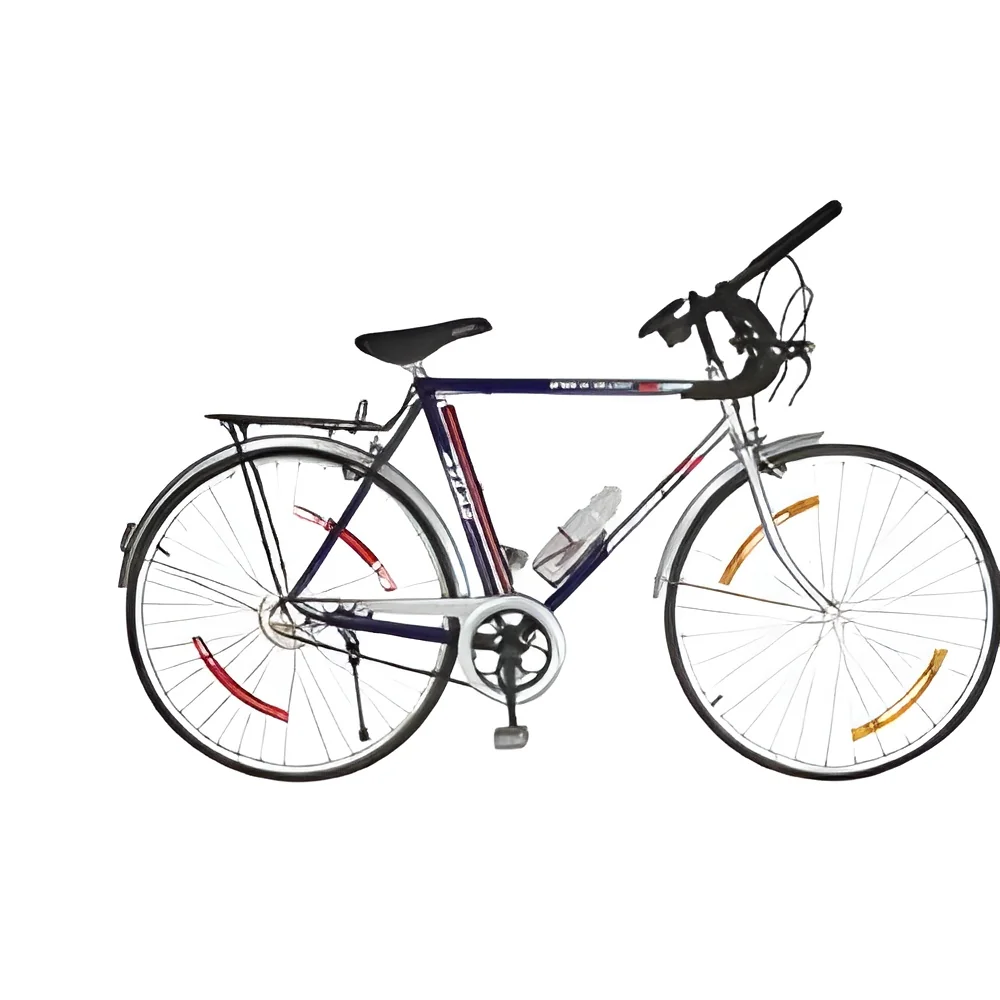
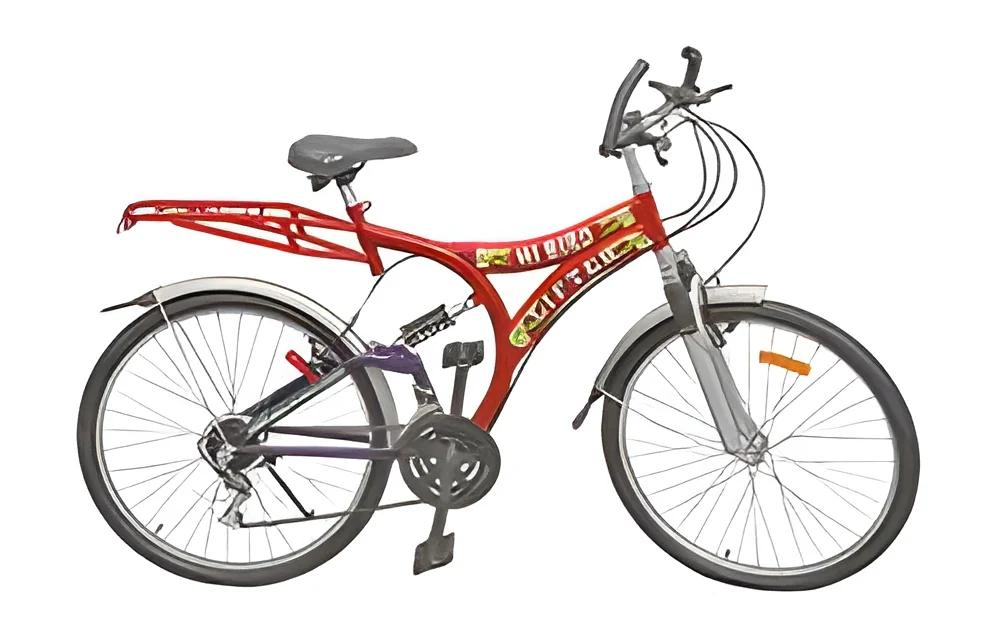
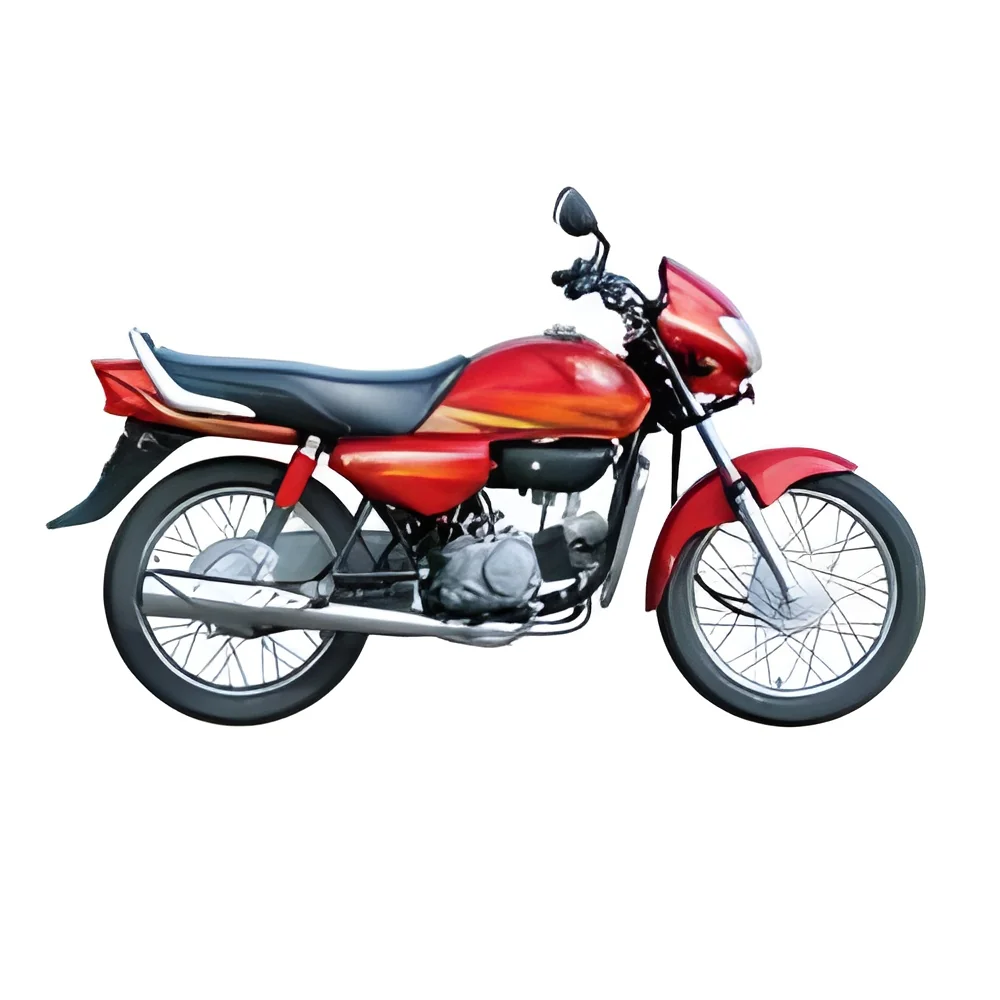
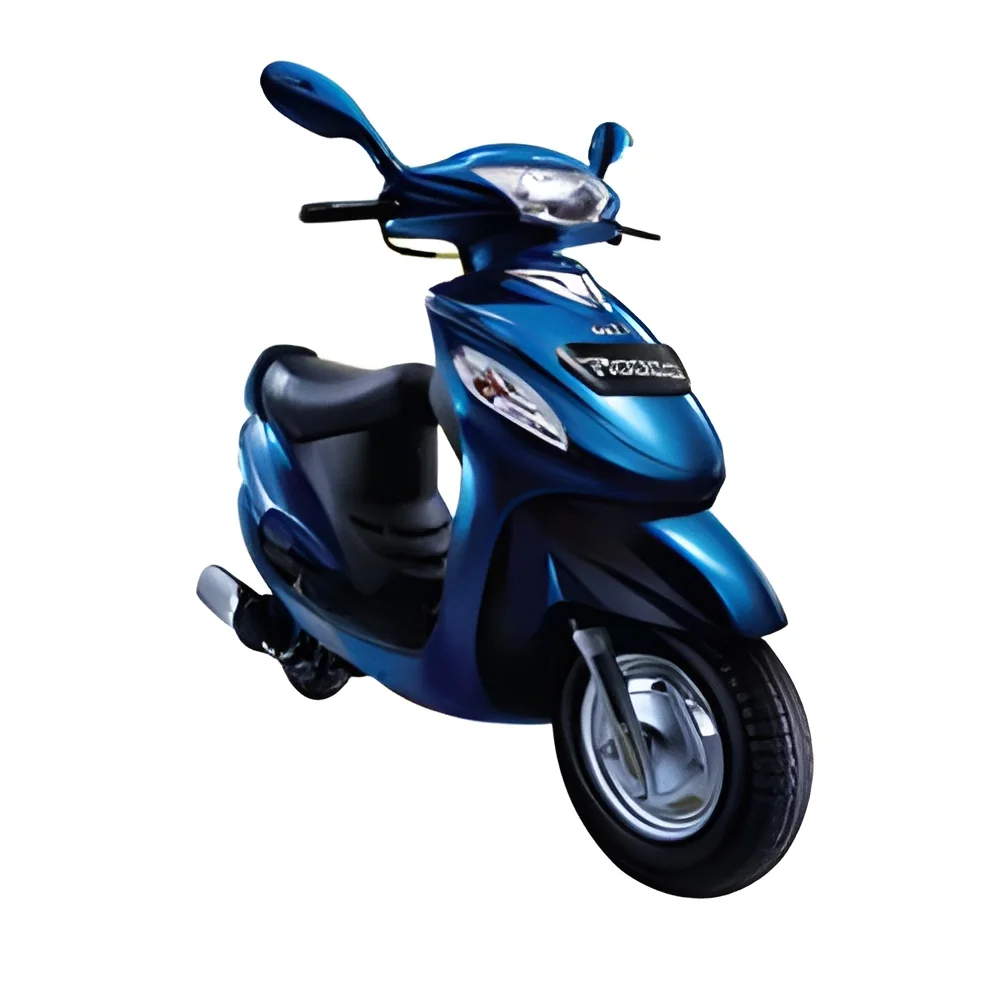
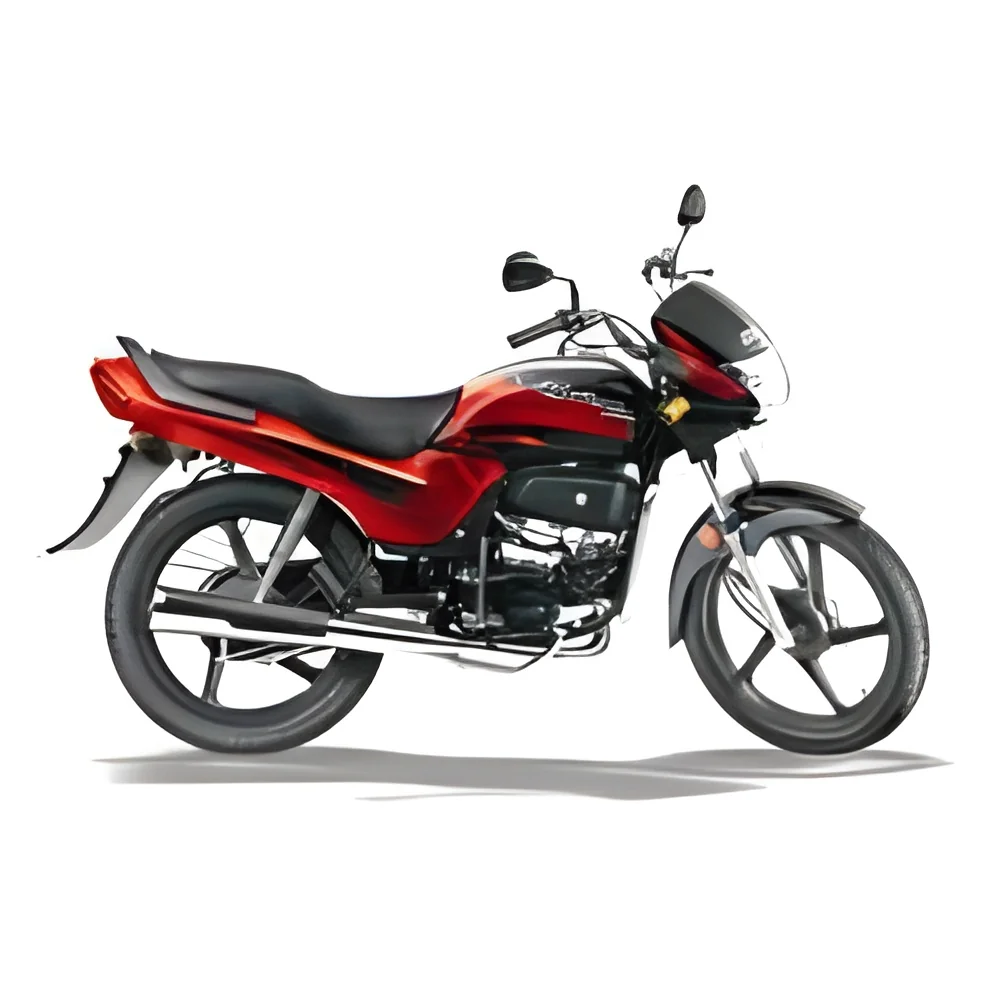
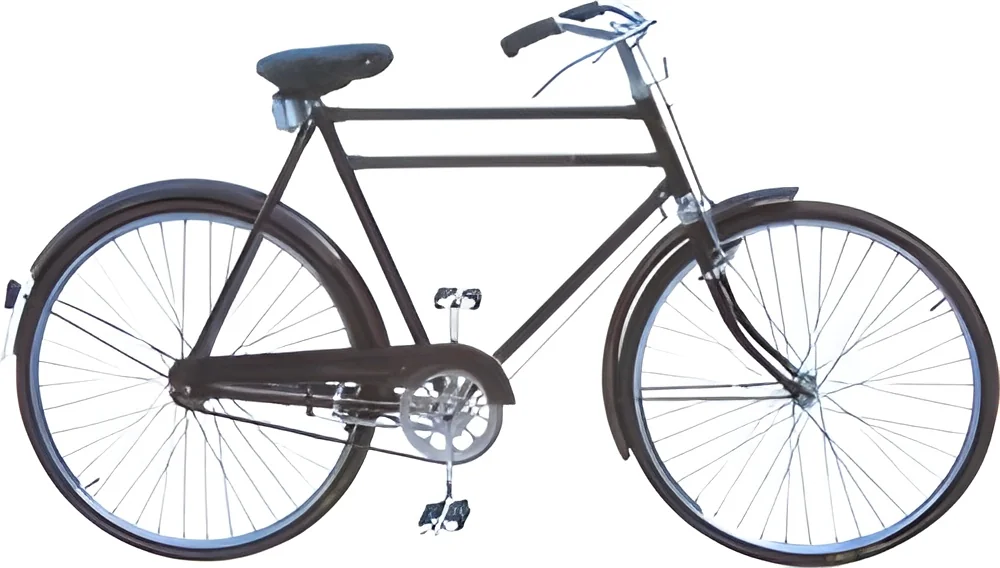
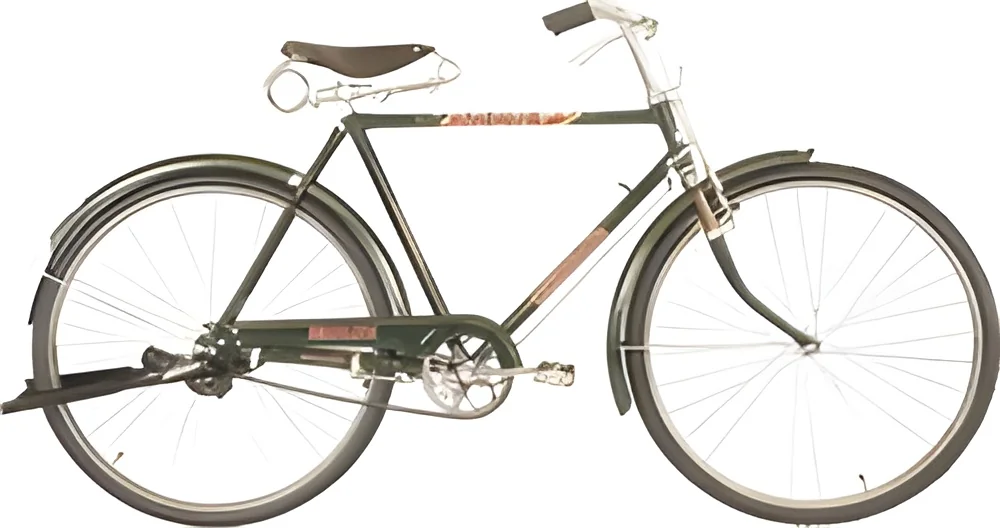
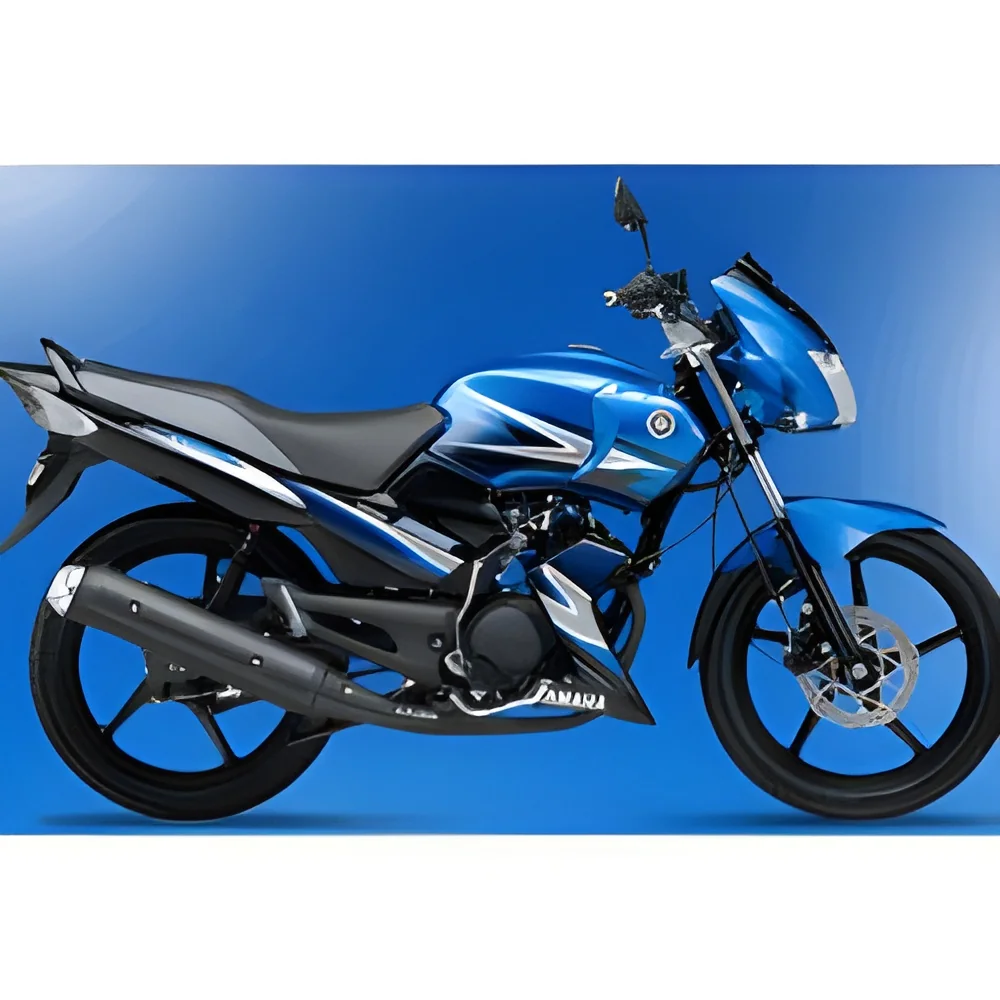
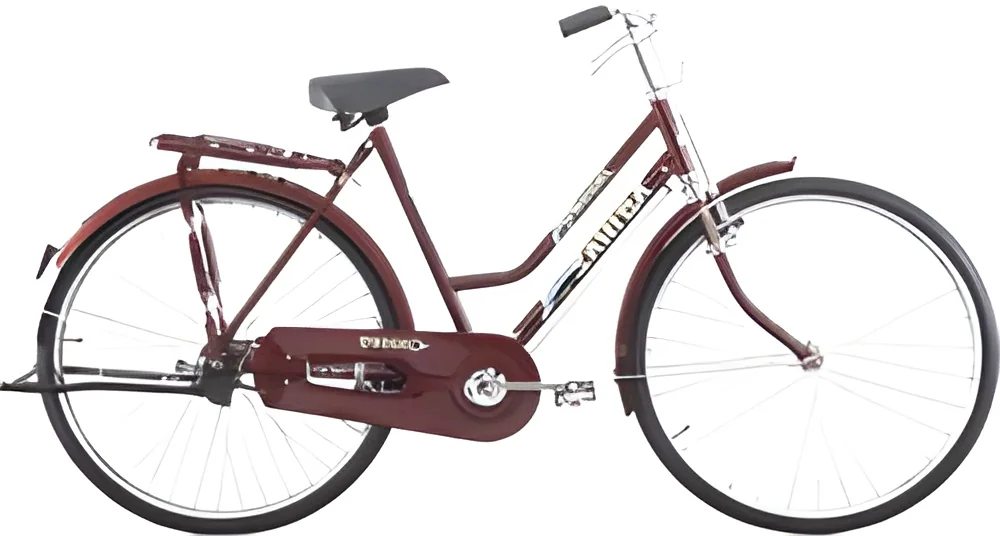
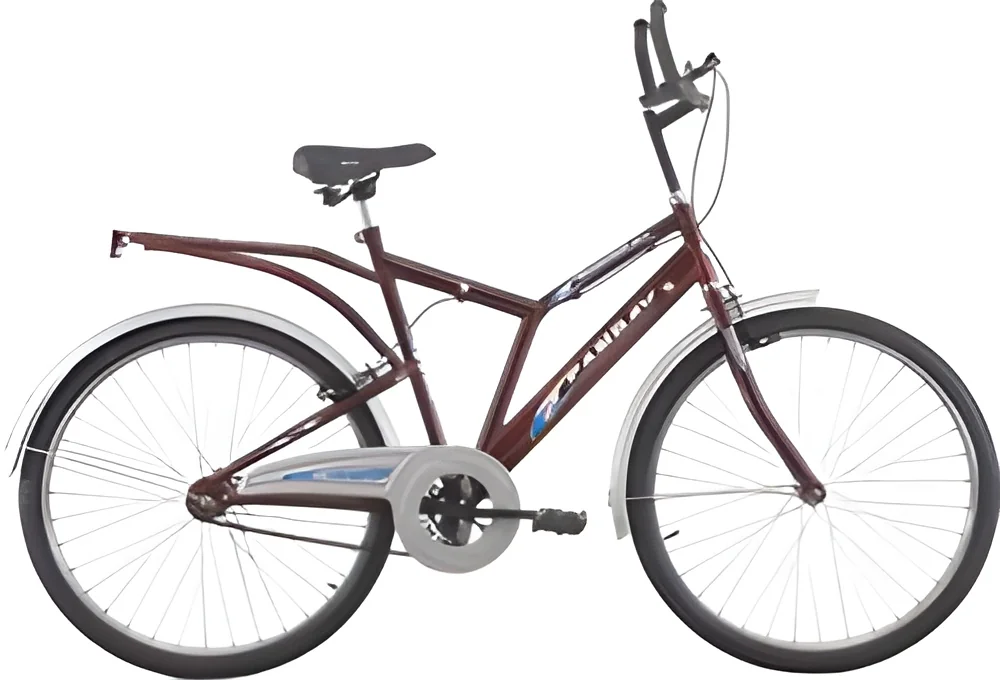
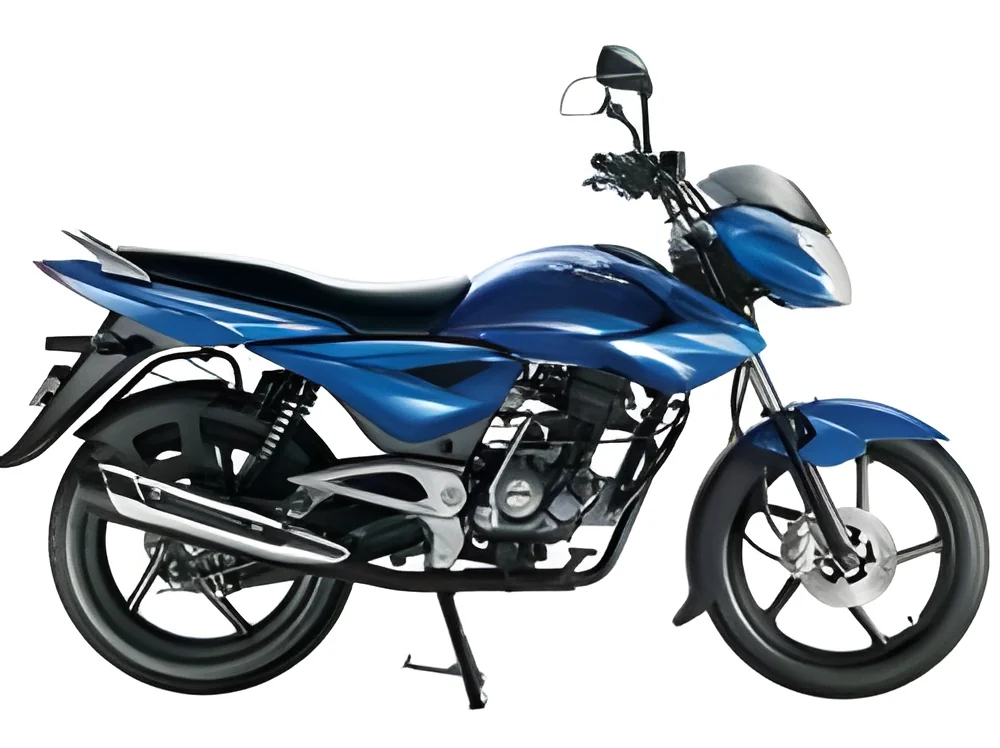
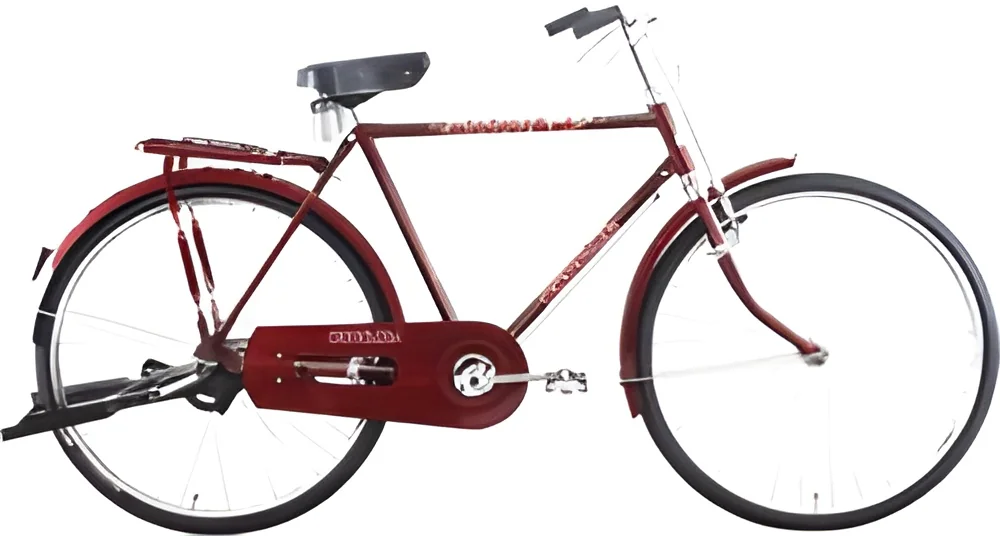
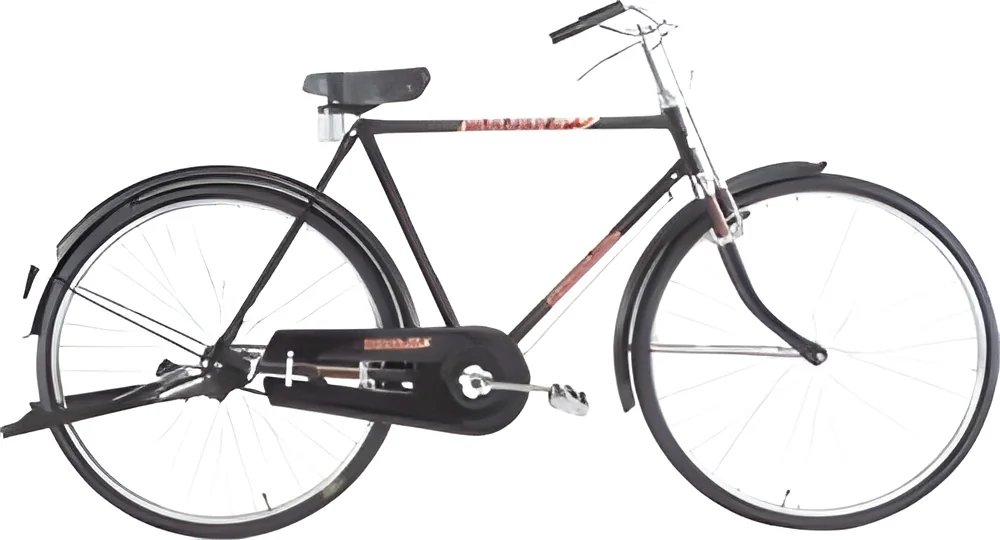
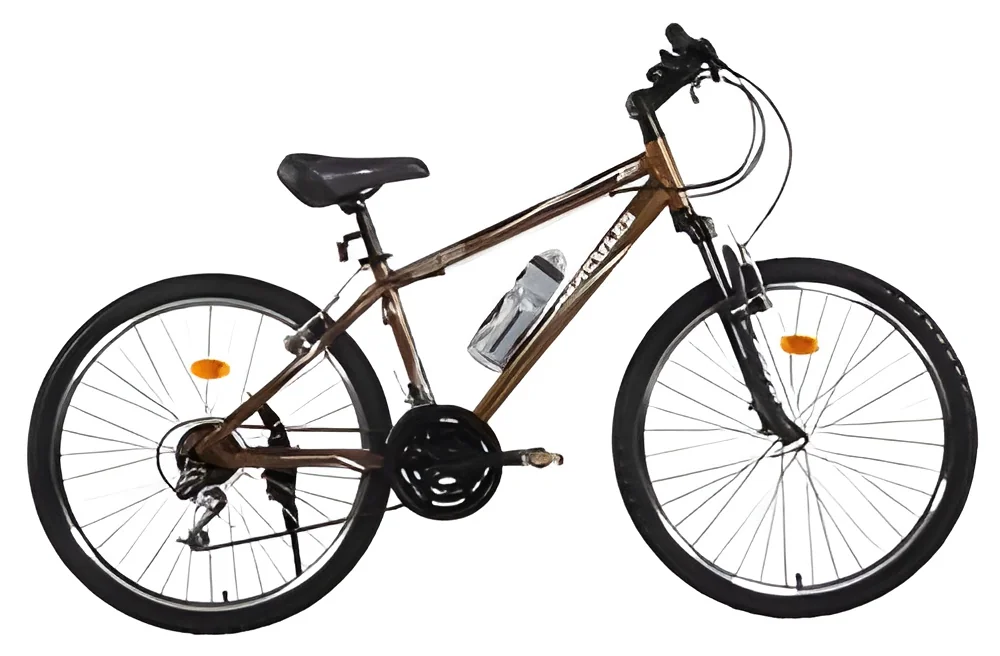
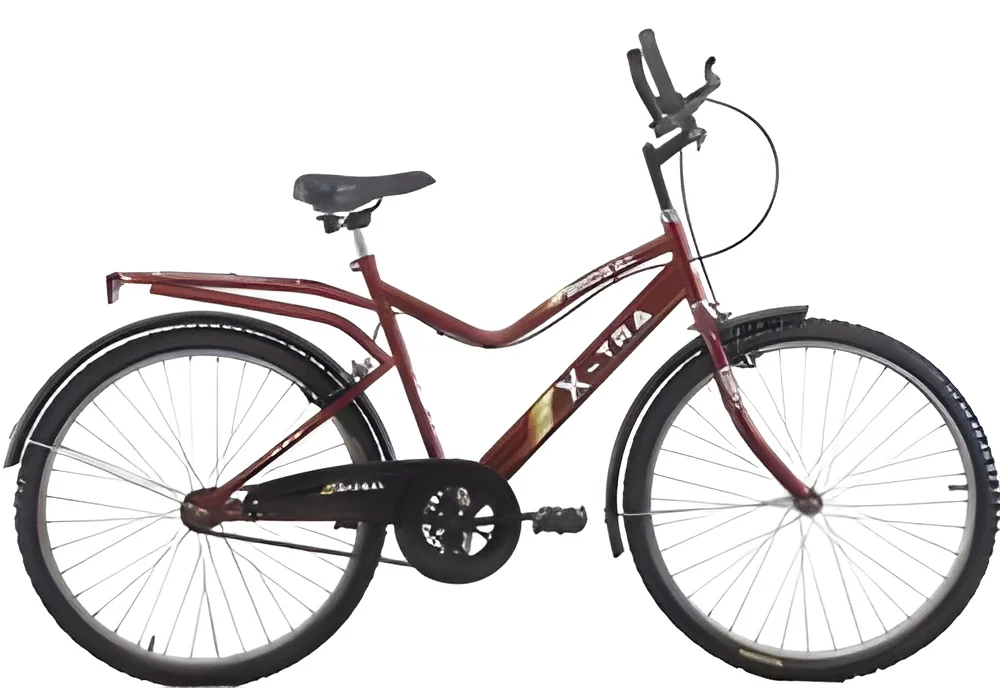
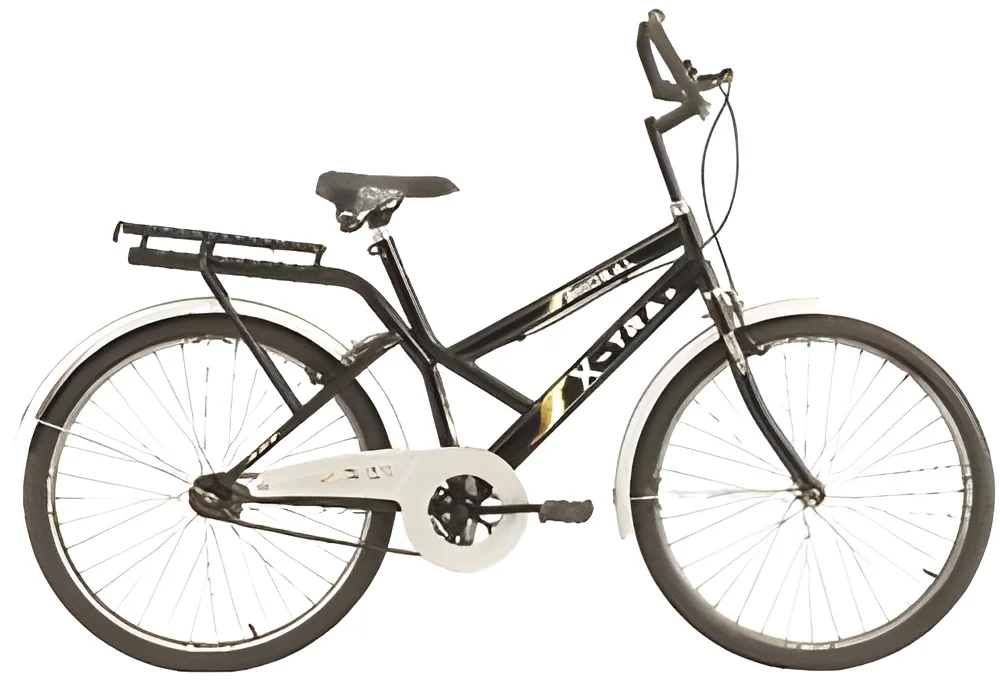
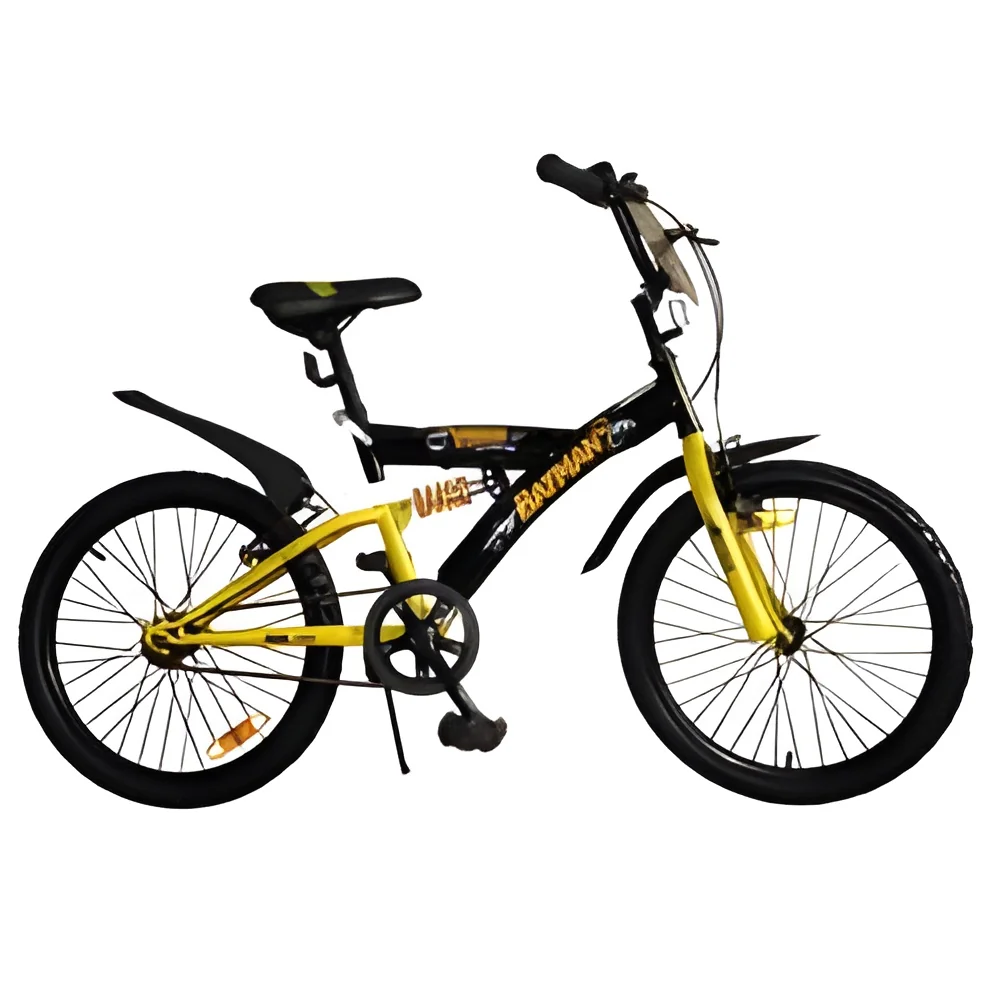
Two-wheelers are vehicles that are powered by either a motor or human effort and consist of two wheels. Common examples include motorcycles, scooters, and bicycles. These vehicles are designed for individual use or small group transportation, offering a versatile solution for navigating urban environments and rural areas alike. Their compact size and maneuverability make them ideal for short-distance travel, especially in congested areas where larger vehicles may struggle.
In the business context, two-wheelers serve numerous applications. They are widely used for personal transportation, delivery services, and commuting. Companies often utilize two-wheelers for logistics and supply chain operations due to their ability to navigate tight spaces and reduce travel time. The two-wheeler market has grown significantly, driven by increasing urbanization and the need for efficient transportation solutions.
The relevance of two-wheelers in various industries cannot be overstated. With the rise of e-commerce and food delivery services, the demand for reliable two-wheeler options has surged. Additionally, the automotive industry is continuously innovating to enhance fuel efficiency and reduce emissions, positioning two-wheelers as a more sustainable transportation choice.
𝗞𝗲𝘆 𝗙𝗲𝗮𝘁𝘂𝗿𝗲𝘀 𝗮𝗻𝗱 𝗦𝗽𝗲𝗰𝗶𝗳𝗶𝗰𝗮𝘁𝗶𝗼𝗻𝘀
Two-wheelers come equipped with a range of features that enhance their functionality and appeal. Manufacturers focus on delivering specifications that meet the needs of both individual riders and businesses.
Key specifications include:
1. Engine Capacity
- Typically ranges from 50cc to 2000cc
- Determines power output and speed capabilities
2. Fuel Efficiency
- Generally measured in kilometers per liter (km/l)
- Averages between 30 km/l to 70 km/l depending on the model
3. Weight
- Ranges from 70 kg to 300 kg
- Influences handling and ease of use
4. Max Speed
- Varies from 50 km/h to over 200 km/h
- Depends on engine size and design
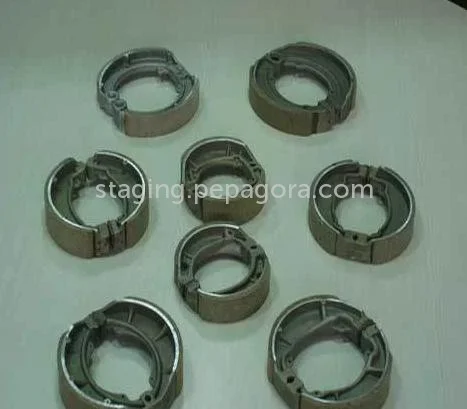
5. Brake System
- Types include disc, drum, or a combination
- Affects stopping distance and safety
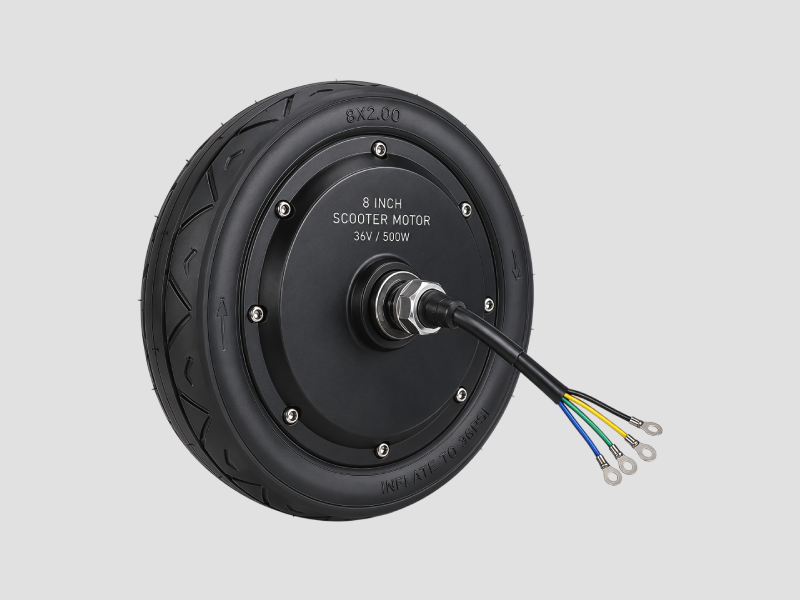
6. Tire Size
- Common sizes range from 10 inches to 18 inches
- Impacts stability and ride comfort
7. Transmission Type
- Options include manual, semi-automatic, and automatic
- Affects ease of use and rider experience
8. Safety Features
- May include anti-lock braking systems (ABS) and traction control
- Enhances rider safety in various conditions
In summary, two-wheelers feature a variety of specifications that cater to different user needs. Understanding these specifications helps buyers select the right models for their specific applications.
𝗖𝗼𝗺𝗺𝗼𝗻 𝗔𝗽𝗽𝗹𝗶𝗰𝗮𝘁𝗶𝗼𝗻𝘀 𝗮𝗻𝗱 𝗨𝘀𝗲 𝗖𝗮𝘀𝗲𝘀
Two-wheelers are utilized across various industries, providing efficient solutions for transportation and logistics.
1. Delivery Services: Many companies use two-wheelers for quick deliveries, allowing for faster response times and reduced operational costs.
2. Personal Transportation: Individuals often rely on two-wheelers for daily commuting, offering a cost-effective and time-saving means of travel.
3. Food Services: Restaurants and food delivery services leverage two-wheelers to ensure timely delivery of meals to customers.
4. E-commerce: Online retailers utilize two-wheelers for last-mile delivery, enabling prompt service in urban areas.
5. Maintenance Services: Technicians in fields such as plumbing and electrical services use two-wheelers to reach job sites efficiently.
6. Tourism: In many regions, two-wheelers are popular among tourists for exploring local attractions and scenic routes.
7. Emergency Services: Some emergency response teams use two-wheelers to navigate traffic quickly in critical situations.
𝗣𝗿𝗼𝗱𝘂𝗰𝘁 𝗩𝗮𝗿𝗶𝗮𝗻𝘁𝘀 𝗮𝗻𝗱 𝗦𝘂𝗯𝗰𝗮𝘁𝗲𝗴𝗼𝗿𝗶𝗲𝘀
The diversity of two-wheelers caters to varying needs and preferences, allowing businesses and individuals to choose models that best fit their requirements.
Scooters: Scooters are known for their ease of use and fuel efficiency, making them a popular choice for urban commuting. They often feature automatic transmissions, which simplify the riding experience.
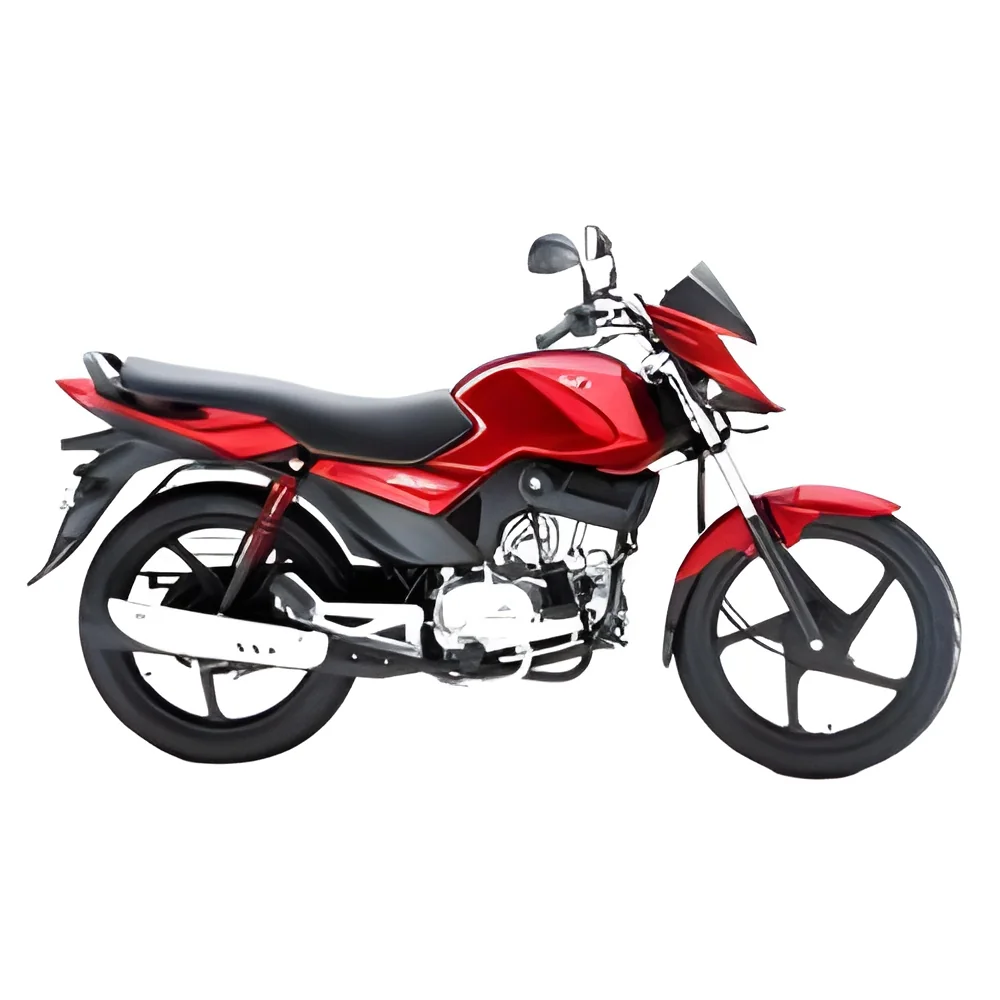
Motorcycles: Motorcycles are designed for speed and performance, appealing to those seeking adventure and long-distance travel. They come in various styles, including touring, sport, and cruiser.
Electric Two-Wheelers: With an increasing focus on sustainability, electric two-wheelers offer an eco-friendly alternative. These models provide quiet operation and lower running costs, making them suitable for urban environments.
𝗕𝗲𝗻𝗲𝗳𝗶𝘁𝘀 𝗮𝗻𝗱 𝗔𝗱𝘃𝗮𝗻𝘁𝗮𝗴𝗲𝘀
Two-wheelers provide numerous advantages that make them appealing for both personal and business use.
1. Cost Efficiency: Two-wheelers typically have lower purchase prices and operating costs compared to cars, making them accessible for various budgets.
2. Fuel Efficiency: Many models boast exceptional fuel efficiency, reducing overall transportation costs for businesses and individuals.
3. Maneuverability: Their compact size allows for easy navigation through traffic and tight spaces, making them ideal for urban settings.
4. Quick Response Times: Two-wheelers can often reach destinations faster than larger vehicles, which is crucial for delivery and emergency services.
5. Environmental Impact: Electric and fuel-efficient models contribute to reduced emissions, supporting sustainability efforts.
6. Low Maintenance: Generally, two-wheelers require less maintenance than cars, resulting in lower long-term costs for owners.
𝗕𝘂𝘆𝗶𝗻𝗴 𝗚𝘂𝗶𝗱𝗲 𝗳𝗼𝗿 𝗕𝟮𝗕 𝗕𝘂𝘆𝗲𝗿𝘀
When sourcing two-wheelers, it is essential for businesses to consider several key factors to ensure a successful purchase.
1. Quality Assessment: Buyers should evaluate the build quality and performance of two-wheelers to ensure reliability and longevity. Conducting test rides can provide insights into comfort and handling.
2. Supplier Verification: Vetting suppliers is crucial to ensure they have a good reputation and provide high-quality products. Checking for customer reviews and industry certifications can aid in this process.
3. Pricing and MOQ: Understanding the pricing structure and minimum order quantities (MOQ) is vital for budget planning. Companies should compare prices from multiple suppliers to get the best deal.
4. Delivery and Lead Times: Buyers must consider the logistics involved in delivery, including lead times and shipping options. Timely delivery is essential for businesses relying on two-wheelers for operations.
5. Compliance Requirements: Ensuring that two-wheelers meet local regulatory standards and safety requirements is critical. Buyers should inquire about certifications and compliance documentation.
𝗖𝗼𝗺𝗽𝗹𝗶𝗮𝗻𝗰𝗲 𝗮𝗻𝗱 𝗖𝗲𝗿𝘁𝗶𝗳𝗶𝗰𝗮𝘁𝗶𝗼𝗻𝘀
Two-wheelers are subject to various quality standards and certifications that ensure safety and performance.
ISO 9001 is a widely recognized standard that outlines the requirements for a quality management system. Manufacturers of two-wheelers often seek this certification to demonstrate their commitment to quality and customer satisfaction.
CE certification indicates that a product meets European safety and environmental protection standards. This certification is particularly important for two-wheeler manufacturers aiming to enter the European market.
Safety and testing requirements vary by region but generally include crash testing and performance assessments. These tests help ensure that two-wheelers are safe for use and comply with applicable regulations.
In addition, regional compliance considerations may differ based on local laws and standards. Buyers should be aware of these regulations to ensure their two-wheelers meet all necessary requirements.
𝗪𝗵𝘆 𝗦𝗼𝘂𝗿𝗰𝗲 𝗧𝘄𝗼-𝗪𝗵𝗲𝗲𝗹𝗲𝗿𝘀 𝗳𝗿𝗼𝗺 𝗣𝗲𝗽𝗮𝗴𝗼𝗿𝗮?
Pepagora provides a trusted platform for sourcing two-wheelers, offering several key advantages for B2B buyers.
Verified Supplier Network: Pepagora maintains a network of verified suppliers, ensuring that buyers can access quality products from reputable manufacturers. This verification process helps mitigate risks associated with sourcing.
Streamlined RFQ Process: The platform simplifies the request for quotation (RFQ) process, allowing buyers to easily compare offers and select the best options for their needs. This efficiency saves time and enhances procurement operations.
Trade Assurance and Support: Pepagora offers trade assurance to protect buyers throughout the purchasing process. With dedicated support, businesses can feel confident in their transactions and resolve any issues that may arise.
Regional Coverage: With a strong presence in India, the GCC, and Southeast Asia, Pepagora connects buyers with suppliers across these regions. This geographic reach enables businesses to find suitable two-wheeler options that meet local market demands.

 IN
IN