
 IN
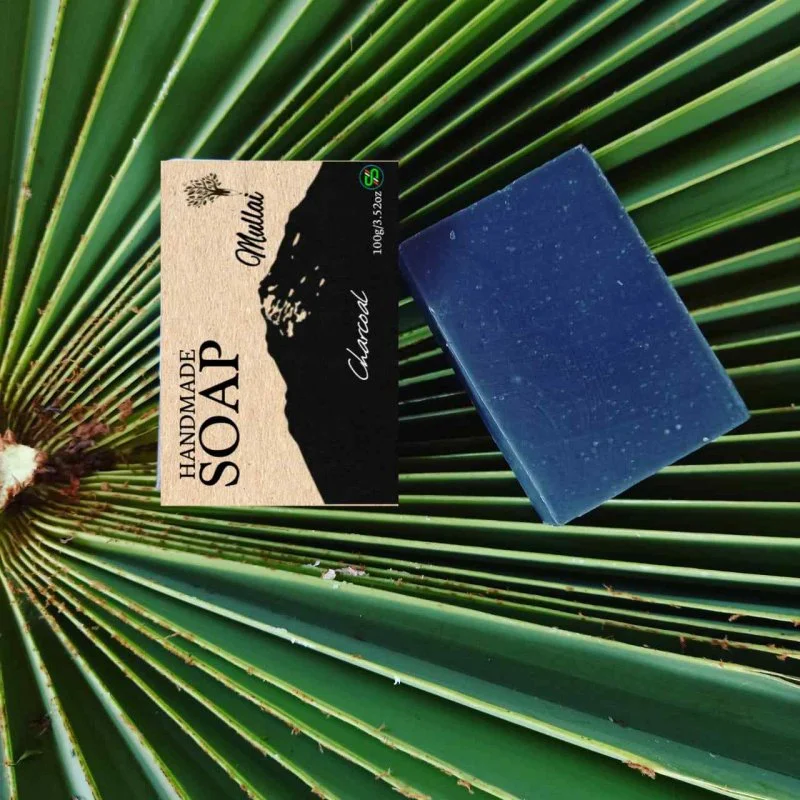
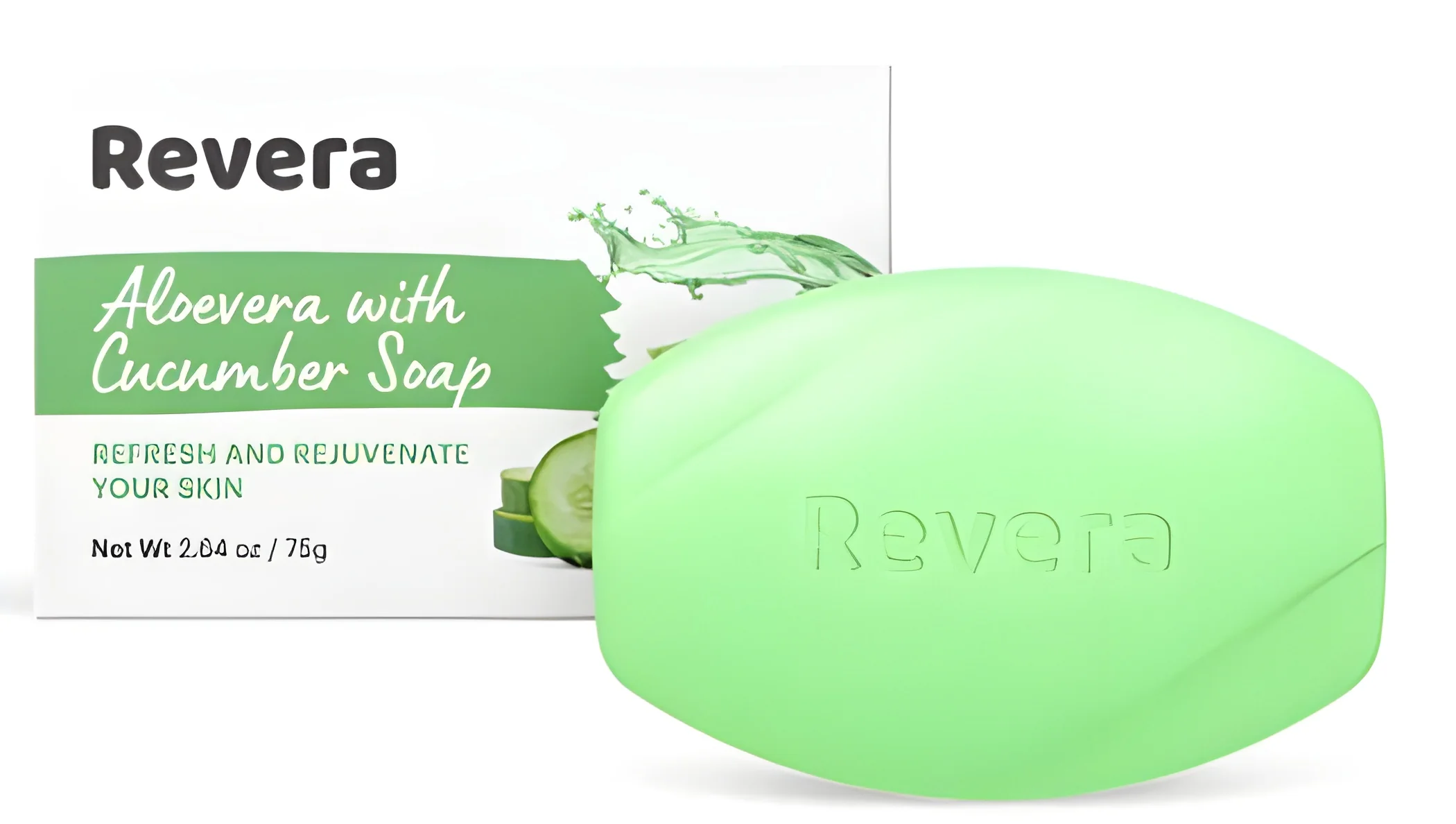
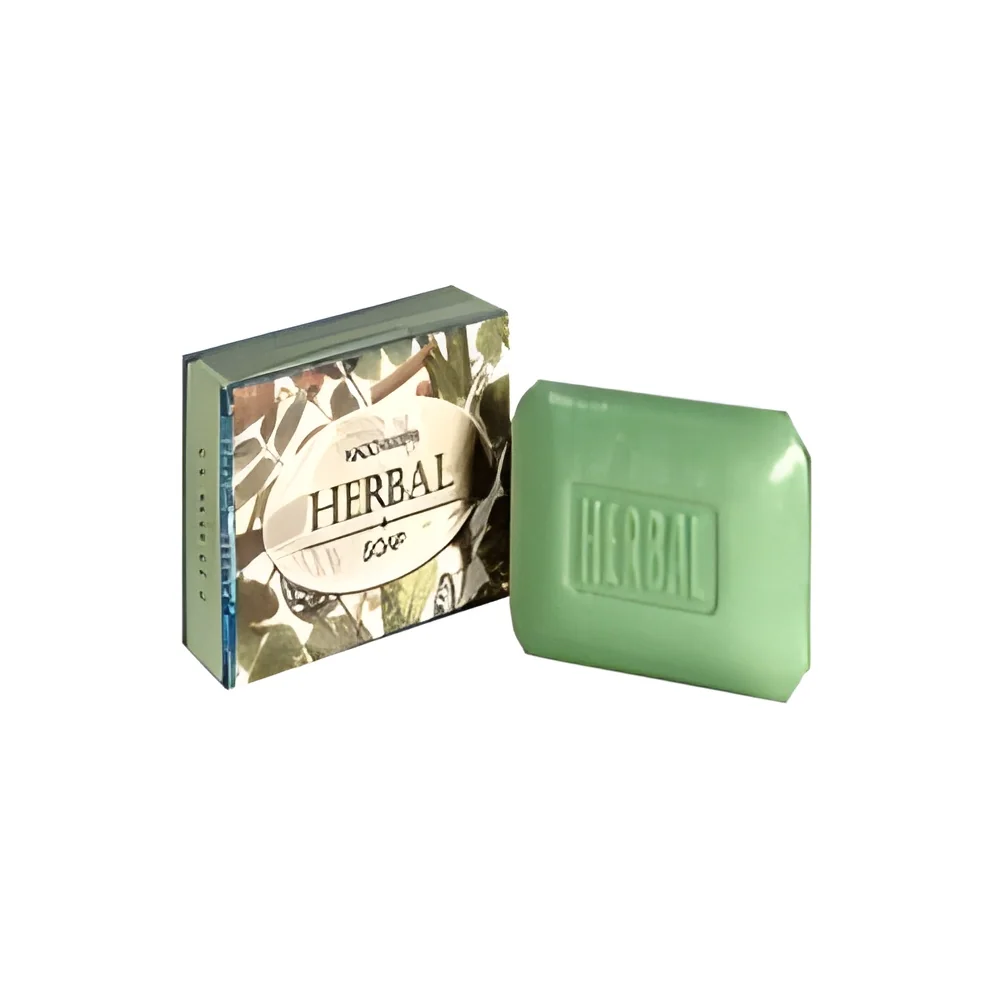
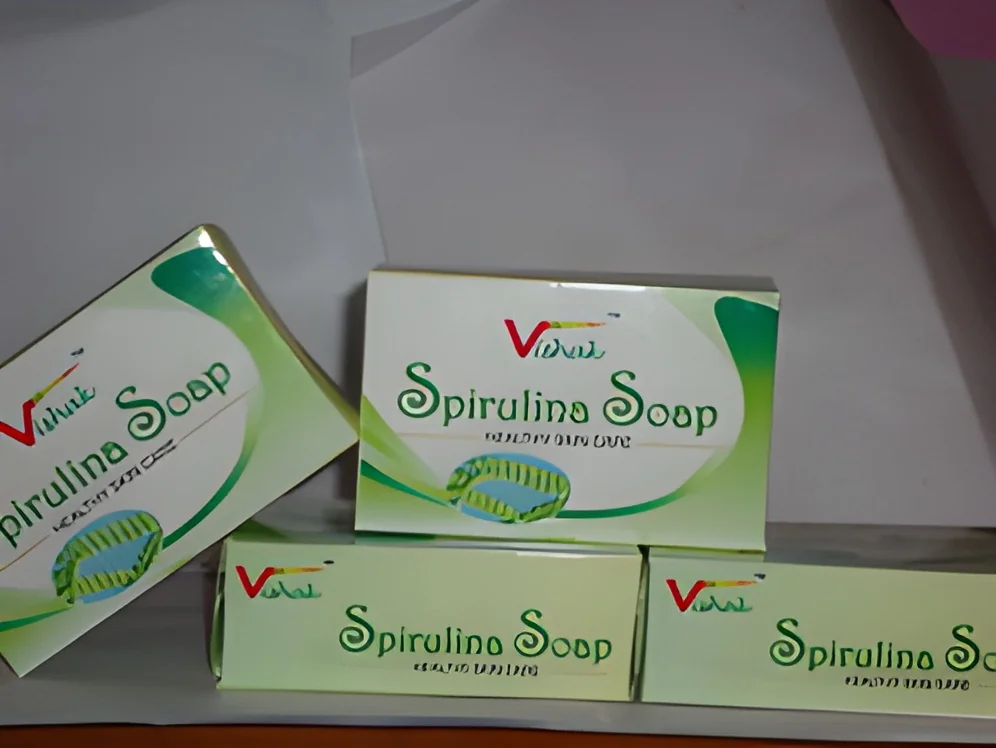
INSoaps (Herbal, Medicated, Moisturizing)
74 products available
Key Features and Specifications
Common Applications and Use Cases
Product Variants and Subcategories
Benefits and Advantages
Buying Guide for B2B Buyers
Compliance and Certifications



 India
India
 India
India
 India
India
 India
India
 India
India
 India
India
 India
India
 India
India
 India
India
 India
India
 India
India India
India
 India
India

 India
India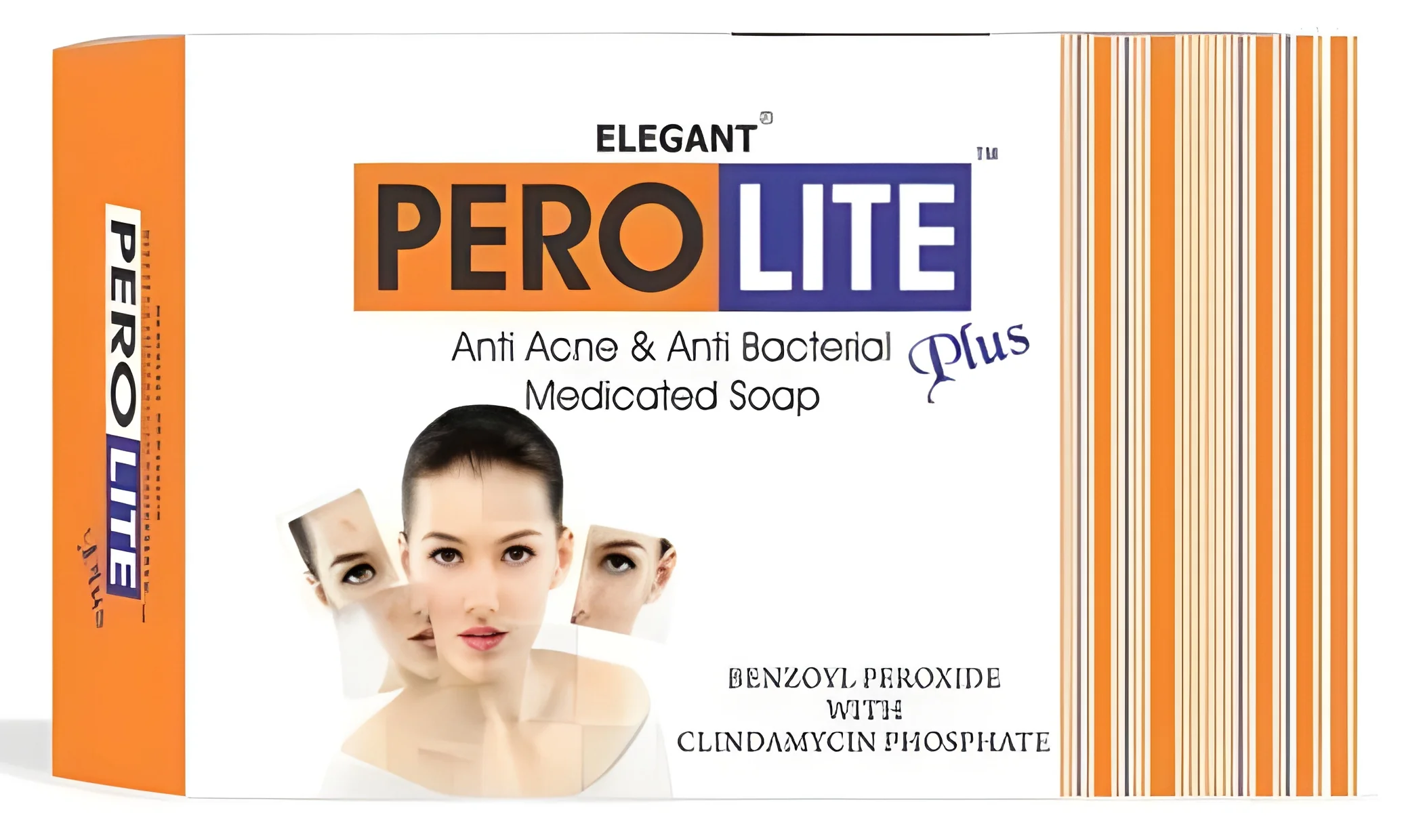
 India
India


 India
India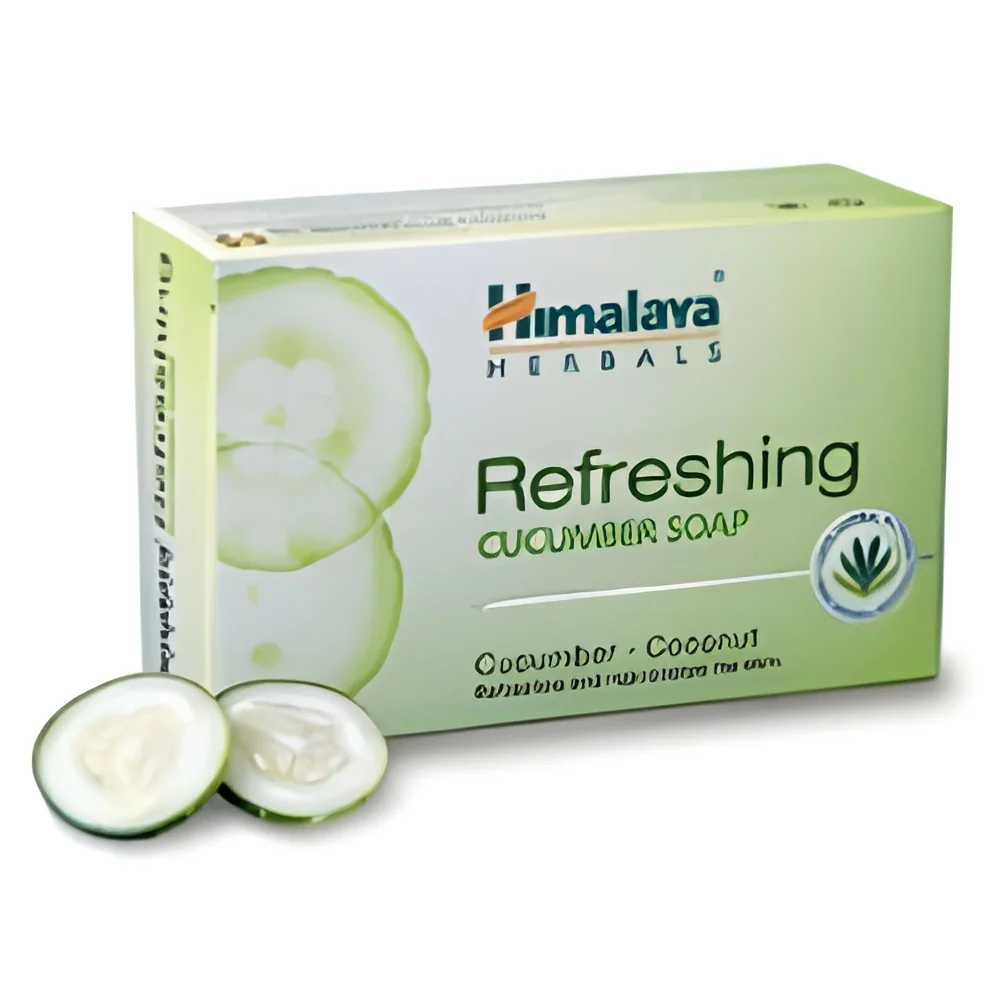
Frequently Asked Questions
What are Soaps (Herbal, Medicated, Moisturizing)?
Soaps (Herbal, Medicated, Moisturizing) are cleansing products formulated to provide skin benefits beyond basic cleanliness. Herbal soaps are made from natural ingredients, medicated soaps contain active ingredients for specific skin conditions, and moisturizing soaps are designed to hydrate and nourish the skin.
What are the different types of Soaps (Herbal, Medicated, Moisturizing)?
The different types of Soaps (Herbal, Medicated, Moisturizing) include herbal soaps made with plant extracts, medicated soaps that may contain antibacterial or antifungal agents, and moisturizing soaps enriched with oils and emollients to enhance skin hydration. Each type serves a specific purpose and caters to different skin needs.
How do I choose the right Soaps (Herbal, Medicated, Moisturizing)?
Choosing the right Soap (Herbal, Medicated, Moisturizing) depends on your skin type and specific needs. Consider factors such as ingredient sensitivity, skin conditions, and desired benefits to select a soap that aligns with your requirements.
What are the standard specifications for Soaps (Herbal, Medicated, Moisturizing)?
Standard specifications for Soaps (Herbal, Medicated, Moisturizing) typically include pH balance, ingredient composition, and absence of harmful additives. Additionally, the product should meet regulatory compliance for safety and efficacy.
What is the price range for Soaps (Herbal, Medicated, Moisturizing)?
The price range for Soaps (Herbal, Medicated, Moisturizing) can vary widely based on brand, ingredients, and packaging. Generally, prices can range from a few rupees for basic soaps to several hundred rupees for premium, specialized formulations.
What quality standards apply to Soaps (Herbal, Medicated, Moisturizing)?
Quality standards for Soaps (Herbal, Medicated, Moisturizing) include adherence to safety regulations set by health authorities, proper labeling, and testing for microbial contamination. Manufacturers often follow guidelines from organizations such as the Bureau of Indian Standards (BIS).
Where can I find Soaps (Herbal, Medicated, Moisturizing) suppliers in India?
You can find Soaps (Herbal, Medicated, Moisturizing) suppliers in India through B2B marketplaces like Pepagora, trade shows, and local directories. It is advisable to research suppliers' credibility and product offerings before making a purchase.
Can Soaps (Herbal, Medicated, Moisturizing) be customized?
Yes, many manufacturers offer customization options for Soaps (Herbal, Medicated, Moisturizing) to cater to specific customer needs. Customizations can include unique ingredient blends, scents, and packaging designs.
What is the typical minimum order quantity for Soaps (Herbal, Medicated, Moisturizing)?
The typical minimum order quantity (MOQ) for Soaps (Herbal, Medicated, Moisturizing) varies by supplier but generally ranges from 100 to 1000 units. It is essential to confirm MOQs directly with the supplier before placing an order.
What is the typical lead time for Soaps (Herbal, Medicated, Moisturizing)?
The typical lead time for Soaps (Herbal, Medicated, Moisturizing) can range from a few days to several weeks, depending on the supplier's production capacity and order volume. It is advisable to discuss lead times during the ordering process to manage expectations.
Why Businesses Trust Pepagora
Thousands of companies trust Pepagora to source smarter and sell faster
Expand Your Sales Globally

Source Smarter,Grow Faster
