
 IN
Smart Washing Machines
7 products available
What are Smart Washing Machines?
Smart washing machines are advanced laundry appliances equipped with internet connectivity and intelligent technology. They allow users to control and monitor washing cycles remotely through mobile applications. These machines typically incorporate sensors and data analytics to optimize washing performance, enhance energy efficiency, and provide real-time updates on wash status.
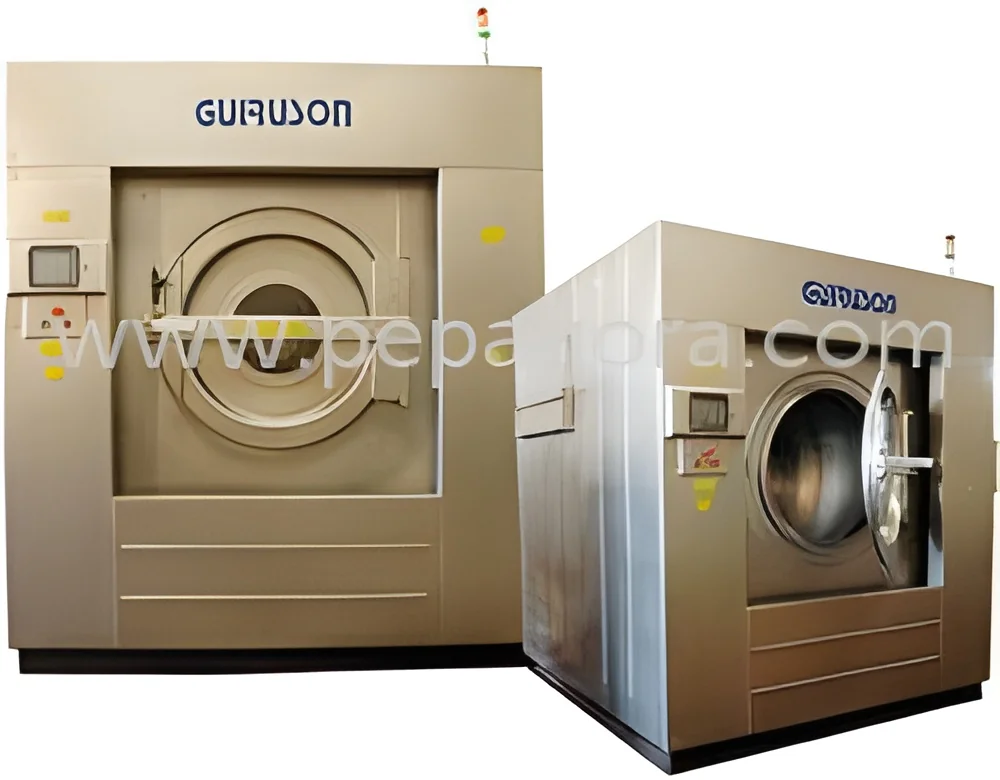
In the B2B context, smart washing machines find application in various settings such as laundromats, hotels, hospitals, and industrial facilities. Their ability to automate and optimize laundry processes offers significant time and labor savings. Additionally, businesses can leverage data from these machines to track usage patterns, manage inventory, and reduce operational costs. The growing demand for automated and efficient solutions in the laundry sector positions smart washing machines as a critical element in the modernization of laundry operations.
The market for smart washing machines is expanding rapidly, driven by technological advancements and increasing consumer demands for convenience. Industry players are continuously innovating to enhance features and improve user experiences, making these machines a relevant choice for businesses looking to stay competitive. As sustainability becomes a priority, the energy-efficient designs of smart washing machines align well with eco-friendly business practices.
Key Features and Specifications
Smart washing machines come with a range of features designed to enhance functionality and user experience. They typically include intelligent wash programs, energy monitoring, and connectivity options that facilitate remote management.
Key specifications include:
1. Connectivity Options
- Wi-Fi and Bluetooth capabilities for remote access
- Integration with smart home systems
2. Washing Capacity
- Available in various load capacities ranging from 5 kg to 15 kg
- Suitable for both residential and commercial use
3. Energy Efficiency Rating
- Rated from A+++ to D
- Lower energy consumption and reduced operational costs
4. Wash Programs
- Multiple preset wash cycles for different fabric types
- Customizable settings for specific cleaning needs
5. Noise Level
- Operating noise levels between 50 dB to 70 dB
- Quiet operation suitable for various environments
6. Water Consumption
- Water usage ranges from 40 liters to 90 liters per cycle
- Efficient water management for reduced waste
7. Safety Features
- Child lock and overload protection
- Automatic shut-off in case of malfunctions
8. Maintenance Alerts
- Notifications for filter cleaning and maintenance schedules
- Proactive maintenance to extend machine lifespan
In summary, smart washing machines combine innovative features with robust specifications, making them a valuable addition to any laundry operation.
Common Applications and Use Cases
Smart washing machines are utilized across several industries, enhancing efficiency and productivity.
1. Hospitality: Hotels and resorts use smart washing machines to handle large volumes of linens and towels. The ability to monitor cycles remotely allows staff to optimize laundry schedules.
2. Healthcare: Hospitals require high standards of cleanliness. Smart washing machines ensure that medical linens are properly sanitized, while tracking usage helps manage inventory effectively.
3. Commercial Laundries: Laundromats benefit from smart washing machines by offering customers a streamlined experience. Remote monitoring allows operators to manage multiple machines efficiently.
4. Food Service: Restaurants and catering services use smart washing machines for cleaning uniforms and table linens. Features like quick wash cycles are essential for high turnover.
5. Educational Institutions: Schools and universities utilize smart washing machines for dormitory laundry facilities. Their energy-efficient designs help reduce overall costs.
6. Manufacturing: Industrial applications often involve cleaning work uniforms and protective gear. Smart washing machines can handle heavy-duty loads while maintaining cleanliness standards.
7. Retail: Clothing retailers use smart washing machines to maintain their inventory. Efficient washing cycles help keep merchandise in pristine condition.
Product Variants and Subcategories
Smart washing machines come in various configurations to meet diverse needs.
Front-Loading Smart Washing Machines: These machines are designed for efficiency and space-saving. They provide superior cleaning performance and are often more water-efficient compared to top-loading models.
Top-Loading Smart Washing Machines: Ideal for businesses that prioritize convenience, these machines allow users to add laundry mid-cycle. They are often faster for smaller loads.
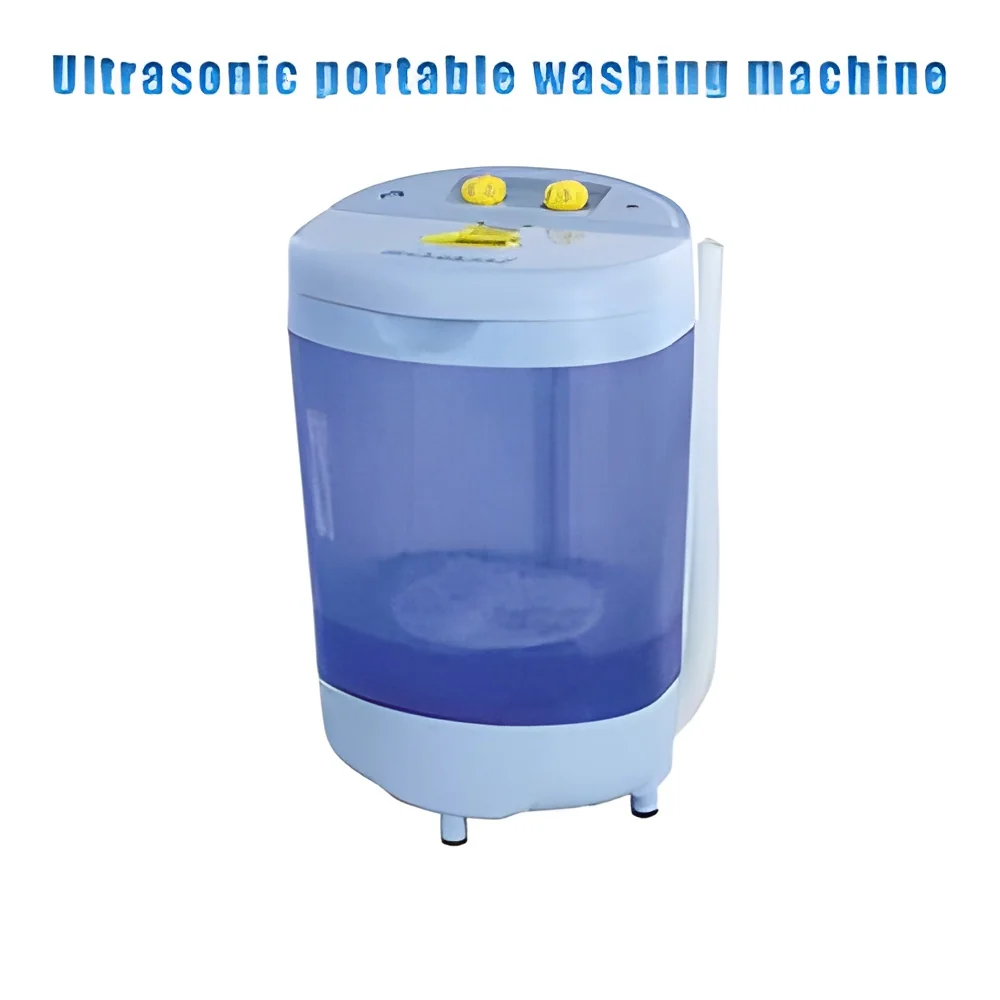
Compact Smart Washing Machines: Suitable for limited spaces, compact models are perfect for apartments or small laundromats. They offer essential features without sacrificing performance.
Benefits and Advantages
Smart washing machines offer numerous advantages for businesses seeking efficient laundry solutions.
1. Increased Efficiency: Automated processes reduce the time spent on laundry tasks, allowing staff to focus on other critical operations.
2. Cost Savings: Energy-efficient designs help lower utility bills, while optimized wash cycles reduce water consumption and detergent usage.
3. Remote Monitoring: Businesses can track machine performance and receive alerts, ensuring timely maintenance and minimizing downtime.
4. Enhanced User Experience: Customizable wash settings cater to various fabric types, improving the quality of laundry results.
5. Data-Driven Insights: Businesses can leverage data analytics to make informed decisions regarding laundry practices and inventory management.
6. Sustainability: The energy and water efficiency of smart washing machines supports eco-friendly initiatives, aligning with corporate social responsibility goals.
Buying Guide for B2B Buyers
When sourcing smart washing machines, several critical factors should be considered to ensure a successful purchase.
1. Quality Assessment: Evaluate the build quality and reliability of the machines. Look for reputable brands with proven track records in the industry.
2. Supplier Verification: Vet potential suppliers thoroughly. Check their certifications, customer reviews, and after-sales support to ensure a trustworthy partnership.
3. Pricing and MOQ: Understand the pricing structure and minimum order quantities. Compare quotes from multiple suppliers to secure the best deal.
4. Delivery and Lead Times: Discuss logistics and delivery schedules with suppliers. Ensure that lead times align with your operational needs to avoid disruptions.
5. Compliance Requirements: Verify that the machines meet relevant regulatory standards and certifications for your region, such as CE marking for safety and performance.
Compliance and Certifications
Smart washing machines must adhere to various quality standards and certifications to ensure they meet industry requirements.
ISO 9001 is a widely recognized standard that outlines criteria for a quality management system. Compliance with this standard helps manufacturers ensure consistent quality in their products.
CE certification indicates that a product meets European safety, health, and environmental protection standards. It is essential for businesses exporting smart washing machines to the European market.
Safety and testing requirements play a crucial role in the manufacturing of smart washing machines. These include thorough testing of electrical components and performance under varying load conditions.
Regional compliance considerations may vary based on local regulations. It is important for buyers to confirm that machines meet all necessary compliance standards before procurement.
Why Source Smart Washing Machines from Pepagora?
Pepagora provides a trusted platform for sourcing smart washing machines, offering several key advantages to B2B buyers.
Verified Supplier Network: Pepagora collaborates with a wide range of verified suppliers. This ensures that buyers have access to high-quality products from reputable manufacturers.
Streamlined RFQ Process: The request for quotation (RFQ) system simplifies the sourcing process. Buyers can easily compare multiple quotes and make informed purchasing decisions.
Trade Assurance and Support: Pepagora offers trade assurance to protect buyers throughout the transaction. This includes support for any issues that may arise during the purchasing process.
Regional Coverage: With a strong presence in India, the GCC, and Southeast Asia, Pepagora has the geographic reach to connect buyers with suppliers who can meet their specific needs efficiently.



 India
 India
 India
 India
 India

Frequently Asked Questions
What are Smart Washing Machines?
Smart Washing Machines are advanced laundry appliances that integrate technology to provide enhanced functionality and convenience. They can connect to the internet, allowing users to control the washing process remotely, monitor energy usage, and receive notifications.
What are the different types of Smart Washing Machines?
The different types of Smart Washing Machines include top-load washers, front-load washers, and washer-dryer combos. Each type offers unique features and advantages, such as energy efficiency, space-saving designs, or ease of use.
How do I choose the right Smart Washing Machines?
To choose the right Smart Washing Machine, consider factors such as capacity, energy efficiency, connectivity options, and available wash programs. It's also important to assess your laundry needs and available space to ensure the selected model fits.
What are the standard specifications for Smart Washing Machines?
Standard specifications for Smart Washing Machines typically include load capacity, spin speed, energy rating, and connectivity features. Additionally, program options and noise levels may also be relevant specifications to consider.
What is the price range for Smart Washing Machines?
The price range for Smart Washing Machines can vary widely depending on the brand, features, and specifications. Generally, prices can start from around ₹25,000 and can go up to ₹1,00,000 or more for high-end models.
What quality standards apply to Smart Washing Machines?
Smart Washing Machines must comply with various quality standards, including ISI certification in India, which ensures safety and performance. Additionally, energy efficiency ratings such as BEE ratings may apply to ensure reduced power consumption.
Where can I find Smart Washing Machines suppliers in India?
You can find Smart Washing Machines suppliers in India through B2B marketplaces like Pepagora.com, trade shows, and industry directories. These platforms allow you to connect with manufacturers and distributors offering a variety of models.
Can Smart Washing Machines be customized?
Yes, many manufacturers offer customization options for Smart Washing Machines. This may include modifications to features, colors, or sizes based on the specific requirements of businesses or consumers.
What is the typical minimum order quantity for Smart Washing Machines?
The typical minimum order quantity (MOQ) for Smart Washing Machines can vary by supplier, but it often ranges from 5 to 20 units. It's advisable to check with individual manufacturers for their specific MOQ policies.
What is the typical lead time for Smart Washing Machines?
The typical lead time for Smart Washing Machines can range from 2 to 8 weeks, depending on the manufacturer's production capacity and order size. It's important to confirm lead times with suppliers to ensure timely delivery.
Why Businesses Trust Pepagora
Thousands of companies trust Pepagora to source smarter and sell faster
Expand Your Sales Globally

Source Smarter,Grow Faster
