
 IN
Roofing Insulation Materials
15 products available
What are Roofing Insulation Materials?
Roofing insulation materials are specialized products designed to reduce heat transfer, enhance thermal performance, and improve energy efficiency in buildings. These materials are placed beneath or above roofing systems to create a barrier that minimizes the impact of external temperature fluctuations. By reducing heat loss in winter and heat gain in summer, roofing insulation materials help maintain a comfortable indoor climate while lowering energy consumption.
The primary uses of roofing insulation materials include residential, commercial, and industrial applications. They are commonly employed in new constructions as well as retrofitting existing structures. Businesses in the construction, real estate, and facility management sectors rely on these materials to enhance the sustainability and energy efficiency of buildings. The demand for roofing insulation materials is growing due to increasing energy costs and a heightened focus on eco-friendly building practices.
In the current market, roofing insulation materials hold significant relevance as energy efficiency becomes a priority for many industries. With rising global temperatures and fluctuating energy prices, the emphasis on effective insulation solutions is more critical than ever. As a result, manufacturers are innovating with new materials and technologies, further driving the growth of the roofing insulation market.
Key Features and Specifications
Roofing insulation materials come with various features and specifications that cater to different building needs. These specifications are essential for assessing performance, durability, and suitability for specific applications.
Key specifications include:
1. Thermal Resistance (R-Value)
- Measures the insulation's ability to resist heat flow.
- Higher R-Values indicate better insulation performance.
2. Fire Rating
- Indicates the material's resistance to fire.
- Common ratings include Class A, B, and C, with Class A being the most fire-resistant.
3. Water Resistance
- Evaluates the material's ability to withstand moisture.
- Essential for preventing mold and structural damage.
4. Density
- Refers to the weight of the insulation per unit volume.
- Affects overall thermal performance and soundproofing capabilities.
5. Sound Insulation Properties
- Measures the material's ability to reduce noise transmission.
- Important for commercial buildings and residential areas near busy roads.
6. Environmental Impact
- Assesses the sustainability of materials used.
- Considerations include recycled content and renewable resources.
7. Installation Method
- Describes how the insulation is applied (e.g., batt, board, spray).
- Impacts labor costs and installation time.
8. Lifespan
- Indicates the expected duration before replacement is needed.
- Longer lifespans contribute to lower long-term costs.
In summary, understanding these key specifications helps buyers choose roofing insulation materials that best fit their project requirements while ensuring performance and compliance with industry standards.
Common Applications and Use Cases
Roofing insulation materials are versatile and find applications across various industries.
1. Residential Construction: In homes, insulation materials are crucial for energy efficiency, helping to keep heating and cooling costs low. They are used in attics, roofs, and walls to provide thermal comfort.
2. Commercial Buildings: In commercial construction, these materials are vital for meeting energy codes and sustainability standards. They help reduce energy consumption in large office buildings, retail spaces, and warehouses.
3. Industrial Facilities: In factories and manufacturing plants, roofing insulation materials ensure temperature control, protecting sensitive equipment and processes from temperature fluctuations.
4. Educational Institutions: Schools and universities utilize roofing insulation in their buildings to enhance energy efficiency, creating a comfortable learning environment while reducing operational costs.
5. Healthcare Facilities: Hospitals and clinics use insulation materials to maintain stable temperatures, crucial for patient comfort and equipment performance.
6. Hospitality Industry: Hotels and resorts benefit from roofing insulation to improve guest comfort and reduce energy expenses, enhancing their sustainability profile.
7. Agricultural Structures: In agricultural buildings, insulation materials help regulate temperatures for livestock and equipment, ensuring optimal production conditions.
Product Variants and Subcategories
Roofing insulation materials come in various forms, each designed to meet specific needs and applications.
Polyisocyanurate Insulation
This variant is known for its high R-Value per inch, making it an excellent choice for low-slope roofs. It is lightweight and features a foil or fiberglass facing to enhance moisture resistance.
Extruded Polystyrene (XPS) Insulation
XPS insulation is durable and resistant to moisture, making it suitable for below-grade applications. It offers good thermal performance and is often used in commercial roofing systems.
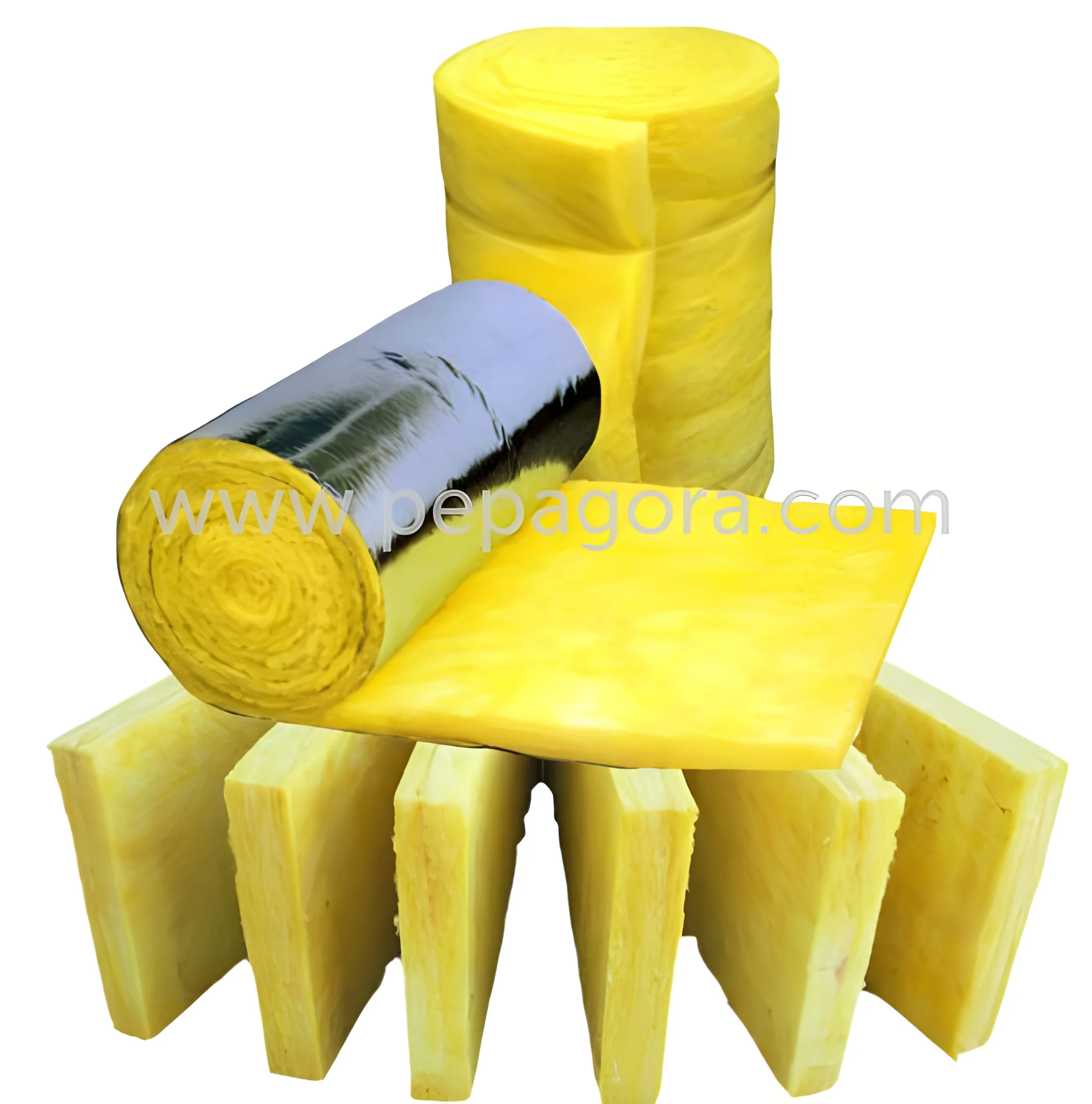
Fiberglass Batt Insulation
This type is widely used in residential applications due to its affordability and ease of installation. It provides decent thermal performance and is often combined with other insulation types for enhanced efficiency.
Spray Foam Insulation
Spray foam offers superior air sealing capabilities and is ideal for irregular spaces. It expands upon application, filling gaps and providing excellent thermal resistance.
Benefits and Advantages
Roofing insulation materials provide several advantages that contribute to building performance and sustainability.
1. Energy Efficiency: Proper insulation significantly reduces energy consumption by minimizing heat transfer, leading to lower utility bills.
2. Comfort Improvement: Insulation materials create a more comfortable indoor environment by stabilizing temperatures throughout the seasons.
3. Moisture Control: Many insulation materials are designed to resist moisture, helping to prevent mold growth and structural damage.
4. Noise Reduction: Good insulation materials can also improve soundproofing, making buildings quieter and more conducive to focused work or relaxation.
5. Environmental Sustainability: Many roofing insulation options are made from recycled materials or have low environmental impact, supporting green building initiatives.
6. Increased Property Value: Well-insulated buildings can attract buyers and tenants, as energy efficiency is a desirable feature in today's real estate market.
Buying Guide for B2B Buyers
When sourcing roofing insulation materials, B2B buyers should consider several critical factors to ensure they make informed decisions.
1. Quality Assessment: Evaluate the materials based on their thermal resistance, fire rating, and moisture control properties. High-quality insulation will perform better and last longer, leading to greater long-term savings.
2. Supplier Verification: Vet potential suppliers by checking their reputation, certifications, and customer reviews. A reliable supplier will have a history of delivering quality products on time.
3. Pricing and MOQ: Understand the pricing structure and minimum order quantities. Look for suppliers who offer competitive pricing without compromising on quality.
4. Delivery and Lead Times: Confirm delivery schedules and lead times to ensure that materials arrive when needed. Delays can impact project timelines and costs.
5. Compliance Requirements: Be aware of local building codes and regulations regarding insulation materials. Ensure that the products meet necessary certifications and standards to avoid compliance issues.
Compliance and Certifications
Compliance and certifications are essential for roofing insulation materials, as they ensure quality and safety.
Many roofing insulation products adhere to relevant quality standards such as ISO 9001, which ensures consistent quality management systems. This standard is crucial for manufacturers aiming to produce reliable materials.
Industry certifications, such as CE and UL, indicate that the products meet specific safety and performance standards. CE marking shows conformity with European health, safety, and environmental protection standards, while UL certification signifies that products have been tested for safety.
Additionally, roofing insulation materials must meet safety and testing requirements to ensure they perform well under various conditions. These tests may include fire resistance, thermal performance, and moisture resistance assessments.
Regional compliance considerations can vary, so it is important for buyers to be aware of local regulations that may affect the selection of roofing insulation materials. This awareness helps ensure compliance and enhances the overall safety and efficiency of the building.
Why Source Roofing Insulation Materials from Pepagora?
Pepagora provides a trusted platform for sourcing roofing insulation materials, offering several key advantages for B2B buyers.
Verified Supplier Network: Pepagora connects buyers with a verified network of suppliers, ensuring that all listed businesses meet stringent quality and reliability standards. This verification process helps buyers find reputable partners quickly.
Streamlined RFQ Process: The platform features a user-friendly request for quotation (RFQ) process, allowing buyers to easily compare quotes from multiple suppliers. This transparency facilitates informed decision-making.
Trade Assurance and Support: Pepagora offers trade assurance to protect buyers during transactions, providing added security and peace of mind. Their support team is also available to assist buyers throughout the sourcing process.
Regional Coverage: With a strong presence in key markets, including India, the GCC, and Southeast Asia, Pepagora provides extensive regional coverage. This geographic reach ensures that buyers can access a wide range of roofing insulation materials tailored to their specific needs.

 India
 India
 India
 India
 India
 India
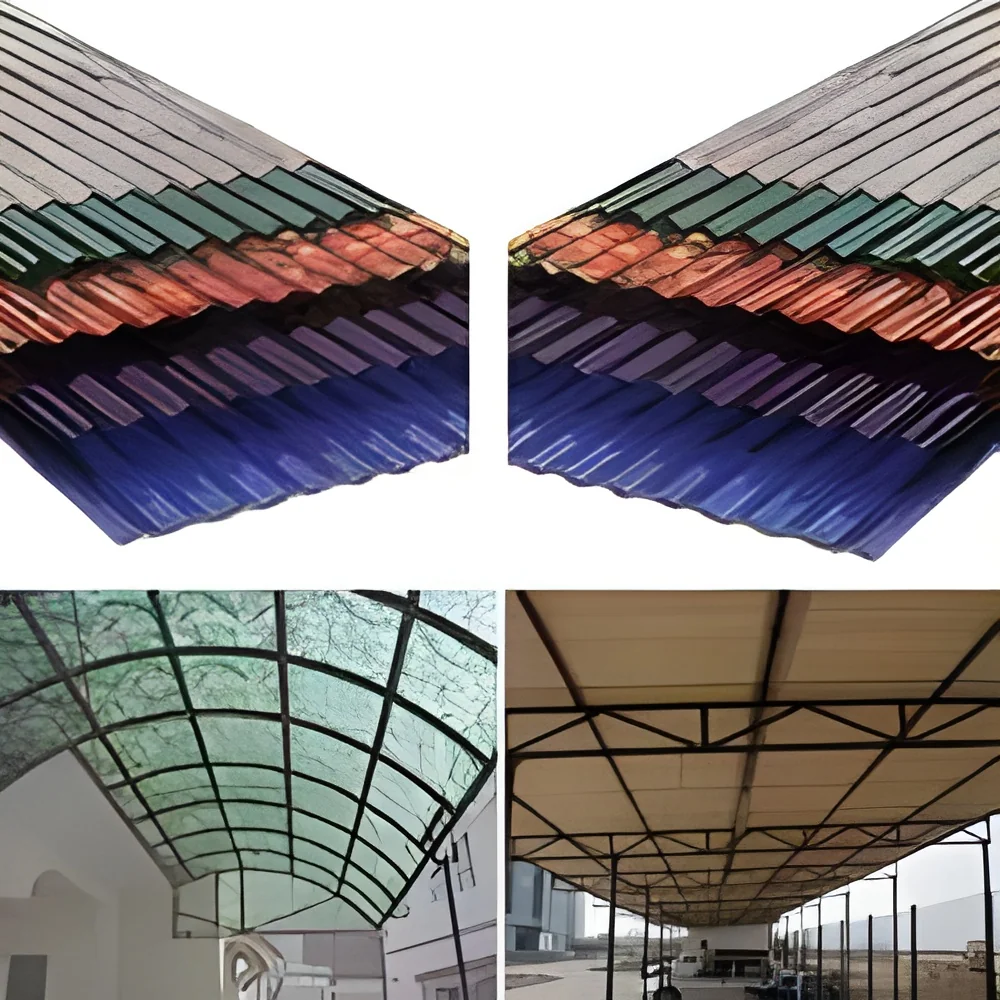 India
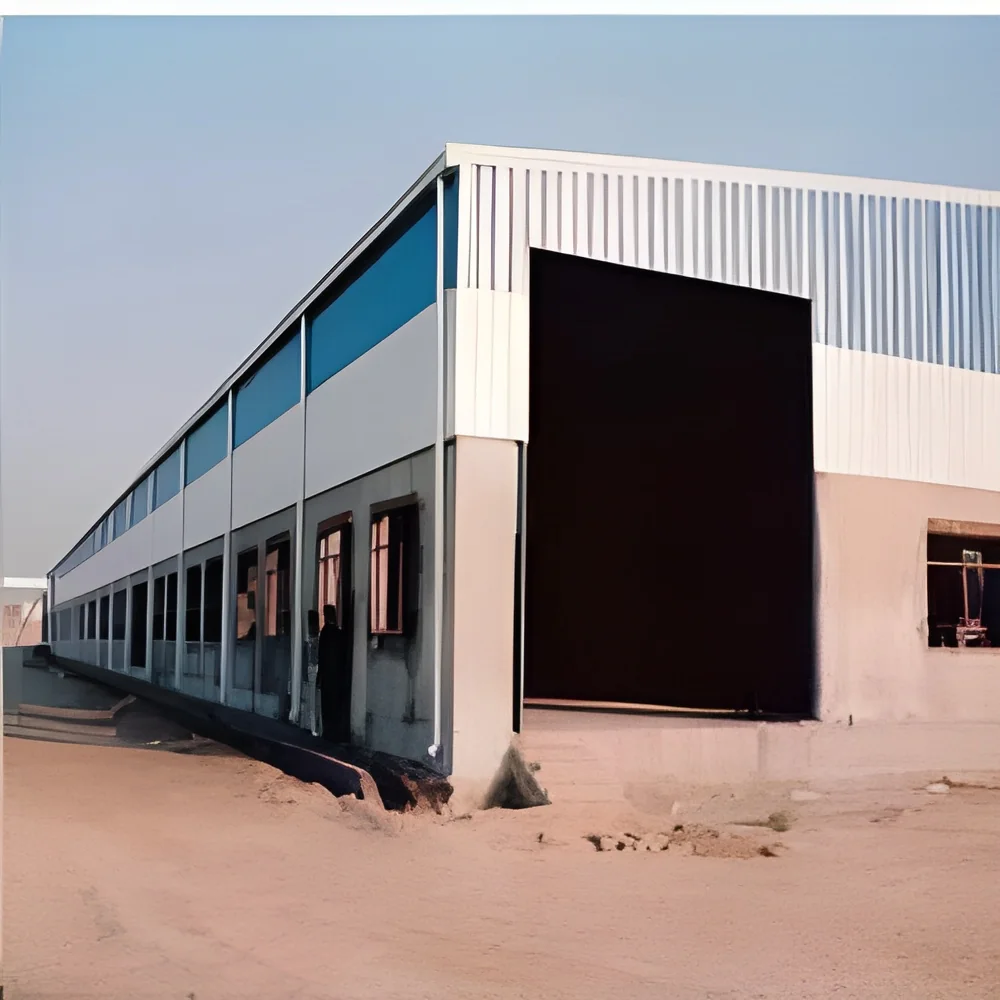 India
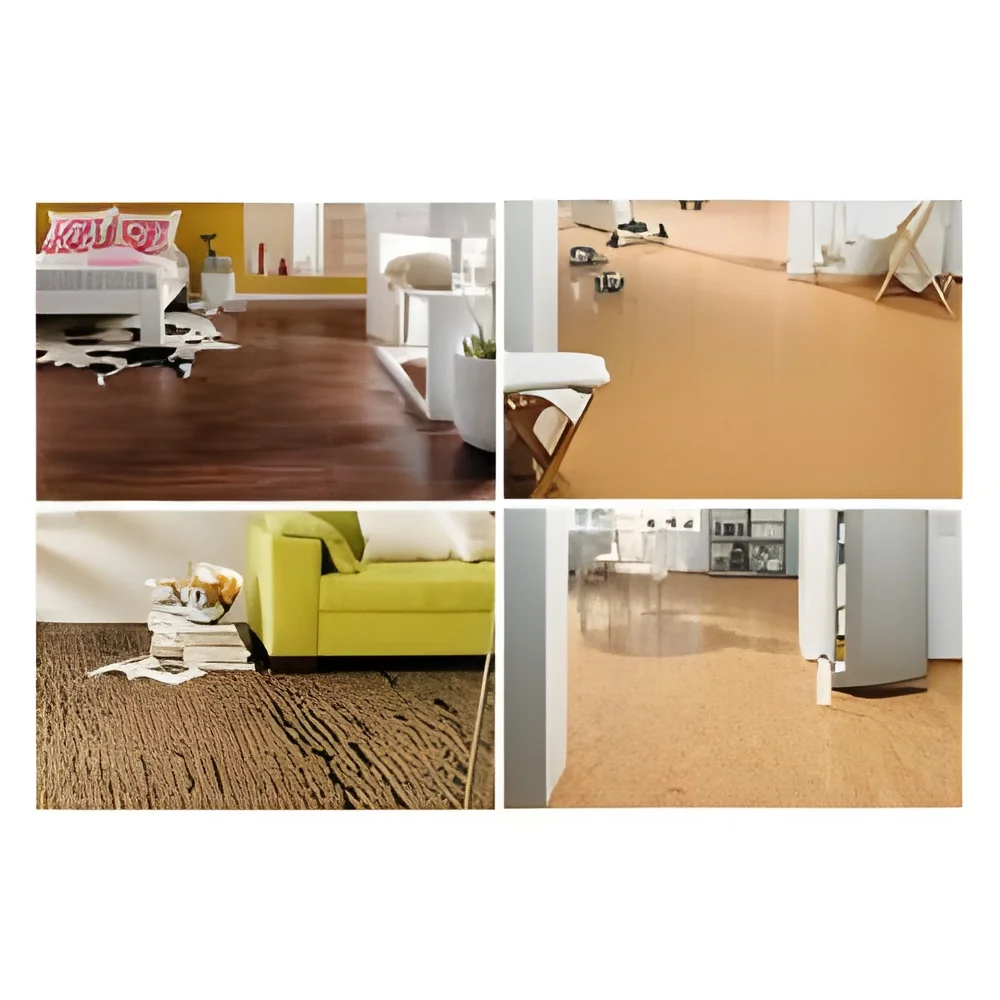 India
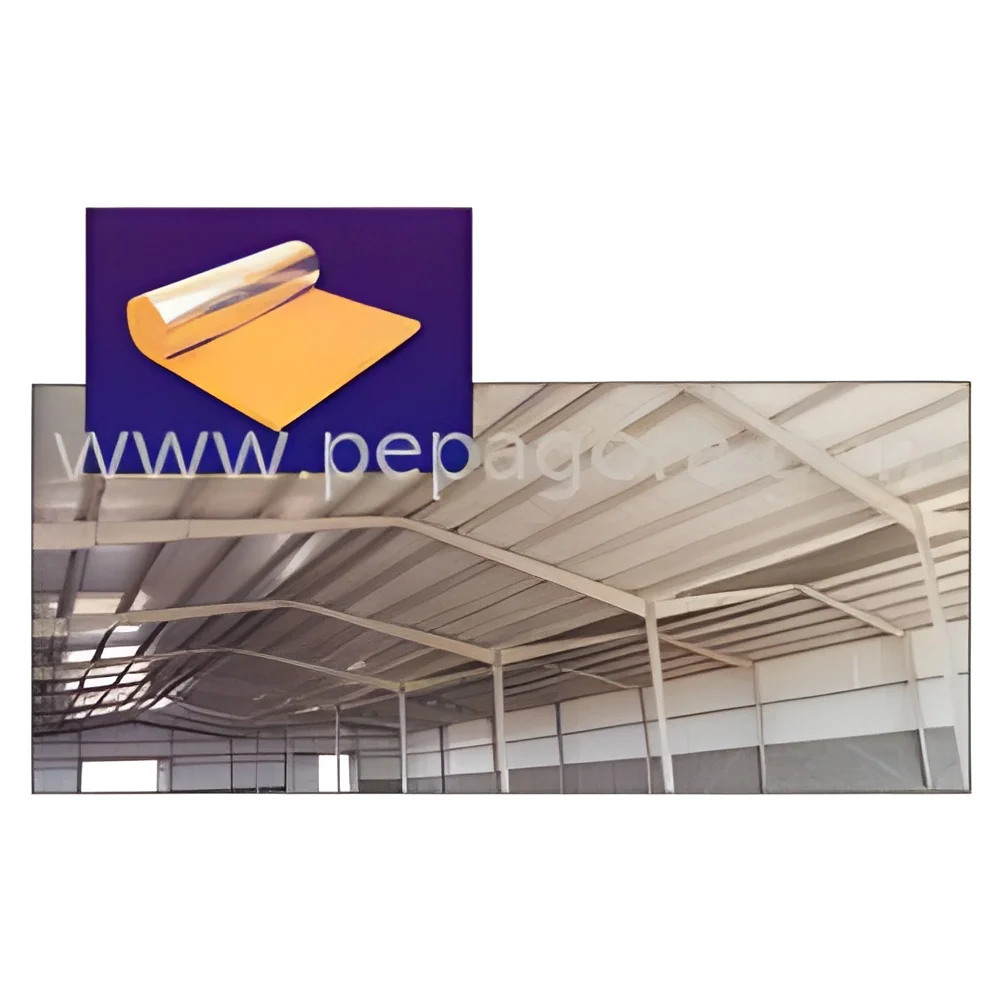
 India
 India

Frequently Asked Questions
What are Roofing Insulation Materials?
Roofing Insulation Materials are products designed to reduce heat transfer between the interior of a building and its roof. They help in maintaining comfortable indoor temperatures, enhancing energy efficiency, and reducing heating and cooling costs.
What are the different types of Roofing Insulation Materials?
The different types of Roofing Insulation Materials include fiberglass, foam board, spray foam, and reflective or radiant barrier insulation. Each type has unique properties that cater to various roofing systems and climate conditions.
How do I choose the right Roofing Insulation Materials?
Selecting the right Roofing Insulation Materials involves considering factors such as the building’s location, climate, roof type, and budget. It is also essential to evaluate the R-value, which measures thermal resistance, to ensure optimal energy efficiency.
What are the standard specifications for Roofing Insulation Materials?
Standard specifications for Roofing Insulation Materials typically include R-value ratings, thickness, density, and fire resistance. Compliance with local building codes and industry standards is also crucial for ensuring safety and performance.
What is the price range for Roofing Insulation Materials?
The price range for Roofing Insulation Materials can vary widely based on the type and quality of insulation. Generally, prices may range from INR 30 to INR 200 per square foot, depending on the material and supplier.
What quality standards apply to Roofing Insulation Materials?
Quality standards for Roofing Insulation Materials include ISI certifications, ASTM standards, and compliance with local building regulations. These standards ensure the materials meet required performance, durability, and safety criteria.
Where can I find Roofing Insulation Materials suppliers in India?
You can find Roofing Insulation Materials suppliers in India through B2B marketplaces like Pepagora, industry trade fairs, and local construction supply stores. Online platforms often provide a wide range of manufacturers and distributors for easy comparison.
Can Roofing Insulation Materials be customized?
Yes, many manufacturers offer customization options for Roofing Insulation Materials to meet specific project requirements. Customization may include different sizes, thicknesses, and R-values as per the client's needs.
What is the typical minimum order quantity for Roofing Insulation Materials?
The typical minimum order quantity (MOQ) for Roofing Insulation Materials can vary by supplier and material type. Generally, MOQs may range from 100 to 500 square feet, depending on the manufacturer’s policies.
What is the typical lead time for Roofing Insulation Materials?
The typical lead time for Roofing Insulation Materials can range from 7 to 14 days, depending on the supplier and order quantity. Custom orders may require additional time for production and delivery.
Why Businesses Trust Pepagora
Thousands of companies trust Pepagora to source smarter and sell faster
Expand Your Sales Globally

Source Smarter,Grow Faster
