What are Waterproof Membranes for Roofing?
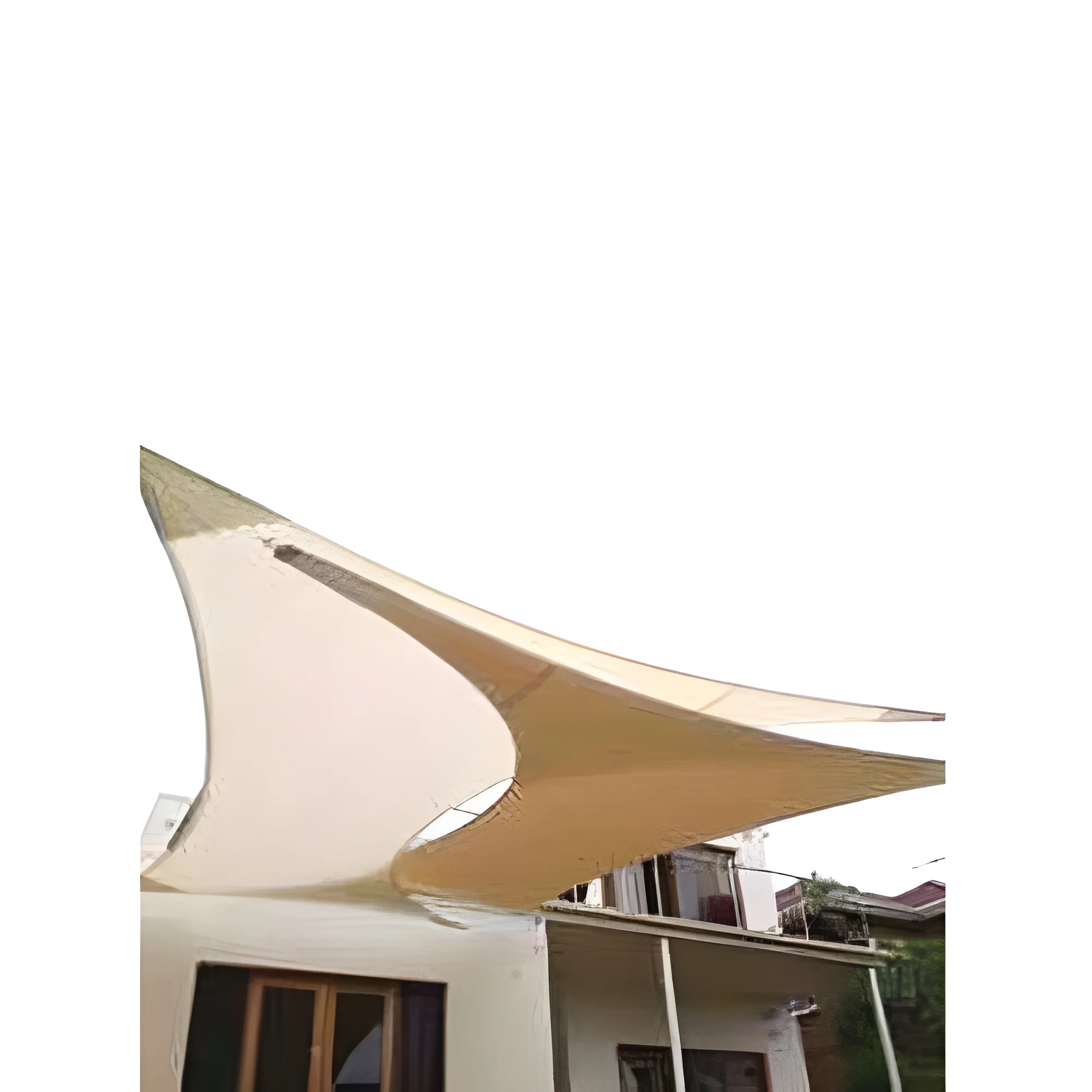
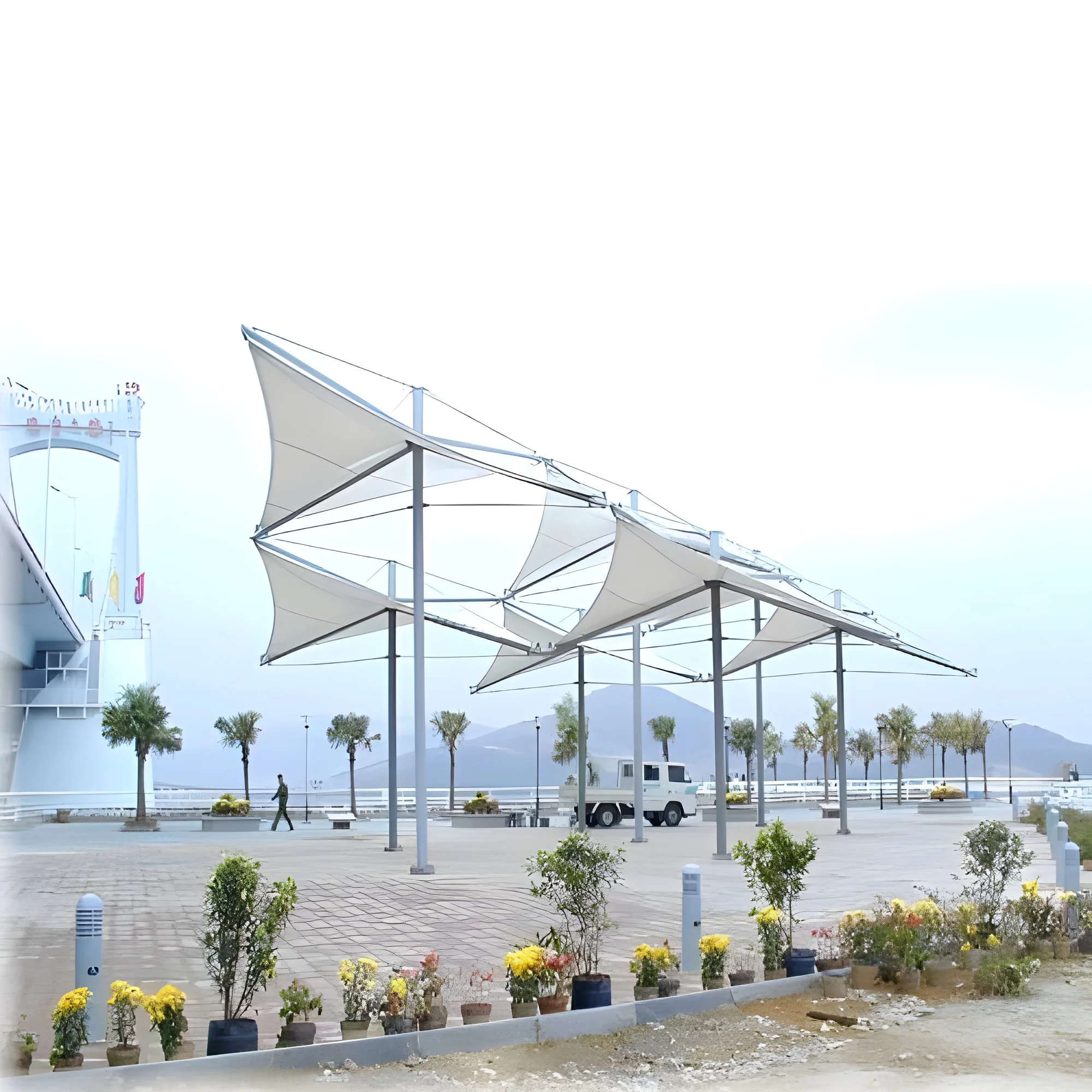
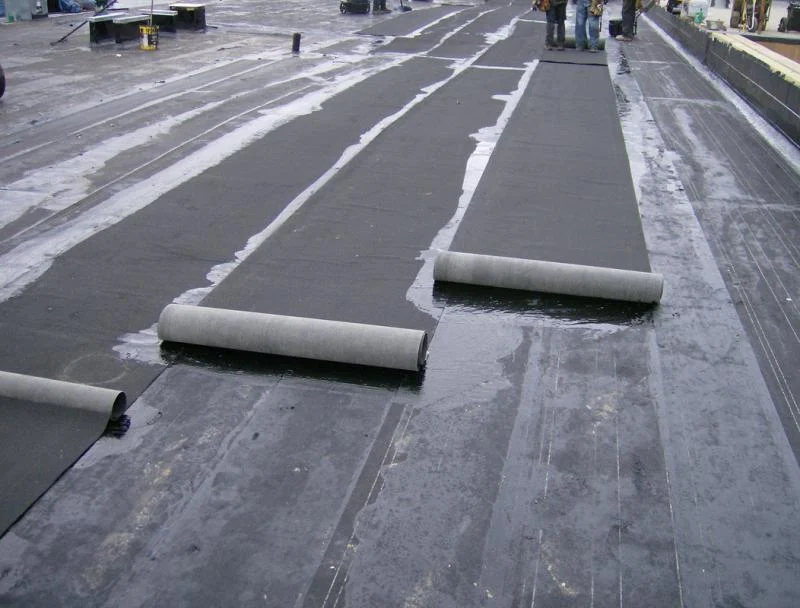
Waterproof membranes for roofing are critical materials designed to prevent water infiltration in roofing systems. These membranes can be made from various materials, including bitumen, PVC, TPO, and EPDM. Their primary function is to create a barrier that protects the underlying structure from moisture damage, which can lead to deterioration and costly repairs.
These membranes are widely used in both commercial and residential roofing applications. They are essential in flat roofs, where water drainage can be more challenging. Businesses in construction, architecture, and facility management often rely on waterproof membranes to ensure the durability and longevity of roofing systems. The growing awareness of the importance of waterproofing has led to increased adoption in various sectors, making these membranes a vital component in modern construction.
Key Features and Specifications
Waterproof membranes for roofing are characterized by several key features that enhance their performance and durability. Understanding these specifications is crucial for making informed purchasing decisions.
Key specifications include:
1. Material Composition
- The type of material used, such as PVC, TPO, or EPDM, directly impacts durability and performance.
- Each material has specific properties like flexibility, UV resistance, and temperature tolerance.
2. Thickness
- Membrane thickness typically ranges from 1.2 mm to 3.0 mm, affecting strength and installation requirements.
- Thicker membranes often provide enhanced durability and resistance to punctures.
3. Temperature Resistance
- Many membranes are designed to withstand extreme temperatures, both hot and cold.
- This specification ensures the membrane maintains integrity across different climates.
4. Water Vapor Permeability
- This measures how much moisture can pass through the membrane.
- A lower permeability rate is often desired to prevent moisture buildup beneath the surface.
5. Installation Method
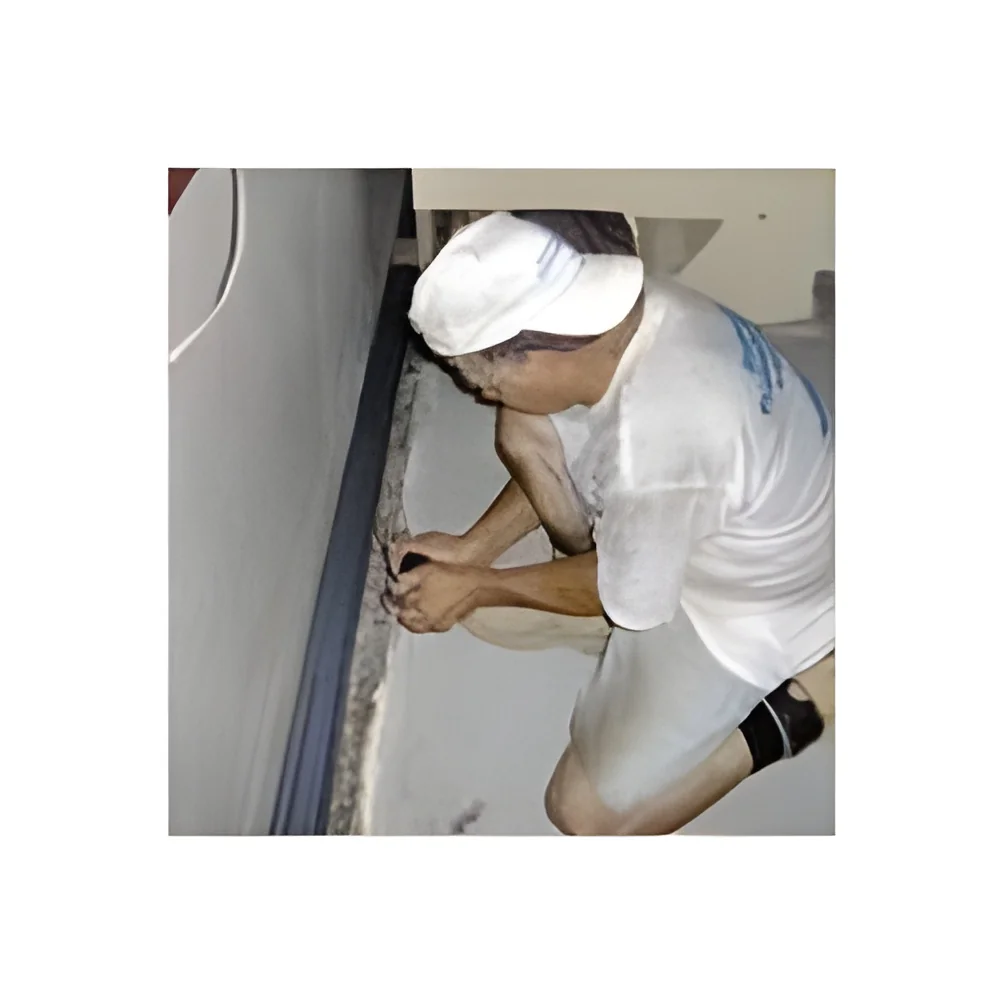
- Membranes may be applied using various methods, including mechanically fastened, adhered, or self-adhered systems.
- The choice of installation method can influence performance and long-term reliability.
6. Lifespan
- Many waterproof membranes come with warranties ranging from 10 to 30 years, indicating expected durability.
- This lifespan is often influenced by material choice and environmental factors.
7. UV Resistance
- Membranes with higher UV resistance can better withstand sunlight exposure without degrading.
- This feature is essential for roofs that experience direct sunlight.
8. Fire Resistance Rating
- Some membranes are rated for fire resistance, which is crucial in certain commercial applications.
- This rating can help meet safety regulations and standards.
In summary, understanding the key specifications of waterproof membranes for roofing enables buyers to choose products that best meet their specific needs and project requirements.
Common Applications and Use Cases
Waterproof membranes for roofing are utilized across various industries, each benefiting from their protective qualities.
1. Commercial Buildings: Waterproof membranes are essential in large commercial structures, where flat roofs are common. They protect against leaks and structural damage caused by water accumulation.
2. Residential Properties: Homeowners use these membranes in flat extensions, garages, and balconies to ensure that water does not penetrate the building's interior.
3. Industrial Facilities: Factories and warehouses often require waterproof roofing solutions to safeguard machinery and inventory from potential water damage.
4. Healthcare Facilities: Hospitals and clinics use waterproof membranes to maintain sterile environments, preventing water intrusion that could compromise hygiene standards.
5. Educational Institutions: Schools and universities incorporate waterproof membranes in their roofing systems to ensure safety and longevity, reducing maintenance costs.
6. Retail Spaces: Stores and shopping centers benefit from waterproof membranes by minimizing disruptions caused by leaks, thereby protecting merchandise and enhancing customer experience.
7. Infrastructure Projects: Waterproof membranes are crucial in infrastructure projects like bridges and tunnels, where water exposure can lead to significant structural issues.
Product Variants and Subcategories
Waterproof membranes for roofing come in various forms, catering to different needs and applications.
Single-Ply Membranes: These are lightweight, versatile options ideal for flat roofs. They offer excellent flexibility and are easy to install, making them popular in commercial roofing.
Modified Bitumen Membranes: Combining the best aspects of traditional asphalt and modern polymers, these membranes provide enhanced durability and resistance to weather elements.
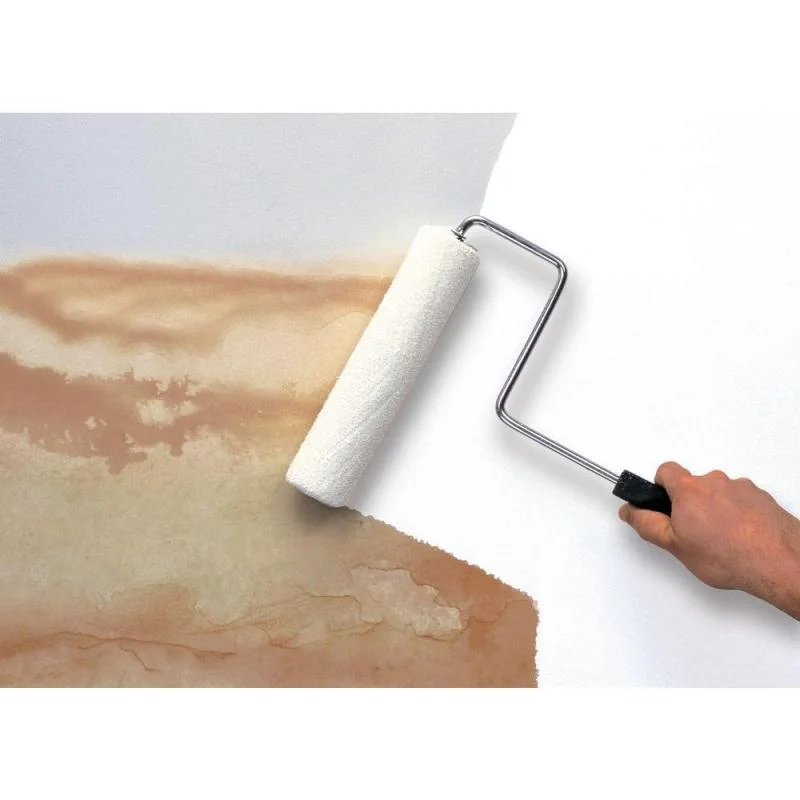
Liquid Applied Membranes: These membranes are applied as a liquid and cure to form a seamless, waterproof barrier. They are particularly useful for complex roof shapes and details.
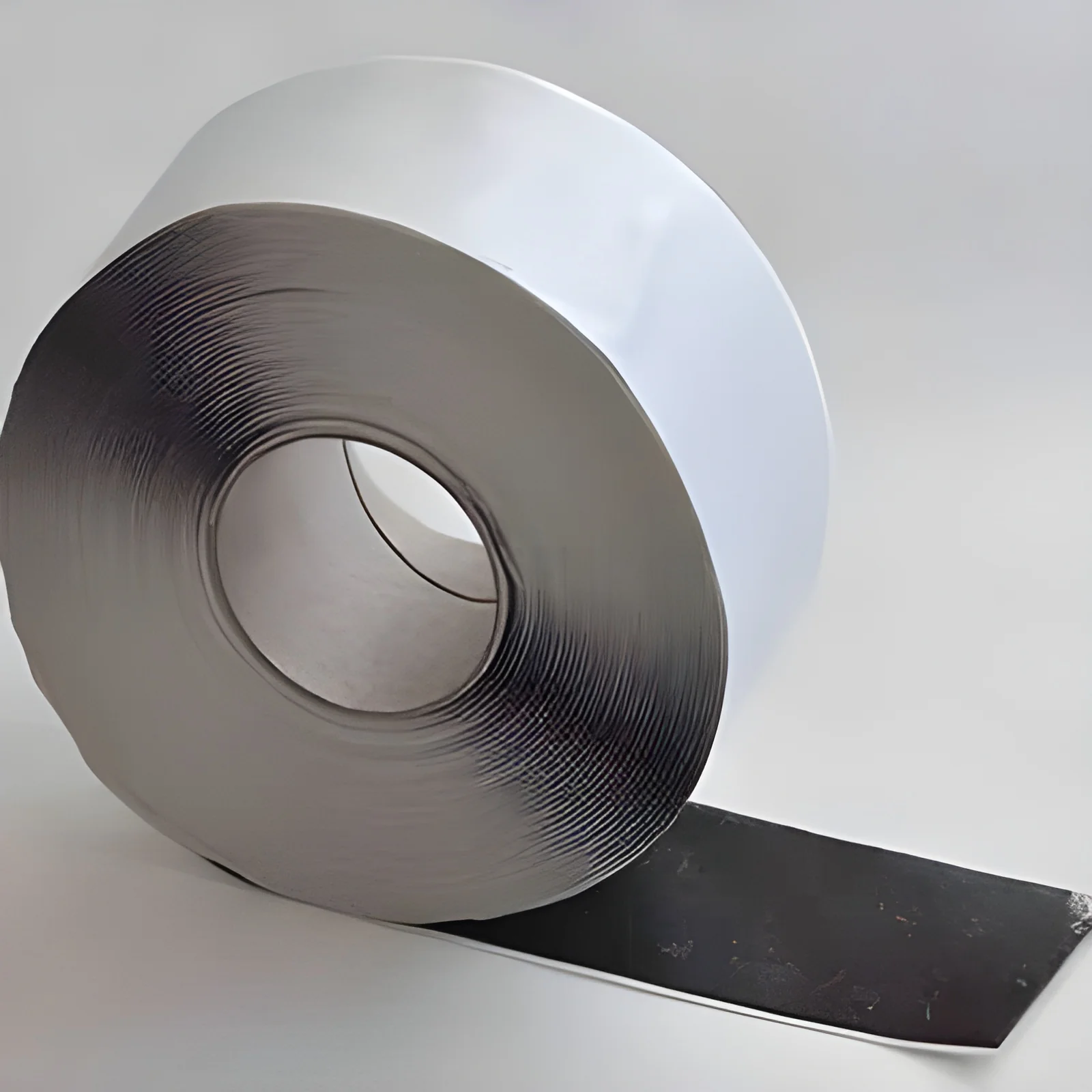
Self-Adhered Membranes: This variant simplifies installation by using adhesive backing. They are ideal for projects where quick installation is critical, reducing labor costs.
Benefits and Advantages
Choosing waterproof membranes for roofing offers numerous advantages that enhance building longevity and performance.
1. Leak Prevention: Waterproof membranes provide a robust barrier against water infiltration, protecting the building's structure.
2. Durability: High-quality membranes are designed to withstand extreme weather conditions, ensuring long-term performance.
3. Energy Efficiency: Some membranes are designed to reflect sunlight, helping to reduce cooling costs in warm climates.
4. Low Maintenance: Once installed, these membranes require minimal upkeep, allowing property owners to save on maintenance costs.
5. Versatility: Waterproof membranes can be used in various roofing applications, making them suitable for many building types.
6. Environmental Protection: These membranes help reduce water damage, preventing mold growth and maintaining a healthy indoor environment.
Buying Guide for B2B Buyers
When sourcing waterproof membranes for roofing, it is essential to consider several key factors to ensure the right choice.
1. Quality Assessment: Evaluate the quality of membranes based on material properties, durability, and manufacturer reputation. Request samples if possible to assess performance.
2. Supplier Verification: Vet suppliers to ensure they have a proven track record in providing high-quality roofing products. Check for customer reviews and industry certifications.
3. Pricing and MOQ: Understand the pricing structure and minimum order quantities. Compare prices across suppliers while considering product quality and specifications.
4. Delivery and Lead Times: Confirm the delivery timelines and logistics arrangements. Ensure that suppliers can meet your project deadlines.
5. Compliance Requirements: Check for compliance with local regulations and industry standards. Ensure that the membranes meet necessary certifications for safety and performance.
Compliance and Certifications
Waterproof membranes for roofing are subject to various compliance standards and certifications, ensuring quality and safety in their application. Relevant quality standards, such as ISO 9001, provide a framework for consistent quality management and assurance in manufacturing processes.
Industry certifications like CE indicate that products meet European safety and performance standards. These certifications are crucial for buyers looking to ensure that their roofing materials are reliable and comply with legal requirements.
Additionally, safety and testing requirements, including fire resistance tests and weather performance evaluations, are essential to consider. Regional compliance may vary, so it is important for buyers to be aware of local regulations that pertain to roofing materials.
Why Source Waterproof Membranes for Roofing from Pepagora?
Pepagora offers a trusted platform for sourcing waterproof membranes for roofing, ensuring businesses have access to high-quality products and reliable suppliers.
Verified Supplier Network: Pepagora maintains a network of verified suppliers, ensuring that buyers can connect with manufacturers known for their quality and reliability.
Streamlined RFQ Process: The request-for-quotation process is designed to be efficient, allowing buyers to receive competitive quotes quickly and easily.
Trade Assurance and Support: With trade assurance, buyers can feel secure in their transactions, knowing that Pepagora provides support and protection throughout the purchasing process.
Regional Coverage: Pepagora serves a wide geographic area, including India, the GCC, and Southeast Asia, making it a convenient choice for businesses looking to source waterproof membranes for roofing in these regions.

 IN
IN