What are Roof Trusses & Purlins?
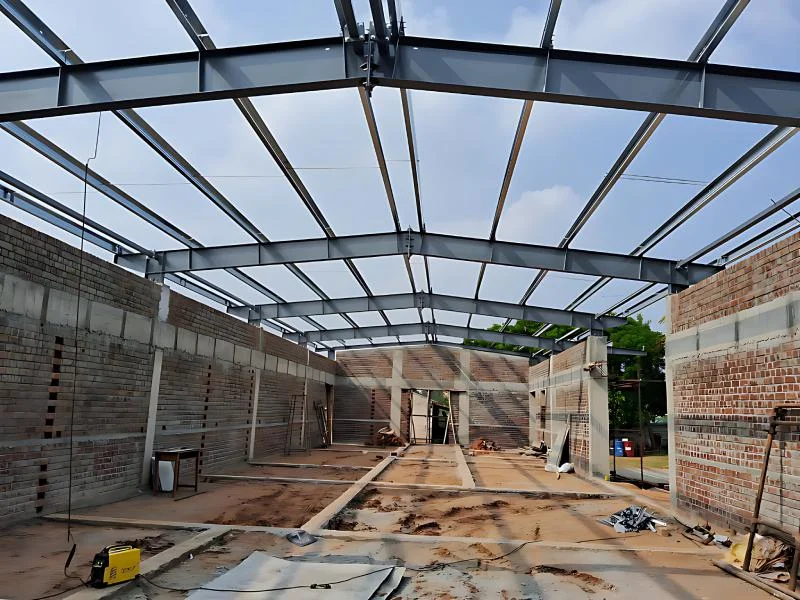
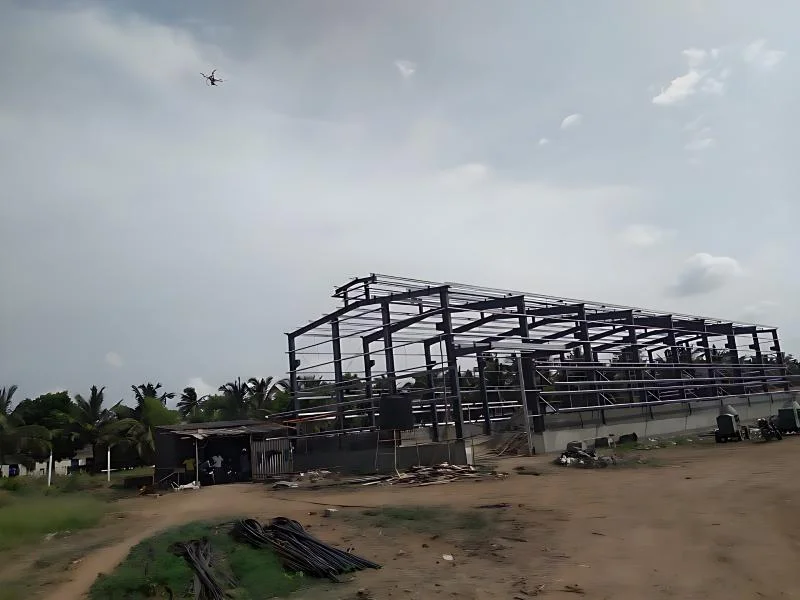
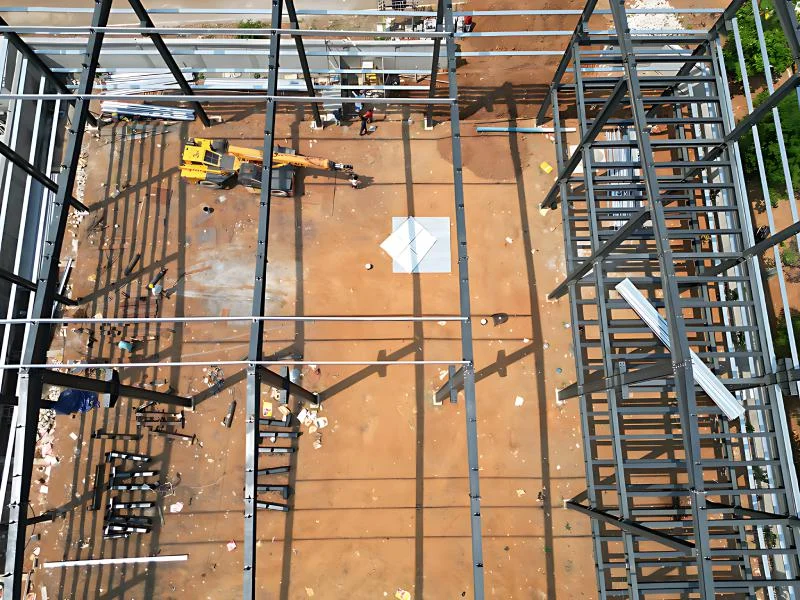
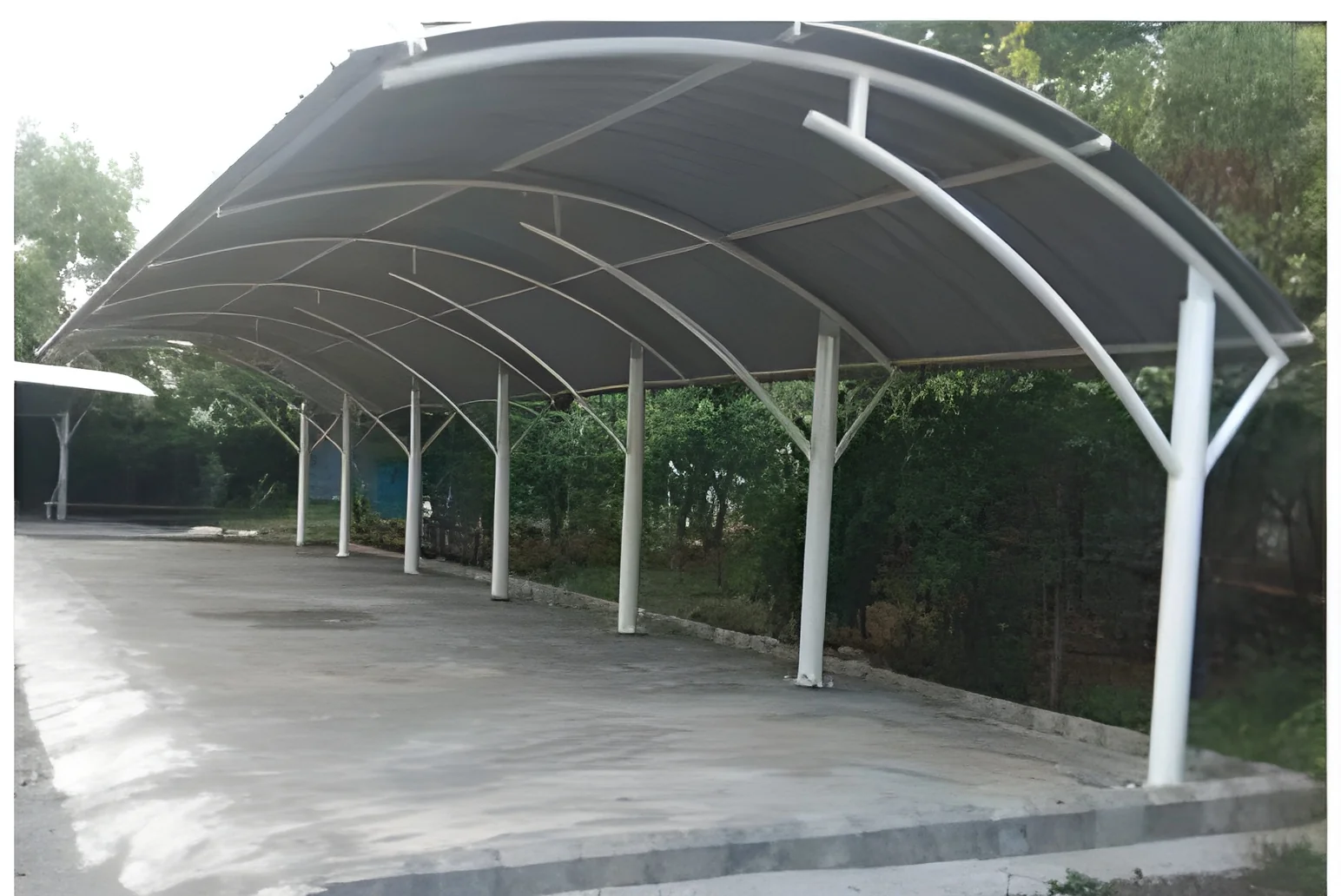
Roof trusses and purlins are essential structural components used in roof construction. Roof trusses are frameworks that provide support for the roof, typically formed from wood or steel. They are designed to distribute the weight of the roof evenly across the walls of a building. Purlins, on the other hand, are horizontal beams that are placed on top of the trusses to support the roof covering. Together, these components create a stable and durable roofing system.
These products are primarily used in commercial and industrial buildings, warehouses, and residential structures. They play a crucial role in ensuring the integrity of the roof and allowing for various roofing materials to be installed. The demand for roof trusses and purlins is significant in the construction industry, where they are utilized for their strength, efficiency, and cost-effectiveness. As construction projects continue to grow worldwide, the market for these products remains robust, catering to diverse architectural needs.
Key Features and Specifications
Roof trusses and purlins come with specific features and specifications that cater to different building requirements. These specifications ensure that the products meet structural integrity and safety standards while providing flexibility in design.
Key specifications include:
1. Material Type
- Roof trusses can be constructed from wood or steel, depending on the required load-bearing capacity and design preferences.
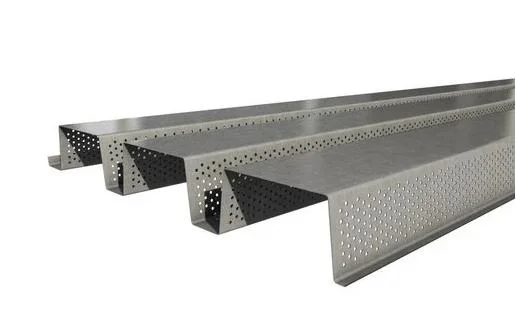
- Purlins are typically made from galvanized steel or aluminum for enhanced durability.
2. Load Capacity
- The load capacity varies based on the design and material used, accommodating different weight requirements for roofing materials.
- Typical load capacities can range from 1000 kg to 5000 kg, depending on project specifications.
3. Span Length
- Roof trusses can span distances from 4 meters to 30 meters or more, depending on design and engineering requirements.
- Longer spans may require additional support or specific design considerations.
4. Profile Types
- Trusses can be designed in various profiles, including triangular, scissor, or flat, to meet aesthetic and functional needs.
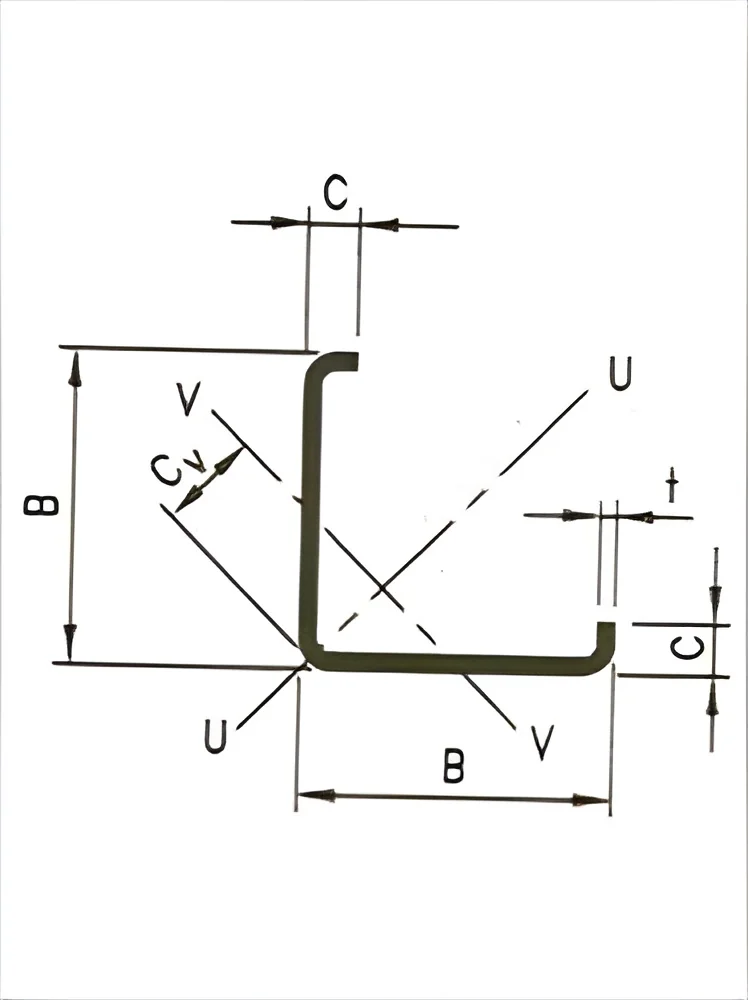
- Purlins come in C, Z, and U profiles, providing options for different construction methods.
5. Coating and Finish
- Steel components often feature galvanization or powder coating to enhance corrosion resistance.
- Wood trusses may be treated for weather resistance and fire retardancy.
6. Connection Types
- Connection methods for trusses include metal plates, bolts, or welded joints, ensuring secure assembly.
- Purlins may use clips or brackets for attachment to trusses, providing flexibility in installation.
7. Compliance Standards
- Products must comply with local building codes and standards, ensuring safety and reliability.
- Certifications such as CE may apply, depending on regional requirements.
In summary, the specifications of roof trusses and purlins are designed to meet various construction requirements while ensuring structural integrity and durability.
Common Applications and Use Cases
Roof trusses and purlins are utilized across a broad range of industries, each with specific applications that enhance structural performance.
1. Construction Industry: Used in residential and commercial buildings, roof trusses provide the primary structural support for roofs, enabling efficient designs and load distribution.
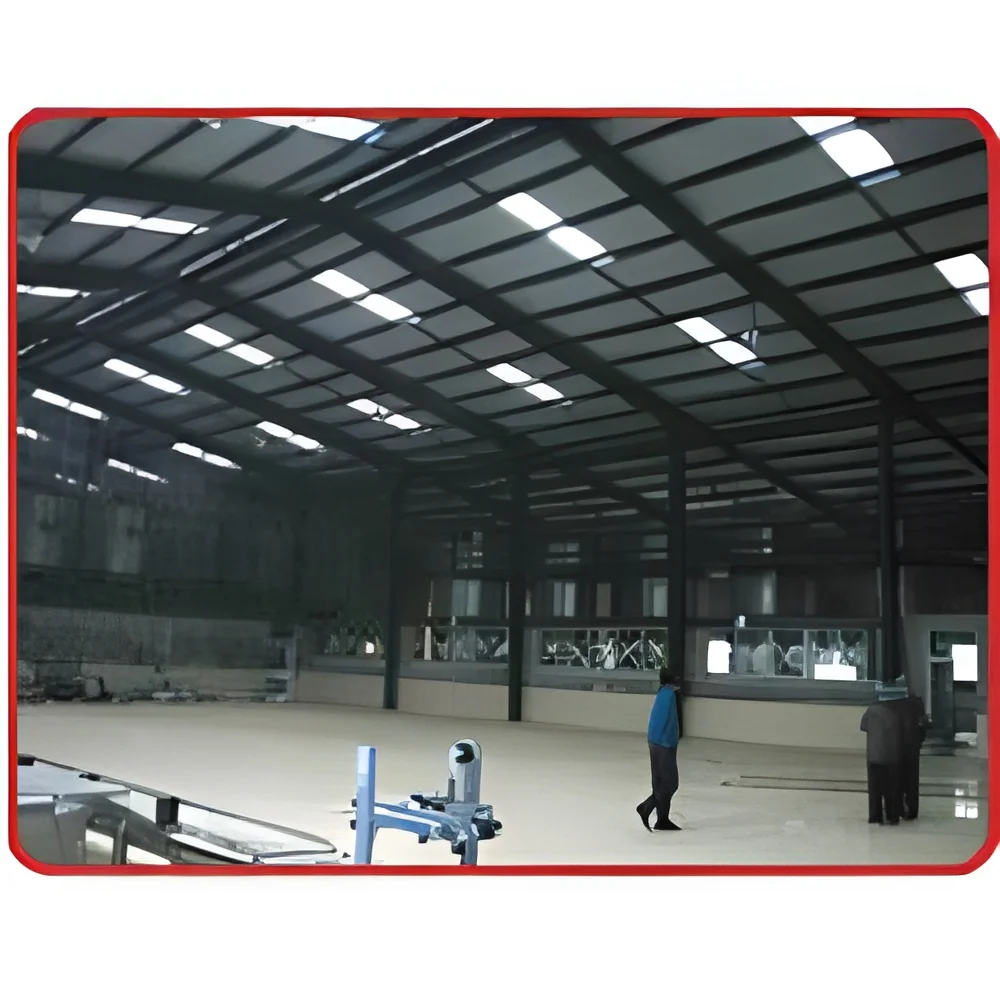
2. Warehousing: In large warehouses, purlins are essential for supporting metal roofing systems, allowing for expansive open spaces without interior columns.
3. Agricultural Buildings: Roof trusses are commonly used in barns and storage facilities, providing strength to withstand heavy loads such as equipment and equipment storage.
4. Manufacturing: Industrial facilities leverage roof trusses and purlins to create robust roofing systems that support heavy equipment and machinery.
5. Retail Spaces: Shopping centers and retail outlets use these components to create aesthetically pleasing roofs while ensuring safety and functionality.
6. Sports Facilities: Roof trusses are integral in constructing large arenas and stadiums, allowing for unobstructed views and spacious layouts.
7. Educational Institutions: Schools and universities utilize trusses and purlins in the construction of gymnasiums and auditoriums, where large open spaces are necessary.
Product Variants and Subcategories
Roof trusses and purlins come in various designs to cater to specific structural needs and applications. Each variant offers unique features and benefits that enhance their usability.
Standard Trusses: These are the most common type and are designed for general use in residential and commercial buildings. They provide reliable support for various roofing materials.
Scissor Trusses: Ideal for vaulted ceilings, scissor trusses allow for increased vertical space and aesthetic appeal. They are often used in homes and churches.
Mono Trusses: These trusses have a single slope and are typically used in structures like lean-tos and awnings. They are cost-effective and easy to install.
C Purlins: These are widely used in steel construction, providing a strong support system for roof sheeting. They are versatile and suitable for various applications.
Z Purlins: Offering superior strength, Z purlins are used in heavy-duty applications where additional load-bearing capacity is required.
Benefits and Advantages
Roof trusses and purlins present numerous advantages that make them an ideal choice for construction projects.
1. Structural Integrity: These components are designed to provide excellent strength and stability, ensuring safety and durability in construction.
2. Cost-Effectiveness: Utilizing roof trusses and purlins can reduce material costs and labor expenses, as they allow for quicker installation and less material waste.
3. Design Flexibility: Various designs and profiles make it possible to achieve unique architectural styles while maintaining structural performance.
4. Lightweight: Compared to traditional roofing materials, trusses and purlins are typically lighter, which simplifies transportation and installation.
5. Energy Efficiency: Properly designed trusses and purlins can contribute to better insulation and energy efficiency in buildings, lowering operational costs.
6. Reduced Construction Time: The prefabrication of trusses and purlins can expedite the construction process, leading to shorter project timelines.
Buying Guide for B2B Buyers
When sourcing roof trusses and purlins, B2B buyers should consider several important factors to ensure they make informed purchasing decisions.
1. Quality Assessment: Evaluate the materials and construction quality of the trusses and purlins. Look for products that meet industry standards and have a good reputation for durability.
2. Supplier Verification: Vet suppliers to ensure they have a track record of reliability and quality. Check for certifications and customer reviews to assess their credibility.
3. Pricing and MOQ: Understand the pricing structure and minimum order quantities (MOQ) required by suppliers. Compare offers to ensure you get the best value for your investment.
4. Delivery and Lead Times: Discuss delivery schedules and lead times with suppliers. Timely delivery is crucial for maintaining project timelines.
5. Compliance Requirements: Ensure that the products meet local building codes and safety regulations. This may include certifications such as CE and adherence to relevant standards.
Compliance and Certifications
Compliance with quality standards and regulations is critical in the manufacturing of roof trusses and purlins. Key standards include ISO 9001, which focuses on quality management systems, and other specific regulations that may apply to construction materials.
Industry certifications, such as CE marking, indicate that the products meet European safety, health, and environmental protection standards. This certification is particularly important for products sold in European markets.
Additionally, safety and testing requirements must be adhered to, ensuring that products have undergone rigorous testing for load-bearing capacity and durability. Regional compliance considerations may vary, so it is essential to be aware of local regulations that could affect the use of roof trusses and purlins in construction projects.
Why Source Roof Trusses & Purlins from Pepagora?
Pepagora offers a trusted platform for sourcing roof trusses and purlins, ensuring B2B buyers have access to high-quality products. One of the key advantages is the verified supplier network, which provides peace of mind regarding the reliability of all listed suppliers. Each supplier undergoes a vetting process to confirm their credibility and product quality.
The platform also features a streamlined request for quotation (RFQ) process, allowing buyers to easily obtain quotes from multiple suppliers. This efficiency helps businesses make quicker and informed purchasing decisions.
Additionally, trade assurance and buyer protection are essential components of the Pepagora experience. Buyers can feel secure knowing that their transactions are protected, and they have access to support throughout the purchasing process.
With a strong regional coverage spanning India, the GCC, and Southeast Asia, Pepagora connects buyers with suppliers across diverse markets, facilitating international trade and expanding sourcing opportunities.

 IN
IN