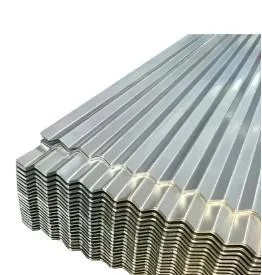
What are Aluminum Roofing Sheets?
Aluminum roofing sheets are lightweight, durable materials used to cover roofs in various structures. They are made from aluminum alloys, which provide excellent resistance to corrosion and weathering. This makes aluminum roofing sheets an ideal choice for both residential and commercial applications. Their lightweight nature simplifies installation, reducing labor costs and time.
These roofing sheets find extensive use in industries such as construction, agriculture, and manufacturing. They are often utilized in buildings, warehouses, and industrial plants due to their resilience and long lifespan. Additionally, aluminum roofing sheets can enhance energy efficiency by reflecting sunlight, which helps maintain cooler indoor temperatures. The growing demand for sustainable building materials has further increased their relevance in the market.
Key Features and Specifications
Aluminum roofing sheets come with a variety of features that make them a preferred choice for many applications. Their specifications often include factors like thickness, coating options, and thermal performance.
Key specifications include:
1. Thickness
- Common thicknesses range from 0.5 mm to 1.5 mm.
- Thickness affects durability and insulation properties.
2. Coating
- Available in various finishes such as polyester, PVDF, or epoxy.
- Coatings enhance corrosion resistance and aesthetic appeal.
3. Weight
- Typically weigh between 1.5 kg to 3.5 kg per square meter.
- Lightweight nature facilitates easier handling and installation.
4. Width
- Standard widths usually range from 1000 mm to 1250 mm.
- Variability allows for customization based on project needs.
5. Length
- Available in lengths from 2000 mm to 8000 mm.
- Custom lengths can be provided based on specific requirements.
6. Color Options
- Offered in a wide range of colors for aesthetic flexibility.
- Color choices can help match the architectural style of buildings.
7. Thermal Conductivity
- Generally has good thermal performance to reduce heat transfer.
- Helps improve energy efficiency in buildings.
8. Fire Resistance
- Aluminum is inherently fire-resistant, providing safety benefits.
- Meets industry standards for fire safety in construction.
In summary, aluminum roofing sheets combine lightweight characteristics with robust features, making them suitable for a wide array of applications.
Common Applications and Use Cases
Aluminum roofing sheets serve various industries due to their versatility and durability.
1. Construction: Commonly used in residential and commercial buildings, providing a lightweight and weather-resistant roofing solution.
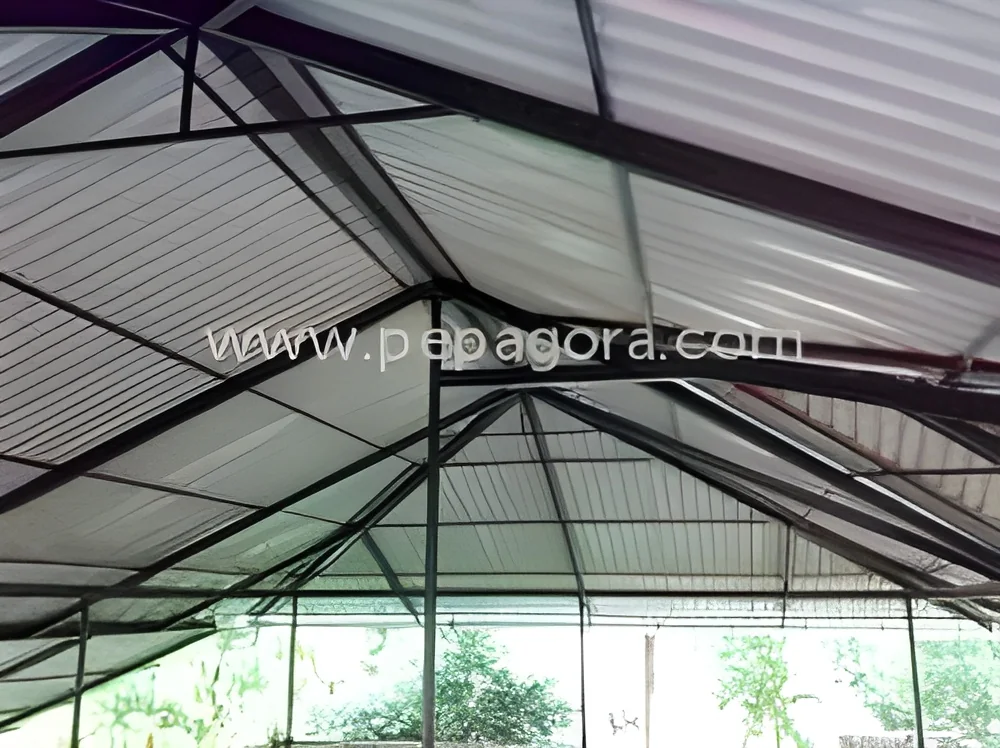
2. Agriculture: Often employed in agricultural buildings such as barns and greenhouses, where lightweight roofing can contribute to better energy efficiency.
3. Manufacturing: Used in factories and warehouses, offering protection against the elements while maintaining structural integrity.
4. Transportation: Occasionally utilized in the roofing of trailers and trucks, where weight savings are crucial.
5. Infrastructure: Applied in roofing for schools, hospitals, and other public buildings, ensuring longevity and reduced maintenance costs.
6. Hospitality: Frequently found in hotels and resorts, providing an attractive and durable roofing option.
7. Retail: Used in commercial retail spaces for both functional and aesthetic purposes, enhancing the overall appearance of the property.
Product Variants and Subcategories
Aluminum roofing sheets come in various forms to meet different needs.
Standard Sheets: These are the most common variant, offering a straightforward solution for residential and commercial roofing. They are available in various thicknesses and coatings.
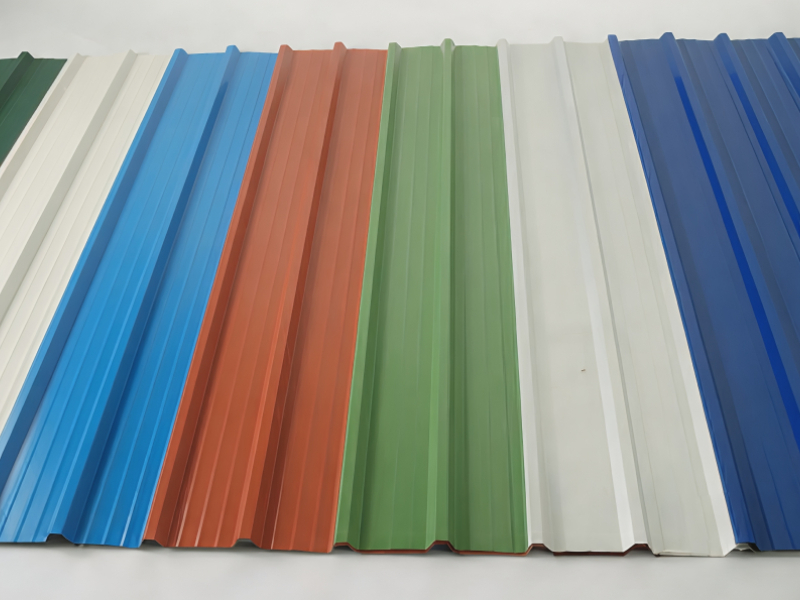
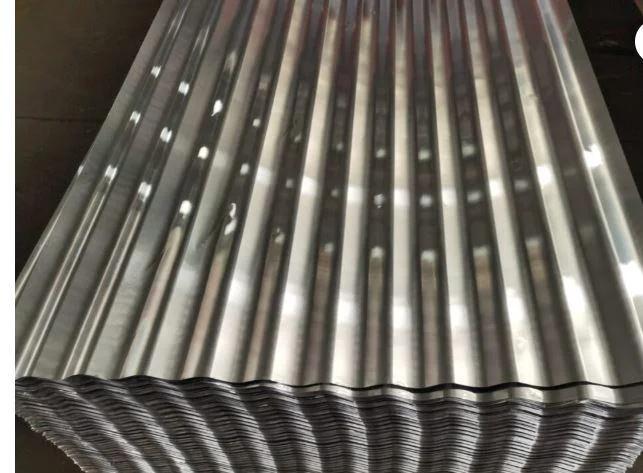
Corrugated Sheets: This variant features a wavy design, enhancing strength and rigidity. It is particularly effective for agricultural and industrial applications.
Tile-Effect Sheets: Mimicking traditional tiles, these sheets provide an attractive finish while retaining the benefits of aluminum. They are popular in residential settings.
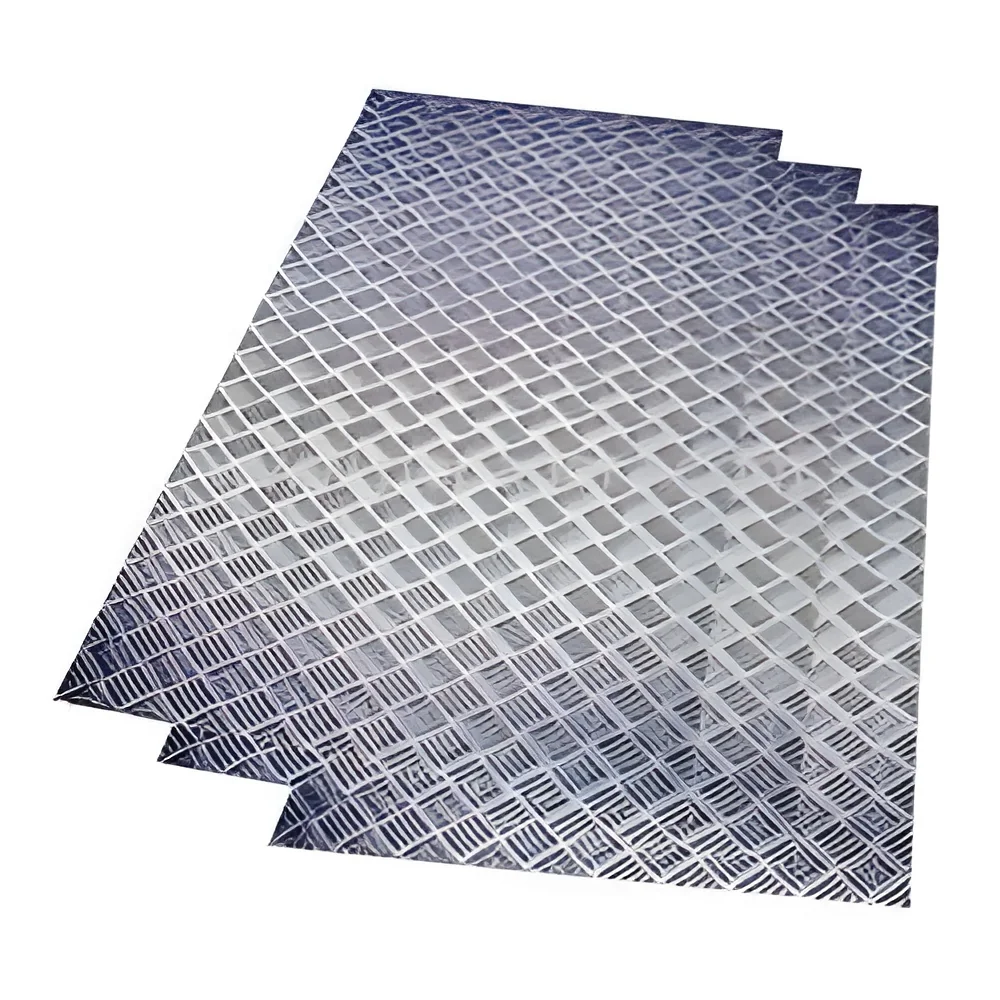
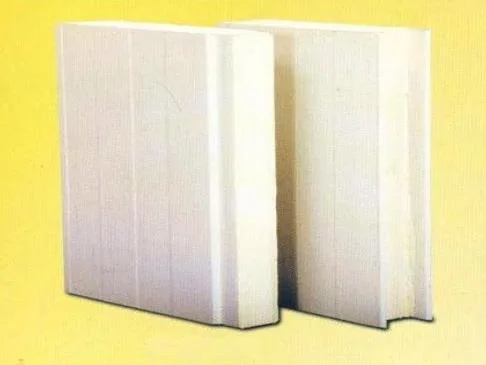
Insulated Sheets: These sheets come with additional insulation layers, improving thermal performance. Ideal for buildings requiring temperature control.
Benefits and Advantages
Aluminum roofing sheets offer several advantages that make them an attractive choice for businesses.
1. Durability: Aluminum roofing sheets resist rust and corrosion, leading to a longer lifespan.
2. Lightweight: Their lightweight nature simplifies transportation and installation, reducing overall project costs.
3. Energy Efficiency: They reflect sunlight, helping to keep buildings cooler and reducing energy consumption.
4. Low Maintenance: Aluminum requires minimal upkeep compared to other roofing materials, saving time and costs.
5. Aesthetic Variety: Available in numerous colors and finishes, they can complement various architectural styles.
6. Eco-Friendly: Aluminum is recyclable, making it a sustainable choice for environmentally conscious businesses.
Buying Guide for B2B Buyers
When sourcing aluminum roofing sheets, there are several key factors to consider to ensure a successful purchase.
1. Quality Assessment: Evaluate the quality of the sheets by checking for industry certifications and conducting material tests if necessary.
2. Supplier Verification: Research suppliers to confirm their credibility and reputation in the market. Look for reviews and testimonials from previous clients.
3. Pricing and MOQ: Understand the pricing structure and the minimum order quantity (MOQ). Compare quotes from multiple suppliers to find a competitive price.
4. Delivery and Lead Times: Discuss delivery schedules and lead times to ensure that the roofing sheets arrive when needed for your project.
5. Compliance Requirements: Ensure that the products meet local regulations and industry standards. Familiarize yourself with any necessary compliance certifications.
Compliance and Certifications
Aluminum roofing sheets must adhere to various quality standards and certifications to ensure safety and performance.
ISO 9001 is a standard that outlines quality management systems, ensuring that manufacturers produce high-quality products consistently.
The CE mark indicates that the product meets European safety, health, and environmental protection standards, which is essential for compliance in many regions.
Industry certifications ensure that the sheets undergo rigorous testing for durability, corrosion resistance, and fire safety. This is crucial for buildings where safety is a top priority.
Regional compliance considerations may vary, so it's vital to stay informed about local regulations regarding roofing materials.
Why Source Aluminum Roofing Sheets from Pepagora?
Pepagora provides a trusted platform for sourcing aluminum roofing sheets, offering several key advantages to businesses.
Verified Supplier Network: Pepagora ensures that all suppliers are thoroughly vetted, providing buyers with access to reliable manufacturers and distributors.
Streamlined RFQ Process: The request for quotation (RFQ) system facilitates quick and easy comparisons of offers from multiple suppliers, enhancing decision-making.
Trade Assurance and Support: Pepagora offers trade assurance, protecting buyers from potential issues during transactions, ensuring peace of mind.
Regional Coverage: With a strong presence in India, the GCC, and Southeast Asia, Pepagora connects buyers with suppliers in various regions, facilitating international trade.

 IN
IN