
 IN
Roller Blinds
7 products available
What are Roller Blinds?
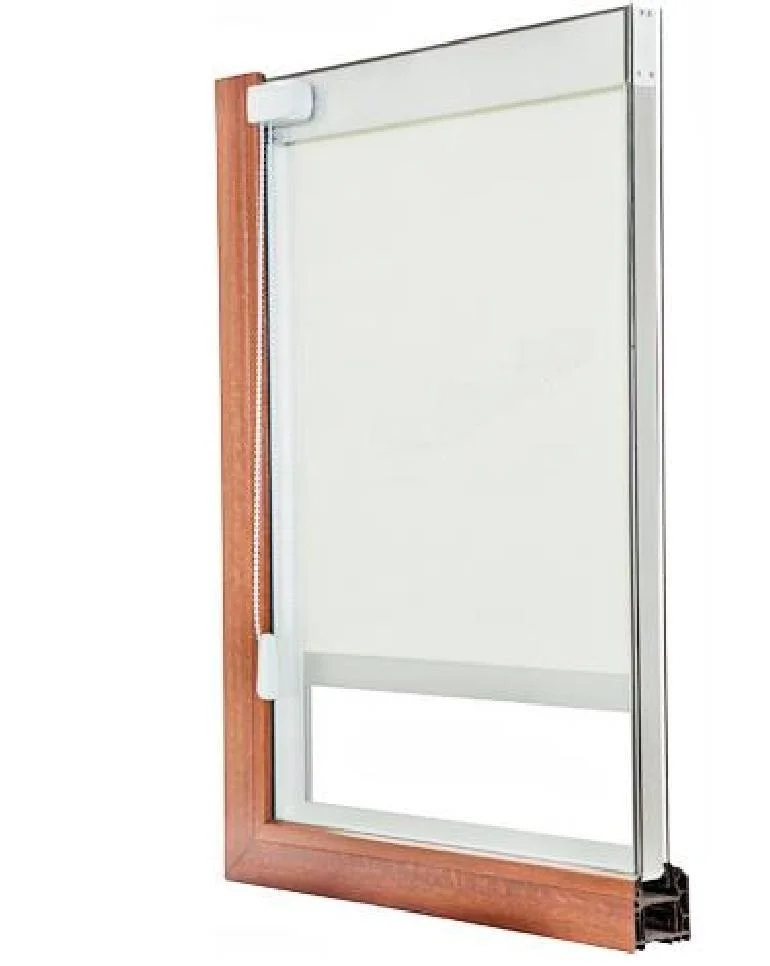
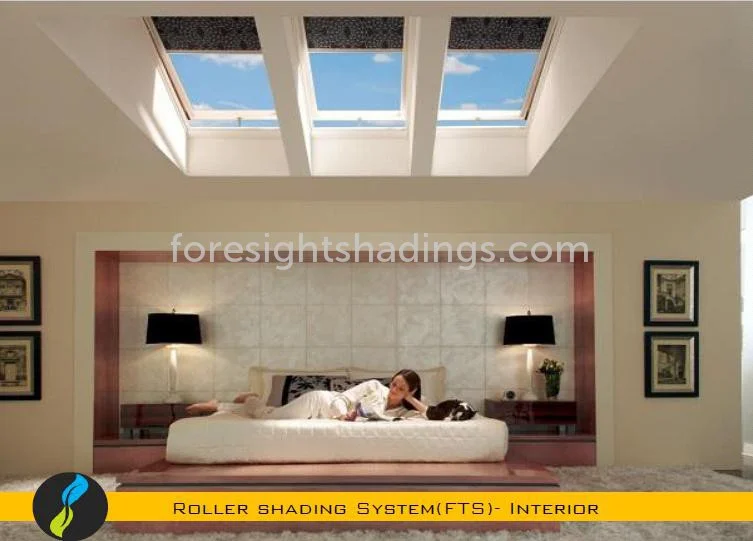
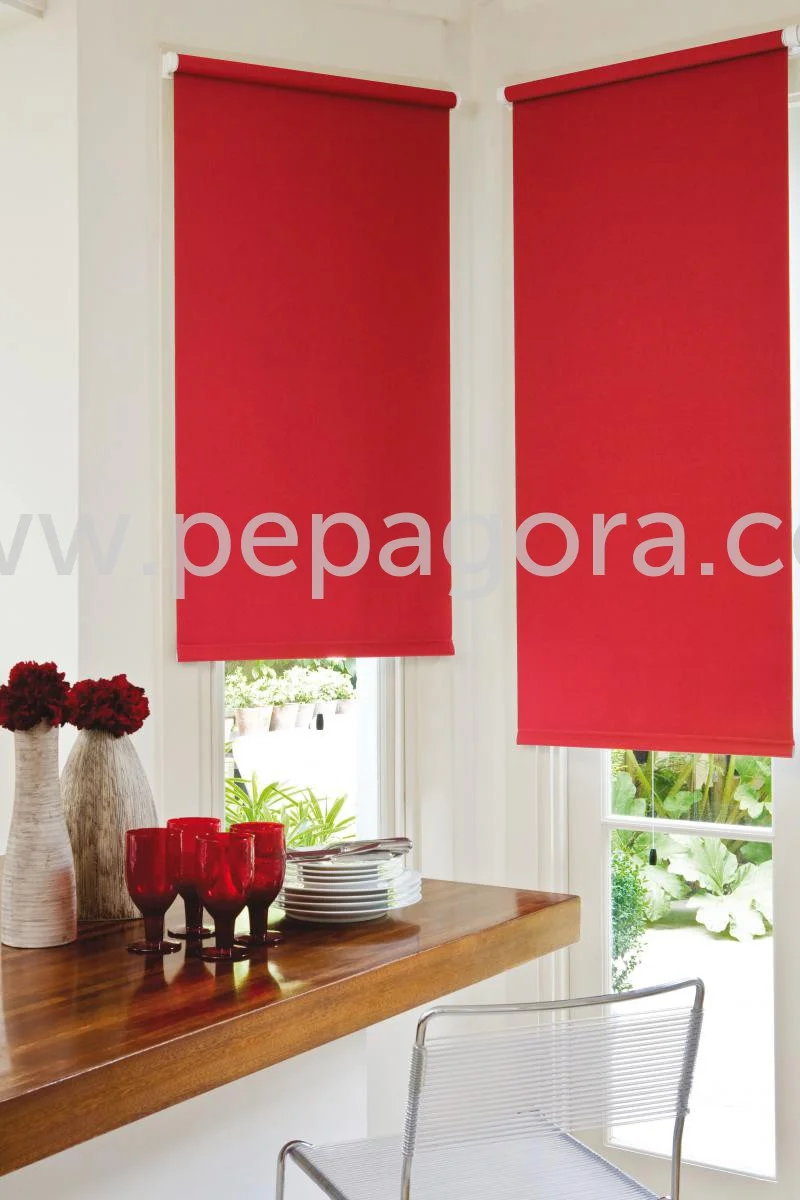
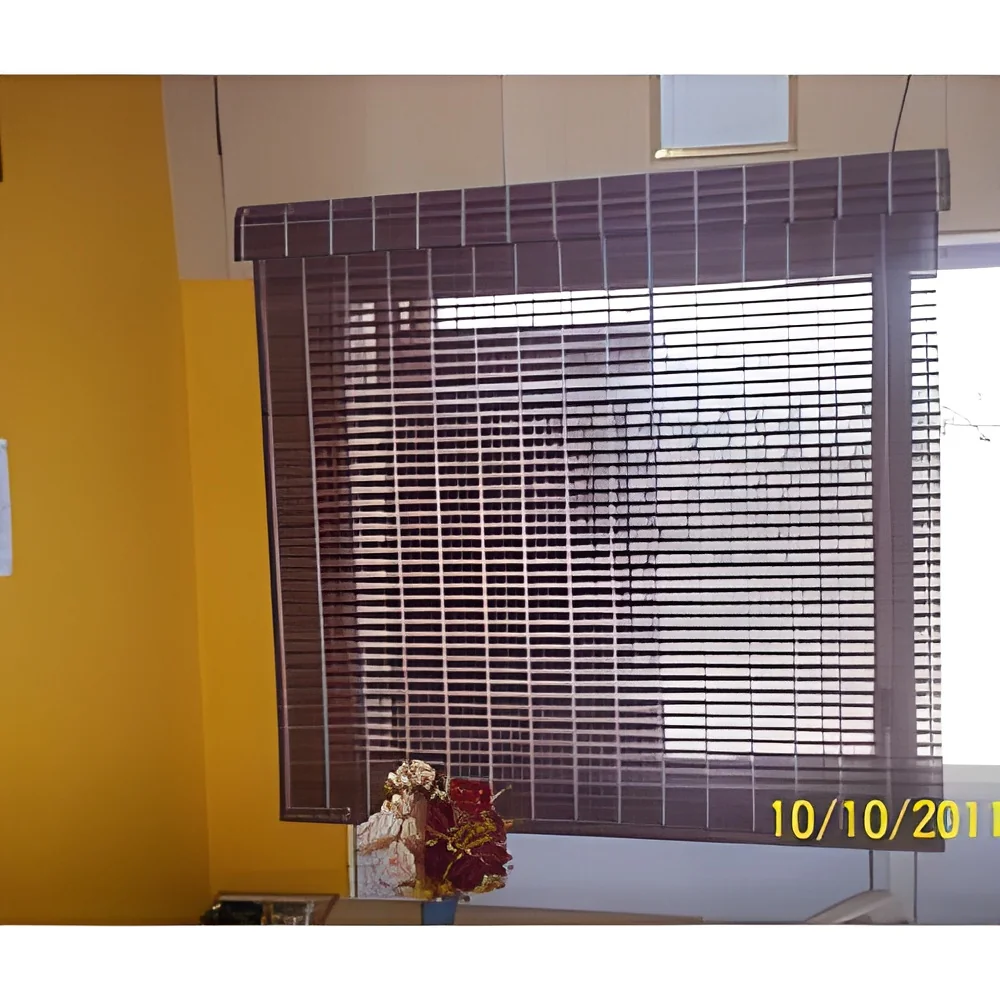
Roller blinds are a type of window covering made from a single piece of fabric that rolls up and down to control light and privacy. They are available in various materials, colors, and patterns, allowing for aesthetic customization while serving functional purposes. The mechanism typically involves a simple roller system that can be operated manually or via motorization, making them suitable for different environments.
These blinds are primarily used in both commercial and residential settings. In offices, they help reduce glare on screens while maintaining a professional appearance. In homes, roller blinds enhance privacy and can be tailored to fit any interior design. Additionally, they are increasingly popular in industrial applications where light control is essential, such as in manufacturing or storage facilities. The market for roller blinds continues to grow due to their versatility, energy efficiency, and ease of installation.
Key Features and Specifications
Roller blinds come with various features and specifications that cater to different needs and preferences. These include functional aspects such as light filtration, material durability, and ease of use. Understanding these specifications helps businesses choose the right product for their applications.
Key specifications include:
1. Fabric Composition
- Typically made from polyester, vinyl, or a blend
- Options for blackout, light-filtering, or sheer fabrics
2. Mounting Options
- Available for inside or outside mounting
- Compatibility with different window types and sizes
3. Operating Mechanism
- Manual chain-operated or motorized options
- Remote control capabilities for convenience
4. UV Protection
- Certain fabrics offer UV protection to reduce fading of interior furnishings
- Helps in maintaining a comfortable indoor temperature
5. Custom Sizes
- Available in various widths and heights
- Customization options to fit unique window dimensions
6. Color and Pattern Variety
- Extensive selection of colors and patterns to match any decor
- Options for both contemporary and traditional styles
7. Maintenance Requirements
- Easy to clean with damp cloth or vacuum
- Some fabrics are stain-resistant for improved longevity
8. Warranty and Lifespan
- Many manufacturers offer warranties ranging from 1 to 5 years
- Designed for long-term use in high-traffic areas
Roller blinds are designed to meet diverse needs, providing practical solutions for light management and privacy.
Common Applications and Use Cases
Roller blinds are versatile and find applications across various industries.
1. Office Spaces: They help reduce glare from sunlight, improving employee comfort and productivity while maintaining confidentiality.
2. Retail Stores: In retail environments, roller blinds can showcase merchandise while controlling natural light, enhancing the shopping experience.
3. Educational Institutions: Schools and universities use roller blinds in classrooms and auditoriums to manage lighting and create conducive learning environments.
4. Hospitality: Hotels and restaurants utilize roller blinds for aesthetic appeal and to provide guests with privacy and comfort.
5. Healthcare Facilities: Hospitals and clinics use them to regulate light levels, ensuring patient comfort while maintaining a sterile environment.
6. Industrial Settings: Factories and warehouses employ roller blinds to manage light exposure and protect sensitive materials from UV damage.
7. Residential Spaces: Homeowners use roller blinds for style and functionality, providing privacy and light control in living areas and bedrooms.
Product Variants and Subcategories
Roller blinds come in a range of options, catering to different preferences and needs.
Classic Roller Blinds
These are the standard type of roller blinds, featuring a straightforward design that rolls up and down. They offer excellent light control and come in various fabrics, making them suitable for both residential and commercial use.
Blackout Roller Blinds
Designed to completely block out light, blackout roller blinds are ideal for bedrooms, home theaters, or any space where total darkness is desired. They are made from thicker materials that prevent light penetration.
Sheer Roller Blinds
These blinds allow light to filter through while providing some level of privacy. They are perfect for living areas and offices where natural light is desirable without compromising on privacy.
Motorized Roller Blinds
Motorized options offer convenience through remote control operation, making them suitable for hard-to-reach windows or for users seeking a modern touch. They can also be integrated into smart home systems.
Benefits and Advantages
Roller blinds offer several key advantages that make them a preferred choice for many businesses.
1. Versatility: They are suitable for various environments, from offices to homes, and can be customized to meet specific needs.
2. Energy Efficiency: Roller blinds can help regulate indoor temperatures, potentially reducing heating and cooling costs.
3. Aesthetic Appeal: With a wide range of colors and patterns, roller blinds can enhance the visual appeal of any space.
4. Easy Maintenance: Most roller blinds are easy to clean and maintain, making them practical for busy environments.
5. Space-Saving Design: Unlike traditional curtains, roller blinds do not take up additional space when opened, making them ideal for smaller areas.
6. Improved Privacy: They provide effective privacy solutions, essential for both residential and commercial applications.
Buying Guide for B2B Buyers
When sourcing roller blinds, it is important for businesses to consider several key factors to ensure they make informed decisions.
1. Quality Assessment: Look for high-quality materials that offer durability and long-lasting performance. Assess the fabric and mechanism to ensure they meet operational needs.
2. Supplier Verification: Vet suppliers to confirm their credibility and reliability. Review their history, customer feedback, and product offerings to ensure they can meet your requirements.
3. Pricing and MOQ: Understand the pricing structure and minimum order quantities. Compare offers from different suppliers to find the best value while considering quality.
4. Delivery and Lead Times: Inquire about logistics, including delivery timelines. Ensure that suppliers can meet your deadlines to avoid project delays.
5. Compliance Requirements: Ensure that the roller blinds meet relevant industry standards and regulations. This may include safety and environmental compliance based on the region.
Compliance and Certifications
Compliance and certifications are critical for ensuring the quality and safety of roller blinds. Many manufacturers adhere to international standards such as ISO 9001, which outlines quality management systems. This ensures that products consistently meet customer and regulatory requirements.
The CE marking is another important certification for roller blinds, indicating compliance with European health, safety, and environmental protection standards. It signifies that the blinds have undergone rigorous testing and meet essential safety requirements.
Regional compliance considerations should also be taken into account, as different areas may have specific regulations regarding materials used, fire safety standards, and environmental impacts. It is essential for businesses to choose suppliers who are knowledgeable about these regulations to avoid any compliance issues.
Why Source Roller Blinds from Pepagora?
Pepagora provides a trusted platform for sourcing roller blinds with several key advantages that benefit B2B buyers.
Verified Supplier Network: Pepagora has a robust verification process in place, ensuring that suppliers meet strict quality standards. This provides buyers with confidence in the products they are purchasing.
Streamlined RFQ Process: The platform offers an efficient Request for Quotation system, allowing buyers to easily request quotes from multiple suppliers. This simplifies the sourcing process and enables better decision-making.
Trade Assurance and Support: Buyers can benefit from trade assurance services that protect their purchases. Pepagora offers support to facilitate smooth transactions and address any concerns.
Regional Coverage: With a wide geographic reach, including India, the GCC, and Southeast Asia, Pepagora connects buyers with local suppliers, ensuring timely delivery and support tailored to regional needs.


 India

 India



Frequently Asked Questions
What are Roller Blinds?
Roller Blinds are a type of window covering made from a single piece of fabric that rolls up and down on a cylindrical rod. They are commonly used for light control, privacy, and aesthetic appeal in residential and commercial spaces.
What are the different types of Roller Blinds?
There are several types of Roller Blinds, including blackout, translucent, and sunscreen options. Blackout blinds block out all light, translucent blinds allow some light while offering privacy, and sunscreen blinds reduce glare while maintaining visibility.
How do I choose the right Roller Blinds?
When selecting Roller Blinds, consider factors such as the amount of light control needed, the level of privacy desired, and the overall decor of the space. Additionally, evaluate the fabric type, color, and pattern to ensure it complements your interior design.
What are the standard specifications for Roller Blinds?
Standard specifications for Roller Blinds typically include dimensions, fabric type, and operating mechanism. Most blinds are available in a variety of widths and lengths to fit different window sizes, and they can be operated manually or with motorization.
What is the price range for Roller Blinds?
The price range for Roller Blinds can vary significantly based on factors such as material, size, and customization options. Generally, prices can start from a few hundred rupees for basic models to several thousand rupees for high-end or customized solutions.
What quality standards apply to Roller Blinds?
Roller Blinds should adhere to quality standards related to durability, safety, and environmental impact. Look for blinds that comply with relevant certifications, such as fire resistance and non-toxic materials, to ensure they meet safety guidelines.
Where can I find Roller Blinds suppliers in India?
You can find Roller Blinds suppliers in India through various channels, including online marketplaces like Pepagora, trade shows, and industry directories. It's advisable to research and compare several suppliers to find the best options.
Can Roller Blinds be customized?
Yes, Roller Blinds can often be customized to fit specific window sizes, fabric choices, and design preferences. Many manufacturers offer options for personalized colors, patterns, and mechanisms to suit individual needs.
What is the typical minimum order quantity for Roller Blinds?
The typical minimum order quantity (MOQ) for Roller Blinds can vary by supplier but generally ranges from 10 to 50 units. It is important to check with individual suppliers for their specific MOQs.
What is the typical lead time for Roller Blinds?
The typical lead time for Roller Blinds can vary depending on the supplier and whether the blinds are customized. Generally, it can take anywhere from 2 to 6 weeks for production and delivery.
Why Businesses Trust Pepagora
Thousands of companies trust Pepagora to source smarter and sell faster
Expand Your Sales Globally

Source Smarter,Grow Faster
