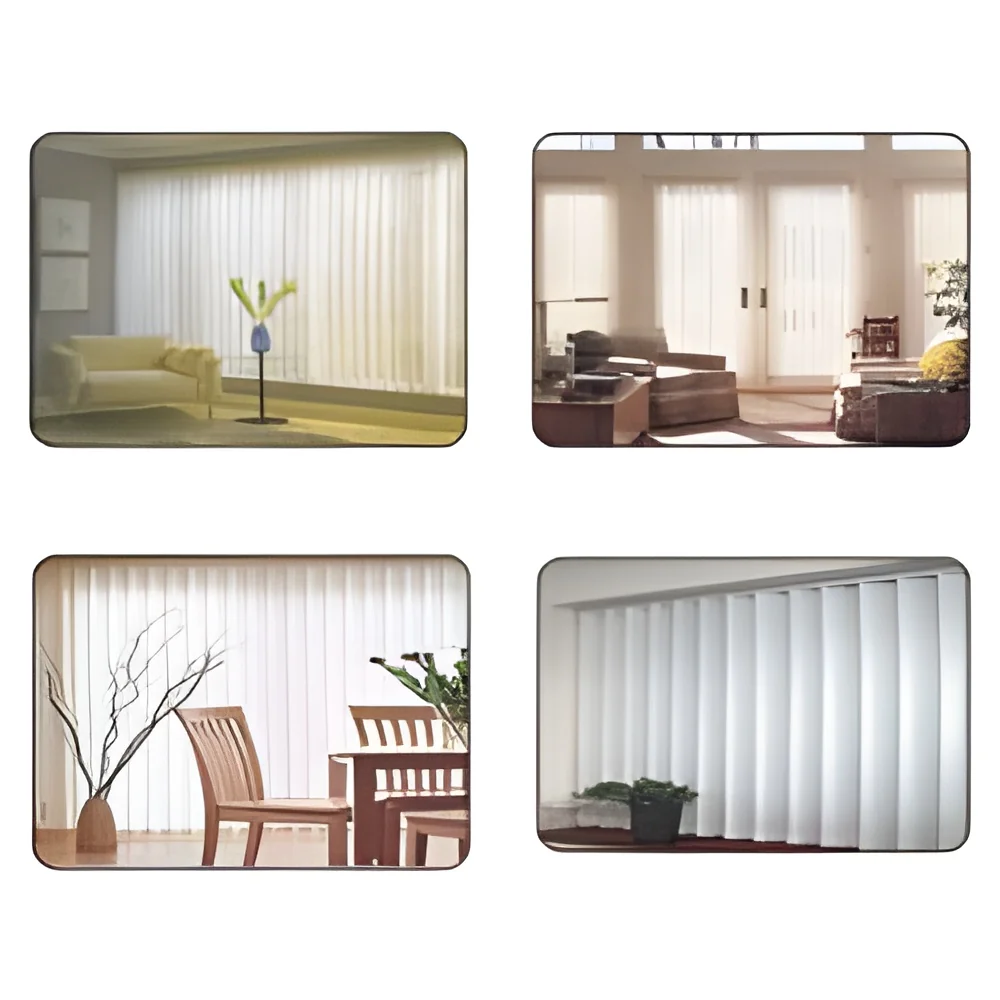
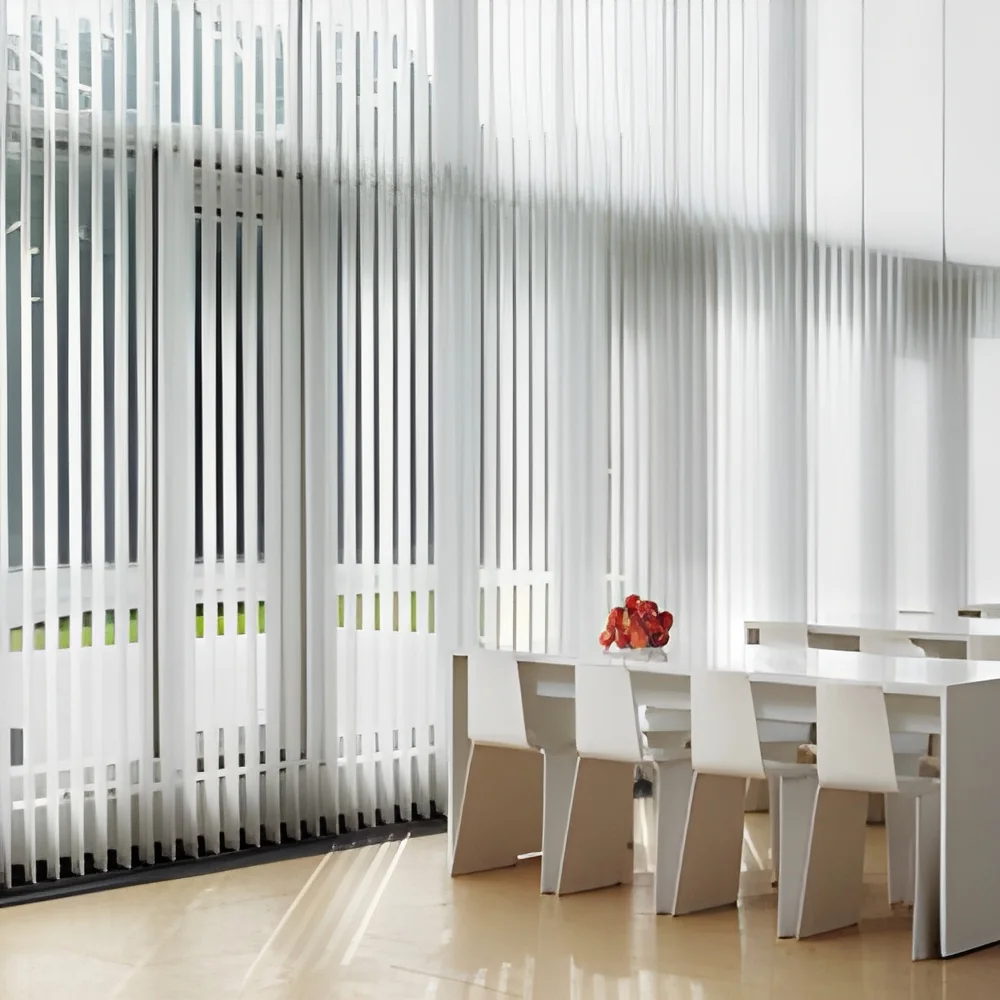
What are Vertical Blinds?
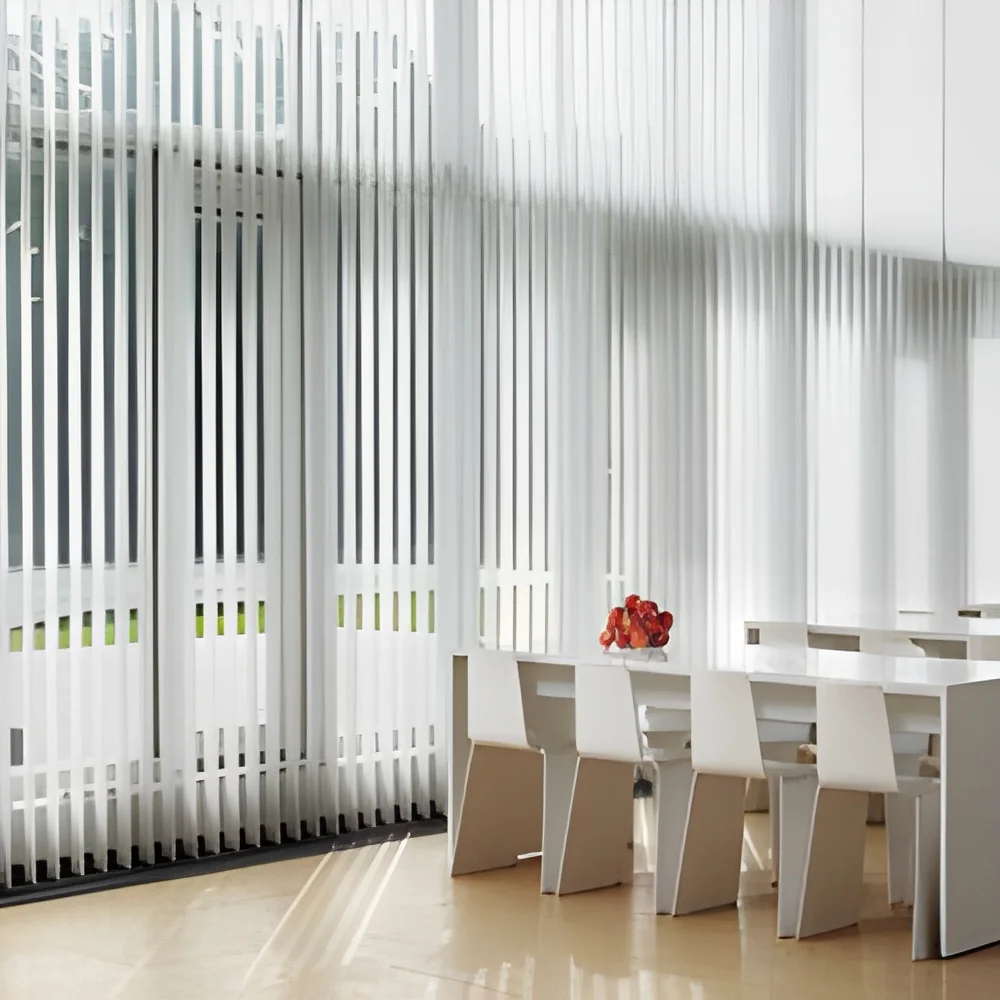
Vertical blinds are window coverings made from vertical slats that can be rotated to control light and privacy. They are typically composed of materials such as fabric, vinyl, or aluminum. The design allows for easy adjustment, enabling users to tilt the slats to block or filter light while maintaining a clear view when desired. This versatility makes vertical blinds a popular choice in both residential and commercial settings.
Businesses commonly use vertical blinds in offices, conference rooms, and retail spaces to enhance aesthetics and functionality. They provide an efficient solution for controlling glare from sunlight, which can be particularly beneficial in environments where screen visibility is crucial. Vertical blinds also contribute to energy efficiency by helping to regulate indoor temperature, making them relevant in various industrial contexts.
With the growing emphasis on energy conservation and aesthetic appeal in workspace design, vertical blinds have become increasingly popular in the market. Their adaptability to different spaces and styles positions them as a relevant product in the window treatment industry.
Key Features and Specifications
Vertical blinds come with a variety of features and specifications that cater to different needs. Understanding these can help organizations choose the right product.
Key specifications include:
1. Material Type
- Common materials include fabric, vinyl, and aluminum.
- Each material offers different aesthetics, durability, and light-filtering capabilities.
2. Slat Width
- Standard slat widths typically range from 3.5 inches to 5 inches.
- Wider slats provide a more modern appearance while narrower slats offer a more traditional look.
3. Operating Mechanism
- Vertical blinds can be operated manually or with a motorized system.
- Motorized options provide convenience, especially for larger windows.
4. Color Options
- Available in a wide range of colors and patterns.
- Customization options enable businesses to match blinds with corporate branding.
5. Light Control
- Slats can be adjusted to allow varying degrees of light.
- This feature provides flexibility in creating the desired ambiance.
6. Energy Efficiency
- Vertical blinds help insulate windows, reducing heat loss.
- They can lower energy costs by maintaining consistent indoor temperatures.
7. Maintenance
- Many materials used in vertical blinds are easy to clean and maintain.
- Options are available that resist dust and stains.
8. Installation Method
- Various installation options are available, including ceiling mount and wall mount.
- Correct installation ensures optimal functionality and appearance.
Overall, vertical blinds provide a blend of style, functionality, and energy efficiency, making them a wise choice for many business environments.
Common Applications and Use Cases
Vertical blinds find extensive use across various industries due to their versatility and functional benefits.
1. Corporate Offices: Vertical blinds are commonly used in office settings to reduce glare on computer screens. They allow for easy adjustment based on the time of day and angle of sunlight.
2. Educational Institutions: Classrooms and lecture halls utilize vertical blinds to control lighting effectively, creating an environment conducive to learning while minimizing distractions.
3. Retail Spaces: Stores and showrooms benefit from vertical blinds by protecting merchandise from UV damage while allowing natural light to enhance the shopping experience.
4. Hospitality: Hotels and restaurants use vertical blinds to offer privacy to guests while maintaining an inviting atmosphere. Their adjustable nature helps optimize lighting for different occasions.
5. Healthcare Facilities: Hospitals and clinics employ vertical blinds to provide privacy for patients while allowing staff to control light levels in patient rooms.
6. Government Buildings: Vertical blinds in government offices contribute to energy efficiency and help maintain a professional appearance in public spaces.
7. Residential Applications: Although primarily focused on B2B, vertical blinds are also popular in homes, providing style and practicality in living spaces.
Product Variants and Subcategories
Vertical blinds are available in a diverse range of styles and configurations to suit various needs and preferences.
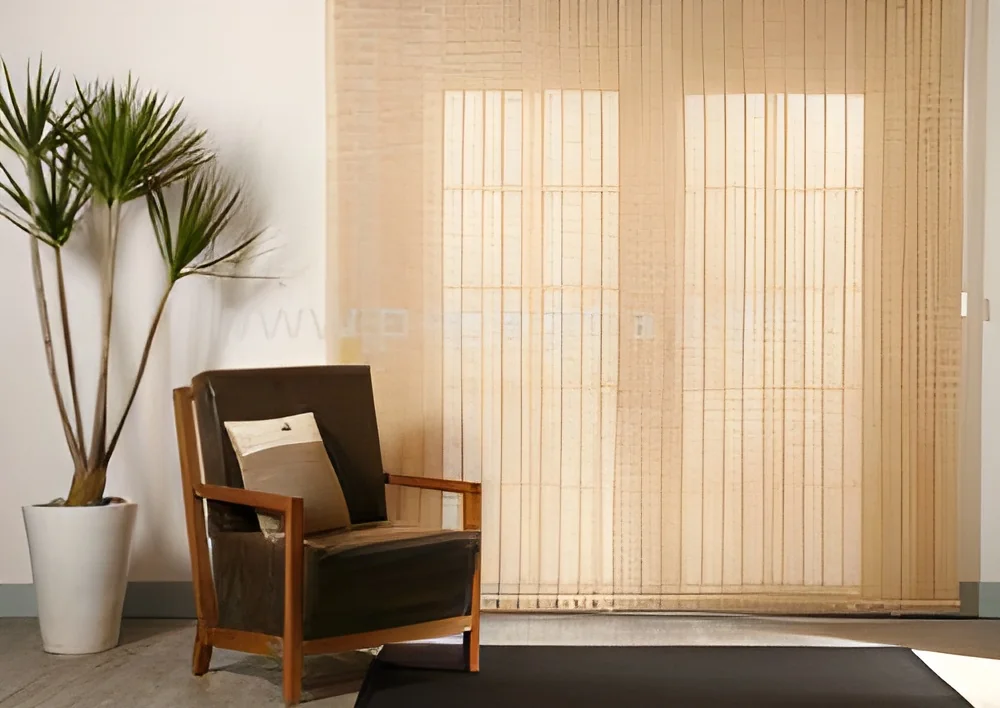
Fabric Vertical Blinds
These blinds are made from durable fabric that comes in numerous colors and patterns. They provide excellent light control and are often chosen for their aesthetic appeal in office and residential settings.
Vinyl Vertical Blinds
Vinyl options are known for their durability and ease of maintenance. They are suitable for high-traffic areas and are often used in commercial spaces where longevity is essential.
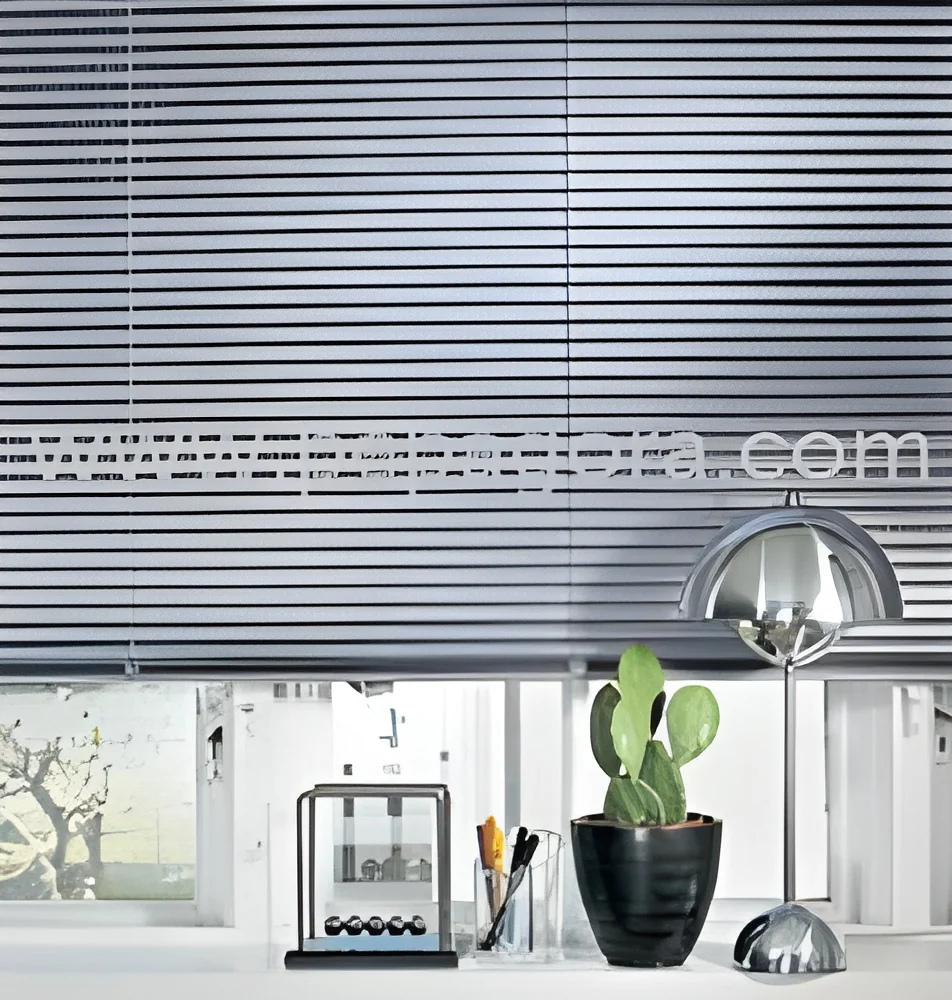
Aluminum Vertical Blinds
Aluminum blinds offer a sleek, modern look and are highly durable. They are often used in corporate offices and can be easily cleaned, making them ideal for busy environments.
Benefits and Advantages
Vertical blinds offer multiple advantages that make them a preferred choice for many businesses.
1. Versatile Light Control: Users can easily adjust slats to filter or block light, allowing for customizable brightness and ambiance.
2. Enhanced Privacy: Vertical blinds provide privacy while still permitting natural light, making them suitable for various environments.
3. Energy Efficiency: By reducing heat loss, vertical blinds can help lower energy costs, contributing to overall savings for businesses.
4. Aesthetic Appeal: Available in a wide range of styles, colors, and materials, vertical blinds can enhance the visual appeal of any space.
5. Easy Maintenance: Many vertical blinds are designed for simple cleaning and upkeep, reducing long-term maintenance efforts.
6. Customization Options: Businesses can select from various materials, colors, and styles to create a tailored look that aligns with their branding.
Buying Guide for B2B Buyers
When sourcing vertical blinds for commercial use, several factors should be taken into account to ensure the best selection.
1. Quality Assessment: Evaluate the materials and construction of the blinds. Look for durable options that can withstand daily use in a commercial environment.
2. Supplier Verification: Research and vet potential suppliers for reliability and quality assurance. Check reviews, certifications, and past client experiences.
3. Pricing and MOQ: Understand the pricing structure and minimum order quantities. This will help in budgeting and planning future purchases.
4. Delivery and Lead Times: Discuss logistics with suppliers to ensure timely delivery. This is crucial for maintaining project schedules.
5. Compliance Requirements: Ensure that the blinds meet any relevant industry regulations or standards for safety and quality.
Compliance and Certifications
Vertical blinds must adhere to various compliance standards to ensure safety and quality.
Quality standards such as ISO 9001 are significant in ensuring that products meet consistent quality requirements. This certification indicates that a supplier has established a quality management system.
Additionally, vertical blinds may carry industry certifications such as CE, which signifies compliance with European safety standards. This is particularly relevant for businesses sourcing products within or for the European market.
Safety and testing requirements are essential, especially in commercial applications where product reliability is crucial. Suppliers should provide documentation confirming compliance with these standards.
Regional compliance considerations are also important, as regulations can vary by location. Buyers should be aware of any specific local requirements that may influence their purchasing decisions.
Why Source Vertical Blinds from Pepagora?
Pepagora offers an efficient platform for sourcing vertical blinds, providing numerous advantages to B2B buyers.
Verified Supplier Network: Pepagora connects businesses with a trusted network of verified suppliers. This ensures that buyers can access high-quality products and reliable services.
Streamlined RFQ Process: The platform features a user-friendly request-for-quotation system. This enables buyers to receive competitive pricing and options tailored to their needs.
Trade Assurance and Support: Pepagora offers trade assurance, providing buyers with a layer of protection throughout the purchasing process. This support fosters confidence in transactions.
Regional Coverage: With a broad reach across India, the GCC, and Southeast Asia, Pepagora facilitates access to suppliers that cater to diverse market needs. This geographic coverage allows businesses to find the right solutions regardless of their location.

 IN
IN