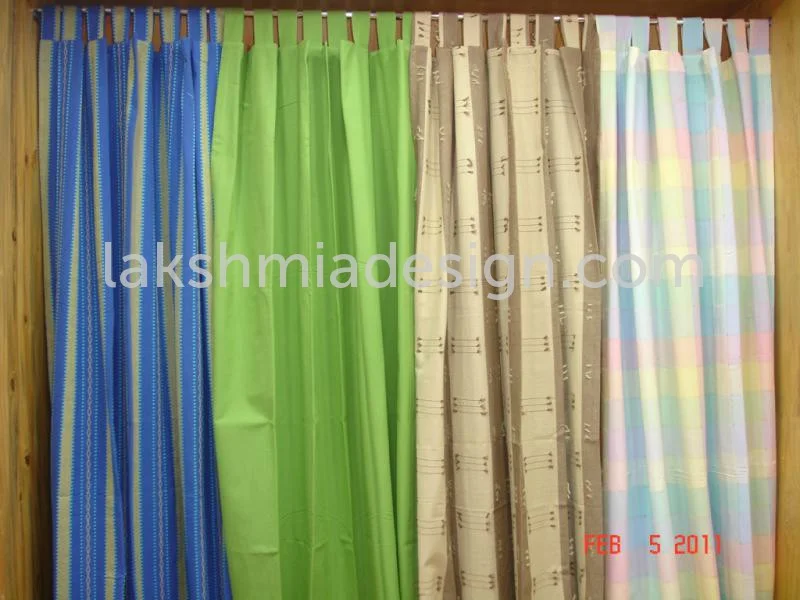
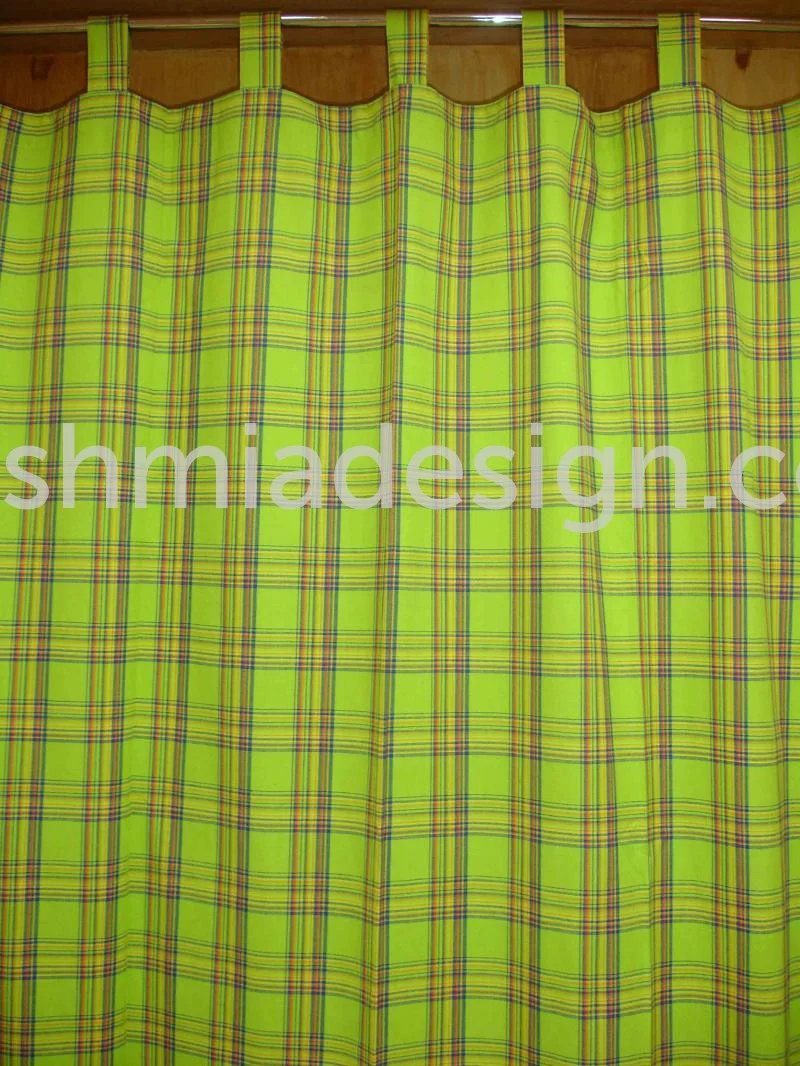
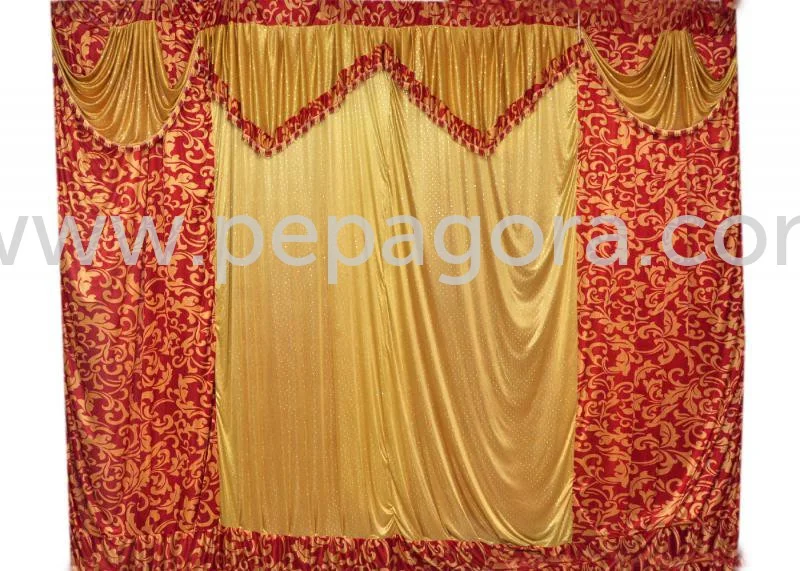
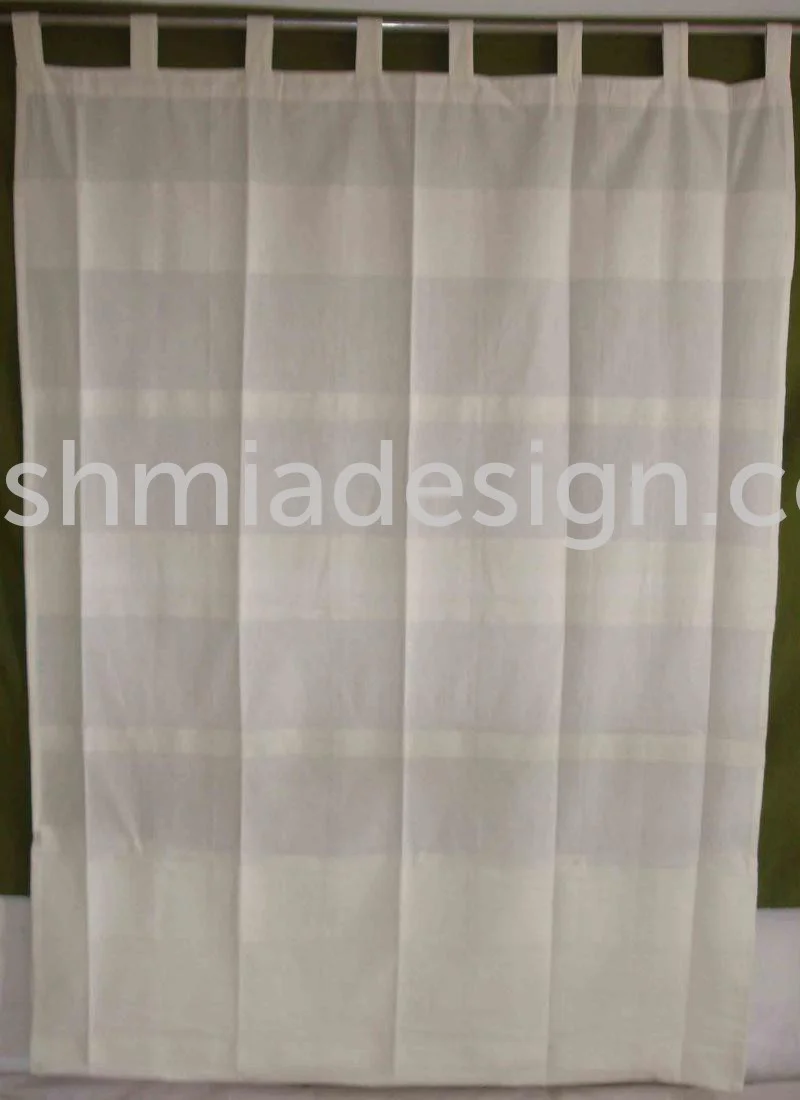
What are Printed Curtains?
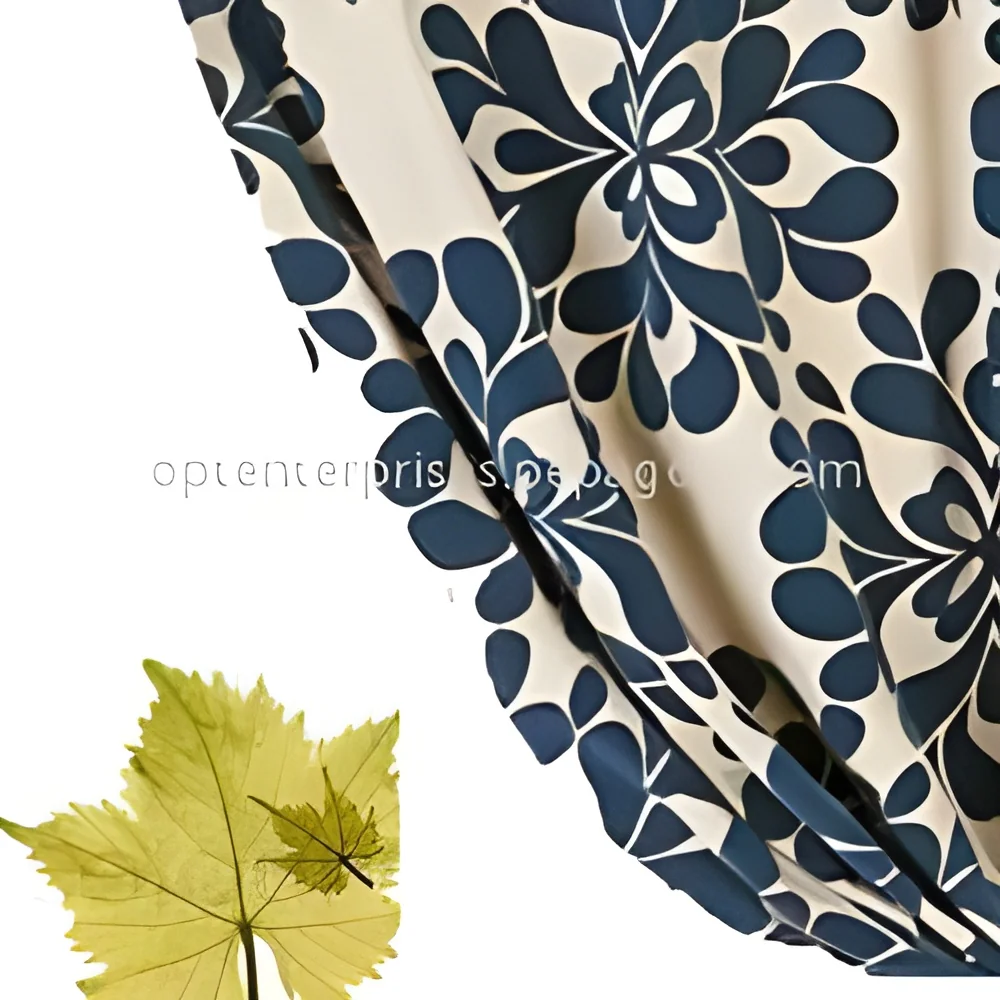
Printed curtains are decorative fabric panels that are designed to enhance the aesthetic appeal of spaces while also serving practical purposes. These curtains are often customized with various patterns, colors, and designs that can align with specific interior themes or branding requirements. In addition to their visual appeal, printed curtains provide privacy, control light, and can help with temperature regulation in different environments.
The primary uses of printed curtains extend across various sectors including hospitality, healthcare, education, and corporate offices. In hotels and restaurants, they create an inviting atmosphere, while in offices, they contribute to a professional environment. The versatility of printed curtains allows them to be used in residential settings as well, making them a popular choice for interior designers and architects.
In the current market context, printed curtains have gained popularity due to the growing trend of personalized interior decor. Businesses are increasingly looking for unique ways to present their brand identity, and printed curtains offer a cost-effective solution with high impact. As the demand for customized and aesthetically pleasing interior solutions continues to rise, the market for printed curtains is expected to expand further.
Key Features and Specifications
Printed curtains come with several features that make them suitable for various applications. Understanding these features helps buyers make informed decisions that align with their needs.
Key specifications include:
1. Fabric Type
- Common materials include polyester, cotton, and blends.
- Various finishes like blackout, sheer, and thermal options are available.
2. Customization Options
- Curtains can be printed with logos, designs, or patterns specified by the client.
- Available in a range of sizes to fit different window dimensions.
3. Durability
- High-quality printed curtains are designed to withstand wear and tear.
- Colorfastness ensures that prints do not fade with exposure to sunlight.
4. Maintenance
- Many fabrics are machine washable or easy to clean, reducing long-term maintenance costs.
- Stain-resistant treatments can be applied for added convenience.
5. Thermal Insulation
- Certain printed curtains offer thermal insulation properties to help regulate indoor temperatures.
- Can contribute to energy savings in commercial and residential settings.
6. Fire Retardancy
- Some printed curtains meet fire safety standards, making them suitable for commercial spaces.
- Compliance with local fire regulations is essential for safety.
7. Weight and Drape
- Different fabric weights can affect how curtains hang and flow.
- Heavier fabrics tend to drape better and provide improved light control.
8. Eco-Friendliness
- Options are available for eco-friendly fabrics and inks, appealing to environmentally conscious businesses.
In summary, the features and specifications of printed curtains provide valuable insights into their functionality and suitability for various applications.
Common Applications and Use Cases
Printed curtains find extensive applications across multiple sectors due to their versatility and aesthetic value.
1. Hospitality Industry: In hotels and resorts, printed curtains enhance room decor and create a welcoming ambiance. They are often used in guest rooms and common areas to complement the interior design theme.
2. Healthcare Sector: Hospitals and clinics utilize printed curtains in patient rooms and waiting areas. These curtains can provide privacy while also contributing to a calming environment through soothing designs.
3. Educational Institutions: Schools and universities often incorporate printed curtains in classrooms and auditoriums. They can feature educational themes or school branding, enhancing the learning environment.
4. Corporate Offices: Printed curtains are used in meeting rooms and open office spaces to create a professional atmosphere. Custom designs can reflect corporate branding and values.
5. Retail Spaces: Stores use printed curtains to enhance visual merchandising. They can create focal points or separate different sections within a retail environment.
6. Residential Interiors: Homeowners often choose printed curtains for living rooms and bedrooms to add personality and style to their homes. Custom designs allow for a unique touch.
7. Event Spaces: Venues hosting events and functions utilize printed curtains for decoration. They can be customized to match event themes or branding.
Product Variants and Subcategories
Printed curtains come in various styles and designs, allowing businesses to select options that best suit their needs.
Sheer Printed Curtains: These curtains allow natural light to filter through while providing a degree of privacy. They are ideal for living spaces that require ambiance without full coverage.
Blackout Printed Curtains: Designed to block out light completely, these curtains are popular in bedrooms and media rooms. They help enhance sleep quality and reduce glare on screens.
Thermal Printed Curtains: These curtains provide insulation against heat and cold, helping to maintain a comfortable indoor temperature. They are suitable for energy-efficient homes and buildings.
Custom Logo Printed Curtains: Businesses can use these curtains to display their branding in a creative way. They are often used in corporate offices, trade shows, and promotional events.
Benefits and Advantages
Printed curtains offer a range of benefits that make them a valuable addition to various environments.
1. Aesthetic Appeal: The customizable designs enhance the visual appeal of spaces, making them more inviting and stylish.
2. Privacy Control: Printed curtains effectively provide privacy in public and private spaces, ensuring comfort for occupants.
3. Light Management: They can be designed to control the amount of natural light entering a room, contributing to improved ambiance.
4. Brand Identity: Custom printed curtains allow businesses to showcase their brand through design, creating a cohesive look in commercial spaces.
5. Energy Efficiency: Certain curtains offer thermal insulation, which can lead to reduced energy costs in heating and cooling.
6. Versatile Applications: Their adaptability allows for use in various sectors, including hospitality, healthcare, and residential settings.
Buying Guide for B2B Buyers
When sourcing printed curtains for business needs, several factors should be considered to ensure a satisfactory purchase.
1. Quality Assessment: Evaluate fabric quality, printing techniques, and durability. High-quality materials will ensure longevity and maintain aesthetic appeal over time.
2. Supplier Verification: Vet potential suppliers by checking their credentials, customer reviews, and past projects. Reliable suppliers will have a proven track record in the industry.
3. Pricing and MOQ: Understand pricing structures and minimum order quantities. This will help in budgeting and ensuring that the purchase aligns with financial constraints.
4. Delivery and Lead Times: Inquire about delivery schedules and lead times. Timely delivery is crucial for meeting project deadlines.
5. Compliance Requirements: Ensure that the printed curtains meet any relevant industry standards or regulations. This may include fire safety, environmental impact, and health regulations.
Compliance and Certifications
Printed curtains must adhere to various quality standards and industry certifications to ensure safety and reliability.
Key quality standards include ISO 9001, which emphasizes quality management systems. Compliance with this standard demonstrates a commitment to manufacturing excellence.
Industry certifications, such as CE marking, indicate that products meet European health, safety, and environmental protection standards. This certification can be crucial for businesses operating in regulated markets.
Safety and testing requirements are essential, especially in sectors like healthcare and hospitality. Printed curtains should be tested for fire resistance and the use of non-toxic materials to ensure safety for occupants.
Regional compliance considerations may vary, so it is important for businesses to be aware of local regulations that may affect the use of printed curtains in their specific markets.
Why Source Printed Curtains from Pepagora?
Pepagora provides a trusted platform for sourcing printed curtains, offering several key advantages for B2B buyers.
Verified Supplier Network: Pepagora connects buyers with a network of verified suppliers. This ensures that businesses can source high-quality printed curtains from reputable manufacturers.
Streamlined RFQ Process: The platform features a user-friendly Request for Quotation (RFQ) system that simplifies the procurement process. Buyers can easily request quotes from multiple suppliers, facilitating quick comparisons.
Trade Assurance and Support: Pepagora offers buyer protection through trade assurance programs. This provides peace of mind for businesses, knowing that their purchases are safeguarded.
Regional Coverage: With a strong presence in India, the GCC, and Southeast Asia, Pepagora serves a wide range of geographic markets. This allows businesses to access a variety of options that cater to their specific needs and preferences.

 IN
IN