
 IN
Door Curtains
5 products available
What are Door Curtains?
Door curtains are specialized coverings designed to block or regulate the flow of air, light, and insects at doorways. They can be made from a variety of materials, including fabric, plastic, or vinyl, and serve a functional purpose in both commercial and industrial environments. The primary aim of door curtains is to create a barrier that enhances comfort and efficiency in spaces where temperature control, privacy, or cleanliness is essential.
These products are commonly used in settings such as warehouses, manufacturing plants, and food processing facilities. In businesses where temperature variation needs to be minimized, door curtains help maintain a consistent internal climate. Additionally, they are useful in areas that require separation between different environments, such as clean rooms or temperature-controlled storage. With a growing focus on energy efficiency and operational cost reduction, door curtains have become increasingly relevant in various industries.
Key Features and Specifications
Door curtains come with a range of features and specifications that cater to different business needs. Understanding these specifications can help buyers make informed decisions.
Key specifications include:
1. Material Composition
- Made from materials such as PVC, fabric, or specialized vinyl
- Durability and resistance to wear and tear
2. Size and Dimensions
- Available in various sizes to fit standard and custom doorways
- Widths typically ranging from 1 to 3 meters
3. Temperature Control
- Designed to help maintain internal temperatures
- Effectiveness in reducing energy costs
4. Insect Control
- Features that prevent insect entry while allowing air flow
- Suitable for food processing and storage areas
5. Noise Reduction
- Capable of dampening sound between different areas
- Enhances work environment in noisy industries
6. Ease of Installation
- Simple hanging systems for quick setup
- Options for permanent or temporary installation
7. Customization Options
- Ability to customize colors and designs for branding
- Tailored dimensions to fit specific requirements
8. Compliance with Industry Standards
- Adherence to safety and quality standards
- Certification such as CE marking
Door curtains are versatile products that combine functionality with customization, making them suitable for a wide range of applications.
Common Applications and Use Cases
Door curtains are utilized across various industries for specific applications.
1. Food Processing: In food processing plants, door curtains help maintain hygiene by preventing contamination and controlling temperature.
2. Warehousing: In warehouses, they assist in regulating temperature and improving energy efficiency while allowing easy access for personnel and equipment.
3. Manufacturing: In manufacturing facilities, door curtains can reduce noise pollution and improve working conditions by separating different operational areas.
4. Healthcare: In healthcare settings, they are used to create clean rooms, ensuring that sterile environments are maintained.
5. Retail: In retail spaces, door curtains can enhance customer experience by controlling the indoor climate while providing an aesthetically pleasing entrance.
6. Agriculture: In agricultural settings, they help maintain ideal growing conditions by protecting crops from pests and extreme weather.
7. Automotive: In automotive workshops, door curtains can separate different service areas, reducing noise and improving workflow.
Product Variants and Subcategories
Door curtains come in various forms to meet specific needs and preferences.
Standard Door Curtains
These are the most common type, made from durable materials designed to withstand frequent use. They are available in various colors and sizes, making them suitable for general applications in multiple industries.
Magnetic Door Curtains
These curtains feature a magnetic closure that allows easy passage for people while keeping insects out. They are ideal for homes and businesses where convenience and pest control are priorities.
Strip Curtains
Made from flexible strips of material, these curtains provide a versatile barrier that can manage temperature and airflow. They are frequently used in industrial settings for easy vehicle and personnel access.
Benefits and Advantages
Door curtains offer numerous benefits that make them a valuable addition to any business.
1. Improved Energy Efficiency: By reducing the loss of conditioned air, door curtains help lower heating and cooling costs.
2. Enhanced Comfort: They create a more comfortable working environment by stabilizing temperatures and reducing drafts.
3. Pest Control: Door curtains effectively keep insects out, which is crucial in food handling and processing environments.
4. Noise Reduction: They help minimize sound transmission, creating quieter working conditions.
5. Easy Access: Door curtains provide a convenient passageway for personnel and equipment without compromising environmental control.
6. Customizable Options: Businesses can tailor door curtains to fit their branding and space requirements, enhancing aesthetic appeal.
Buying Guide for B2B Buyers
When sourcing door curtains, several factors should be considered to ensure the best choice for your business.
1. Quality Assessment: Evaluate the material and construction quality of the curtains. Look for durable options that can withstand the specific demands of your environment.
2. Supplier Verification: Vet potential suppliers by checking their reputation, experience, and customer reviews to ensure reliability.
3. Pricing and MOQ: Understand the pricing structure and minimum order quantities (MOQ). This helps in budgeting and determining feasibility for your business needs.
4. Delivery and Lead Times: Check the delivery timelines and ensure they align with your project schedules. Reliable logistics are crucial for timely supply.
5. Compliance Requirements: Ensure the products meet relevant industry standards and certifications, as this can affect operational compliance and safety.
Compliance and Certifications
Compliance is crucial in sourcing door curtains, as they must meet certain quality standards and regulations. Relevant quality standards include ISO 9001, which ensures effective quality management systems. Additionally, HACCP principles may apply in food-related industries to ensure safety and hygiene.
Industry certifications, such as CE certification, indicate that the products meet European safety and health requirements. Safety and testing requirements often include fire resistance and environmental impact assessments.
Regional compliance considerations may vary, so it is essential to understand the specific regulations applicable in your area. Always verify that your suppliers adhere to these requirements to ensure product safety and compliance.
Why Source Door Curtains from Pepagora?
Pepagora provides a trusted platform for sourcing door curtains, offering several key advantages to B2B buyers.
Verified Supplier Network: Pepagora features a network of verified suppliers, ensuring that buyers can confidently source high-quality products. This verification process enhances reliability and helps reduce risks.
Streamlined RFQ Process: The platform simplifies the request for quotation (RFQ) process, allowing buyers to receive competitive pricing from multiple suppliers efficiently. This saves time and helps in making informed purchasing decisions.
Trade Assurance and Support: Pepagora offers trade assurance and dedicated support, providing buyers with protection in their transactions. This enhances the overall purchasing experience and builds trust in the sourcing process.
Regional Coverage: With a broad geographic reach across India, the GCC, and Southeast Asia, Pepagora connects buyers with suppliers in key markets. This allows for better access to local products and tailored solutions that meet specific regional needs.


Frequently Asked Questions
What are Door Curtains?
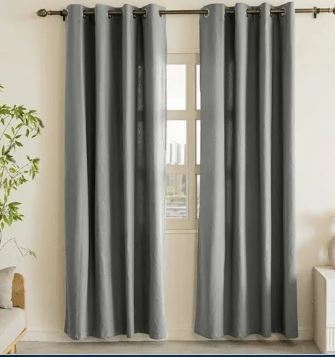
Door curtains are fabric panels hung over doorways to provide privacy, block light, and enhance the aesthetic appeal of a space. They can serve functional purposes, such as insulating against temperature changes, as well as decorative purposes in homes and offices.
What are the different types of Door Curtains?
There are various types of door curtains, including sheer curtains, heavy fabric curtains, thermal curtains, and decorative drapes. Each type serves different purposes, such as allowing light in, providing insulation, or adding a decorative touch to the entrance.
How do I choose the right Door Curtains?
To choose the right door curtains, consider factors like the intended use, the amount of light you want to filter, and the overall décor of your space. Measure the doorway accurately to ensure the curtains fit properly and select a fabric that complements your interior design.
What are the standard specifications for Door Curtains?
Standard specifications for door curtains often include dimensions such as width and length, fabric type, and weight. Common materials include cotton, polyester, and blends, and the specifications may also detail features like lining or thermal properties.
What is the price range for Door Curtains?
The price range for door curtains can vary widely depending on factors such as fabric type, size, and brand. Generally, you can expect prices to start from around ₹300 and can go up to ₹5000 or more for high-quality or custom options.
What quality standards apply to Door Curtains?
Quality standards for door curtains typically include durability, colorfastness, and fabric integrity. Manufacturers may adhere to industry standards to ensure that their products are safe, effective, and long-lasting.
Where can I find Door Curtains suppliers in India?
You can find door curtains suppliers in India through online B2B marketplaces like Pepagora, trade fairs, and local fabric stores. It's advisable to research and compare suppliers to ensure quality and reliability before making a purchase.
Can Door Curtains be customized?
Yes, many manufacturers offer customization options for door curtains, allowing you to select specific dimensions, fabrics, and designs. Customization can help ensure that the curtains fit perfectly with your space and meet your aesthetic preferences.
What is the typical minimum order quantity for Door Curtains?
The typical minimum order quantity (MOQ) for door curtains can vary by supplier, but it usually ranges from 10 to 50 pieces. It is important to check with individual suppliers for their specific MOQs and any potential bulk order discounts.
What is the typical lead time for Door Curtains?
The typical lead time for door curtains can vary based on factors such as customization and supplier location. Generally, you can expect a lead time of 1 to 4 weeks for standard orders, while customized orders may take longer.
Why Businesses Trust Pepagora
Thousands of companies trust Pepagora to source smarter and sell faster
Expand Your Sales Globally

Source Smarter,Grow Faster
