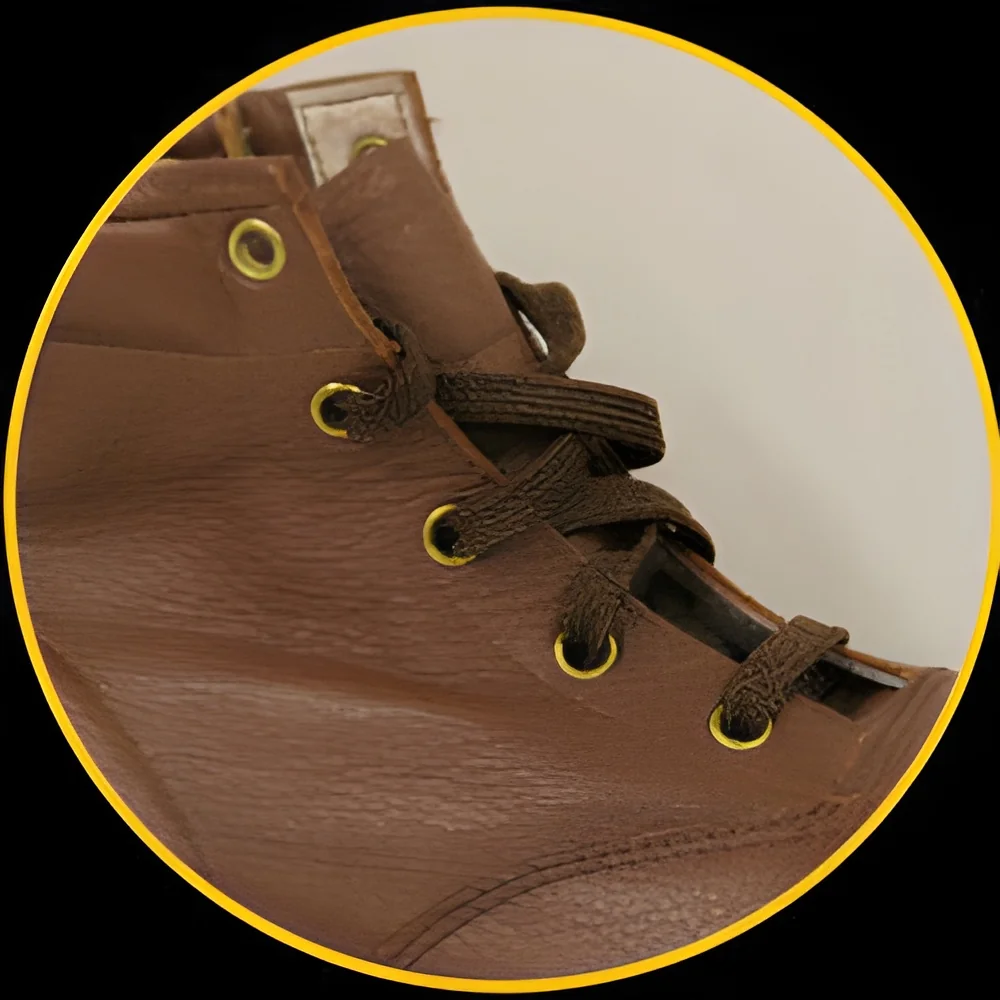
What are Private Label Footwear Manufacturers?
Private label footwear manufacturers are companies that produce shoes branded under a retailer's label rather than their own. These manufacturers handle the entire production process, from design to manufacturing, allowing businesses to offer customized footwear options without investing in their own production facilities. This model enables retailers to expand their product offerings while maintaining control over branding and quality.
The primary applications of private label footwear manufacturing are seen in retail, e-commerce, and specialty stores. Retailers can engage these manufacturers to create exclusive designs that reflect their brand identity. This approach allows companies to differentiate themselves in a competitive market while appealing to specific consumer preferences. The flexibility in production and design also enables businesses to respond quickly to emerging trends, making private label manufacturers crucial for retailers looking to innovate.
In the current market context, private label footwear represents a significant segment of the footwear industry. As consumer demand for unique and personalized products grows, retailers increasingly rely on private label manufacturers to meet these needs. This trend underscores the importance of collaboration between brands and manufacturers to create high-quality, stylish footwear that resonates with target audiences.
Key Features and Specifications
Private label footwear manufacturers offer a range of features and specifications that cater to the diverse needs of retailers. Understanding these specifications is essential for businesses looking to partner with manufacturers.
Key specifications include:
1. Material Quality
- High-quality materials such as leather, synthetic fibers, and textiles.
- Options for eco-friendly materials to appeal to environmentally conscious consumers.
2. Design Flexibility
- Customizable designs to meet brand-specific requirements.
- Capability to produce various styles, including athletic, casual, and formal footwear.
3. Manufacturing Capacity
- Ability to produce large quantities to meet retailer demands.
- Scalability options to adjust production based on seasonal needs.
4. Lead Times
- Standard lead times typically ranging from 4 to 12 weeks.
- Options for expedited production based on urgency and order size.
5. Quality Control
- Implementation of strict quality assurance processes.
- Compliance with international quality standards.
6. Pricing Models
- Competitive pricing structures based on order volume.
- Flexible pricing options for bulk orders and long-term partnerships.
7. Minimum Order Quantities (MOQs)
- MOQs can vary significantly by manufacturer and product type.
- Understanding specific MOQs is crucial for planning inventory.
8. Certification Compliance
- Adherence to relevant safety and manufacturing standards, including CE certification.
- Regular audits to maintain compliance with industry regulations.
In summary, partnering with private label footwear manufacturers allows retailers to access a wide range of customizable options, ensuring they can cater to their target market effectively while maintaining high standards of quality.
Common Applications and Use Cases
Private label footwear manufacturers serve various industries, providing tailored solutions to meet specific market demands.
1. Retail Fashion: Retailers in the fashion industry collaborate with manufacturers to create stylish footwear that aligns with their brand aesthetics. This allows them to offer exclusive designs that attract fashion-forward consumers.
2. E-commerce: Online retailers benefit from private label footwear by offering unique products that stand out in a crowded marketplace. Custom branding helps build customer loyalty and enhances the shopping experience.
3. Sports and Fitness: Athletic brands utilize private label manufacturers to produce high-performance footwear designed for specific sports. This customization enhances functionality and appeals to athletes.
4. Hospitality: Hotels and resorts may offer branded footwear as part of guest amenities. Private label solutions allow for personalization that reflects the establishment's brand identity.
5. Corporate Gifting: Businesses often source private label footwear as corporate gifts or promotional items. Customized footwear can reinforce brand messaging while providing practical value.
6. Health and Wellness: Manufacturers create specialized footwear for healthcare settings, including comfortable and supportive shoes for medical staff. These products prioritize functionality and durability.
7. Children's Footwear: Retailers focusing on kids' fashion can collaborate with manufacturers to design vibrant and playful footwear options, addressing the unique needs of both children and parents.
Product Variants and Subcategories
Private label footwear encompasses a wide variety of product types, allowing retailers to diversify their offerings and cater to different consumer preferences.
Athletic Footwear
This variant includes sneakers and sports shoes designed for performance and comfort. Features often include breathable materials, cushioning, and support tailored for various sports activities.
Casual Footwear
Casual shoes offer a blend of style and comfort, suitable for everyday wear. Retailers can customize designs with trendy colors and materials to appeal to a broad audience.
Formal Footwear
Formal shoes, including dress shoes and loafers, are tailored for professional environments. These products often focus on elegance and craftsmanship, allowing brands to position themselves in the upscale market.
Sandals and Flip-Flops
This category includes summer footwear options, providing comfort and breathability. Retailers can offer unique styles and patterns to cater to seasonal demands.
Benefits and Advantages
Partnering with private label footwear manufacturers offers numerous advantages for retailers looking to enhance their product offerings.
Key benefits include:
1. Brand Differentiation: Retailers can create unique footwear designs, allowing them to stand out in a competitive marketplace.
2. Cost Efficiency: By outsourcing production, businesses can reduce overhead costs associated with manufacturing facilities.
3. Control Over Quality: Retailers can implement specific quality standards and ensure products align with their brand values.
4. Faster Time to Market: Private label manufacturers can streamline the production process, enabling retailers to respond swiftly to market trends.
5. Customization Options: Retailers have the flexibility to customize designs, materials, and branding to meet consumer preferences.
6. Scalability: Manufacturers can adjust production levels based on demand, helping retailers manage inventory effectively.
Buying Guide for B2B Buyers
When sourcing private label footwear manufacturers, businesses should consider several key factors to ensure successful partnerships.
1. Quality Assessment: Evaluate the materials and craftsmanship of products. Request samples to assess quality before making commitments.
2. Supplier Verification: Conduct thorough research on potential suppliers, including checking references and reviewing past work. This ensures reliability and trustworthiness.
3. Pricing and MOQ: Understand the pricing structure and minimum order quantities. This helps in budget planning and inventory management.
4. Delivery and Lead Times: Discuss logistics and expected lead times to ensure timely product availability. Factors such as shipping and customs should also be considered.
5. Compliance Requirements: Familiarize yourself with relevant safety and regulatory standards applicable to the footwear industry. Ensure that suppliers adhere to these standards to mitigate risks.
Compliance and Certifications
Private label footwear manufacturers must adhere to various industry standards and certifications to ensure product quality and safety. Compliance with ISO 9001 ensures that manufacturers maintain a robust quality management system, promoting continuous improvement.
In addition to general quality standards, specific certifications such as CE are essential for footwear intended for the European market. This certification indicates that products meet safety and environmental protection standards.
Manufacturers must also comply with safety regulations and testing requirements to ensure footwear is safe for consumer use. This includes testing for materials, durability, and performance.
Regional compliance considerations may vary, depending on the target market. Retailers should ensure that manufacturers are knowledgeable about local regulations to avoid potential pitfalls.
Why Source Private Label Footwear Manufacturers from Pepagora?
Pepagora provides a trusted platform for sourcing private label footwear manufacturers, offering several key advantages for businesses.
Verified Supplier Network: Pepagora ensures that all suppliers undergo a rigorous verification process. This helps retailers find reliable partners who meet industry standards.
Streamlined RFQ Process: The request for quotation process is simplified, allowing businesses to easily connect with multiple manufacturers. This efficiency saves time and facilitates better pricing negotiations.
Trade Assurance and Support: Pepagora offers buyer protection through trade assurance programs. This support provides peace of mind for retailers by ensuring that orders are fulfilled as agreed.
Regional Coverage: With a strong presence in India, the GCC, and Southeast Asia, Pepagora connects retailers with manufacturers across these regions. This geographic reach enables retailers to find suitable partners that align with their specific market needs.

 IN
IN