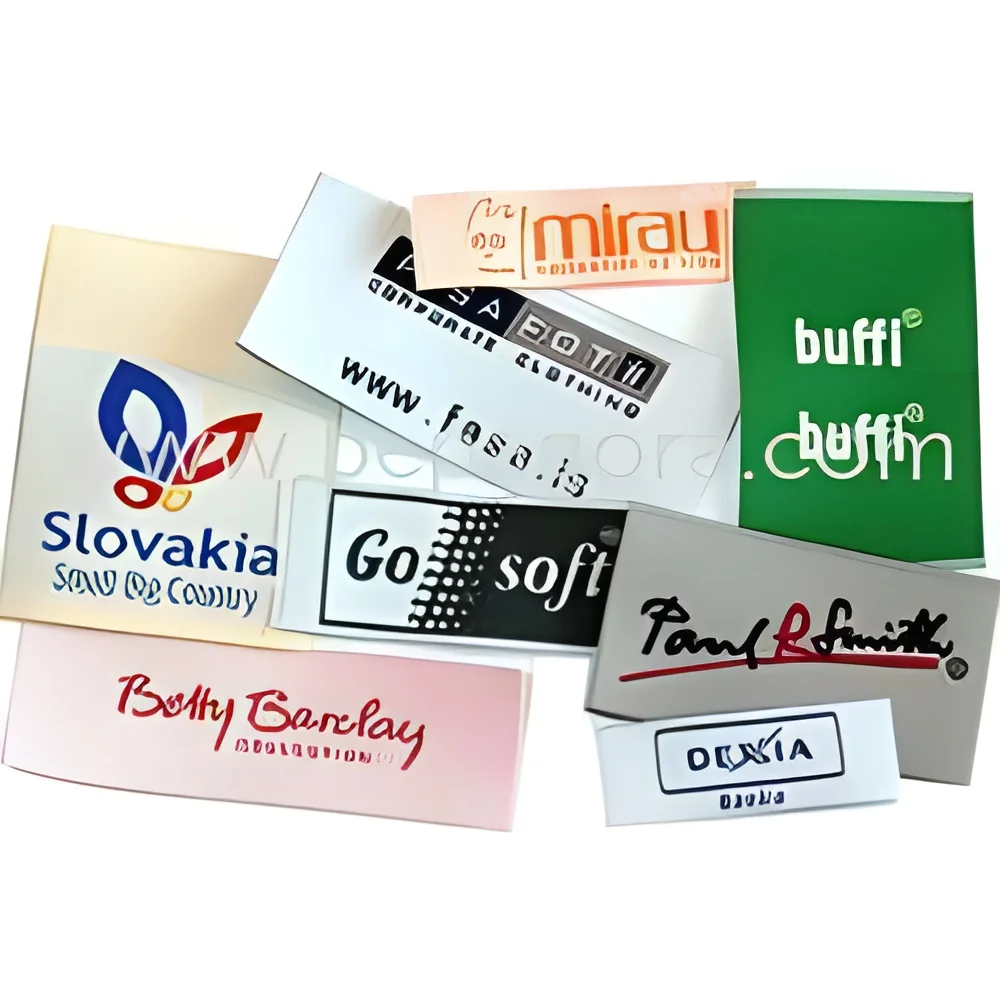
What are Eco-Friendly Textile Branding Services?
Eco-Friendly Textile Branding Services refer to the processes and methods used to apply branding elements to textiles while prioritizing sustainability. These services utilize environmentally friendly materials and practices that minimize harm to the planet. The focus is on reducing carbon footprints, utilizing renewable resources, and ensuring that the final products are safe for both consumers and the environment.
These services find primary applications in industries such as fashion, home textiles, and promotional products. Businesses leverage eco-friendly branding to appeal to environmentally conscious consumers, enhance their brand image, and comply with increasing regulatory demands for sustainability. As more companies recognize the importance of sustainable practices, the demand for eco-friendly textile branding services continues to grow.
In the current market context, businesses across various sectors are integrating sustainability into their operations. This shift is driven by consumer preferences, regulatory requirements, and a growing awareness of environmental issues. Therefore, eco-friendly textile branding services are not only relevant but essential for companies aiming to maintain competitiveness in a rapidly evolving marketplace.
Key Features and Specifications
Eco-Friendly Textile Branding Services are characterized by several key features that set them apart from traditional branding methods. These features ensure that the branding process aligns with sustainable practices while maintaining high-quality standards.
Key specifications include:
1. Sustainable Materials
- Use of organic cotton, recycled polyester, and water-based inks.
- Materials sourced from certified suppliers adhering to environmental standards.
2. Eco-Friendly Printing Techniques
- Techniques such as digital printing and screen printing with environmentally safe inks.
- Reduced water usage and chemical waste during the printing process.
3. Customization Options
- Ability to create tailored branding solutions for businesses of all sizes.
- Options for various textile types and branding styles.
4. Compliance with Industry Standards
- Adherence to recognized environmental certifications such as CE.
- Commitment to quality standards like ISO 9001 to ensure product excellence.
5. Durability and Quality Assurance
- Long-lasting branding that withstands washing and wear.
- Rigorous testing to meet safety and quality benchmarks.
6. Carbon Offset Programs
- Initiatives to balance carbon emissions generated during the production process.
- Partnerships with organizations focused on environmental conservation.
In summary, the specifications of eco-friendly textile branding services highlight their commitment to sustainability, quality, and customization. These features not only meet the needs of businesses but also contribute positively to the environment.
Common Applications and Use Cases
Eco-Friendly Textile Branding Services are widely applicable across various industries, helping businesses enhance their brand image while embracing sustainability.
1. Fashion Industry: Companies can utilize these services to create clothing lines that appeal to eco-conscious consumers, offering stylish designs made from sustainable materials.
2. Home Textiles: Brands can promote eco-friendly bedding, curtains, and upholstery that feature sustainable branding, appealing to environmentally aware homeowners.
3. Promotional Products: Businesses can use sustainable textiles for promotional items like bags and apparel, effectively communicating their commitment to the environment.
4. Sportswear: Athletic brands can incorporate eco-friendly branding into their products, targeting consumers who prioritize sustainability in their active lifestyles.
5. Corporate Gifts: Companies can opt for sustainable textile gifts that reinforce their brand values and commitment to environmental responsibility.
6. Hospitality: Hotels and restaurants can use eco-friendly branded textiles for uniforms and decor, enhancing their sustainability image to guests.
7. Educational Institutions: Schools and universities can implement eco-friendly branding for merchandise, promoting a message of environmental stewardship among students.
Product Variants and Subcategories
Eco-Friendly Textile Branding Services offer diversity in product variants, catering to different business needs and preferences.
Eco-Friendly Apparel Branding
This variant focuses on applying branding to clothing items using sustainable methods. It includes techniques such as direct-to-garment printing and embroidery with eco-friendly threads, providing businesses with stylish, branded apparel that reflects their values.
Eco-Friendly Home Goods Branding
This variant targets the home textiles market, allowing brands to apply sustainable branding to items like table linens, towels, and curtains. The use of organic materials and non-toxic dyes ensures a safe product for consumers.
Eco-Friendly Promotional Merchandise
This service variant specializes in creating branded promotional items like tote bags and wearable merchandise. These items are made from sustainable textiles, helping businesses promote their brand while supporting environmental initiatives.
Benefits and Advantages
Eco-Friendly Textile Branding Services provide numerous advantages for businesses looking to enhance their brand image and meet sustainability goals.
Key benefits include:
1. Enhanced Brand Image: Using eco-friendly branding helps businesses align with consumer values, improving their reputation and appeal.
2. Compliance with Regulations: Companies can ensure they meet industry standards and regulations related to environmental practices, avoiding potential penalties.
3. Increased Customer Loyalty: Consumers are more likely to support brands that prioritize sustainability, leading to repeat business and loyalty.
4. Differentiation in Market: Eco-friendly branding sets businesses apart from competitors, providing a unique selling proposition.
5. Positive Environmental Impact: These services contribute to reducing waste and promoting sustainable practices, benefiting the environment.
6. Cost Savings: Sustainable practices can lead to reduced operational costs in the long term through efficient resource use and waste reduction.
Buying Guide for B2B Buyers
When sourcing Eco-Friendly Textile Branding Services, businesses should consider several critical factors to ensure they make informed decisions.
1. Quality Assessment: Evaluate the quality of materials and printing techniques used. Request samples to ensure they meet your branding requirements.
2. Supplier Verification: Research potential suppliers to confirm their commitment to sustainability and check for certifications that validate their practices.
3. Pricing and MOQ: Understand the pricing structure and minimum order quantities to ensure they align with your budget and needs.
4. Delivery and Lead Times: Discuss logistics and expected delivery times to avoid any disruptions in your supply chain.
5. Compliance Requirements: Ensure that the services meet relevant regulations and standards in your industry, including safety and environmental compliance.
Compliance and Certifications
Eco-Friendly Textile Branding Services must adhere to various quality standards and certifications to ensure they meet industry expectations and consumer safety.
Relevant quality standards include ISO 9001, which outlines requirements for effective quality management systems. Compliance with this standard ensures that products meet customer and regulatory requirements consistently.
In addition, industry certifications such as CE ensure that products meet safety and environmental protection standards. This certification is crucial for businesses aiming to market their eco-friendly textiles in various regions.
Testing requirements for safety are essential as well. Businesses should ensure that the textiles are free from harmful substances and comply with safety regulations.
Regional compliance considerations also play a significant role, as regulations can vary by location. Companies must be aware of local laws regarding textile production and environmental practices to ensure compliance.
Why Source Eco-Friendly Textile Branding Services from Pepagora?
Pepagora serves as a trusted platform for sourcing Eco-Friendly Textile Branding Services, offering several key advantages to businesses.
Verified Supplier Network: Pepagora has built a robust network of verified suppliers who are committed to sustainable practices. This network ensures that businesses can find reliable partners that meet their eco-friendly branding needs.
Streamlined RFQ Process: The platform facilitates a smooth request for quotation (RFQ) process, allowing buyers to easily connect with suppliers and obtain competitive quotes for their projects.
Trade Assurance and Support: Pepagora provides trade assurance to protect buyers, ensuring that they receive quality products and services as promised. This support helps foster trust between buyers and suppliers.
Regional Coverage: With a focus on regions such as India, GCC, and Southeast Asia, Pepagora enables businesses to source eco-friendly textile branding services tailored to their local markets while promoting sustainability on a broader scale.

 IN
IN