What are Men’s Clothing Private Label Suppliers?
Men’s Clothing Private Label Suppliers are businesses that manufacture clothing items under a retailer's brand name. These suppliers typically handle all aspects of production, including design, fabric sourcing, manufacturing, and sometimes even logistics. Retailers can then sell these products under their own label, allowing them to create a unique brand identity without the need for extensive investment in manufacturing facilities.
The primary use of these suppliers is to enable retailers and brands to offer distinctive apparel options without the complexities of production management. This is particularly beneficial for small to medium-sized businesses that may not have the resources to manage their own manufacturing processes. In a competitive market, private labeling allows companies to differentiate their offerings and respond quickly to fashion trends without significant overhead costs.
In the current market context, the demand for private label clothing is growing. Retailers see it as a way to enhance their brand portfolio and engage customers with exclusive products. As consumers increasingly seek unique and personalized clothing options, private label suppliers are becoming integral to the supply chain in the fashion industry.
Key Features and Specifications
Men’s Clothing Private Label Suppliers offer a range of features and specifications that cater to the needs of various businesses. These specifications include essential elements that define the quality and variety of clothing offered.
Key specifications include:
1. Design Flexibility
- Suppliers offer customizable designs to meet specific brand requirements.
- Options range from fabric choice to garment styles.
2. Manufacturing Capacity
- Capable of producing small to large quantities based on demand.
- Flexibility in scaling production according to order size.
3. Fabric Quality
- A variety of fabric options, including cotton, polyester, and blends.
- Focus on durability and comfort in fabric selection.
4. Compliance with Industry Standards
- Adherence to relevant quality and safety standards.
- Ensures products meet market regulations and customer expectations.
5. Lead Time
- Typical lead times vary based on order complexity and volume.
- Suppliers strive to provide timely delivery to meet retail schedules.
6. Minimum Order Quantity (MOQ)
- Each supplier sets its own MOQ, which can impact initial investment.
- Options available for both bulk and smaller orders.
7. Packaging Options
- Custom packaging solutions available to align with brand identity.
- Consideration of sustainable packaging choices.
8. Private Label Branding
- Services include label design and placement on finished products.
- Enhances brand recognition and market presence.
The combination of these features allows retailers to effectively collaborate with suppliers and create a distinctive product line that resonates with their target audience.
Common Applications and Use Cases
Men’s Clothing Private Label Suppliers serve a variety of industries, each with its own specific applications.
1. Retail Fashion: Retailers can launch their clothing lines with unique designs tailored to their customer base, enhancing brand loyalty and market differentiation.
2. E-commerce: Online retailers leverage private label clothing to offer exclusive products, improving their competitive edge and increasing profit margins.
3. Corporate Apparel: Businesses use private label suppliers to create branded uniforms that reflect their corporate identity, ensuring consistency in employee appearance.
4. Promotional Events: Companies source private label clothing for giveaways and promotional events, helping to increase brand visibility among potential customers.
5. Specialty Stores: Niche retailers can develop targeted clothing lines that cater to specific demographics or styles, appealing to unique consumer needs.
6. Sportswear: Fitness brands often collaborate with private label suppliers to create specialized athletic wear that meets performance standards.
7. Subscription Boxes: Retailers offering subscription services can include exclusive private label clothing items, enhancing the value of their offerings.
Product Variants and Subcategories
There is significant diversity in Men’s Clothing Private Label Suppliers, allowing businesses to choose from various product variants that suit their branding and target market.
T-shirts
These are versatile clothing items that can be customized in terms of design, color, and fabric. Perfect for casual wear, promotional events, or as part of a corporate uniform, T-shirts are a staple in many private label offerings.
Polo Shirts
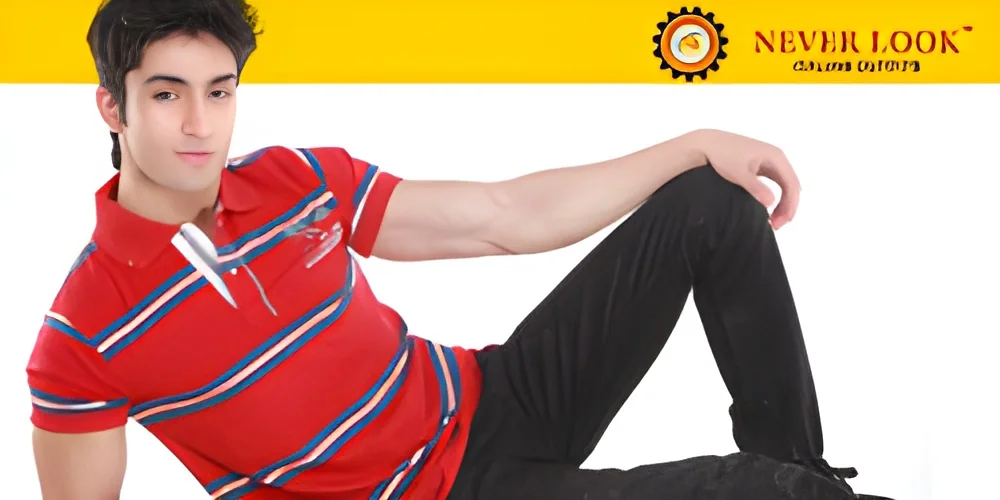
Ideal for both casual and formal settings, polo shirts offer a sophisticated look. They can be tailored with unique colors and logo placements, making them suitable for corporate branding or retail fashion lines.
Hoodies
Hoodies provide comfort and style, making them popular among younger demographics. Custom options allow for unique designs and branding, appealing to streetwear markets.
Jeans
Custom denim options can be tailored for fit and style preferences, offering retailers the chance to provide exclusive products that cater to current fashion trends.
Shorts
Seasonal offerings like shorts can be customized for style and fabric, making them suitable for casual wear or specific activities like sports or leisure.
Benefits and Advantages
Sourcing from Men’s Clothing Private Label Suppliers offers numerous benefits that can enhance a retailer's business model.
Key benefits include:
1. Brand Differentiation: Retailers can create unique products that stand out in a crowded market, fostering brand identity.
2. Cost Efficiency: By outsourcing production, businesses can reduce overhead costs associated with manufacturing.
3. Quick Market Entry: Private labeling allows retailers to launch new clothing lines swiftly in response to market trends and consumer demands.
4. Quality Control: Working with established suppliers typically ensures high standards of quality in the finished products.
5. Customization: Retailers can tailor products to meet specific customer preferences, enhancing customer satisfaction and loyalty.
6. Risk Mitigation: By leveraging established suppliers, businesses can lower the risks associated with starting a new product line.
Buying Guide for B2B Buyers
When sourcing Men’s Clothing Private Label Suppliers, it is important to consider several key factors that can impact the success of your partnership.
1. Quality Assessment: Evaluate the quality of materials and manufacturing processes to ensure products meet your standards. Request samples if necessary to review workmanship.
2. Supplier Verification: Conduct thorough background checks on potential suppliers. Look for certifications and testimonials that demonstrate their reliability and experience in the industry.
3. Pricing and MOQ: Understand the pricing structure and Minimum Order Quantity requirements. This will help in budgeting and determining the feasibility of working with a supplier.
4. Delivery and Lead Times: Discuss expected delivery schedules and lead times to ensure they align with your business needs. Timely delivery is critical to maintaining stock levels.
5. Compliance Requirements: Ensure that the supplier adheres to relevant regulations and industry standards. This may include safety certifications and quality management systems.
Compliance and Certifications
Compliance and certifications play a vital role in the operation of Men’s Clothing Private Label Suppliers. Adhering to quality standards and regulations ensures that products are safe and effective for consumer use.
Relevant quality standards such as ISO 9001 help maintain the quality management systems within manufacturing processes. This ensures that suppliers consistently deliver high-quality products.
Industry certifications like CE indicate compliance with European health, safety, and environmental protection standards. This is particularly important for products sold in international markets.
Safety and testing requirements are crucial to ensuring that clothing items are free from harmful substances and meet safety regulations. Regular testing and compliance checks help uphold these standards.
Regional compliance considerations may vary depending on the destination market. Suppliers should be knowledgeable about local regulations to ensure their products meet all necessary criteria.
Why Source Men’s Clothing Private Label Suppliers from Pepagora?
Pepagora provides a trusted platform for sourcing Men’s Clothing Private Label Suppliers with several key advantages.
Verified Supplier Network: Pepagora ensures that all suppliers in its network are thoroughly vetted for quality and reliability. This gives buyers confidence in the sourcing process.
Streamlined RFQ Process: The Request for Quotation system simplifies the sourcing process, allowing buyers to receive competitive quotes from multiple suppliers quickly. This enhances the decision-making process.
Trade Assurance and Support: Buyers benefit from trade assurance measures that protect their investments. Pepagora offers support throughout the sourcing journey, ensuring a smooth transaction.
Regional Coverage: With a strong presence in markets such as India, the GCC, and Southeast Asia, Pepagora offers extensive regional coverage. This allows buyers to access a diverse range of suppliers and products tailored to their needs.

 IN
IN