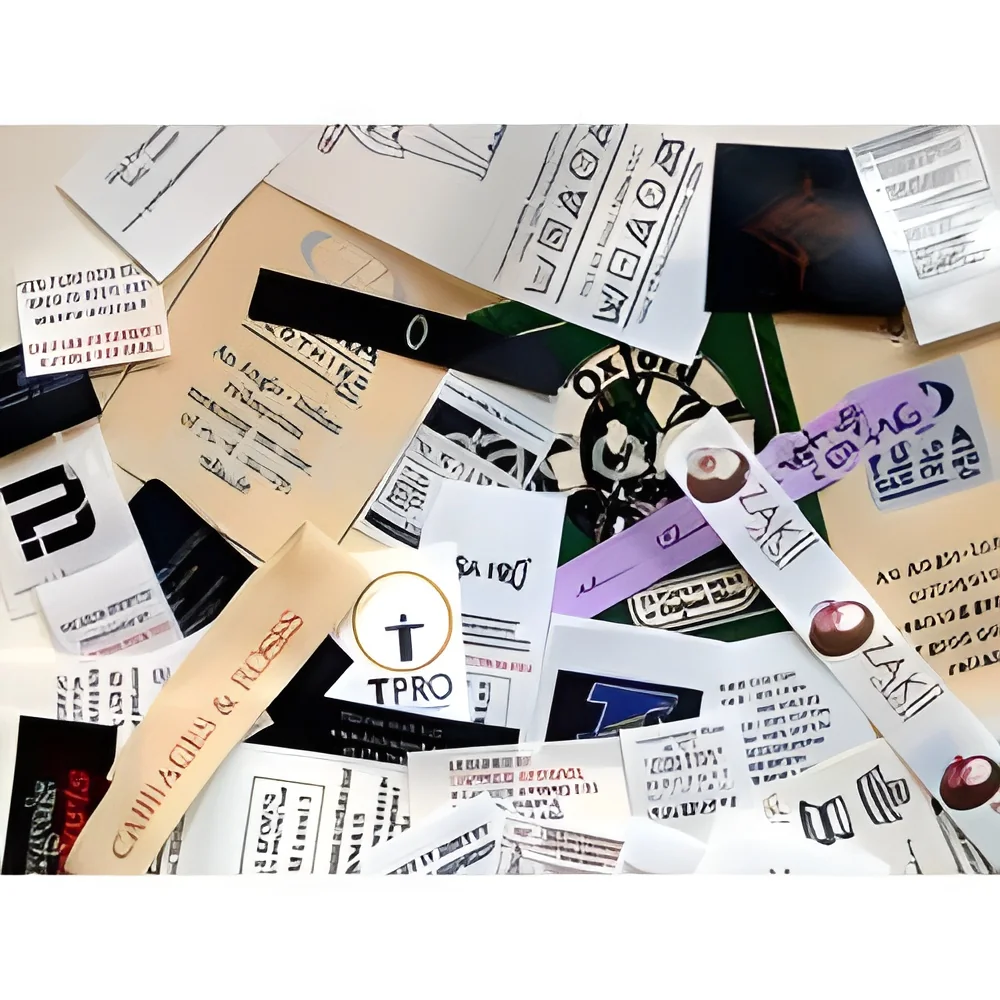
What are Printed Textile Private Label Suppliers?
Printed Textile Private Label Suppliers are companies that specialize in the manufacturing and distribution of textiles featuring custom designs, patterns, and prints for other brands. These suppliers allow businesses to offer unique textile products without investing in the production infrastructure themselves. By leveraging the expertise of these suppliers, companies can focus on marketing and selling while ensuring high-quality manufacturing.
These suppliers cater to a wide range of industries, including fashion, home decor, and promotional products. Companies in these sectors use printed textiles for clothing, upholstery, curtains, and various branded merchandise. The ability to customize designs allows businesses to differentiate their offerings in competitive markets. With the growing demand for personalized and unique textiles, printed textile private label suppliers play a crucial role in helping brands meet consumer preferences.
The relevance of printed textile private label suppliers is evident in the expanding textile market, which is driven by both sustainability trends and consumer demand for unique products. As companies seek to enhance their product lines, the services of these suppliers become increasingly valuable. The market is evolving with technological advancements and shifting consumer trends, making it essential for businesses to partner with reliable suppliers to stay ahead.
Key Features and Specifications
When evaluating printed textile private label suppliers, it is important to consider their key features and specifications. Understanding these elements can help businesses make informed decisions that align with their product goals.
Key specifications include:
1. Fabric Types
- Various fabric options are available, including cotton, polyester, and blends.
- Each fabric type offers different characteristics such as durability, softness, and print quality.
2. Printing Techniques
- Suppliers may use techniques like digital printing, screen printing, or sublimation.
- Each technique has its advantages in terms of color vibrancy and application.
3. Minimum Order Quantity (MOQ)
- Minimum order quantities can vary based on the supplier and product type.
- This affects the production scale and cost considerations for businesses.
4. Customization Options
- Many suppliers offer options for custom designs, colors, and sizes.
- This flexibility allows brands to create unique products tailored to their audience.
5. Lead Times
- Production and delivery lead times can differ significantly between suppliers.
- It is essential to understand these timelines to meet market demands.
6. Compliance Standards
- Suppliers may adhere to specific quality and safety standards, such as ISO certifications.
- Compliance with regulations ensures product safety and quality assurance.
7. Pricing Structures
- Pricing can vary based on order size, customization, and fabric choice.
- Understanding the pricing model is crucial for budgeting and profitability.
8. Geographic Reach
- Suppliers may operate in specific regions or offer global shipping options.
- This can impact delivery times and shipping costs.
In summary, the features and specifications of printed textile private label suppliers are vital for businesses seeking to partner with the right source for their textile needs. These specifications can influence product quality, cost, and overall project success.
Common Applications and Use Cases
Printed textile private label suppliers have a wide range of applications across various industries. Understanding these applications can help businesses identify potential uses for their products.
1. Fashion Industry: Printed textiles are commonly used in clothing collections, from casual wear to high fashion. Custom prints can enhance brand identity and appeal to target markets.
2. Home Decor: Many home furnishings, such as curtains, cushions, and upholstery, utilize printed textiles. Custom designs can help brands offer unique home decor solutions.
3. Promotional Products: Companies often use printed textiles for promotional items like tote bags, banners, and apparel. Custom prints can effectively communicate brand messages at events.
4. Sportswear: Printed textiles are widely used in sports apparel, providing functional designs and vibrant colors for team uniforms and activewear.
5. Event Decor: Printed textiles can serve in event settings, such as table covers, backdrops, and signage, enhancing the visual appeal of corporate events or weddings.
6. Children's Products: Textiles featuring playful prints are popular in children's clothing and accessories, allowing brands to tap into niche markets.
7. Textile Art: Artists and designers often collaborate with suppliers to create unique textile art, expanding the creative possibilities in the textile industry.
In summary, the versatility of printed textiles allows them to be integrated into numerous applications, making them essential for businesses in various sectors.
Product Variants and Subcategories
Printed textile private label suppliers offer a diverse range of product variants to cater to different market demands. This diversity allows companies to select products that best meet their needs.
Cotton Prints
Cotton prints are popular for their softness and breathability. They are ideal for apparel, home textiles, and eco-friendly products. Businesses benefit from the natural feel and versatility of this fabric.
Polyester Blends
Polyester blends often combine durability with vibrant print capabilities. These fabrics are suitable for activewear and promotional items, offering a practical solution for dynamic uses.
Canvas Textiles
Canvas textiles provide a sturdy option for items like bags and home decor. Their robust nature ensures longevity, making them a preferred choice for heavy-duty applications.
Satin Fabrics
Satin fabrics offer a luxurious finish and are often used in fashion-forward products. Their sheen and softness appeal to high-end markets, enhancing the overall product presentation.
Benefits and Advantages
Partnering with printed textile private label suppliers offers numerous benefits for businesses looking to enhance their product offerings. These advantages can significantly impact a company's success.
1. Cost Efficiency: By outsourcing production, businesses can reduce overhead costs associated with manufacturing and focus resources on marketing and sales.
2. Customization: Suppliers offer extensive customization options, allowing brands to create unique products that stand out in competitive markets.
3. Quality Assurance: Established suppliers often adhere to quality standards, ensuring that businesses receive high-quality textiles that meet customer expectations.
4. Quick Turnaround: Many suppliers have streamlined production processes, enabling faster lead times for businesses needing to respond to market trends.
5. Scalability: Working with suppliers allows businesses to scale their production based on demand without the complexities of managing manufacturing facilities.
6. Access to Expertise: Partnering with experienced suppliers provides businesses with invaluable industry knowledge and insights, improving product development strategies.
In summary, the advantages of sourcing from printed textile private label suppliers can enhance a brand's competitive edge and improve overall operational efficiency.
Buying Guide for B2B Buyers
When sourcing printed textile private label suppliers, it is essential for B2B buyers to consider several key factors to ensure successful partnerships.
1. Quality Assessment: Evaluate the quality of textiles by requesting samples. Consider factors such as fabric feel, print clarity, and durability, as these will impact the end product.
2. Supplier Verification: Conduct thorough background checks on potential suppliers. Look for reviews, references, and any certifications that demonstrate their reliability and commitment to quality.
3. Pricing and MOQ: Understand the pricing structure and minimum order quantities for each supplier. This information is crucial for budget planning and inventory management.
4. Delivery and Lead Times: Clarify the expected lead times for production and delivery. Timeliness is vital for meeting market demands and maintaining customer satisfaction.
5. Compliance Requirements: Ensure that the suppliers meet necessary compliance standards relevant to your industry and region. This includes safety regulations and quality certifications.
In summary, careful consideration of these factors can help B2B buyers select the right printed textile private label suppliers for their needs, ultimately leading to successful product launches.
Compliance and Certifications
Compliance and certifications play a vital role in the printed textile industry, ensuring that products meet quality and safety standards. Relevant quality standards, such as ISO 9001, provide frameworks for consistent quality management systems among suppliers. Adhering to these standards helps businesses maintain high levels of customer satisfaction and product reliability.
Industry certifications, such as CE marking, indicate compliance with European health, safety, and environmental protection standards. This certification is crucial for suppliers looking to enter markets that require compliance with stringent regulations. It assures buyers that the products meet specific safety and performance criteria.
In addition to general compliance, safety and testing requirements are essential in the textile industry. This includes ensuring that materials are free from harmful substances and safe for consumer use. Regional compliance considerations may also come into play, especially for suppliers operating in multiple countries. Understanding these regional requirements is necessary for ensuring that products can be legally sold in specific markets.
In summary, compliance and certification are critical factors that influence the credibility and reliability of printed textile private label suppliers, making them essential for businesses seeking quality products.
Why Source Printed Textile Private Label Suppliers from Pepagora?
Pepagora provides a trusted platform for sourcing printed textile private label suppliers, offering several key advantages that set it apart in the marketplace.
Verified Supplier Network: Pepagora boasts a network of verified suppliers, ensuring that businesses can connect with reputable partners. This verification process helps mitigate risks associated with sourcing and enhances the reliability of supplier selections.
Streamlined RFQ Process: The platform simplifies the request for quotation process, allowing buyers to efficiently compare options and obtain competitive pricing. This streamlined approach saves time and facilitates informed decision-making.
Trade Assurance and Support: Pepagora offers trade assurance features that protect buyers throughout the purchasing process. This support includes assistance with disputes and quality assurance, providing peace of mind when sourcing products.
Regional Coverage: With a broad geographic reach, Pepagora connects buyers with suppliers across India, the GCC, and Southeast Asia. This regional coverage enables businesses to tap into diverse markets and access a wide range of textile products.
In summary, sourcing printed textile private label suppliers from Pepagora empowers businesses with access to a reliable network, streamlined processes, and robust support, ultimately enhancing their product offerings and market competitiveness.

 IN
IN