
 IN
Printed Scarves
3 products available
What are Printed Scarves?
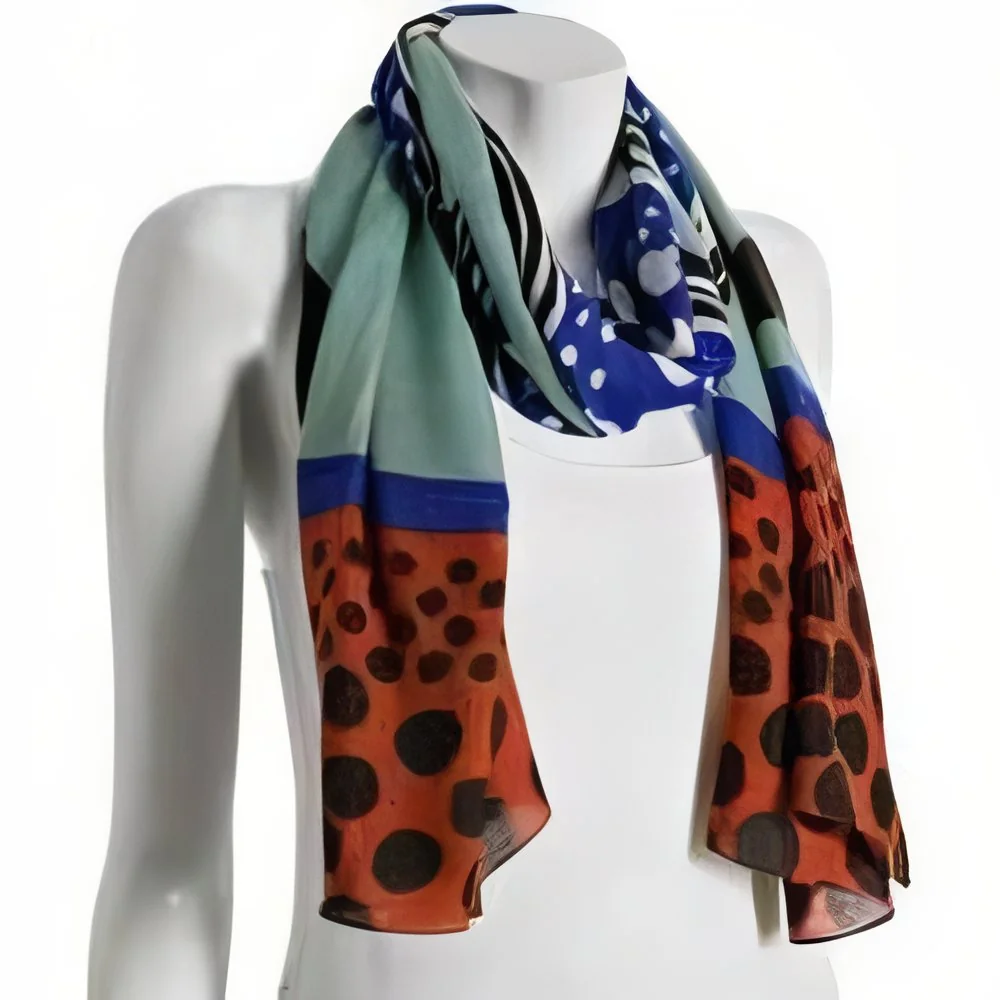
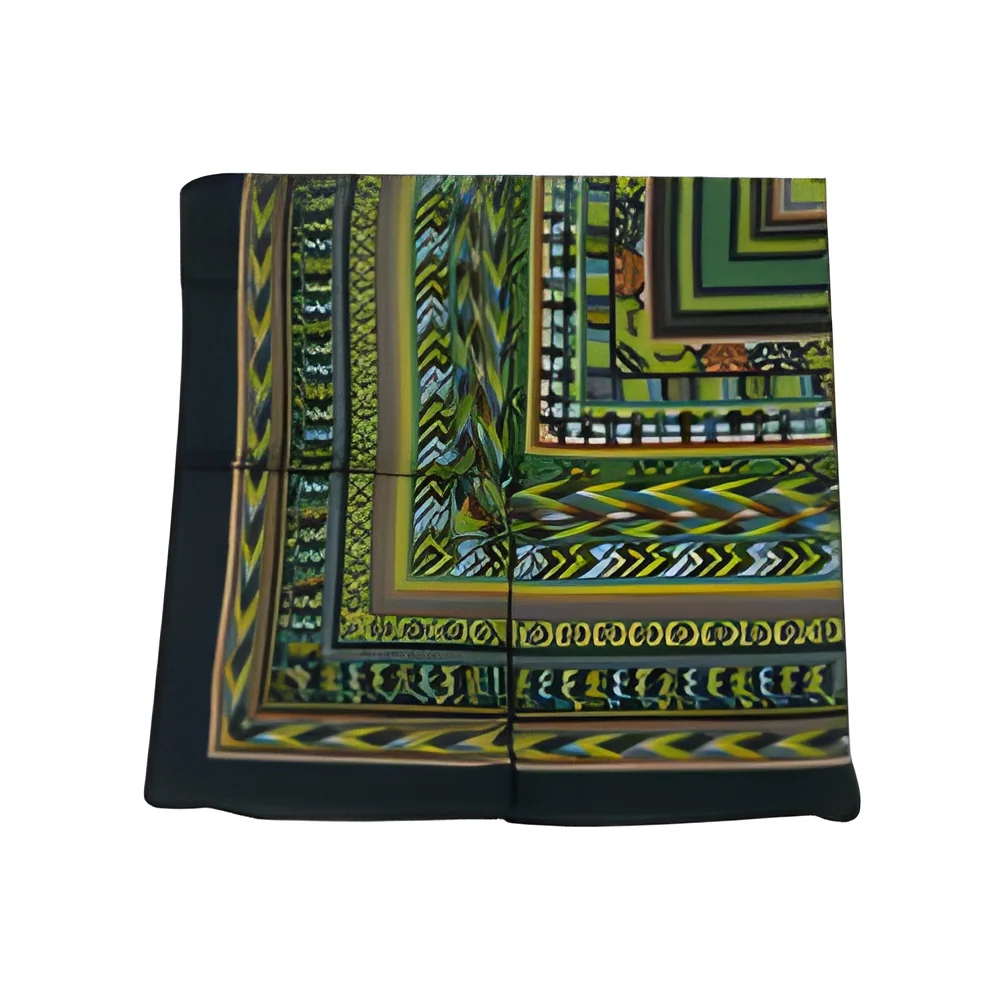
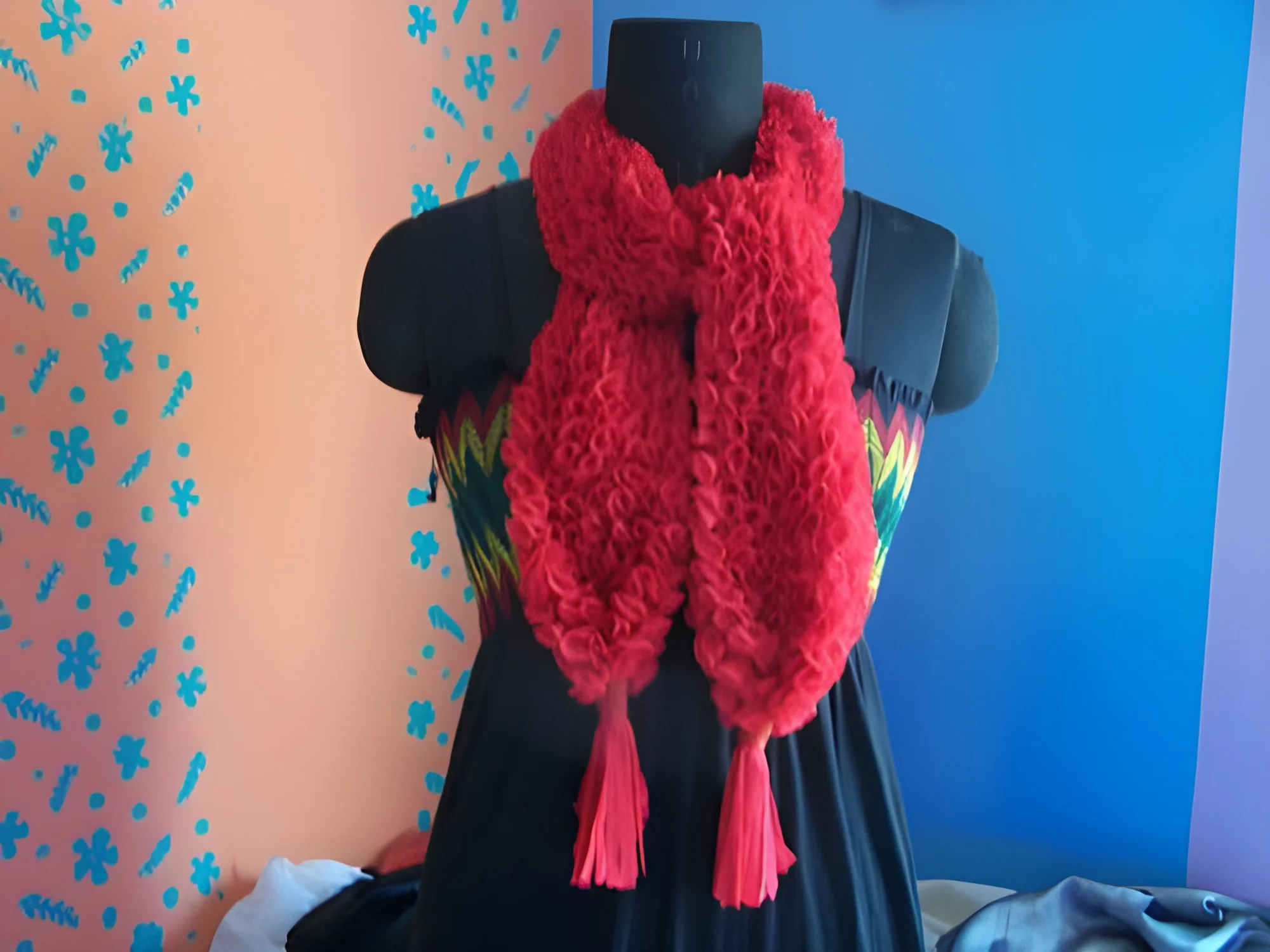
Printed scarves are versatile textile products featuring unique designs and patterns, commonly made from materials such as silk, polyester, or cotton. These scarves are designed not only for aesthetic appeal but also for practical use, serving as fashion accessories or promotional items. The printing technique can range from digital to screen printing, allowing for a wide variety of colors and intricate designs.
In business applications, printed scarves are often used as promotional merchandise, gifts, or branding tools. Companies can customize scarves with their logos or branding messages, making them effective for marketing campaigns. They are popular in industries such as fashion, hospitality, and events, where they can enhance brand visibility and provide a stylish accessory for employees or clients.
The market for printed scarves is growing, driven by trends in personalized fashion and promotional products. Businesses are increasingly recognizing the value of high-quality scarves as part of their branding strategies. This product appeals to a broad audience, from corporate buyers looking to enhance their brand image to fashion retailers seeking unique designs.
Key Features and Specifications
Printed scarves come with a variety of features that cater to different business needs. Understanding these specifications can help businesses make informed purchasing decisions.
Key specifications include:
1. Material Composition
- Common materials include silk, polyester, and cotton.
- Each material offers different qualities in terms of texture, durability, and print quality.
2. Printing Technique
- Techniques can include digital printing, screen printing, and heat transfer.
- Each method affects the vibrancy and longevity of the design.
3. Size Options
- Available sizes typically range from small (20x20 inches) to large (50x50 inches).
- Size affects how the scarf can be worn and displayed.
4. Customization Options
- Businesses can choose to have logos, patterns, and colors customized.
- Customization enhances brand identity and product appeal.
5. Production Lead Time
- Typical lead times can range from 2 to 6 weeks depending on order size and complexity.
- Timely delivery is critical for promotional events.
6. Minimum Order Quantity (MOQ)
- Common MOQs can vary by supplier, often starting at 50 units.
- Understanding MOQs is important for budget planning.
7. Care Instructions
- Care requirements may include dry cleaning for silk and machine washing for polyester.
- Proper care ensures longevity and maintains appearance.
In summary, printed scarves combine aesthetic appeal with functional benefits, making them a popular choice for businesses looking to enhance their brand presence.
Common Applications and Use Cases
Printed scarves serve various industries effectively, offering unique branding opportunities and enhancing customer experiences.
1. Fashion Industry: Printed scarves are essential accessories in fashion retail, allowing brands to showcase their designs. They can be paired with clothing lines to create cohesive looks.
2. Hospitality Sector: Hotels and restaurants can use printed scarves as part of staff uniforms or as promotional gifts for guests. Customized designs can reflect the establishment's branding.
3. Events and Trade Shows: Companies often distribute printed scarves at events to promote their brand. These items can serve as functional giveaways that attendees will use, extending brand exposure.
4. Corporate Gifting: Printed scarves can be used as corporate gifts to clients or employees. They provide a personal touch while effectively communicating the brand message.
5. Sports Teams: Teams may use printed scarves as fan merchandise, enhancing team spirit. Scarves can feature team colors and logos.
6. Non-profit Organizations: Printed scarves can be sold as fundraising items, with proceeds going to support causes. Unique designs can attract attention and encourage purchases.
7. Educational Institutions: Schools and universities can use printed scarves to promote school spirit. Custom designs can include school colors and logos.
Product Variants and Subcategories
The diversity in printed scarves allows businesses to select options that best fit their branding and promotional needs.
Classic Silk Scarves: These scarves feature luxurious silk fabric, known for its smooth texture and elegant appearance. They are ideal for high-end branding and formal events.
Polyester Promotional Scarves: Made from durable polyester, these scarves are suitable for mass distribution. They can be easily customized and are often used for events and giveaways.
Fashion-Forward Designs: These scarves focus on trendy patterns and styles, appealing to younger demographics. They are often used in fashion retail to attract attention.
Lightweight Cotton Scarves: These scarves are perfect for casual wear and can be used in outdoor events. Their breathable material makes them a popular choice for summer promotions.
Infinity Scarves: This style wraps around the neck, providing a modern twist on traditional scarves. They can be printed with vibrant designs, appealing to a younger audience.
Benefits and Advantages
Printed scarves offer various benefits that make them attractive for businesses looking to enhance their marketing strategies.
1. Brand Visibility: Custom printed scarves increase brand recognition, as they can be worn in public and shared among individuals.
2. Versatility: Scarves can be used in multiple ways, from fashion accessories to functional items in corporate settings, making them suitable for diverse applications.
3. Customization: The ability to print logos and designs allows businesses to tailor products to their branding needs, enhancing their marketing impact.
4. High Perceived Value: Quality printed scarves are viewed as premium products, leading to higher customer appreciation and loyalty.
5. Low Cost per Impression: When used as promotional items, scarves provide a low-cost method to reach a wide audience, maximizing marketing budgets.
6. Seasonal Appeal: Scarves can be marketed for various seasons and events, making them a versatile addition to any promotional strategy.
Buying Guide for B2B Buyers
When sourcing printed scarves, businesses should consider several important factors to ensure they make the best purchasing decisions.
1. Quality Assessment: Evaluate the material and printing quality. Look for samples to understand the texture and durability, ensuring that the product meets your standards.
2. Supplier Verification: Research potential suppliers to confirm their credibility. Check for reviews, certifications, and past client experiences to ensure reliability.
3. Pricing and MOQ: Understand the pricing structure and minimum order quantity requirements. Compare offers from different suppliers to find the best value for your budget.
4. Delivery and Lead Times: Consider the logistics involved in order fulfillment. Ensure that the supplier can meet your delivery timelines, especially for time-sensitive promotions.
5. Compliance Requirements: Be aware of any regulations regarding textile products in your region. Ensure that the scarves meet safety and quality standards applicable to your industry.
Compliance and Certifications
Printed scarves must adhere to relevant quality standards and certifications to ensure safety and reliability in various applications.
ISO 9001 is a key standard that applies to quality management systems. It ensures that suppliers maintain consistent quality in their products, including printed scarves.
CE certification indicates that a product meets European safety standards. While not all printed scarves are required to have this certification, it is beneficial for those exported to European countries.
Safety and testing requirements are critical, particularly for scarves intended for children's use or promotional items. Manufacturers should ensure that materials used are non-toxic and safe for consumers.
Regional compliance considerations may vary, particularly in markets such as India or the EU. Businesses should be informed about local regulations to ensure compliance and avoid potential issues.
Why Source Printed Scarves from Pepagora?
Pepagora provides a trusted platform for sourcing printed scarves, offering several key advantages that cater to businesses' needs.
Verified Supplier Network: Pepagora has established a network of vetted suppliers who meet strict quality and reliability standards. This ensures that buyers receive high-quality products.
Streamlined RFQ Process: The platform features an efficient Request for Quotation (RFQ) system, allowing buyers to easily obtain quotes from multiple suppliers. This simplifies the sourcing process and saves time.
Trade Assurance and Support: Pepagora offers buyer protection through trade assurance measures. This support includes dispute resolution and guarantees on product quality, providing peace of mind for buyers.
Regional Coverage: With extensive reach across India, the GCC, and Southeast Asia, Pepagora connects buyers with suppliers in key markets. This facilitates access to a diverse range of printed scarves tailored to various business needs.


Frequently Asked Questions
What are Printed Scarves?
Printed Scarves are fashion accessories made from various fabrics, featuring designs or patterns printed on their surface. They are commonly worn around the neck, head, or even as an embellishment for bags and outfits. These scarves can be made from materials such as cotton, silk, or polyester.
What are the different types of Printed Scarves?
There are various types of Printed Scarves, including lightweight summer scarves, heavy winter scarves, and luxurious silk scarves. Additionally, they can vary in size, shape, and design, such as square, rectangular, or infinity styles. Each type serves different fashion purposes and seasonal needs.
How do I choose the right Printed Scarves?
When choosing the right Printed Scarves, consider the fabric type, size, and print design that suits your style and purpose. It is also essential to think about the season, as lighter fabrics are ideal for warmer weather, while heavier materials provide warmth in colder months. Matching colors and patterns with your wardrobe can enhance your overall look.
What are the standard specifications for Printed Scarves?
Standard specifications for Printed Scarves typically include dimensions, fabric composition, print quality, and weight. Common sizes range from 60x60 cm to 200x70 cm, while materials can include cotton, silk, polyester, or blends. Print quality should reflect clarity, colorfastness, and durability.
What is the price range for Printed Scarves?
The price range for Printed Scarves can vary significantly based on factors such as material, brand, and design complexity. On average, prices can range from INR 200 to INR 3000 or more. Bulk purchasing often yields cost savings.
What quality standards apply to Printed Scarves?
Quality standards for Printed Scarves often include fabric durability, print longevity, and colorfastness. Compliance with safety regulations regarding materials, especially for skin contact, is also important. Manufacturers may follow specific industry guidelines to ensure consistent quality.
Where can I find Printed Scarves suppliers in India?
You can find Printed Scarves suppliers in India through various channels, including online B2B marketplaces like Pepagora.com, trade shows, and industry directories. Local manufacturers and wholesalers in textile hubs also provide a range of options. Researching supplier reviews and ratings can help in making an informed choice.
Can Printed Scarves be customized?
Yes, Printed Scarves can often be customized to meet specific design requirements, including size, fabric, and print patterns. Many manufacturers offer customization options for bulk orders, allowing businesses to create unique products that align with their branding. It is advisable to discuss customization capabilities with suppliers directly.
What is the typical minimum order quantity for Printed Scarves?
The typical minimum order quantity (MOQ) for Printed Scarves varies by supplier but generally ranges from 50 to 500 pieces. Smaller quantities may be available at a higher price per unit. Always confirm the MOQ with the supplier before placing an order.
What is the typical lead time for Printed Scarves?
The typical lead time for Printed Scarves can range from 2 to 6 weeks, depending on factors such as order size, customization requirements, and supplier capabilities. It is important to communicate with the supplier regarding specific timelines to ensure timely delivery.
Why Businesses Trust Pepagora
Thousands of companies trust Pepagora to source smarter and sell faster
Expand Your Sales Globally

Source Smarter,Grow Faster
