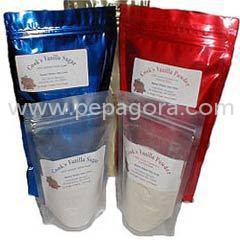
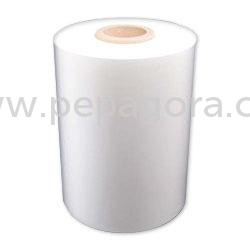
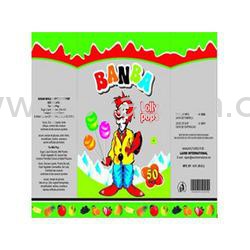
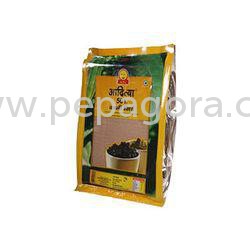
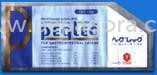
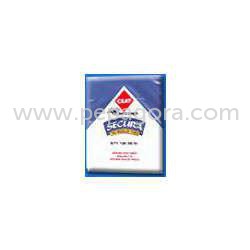
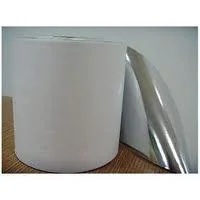
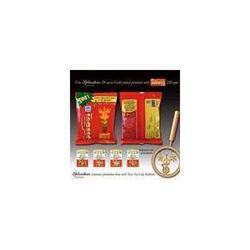
𝗪𝗵𝗮𝘁 𝗮𝗿𝗲 𝗣𝗿𝗶𝗻𝘁𝗲𝗱 𝗙𝗹𝗲𝘅𝗶𝗯𝗹𝗲 𝗣𝗮𝗰𝗸𝗮𝗴𝗶𝗻𝗴 𝗙𝗶𝗹𝗺𝘀?
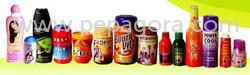
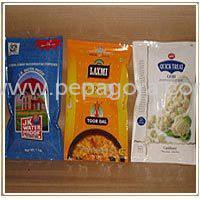
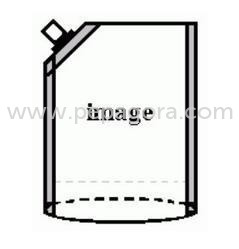
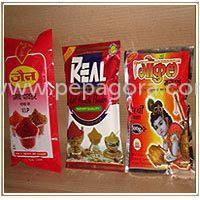
Printed Flexible Packaging Films are versatile materials used to package a wide range of products. These films are typically made from plastic substrates and are designed to be lightweight, durable, and adaptable to various packaging needs. They often feature colorful prints, which enhance product visibility and branding, while also providing a protective barrier against moisture, oxygen, and other environmental factors.
These films find extensive application across numerous industries including food, pharmaceuticals, cosmetics, and consumer goods. Businesses utilize printed flexible packaging films for items such as snacks, beverages, personal care products, and medical supplies. The ability to customize these films with different designs and functionalities makes them a popular choice for modern packaging solutions.
With the growing demand for sustainable and efficient packaging options, the market for printed flexible packaging films is expanding. Companies are increasingly seeking innovative solutions that not only preserve product integrity but also reduce waste. This shift is driving advancements in film technology and production practices, making printed flexible packaging films a critical component of the packaging industry.
𝗞𝗲𝘆 𝗙𝗲𝗮𝘁𝘂𝗿𝗲𝘀 𝗮𝗻𝗱 𝗦𝗽𝗲𝗰𝗶𝗳𝗶𝗰𝗮𝘁𝗶𝗼𝗻𝘀
Printed Flexible Packaging Films come with various features and specifications that cater to specific industry needs. These attributes ensure that the films are effective in preserving product quality while also being visually appealing.
Key specifications include:
1. Material Composition
- Typically made from polyethylene, polypropylene, or polyester
- Offers flexibility and durability for various packaging applications
2. Thickness Range
- Available in thicknesses from 20 microns to 200 microns
- Thicker films provide enhanced barrier properties
3. Printing Capabilities
- High-resolution printing options available
- Supports up to 10 colors for vibrant designs
4. Barrier Properties
- Options for moisture, oxygen, and light barriers
- Essential for preserving food and pharmaceutical products
5. Sealing Strength
- High sealing strength to ensure product safety
- Suitable for various sealing methods including heat and cold sealing
6. Customization Options
- Can be tailored to specific shapes and sizes
- Available in various finishes such as matte or gloss
7. Eco-Friendly Options
- Some films are made from biodegradable materials
- Supports sustainability initiatives in packaging
8. Compliance Standards
- Meets industry standards for food safety and quality
- Certification options available depending on the application
These specifications ensure that printed flexible packaging films can meet the diverse requirements of different sectors while delivering quality and performance.
𝗖𝗼𝗺𝗺𝗼𝗻 𝗔𝗽𝗽𝗹𝗶𝗰𝗮𝘁𝗶𝗼𝗻𝘀 𝗮𝗻𝗱 𝗨𝘀𝗲 𝗖𝗮𝘀𝗲𝘀
Printed Flexible Packaging Films are widely used across several industries due to their adaptability and functionality.
1. Food Industry: These films are commonly used for packaging snacks, frozen foods, and ready-to-eat meals. They help maintain freshness and extend shelf life while providing attractive branding.
2. Pharmaceutical Industry: Printed films are utilized for packaging medications and supplements. They ensure product integrity and compliance with safety standards, often incorporating tamper-evident features.
3. Cosmetic Industry: Flexible packaging is significant for personal care products such as lotions, shampoos, and makeup. The films enhance product presentation and usability.
4. Consumer Goods: Items such as cleaning products and pet food also benefit from printed flexible packaging films. They provide convenience and protection against contamination.
5. Electronics: Packaging for electronic components often relies on anti-static properties of flexible films to protect sensitive devices during transportation.
6. Textile Industry: Flexible films are used to package garments and accessories, providing protection from dust and moisture while allowing for attractive display.
7. E-commerce: As online shopping grows, printed flexible packaging films are increasingly used for shipping products safely and efficiently.
𝗣𝗿𝗼𝗱𝘂𝗰𝘁 𝗩𝗮𝗿𝗶𝗮𝗻𝘁𝘀 𝗮𝗻𝗱 𝗦𝘂𝗯𝗰𝗮𝘁𝗲𝗴𝗼𝗿𝗶𝗲𝘀
Printed Flexible Packaging Films offer a variety of options to meet different market needs.
Standard Films: These films are commonly used for general packaging applications. They are cost-effective and suitable for various products, providing basic protection and branding capabilities.
Barrier Films: Designed for products that require enhanced protection against external elements. These films feature superior moisture and oxygen barriers, making them ideal for perishable goods.
Recyclable Films: An emerging option in the market, recyclable films cater to the growing demand for sustainable packaging solutions. They can be processed through existing recycling systems.
Custom Printed Films: Businesses can opt for custom designs that align with their branding. These films are tailored to specific dimensions and printing requirements, ensuring a unique presentation.
𝗕𝗲𝗻𝗲𝗳𝗶𝘁𝘀 𝗮𝗻𝗱 𝗔𝗱𝘃𝗮𝗻𝘁𝗮𝗴𝗲𝘀
Printed Flexible Packaging Films offer numerous benefits that make them a preferred choice for businesses.
1. Enhanced Product Protection: The films provide a robust barrier against moisture, oxygen, and contaminants, ensuring product longevity.
2. Customization Opportunities: Companies can design packaging that resonates with their target audience, helping to build brand identity.
3. Cost-Effective: Flexible packaging is often lighter and requires less material than rigid packaging, leading to reduced shipping costs.
4. Sustainability Options: The availability of biodegradable and recyclable films aligns with eco-friendly practices, appealing to environmentally conscious consumers.
5. Versatile Applications: These films can be used across multiple industries, increasing their market reach and applicability.
6. Improved Shelf Appeal: High-quality printing enhances visual appeal, attracting consumers and boosting sales.
𝗕𝘂𝘆𝗶𝗻𝗴 𝗚𝘂𝗶𝗱𝗲 𝗳𝗼𝗿 𝗕𝟮𝗕 𝗕𝘂𝘆𝗲𝗿𝘀
When sourcing Printed Flexible Packaging Films, it is essential for B2B buyers to consider several key factors.
1. Quality Assessment: Ensure that the films meet specific quality criteria, such as durability, barrier properties, and printing quality. Look for samples or certifications that validate these attributes.
2. Supplier Verification: Conduct thorough vetting of suppliers to confirm their reliability and reputation in the market. This may include checking reviews, references, and previous work.
3. Pricing and MOQ: Understand the pricing structure and minimum order quantities (MOQ) for the films. Compare offers from different suppliers to find the best value.
4. Delivery and Lead Times: Discuss logistics with suppliers to establish expected delivery times and any potential delays. Timely delivery is crucial for maintaining production schedules.
5. Compliance Requirements: Ensure that the packaging films comply with relevant regulatory standards, especially when used for food or pharmaceutical products. This includes checking for certifications such as CE.
𝗖𝗼𝗺𝗽𝗹𝗶𝗮𝗻𝗰𝗲 𝗮𝗻𝗱 𝗖𝗲𝗿𝘁𝗶𝗳𝗶𝗰𝗮𝘁𝗶𝗼𝗻𝘀
Compliance and certification are critical aspects of Printed Flexible Packaging Films. Various quality standards ensure that the films are safe and effective for their intended use.
ISO 9001 is a widely recognized standard that specifies requirements for a quality management system. Compliance with this standard indicates that a manufacturer consistently meets customer and regulatory requirements.
HACCP (Hazard Analysis Critical Control Point) is crucial for food packaging. It outlines systematic preventive approaches to food safety, ensuring that products remain uncontaminated throughout the packaging process.
CE certification demonstrates that products meet European safety, health, and environmental protection standards. This certification is especially important for products distributed within the European market.
Manufacturers must also adhere to safety and testing requirements to ensure that the films do not leach harmful substances into packaged products. Additionally, regional compliance considerations may vary, so it is essential to stay informed about local regulations.
𝗪𝗵𝘆 𝗦𝗼𝘂𝗿𝗰𝗲 𝗣𝗿𝗶𝗻𝘁𝗲𝗱 𝗙𝗹𝗲𝘅𝗶𝗯𝗹𝗲 𝗣𝗮𝗰𝗸𝗮𝗴𝗶𝗻𝗴 𝗙𝗶𝗹𝗺𝘀 𝗳𝗿𝗼𝗺 𝗣𝗲𝗽𝗮𝗴𝗼𝗿𝗮?
Pepagora provides a trusted platform for sourcing Printed Flexible Packaging Films, offering several key advantages that benefit B2B buyers.
Verified Supplier Network: Pepagora connects businesses with a network of verified suppliers. This ensures that buyers can access high-quality products and trustworthy manufacturers.
Streamlined RFQ Process: The platform offers a straightforward request for quotation (RFQ) system, allowing buyers to receive competitive quotes efficiently. This saves time and simplifies the procurement process.
Trade Assurance and Support: Pepagora prioritizes buyer protection by providing trade assurance measures. This gives buyers confidence in their purchases and support in case of any issues.
Regional Coverage: With a strong presence in India, the GCC, and Southeast Asia, Pepagora facilitates connections across diverse markets. This geographic reach ensures that buyers can find suitable suppliers for their needs regardless of location.

 IN
IN
 India
India