
 IN
Printed Flexible Packaging Films
14 products available
What are Printed Flexible Packaging Films?
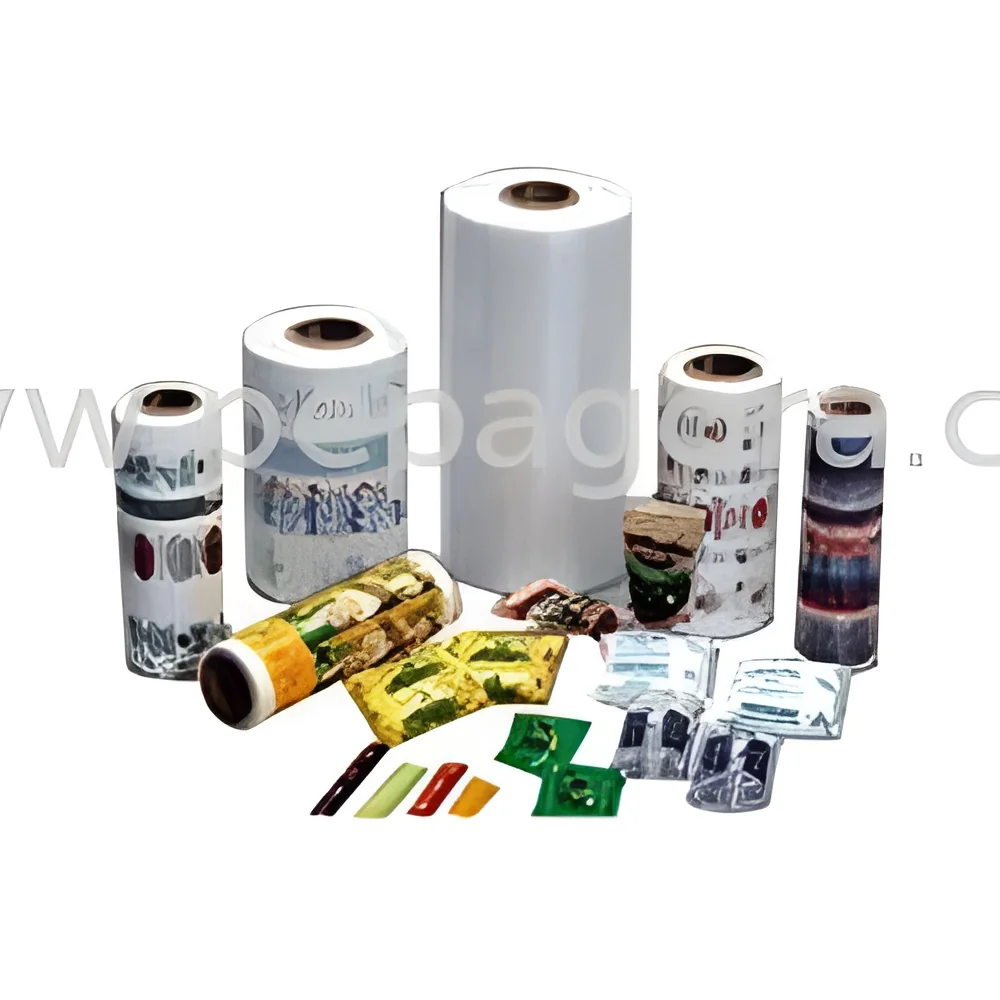
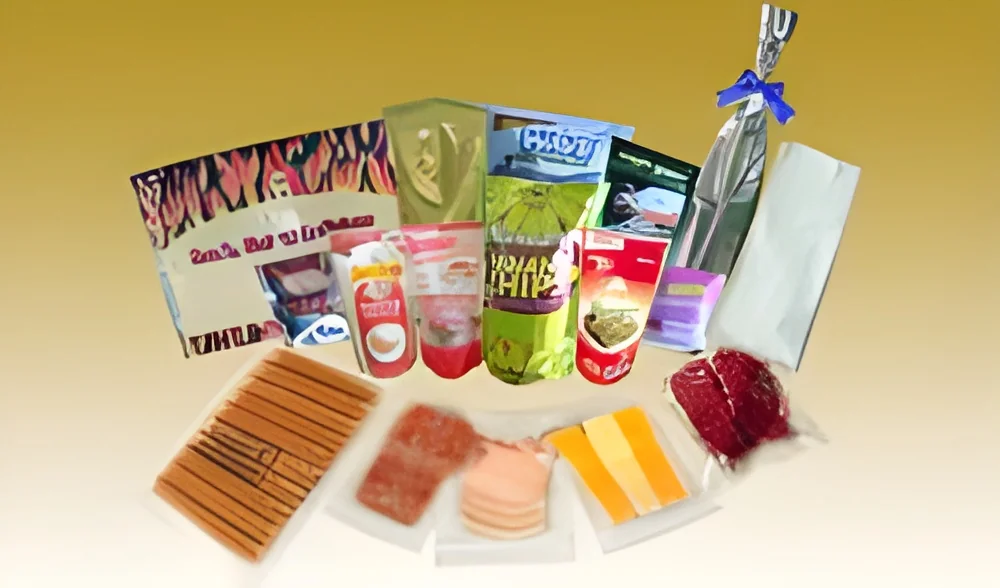
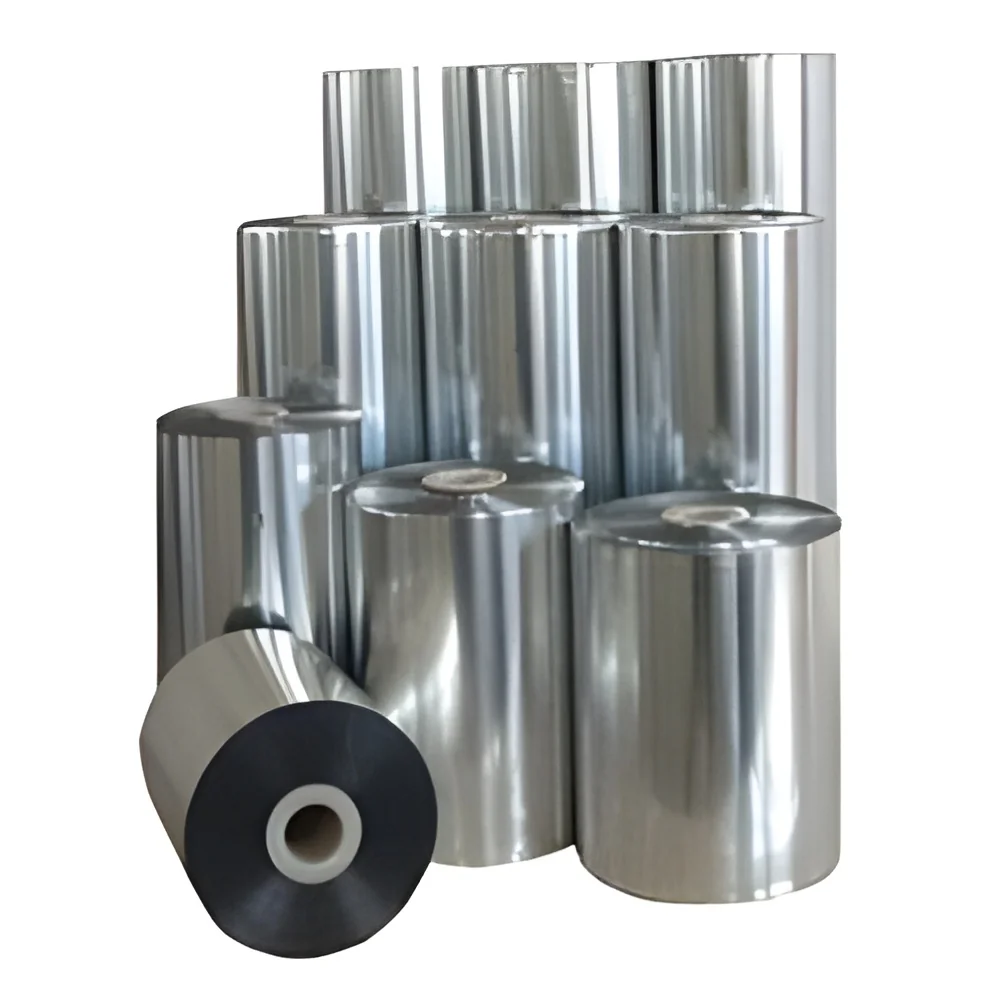
Printed Flexible Packaging Films are versatile materials used to package a wide range of products. These films are typically made from plastic substrates and are designed to be lightweight, durable, and adaptable to various packaging needs. They often feature colorful prints, which enhance product visibility and branding, while also providing a protective barrier against moisture, oxygen, and other environmental factors.
These films find extensive application across numerous industries including food, pharmaceuticals, cosmetics, and consumer goods. Businesses utilize printed flexible packaging films for items such as snacks, beverages, personal care products, and medical supplies. The ability to customize these films with different designs and functionalities makes them a popular choice for modern packaging solutions.
With the growing demand for sustainable and efficient packaging options, the market for printed flexible packaging films is expanding. Companies are increasingly seeking innovative solutions that not only preserve product integrity but also reduce waste. This shift is driving advancements in film technology and production practices, making printed flexible packaging films a critical component of the packaging industry.
Key Features and Specifications
Printed Flexible Packaging Films come with various features and specifications that cater to specific industry needs. These attributes ensure that the films are effective in preserving product quality while also being visually appealing.
Key specifications include:
1. Material Composition
- Typically made from polyethylene, polypropylene, or polyester
- Offers flexibility and durability for various packaging applications
2. Thickness Range
- Available in thicknesses from 20 microns to 200 microns
- Thicker films provide enhanced barrier properties
3. Printing Capabilities
- High-resolution printing options available
- Supports up to 10 colors for vibrant designs
4. Barrier Properties
- Options for moisture, oxygen, and light barriers
- Essential for preserving food and pharmaceutical products
5. Sealing Strength
- High sealing strength to ensure product safety
- Suitable for various sealing methods including heat and cold sealing
6. Customization Options
- Can be tailored to specific shapes and sizes
- Available in various finishes such as matte or gloss
7. Eco-Friendly Options
- Some films are made from biodegradable materials
- Supports sustainability initiatives in packaging
8. Compliance Standards
- Meets industry standards for food safety and quality
- Certification options available depending on the application
These specifications ensure that printed flexible packaging films can meet the diverse requirements of different sectors while delivering quality and performance.
Common Applications and Use Cases
Printed Flexible Packaging Films are widely used across several industries due to their adaptability and functionality.
1. Food Industry: These films are commonly used for packaging snacks, frozen foods, and ready-to-eat meals. They help maintain freshness and extend shelf life while providing attractive branding.
2. Pharmaceutical Industry: Printed films are utilized for packaging medications and supplements. They ensure product integrity and compliance with safety standards, often incorporating tamper-evident features.
3. Cosmetic Industry: Flexible packaging is significant for personal care products such as lotions, shampoos, and makeup. The films enhance product presentation and usability.
4. Consumer Goods: Items such as cleaning products and pet food also benefit from printed flexible packaging films. They provide convenience and protection against contamination.
5. Electronics: Packaging for electronic components often relies on anti-static properties of flexible films to protect sensitive devices during transportation.
6. Textile Industry: Flexible films are used to package garments and accessories, providing protection from dust and moisture while allowing for attractive display.
7. E-commerce: As online shopping grows, printed flexible packaging films are increasingly used for shipping products safely and efficiently.
Product Variants and Subcategories
Printed Flexible Packaging Films offer a variety of options to meet different market needs.
Standard Films: These films are commonly used for general packaging applications. They are cost-effective and suitable for various products, providing basic protection and branding capabilities.
Barrier Films: Designed for products that require enhanced protection against external elements. These films feature superior moisture and oxygen barriers, making them ideal for perishable goods.
Recyclable Films: An emerging option in the market, recyclable films cater to the growing demand for sustainable packaging solutions. They can be processed through existing recycling systems.
Custom Printed Films: Businesses can opt for custom designs that align with their branding. These films are tailored to specific dimensions and printing requirements, ensuring a unique presentation.
Benefits and Advantages
Printed Flexible Packaging Films offer numerous benefits that make them a preferred choice for businesses.
1. Enhanced Product Protection: The films provide a robust barrier against moisture, oxygen, and contaminants, ensuring product longevity.
2. Customization Opportunities: Companies can design packaging that resonates with their target audience, helping to build brand identity.
3. Cost-Effective: Flexible packaging is often lighter and requires less material than rigid packaging, leading to reduced shipping costs.
4. Sustainability Options: The availability of biodegradable and recyclable films aligns with eco-friendly practices, appealing to environmentally conscious consumers.
5. Versatile Applications: These films can be used across multiple industries, increasing their market reach and applicability.
6. Improved Shelf Appeal: High-quality printing enhances visual appeal, attracting consumers and boosting sales.
Buying Guide for B2B Buyers
When sourcing Printed Flexible Packaging Films, it is essential for B2B buyers to consider several key factors.
1. Quality Assessment: Ensure that the films meet specific quality criteria, such as durability, barrier properties, and printing quality. Look for samples or certifications that validate these attributes.
2. Supplier Verification: Conduct thorough vetting of suppliers to confirm their reliability and reputation in the market. This may include checking reviews, references, and previous work.
3. Pricing and MOQ: Understand the pricing structure and minimum order quantities (MOQ) for the films. Compare offers from different suppliers to find the best value.
4. Delivery and Lead Times: Discuss logistics with suppliers to establish expected delivery times and any potential delays. Timely delivery is crucial for maintaining production schedules.
5. Compliance Requirements: Ensure that the packaging films comply with relevant regulatory standards, especially when used for food or pharmaceutical products. This includes checking for certifications such as CE.
Compliance and Certifications
Compliance and certification are critical aspects of Printed Flexible Packaging Films. Various quality standards ensure that the films are safe and effective for their intended use.
ISO 9001 is a widely recognized standard that specifies requirements for a quality management system. Compliance with this standard indicates that a manufacturer consistently meets customer and regulatory requirements.
HACCP (Hazard Analysis Critical Control Point) is crucial for food packaging. It outlines systematic preventive approaches to food safety, ensuring that products remain uncontaminated throughout the packaging process.
CE certification demonstrates that products meet European safety, health, and environmental protection standards. This certification is especially important for products distributed within the European market.
Manufacturers must also adhere to safety and testing requirements to ensure that the films do not leach harmful substances into packaged products. Additionally, regional compliance considerations may vary, so it is essential to stay informed about local regulations.
Why Source Printed Flexible Packaging Films from Pepagora?
Pepagora provides a trusted platform for sourcing Printed Flexible Packaging Films, offering several key advantages that benefit B2B buyers.
Verified Supplier Network: Pepagora connects businesses with a network of verified suppliers. This ensures that buyers can access high-quality products and trustworthy manufacturers.
Streamlined RFQ Process: The platform offers a straightforward request for quotation (RFQ) system, allowing buyers to receive competitive quotes efficiently. This saves time and simplifies the procurement process.
Trade Assurance and Support: Pepagora prioritizes buyer protection by providing trade assurance measures. This gives buyers confidence in their purchases and support in case of any issues.
Regional Coverage: With a strong presence in India, the GCC, and Southeast Asia, Pepagora facilitates connections across diverse markets. This geographic reach ensures that buyers can find suitable suppliers for their needs regardless of location.

Frequently Asked Questions
What are Printed Flexible Packaging Films?
Printed Flexible Packaging Films are thin layers of material that are printed with designs, logos, or information and used to package a variety of products. These films are made from flexible materials such as polyethylene, polypropylene, or polyester, offering durability and versatility in packaging applications.
What are the different types of Printed Flexible Packaging Films?
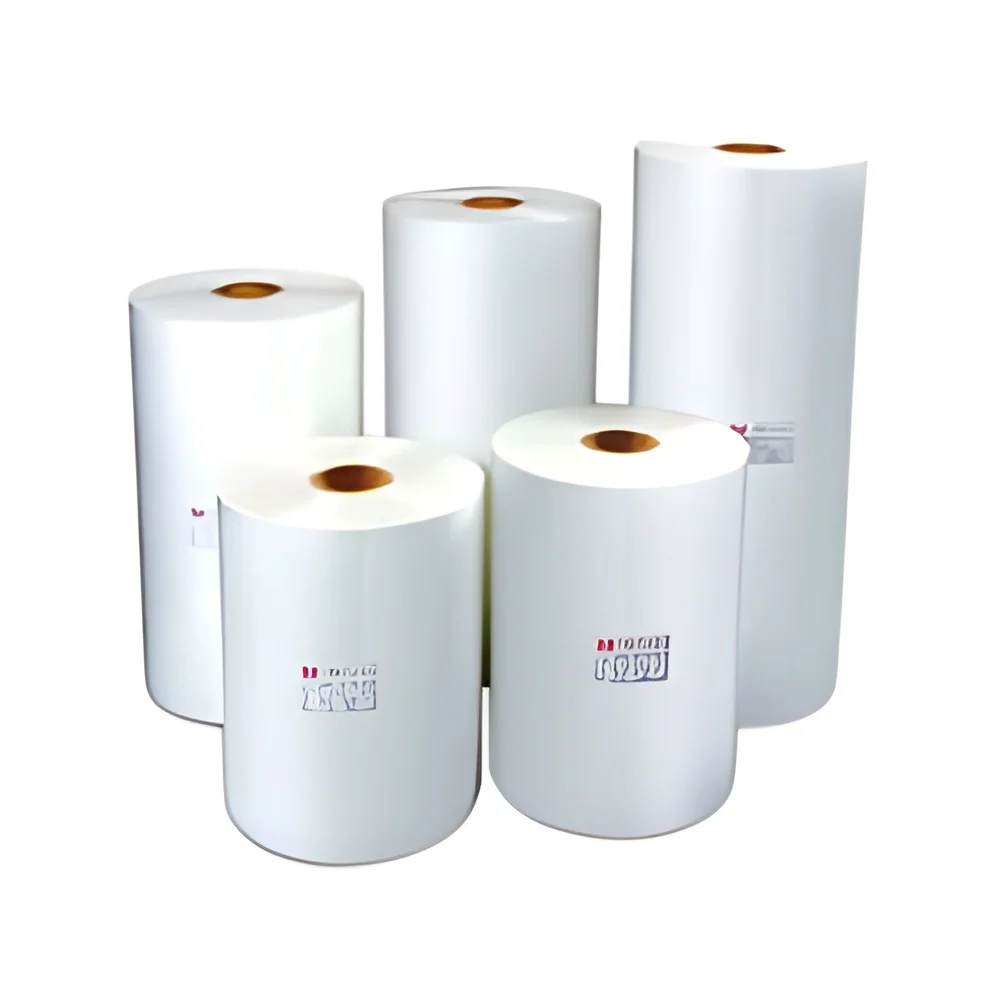
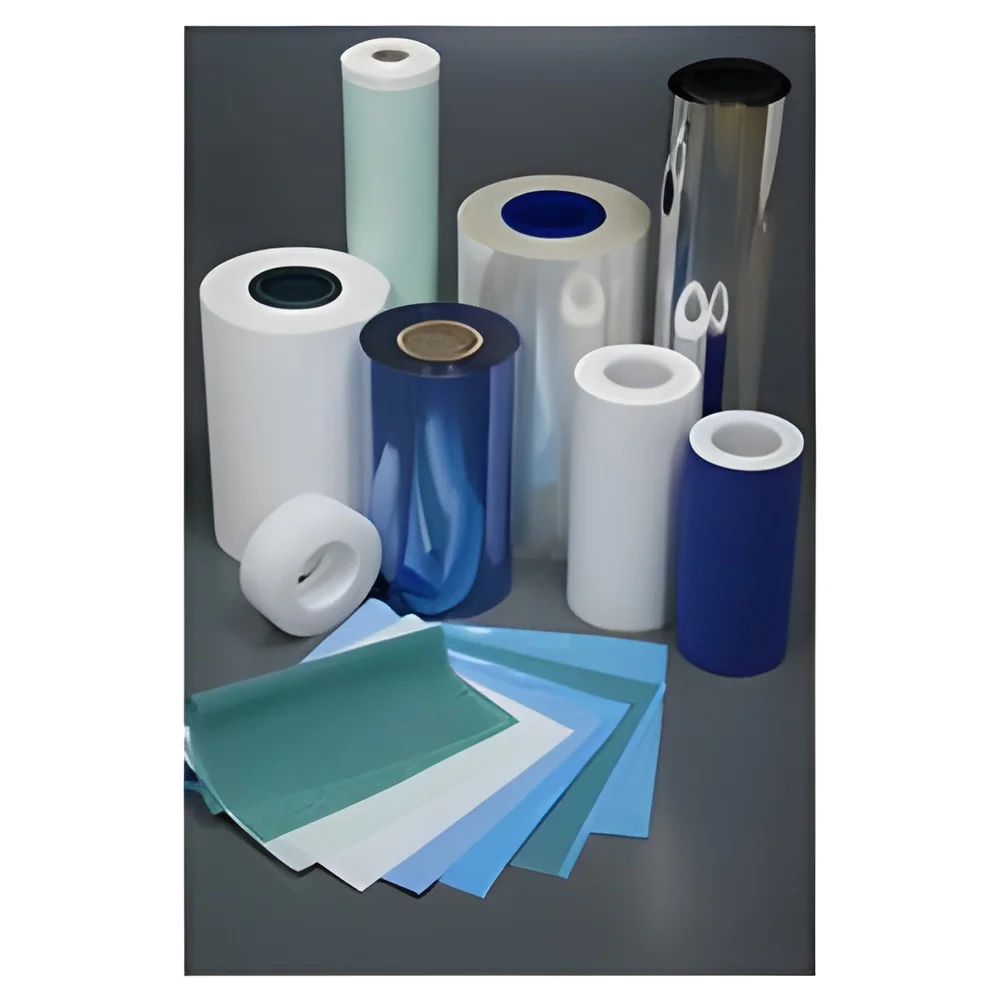
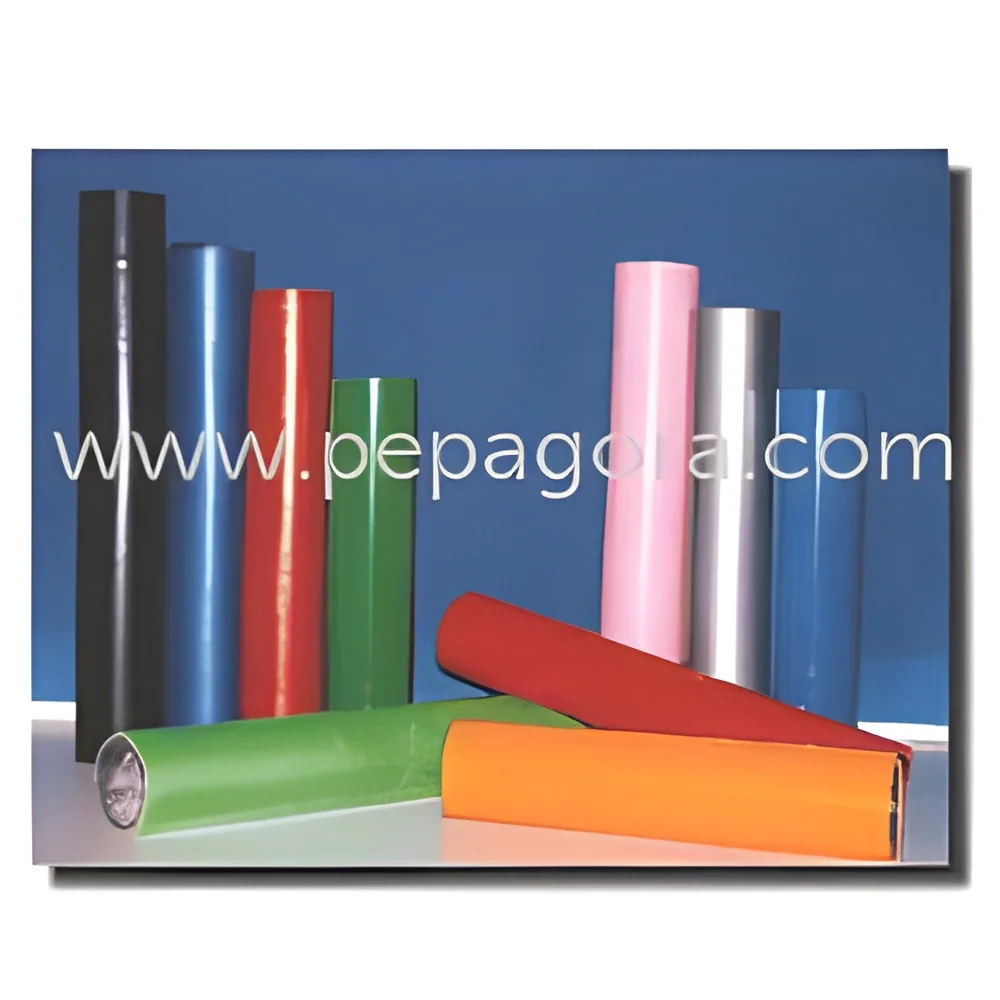
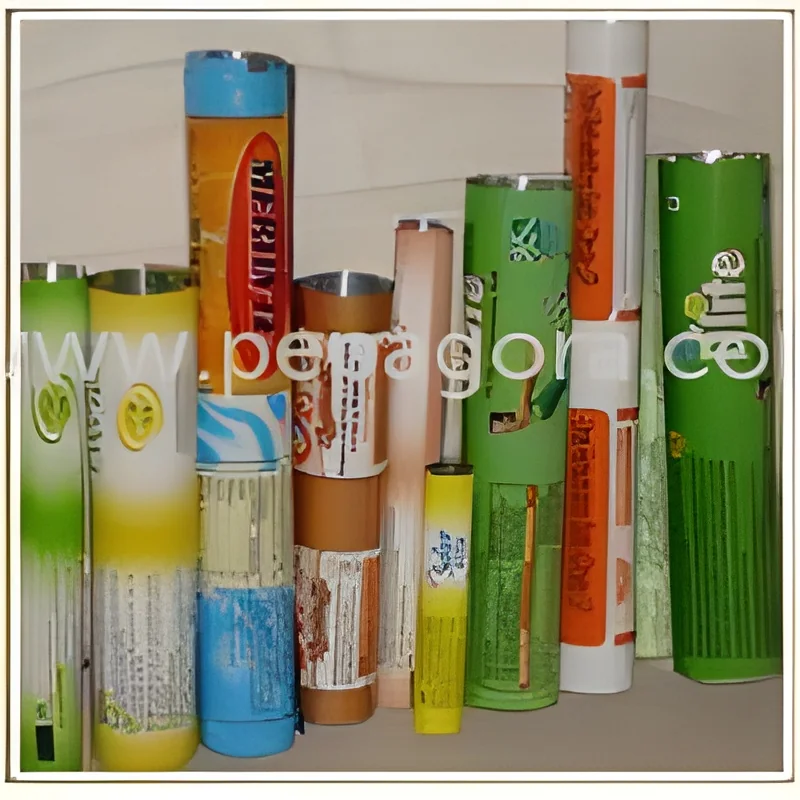
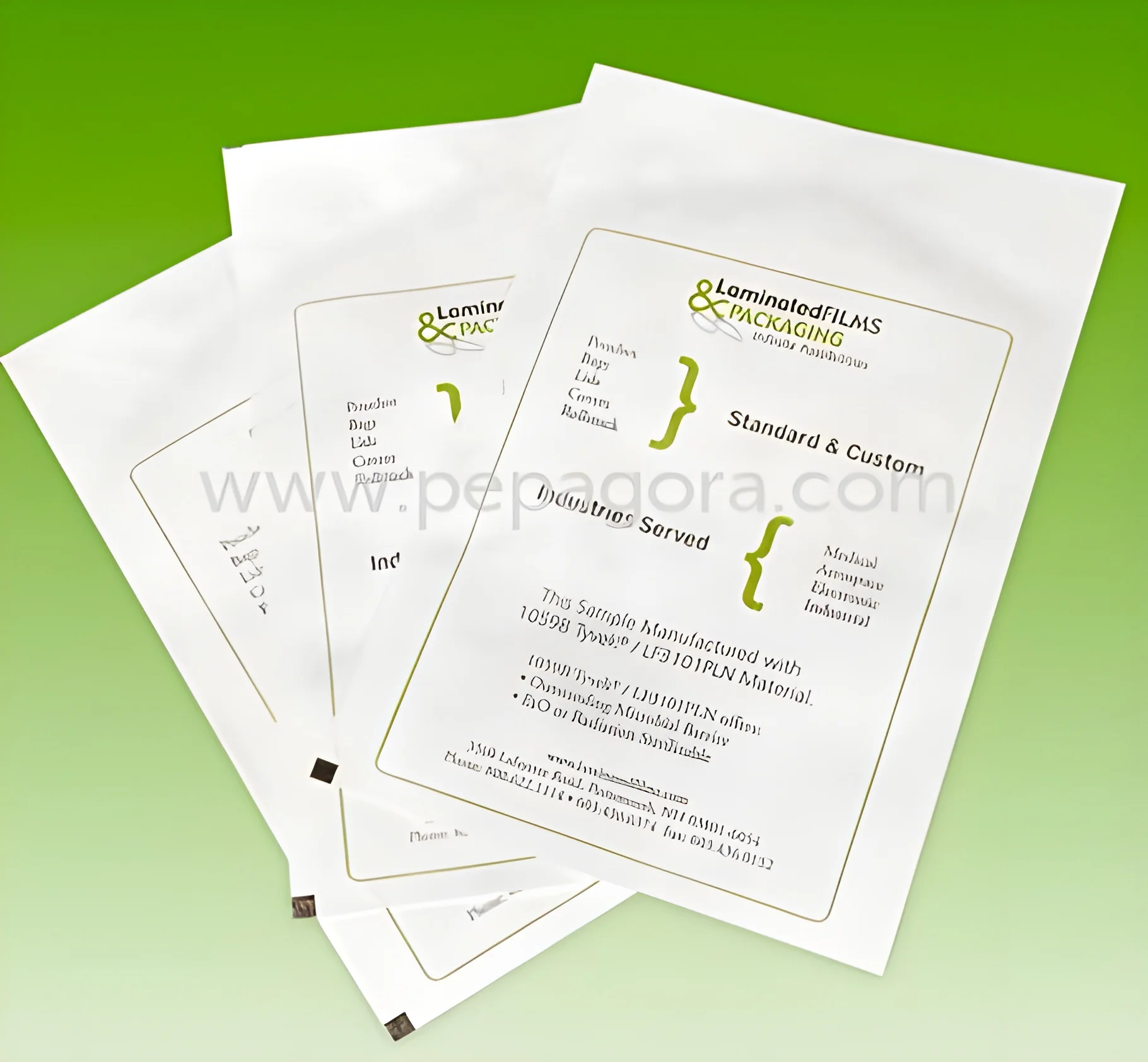
There are several types of Printed Flexible Packaging Films, including roll stock films, pouches, bags, and laminates. Each type can be tailored for specific applications, such as food packaging, retail packaging, or industrial uses, depending on the material and thickness.
How do I choose the right Printed Flexible Packaging Films?
Choosing the right Printed Flexible Packaging Films involves considering factors such as the type of product being packaged, required durability, and shelf life. It's also important to assess the printing quality needed and any regulatory requirements for the specific industry.
What are the standard specifications for Printed Flexible Packaging Films?
Standard specifications for Printed Flexible Packaging Films typically include thickness, tensile strength, barrier properties, and print quality. These specifications can vary based on the intended use and materials selected, so it's essential to consult with manufacturers for precise details.
What is the price range for Printed Flexible Packaging Films?
The price range for Printed Flexible Packaging Films can vary significantly based on factors such as material type, printing complexity, and order volume. Generally, prices may range from a few rupees per meter for basic films to higher rates for custom and specialized options.
What quality standards apply to Printed Flexible Packaging Films?
Printed Flexible Packaging Films must meet various quality standards, including food safety regulations, ISO certifications, and specific industry guidelines. Compliance with these standards ensures that the packaging is safe for consumer use and meets performance expectations.
Where can I find Printed Flexible Packaging Films suppliers in India?
You can find Printed Flexible Packaging Films suppliers in India through B2B marketplaces like Pepagora, industry trade shows, or by searching online directories. It's advisable to review supplier credentials, product offerings, and customer feedback to ensure quality.
Can Printed Flexible Packaging Films be customized?
Yes, Printed Flexible Packaging Films can be customized in terms of size, thickness, printing design, and material type. Customization allows businesses to create packaging that meets specific branding and functional requirements.
What is the typical minimum order quantity for Printed Flexible Packaging Films?
The typical minimum order quantity (MOQ) for Printed Flexible Packaging Films varies by supplier but often starts at around 1000 meters or more. It's best to confirm MOQs with specific manufacturers, as they may offer flexibility based on order size.
What is the typical lead time for Printed Flexible Packaging Films?
The typical lead time for Printed Flexible Packaging Films can range from 2 to 6 weeks, depending on factors such as order complexity, customization, and supplier capacity. It's important to communicate with your supplier for accurate timelines.
Why Businesses Trust Pepagora
Thousands of companies trust Pepagora to source smarter and sell faster
Expand Your Sales Globally

Source Smarter,Grow Faster
