What are Flexographic Printed Packaging?
Flexographic printed packaging is a modern printing technique widely used in the production of packaging materials. It employs flexible relief plates to transfer ink onto various substrates, including paper, plastic, and film. This method allows for high-speed printing and is characterized by its ability to produce vibrant colors and intricate designs. Flexographic printing is particularly advantageous for large volume runs due to its efficiency and cost-effectiveness.
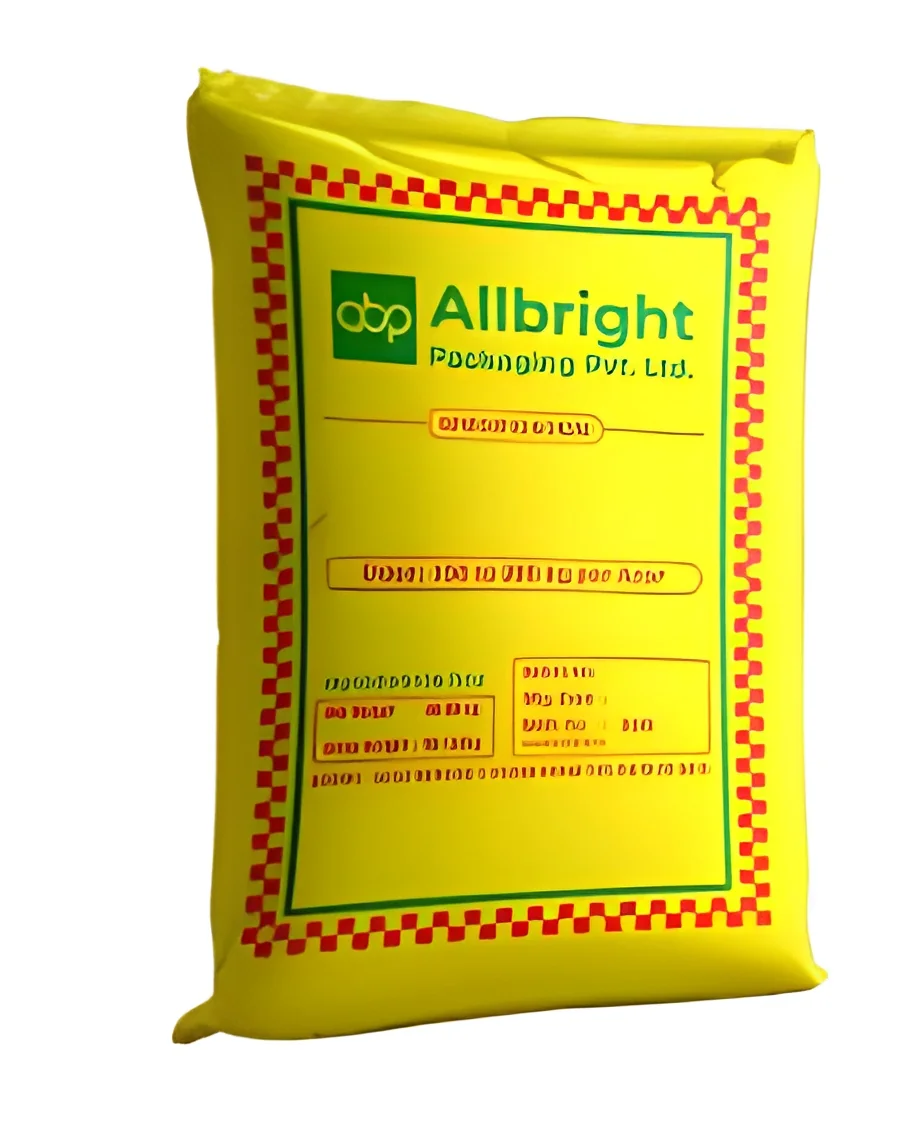
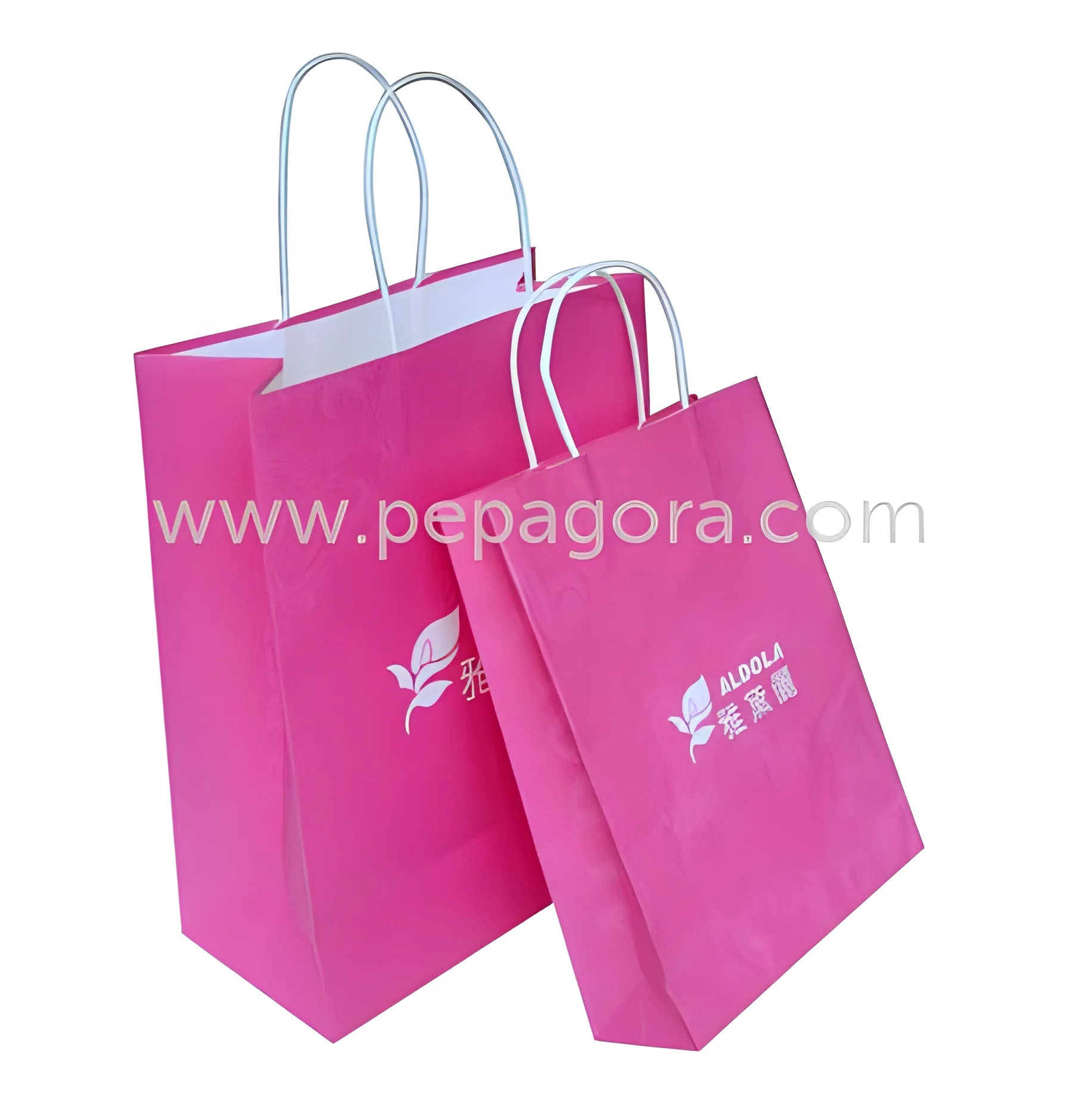
Flexographic printed packaging is commonly utilized in industries such as food and beverage, pharmaceuticals, and consumer goods. Its primary applications include labels, cartons, bags, and wrappers. The ability to print on a variety of materials makes it a versatile choice for companies looking to enhance their packaging aesthetics while maintaining functionality. In the current market landscape, flexographic printing has gained significant traction as businesses strive for sustainable packaging solutions and innovative branding.
As sustainability becomes a critical focus for many industries, flexographic printed packaging aligns with these goals by utilizing eco-friendly inks and recyclable materials. This relevance in the market underscores the importance of flexographic printing in addressing both consumer demands and regulatory requirements.
Key Features and Specifications
Flexographic printed packaging offers a variety of features that cater to diverse industrial needs. Its versatility and adaptability make it an ideal choice for businesses looking to enhance their packaging solutions.
Key specifications include:
1. Substrate Compatibility
- Flexographic printing works well on various substrates including paper, cardboard, plastic films, and metal foils.
- This allows for a wide range of packaging applications.
2. Print Quality
- High-resolution printing capabilities lead to sharp images and vivid colors.
- The printing process can achieve fine details and gradients.
3. Ink Types
- Utilizes water-based, solvent-based, and UV-cured inks.
- This ensures flexibility in meeting different environmental and regulatory standards.
4. Speed of Production
- Capable of high-speed printing, making it ideal for large volume orders.
- Reduces lead times and increases production efficiency.
5. Customization Options
- Offers various customization options including size, shape, and design.
- Allows businesses to create unique packaging tailored to their brand identity.
6. Print Durability
- Produces packaging that withstands wear and tear during handling and transportation.
- Ensures longevity and protection of the packaged products.
7. Environmental Considerations
- Many flexographic inks are eco-friendly, supporting sustainable packaging initiatives.
- Flexographic printed packaging can often be recycled or composted.
8. Regulatory Compliance
- Flexographic printed packaging can be designed to meet specific industry regulations.
- Compliance with safety standards is easily achievable.
In summary, flexographic printed packaging provides a robust and versatile solution for businesses seeking high-quality, efficient, and sustainable packaging options.
Common Applications and Use Cases
Flexographic printed packaging serves various industries by providing tailored solutions to meet specific needs.
1. Food and Beverage: This industry relies heavily on flexographic printed packaging for items like snack bags, beverage cartons, and labels. The ability to print vibrant designs enhances brand visibility and attracts consumers.
2. Pharmaceuticals: Flexographic printing is ideal for pharmaceutical packaging, including blister packs and labels. It ensures accurate product information and compliance with regulatory standards.
3. Consumer Goods: Many consumer products utilize flexographic printed packaging for items such as cleaning supplies and personal care products. This helps in creating eye-catching packaging that stands out on store shelves.
4. E-commerce: With the rise of online shopping, flexographic packaging is increasingly used for shipping boxes and mailers. Custom branding on packaging can enhance customer experience and brand loyalty.
5. Industrial Products: Packaging for industrial products often requires durability, which flexographic printed packaging can provide. It is used for items such as parts and tools, ensuring safe transportation.
6. Electronics: Flexographic printing is used for packaging electronics, providing protective and aesthetically pleasing options that appeal to consumers.
7. Cosmetics: The cosmetic industry benefits from flexographic printed packaging through elegant designs that help differentiate products in a competitive market.
Product Variants and Subcategories
Flexographic printed packaging offers a range of variants that cater to different industry needs and applications.
Flexible Film Packaging
This variant is widely used for products such as snacks and perishables. It provides excellent barrier properties, ensuring product freshness while allowing for vibrant graphics.
Paperboard Packaging
Often used for products like cereals and frozen foods, paperboard packaging is sturdy and recyclable. Flexographic printing enhances its visual appeal, making it ideal for retail.
Labels
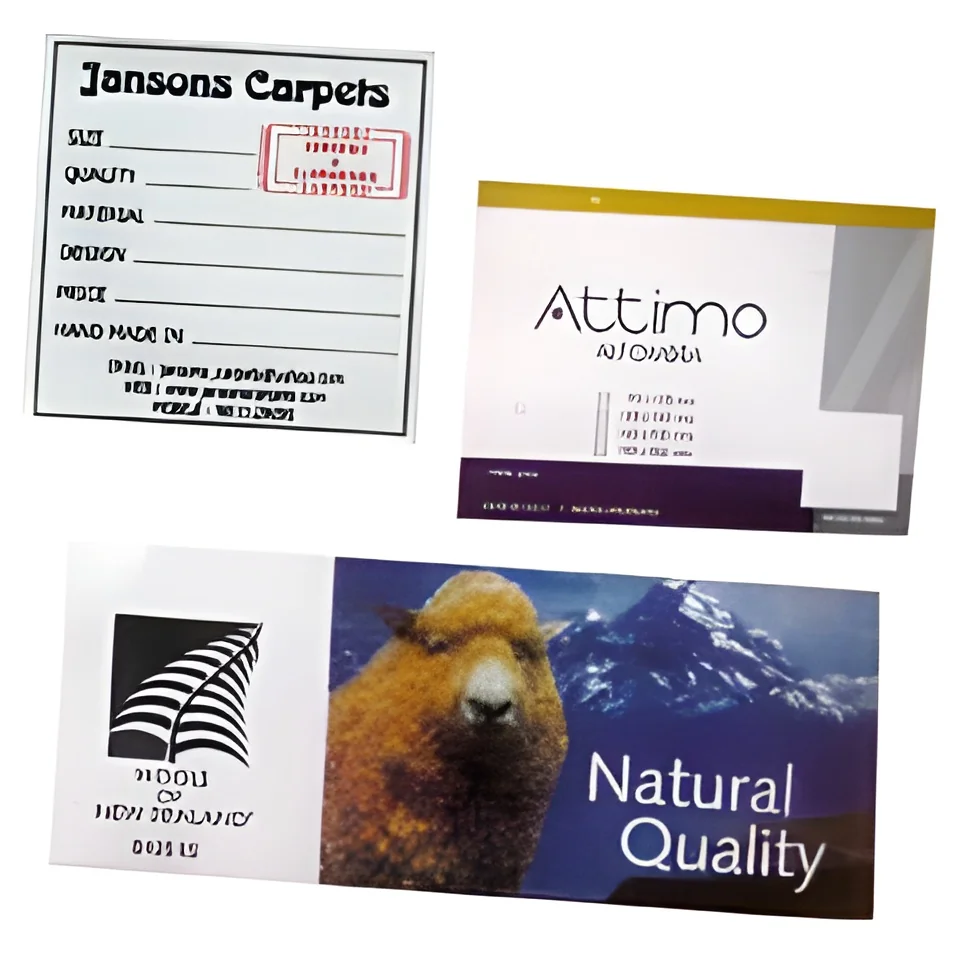
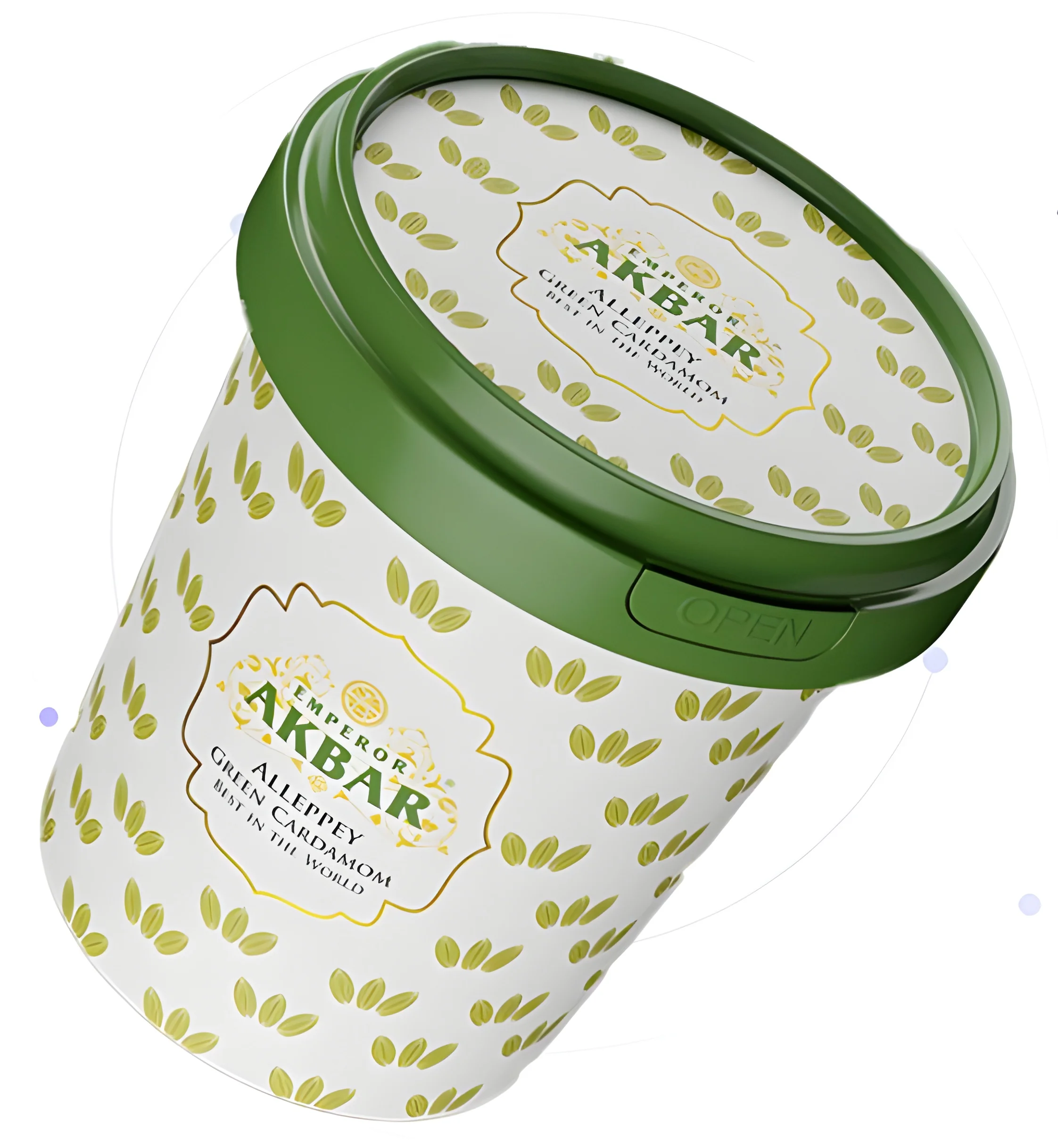
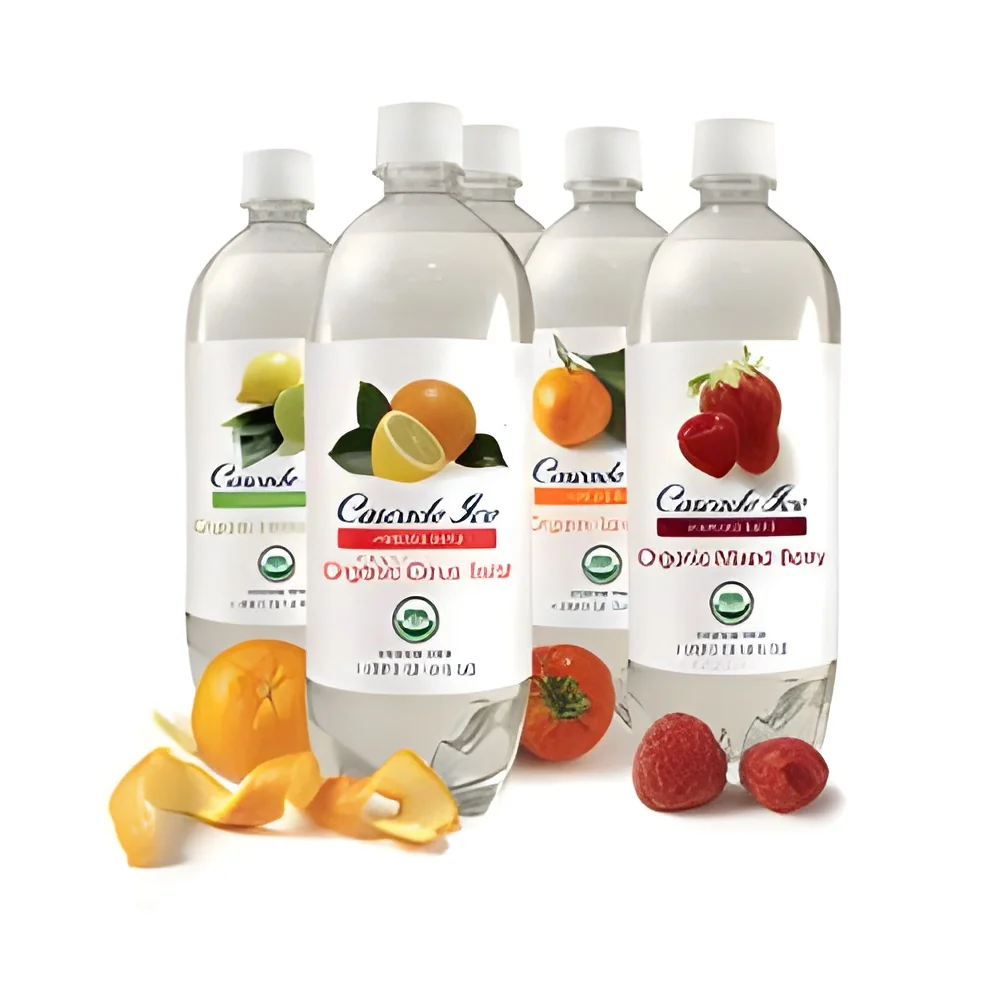
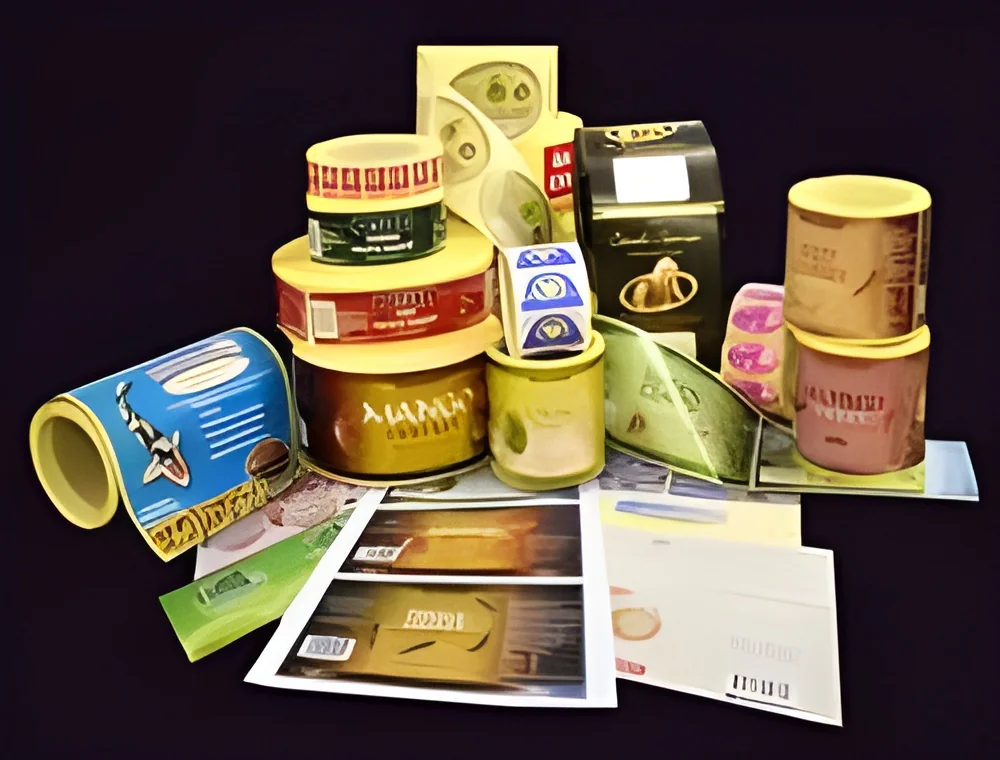
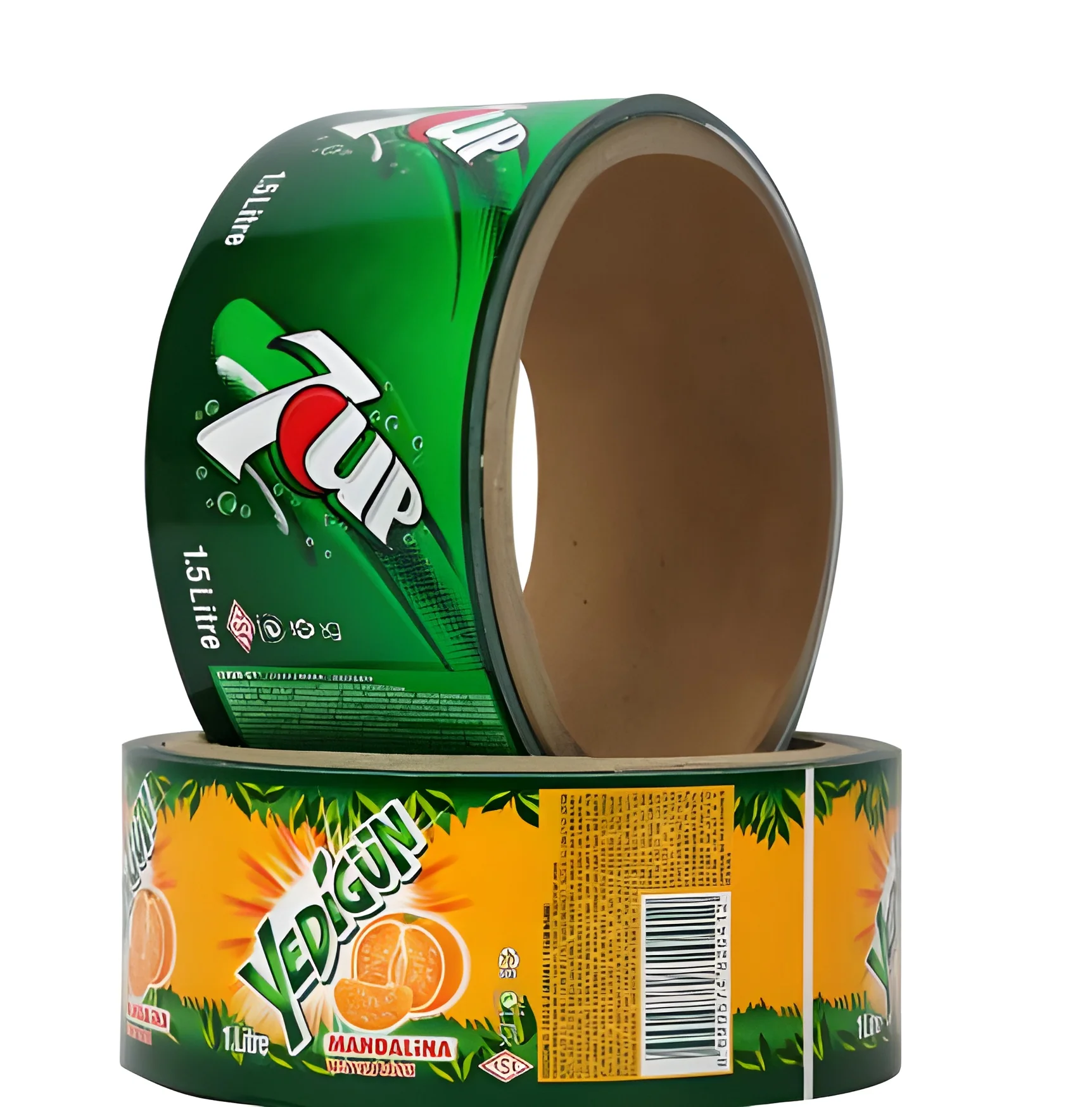
Flexographic printed labels can be customized for bottles, jars, and packages. They offer high-quality printing and durability, making them suitable for various applications.
Shrink Sleeves
These are used for full-body labeling on containers, providing 360-degree coverage. Flexographic printing ensures that designs remain sharp and attractive.
Pouches
Flexible pouches for snacks, powders, and liquids are created using flexographic printing, which offers customization in size and design, appealing to modern consumer preferences.
Benefits and Advantages
Flexographic printed packaging provides numerous benefits for businesses looking to enhance their packaging solutions.
Key benefits include:
1. Cost-Effectiveness: The high-speed printing process reduces production costs, making it an economical choice for large runs.
2. Versatility: Flexographic printing accommodates various substrates, allowing for diverse packaging solutions across multiple industries.
3. Customization: Offers extensive options for design and size, enabling businesses to create unique packaging that aligns with their branding.
4. High-Quality Printing: Produces sharp images and vibrant colors, enhancing the visual appeal of products.
5. Sustainability: Flexographic printing can utilize eco-friendly inks and materials, supporting sustainability goals in packaging.
6. Quick Turnaround: The efficient printing process reduces lead times, ensuring that businesses can meet market demands swiftly.
Buying Guide for B2B Buyers
When sourcing flexographic printed packaging, several factors should be considered to ensure an effective purchasing decision.
1. Quality Assessment: Evaluate the quality of printed samples to ensure they meet the desired standards for clarity, color, and durability. Consider the printing technology used and the reputation of the manufacturer.
2. Supplier Verification: Vet potential suppliers to confirm their reliability and capabilities. Look for certifications and customer testimonials to assess their track record.
3. Pricing and MOQ: Understand the pricing structure and minimum order quantities (MOQ) required by suppliers. This will help in budgeting and planning for inventory needs.
4. Delivery and Lead Times: Inquire about delivery timelines to ensure that the supplier can meet your deadlines. Efficient logistics are crucial for maintaining supply chain flow.
5. Compliance Requirements: Ensure that the packaging meets industry-specific regulations and safety standards. This may include certifications like CE for certain markets.
Compliance and Certifications
Flexographic printed packaging must adhere to several relevant quality standards and certifications to ensure safety and reliability.
ISO 9001 is a key quality management standard that many manufacturers of flexographic printed packaging comply with. This certification demonstrates a commitment to quality and continuous improvement.
HACCP (Hazard Analysis Critical Control Point) is particularly important in the food packaging industry. It ensures that safety measures are in place to prevent contamination during the packaging process.
CE certification is essential for products sold within the European Economic Area, indicating that the packaging meets health, safety, and environmental protection standards.
In addition to these standards, manufacturers often conduct safety testing to ensure that the inks and materials used in flexographic printed packaging do not pose health risks.
Regional compliance considerations may vary, so it is crucial to be aware of local regulations applicable to specific markets.
Why Source Flexographic Printed Packaging from Pepagora?
Pepagora provides a trusted platform for sourcing flexographic printed packaging, offering several key advantages for B2B buyers.
Verified Supplier Network: Pepagora connects buyers with a network of verified suppliers. Each supplier undergoes a thorough vetting process to ensure reliability and quality.
Streamlined RFQ Process: The platform simplifies the request for quotation (RFQ) process, allowing buyers to quickly receive competitive quotes from multiple suppliers. This saves time and helps in making informed purchasing decisions.
Trade Assurance and Support: Pepagora offers trade assurance, protecting buyers against potential issues with orders. This support fosters confidence in sourcing decisions.
Regional Coverage: With a strong presence in India, the GCC, and Southeast Asia, Pepagora provides extensive geographic reach. This enables businesses to connect with local suppliers while benefiting from regional insights and trends.
By choosing Pepagora, buyers can leverage a comprehensive sourcing experience tailored to their specific needs for flexographic printed packaging.

 IN
IN