𝗪𝗵𝗮𝘁 𝗮𝗿𝗲 𝗣𝗿𝗶𝗻𝘁𝗲𝗱 𝗣𝗮𝗰𝗸𝗮𝗴𝗶𝗻𝗴 𝗠𝗮𝘁𝗲𝗿𝗶𝗮𝗹𝘀?
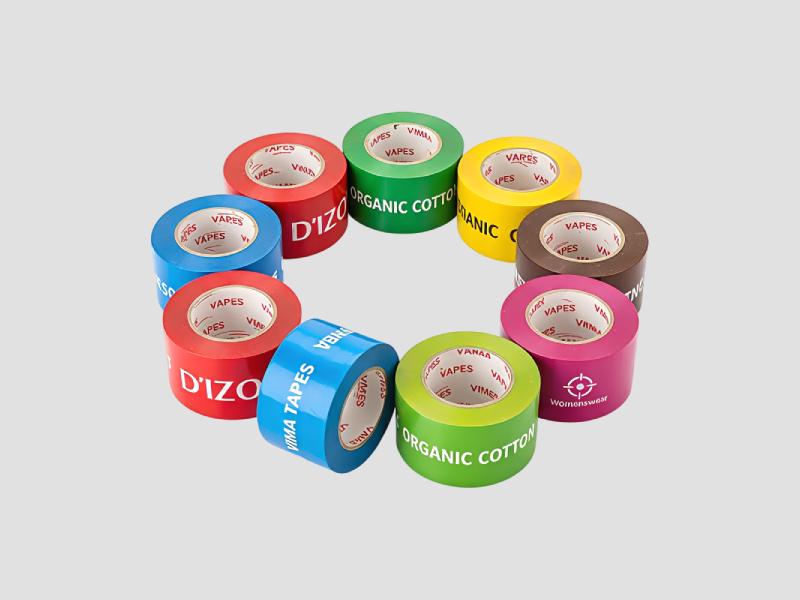
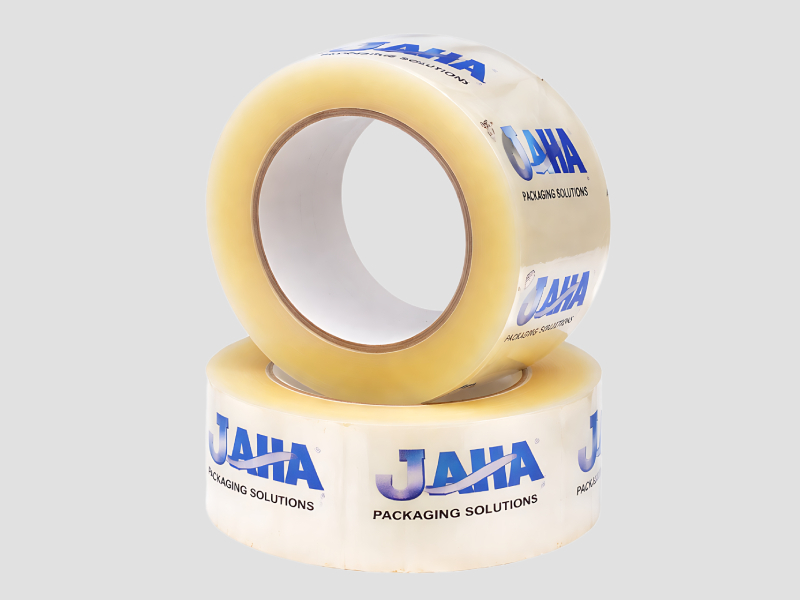
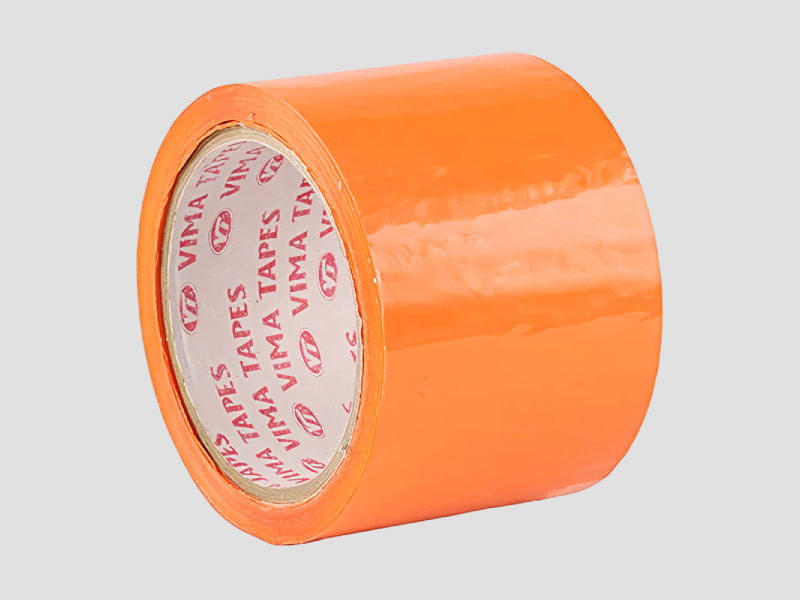
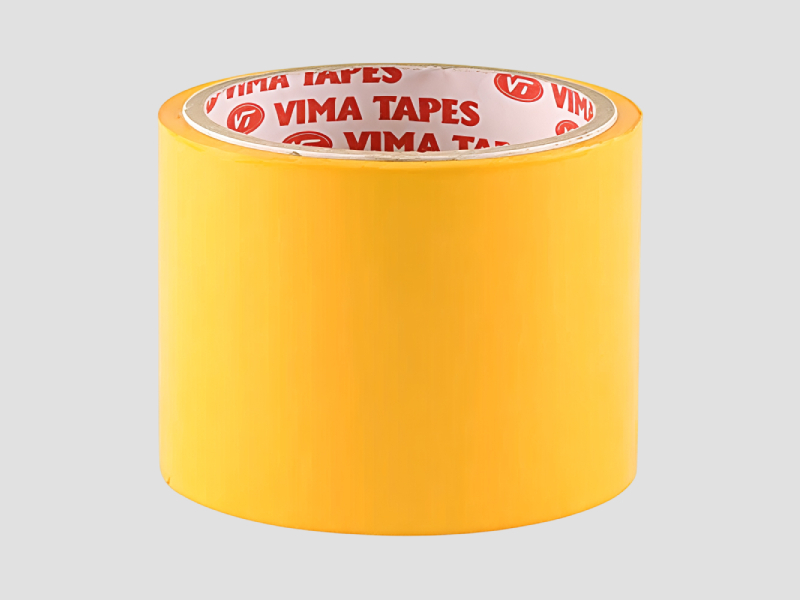
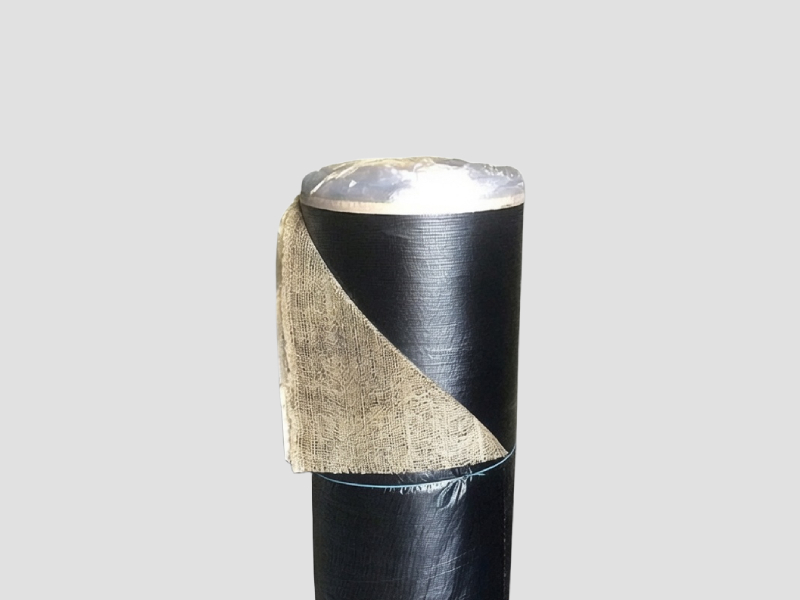
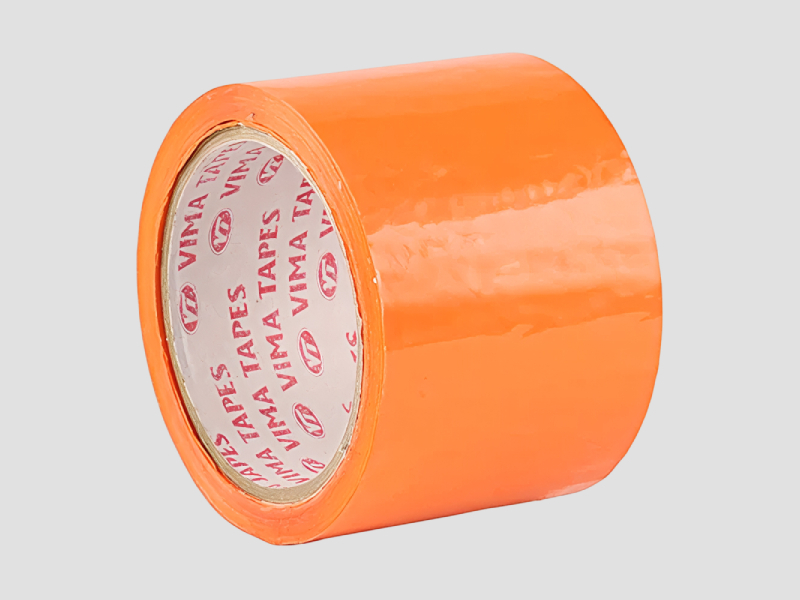
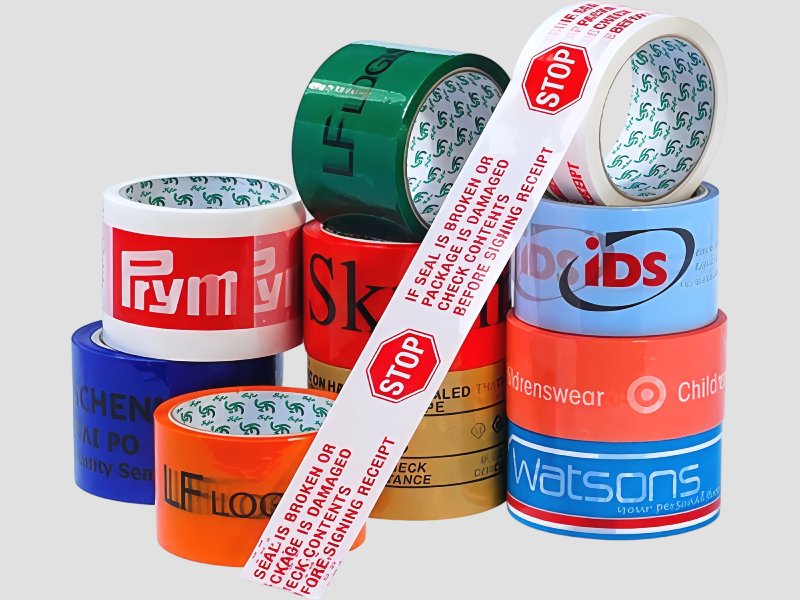
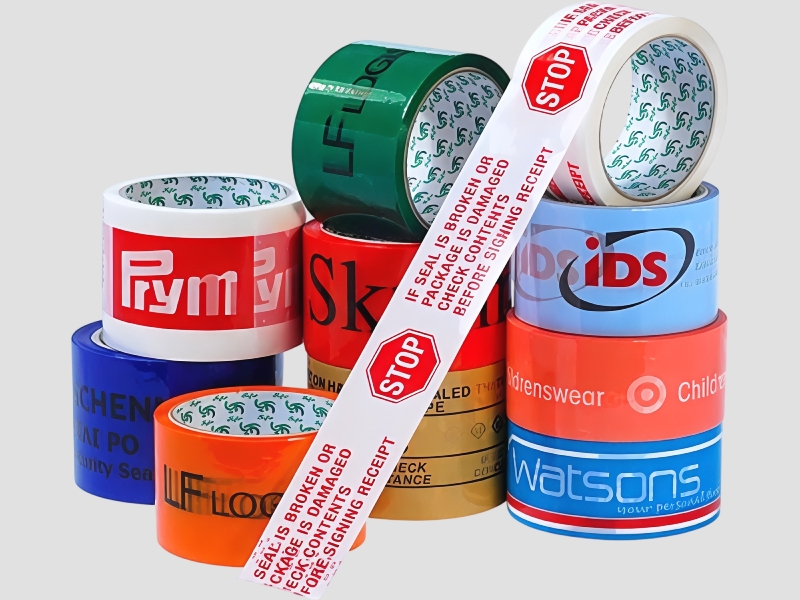
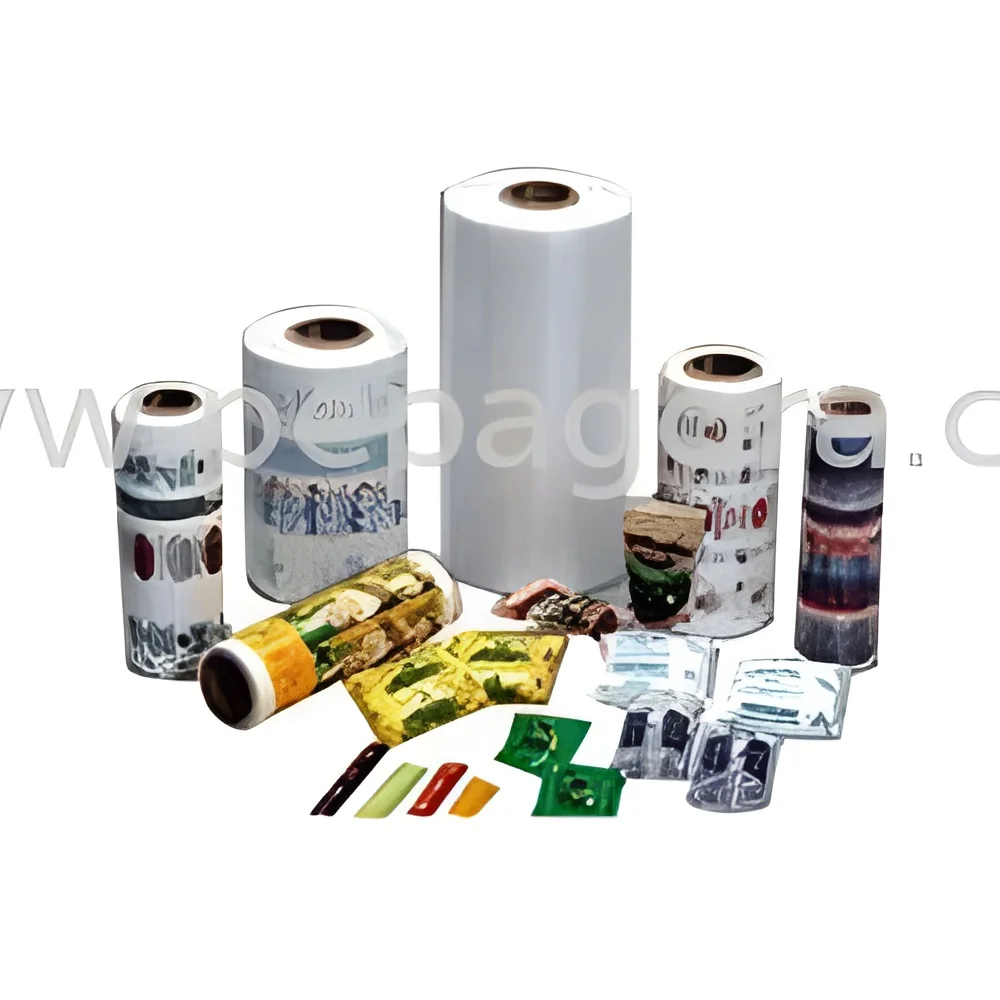
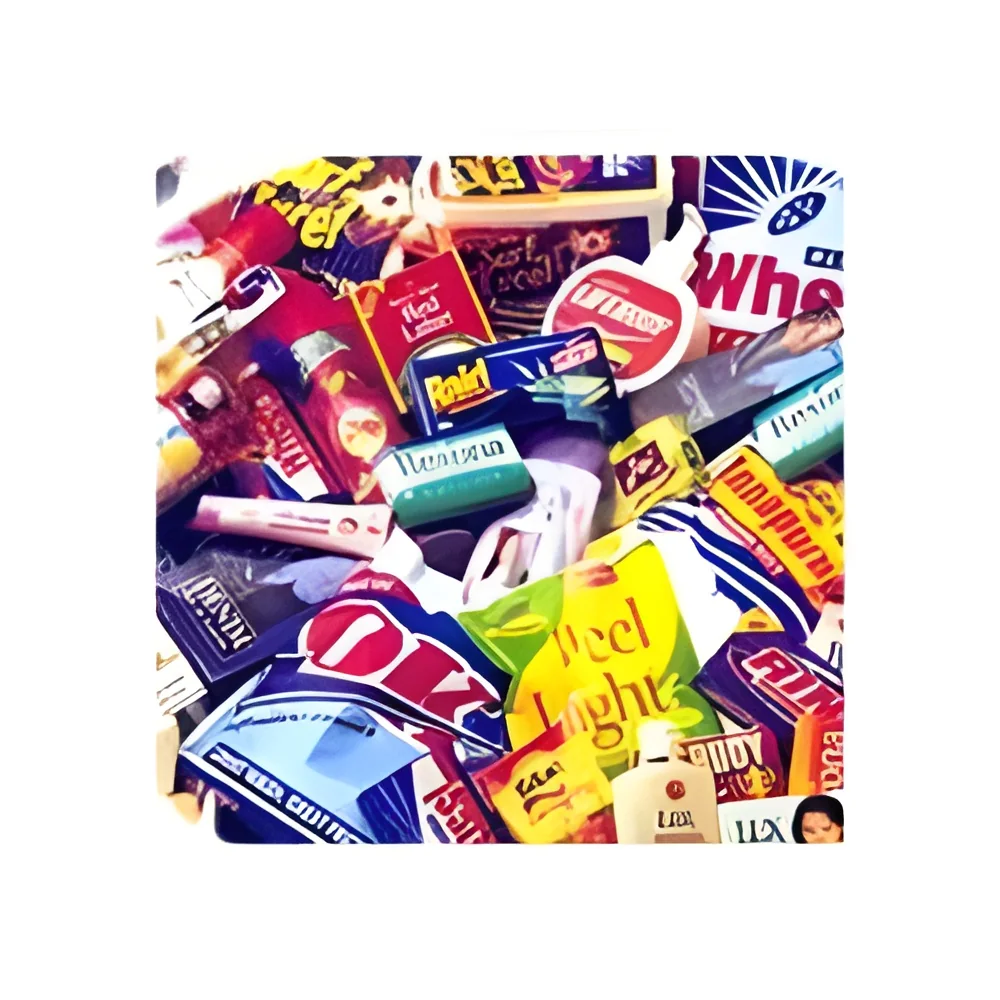
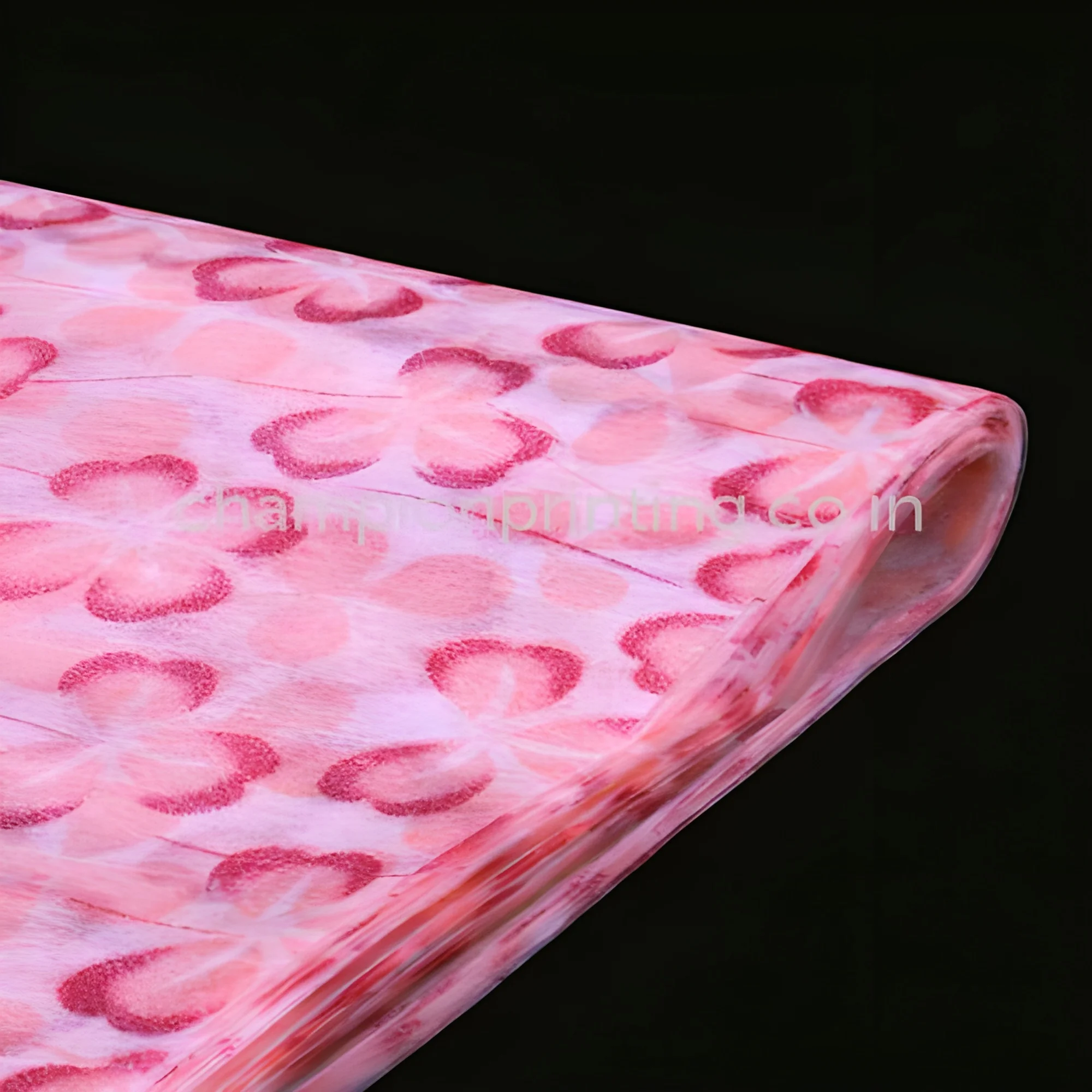
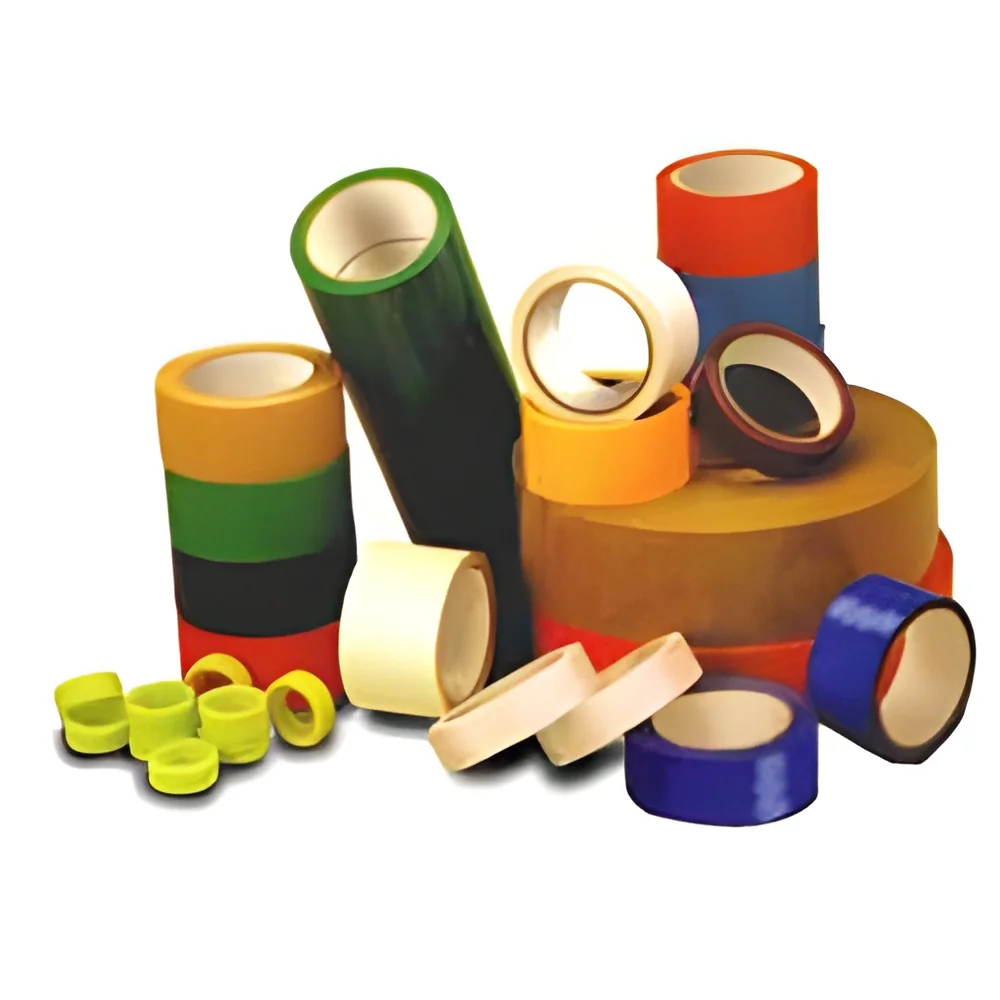
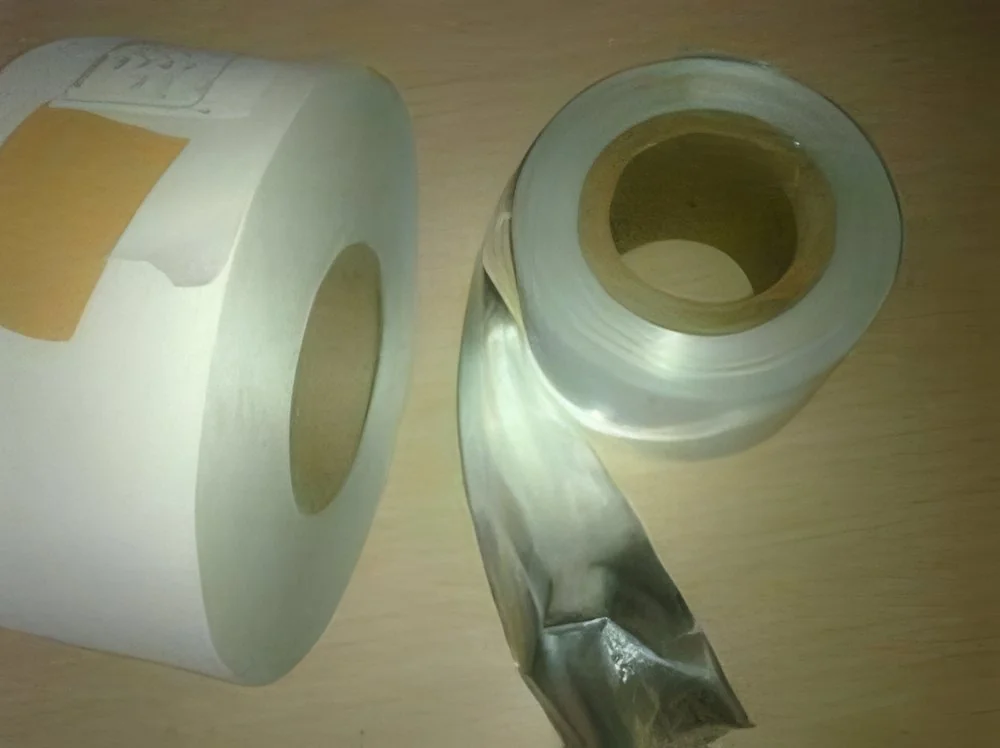
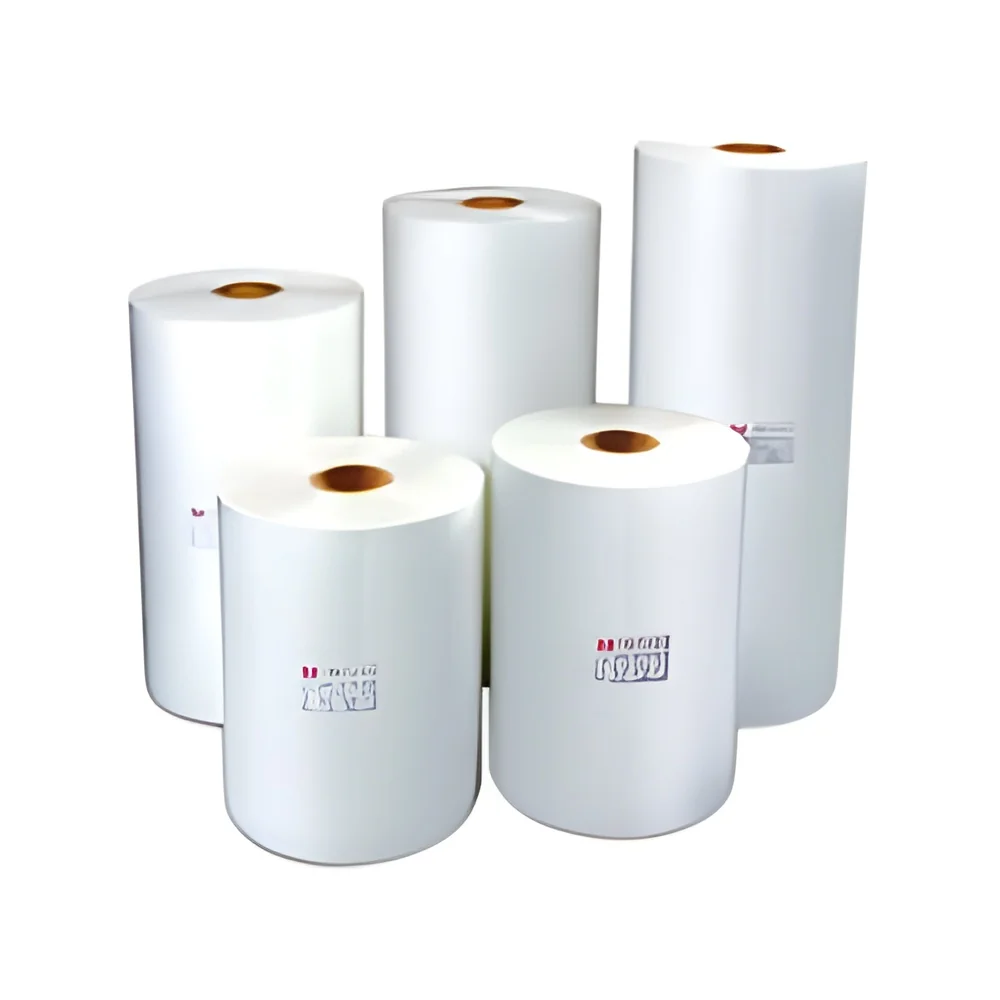
Printed packaging materials refer to various types of packaging that feature printed designs or information. These materials serve not only to protect products during shipping and handling but also to serve as a marketing tool. They can be made from different substrates, including paper, plastic, and cardboard, and are often customized to align with brand identity.
The primary applications of printed packaging materials are found in sectors such as food and beverage, consumer goods, pharmaceuticals, and electronics. Businesses use these materials to enhance product visibility and communicate important information like ingredients, usage instructions, and brand messaging. With the growing demand for eco-friendly and innovative packaging solutions, printed packaging materials are becoming increasingly relevant across diverse industries.
In the current market context, the demand for printed packaging materials is driven by consumer preferences for visually appealing and informative packaging. Companies are looking for sustainable options that resonate with environmentally conscious consumers. As a result, the printed packaging sector is witnessing substantial growth, with advancements in printing technology and materials driving innovation.
𝗞𝗲𝘆 𝗙𝗲𝗮𝘁𝘂𝗿𝗲𝘀 𝗮𝗻𝗱 𝗦𝗽𝗲𝗰𝗶𝗳𝗶𝗰𝗮𝘁𝗶𝗼𝗻𝘀
Printed packaging materials come with a range of features and specifications that cater to different business needs. These specifications help businesses choose the right packaging based on product requirements and regulatory compliance.
Key specifications include:
1. Material Type
- Options include paper, plastic, and cardboard
- Each material has unique properties suited for specific products
2. Print Quality
- High-resolution printing for clarity and color accuracy
- Various printing techniques such as flexography, lithography, and digital printing
3. Size and Dimensions
- Customizable sizes to fit various product shapes
- Options for standard sizes depending on industry requirements
4. Durability
- Resistance to moisture, punctures, and tearing
- Suitable for different environmental conditions
5. Customization Options
- Ability to print logos, designs, and barcodes
- Variety of finishes such as matte, gloss, or varnished
6. Eco-friendliness
- Availability of biodegradable and recyclable materials
- Compliance with sustainability standards
7. Compliance Standards
- Adherence to industry regulations for safety and labeling
- Certifications such as CE for specific materials
8. Cost Efficiency
- Consideration of minimum order quantities (MOQ)
- Pricing structures based on material, size, and complexity
In summary, understanding these specifications is crucial for businesses to select the most appropriate printed packaging materials for their products.
𝗖𝗼𝗺𝗺𝗼𝗻 𝗔𝗽𝗽𝗹𝗶𝗰𝗮𝘁𝗶𝗼𝗻𝘀 𝗮𝗻𝗱 𝗨𝘀𝗲 𝗖𝗮𝘀𝗲𝘀
Printed packaging materials have diverse applications across various industries.
1. Food and Beverage: Printed packaging is essential for food products, providing information on ingredients, nutritional facts, and expiration dates. Eye-catching designs help attract consumers and enhance brand recognition.
2. Consumer Goods: Products like cosmetics and household items utilize printed packaging to communicate brand identity and usage instructions. Custom designs can create a premium feel that appeals to target audiences.
3. Pharmaceuticals: Printed packaging for medical products often includes important safety information and dosage instructions. Compliance with regulatory standards is critical in this sector.
4. Electronics: Printed packaging for electronic devices must ensure product safety during transit. Clear labeling aids in consumer understanding and enhances brand visibility.
5. Retail: Packaging for retail products often includes promotional information and barcodes for inventory management. Visually appealing designs can influence purchasing decisions at the point of sale.
6. E-commerce: Printed packaging plays a vital role in online retail, providing branding opportunities and ensuring products arrive safely. Custom designs can enhance the unboxing experience for customers.
7. Industrial: Printed packaging in industrial settings often includes labels and safety instructions. Durable materials are essential for protecting products during shipping and storage.
𝗣𝗿𝗼𝗱𝘂𝗰𝘁 𝗩𝗮𝗿𝗶𝗮𝗻𝘁𝘀 𝗮𝗻𝗱 𝗦𝘂𝗯𝗰𝗮𝘁𝗲𝗴𝗼𝗿𝗶𝗲𝘀
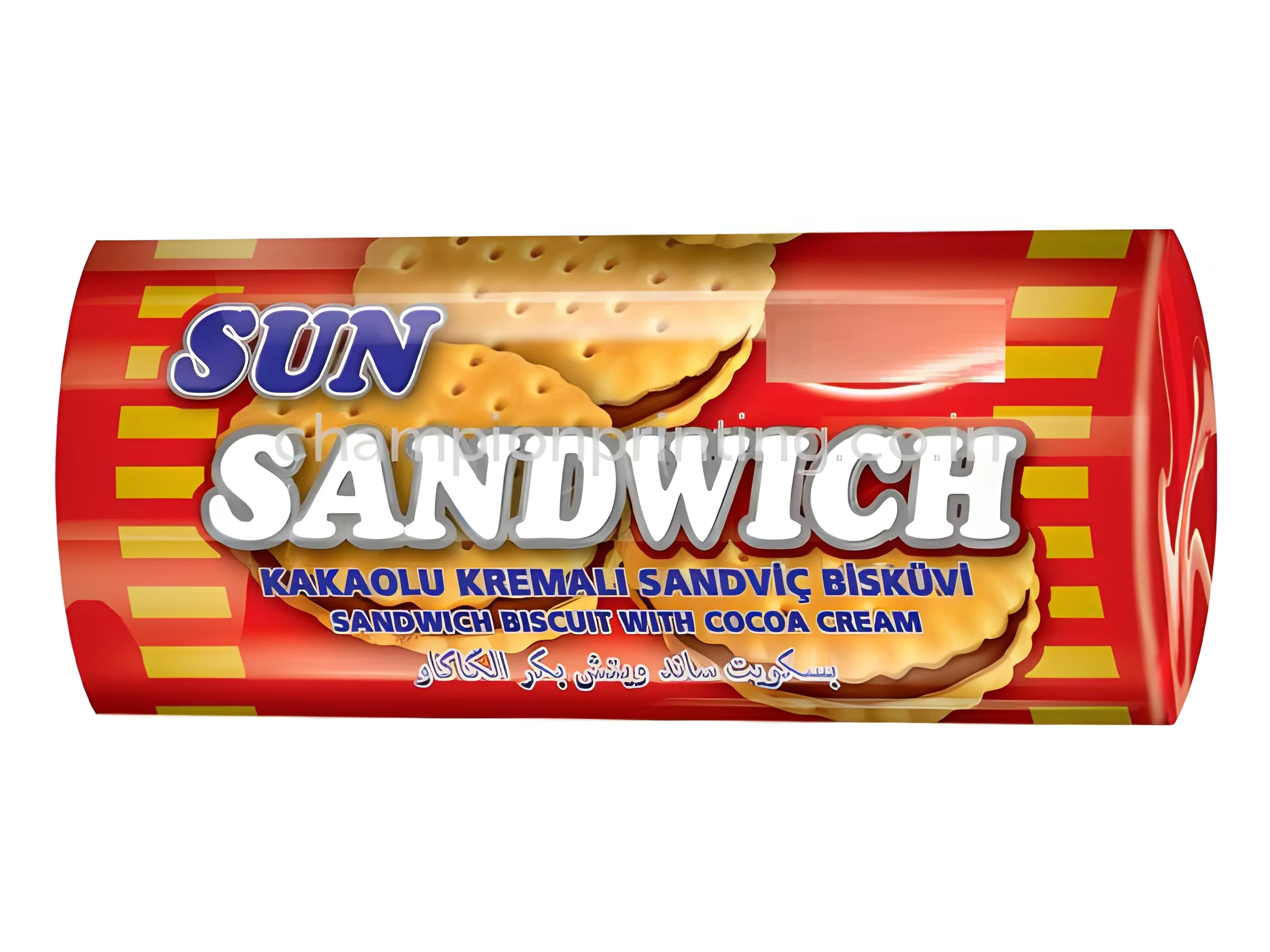
Printed packaging materials come in various forms to address different packaging needs.
Flexible Packaging
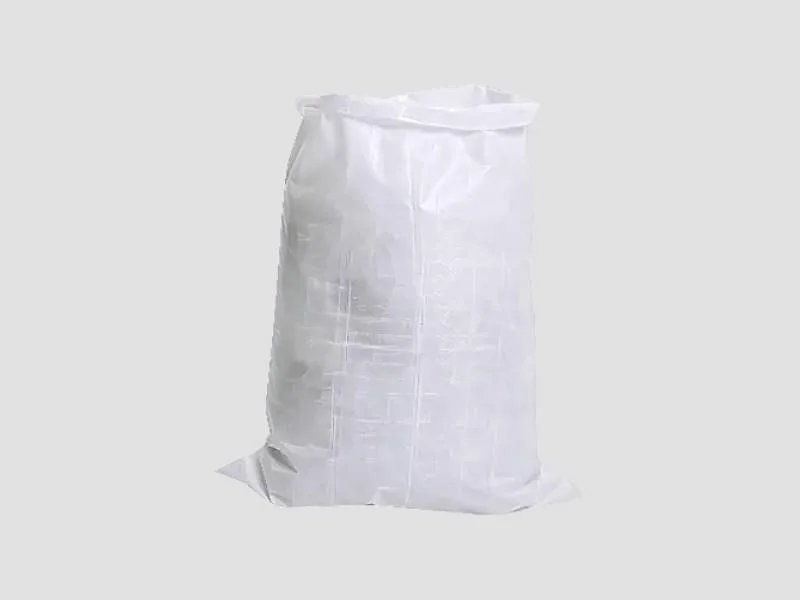
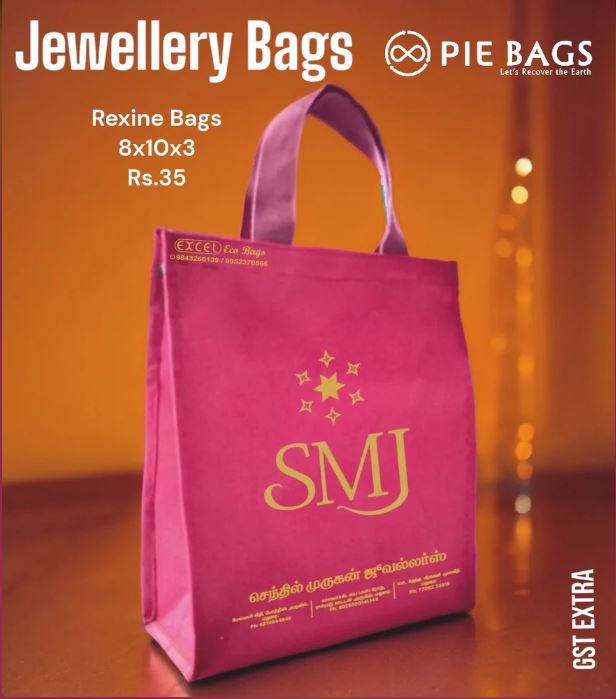
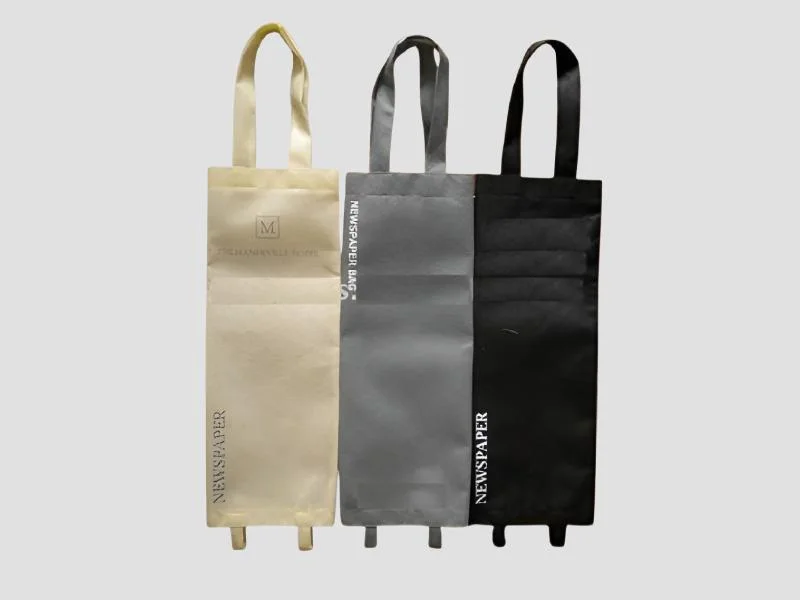
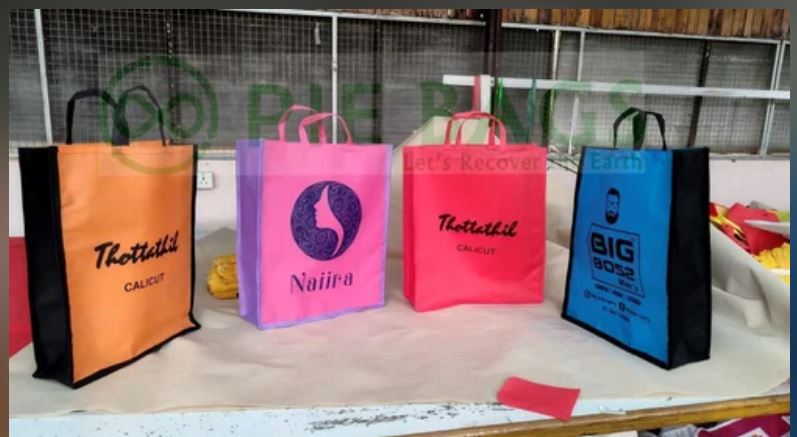
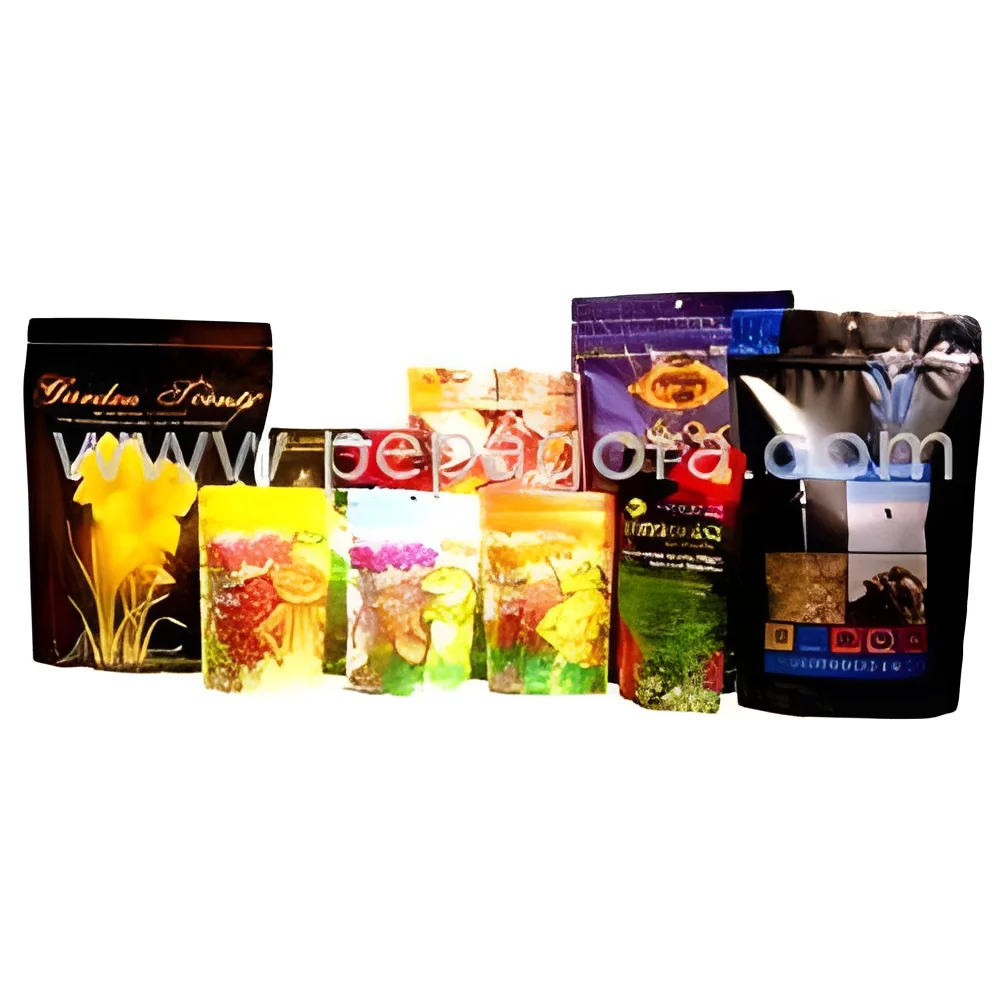
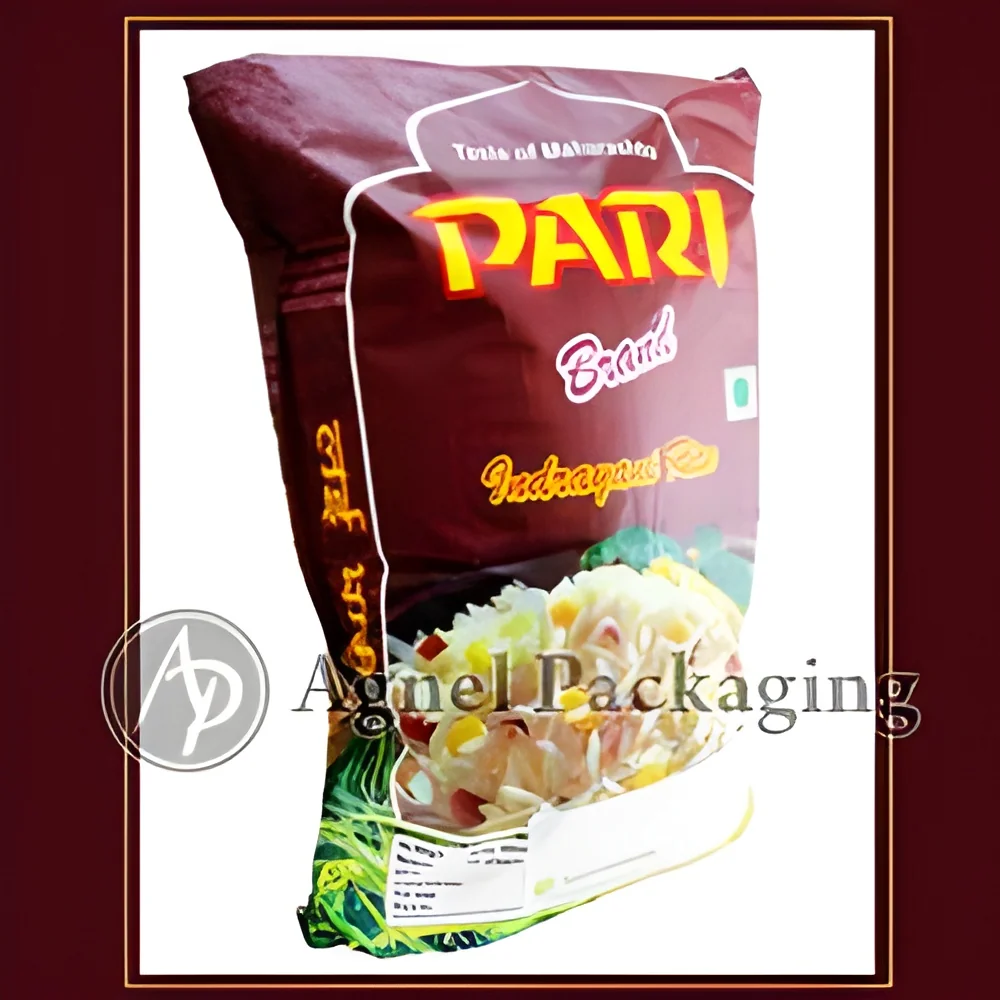
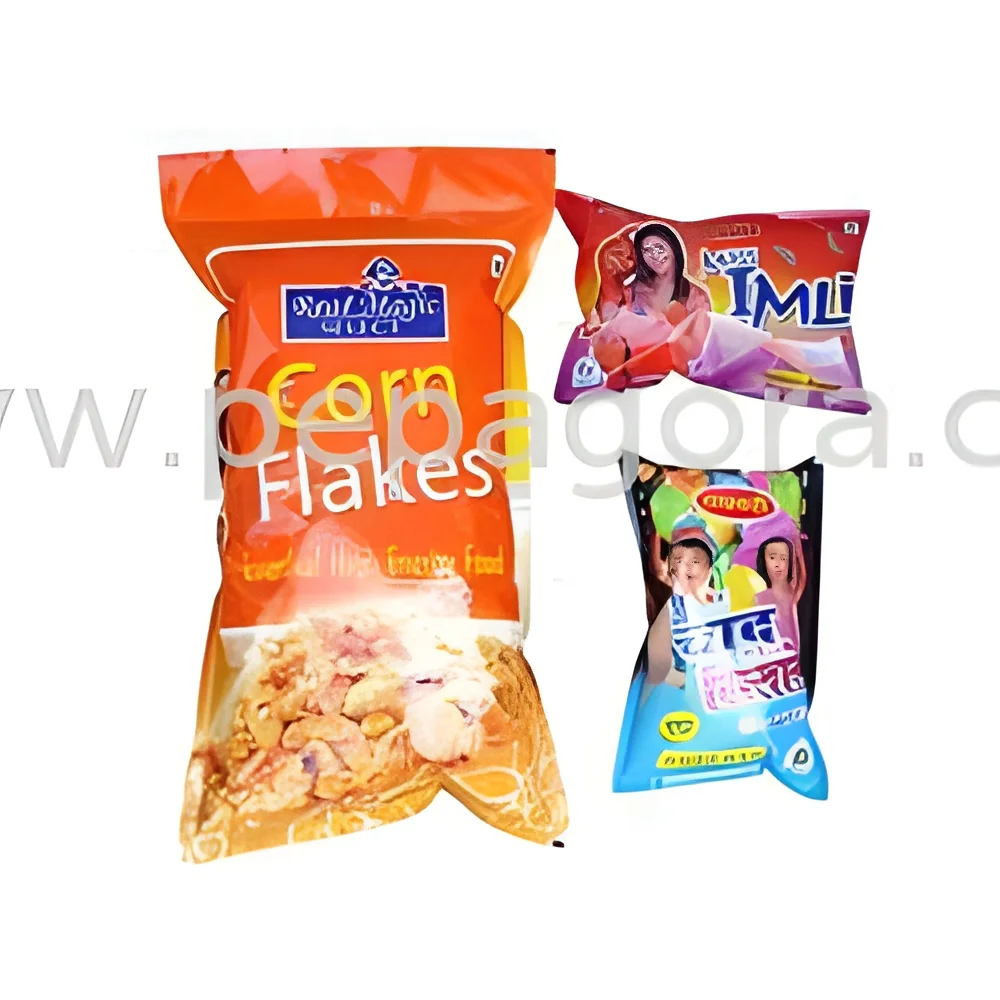
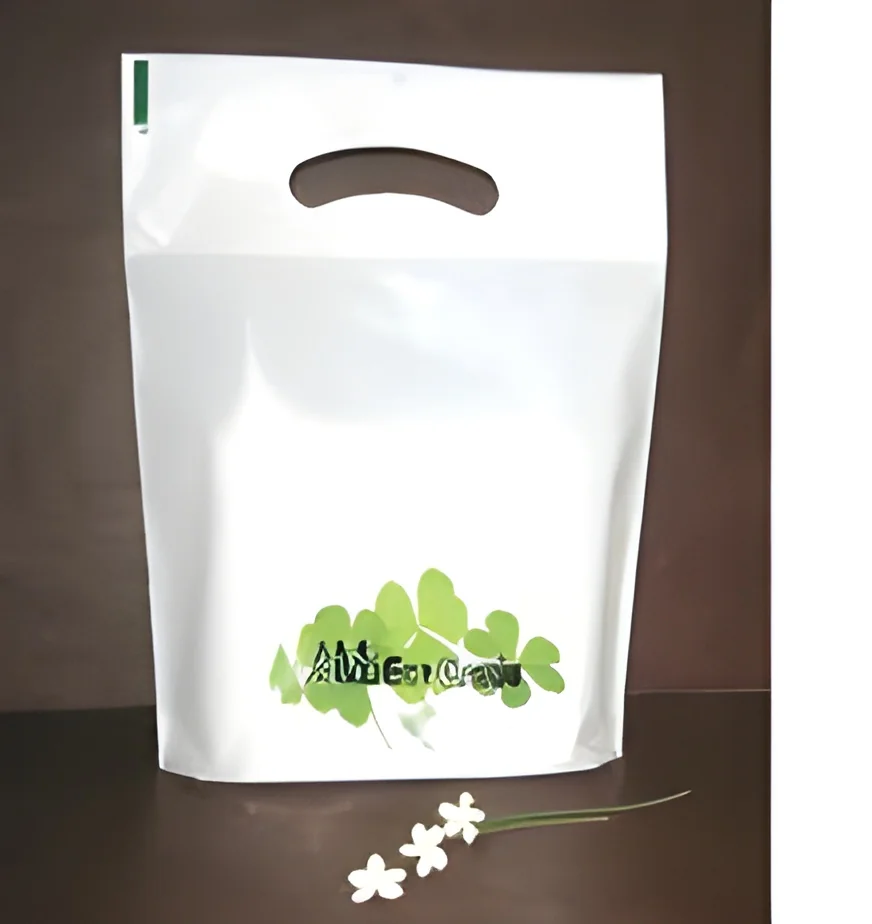
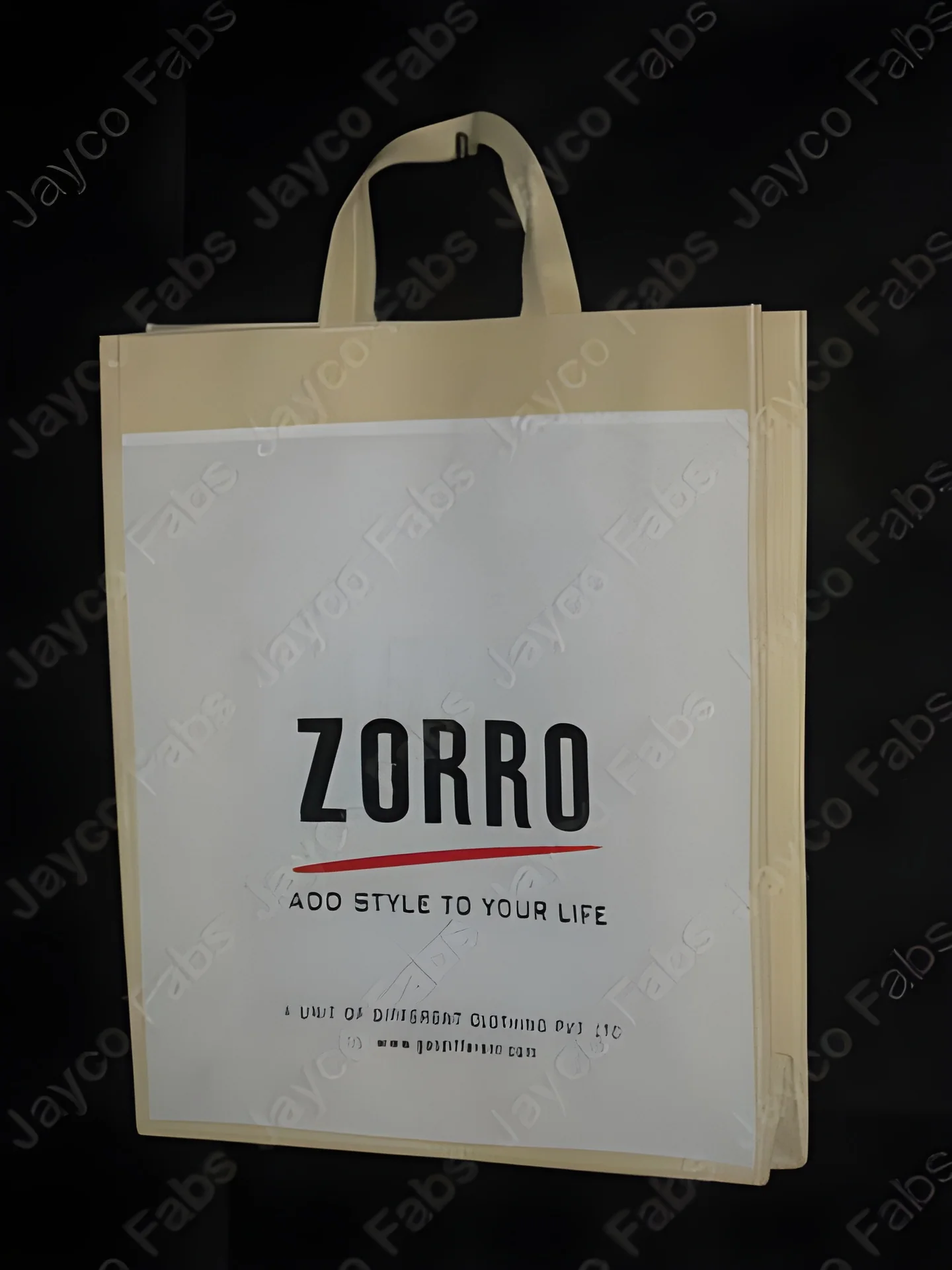
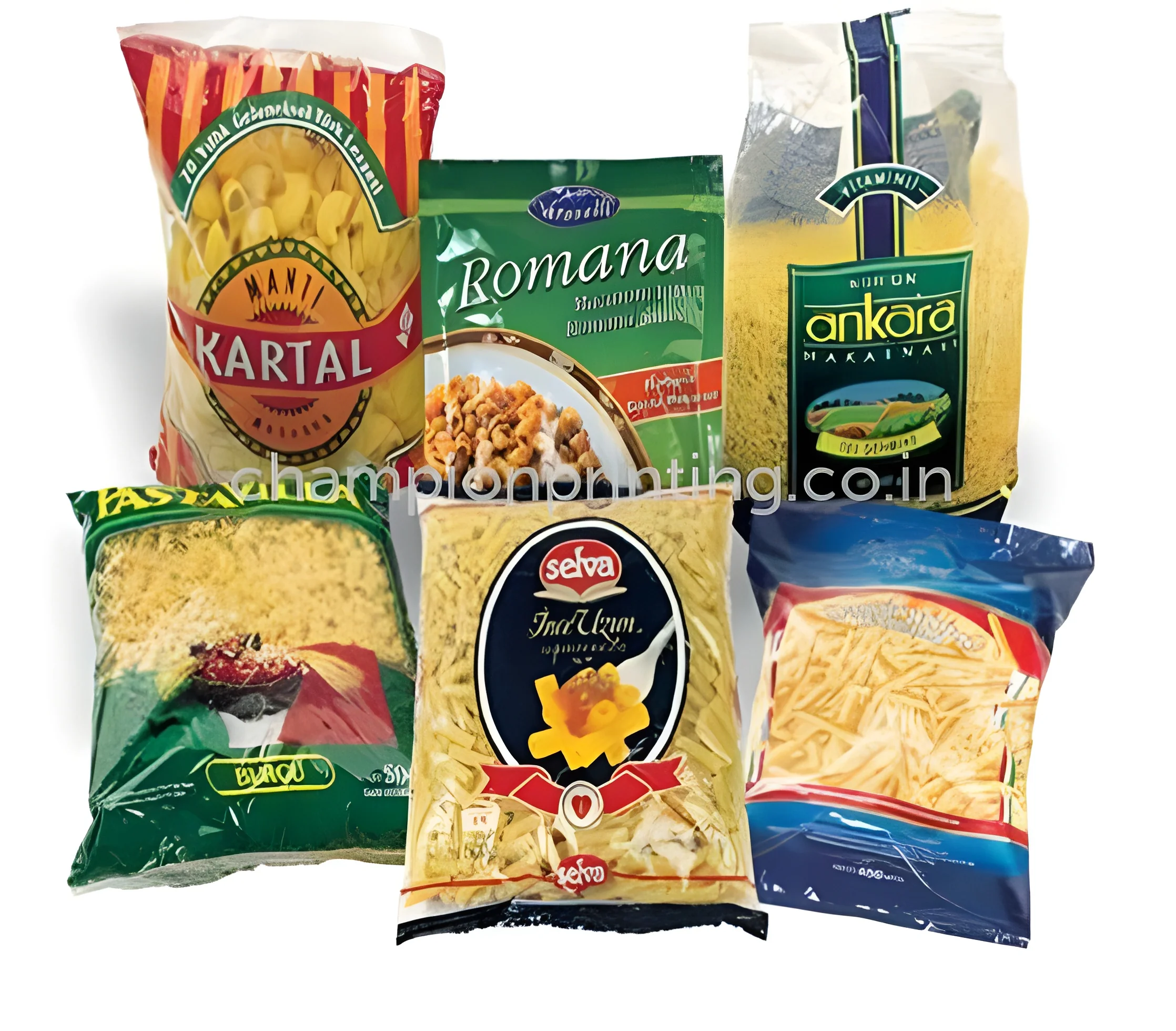
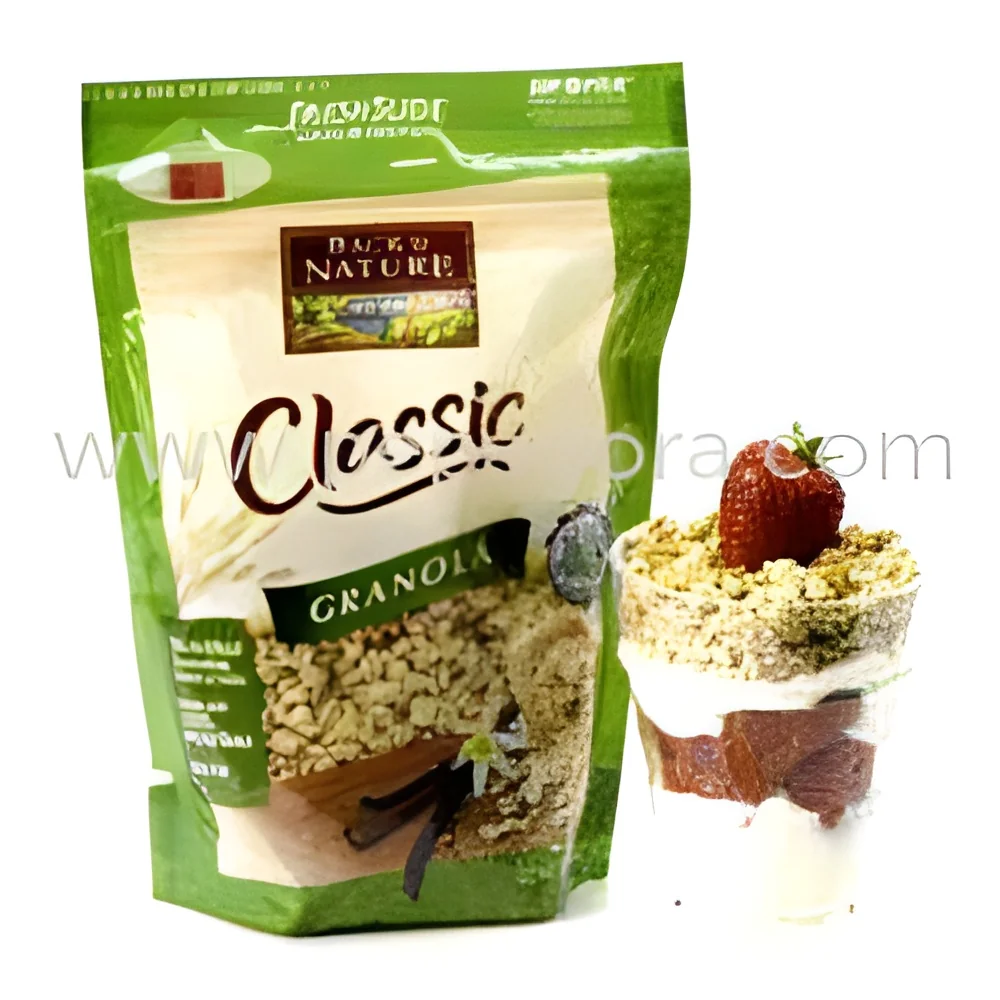
This variant includes materials like pouches and bags, which are lightweight and versatile. They can be used for food products, personal care items, and more. Flexible packaging often features resealable options for convenience.
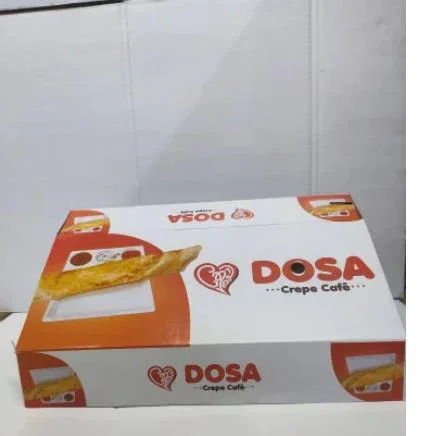
Rigid Packaging
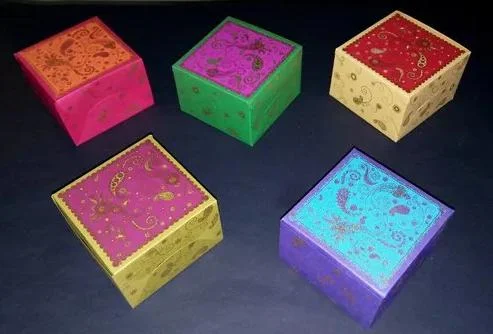
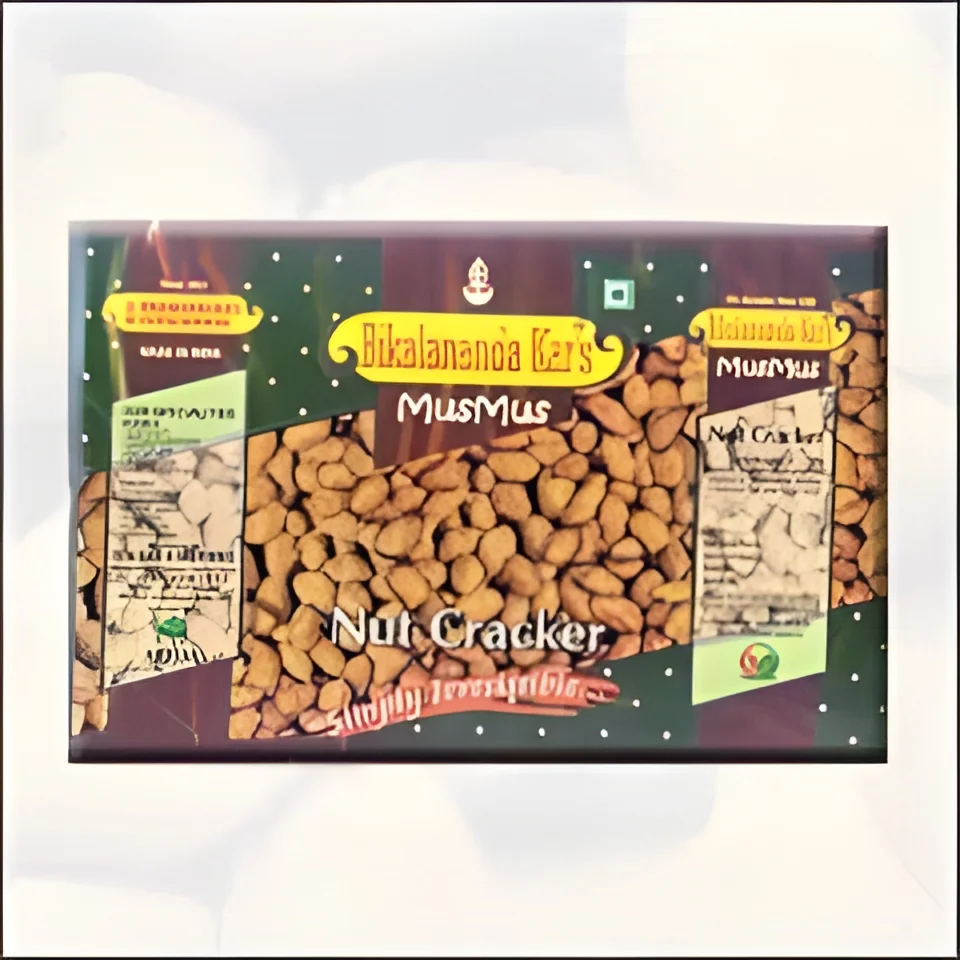
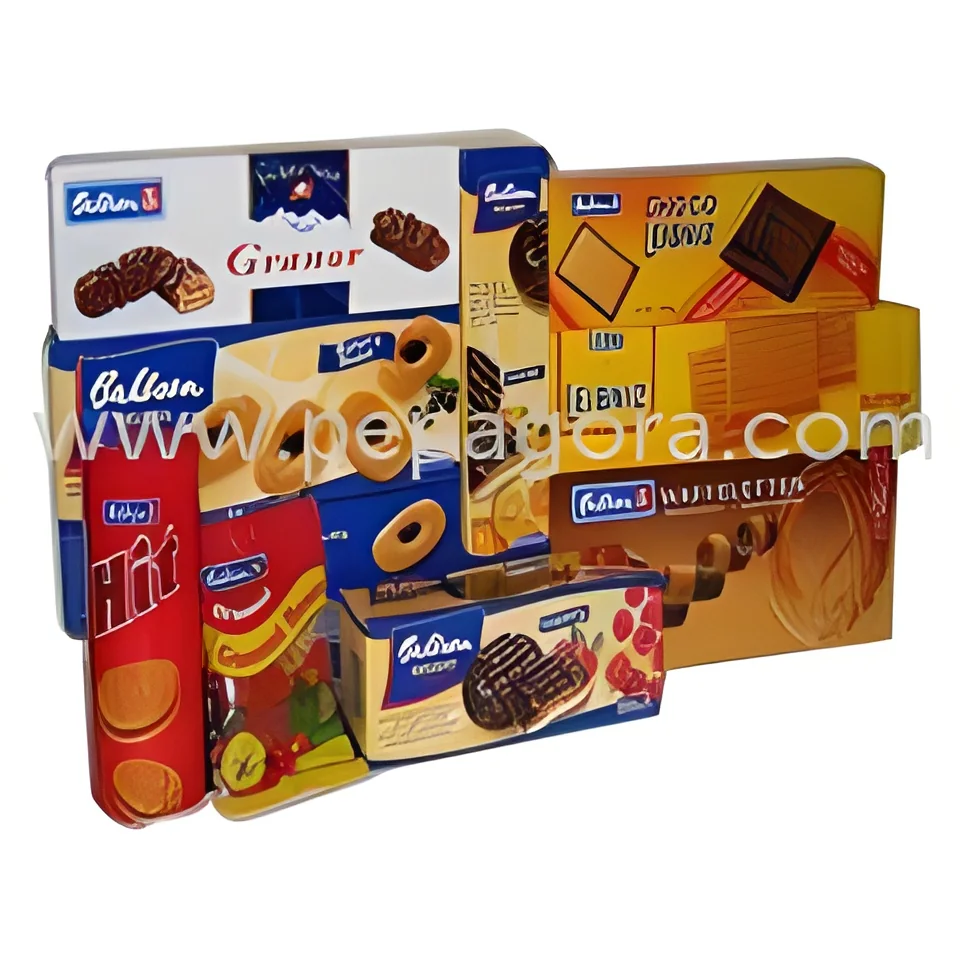
Rigid packaging includes containers such as boxes and cartons. These materials provide strong protection and are often used for products that require stability, such as electronics and cosmetics. They can be custom printed to enhance brand visibility.
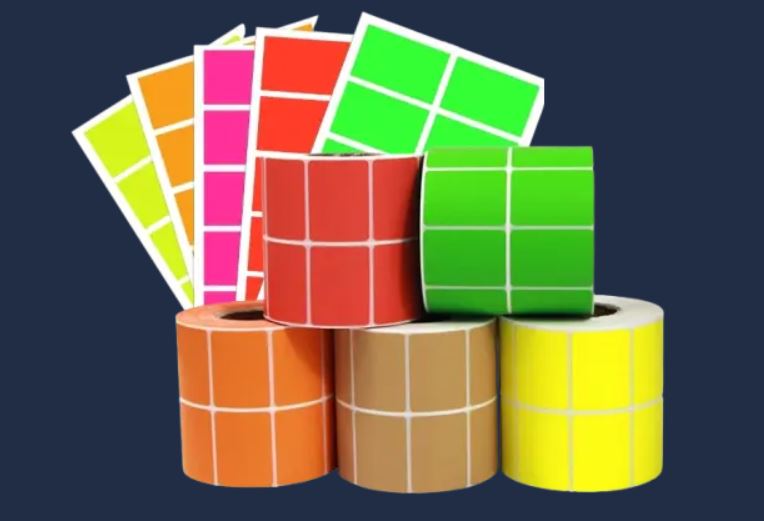
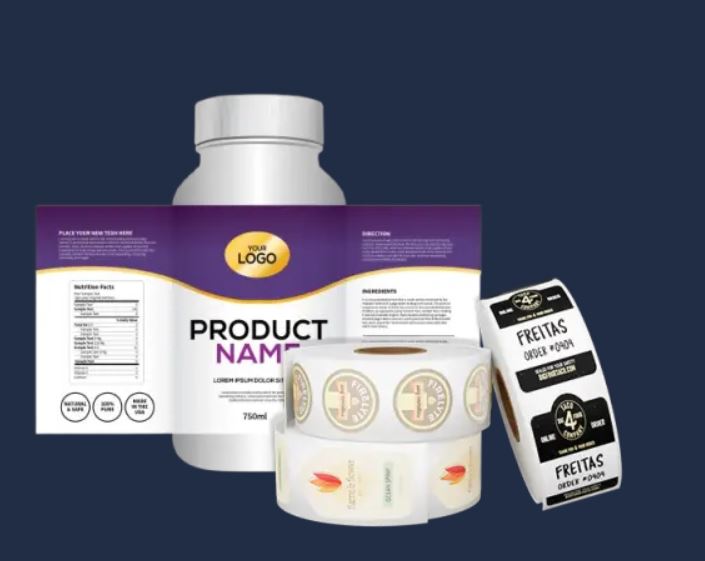
Labels and Stickers
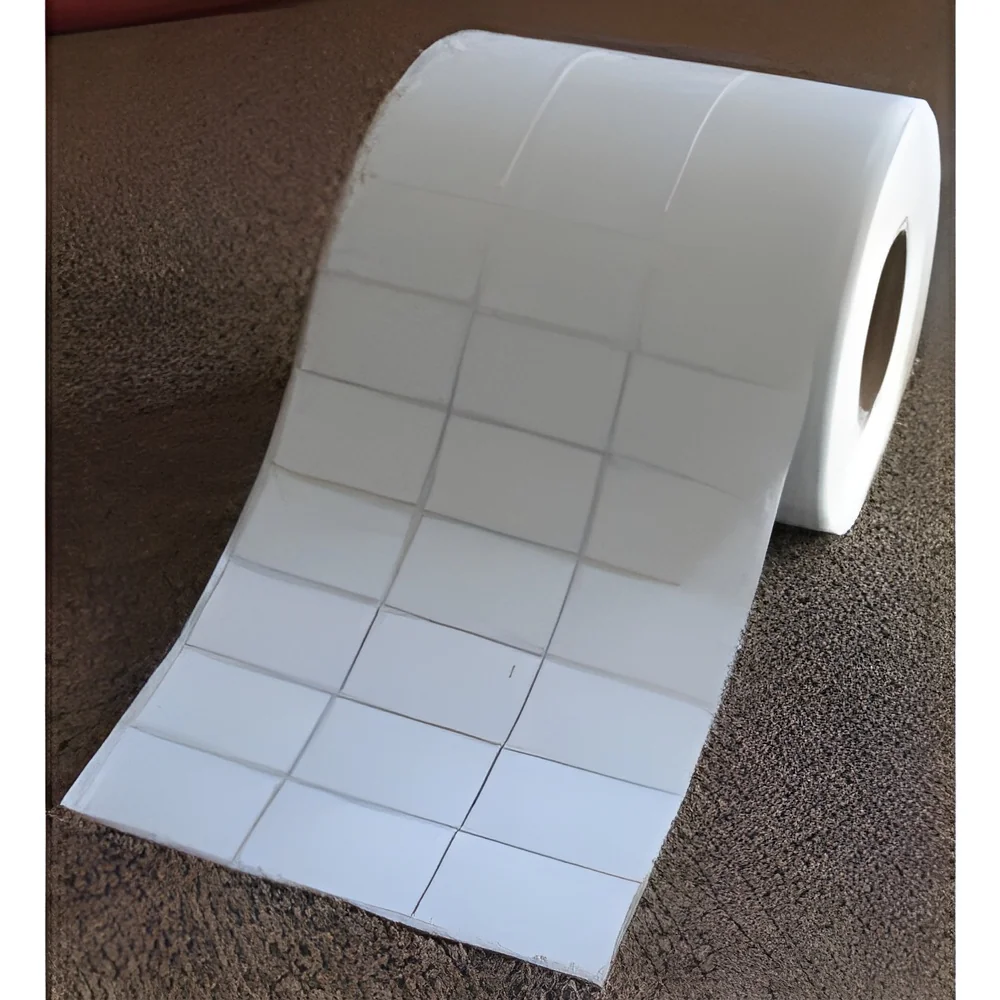
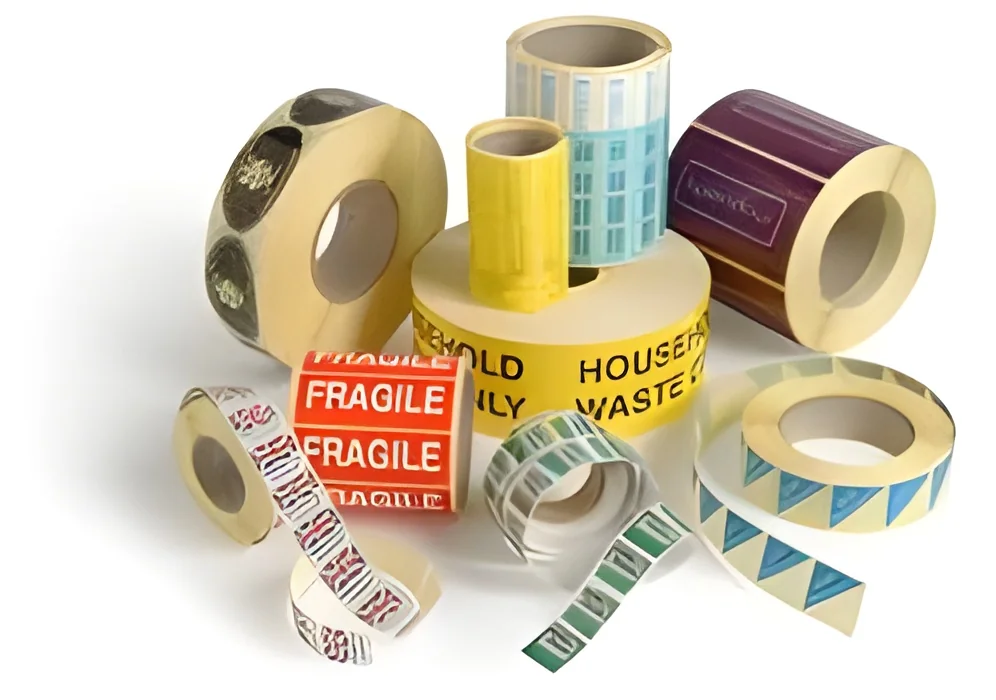
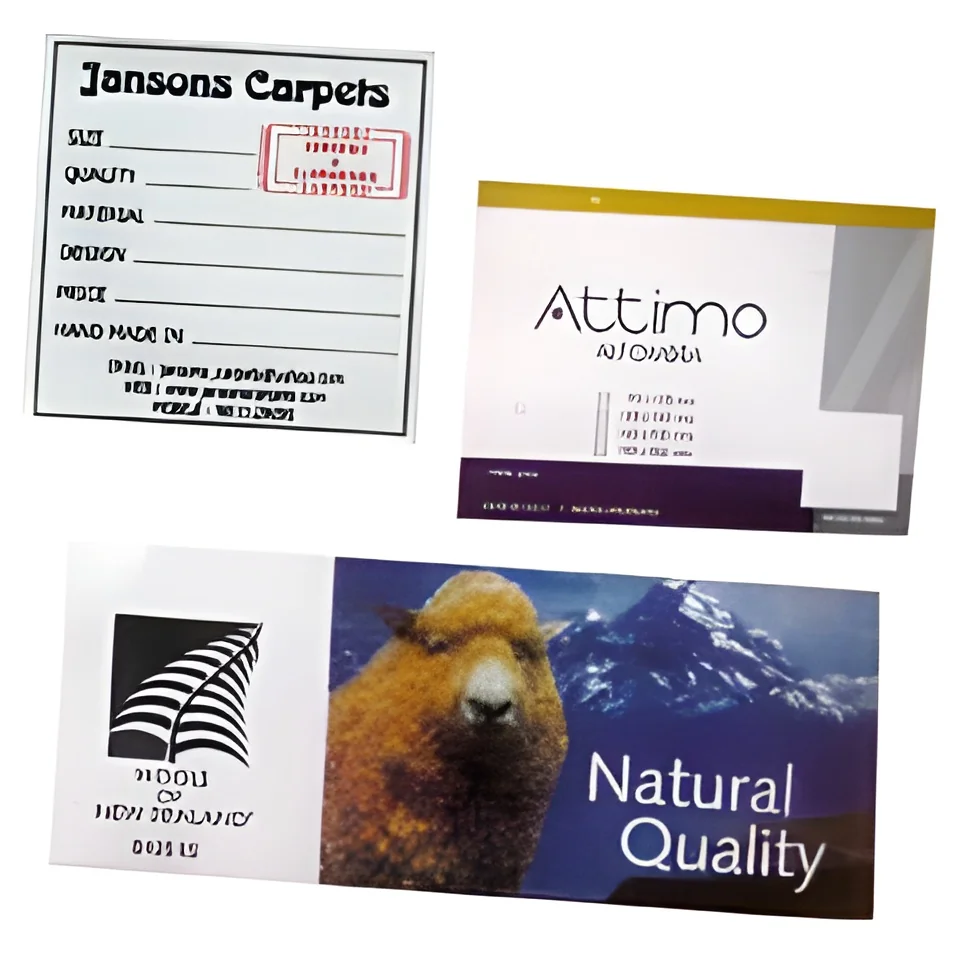
Labels and stickers are essential for product identification and branding. They can be printed on various materials and are commonly used across multiple industries, including food and beverage, pharmaceuticals, and retail.
𝗕𝗲𝗻𝗲𝗳𝗶𝘁𝘀 𝗮𝗻𝗱 𝗔𝗱𝘃𝗮𝗻𝘁𝗮𝗴𝗲𝘀
Choosing printed packaging materials offers several advantages for businesses.
1. Enhanced Brand Recognition: Custom printed designs help businesses stand out on store shelves, making products more recognizable to consumers.
2. Informative Packaging: Printed materials can convey essential information about the product, including usage instructions, benefits, and safety notices.
3. Marketing Tool: Packaging serves as an extension of marketing efforts, allowing businesses to communicate their brand message effectively.
4. Product Protection: Quality printed packaging materials help safeguard products during transport and storage, reducing damage and loss.
5. Eco-Friendly Options: Many businesses can choose sustainable packaging solutions, appealing to environmentally conscious consumers.
6. Cost-Effectiveness: With options for bulk purchasing and various material choices, businesses can find cost-effective solutions that fit their budget.
𝗕𝘂𝘆𝗶𝗻𝗴 𝗚𝘂𝗶𝗱𝗲 𝗳𝗼𝗿 𝗕𝟮𝗕 𝗕𝘂𝘆𝗲𝗿𝘀
When sourcing printed packaging materials, businesses should consider several key factors to make informed purchasing decisions.
1. Quality Assessment: Evaluate the quality of materials and print. Look for samples to ensure they meet durability and aesthetic standards.
2. Supplier Verification: Vet potential suppliers for reliability and industry experience. Check for reviews and references to ensure they have a solid reputation.
3. Pricing and MOQ: Understand the pricing structure and minimum order quantities. This helps in budgeting and planning for inventory needs.
4. Delivery and Lead Times: Consider the logistics involved in sourcing materials. Confirm lead times for production and shipping to avoid delays in your supply chain.
5. Compliance Requirements: Ensure that the printed packaging materials meet industry regulations and standards, including safety requirements and labeling guidelines.
𝗖𝗼𝗺𝗽𝗹𝗶𝗮𝗻𝗰𝗲 𝗮𝗻𝗱 𝗖𝗲𝗿𝘁𝗶𝗳𝗶𝗰𝗮𝘁𝗶𝗼𝗻𝘀
Printed packaging materials must comply with various quality standards and certifications. Adhering to these regulations is crucial for safety and marketability.
Relevant quality standards include ISO 9001, which ensures a consistent quality management system in manufacturing processes. HACCP (Hazard Analysis Critical Control Point) is important in the food industry, focusing on safety and hygiene.
Industry certifications such as CE indicate that the materials meet European safety standards. This is particularly relevant for products sold in European markets.
Safety and testing requirements should be met to ensure that packaging materials do not pose risks to consumers. This includes testing for durability and compliance with health regulations.
Moreover, regional compliance considerations may vary, making it essential to understand local regulations governing packaging materials.
𝗪𝗵𝘆 𝗦𝗼𝘂𝗿𝗰𝗲 𝗣𝗿𝗶𝗻𝘁𝗲𝗱 𝗣𝗮𝗰𝗸𝗮𝗴𝗶𝗻𝗴 𝗠𝗮𝘁𝗲𝗿𝗶𝗮𝗹𝘀 𝗳𝗿𝗼𝗺 𝗣𝗲𝗽𝗮𝗴𝗼𝗿𝗮?
Pepagora provides a trusted platform for sourcing printed packaging materials, offering several key advantages to B2B buyers.
Verified Supplier Network: Pepagora features a network of verified suppliers, ensuring that buyers can access high-quality products from reputable manufacturers. This verification process helps mitigate risks associated with sourcing.
Streamlined RFQ Process: The platform offers a user-friendly system for requesting quotations. Buyers can easily compare offers from multiple suppliers, enabling them to make informed decisions based on pricing and quality.
Trade Assurance and Support: Pepagora provides trade assurance that protects buyers during the purchasing process. This includes support for resolving disputes and ensuring timely delivery of products.
Regional Coverage: With a presence in India, the Gulf Cooperation Council (GCC), and Southeast Asia, Pepagora offers extensive geographic reach. This allows businesses to connect with suppliers in various markets, enhancing sourcing flexibility and opportunities.

 IN
IN