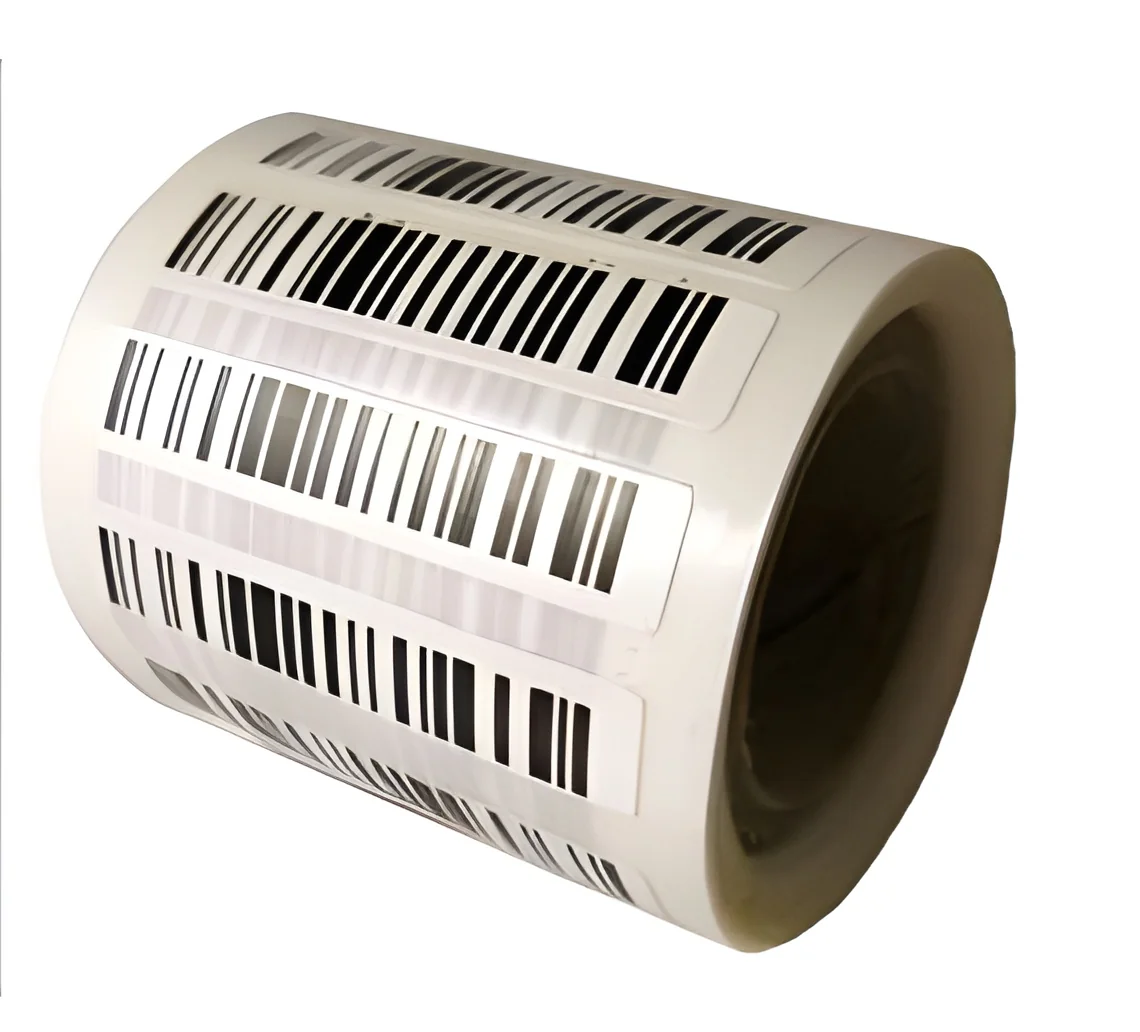
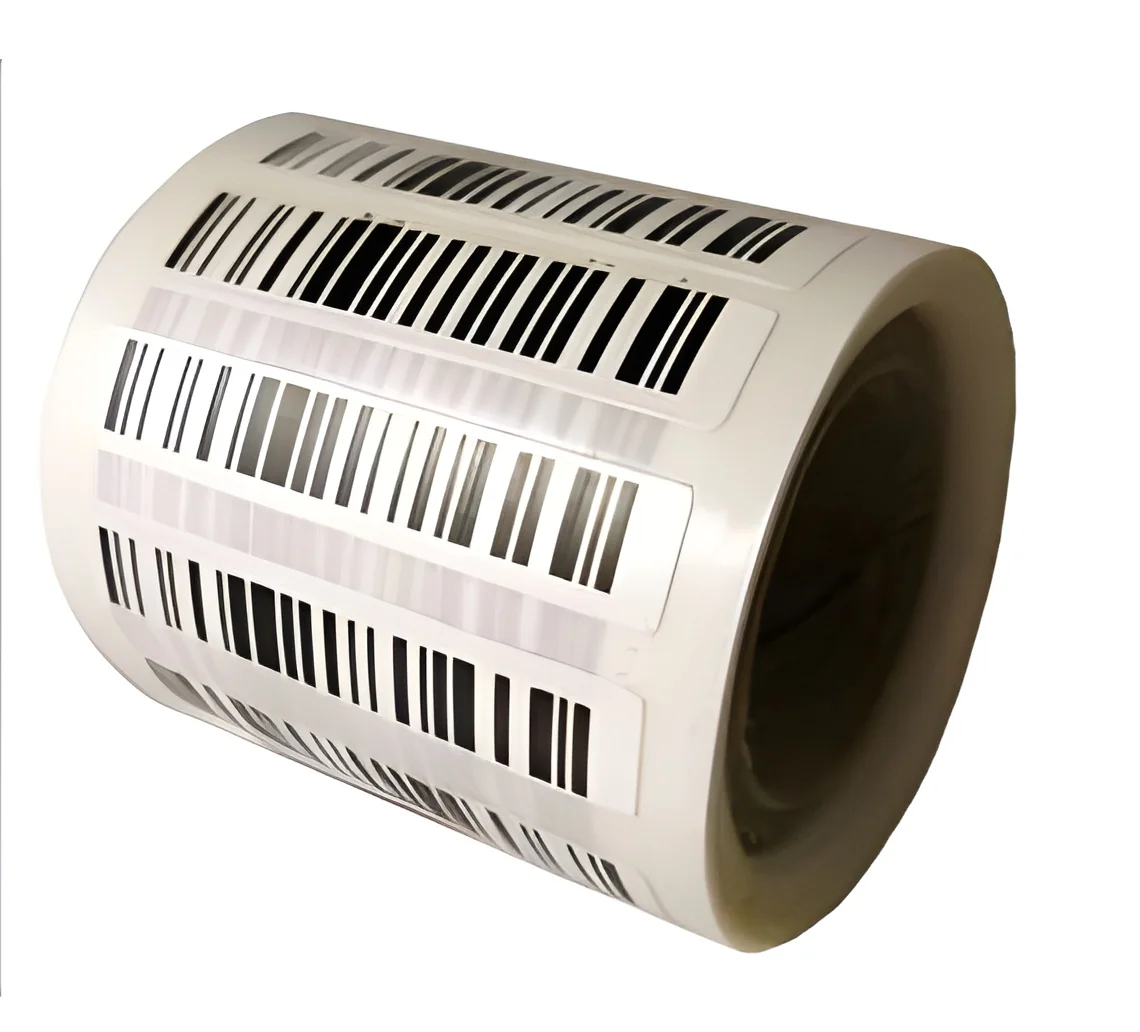
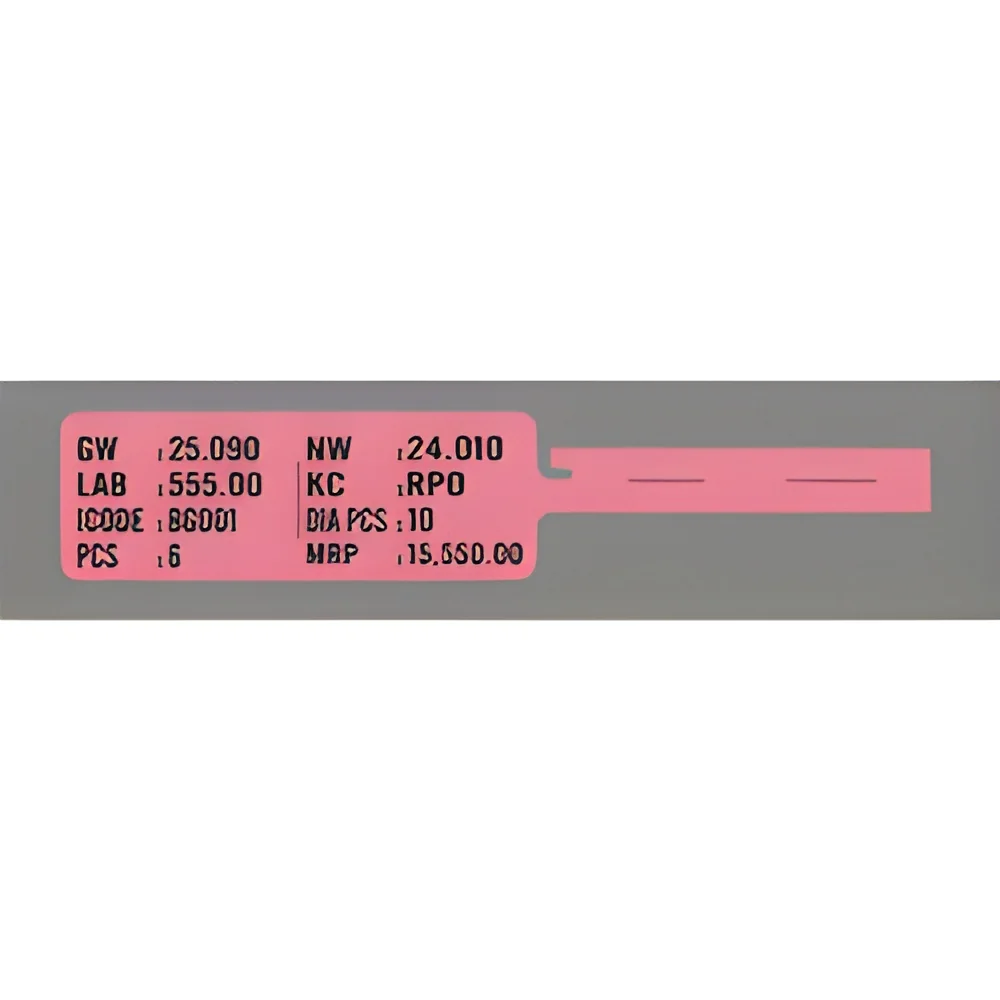
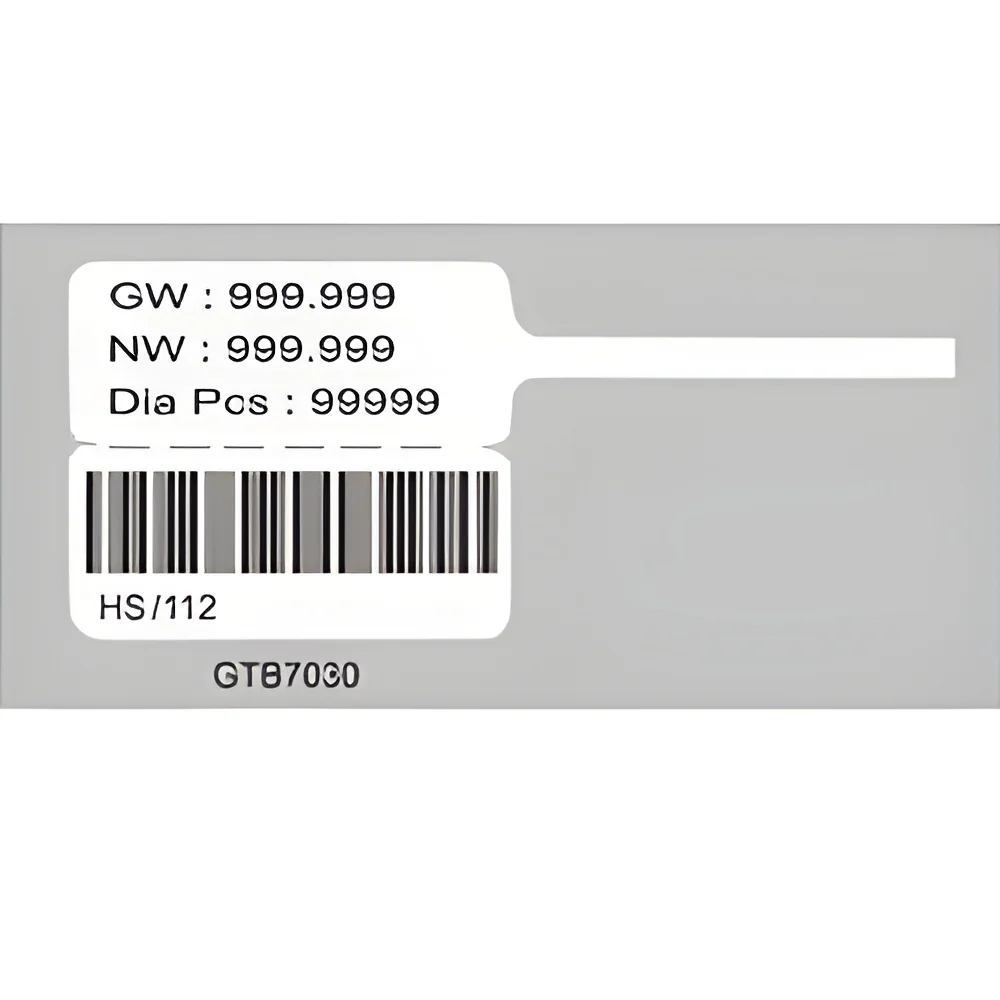
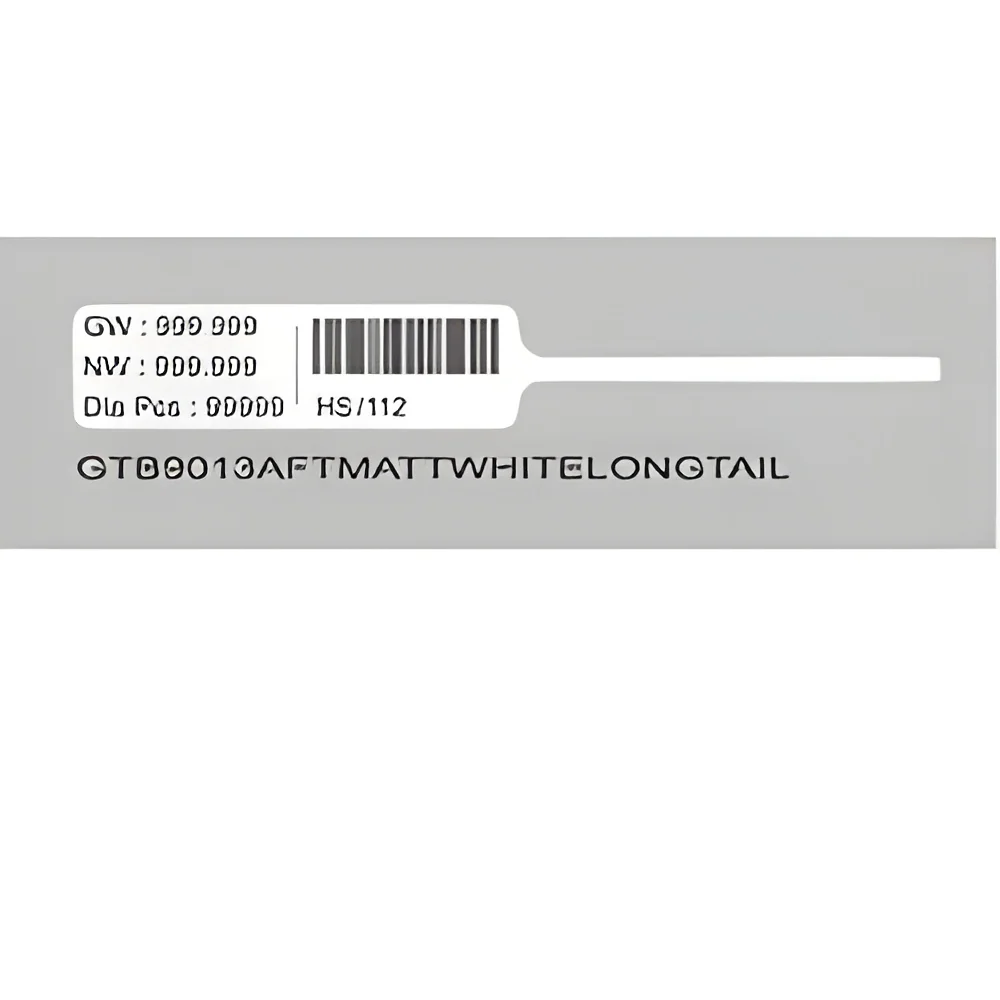
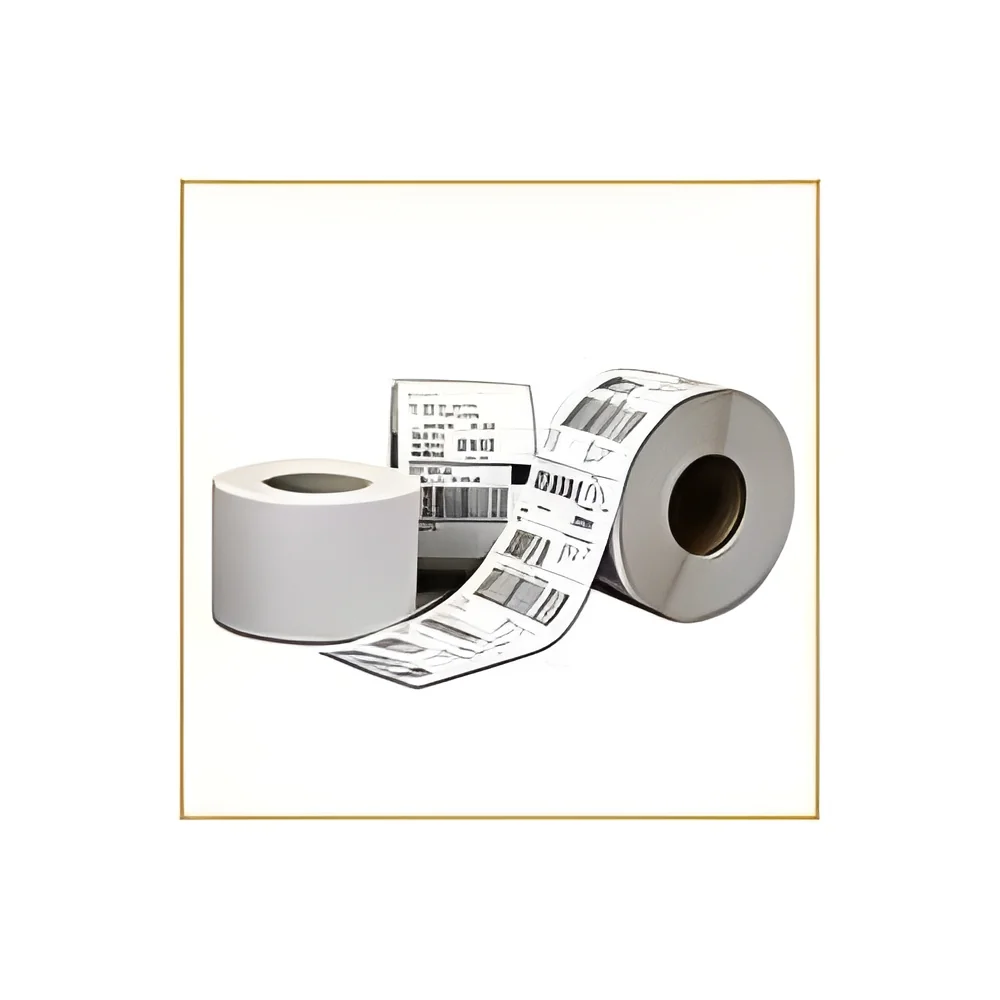
What are Printed Barcode Labels?
Printed barcode labels are adhesive labels that feature machine-readable codes, typically consisting of vertical bars and spaces. These codes can store various information, such as product details, inventory counts, and shipment tracking numbers. Printed barcode labels are designed for easy scanning by barcode readers, enabling quick and accurate data entry for businesses.
These labels are widely used in various business applications to streamline processes such as inventory management, supply chain logistics, and point-of-sale transactions. They help reduce human error and improve operational efficiency by enabling automated data capture. Industries such as retail, manufacturing, and healthcare particularly benefit from the implementation of printed barcode labels, as they enhance productivity and accuracy in tracking and managing products.
In the current market, the demand for printed barcode labels continues to grow as businesses seek effective ways to manage their operations. The increasing emphasis on automation and data accuracy presents a prime opportunity for the adoption of barcode labeling solutions across various sectors. As industries evolve, the relevance of printed barcode labels remains significant, driving innovations to meet diverse business needs.
Key Features and Specifications
Printed barcode labels come with several key features that cater to various business requirements. These features ensure that the labels are durable, functional, and suitable for a range of environments.
Key specifications include:
1. Adhesive Type
- Permanent or removable adhesive options are available.
- Suitable for different surfaces and application needs.
2. Material
- Common materials include paper and synthetic options like polyester or vinyl.
- Each material offers different durability levels and finishes.
3. Print Quality
- High-resolution printing ensures clear and scannable barcodes.
- Options for thermal transfer or direct thermal printing.
4. Size and Shape
- Available in various sizes and shapes to fit specific applications.
- Custom sizes can be produced based on client requirements.
5. Barcode Types
- Supports various barcode formats such as UPC, QR codes, and Code 128.
- Flexibility to meet different industry standards.
6. Environmental Resistance
- Options for weatherproof and moisture-resistant labels.
- Ideal for outdoor use or in high-humidity environments.
7. Color Options
- Available in different colors for branding or organizational purposes.
- Custom printing options for logos and text.
8. Compliance and Certification
- Labels can meet industry standards, including CE certification.
- Important for businesses in regulated industries.
Choosing the right specifications for printed barcode labels can enhance their effectiveness and suitability for specific applications.
Common Applications and Use Cases
Printed barcode labels find utility across a variety of industries, helping streamline operations and improve efficiency.
1. Retail: In retail environments, barcode labels are used for pricing, inventory management, and point-of-sale systems. They help in tracking sales and stock levels in real-time.
2. Manufacturing: Manufacturers use printed barcode labels to manage inventory, track production processes, and ensure quality control. They facilitate the identification of parts and products throughout the supply chain.
3. Healthcare: In the healthcare sector, barcode labels are essential for patient identification, medication tracking, and asset management. They enhance safety and efficiency in managing medical supplies.
4. Logistics: Logistics companies utilize barcode labels to monitor shipments and streamline warehouse operations. They assist in tracking packages from origin to destination.
5. Food and Beverage: In the food industry, barcode labels are used for tracking product freshness and ensuring compliance with safety standards. They facilitate efficient inventory management.
6. Pharmaceuticals: Pharmaceutical companies rely on printed barcode labels for tracking medication batches and ensuring accurate dispensing. They are critical for maintaining safety and compliance.
7. Automotive: In the automotive industry, barcode labels are used for tracking parts and managing inventory in warehouses. They enhance operational efficiency.
Product Variants and Subcategories
Printed barcode labels come in various forms to meet specific business needs. Each variant offers unique features tailored to different applications.
Standard Barcode Labels
These are commonly used for everyday applications. They provide a simple and effective solution for inventory management and retail labeling.
Custom Printed Labels
These labels can be tailored with specific designs, colors, and sizes to meet branding requirements. They are ideal for businesses looking to enhance their branding through packaging.
Thermal Transfer Labels
These labels use thermal transfer printing technology, resulting in high-quality prints that are durable and resistant to fading. They are suitable for industrial applications.
Direct Thermal Labels
These labels utilize heat-sensitive material and are ideal for short-term labeling needs. They are often used in shipping and logistics for temporary labels.
Benefits and Advantages
Printed barcode labels offer numerous advantages that contribute to business efficiency and accuracy.
Key benefits include:
1. Increased Efficiency: By automating data entry, printed barcode labels significantly reduce the time spent on manual data handling.
2. Improved Accuracy: The use of barcode scanning minimizes human errors associated with manual entry, leading to more reliable data.
3. Enhanced Inventory Management: Businesses can easily track products, manage stock levels, and reduce instances of overstocking or stockouts.
4. Cost-Effectiveness: The long-term savings from improved efficiency and accuracy often outweigh the initial investment in barcode labeling systems.
5. Streamlined Operations: Printed barcode labels facilitate quicker transactions and smoother logistics, leading to better overall operational flow.
6. Customization Options: The ability to customize labels allows businesses to align their branding and operational needs effectively.
Buying Guide for B2B Buyers
When sourcing printed barcode labels, it is important for buyers to consider several factors to ensure they select the right product for their needs.
1. Quality Assessment: Evaluate the quality of materials and printing processes used for the labels. High-quality labels will withstand wear and tear, especially in demanding environments.
2. Supplier Verification: Conduct thorough background checks on potential suppliers to ensure reliability and product quality. Look for reviews and testimonials from other businesses.
3. Pricing and MOQ: Compare pricing structures and minimum order quantities (MOQ) from different suppliers. Ensure that the pricing aligns with your budget while meeting your needs.
4. Delivery and Lead Times: Discuss delivery schedules and lead times with suppliers to ensure that products arrive when needed. Timely delivery is crucial for maintaining operations.
5. Compliance Requirements: Check for any relevant compliance and certification requirements for the labels, especially in regulated industries. Ensure that the products meet necessary standards.
Compliance and Certifications
Compliance and certifications play a critical role in the quality and reliability of printed barcode labels. Many labels adhere to international quality standards such as ISO 9001, which ensures consistent quality and management processes.
Industry certifications like CE indicate that products meet European safety and environmental protection requirements. Companies should look for these certifications to ensure that the labels comply with necessary regulations.
Additionally, safety and testing requirements may be in place to verify that the materials used in printed barcode labels are safe and effective for their intended applications. Regional compliance considerations may vary, so it is essential to confirm that labels meet local regulations where they will be used.
Why Source Printed Barcode Labels from Pepagora?
Pepagora provides a trusted platform for sourcing printed barcode labels, offering several key advantages to B2B buyers.
Verified Supplier Network: Pepagora has established a robust network of verified suppliers, ensuring that buyers can find reliable partners for their labeling needs. This network reduces the risk associated with sourcing from unknown vendors.
Streamlined RFQ Process: The request for quotation (RFQ) system on Pepagora is designed to simplify the procurement process. Buyers can easily submit their requirements and receive competitive quotes from various suppliers.
Trade Assurance and Support: Pepagora offers trade assurance to protect buyers throughout the purchasing process. This includes support for resolving disputes and ensuring that products meet agreed-upon specifications.
Regional Coverage: With a strong presence in regions such as India, the GCC, and Southeast Asia, Pepagora facilitates access to a wide range of suppliers. This geographic reach allows businesses to source printed barcode labels efficiently and effectively across diverse markets.

 IN
IN
 India
India