
 IN
Power Supply Repair
16 products available
What are Power Supply Repair?
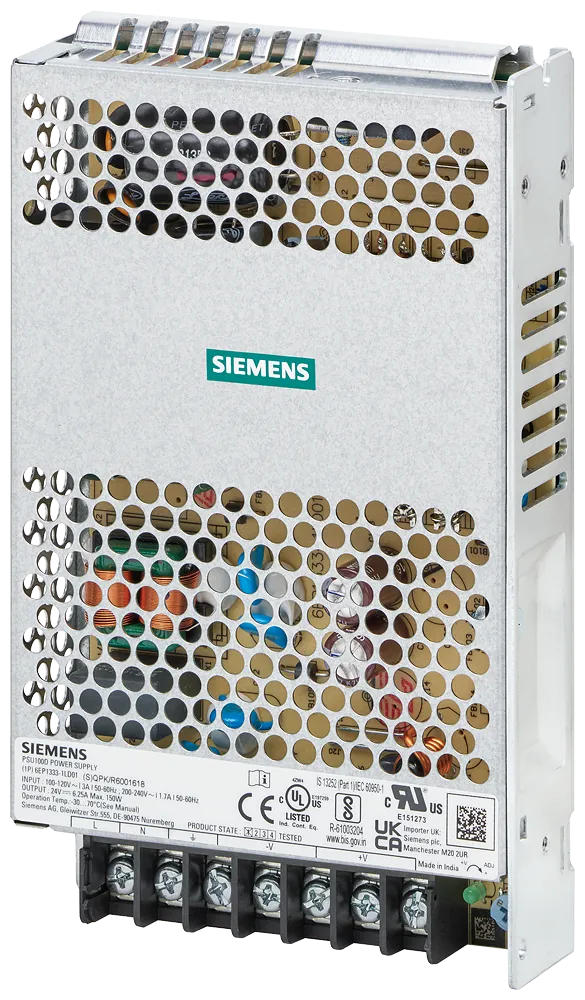
Power supply repair refers to the process of diagnosing and fixing issues related to power supply units (PSUs) in various electronic and industrial equipment. This service is essential for restoring functionality to devices that rely on stable and consistent electrical power. Power supplies can fail due to various reasons, including component degradation, electrical surges, or manufacturing defects, necessitating skilled repair services to ensure reliable operation.
The primary uses of power supply repair can be found in industries where continuous operation of equipment is critical. Businesses in manufacturing, telecommunications, and data centers often seek repair services to minimize downtime and maintain productivity. By repairing rather than replacing power supplies, companies can save costs and extend the lifecycle of their equipment. This service is especially relevant in today's economic climate, where operational efficiency and cost-effectiveness are paramount.
Key Features and Specifications
Power supply repair services typically encompass a range of features and specifications that ensure quality and reliability. Understanding these key specifications is crucial for businesses when selecting a repair service provider.
Key specifications include:
1. Repair Capability
- Ability to handle various types of power supplies
- Compatibility with different voltage and current ratings
2. Testing Procedures
- Comprehensive testing before and after repairs
- Use of specialized equipment for diagnostics
3. Component Replacement
- Availability of standard and specialized components
- Quality assurance for all replaced parts
4. Warranty on Repairs
- Guarantee on the workmanship and replaced parts
- Duration of warranty period
5. Turnaround Time
- Speed of service from diagnosis to completion
- Impact on overall operational downtime
6. Technical Support
- Availability of post-repair support and guidance
- Access to expert advice for future maintenance
7. Compliance with Standards
- Adherence to relevant safety and quality standards
- Certifications that validate repair processes
In summary, understanding the key features and specifications of power supply repair is essential for businesses to ensure they receive high-quality service and maintain operational efficiency.
Common Applications and Use Cases
Power supply repair finds applications across diverse industries that rely on consistent power for their operations.
1. Manufacturing: In manufacturing plants, power supplies are critical for machinery and automation systems. Efficient repair services help minimize production interruptions.
2. Telecommunications: Telecommunication companies depend on reliable power systems for their networks. Quick repair services ensure consistent communication and data transmission.
3. Data Centers: Data centers require uninterruptible power supplies to maintain server uptime. Power supply repairs are crucial for maintaining the integrity of data processing.
4. Medical Equipment: Hospitals and clinics rely on power supply units for medical devices. Timely repairs are essential for patient safety and operational readiness.
5. Aerospace: In the aerospace sector, power supplies are vital for avionics systems. Repair services are necessary to comply with strict safety regulations.
6. Automotive: Power supplies in vehicles require repair services to ensure optimal performance and safety features.
7. Robotics: Robotics applications depend on precise power delivery. Repair services help maintain functionality in robotic systems.
Product Variants and Subcategories
Power supply repair services can vary based on the specific needs of different industries. Each variant addresses unique requirements and applications.
Standard Power Supply Repair
This variant focuses on common power supplies used in industrial equipment. Services include diagnostics, component replacement, and performance testing to ensure reliability.
High-Power Supply Repair
Designed for heavy-duty applications, this service handles larger power supplies used in manufacturing and energy sectors. It includes specialized testing procedures and robust component replacements.
Customized Power Supply Repair
This variant caters to unique or specialized power supply units that require tailored solutions. It often involves bespoke diagnostics and repairs to meet specific operational demands.
Benefits and Advantages
The advantages of utilizing power supply repair services are significant for businesses seeking to optimize their operations.
1. Cost Savings: Repairing power supplies is often more economical than purchasing new units, leading to reduced capital expenditure.
2. Extended Equipment Lifespan: Repair services can extend the life of existing equipment, maximizing the return on investment.
3. Reduced Downtime: Timely repairs minimize operational disruptions, allowing businesses to maintain productivity.
4. Environmental Impact: Repairing rather than replacing power supplies supports sustainability efforts by reducing electronic waste.
5. Enhanced Reliability: Professional repair services improve the reliability of power supplies, ensuring consistent performance in critical applications.
6. Expert Knowledge: Access to skilled technicians provides businesses with insights and guidance on maintaining power supply systems effectively.
Buying Guide for B2B Buyers
When sourcing power supply repair services, B2B buyers should consider several important factors to ensure they select the right provider.
1. Quality Assessment: Evaluate the quality of repair services by reviewing past performance and customer testimonials. Look for providers with a reputation for excellence.
2. Supplier Verification: Conduct thorough vetting of potential suppliers, including checking certifications and industry standards compliance to ensure reliability.
3. Pricing and MOQ: Understand the pricing structure for repair services and any minimum order quantities that may apply. Compare costs among different providers.
4. Delivery and Lead Times: Inquire about the expected turnaround times for repairs. Fast and efficient service is critical to minimizing downtime.
5. Compliance Requirements: Ensure that the repair services comply with relevant industry regulations and safety standards to mitigate risks.
Compliance and Certifications
Power supply repair services must adhere to specific quality standards and certifications to ensure safety and reliability.
Relevant quality standards such as ISO 9001 are important for maintaining consistent quality in repair processes. Compliance with these standards demonstrates a commitment to quality management and continuous improvement.
Industry certifications, particularly CE marking, indicate that repair services meet European safety requirements. This certification is crucial for businesses operating in regulated markets.
Additionally, safety and testing requirements must be followed to ensure that repaired power supplies function reliably and safely in their intended applications.
Regional compliance considerations may vary, so it is essential for service providers to stay informed about local regulations and standards that affect their operations.
Why Source Power Supply Repair from Pepagora?
Pepagora offers a reliable platform for sourcing power supply repair services with numerous advantages for B2B buyers.
Verified Supplier Network: Pepagora connects buyers with a network of verified suppliers who have undergone rigorous vetting. This ensures that businesses can trust the quality and reliability of the services they choose.
Streamlined RFQ Process: The request for quotation (RFQ) process is designed to be efficient, allowing buyers to receive multiple quotes from different suppliers quickly. This simplifies the decision-making process and enhances competition among providers.
Trade Assurance and Support: Pepagora provides trade assurance, protecting buyers through secure transactions and support throughout the sourcing process. This commitment to buyer protection fosters confidence in every engagement.
Regional Coverage: With a strong presence in regions such as India, the GCC, and Southeast Asia, Pepagora offers extensive geographic reach. This enables businesses to access local suppliers while benefiting from a global network of service providers.

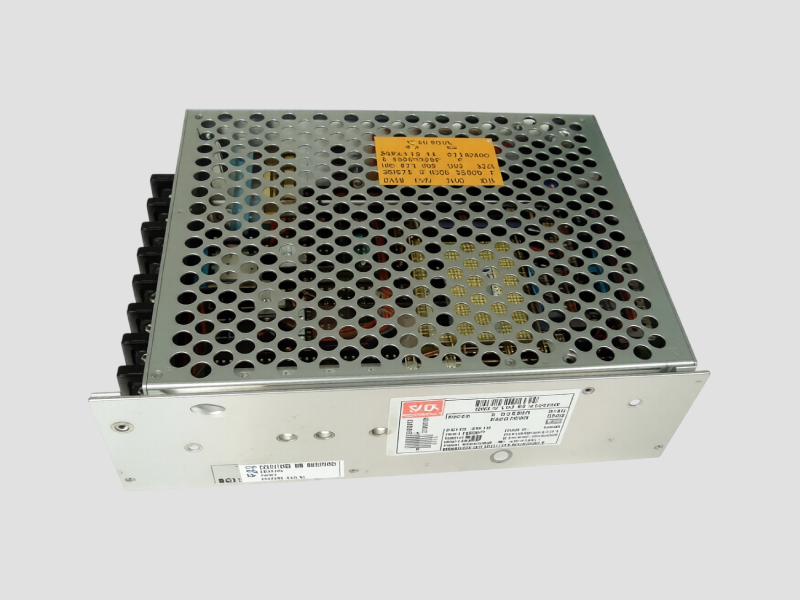


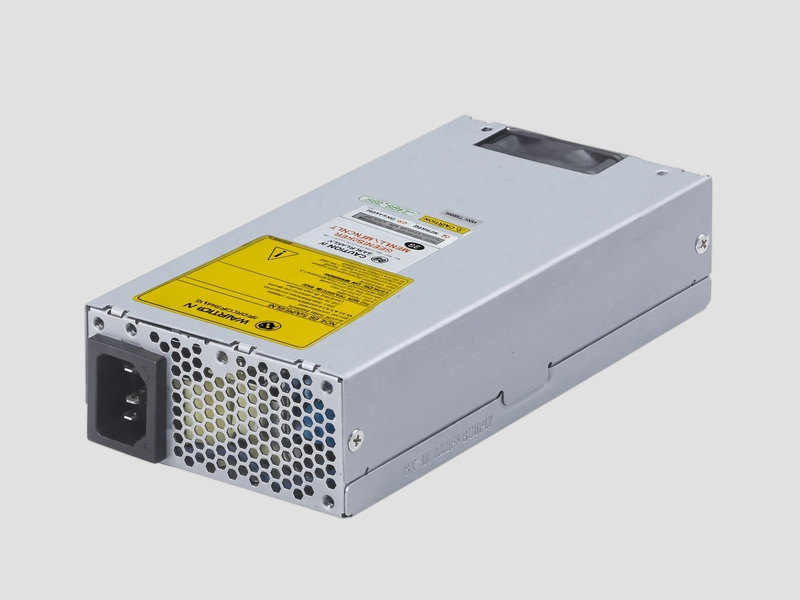
 India
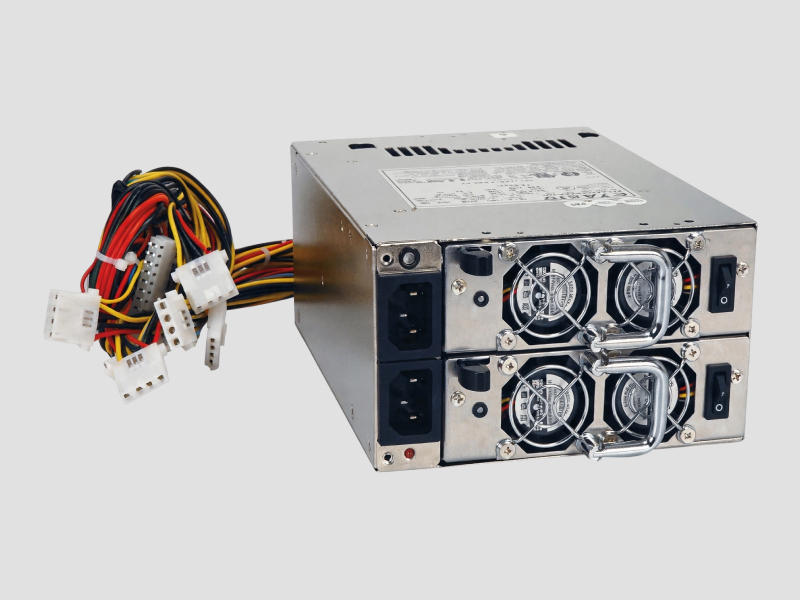

 India
 India

 India
 India
 India
 India

 India
Frequently Asked Questions
What are Power Supply Repair?
Power Supply Repair involves diagnosing and fixing issues related to power supply units (PSUs) that provide electrical power to various electronic devices. This process may include replacing faulty components, ensuring proper voltage output, and testing the repaired unit for functionality.
What are the different types of Power Supply Repair?
Different types of Power Supply Repair include repairs for linear power supplies, switching power supplies, and uninterruptible power supplies (UPS). Each type may require specialized knowledge and tools to address specific issues and ensure reliable performance.
How do I choose the right Power Supply Repair?
To choose the right Power Supply Repair, consider the type of power supply needing repair, the expertise of the repair service, and their reputation in the industry. It is also important to check for certifications and warranties offered on repairs to ensure quality service.
What are the standard specifications for Power Supply Repair?
Standard specifications for Power Supply Repair typically include voltage and current ratings, efficiency levels, and safety standards compliance (such as IEC or UL certification). Additionally, the repair should ensure that the PSU meets the original manufacturer's specifications to maintain performance and safety.
What is the price range for Power Supply Repair?
The price range for Power Supply Repair can vary widely depending on the type and complexity of the repair, as well as the components that need replacement. Generally, prices may range from a few hundred to several thousand Indian Rupees.
What quality standards apply to Power Supply Repair?
Quality standards for Power Supply Repair typically include adherence to safety regulations, performance benchmarks, and manufacturer specifications. Repairs should also be conducted in accordance with best practices to ensure reliability and longevity of the power supply unit.
Where can I find Power Supply Repair suppliers in India?
You can find Power Supply Repair suppliers in India through online B2B marketplaces like Pepagora, industry directories, and local electronics repair shops. It's advisable to compare several suppliers to find those with a solid reputation and positive customer reviews.
Can Power Supply Repair be customized?
Yes, Power Supply Repair can often be customized to meet specific requirements, such as modifications for higher efficiency or different voltage outputs. Discussing your needs with the repair service can help ensure the repairs align with your application.
What is the typical minimum order quantity for Power Supply Repair?
The typical minimum order quantity (MOQ) for Power Supply Repair varies by supplier and the nature of the repair service. Some suppliers may accept single-unit repairs, while others may have a MOQ for bulk services, often depending on the complexity of the repairs needed.
What is the typical lead time for Power Supply Repair?
The typical lead time for Power Supply Repair can range from a few days to several weeks, depending on the complexity of the repair and the workload of the service provider. It is advisable to inquire about estimated timelines before committing to a repair service.
Why Businesses Trust Pepagora
Thousands of companies trust Pepagora to source smarter and sell faster
Expand Your Sales Globally

Source Smarter,Grow Faster
