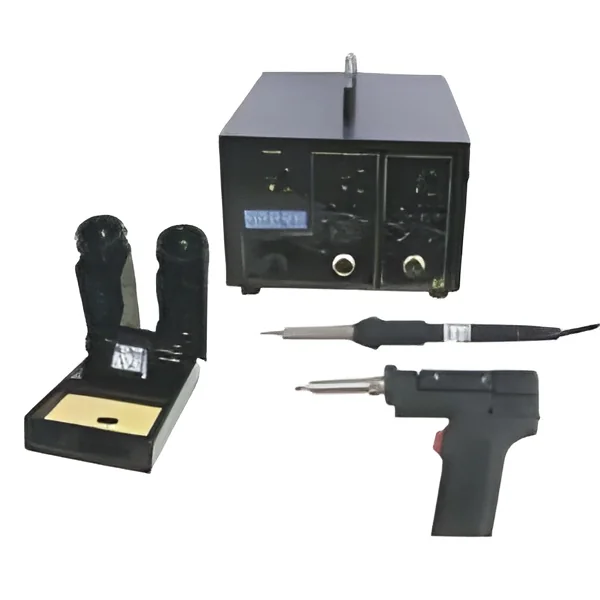
What are Automotive Electronics Repair?
Automotive electronics repair refers to the process of diagnosing and fixing electrical and electronic components within vehicles. These components include anything from ignition systems and sensors to control units and infotainment systems. As automobiles become increasingly reliant on complex electronic systems, the need for specialized repair services has grown. This makes automotive electronics repair a critical aspect of vehicle maintenance and repair.
The primary applications of automotive electronics repair can be found in various sectors, including automotive service centers and dealerships. These businesses rely on skilled technicians to troubleshoot and repair electronic issues, ensuring that vehicles operate efficiently and safely. The relevance of this service is underscored by the growing complexity of automotive technology, where electronic failures can lead to significant operational problems. This has created a robust market for repair services, with increasing demand from both consumers and businesses.
Key Features and Specifications
Automotive electronics repair encompasses a wide range of features and specifications that technicians need to address when servicing vehicles. Understanding these specifications helps ensure the effectiveness of repair services.
Key specifications include:
1. Diagnostic Tools
- Essential for identifying faults in automotive electronics.
- Typically includes OBD-II scanners and multimeters.
2. Repair Capabilities
- Ability to repair or replace various electronic components.
- Includes modules, sensors, and wiring harnesses.
3. Technical Expertise
- Requires knowledge of automotive electronics systems.
- Technicians must stay updated on technological advancements.
4. Warranty Options
- Many repair services offer warranties on parts and labor.
- Provides assurance to customers regarding service quality.
5. Compliance with Standards
- Services should adhere to industry standards.
- Ensures safety and reliability in repairs.
6. Availability of Parts
- Access to genuine or aftermarket parts for repairs.
- Critical for timely service and quality assurance.
In conclusion, the features and specifications related to automotive electronics repair are essential for ensuring effective and reliable service.
Common Applications and Use Cases
Automotive electronics repair is utilized across various industries, each with unique applications.
1. Automotive Service Centers: These centers provide diagnostic and repair services for a wide range of vehicles, focusing on electronic systems' functionality.
2. Dealerships: Authorized dealerships often have specialized technicians for electronics repairs, ensuring that manufacturer standards are met.
3. Fleet Management: Companies managing fleets rely on electronics repair services to maintain vehicle performance and minimize downtime.
4. Insurance Providers: Insurers may require specialized repair services to validate claims related to electronic component failures.
5. Automotive Aftermarket: Independent shops in the aftermarket sector offer repair services for older vehicles that may have outdated electronics.
6. Electric Vehicle Maintenance: As electric vehicles become more common, specialized services for their electronic systems are increasingly in demand.
Product Variants and Subcategories
Automotive electronics repair encompasses various services tailored to meet specific needs.
Diagnostic Services: This variant focuses on identifying issues within a vehicle's electronic systems using advanced diagnostic tools. It is crucial for proactive maintenance.
Component Repair: This service involves the repair or replacement of specific electronic components, such as sensors or control modules. It ensures that vehicles operate efficiently.
Wiring Harness Repair: This specialized service addresses issues related to wiring and connections, which are often the source of electronic malfunctions.
Software Updates: As vehicles increasingly rely on software, updating vehicle software systems has become a vital repair service to enhance performance and address bugs.
Benefits and Advantages
Automotive electronics repair offers numerous benefits to both businesses and consumers.
1. Enhanced Vehicle Performance: Properly functioning electronics improve overall vehicle efficiency and reliability, leading to better fuel economy and reduced emissions.
2. Cost Savings: Timely repairs can prevent larger and more costly issues, saving money on future repairs and replacements.
3. Improved Safety: Addressing electronic failures promptly enhances vehicle safety, reducing the risk of accidents caused by malfunctioning systems.
4. Increased Vehicle Lifespan: Regular repair and maintenance of electronic systems can extend a vehicle's lifespan, maximizing the return on investment.
5. Warranty Protection: Quality repairs often come with warranties, providing customers peace of mind regarding their vehicle's performance.
6. Technological Adaptation: Repair services keep up with the latest automotive technologies, ensuring that vehicles remain compatible with new systems and features.
Buying Guide for B2B Buyers
When sourcing automotive electronics repair services, several key factors should be considered.
1. Quality Assessment: It is crucial to evaluate the quality of service providers. Look for certifications, reviews, and testimonials to ensure high standards are met.
2. Supplier Verification: Vetting suppliers is essential to confirm their reliability and experience in automotive electronics repair. This ensures they have the necessary expertise and equipment.
3. Pricing and MOQ: Understanding pricing structures and minimum order quantities can help businesses budget effectively for repair services.
4. Delivery and Lead Times: Timely service is critical in automotive repairs. Verify lead times to ensure that repairs can be completed promptly, minimizing vehicle downtime.
5. Compliance Requirements: Ensure that the repair services comply with industry regulations and standards, which can vary by region.
Compliance and Certifications
Automotive electronics repair must adhere to various compliance and certification standards to ensure quality and safety.
Relevant quality standards such as ISO 9001 are crucial for maintaining consistent service quality across repair operations. These standards ensure that businesses implement effective quality management systems.
Industry certifications, including CE, are essential for products and services in the European market, indicating conformity with health, safety, and environmental protection standards.
Safety and testing requirements are also paramount. Repair services should follow established protocols to guarantee that electronic components function safely and reliably.
Regional compliance considerations may vary, and businesses should be aware of local regulations that govern automotive repairs.
Why Source Automotive Electronics Repair from Pepagora?
Pepagora offers a trusted platform for sourcing automotive electronics repair services, bringing several key advantages to B2B buyers.
Verified Supplier Network: Pepagora connects buyers with a network of verified suppliers, ensuring that businesses engage with reputable service providers. This verification process helps minimize risks and enhances trust.
Streamlined RFQ Process: The platform simplifies the request for quotation process, allowing buyers to receive competitive quotes quickly. This efficiency helps businesses make informed decisions without unnecessary delays.
Trade Assurance and Support: Pepagora provides trade assurance, protecting buyers’ investments with robust support systems. This ensures that any issues can be resolved swiftly and effectively.
Regional Coverage: With a significant presence in India, the GCC, and Southeast Asia, Pepagora offers a wide geographic reach, connecting businesses across diverse markets. This broad coverage enables companies to find suitable repair services tailored to their regional needs.

 IN
IN