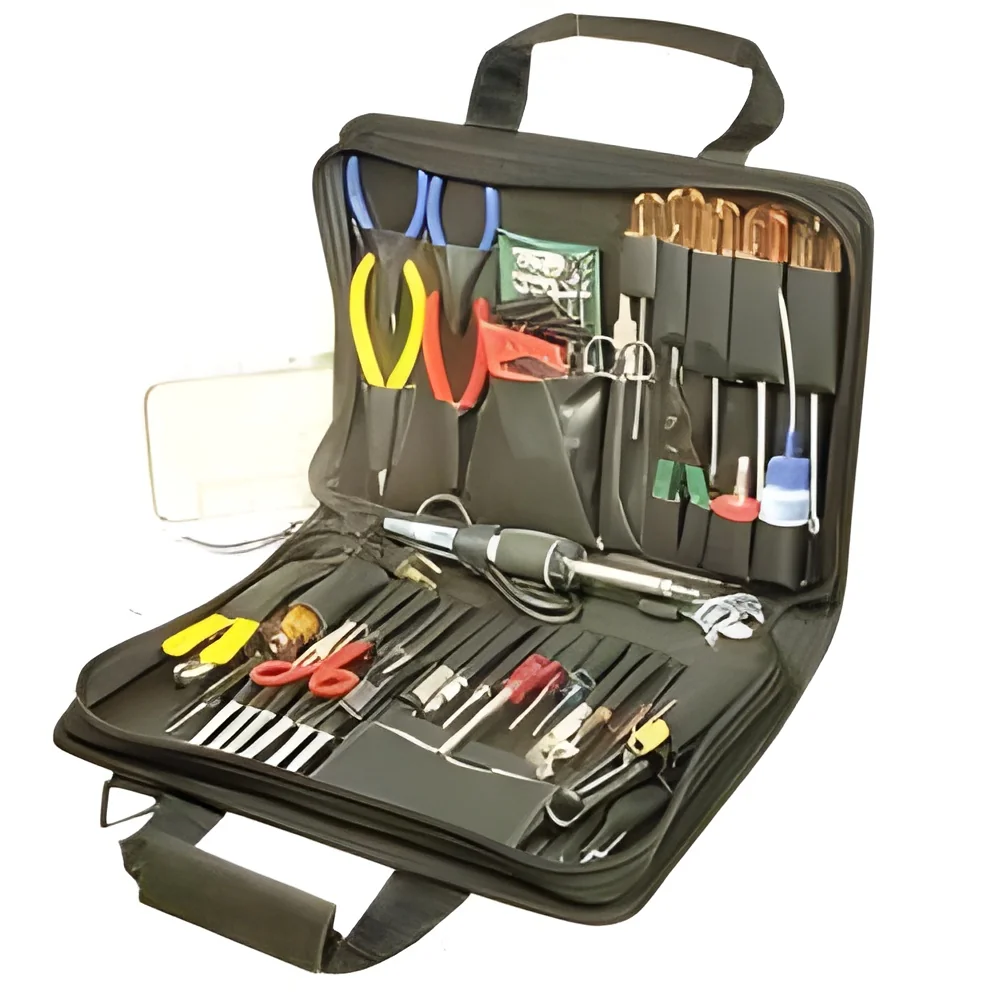
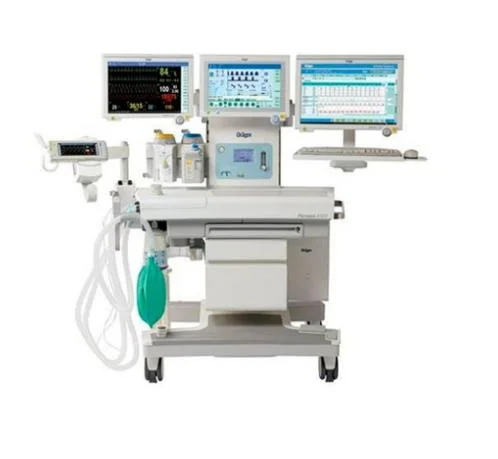
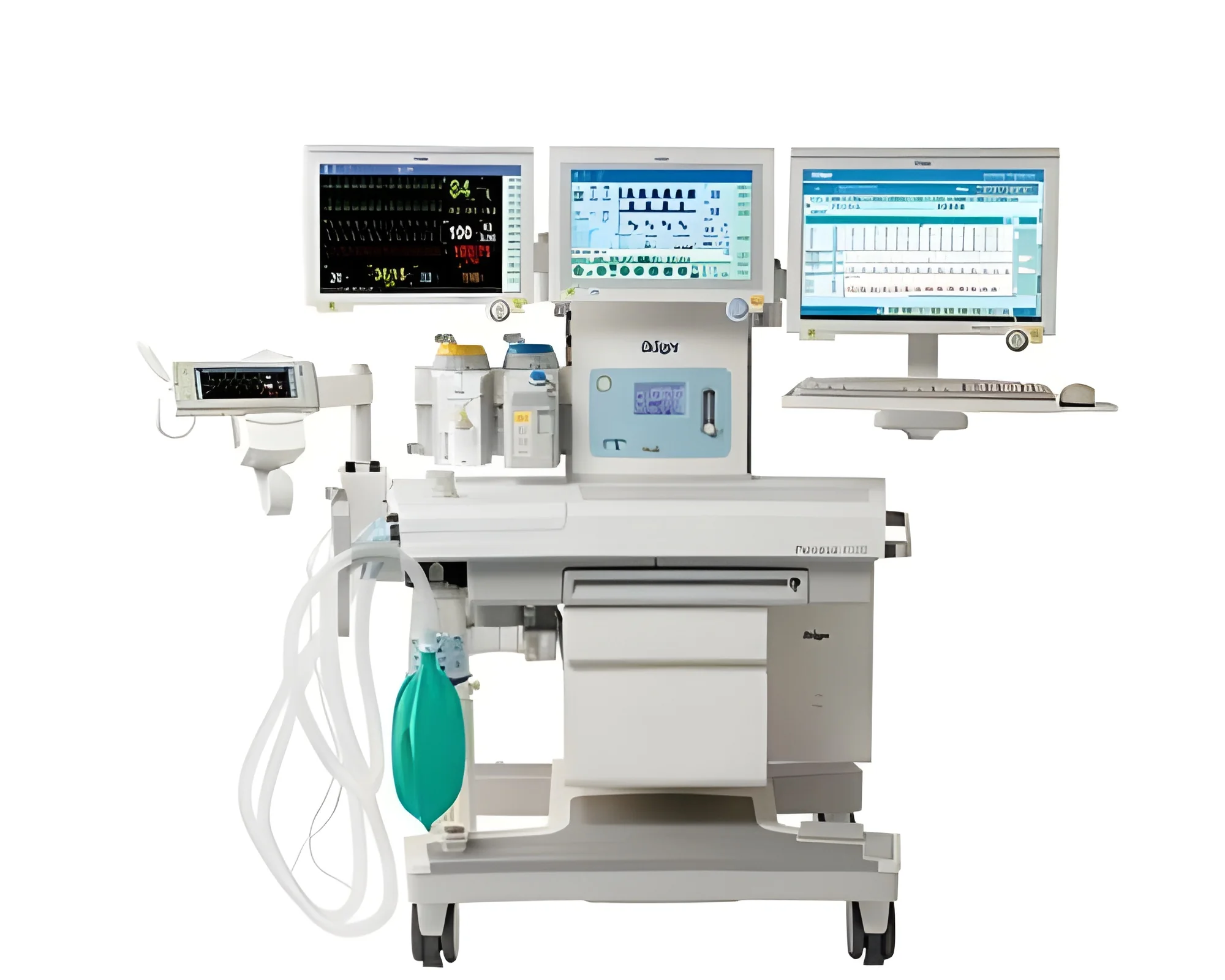
What are Medical Electronics Repair?
Medical Electronics Repair refers to the specialized service of maintaining and restoring electronic medical equipment to ensure proper functionality and compliance with healthcare standards. This type of repair is crucial in the healthcare sector, where precision and reliability are paramount. Medical electronics include devices such as monitors, imaging equipment, and diagnostic tools. The repair process often involves troubleshooting, replacing faulty components, and performing calibration to ensure devices operate within specified parameters.
The primary uses of Medical Electronics Repair are evident in hospitals, clinics, laboratories, and other healthcare facilities. These repairs are essential for patient safety and the effectiveness of medical treatments. By ensuring that medical devices are functioning correctly, healthcare providers can deliver accurate diagnoses and effective treatments, thereby improving patient outcomes. In the context of a growing medical technology market, the demand for reliable repair services continues to rise, making it a vital aspect of healthcare operations.
As the medical industry evolves with advanced technologies, the relevance of Medical Electronics Repair becomes increasingly significant. With a focus on regulatory compliance and the need for continual maintenance of sophisticated devices, businesses in this sector must prioritize quality repair services. The market context shows a steady increase in the investment in medical electronics, which further emphasizes the importance of having access to skilled repair services that can uphold the high standards required in healthcare.
Key Features and Specifications
Medical Electronics Repair services are characterized by specific features and technical specifications that ensure quality and reliability. Understanding these aspects is essential for businesses seeking repair services that meet their operational needs.
Key specifications include:
1. Quality Assessment
- Services are evaluated based on adherence to quality standards.
- Regular audits and checks ensure that repair processes meet industry norms.
2. Response Time
- Quick turnaround times are critical for minimizing equipment downtime.
- Standard response times may vary based on the complexity of repairs.
3. Technical Expertise
- Repair technicians should have specialized training in medical electronics.
- Continuous education on the latest technologies is essential.
4. Warranty and Support
- Services often come with warranties to guarantee repairs.
- Ongoing support is crucial for addressing future issues.
5. Compliance with Standards
- Repairs must comply with relevant medical device regulations.
- Adherence to safety standards is a priority in repair processes.
6. Equipment Tracking
- Systems for tracking repair history and status are beneficial.
- Proper documentation aids in maintaining compliance and quality.
7. Calibration Services
- Calibration ensures devices are operating within specified parameters.
- Regular calibration is essential for accuracy in medical applications.
8. Customized Solutions
- Tailored repair services can address specific client needs.
- Customization helps in providing optimal solutions for unique equipment.
In summary, Medical Electronics Repair encompasses a range of features and specifications that ensure quality service. Businesses must consider these elements when selecting a repair provider to ensure their medical devices are maintained to the highest standards.
Common Applications and Use Cases
Medical Electronics Repair serves various industries, each with specific applications that highlight the importance of reliable repair services.
1. Hospitals: Medical devices in hospitals, such as MRI machines and infusion pumps, require regular maintenance to ensure patient safety and accurate diagnostics.
2. Diagnostic Laboratories: Equipment used for testing and analysis must be functioning optimally. Repair services ensure that devices like blood analyzers are calibrated and operational.
3. Rehabilitation Centers: Devices used for patient rehabilitation, such as electrotherapy machines, need consistent upkeep to provide effective treatment.
4. Dental Clinics: Dental equipment, including X-ray machines and sterilizers, require specialized repair services to maintain safety and compliance.
5. Research Facilities: In research settings, precision instruments need to be regularly serviced to uphold data integrity and experimental accuracy.
6. Home Healthcare: Equipment used in home healthcare, such as portable monitors and oxygen concentrators, must be reliable and well-maintained to ensure patient safety.
7. Veterinary Clinics: Medical devices used in veterinary care also require repair services to ensure pets receive proper treatment.
Product Variants and Subcategories
The field of Medical Electronics Repair includes a range of services tailored to different types of medical devices.
Standard Repair Services
These services focus on general maintenance and repairs of commonly used medical devices. Technicians perform routine checks, troubleshooting, and component replacements to ensure devices function correctly.
Calibration Services
Calibration is a specialized repair service that ensures medical devices operate within specified parameters. This service is crucial for instruments that require high accuracy, such as imaging devices and diagnostic tools.
Emergency Repair Services
These services are designed for urgent repairs needed in critical situations. Quick response teams are available to address equipment failures that could impact patient care.
Benefits and Advantages
Medical Electronics Repair offers numerous benefits that enhance operational efficiency and safety in healthcare settings.
Key benefits include:
1. Improved Patient Safety: Regularly maintained medical devices reduce the risk of malfunction, ensuring patient safety during treatments.
2. Enhanced Equipment Lifespan: Timely repairs and maintenance extend the life of medical equipment, providing better return on investment.
3. Compliance Assurance: Adhering to repair standards ensures that medical devices comply with regulations, safeguarding healthcare providers from potential liabilities.
4. Cost Efficiency: Preventative maintenance can reduce the need for costly emergency repairs and replacements.
5. Increased Reliability: Well-maintained equipment is more reliable, leading to fewer disruptions in patient care.
6. Expertise Access: Utilizing specialized repair services provides access to trained technicians who understand the complexities of medical electronics.
Buying Guide for B2B Buyers
When sourcing Medical Electronics Repair, businesses should consider several important factors to ensure they select the right provider.
1. Quality Assessment: Evaluate repair services based on their adherence to industry quality standards. Look for providers that have a proven track record in maintaining high-quality repairs.
2. Supplier Verification: Vet suppliers thoroughly to ensure they have the necessary certifications and experience in medical electronics repair. Check references and past performance records.
3. Pricing and MOQ: Understand the pricing structure and minimum order quantities required by the repair service. Compare quotes from multiple suppliers to ensure competitiveness.
4. Delivery and Lead Times: Assess the logistics involved, including how quickly the provider can respond to repair requests and the expected turnaround times.
5. Compliance Requirements: Ensure that the repair service complies with relevant regulatory standards. This is crucial for maintaining safety and quality in medical device operations.
Compliance and Certifications
Compliance and certifications are critical aspects of Medical Electronics Repair. Providers must adhere to relevant quality standards to ensure that their services meet both regulatory and industry expectations.
ISO 9001 is a widely recognized standard that outlines quality management principles. Repair services that comply with ISO 9001 demonstrate a commitment to quality and continuous improvement.
CE certification is essential for medical devices sold within the European Union. Repair providers must ensure that their services and the devices they work on comply with CE marking requirements. This certification indicates that the device meets safety and performance standards.
Safety and testing requirements are integral to the repair process. Technicians must follow established protocols to ensure that all repairs meet safety standards before devices are returned to service.
Regional compliance considerations may vary based on local regulations. It is important for repair providers to stay informed about the compliance requirements specific to their operating regions.
Why Source Medical Electronics Repair from Pepagora?
Pepagora provides a trusted platform for sourcing Medical Electronics Repair with several key advantages.
Verified Supplier Network: Pepagora connects buyers with a network of verified suppliers, ensuring that all providers meet high standards of service and compliance.
Streamlined RFQ Process: The platform simplifies the request for quotation process, allowing buyers to receive competitive quotes quickly and efficiently.
Trade Assurance and Support: Buyers benefit from trade assurance that protects their transactions, providing peace of mind when sourcing services through the platform.
Regional Coverage: Pepagora offers extensive geographic reach, covering regions such as India, the GCC, and Southeast Asia. This broad coverage ensures that businesses can find reliable repair services close to their operations.

 IN
IN