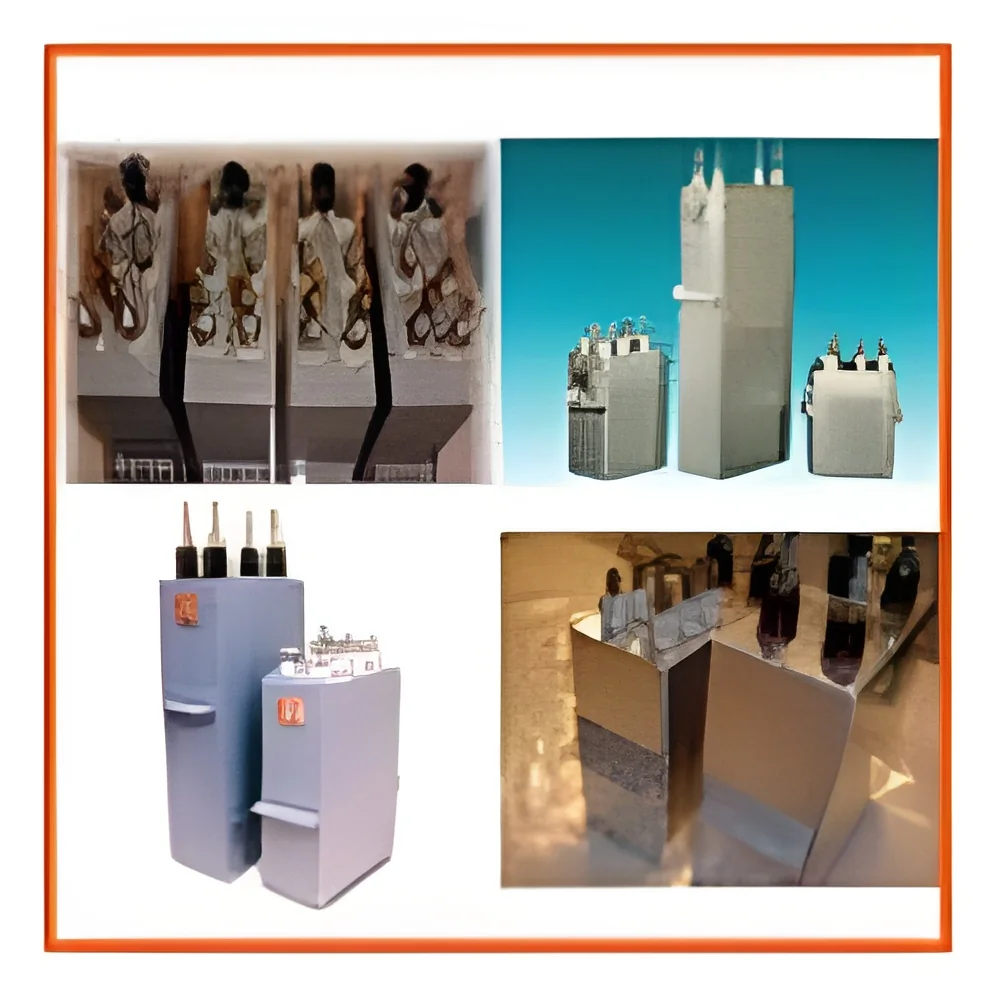
What are Industrial Electronics Maintenance?
Industrial Electronics Maintenance refers to the systematic process of inspecting, servicing, and repairing electronic equipment used in various industrial applications. This maintenance ensures that equipment operates at optimal performance levels, minimizing downtime and extending the lifespan of critical components. It encompasses a wide range of activities, including preventive maintenance, corrective repairs, and calibration of electronic devices.
The primary uses of Industrial Electronics Maintenance are found in sectors such as manufacturing, energy, and transportation. Businesses rely on electronic systems for automation, control, and monitoring of operations. Effective maintenance practices help in identifying potential failures before they occur, leading to increased productivity. The relevance of this maintenance practice is underscored by the growing complexity of industrial electronics, which require specialized knowledge and techniques to manage effectively in an evolving market.
Key Features and Specifications
When considering Industrial Electronics Maintenance, certain features and specifications are crucial to understand the effectiveness and applicability of the service. These specifications cater to different industry needs, ensuring that the maintenance procedures align with operational requirements.
Key specifications include:
1. Monitoring Capabilities
- Ability to track and log equipment performance
- Supports predictive maintenance techniques
2. Quality Assurance Standards
- Adherence to ISO 9001 and CE certifications
- Ensures reliability and consistency in maintenance services
3. Response Time
- Rapid response to maintenance requests
- Typically within a predetermined time frame, ensuring minimal disruption
4. Technical Expertise
- Trained professionals with knowledge of various electronic systems
- Ability to handle complex troubleshooting and repairs
5. Equipment Compatibility
- Services compatible with a wide range of industrial electronics
- Ensures broad applicability across different equipment types
6. Documentation and Reporting
- Comprehensive maintenance reports provided post-service
- Includes records of inspections, repairs, and adjustments
In summary, understanding these key specifications helps businesses select the right maintenance services tailored to their specific operational needs.
Common Applications and Use Cases
Industrial Electronics Maintenance plays a vital role across various industries, ensuring the smooth operation of electronic systems.
1. Manufacturing: Maintenance services are crucial for machinery that relies on electronic controls, enhancing efficiency and reducing production delays.
2. Energy: Power generation facilities depend on electronic monitoring systems. Regular maintenance prevents failures that could lead to costly outages.
3. Transportation: Electronic systems in public transport systems, such as signaling and control mechanisms, require consistent maintenance to ensure safety and reliability.
4. Telecommunications: Maintenance of electronic components in communication systems is essential for uninterrupted service and high-quality connectivity.
5. Food and Beverage: In this sector, electronic monitoring systems help maintain quality control. Regular maintenance ensures compliance with health and safety standards.
Product Variants and Subcategories
Industrial Electronics Maintenance offers a diverse range of services tailored to different equipment and operational needs.
Preventive Maintenance Services
These services focus on regular inspections and scheduled maintenance to prevent equipment failures and extend lifespan. They typically include routine checks and calibrations.
Corrective Maintenance Services
This variant addresses unexpected equipment failures. Technicians respond quickly to diagnose and repair issues, minimizing downtime and restoring functionality.
Predictive Maintenance Services
Using advanced monitoring techniques, predictive maintenance anticipates potential failures. This proactive approach allows businesses to plan repairs at convenient times.
Benefits and Advantages
Investing in Industrial Electronics Maintenance provides numerous advantages to businesses.
1. Increased Equipment Reliability: Regular maintenance reduces the likelihood of unexpected failures, ensuring continuous operation.
2. Cost Savings: By preventing major breakdowns, businesses can save on repair costs, operational downtime, and lost productivity.
3. Enhanced Safety: Regular maintenance reduces the risk of accidents associated with faulty electronic equipment, promoting a safer work environment.
4. Improved Efficiency: Well-maintained equipment operates more efficiently, leading to optimized production processes and energy savings.
5. Compliance with Regulations: Regular maintenance helps ensure compliance with industry standards and regulations, avoiding potential fines and legal issues.
Buying Guide for B2B Buyers
When sourcing Industrial Electronics Maintenance, it is essential to consider several factors to ensure optimal selection.
1. Quality Assessment: Evaluate the quality of maintenance services by checking certifications and customer reviews. Quality assurance should align with industry standards.
2. Supplier Verification: Vet potential suppliers thoroughly. Look for established companies with a proven track record in providing reliable maintenance services.
3. Pricing and MOQ: Understand the pricing structure and any minimum order quantities. Ensure that the costs are aligned with your budget while providing the necessary services.
4. Delivery and Lead Times: Inquire about the expected lead times for service requests. Timeliness is crucial in minimizing disruptions to operations.
5. Compliance Requirements: Ensure that the maintenance services meet all regulatory compliance needs specific to your industry, including safety and operational standards.
Compliance and Certifications
Compliance is a critical aspect of Industrial Electronics Maintenance. Adhering to relevant quality standards ensures that maintenance practices are effective and reliable.
ISO 9001 is a widely recognized standard that emphasizes a quality management system. Companies offering maintenance services should comply with this standard to guarantee a systematic approach to service provision.
CE certification indicates that a product or service meets the essential health and safety requirements set by the European Union. Ensuring that maintenance providers have this certification is crucial for businesses operating in or trading with EU markets.
Safety and testing requirements are paramount in the maintenance of industrial electronics. Regular checks and adherence to safety protocols help in mitigating risks associated with electronic equipment.
Regional compliance considerations also play a significant role. Different regions may have unique regulations that impact maintenance practices, requiring local knowledge from service providers.
Why Source Industrial Electronics Maintenance from Pepagora?
Pepagora offers a trusted platform for sourcing Industrial Electronics Maintenance, providing several key advantages to B2B buyers.
Verified Supplier Network: Pepagora maintains a rigorous verification process for suppliers, ensuring that only those with a proven reputation are included. This builds trust and reliability in service sourcing.
Streamlined RFQ Process: The platform offers an efficient Request for Quotation (RFQ) system, allowing buyers to easily request and receive competitive quotes from multiple suppliers, simplifying the decision-making process.
Trade Assurance and Support: Pepagora provides trade assurance, protecting buyers against potential issues during the procurement process. This support system enhances buyer confidence.
Regional Coverage: With a strong presence in India, the GCC, and Southeast Asia, Pepagora offers extensive geographic reach, enabling businesses to connect with local suppliers while accessing global standards of service.

 IN
IN