
 IN
Percussion Instruments (Djembe, Conga, Tabla)
2 products available
Key Features and Specifications
Percussion instruments such as the Djembe, Conga, and Tabla come with a variety of features that influence their performance and suitability for different applications. Understanding these specifications is vital for businesses looking to invest in quality instruments.
Key specifications include:
1. Material Composition
- Common materials include wood, fiberglass, and synthetic skins.
- Wood types can vary and affect both sound quality and durability.
2. Size and Dimensions
- Each instrument comes in various sizes, impacting sound and playability.
- Typical height for Congas ranges from 28 to 30 inches, while Djembes can be between 10 to 15 inches in diameter.
3. Sound Quality
- The tonal range can vary based on the material and construction.
- Djembes are known for their rich bass tones, while Tablas offer a wide range of pitches.
4. Finishing
- Instruments may have natural or synthetic finishes.
- A good finish enhances aesthetics and durability.
5. Weight
- The weight of the instruments can affect portability and ease of use.
- Lighter models are often preferred for traveling musicians.
6. Customization Options
- Many manufacturers offer customization in size, design, and materials.
- Customization can enhance brand identity for businesses.
In summary, understanding the key features and specifications of percussion instruments is essential for making informed purchasing decisions.
Common Applications and Use Cases
Percussion instruments like Djembe, Conga, and Tabla find applications across multiple industries, each with unique demands.
1. Music Education: Schools and music academies utilize these instruments for teaching rhythm and music theory to students of all ages.
2. Professional Music: Musicians and bands incorporate these instruments into performances, enriching their sound and connecting with diverse audiences.
3. Cultural Events: Traditional ceremonies and festivals often feature percussion instruments, preserving cultural heritage and enhancing community engagement.
4. Therapy and Wellness: Music therapy programs use these instruments to promote emotional well-being and social interaction among participants.
5. Recording Studios: Professionals in music production frequently use these instruments to add depth and authenticity to recordings.
6. Dance Studios: Percussion instruments are often used in dance classes to teach rhythm and enhance the overall experience.
7. Fitness Programs: Some fitness classes incorporate rhythmic drumming as a way to motivate participants and enhance physical activity.
Product Variants and Subcategories
There is a diverse range of percussion instruments available, each suited for different playing styles and music genres.
Djembe
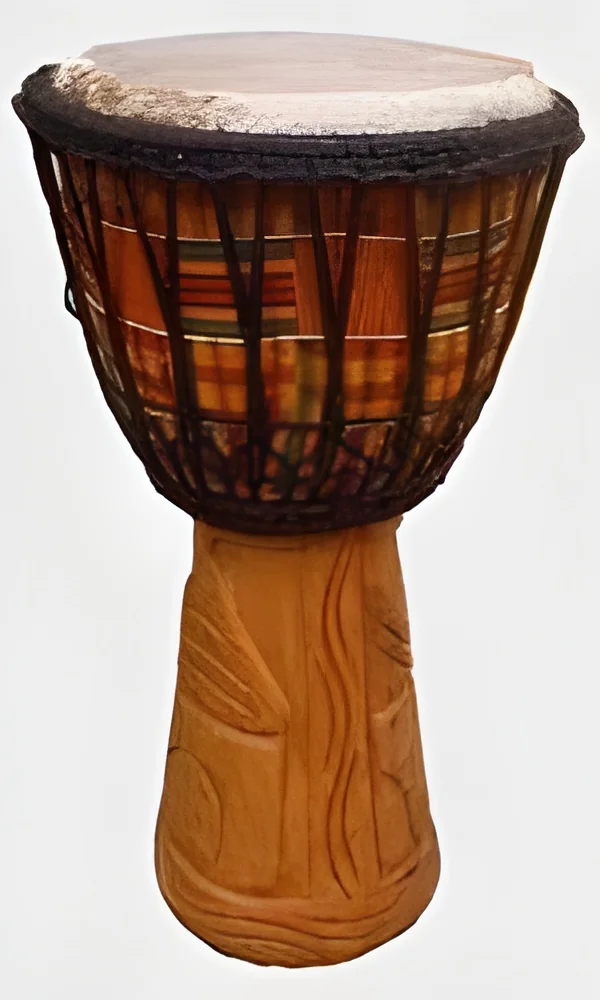
The Djembe is a versatile drum that can be played in both solo and group settings. Its unique goblet shape allows for a wide range of tones, making it ideal for various musical genres, including African, jazz, and world music. The Djembe is typically played with bare hands, allowing for dynamic sound modulation.
Conga
Congas are cylindrical drums that are popular in Latin music. They come in different sizes, each producing distinct tones. Typically, congas are played in sets, providing a rich, layered sound. Musicians use both hands to create intricate rhythms, making them a staple in bands and orchestras.
Tabla
The Tabla consists of two hand-played drums, each producing different pitches. It is a central instrument in Indian classical music and offers great versatility in rhythm patterns. The Tabla's ability to produce intricate and nuanced sounds makes it essential for both traditional performances and contemporary fusion music.
Benefits and Advantages
Investing in percussion instruments such as Djembe, Conga, and Tabla brings numerous advantages to businesses and musicians alike.
1. Versatility: These instruments can be used across various musical genres and settings, making them suitable for diverse applications.
2. Cultural Significance: They serve as important cultural symbols, enhancing the authenticity of musical performances and educational programs.
3. High Demand: The growing interest in world music and cultural integration increases the market demand for these instruments.
4. Easy to Learn: Many percussion instruments are accessible to beginners, making them ideal for educational purposes and community engagement.
5. Quality Craftsmanship: Well-crafted instruments provide superior sound quality and durability, ensuring long-term use and satisfaction.
6. Customization Potential: The ability to customize these instruments allows businesses to cater to specific market preferences and needs.
Buying Guide for B2B Buyers
When sourcing percussion instruments such as Djembe, Conga, and Tabla, businesses should consider several key factors to ensure they make informed purchasing decisions.
1. Quality Assessment: Look for instruments made from high-quality materials that ensure durability and sound integrity. Pay attention to craftsmanship details, such as finishing and assembly.
2. Supplier Verification: Vet suppliers by checking their credentials, customer reviews, and history in the industry. A reliable supplier should provide transparent information about their products.
3. Pricing and MOQ: Understand the pricing structure and minimum order quantities offered by suppliers. Compare prices across different providers to ensure competitive pricing.
4. Delivery and Lead Times: Discuss logistics with suppliers, including shipping options and lead times. Timely delivery is crucial for businesses planning events or performances.
5. Compliance Requirements: Ensure that the products meet any regional or industry-specific regulations, including safety standards and certifications like CE.
Compliance and Certifications
Compliance and certification are vital in the percussion instrument industry to ensure quality and safety standards are met. Adhering to relevant quality standards, such as ISO 9001, helps manufacturers maintain consistent quality in their production processes.
Certificates like CE demonstrate that the products meet European safety, health, and environmental requirements. This is particularly important for businesses exporting instruments to different regions, as compliance with local regulations can affect market access.
Furthermore, manufacturers should consider safety and testing requirements to ensure their products are safe for all users. This includes examining materials for toxicity and ensuring that the construction of the instruments meets durability standards. Regional compliance considerations may vary, so understanding local regulations is essential for businesses operating in multiple markets.
Why Source Percussion Instruments (Djembe, Conga, Tabla) from Pepagora?
Pepagora offers a reliable platform for sourcing percussion instruments like Djembe, Conga, and Tabla, catering to the needs of B2B buyers. One of the key advantages is the verified supplier network, which ensures that buyers can connect with reputable manufacturers who adhere to quality standards.
The streamlined RFQ process simplifies obtaining quotes and comparing offers, enabling businesses to make informed purchasing decisions quickly. This efficient system saves time and resources, allowing buyers to focus on selecting the right products for their needs.
Trade assurance and support provided by Pepagora further enhance buyer protection. This includes secure transactions and responsive customer service, ensuring that businesses have the support they need throughout the procurement process.
Additionally, Pepagora's regional coverage extends across India, the GCC, and Southeast Asia, allowing businesses to source instruments from a wide geographical area. This broad reach helps buyers find the best products suited to their specific markets and customer demands.


Frequently Asked Questions
What are Percussion Instruments (Djembe, Conga, Tabla)?
Percussion instruments are musical instruments that produce sound when struck, shaken, or scraped. The Djembe, Conga, and Tabla are specific types of percussion instruments originating from different cultures. The Djembe is a goblet drum from West Africa, the Conga is a tall, narrow, single-headed drum from Cuba, and the Tabla consists of two hand-played drums from India.
What are the different types of Percussion Instruments (Djembe, Conga, Tabla)?
The main types of percussion instruments in this category include the Djembe, Conga, and Tabla. Additionally, there are variations such as the dundun and balafon associated with the Djembe, different sizes of Congas, and various styles of Tabla. Each type has unique playing techniques and cultural significance.
How do I choose the right Percussion Instruments (Djembe, Conga, Tabla)?
Choosing the right percussion instrument involves considering factors such as sound quality, material, size, and playing style. It is also important to think about the music genre you intend to play and whether you prefer traditional or modern designs. Testing different instruments and consulting with experienced players can also help in making an informed decision.
What are the standard specifications for Percussion Instruments (Djembe, Conga, Tabla)?
Standard specifications vary by instrument type. Generally, Djembes have a diameter ranging from 10 to 14 inches and are typically made from wood and animal skin. Congas usually range from 10 to 14 inches in diameter and are constructed from wood or fiberglass, while Tablas consist of a smaller drum (dayan) and a larger drum (bayan), each with specific dimensions regarding diameter and depth.
What is the price range for Percussion Instruments (Djembe, Conga, Tabla)?
The price range for percussion instruments like the Djembe, Conga, and Tabla can vary widely based on quality, brand, and materials used. Generally, you can find Djembes starting from around ₹3,000 to ₹15,000, Congas ranging from ₹5,000 to ₹25,000, and Tablas varying from ₹4,000 to ₹20,000. Higher-end models with intricate craftsmanship may cost more.
What quality standards apply to Percussion Instruments (Djembe, Conga, Tabla)?
Quality standards for percussion instruments are typically based on the materials used and the craftsmanship involved in production. Instruments should be durable, produce clear and resonant sounds, and have a well-finished surface. It's also important for the skins used (animal or synthetic) to be of high quality to ensure good tonal characteristics.
Where can I find Percussion Instruments (Djembe, Conga, Tabla) suppliers in India?
You can find suppliers of percussion instruments in India through various channels, including online marketplaces like Pepagora.com, music stores, and specialty instrument shops. Additionally, attending music festivals and cultural events can connect you with local artisans and manufacturers. Online directories can also provide leads on reputable suppliers.
Can Percussion Instruments (Djembe, Conga, Tabla) be customized?
Yes, many manufacturers offer customization options for percussion instruments. Customizations can include size adjustments, material selection, and personalized designs or engravings. It is advisable to discuss your specific requirements with suppliers to explore available customization options.
What is the typical minimum order quantity for Percussion Instruments (Djembe, Conga, Tabla)?
The typical minimum order quantity (MOQ) for percussion instruments can vary by supplier and type of instrument. Generally, MOQs can range from 5 to 20 units, depending on the manufacturer. It is best to check with individual suppliers for their specific MOQ requirements.
What is the typical lead time for Percussion Instruments (Djembe, Conga, Tabla)?
The typical lead time for percussion instruments can vary based on factors such as the type of instrument, customization requests, and supplier location. Generally, lead times can range from 2 to 8 weeks. It is advisable to confirm lead times with suppliers when placing an order to ensure timely delivery.
Why Businesses Trust Pepagora
Thousands of companies trust Pepagora to source smarter and sell faster
Expand Your Sales Globally

Source Smarter,Grow Faster
