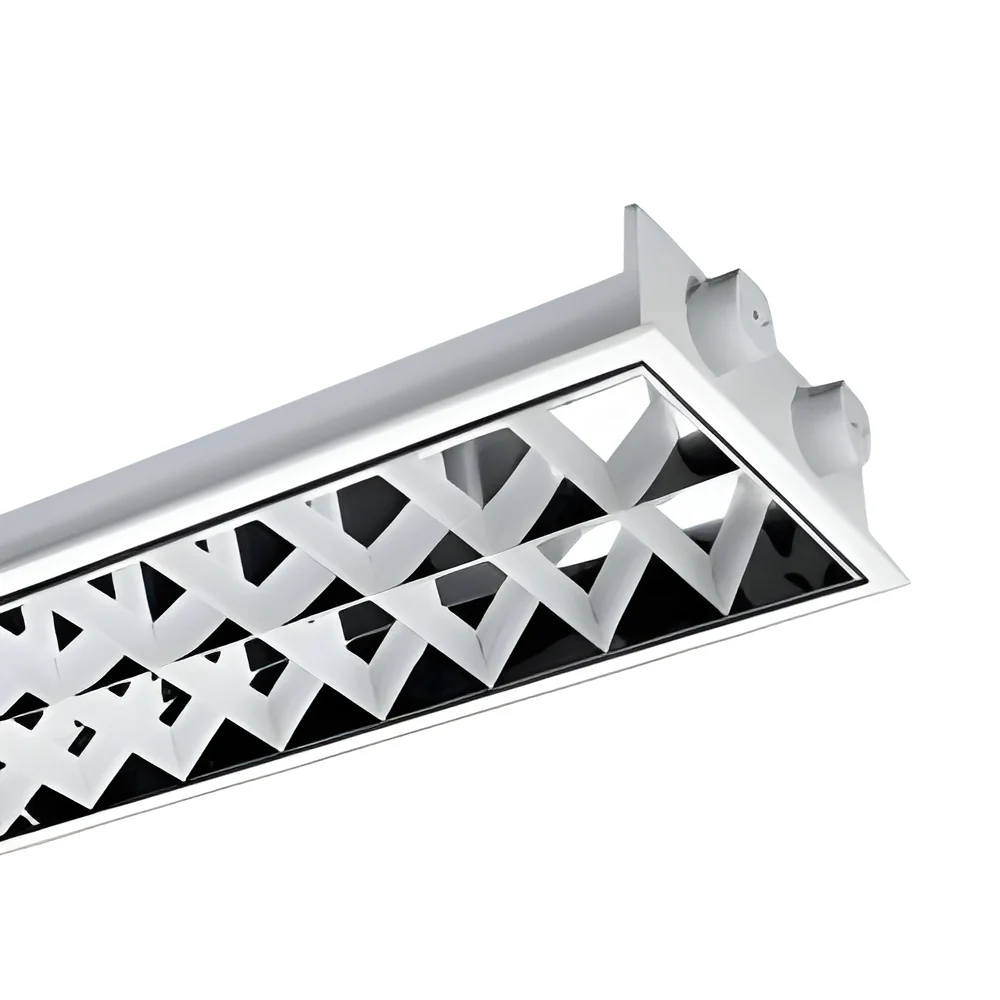
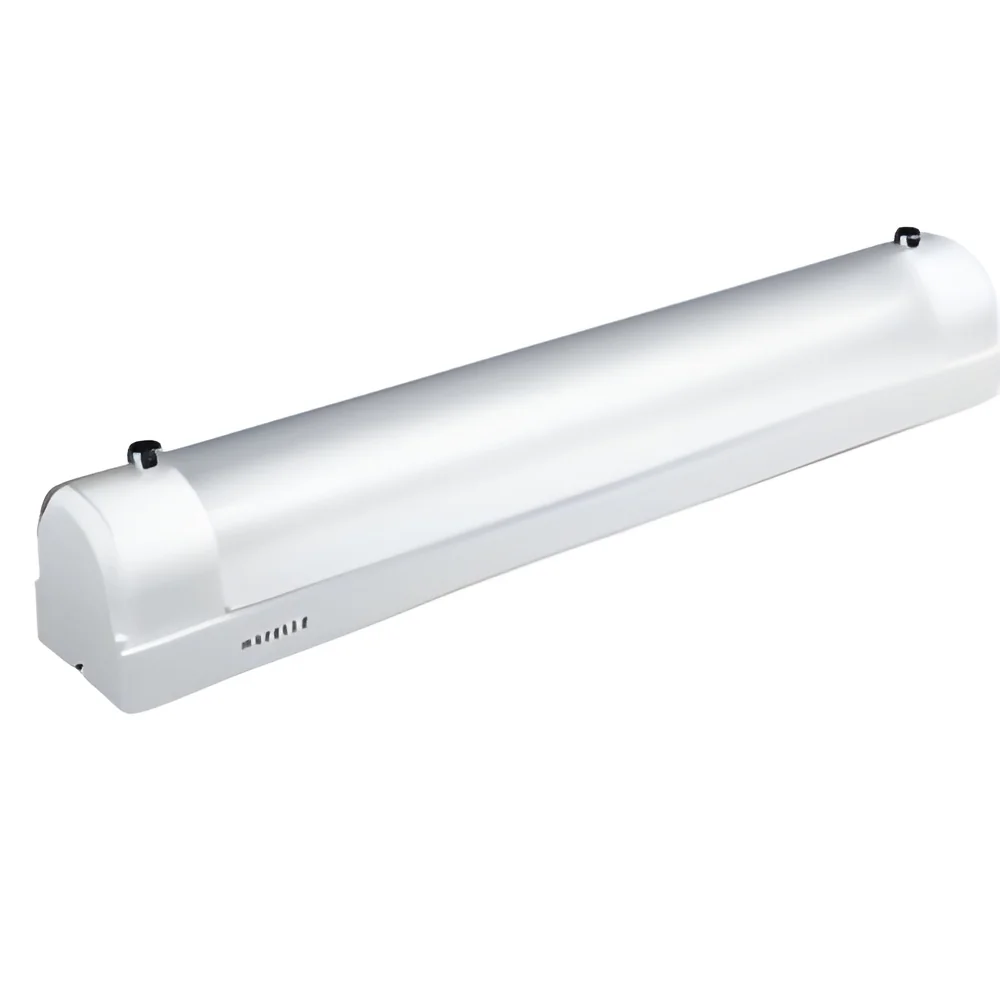
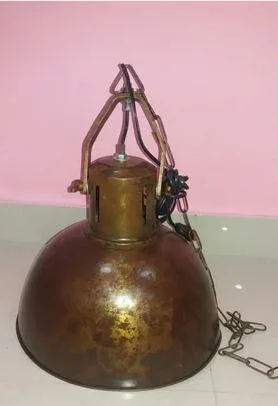
What are Pendant Lights?
Pendant lights are a popular type of lighting fixture that hangs from the ceiling, typically suspended by a cord, chain, or rod. They come in various styles, sizes, and designs, making them versatile for both functional and decorative purposes. Pendant lights are designed to illuminate specific areas or tasks, often used in commercial spaces such as restaurants, offices, and retail environments. Their unique designs can also enhance the aesthetic appeal of a space.
In business applications, pendant lights serve both practical and design functions. They provide focused lighting for workspaces, dining areas, and display spaces, while also contributing to the overall interior design. Industries such as hospitality, retail, and corporate offices frequently utilize pendant lighting to create an inviting atmosphere. The market for pendant lights continues to grow, driven by trends in interior design and the increasing demand for stylish yet functional lighting solutions.
Key Features and Specifications
Pendant lights offer a range of features to meet various lighting needs. Understanding these specifications is crucial for selecting the right product for your business.
Key specifications include:
1. Design Style
- Available in various styles such as modern, industrial, vintage, and minimalist.
- Each style serves different aesthetic preferences and design themes.
2. Mounting Type
- Options include ceiling-mounted, adjustable-height, and fixed-height designs.
- Adjustable options allow for flexibility in installation and use.
3. Bulb Type
- Compatible with LED, incandescent, halogen, and fluorescent bulbs.
- Different bulb types offer varying levels of brightness and energy efficiency.
4. Light Output
- Measured in lumens, indicating the brightness of the light.
- Common ranges from 200 to 1,600 lumens depending on the application.
5. Energy Efficiency
- Ratings vary based on bulb type and design.
- LED options typically offer the highest energy savings.
6. Size Dimensions
- Available in a range of diameters and heights to suit different spaces.
- Common sizes include small (under 12 inches), medium (12-24 inches), and large (over 24 inches).
7. Material Composition
- Common materials include glass, metal, and plastic.
- Each material offers distinct durability and design characteristics.
8. Voltage Compatibility
- Typically available in standard voltages such as 120V or 240V.
- Important to match with existing electrical systems.
In summary, pendant lights provide various features that cater to diverse business needs, combining functionality with aesthetic appeal.
Common Applications and Use Cases
Pendant lights are utilized across multiple industries, each with unique applications.
1. Hospitality: In restaurants and cafes, pendant lights enhance ambiance while providing adequate lighting for dining areas.
2. Retail: Retailers use pendant lights to highlight merchandise and create an inviting shopping environment.
3. Office Spaces: In corporate settings, pendant lights can improve workspace illumination and contribute to a modern aesthetic.
4. Educational Institutions: Classrooms and lecture halls benefit from pendant lighting for focused illumination.
5. Healthcare Facilities: Pendant lights are used in waiting rooms and patient areas to create a calming atmosphere.
6. Residential: Homeowners frequently use pendant lights in kitchens and dining rooms as both functional and decorative elements.
7. Event Spaces: Pendant lighting can be strategically placed to enhance the mood at events and gatherings.
Product Variants and Subcategories
Pendant lights come in various designs to suit different needs and preferences.
Industrial Pendant Lights
These fixtures typically feature raw materials like metal and glass, ideal for creating an urban, industrial look. They are often used in lofts and modern cafes.
Chandelier Pendant Lights
Featuring multiple arms and decorative elements, chandelier pendant lights add elegance to spaces such as dining rooms and ballrooms.
Mini Pendant Lights
Smaller in size, these fixtures work well in clusters or as accent lighting in kitchens and bar areas.
Drum Pendant Lights
Characterized by their cylindrical shape, drum pendant lights offer a soft, diffused light, suitable for both residential and commercial spaces.
Benefits and Advantages
Choosing pendant lights provides several advantages for businesses.
1. Versatility: Pendant lights can be used in various settings and applications, making them suitable for diverse environments.
2. Aesthetic Appeal: With a wide range of designs, pendant lights can enhance the visual appeal of any space.
3. Focused Lighting: They provide targeted illumination, improving visibility in specific areas.
4. Energy Efficiency: Many options are available with energy-saving features, reducing operational costs.
5. Easy Installation: Pendant lights typically have straightforward installation processes, minimizing downtime during setup.
6. Customization Options: Businesses can select from a variety of styles, sizes, and finishes to match their branding and interior design.
Buying Guide for B2B Buyers
When sourcing pendant lights, it is crucial to consider several factors to ensure optimal selection.
1. Quality Assessment: Evaluate the materials and craftsmanship to ensure durability and longevity of the fixtures. Look for reliable manufacturers with a history of producing high-quality products.
2. Supplier Verification: Vet suppliers to confirm their credibility and reputation in the market. Check for reviews and certifications to ensure they meet industry standards.
3. Pricing and MOQ: Understand the pricing structure and minimum order quantities (MOQ) to align with your budget and inventory needs.
4. Delivery and Lead Times: Inquire about shipping options and lead times to ensure timely delivery, especially for large projects.
5. Compliance Requirements: Be aware of relevant regulations and standards that apply to pendant lights in your region, ensuring that products meet safety and quality requirements.
Compliance and Certifications
Compliance is vital in the production and sale of pendant lights. Key quality standards such as ISO 9001 ensure that manufacturers maintain high levels of quality management. Additionally, industry certifications like CE indicate that products meet European safety requirements.
Safety and testing standards are essential in ensuring that pendant lights are safe for use. This can include electrical safety tests and material certifications to prevent hazards. Regional compliance considerations may vary, so it is important to stay informed about local regulations regarding lighting products.
Why Source Pendant Lights from Pepagora?
Pepagora offers a reliable platform for sourcing pendant lights, providing several key advantages for businesses.
Verified Supplier Network: Our platform hosts a network of verified suppliers, ensuring that buyers have access to quality products and reputable manufacturers.
Streamlined RFQ Process: We facilitate a streamlined request-for-quotation (RFQ) process, allowing buyers to easily compare offers and make informed purchasing decisions.
Trade Assurance and Support: Our trade assurance program protects buyers by offering support throughout the transaction process, ensuring satisfaction and confidence in their purchases.
Regional Coverage: Pepagora serves markets across India, the GCC, and Southeast Asia, offering a wide range of pendant lighting options to meet diverse regional needs.

 IN
IN