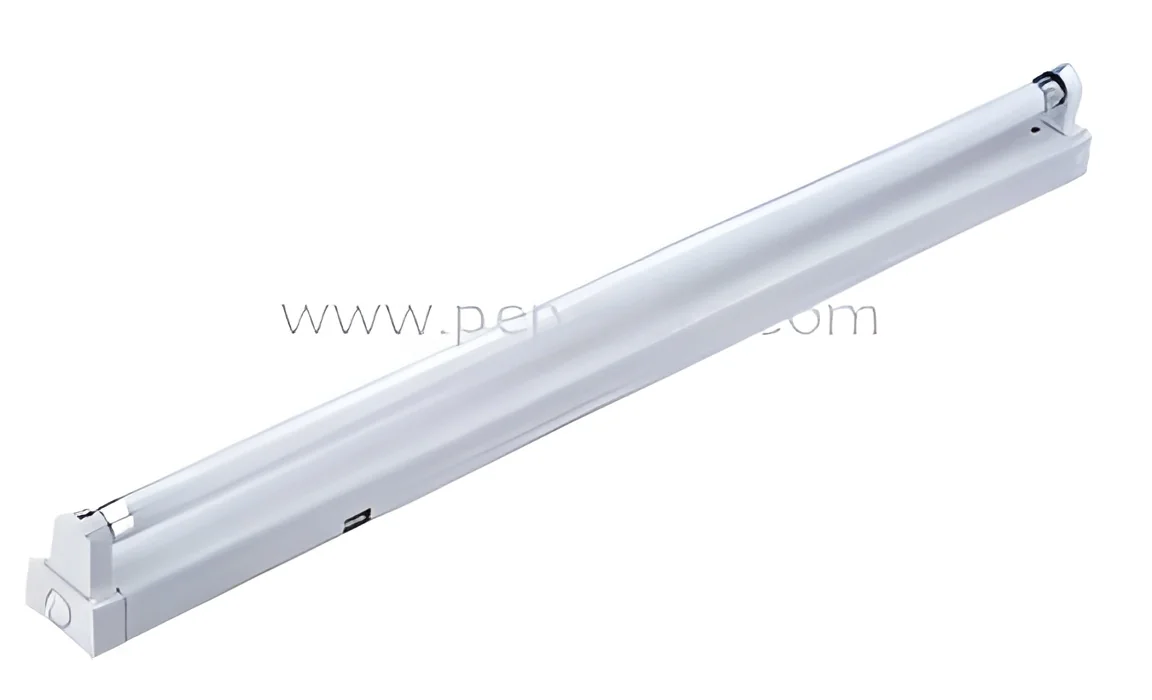
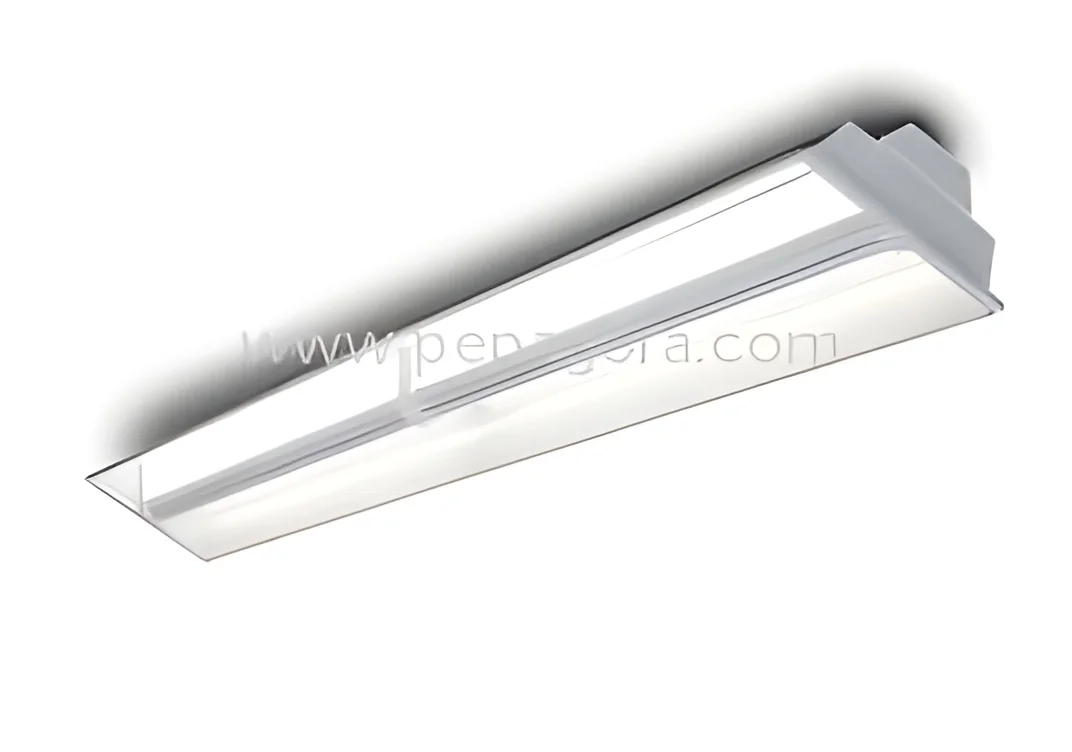
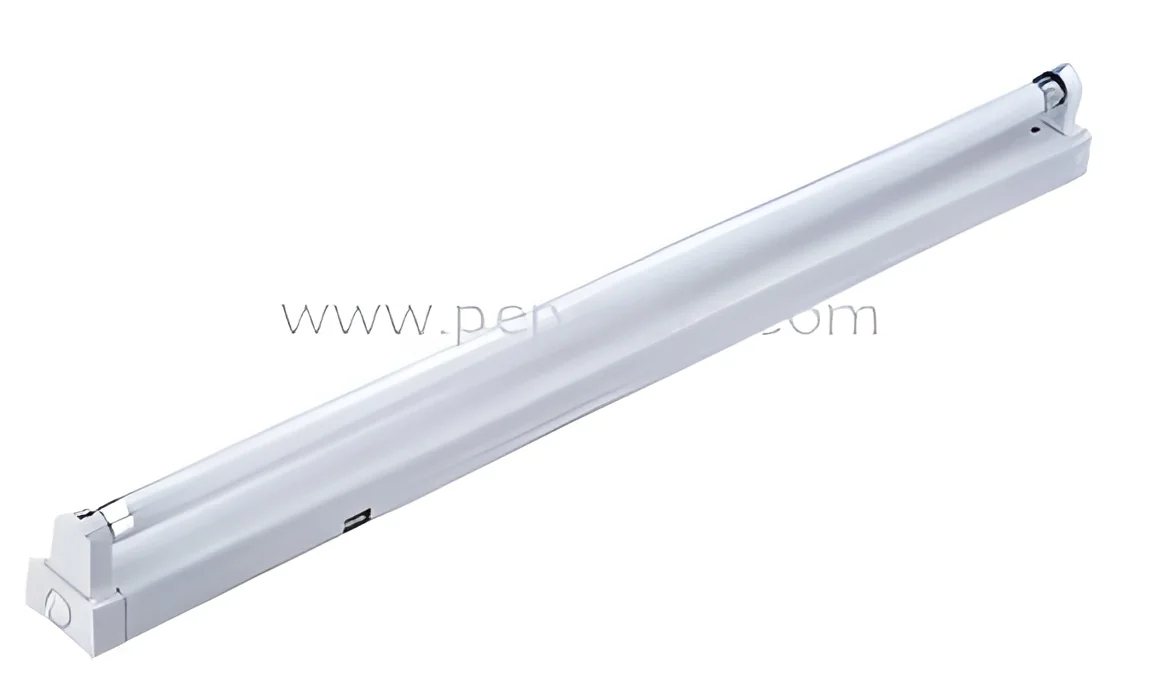
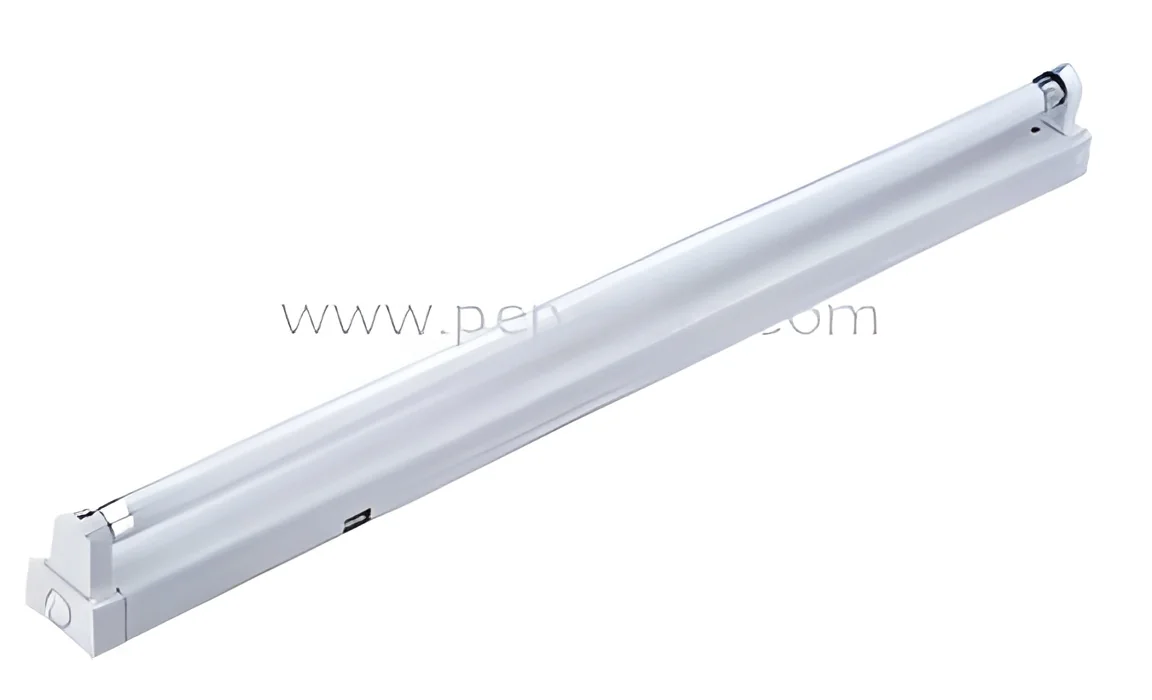
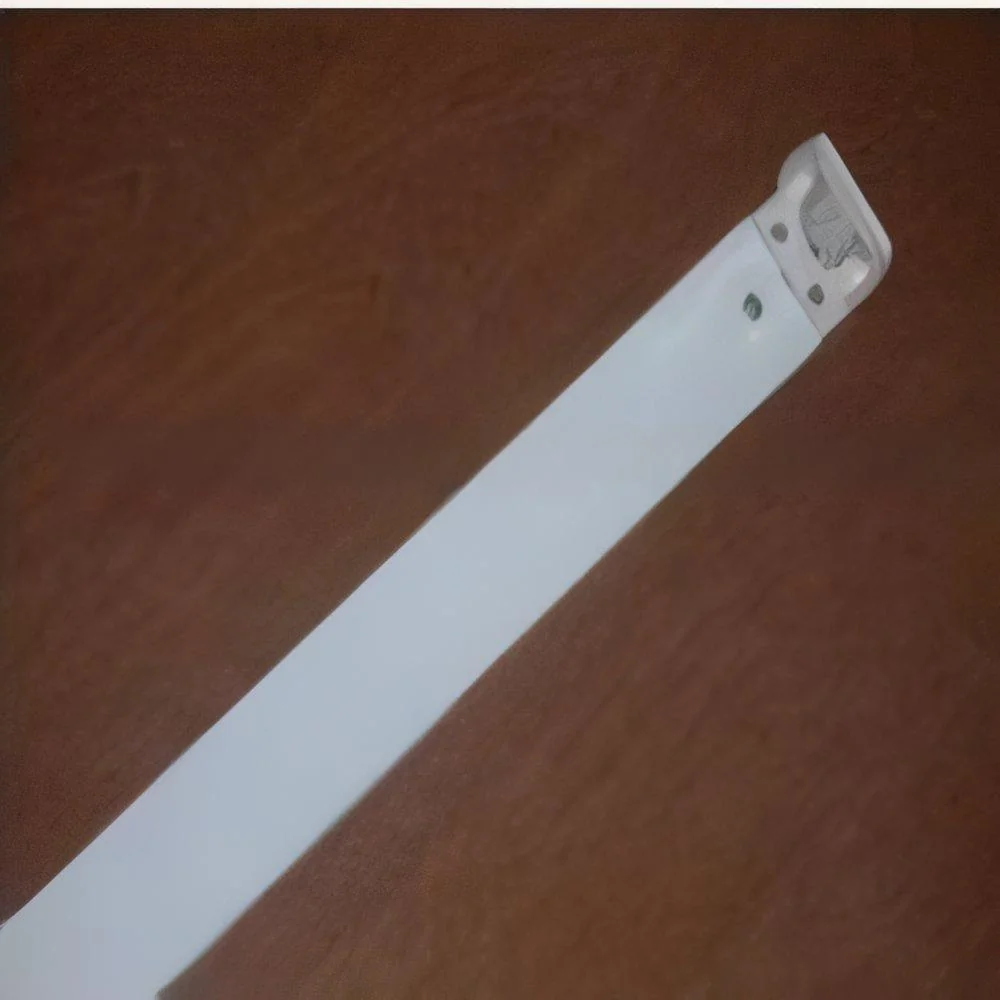
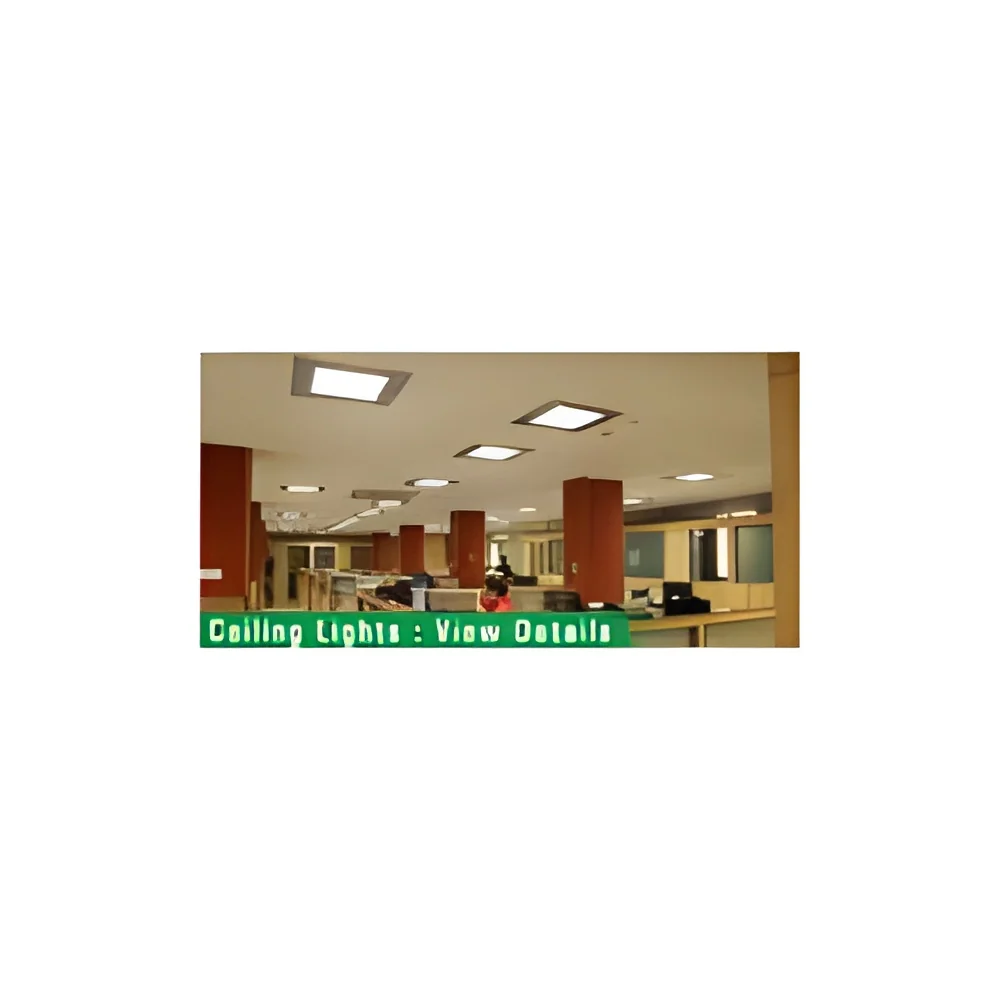
What are Ceiling Lights?
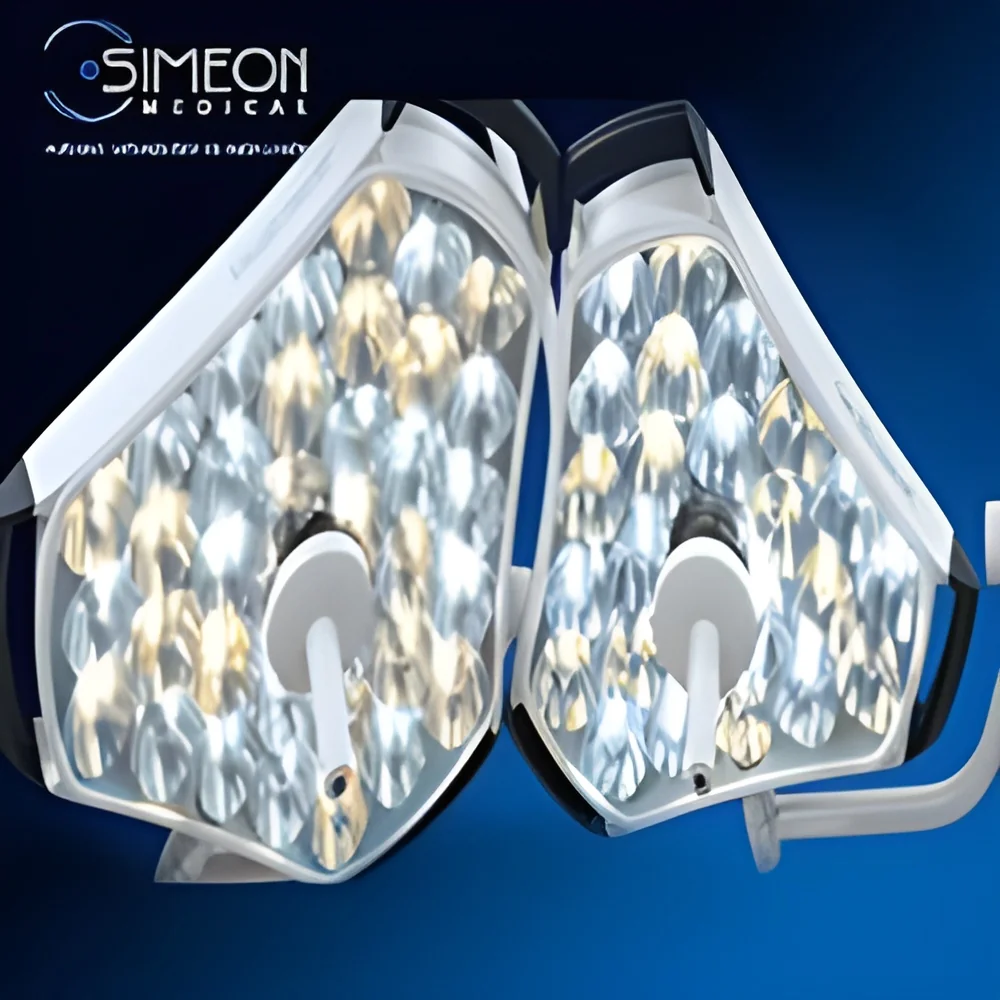
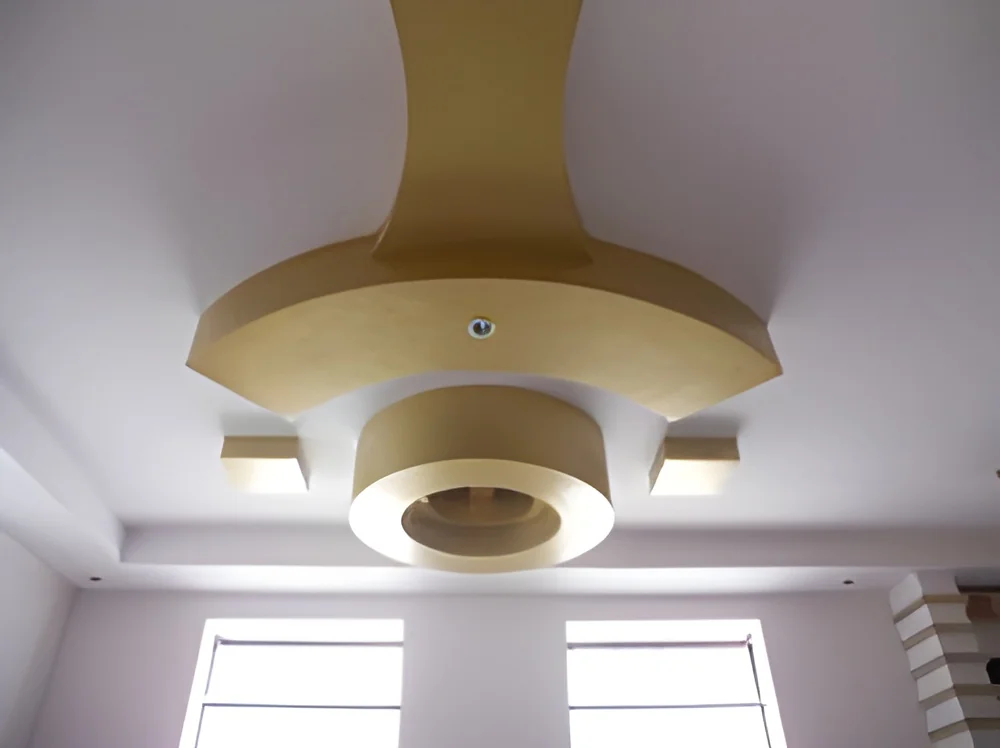
Ceiling lights are essential fixtures used to illuminate spaces from the overhead area of a room. They provide general lighting that is distributed evenly throughout the space, making them ideal for various environments. These fixtures come in a multitude of styles, sizes, and designs, allowing businesses to select options that align with their aesthetic and functional needs.
In commercial and industrial settings, ceiling lights are utilized in offices, warehouses, retail spaces, and manufacturing facilities. They enhance visibility and safety while also contributing to the overall ambiance of a space. The versatility of ceiling lights makes them suitable for both functional and decorative purposes, addressing the specific lighting requirements of different industries.
The market for ceiling lights is characterized by a growing demand for energy-efficient solutions and smart lighting technologies. As businesses seek to reduce operational costs and improve sustainability, ceiling lights equipped with LED technology are becoming increasingly popular. This trend reflects the broader shift towards environmentally friendly products across the industrial sector.
Key Features and Specifications
Ceiling lights offer a range of features and specifications that cater to various application needs. Understanding these specifications is crucial for selecting the right product for your business.
Key specifications include:
1. Light Source Type
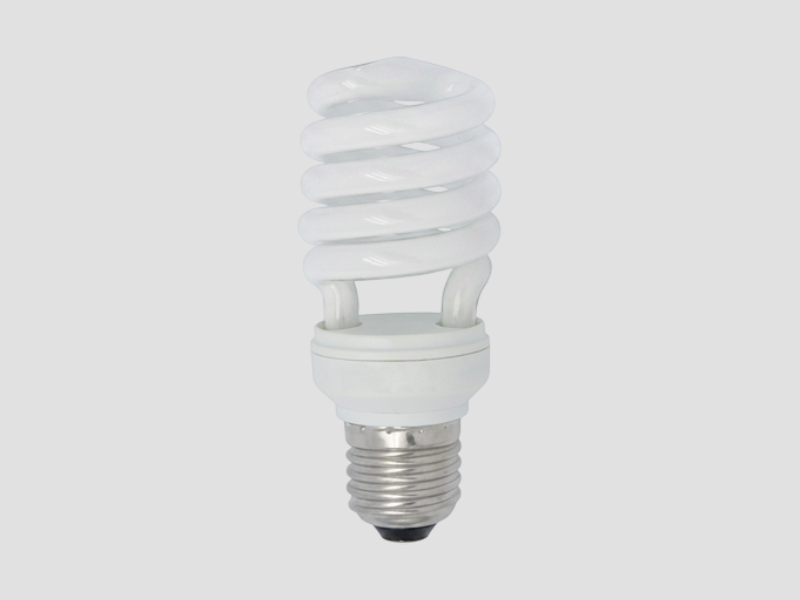
- Options include LED, fluorescent, incandescent, and halogen.
- Each type has varying energy efficiencies and lifespans.
2. Wattage
- Indicates the energy consumption of the fixture.
- Common ranges include 10 to 60 watts for residential and commercial applications.
3. Lumens Output
- Measures the brightness of the light.
- Typical outputs range from 800 to 5000 lumens depending on the application.
4. Color Temperature
- Expressed in Kelvin (K), indicating the warmth or coolness of the light.
- Common ranges are 2700K to 6500K for different atmospheres.
5. Fixture Size and Design
- Available in various shapes, including flush mounts, pendants, and chandeliers.
- Size selection impacts the lighting distribution and aesthetics.
6. Dimming Capability
- Some ceiling lights offer dimming features for adjustable brightness.
- Consider compatibility with dimmer switches.
7. Installation Type
- Options include recessed, surface-mounted, or hanging designs.
- Installation type affects the overall appearance and light distribution.
8. Compliance and Certifications
- Many ceiling lights are certified for safety and efficiency, such as CE marking.
- Ensures adherence to industry standards.
A comprehensive understanding of these specifications allows businesses to make informed decisions when choosing ceiling lights.
Common Applications and Use Cases
Ceiling lights are utilized across a broad spectrum of industries, each with specific requirements.
1. Office Spaces: Ceiling lights in offices enhance productivity by providing sufficient illumination for workstations while creating a professional atmosphere.
2. Retail Stores: In retail environments, ceiling lights highlight merchandise and create appealing displays that attract customers.
3. Warehouses: High-bay ceiling lights are commonly used in warehouses to ensure safety and visibility in large open areas.
4. Educational Institutions: Schools and universities benefit from ceiling lights that provide even lighting in classrooms and lecture halls.
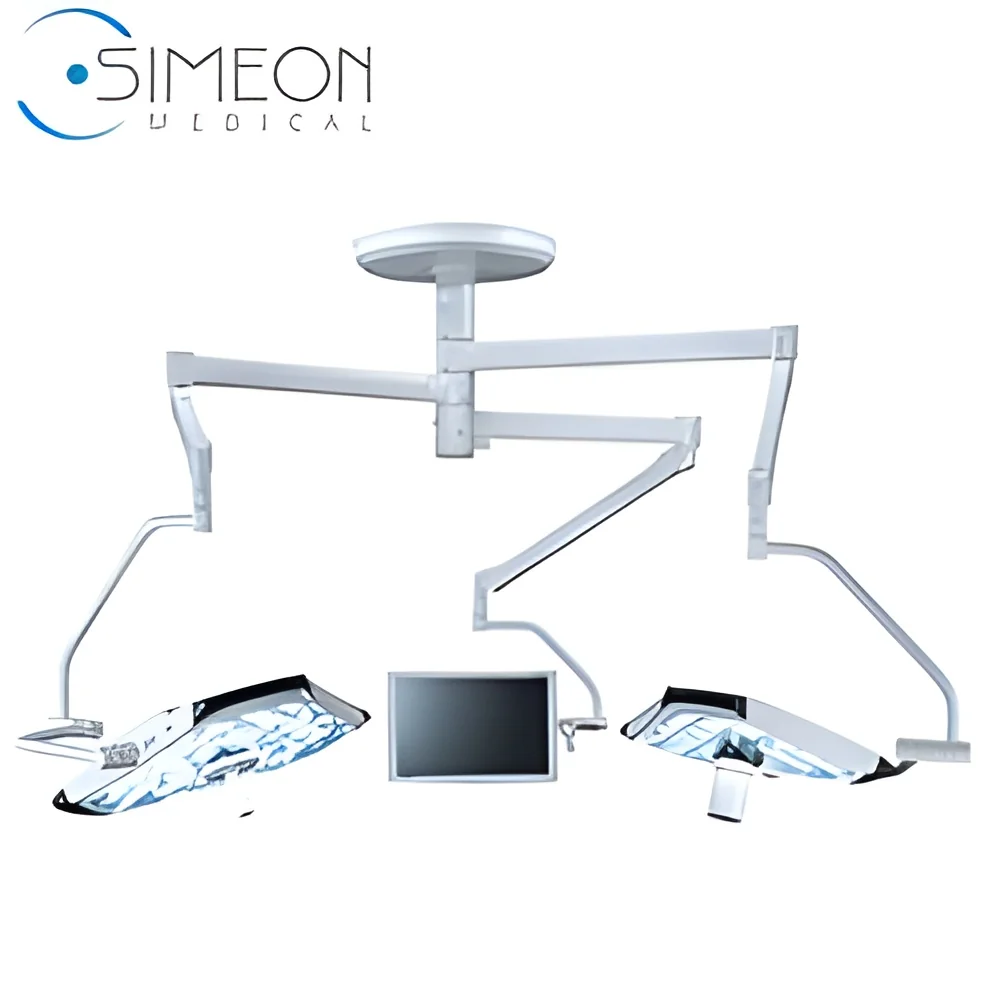
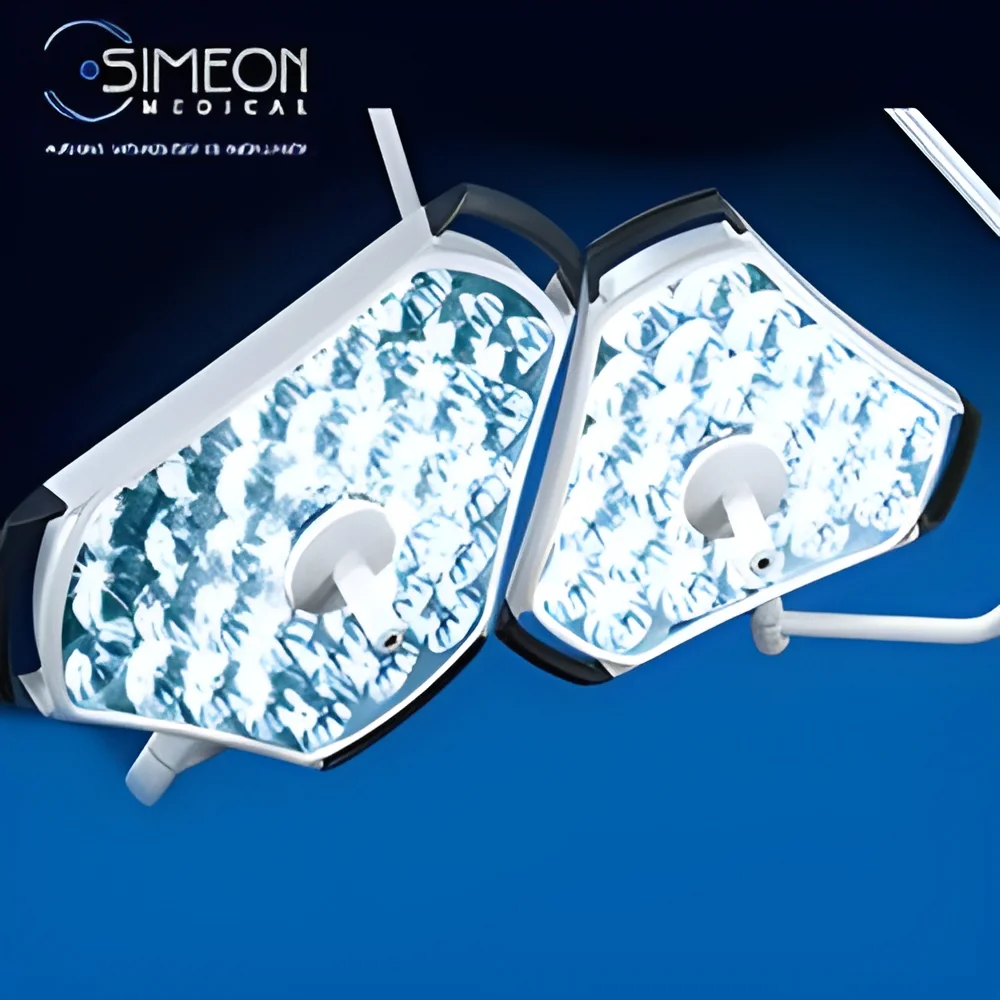
5. Healthcare Facilities: Ceiling lights in hospitals and clinics are designed to meet strict safety and hygiene standards while providing adequate lighting for medical procedures.
6. Hospitality: Restaurants and hotels use decorative ceiling lights to create inviting atmospheres for their guests.
7. Industrial Applications: Factories utilize ceiling lights to ensure operational safety and efficiency in production areas.
Product Variants and Subcategories
Ceiling lights come in various forms and configurations to serve diverse needs.
Flush Mount Lights
These fixtures sit directly against the ceiling, offering a sleek appearance and efficient lighting for low ceilings. They are commonly used in hallways and small rooms.
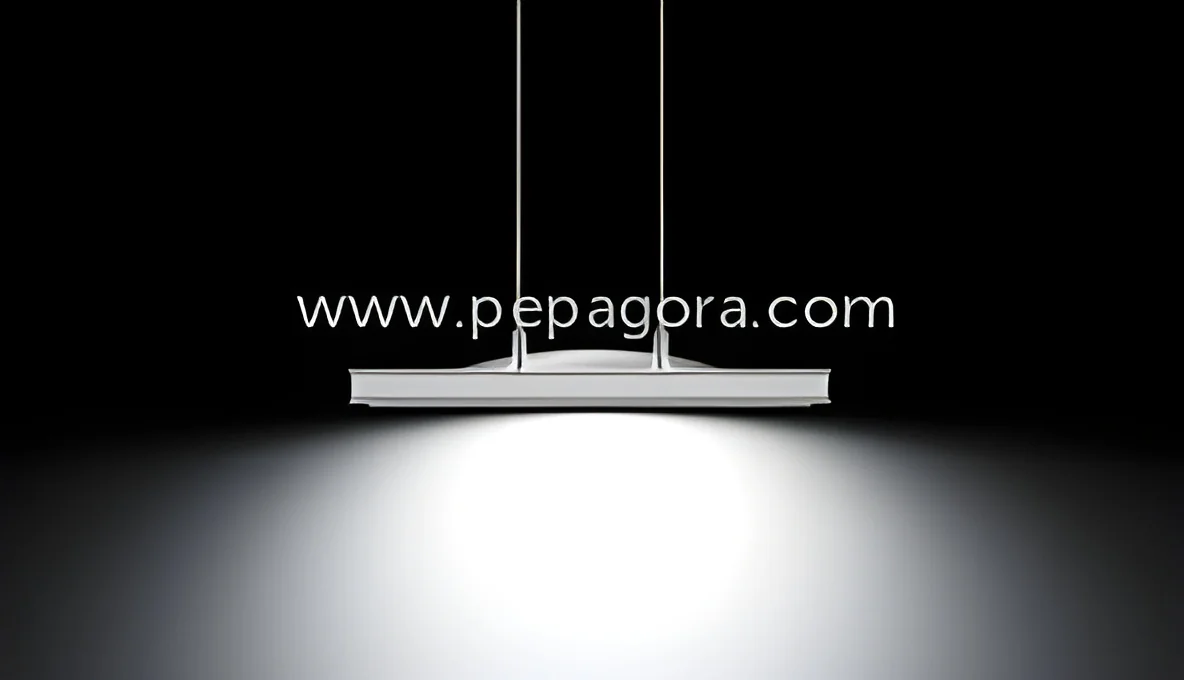
Pendant Lights
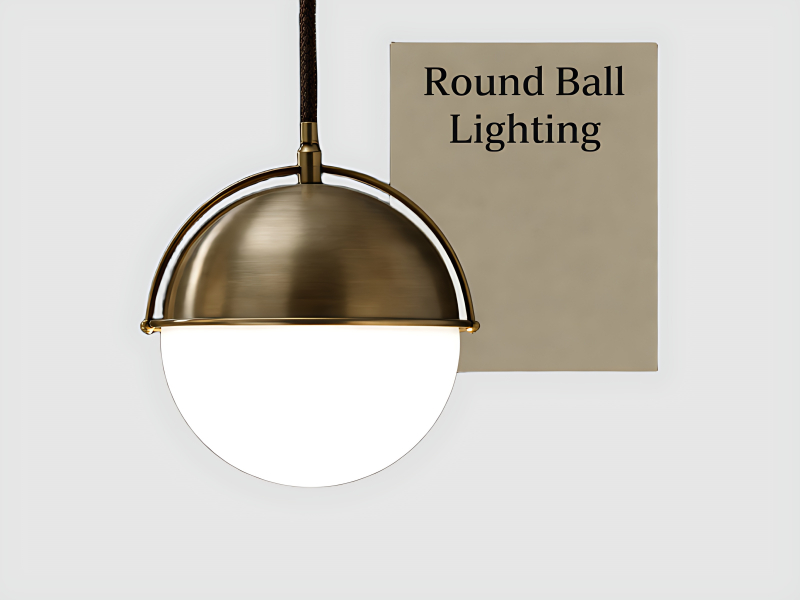
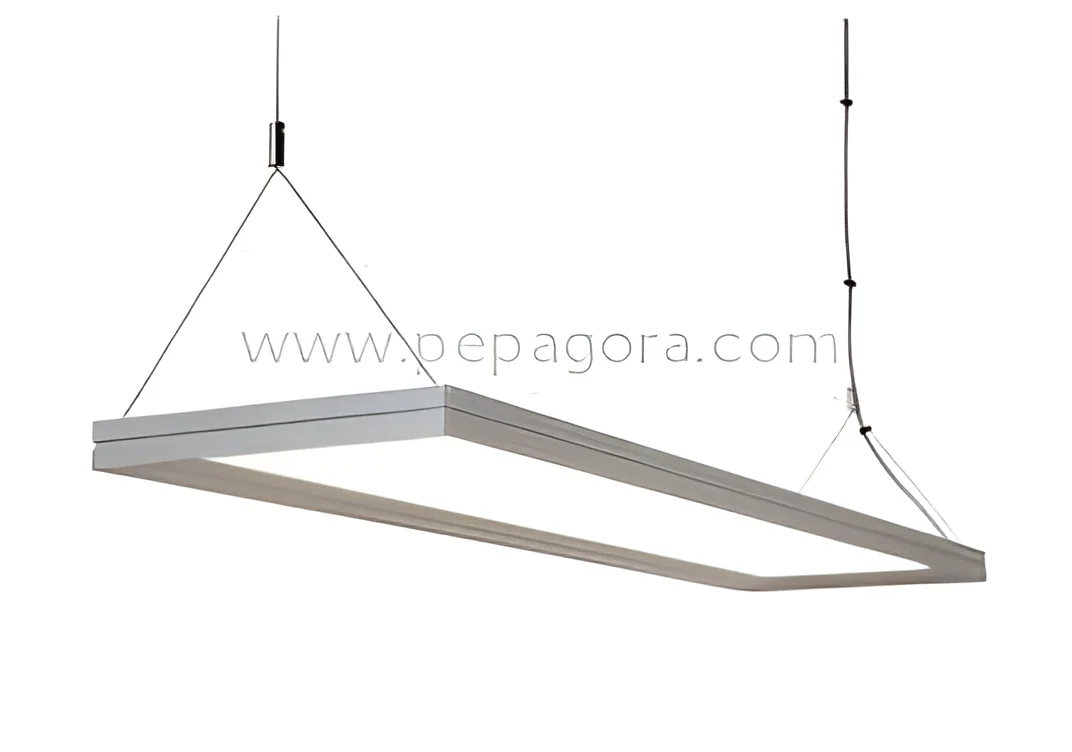
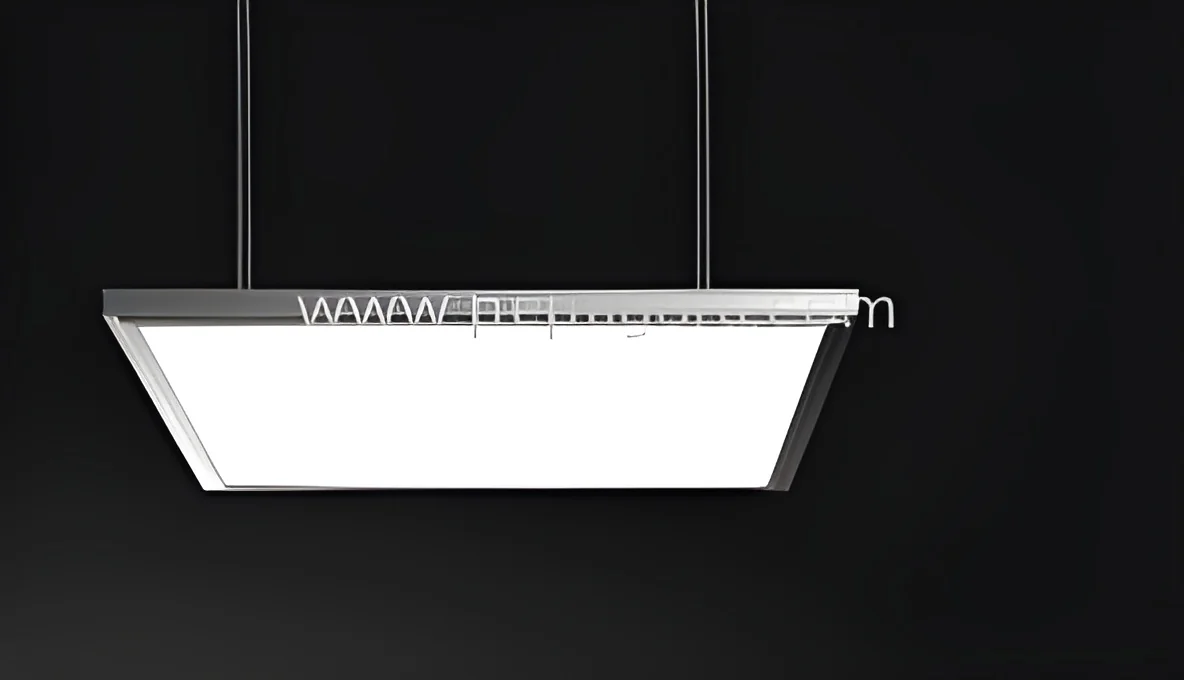
Hanging from the ceiling, pendant lights provide focused lighting ideal for dining areas or workspaces. They come in various designs and styles to enhance interior decor.
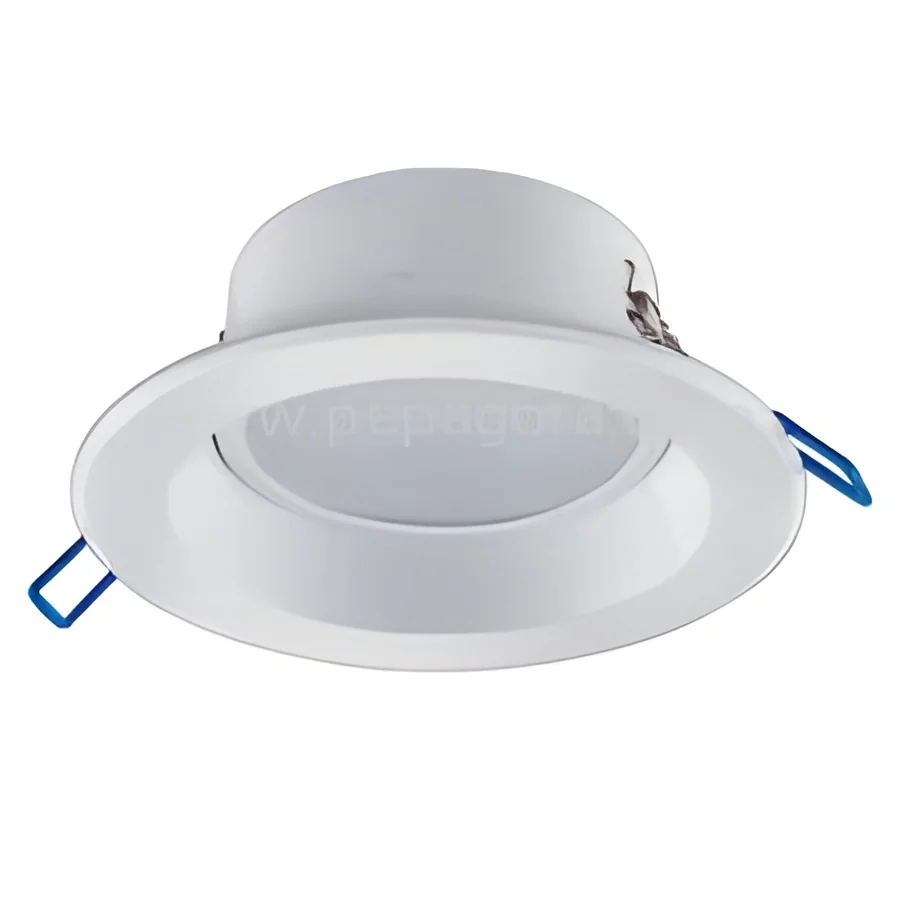
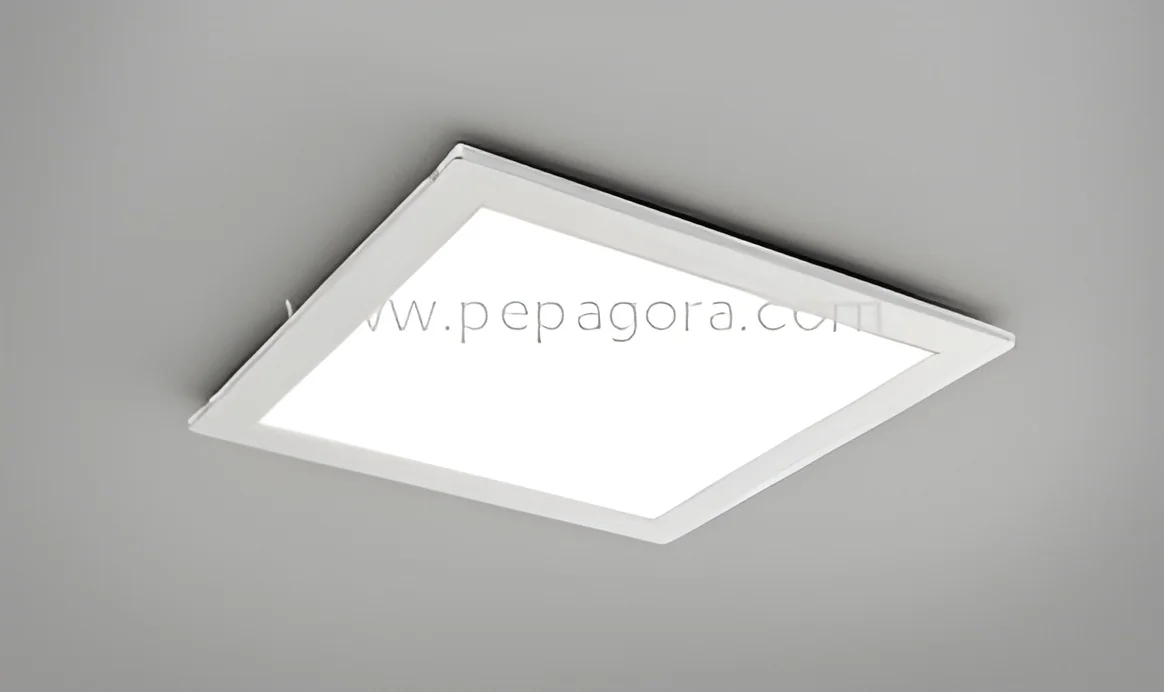
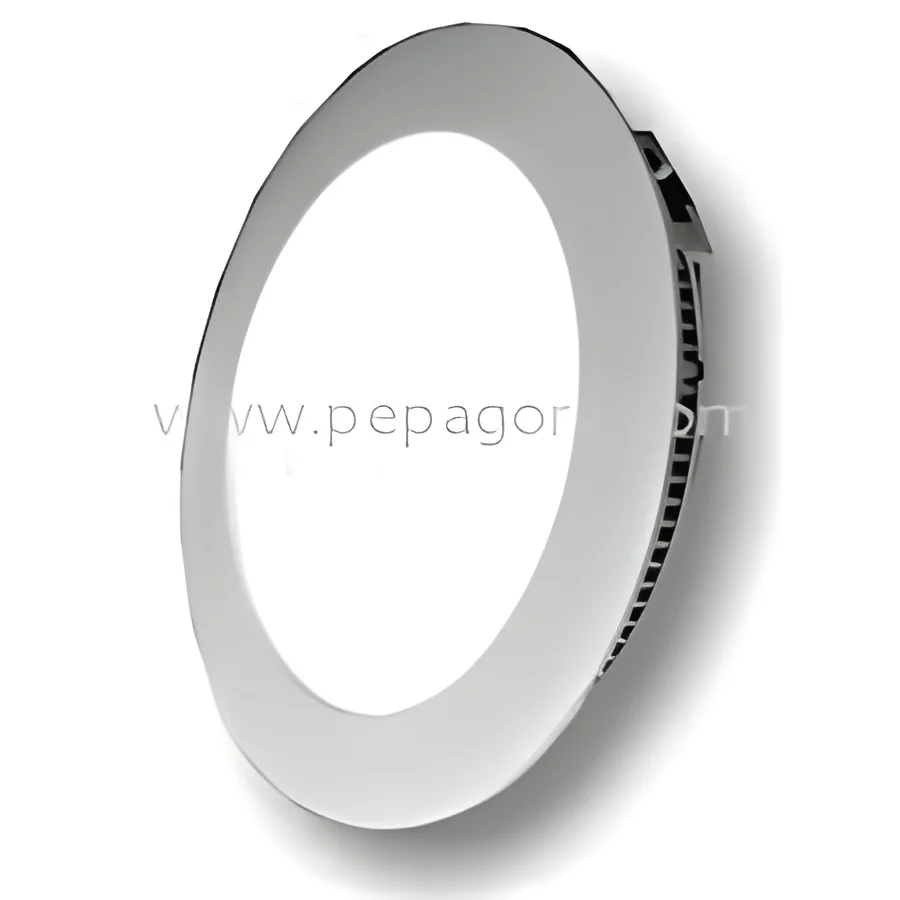
Recessed Lighting
Installed within the ceiling, recessed lights offer a minimalist look while providing effective ambient lighting. They are often used in modern architectural designs.
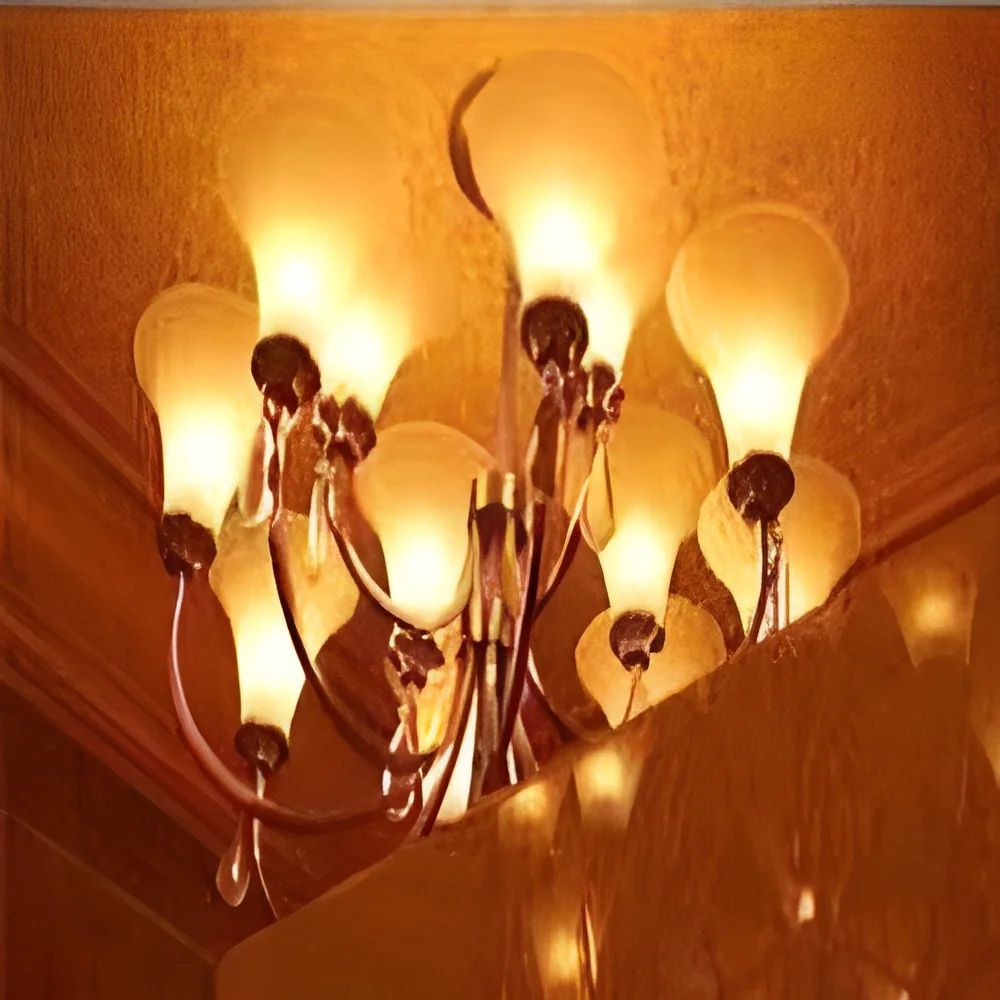
Chandeliers
These decorative fixtures add elegance to spaces such as dining rooms and lobbies. Chandeliers can serve as statement pieces while also providing adequate lighting.
Wall Sconces
Though not ceiling-mounted, wall sconces complement ceiling lights by adding additional illumination and style to rooms, especially in hallways and entryways.
Benefits and Advantages
Ceiling lights offer numerous benefits that enhance their appeal for businesses.
1. Energy Efficiency: Many ceiling lights, particularly LED options, consume less energy, leading to cost savings in electricity bills.
2. Versatility: Available in various styles and designs, ceiling lights can suit diverse aesthetic preferences and functional requirements.
3. Enhanced Safety: Proper lighting helps prevent accidents and improves visibility in workplaces, contributing to a safer environment.
4. Long Lifespan: Quality ceiling lights often have extended lifespans, reducing the frequency of replacements and maintenance.
5. Easy Installation: Many ceiling light fixtures are designed for simple installation, minimizing downtime during setup.
6. Customization Options: Businesses can select specific features and designs to tailor ceiling lights to their unique needs.
Buying Guide for B2B Buyers
When sourcing ceiling lights for commercial or industrial use, several factors should be considered to ensure the right choice.
1. Quality Assessment: Evaluate the materials and construction of the fixtures to ensure durability and performance. Look for reputable brands that adhere to industry standards.
2. Supplier Verification: Ensure that suppliers are credible and have a track record of reliability. Request references and check their certifications.
3. Pricing and MOQ: Understand the pricing structure and minimum order quantities to ensure they align with your budget and project requirements.
4. Delivery and Lead Times: Confirm the expected delivery times to avoid delays in your project schedules. Factor in logistics and transportation considerations.
5. Compliance Requirements: Ensure that the ceiling lights meet local regulations and safety standards. This includes checking for certifications such as CE marking.
Compliance and Certifications
Compliance and certifications play a critical role in ensuring the safety and performance of ceiling lights. Products should adhere to relevant quality standards such as ISO 9001, which focuses on quality management systems. Additionally, certifications like CE indicate compliance with European safety standards, ensuring that products meet essential health and safety requirements.
Testing requirements may include electrical safety tests and durability assessments to guarantee that ceiling lights function effectively under various conditions. It is also important to consider regional compliance, as different markets may have specific regulations governing lighting products. Understanding these requirements helps businesses select ceiling lights that are safe, reliable, and suitable for their intended applications.
Why Source Ceiling Lights from Pepagora?
Pepagora provides a trusted platform for sourcing ceiling lights, offering several key advantages to B2B buyers.
Verified Supplier Network: Our platform connects buyers with a network of verified suppliers, ensuring that you can source high-quality ceiling lights with confidence. Each supplier undergoes a thorough verification process to maintain quality standards.
Streamlined RFQ Process: Pepagora simplifies the quotation process, allowing buyers to request quotes from multiple suppliers quickly. This efficiency helps businesses get competitive pricing and make informed purchasing decisions.
Trade Assurance and Support: We offer trade assurance, providing buyer protection throughout the sourcing process. Our support team is available to assist with any inquiries or issues during your purchasing journey.
Regional Coverage: With a strong presence in India, the GCC, and Southeast Asia, Pepagora enables businesses to access a diverse range of ceiling lights tailored to regional preferences and standards. This geographic reach ensures that you can find the right products for your specific market needs.

 IN
IN