
 IN
Table Lamps
16 products available
What are Table Lamps?
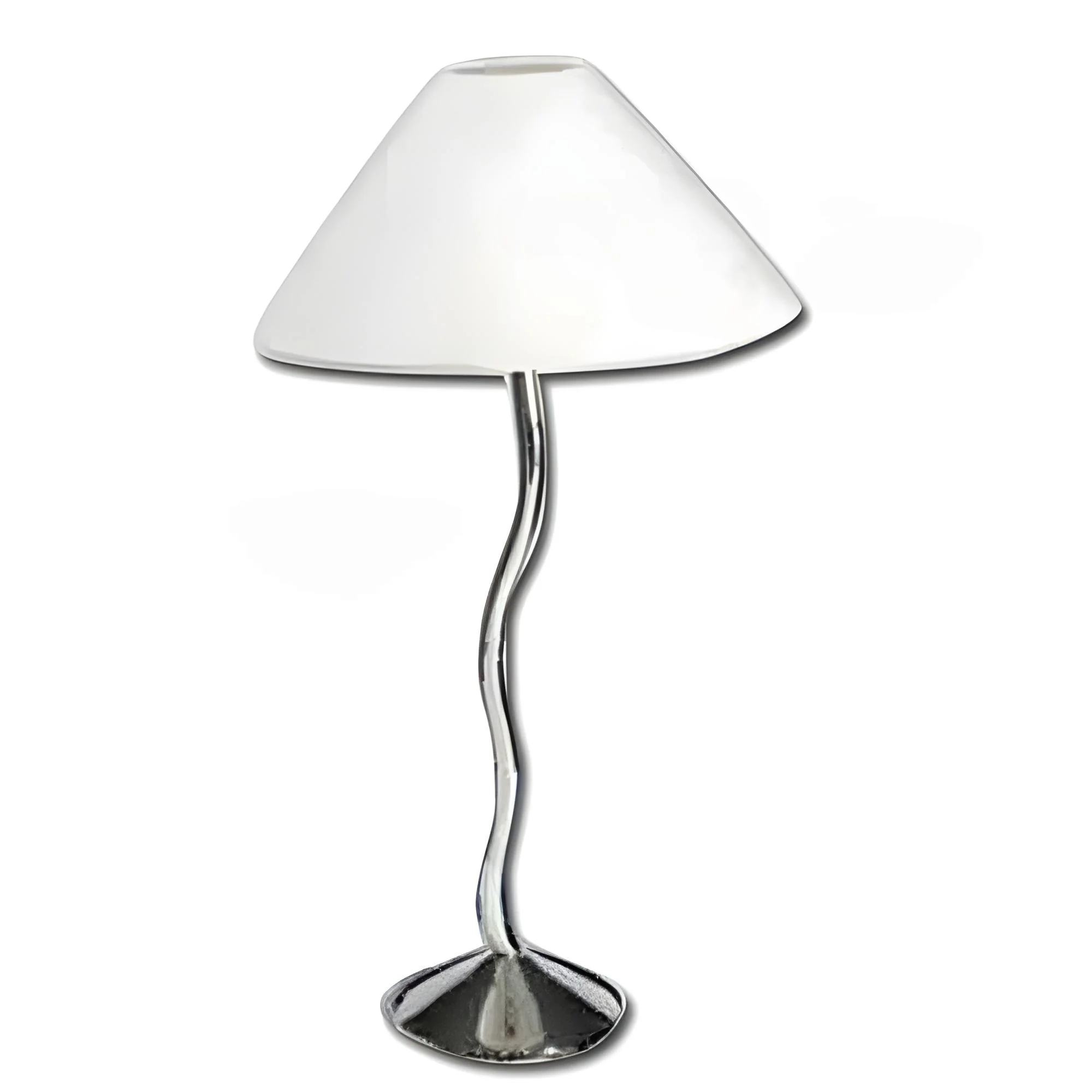
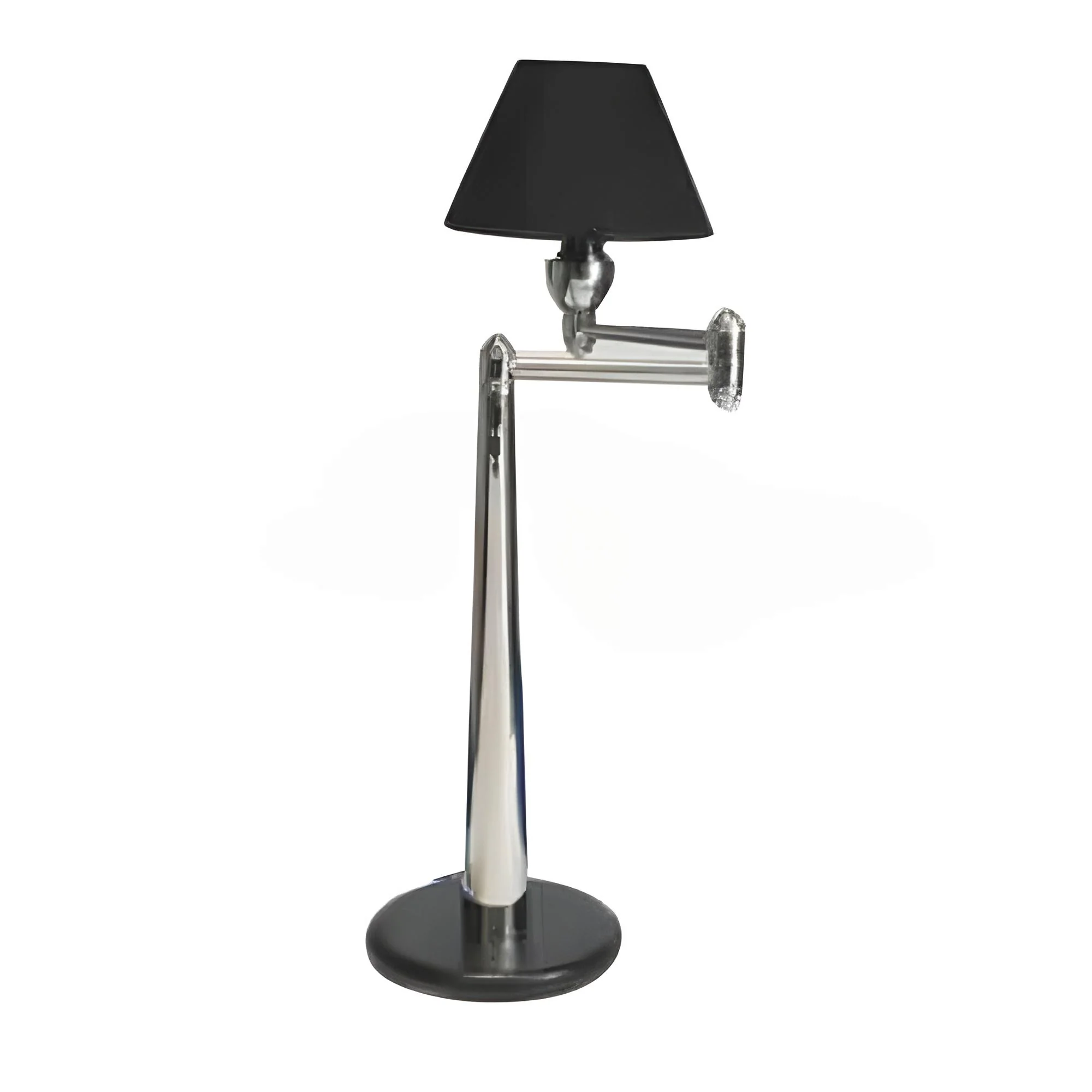
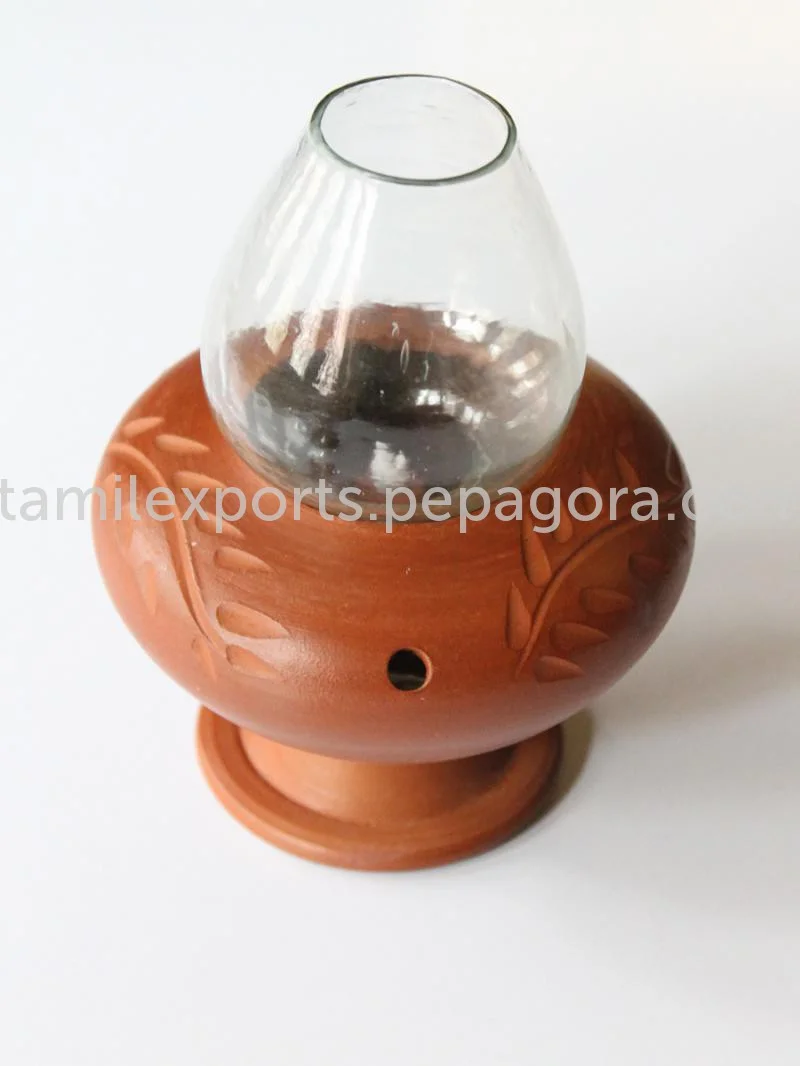
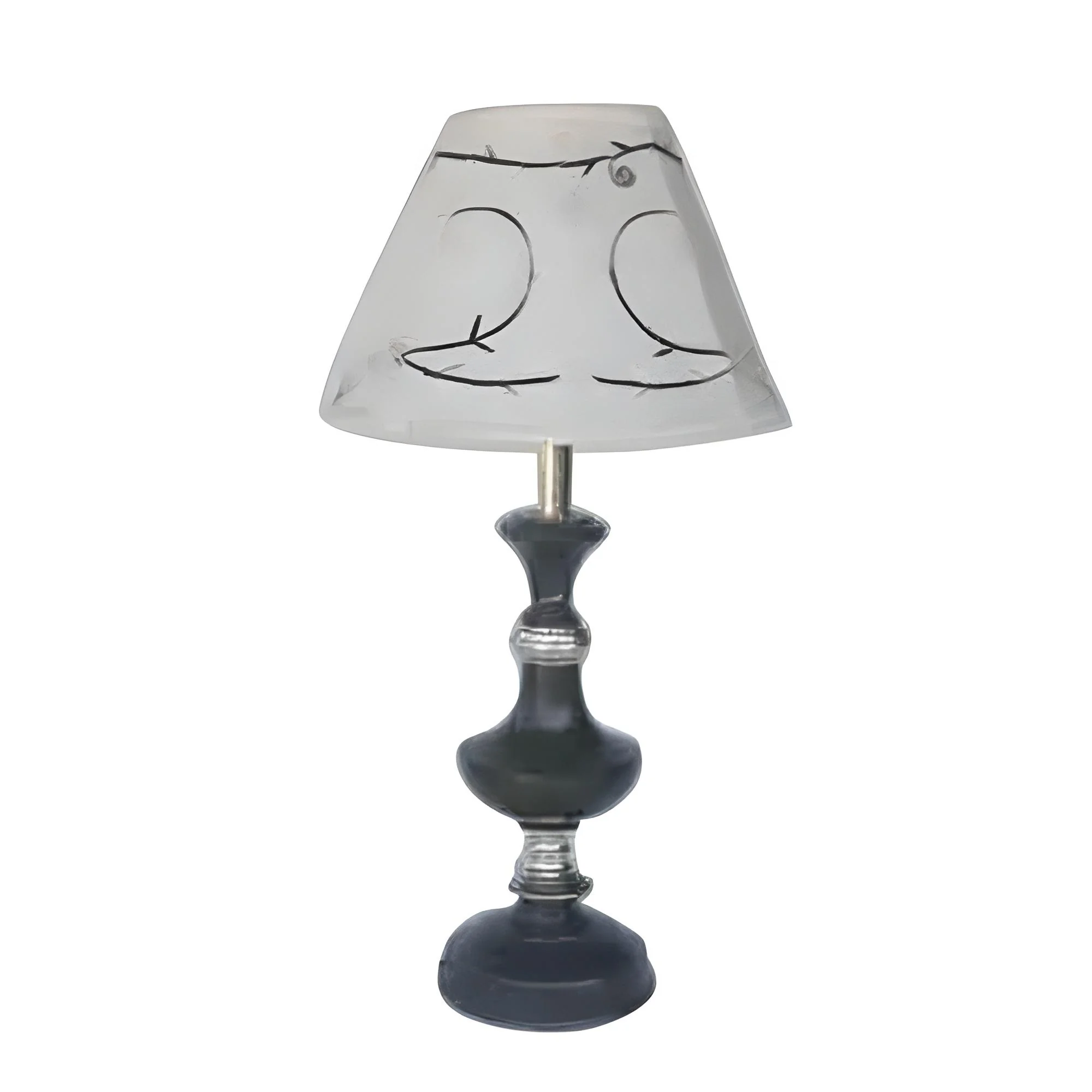
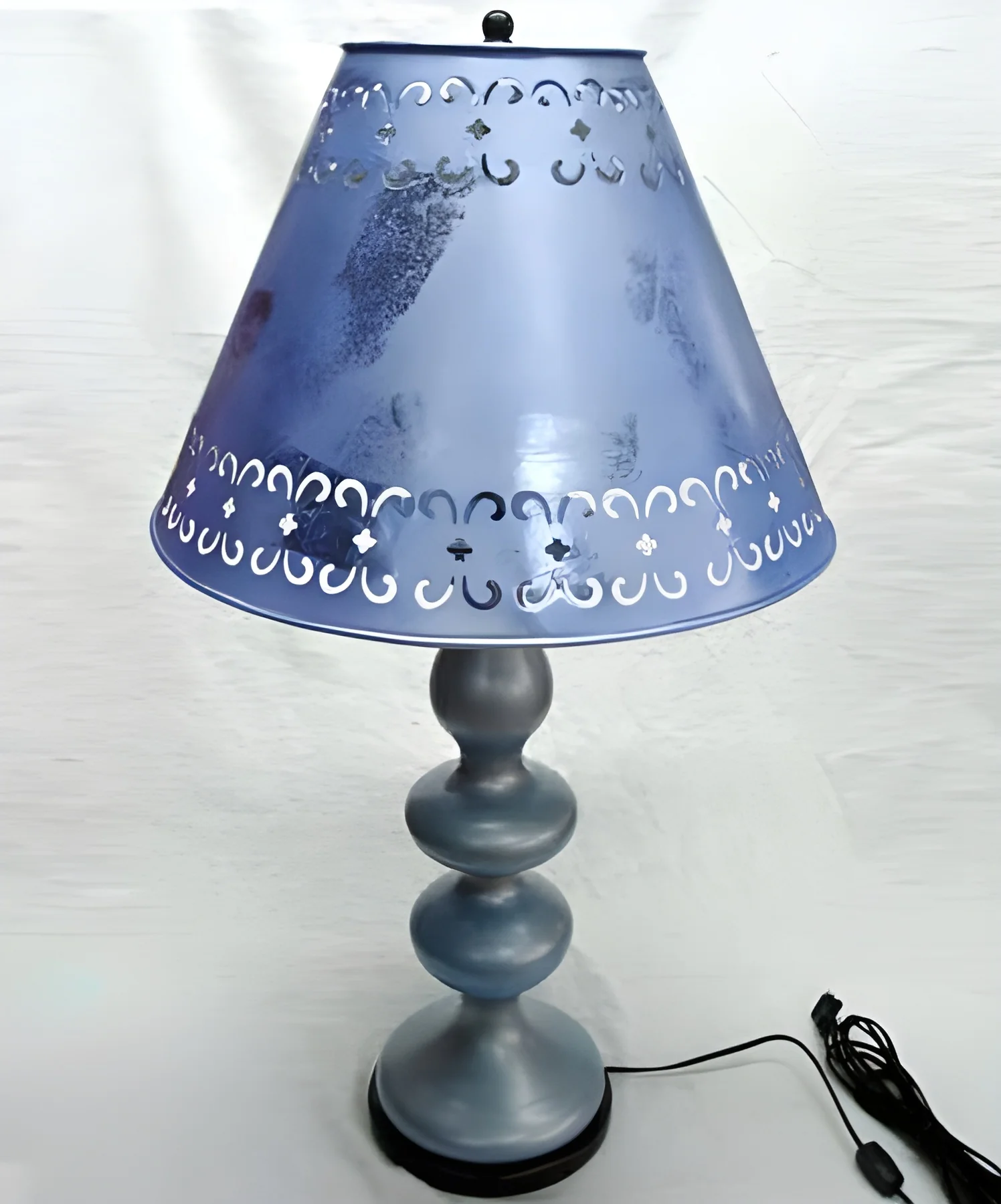
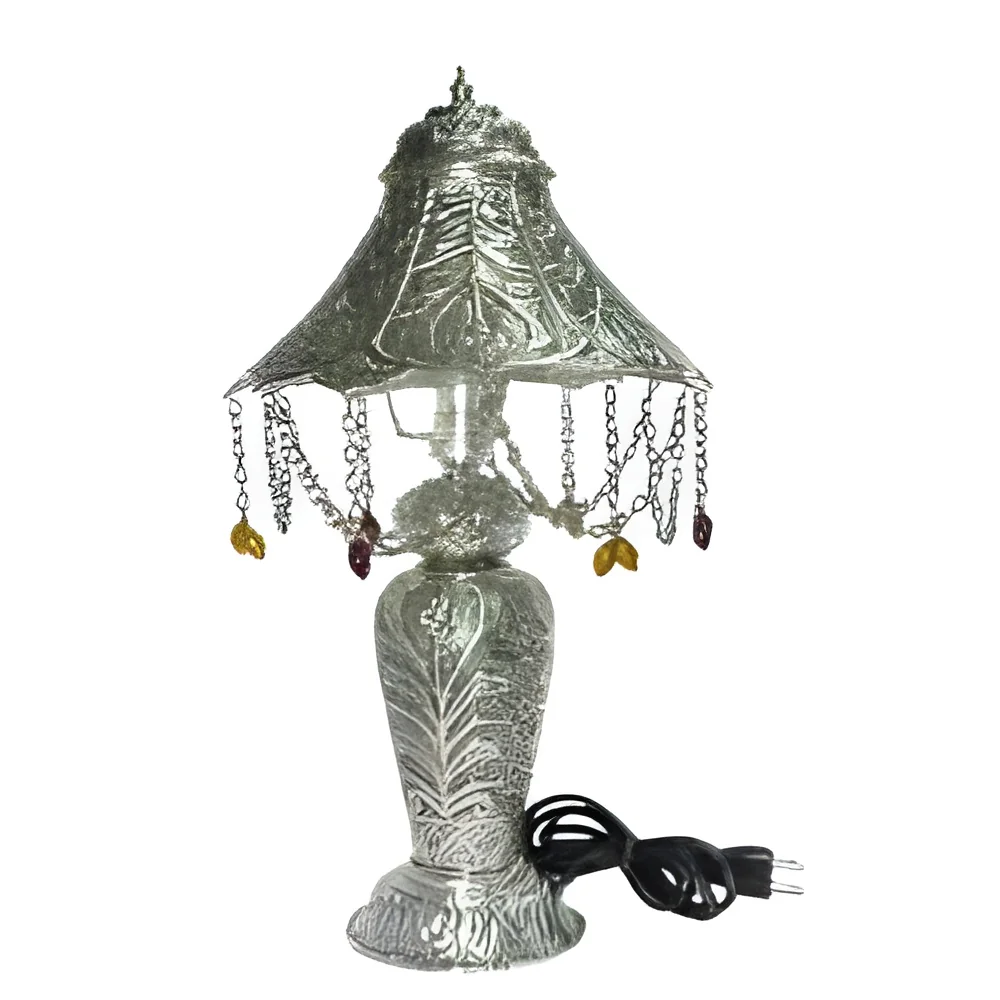
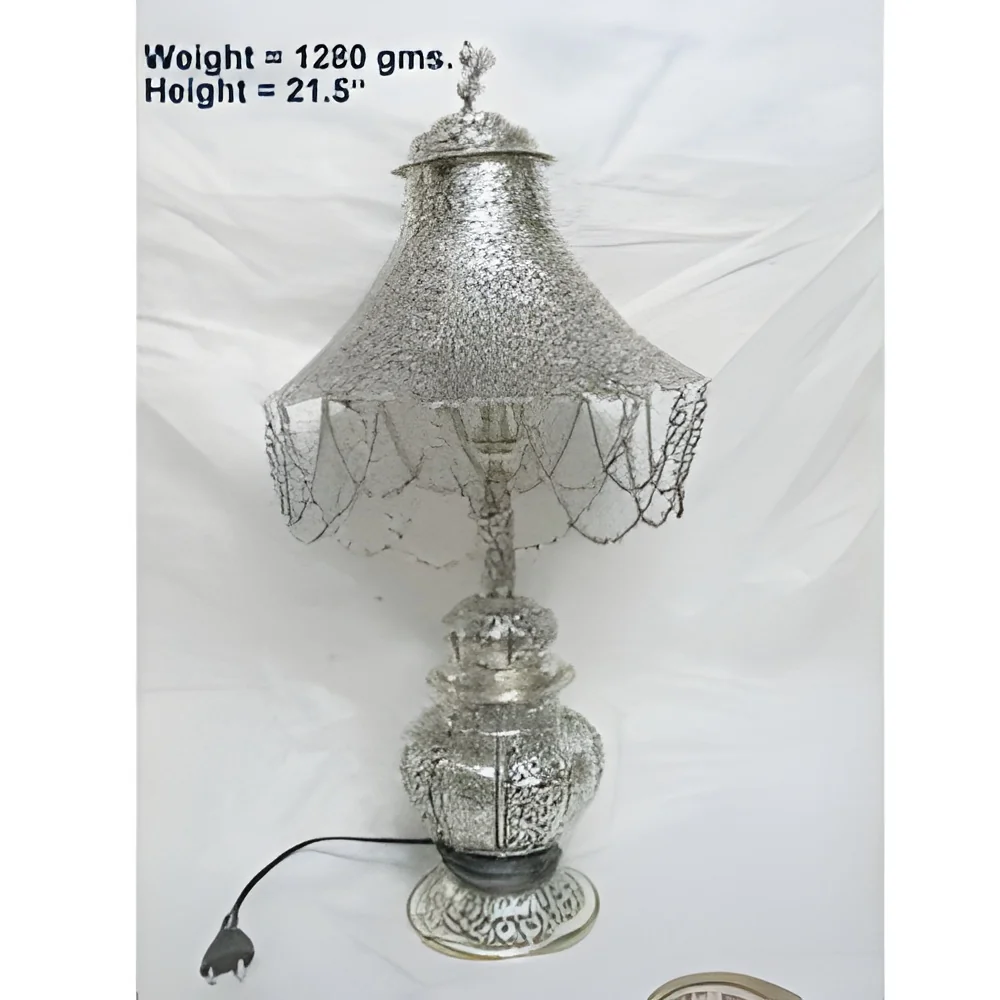
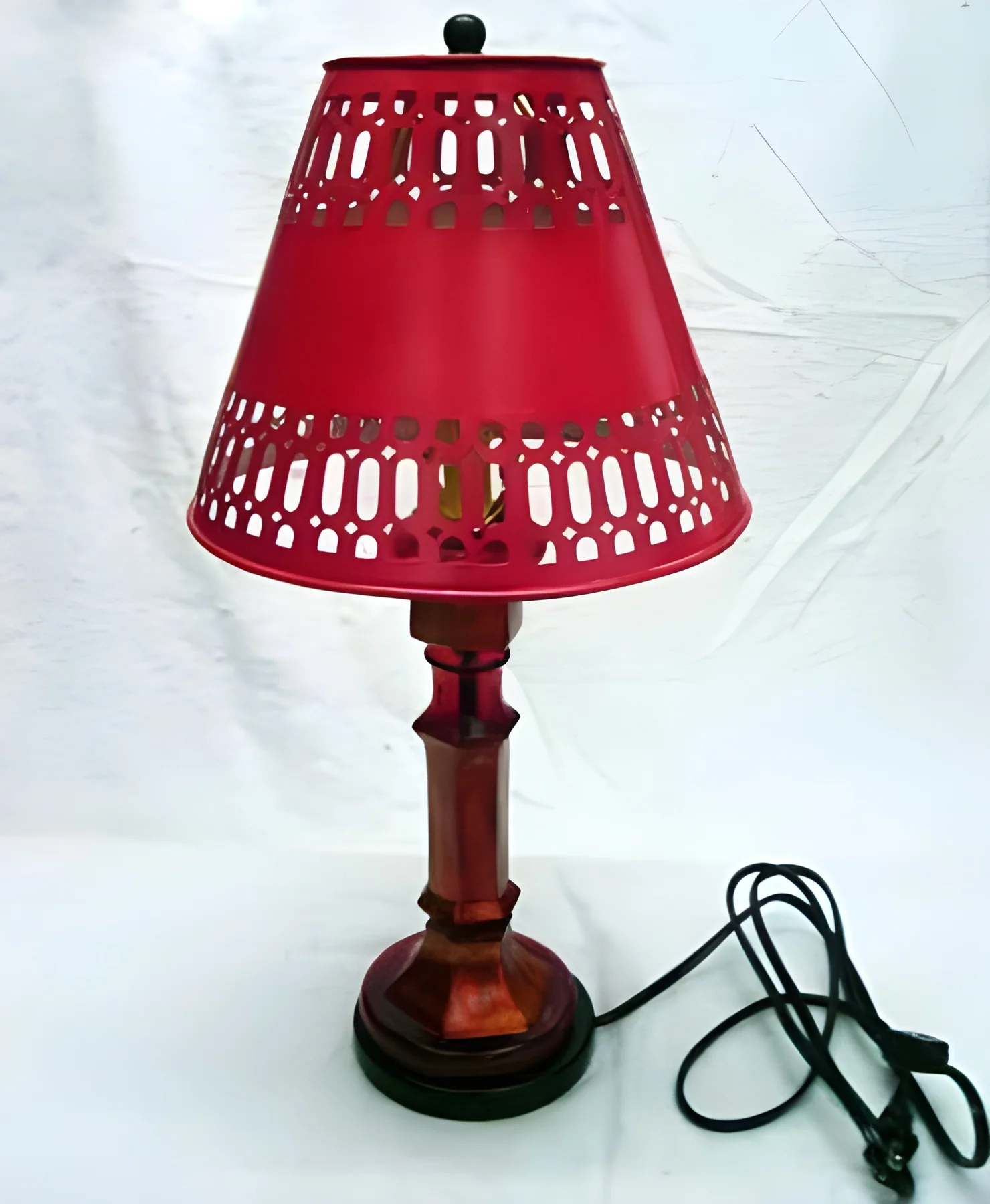
Table lamps are portable light fixtures designed to provide focused illumination in various settings. They typically consist of a light bulb mounted on a base, with a shade that directs light and minimizes glare. Table lamps are available in a wide range of styles, sizes, and materials, making them suitable for both functional and decorative purposes. They can be used in homes, offices, and commercial spaces, offering flexibility in lighting design and arrangement.
The primary uses of table lamps include task lighting, ambient lighting, and accent lighting. In business applications, they enhance workspace aesthetics and improve visibility for tasks such as reading, writing, or working on a computer. Table lamps also contribute to the overall atmosphere of a room, making them essential in environments like hotels, restaurants, and conference rooms. As businesses increasingly focus on creating inviting spaces, the demand for stylish and functional table lamps continues to grow.
In the current market, table lamps play a significant role in the interior design and lighting industry. They are often seen as essential elements in both residential and commercial settings. With advancements in lighting technology, such as LED options, table lamps have become more energy-efficient and customizable, catering to a diverse range of consumer preferences and business needs.
Key Features and Specifications
Table lamps are characterized by several key features that determine their functionality and appeal. When selecting a table lamp, it is essential to understand the specifications that meet your specific requirements.
Key specifications include:
1. Lamp Type
- Common types include incandescent, LED, fluorescent, and halogen.
- Each type has different energy efficiency and light output.
2. Wattage
- Refers to the power consumption of the lamp.
- Typical ranges are from 40 watts for incandescent to 10-15 watts for LED.
3. Light Output (Lumens)
- Measures the amount of light produced.
- Standard output can vary from 400 to 1,600 lumens depending on the use.
4. Shade Material
- Options include fabric, glass, metal, or plastic.
- Each material affects light diffusion and aesthetic appeal.
5. Height and Size
- Varies widely to fit different spaces and purposes.
- Common heights range from 15 to 30 inches.
6. Switch Type
- Options include rotary, touch, or pull-chain switches.
- Each type offers different levels of convenience.
7. Style and Design
- Available in modern, traditional, industrial, and minimalist styles.
- Design choice can enhance interior aesthetics.
8. Certification
- Many table lamps come with CE certification for safety.
- Ensures compliance with European safety standards.
These features and specifications play a critical role in determining the suitability of a table lamp for various applications.
Common Applications and Use Cases
Table lamps are versatile lighting solutions used across different industries. They serve key purposes in enhancing work and living environments.
1. Corporate Offices: Table lamps provide focused lighting for workspaces, improving visibility and reducing eye strain during long hours.
2. Hospitality: Hotels and restaurants utilize table lamps to create an inviting ambiance, enhancing guest experiences in dining areas and lounges.
3. Retail Spaces: Retailers use table lamps to highlight products and create attractive displays, influencing customer purchasing decisions.
4. Educational Institutions: Libraries and study areas benefit from table lamps, allowing students to read and study effectively in well-lit environments.
5. Residential Spaces: Homeowners use table lamps for living rooms, bedrooms, and home offices, balancing functionality with design aesthetics.
6. Healthcare Facilities: Table lamps in waiting areas and patient rooms provide comfort and help create a calming atmosphere.
7. Co-working Spaces: These environments often incorporate table lamps to offer flexible lighting options for collaborative work settings.
Product Variants and Subcategories
Table lamps come in a variety of designs and functionalities, catering to different needs and preferences.
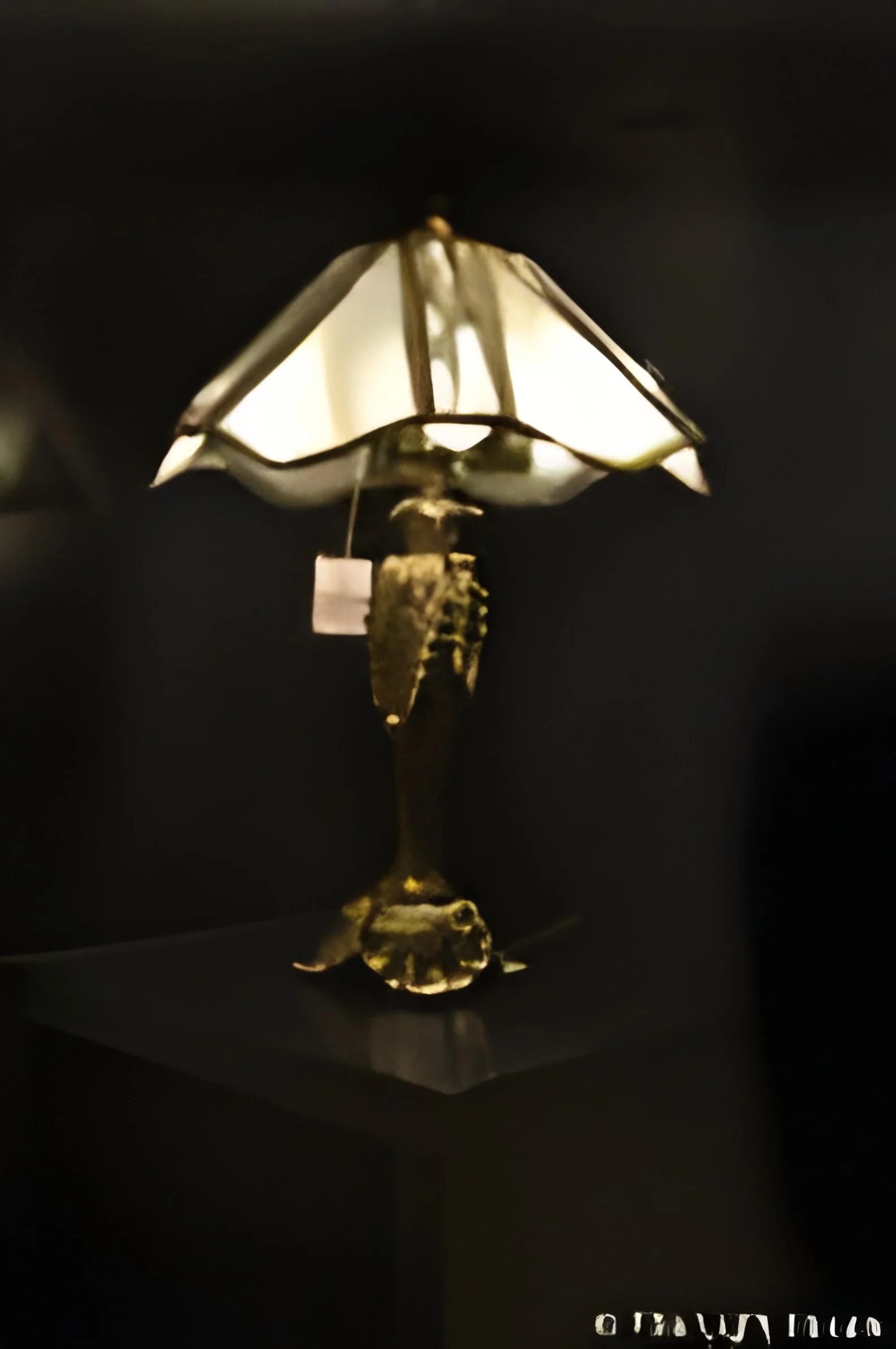
Traditional Table Lamps
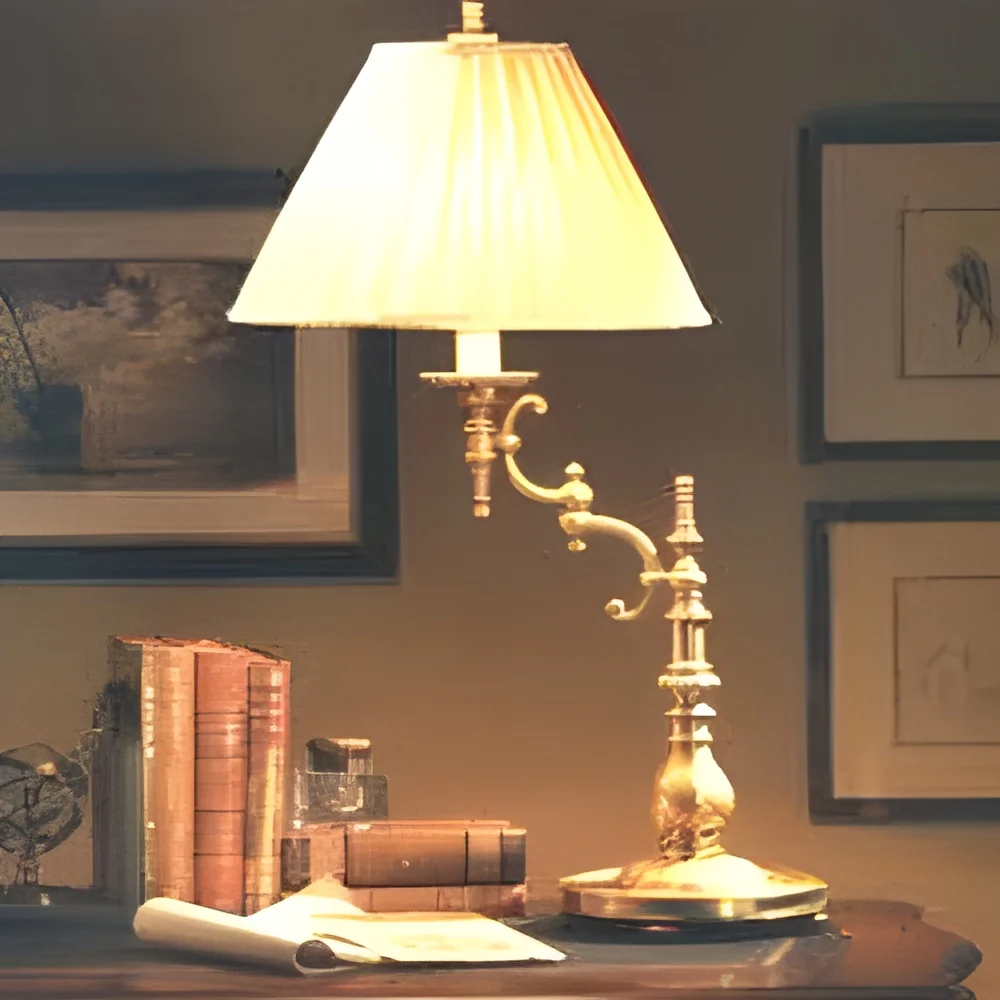
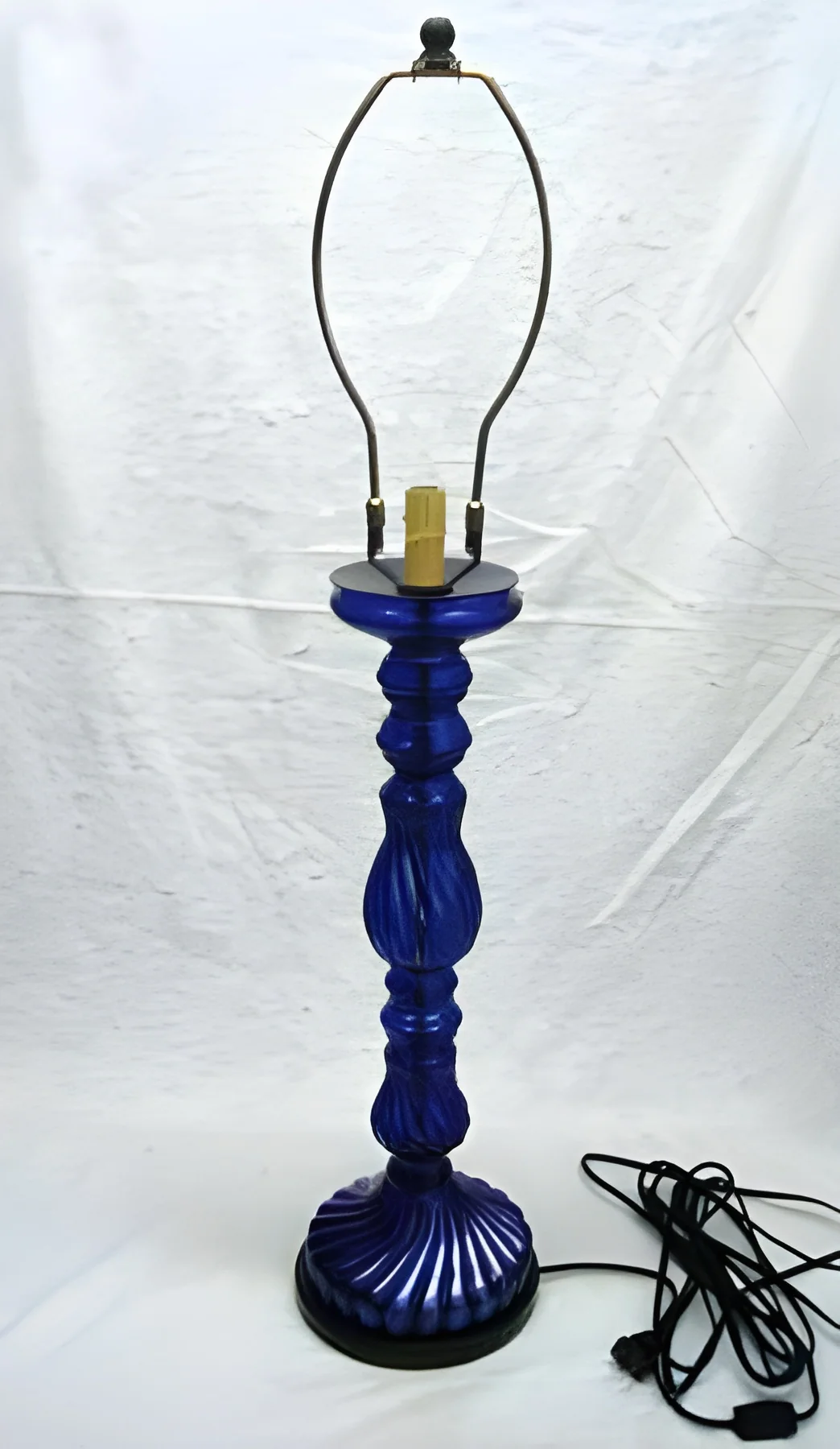
These lamps feature classic designs and materials, often with decorative shades. They are suitable for both home and office settings, adding a touch of elegance.
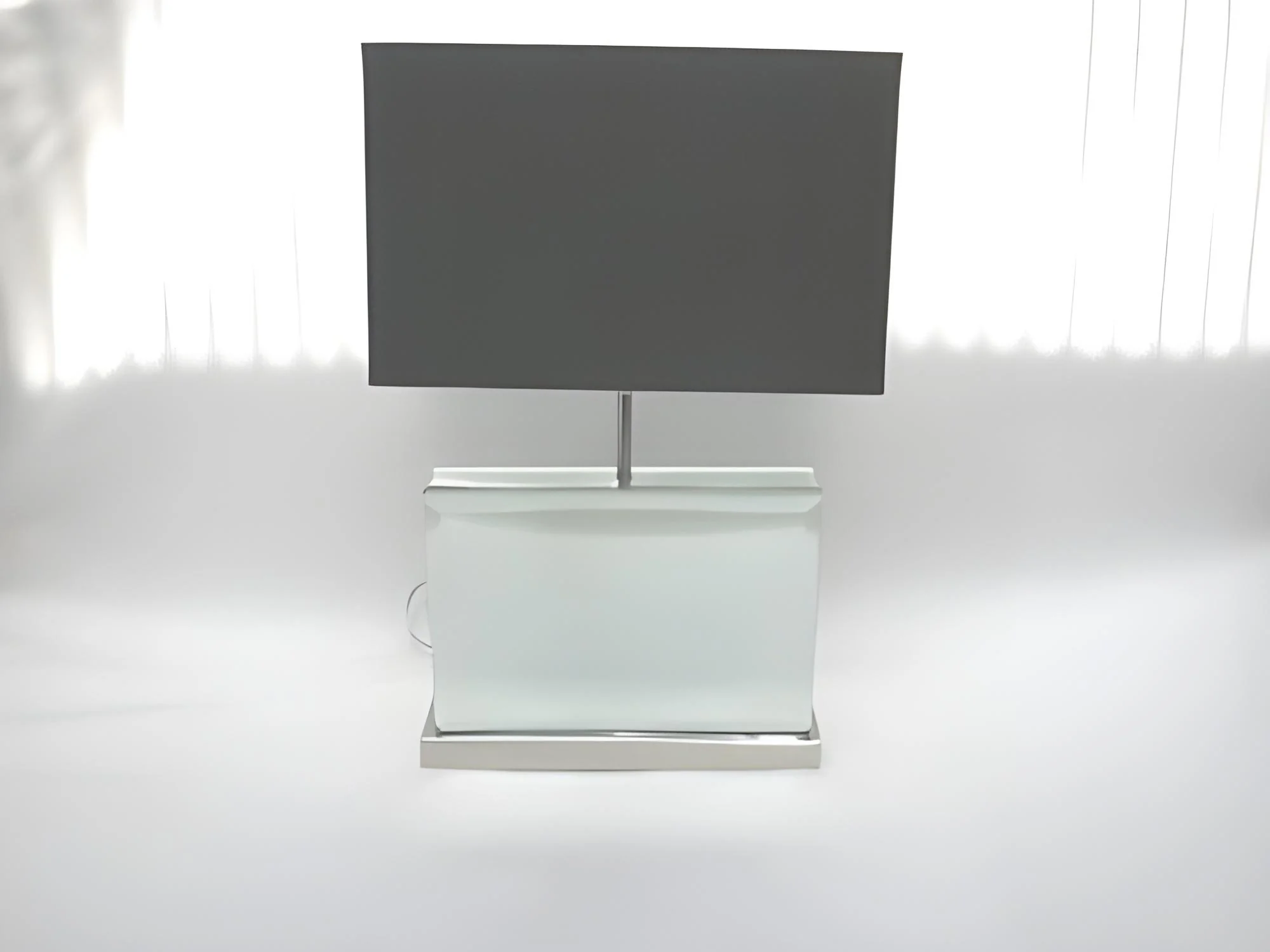
Modern Table Lamps
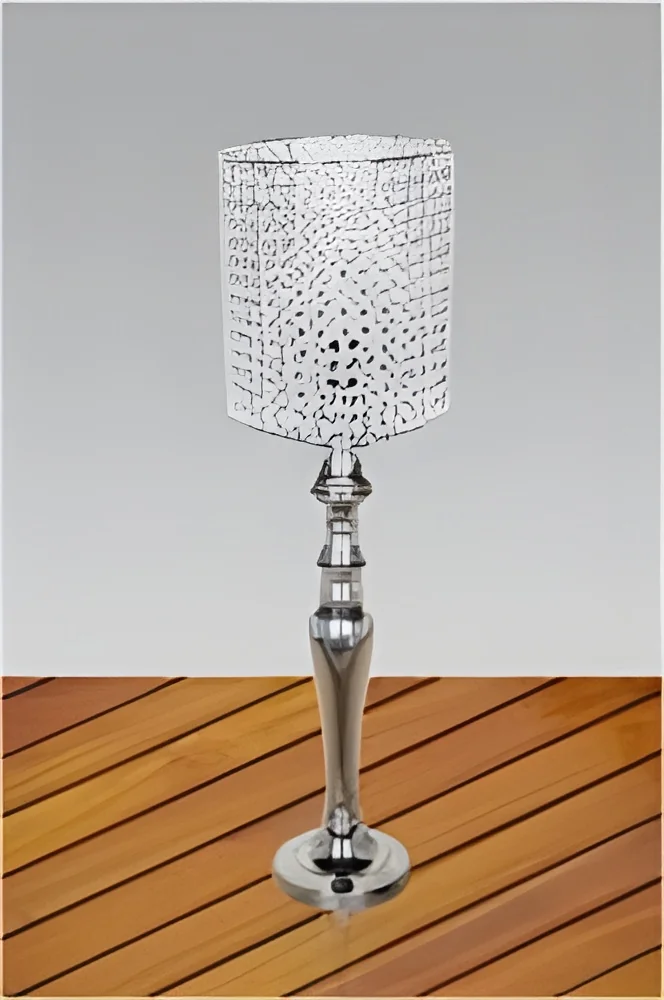
Characterized by sleek lines and minimalist designs, modern table lamps often incorporate innovative materials and energy-efficient lighting technologies. They are popular in contemporary workspaces and homes.
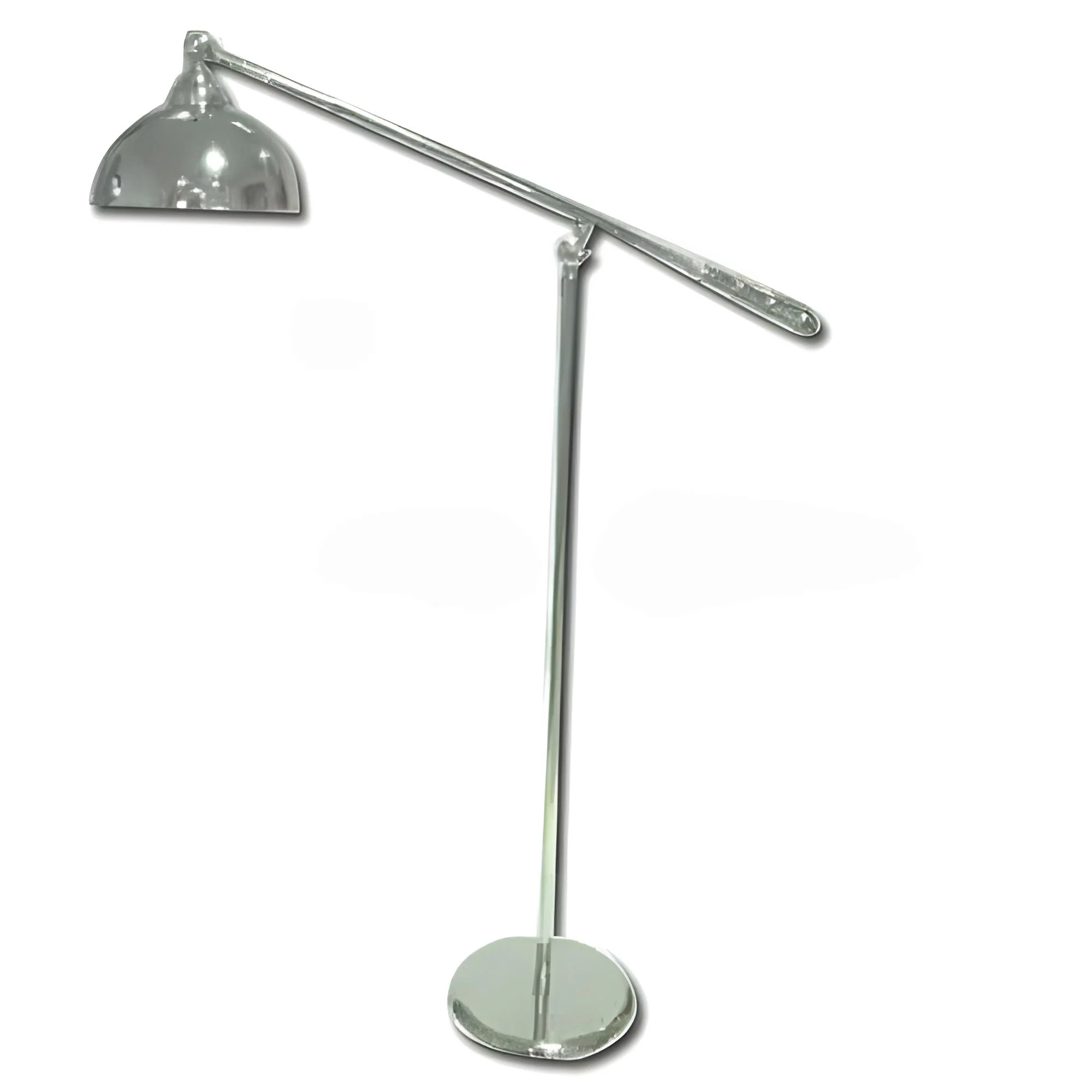
Task Lighting Lamps
Designed specifically for focused lighting, these lamps often feature adjustable arms and shades. They are ideal for artists, engineers, and anyone needing concentrated light for detailed work.
Smart Table Lamps
Equipped with smart technology, these lamps can be controlled via mobile apps or voice commands. They offer features like dimming, color changing, and integration with home automation systems.
Benefits and Advantages
Table lamps provide numerous advantages in both residential and commercial settings. They are essential for effective lighting design.
Key benefits include:
1. Enhanced Visibility: Table lamps improve lighting in specific areas, making tasks easier and reducing eye strain.
2. Energy Efficiency: Many modern table lamps use LED technology, which consumes less energy and has a longer lifespan compared to traditional bulbs.
3. Design Flexibility: With a variety of styles and designs, table lamps can complement any décor and enhance the overall aesthetic of a space.
4. Portability: Their lightweight and compact design allows for easy repositioning, making them versatile for different environments.
5. Customizable Lighting: Many table lamps offer adjustable brightness and color temperature, allowing users to set the desired ambiance.
6. Cost-Effectiveness: Table lamps can be a more affordable lighting solution compared to extensive overhead lighting systems, making them ideal for budget-conscious buyers.
Buying Guide for B2B Buyers
When sourcing table lamps, it is vital to consider several factors to ensure you make an informed decision.
1. Quality Assessment: Evaluate the materials and construction of the lamps. Look for reputable brands that ensure durability and performance, especially in high-use environments.
2. Supplier Verification: Conduct thorough research on potential suppliers. Check their credentials, reviews, and history to ensure reliability and quality.
3. Pricing and MOQ: Compare prices among different suppliers and understand the minimum order quantity. This helps in budgeting and planning for large-scale purchases.
4. Delivery and Lead Times: Discuss shipping options and expected delivery times with suppliers. Timely delivery is crucial for project completion and inventory management.
5. Compliance Requirements: Ensure that the table lamps meet relevant safety and quality standards. Check for certifications like CE to comply with regional regulations.
Compliance and Certifications
Table lamps are subject to various quality standards and regulations that ensure safety and performance. Compliance with these standards is crucial for manufacturers and suppliers.
ISO 9001 is a widely recognized standard that ensures a quality management system is in place. This certification indicates that the manufacturer adheres to international standards for quality assurance.
CE certification signifies that the product meets European health, safety, and environmental protection standards. This certification is particularly important for businesses operating in or exporting to Europe.
Safety and testing requirements should include assessments for electrical safety, thermal performance, and material safety. Manufacturers must ensure that their products do not pose any hazards to users.
Regional compliance considerations may vary. It is essential for businesses to understand local regulations regarding electrical appliances, especially in markets like India and the GCC.
Why Source Table Lamps from Pepagora?
Pepagora offers a trusted platform for sourcing high-quality table lamps, providing several key advantages for B2B buyers.
Verified Supplier Network: Pepagora features a network of verified suppliers, ensuring that buyers can connect with reputable manufacturers who meet strict quality standards.
Streamlined RFQ Process: The Request for Quotation process is designed to be user-friendly, allowing buyers to easily compare offers from multiple suppliers and select the best options for their needs.
Trade Assurance and Support: Buyers benefit from trade assurance, which offers protection and support throughout the purchasing process. This ensures confidence in the transaction and product quality.
Regional Coverage: With a strong presence in India, GCC, and Southeast Asia, Pepagora provides extensive regional coverage, making it easier for businesses to source table lamps tailored to their local markets.


Frequently Asked Questions
What are Table Lamps?
Table lamps are portable lighting fixtures designed to sit on flat surfaces such as tables, desks, or nightstands. They provide localized illumination and can serve both functional and decorative purposes in various settings.
What are the different types of Table Lamps?
Table lamps come in various types, including task lamps, accent lamps, and decorative lamps. Task lamps are designed for specific activities, such as reading or working, while accent lamps add aesthetic value to a space.
How do I choose the right Table Lamps?
To choose the right table lamp, consider the lamp's purpose, the size of the table, and the overall decor of the room. Additionally, evaluate the brightness level and style that best fits your needs.
What are the standard specifications for Table Lamps?
Standard specifications for table lamps include height, wattage, and type of bulb used. Most table lamps range from 12 to 36 inches in height and can use LED, incandescent, or fluorescent bulbs.
What is the price range for Table Lamps?
The price range for table lamps can vary significantly based on design, materials, and brand. Typically, prices can range from as low as INR 500 to over INR 10,000 for premium models.
What quality standards apply to Table Lamps?
Table lamps must adhere to specific quality standards related to electrical safety, material durability, and light output efficiency. Compliance with ISI standards or other relevant certifications is often required.
Where can I find Table Lamps suppliers in India?
You can find table lamps suppliers in India through various online B2B marketplaces, trade shows, and industry directories. Websites like Pepagora.com provide a platform to connect with reputable manufacturers and suppliers.
Can Table Lamps be customized?
Yes, many manufacturers offer customization options for table lamps, allowing you to choose specific designs, sizes, and finishes. Customization can help ensure the lamp meets your unique requirements.
What is the typical minimum order quantity for Table Lamps?
The typical minimum order quantity (MOQ) for table lamps can vary by supplier but usually ranges from 50 to 100 units. It's advisable to confirm the MOQ with the specific manufacturer before placing an order.
What is the typical lead time for Table Lamps?
The typical lead time for table lamps can vary based on the supplier and order size, but it generally ranges from 2 to 6 weeks. Factors such as customization and shipping methods can influence this timeframe.
Why Businesses Trust Pepagora
Thousands of companies trust Pepagora to source smarter and sell faster
Expand Your Sales Globally

Source Smarter,Grow Faster
