
 IN
Solar Outdoor Lights
21 products available
What are Solar Outdoor Lights?
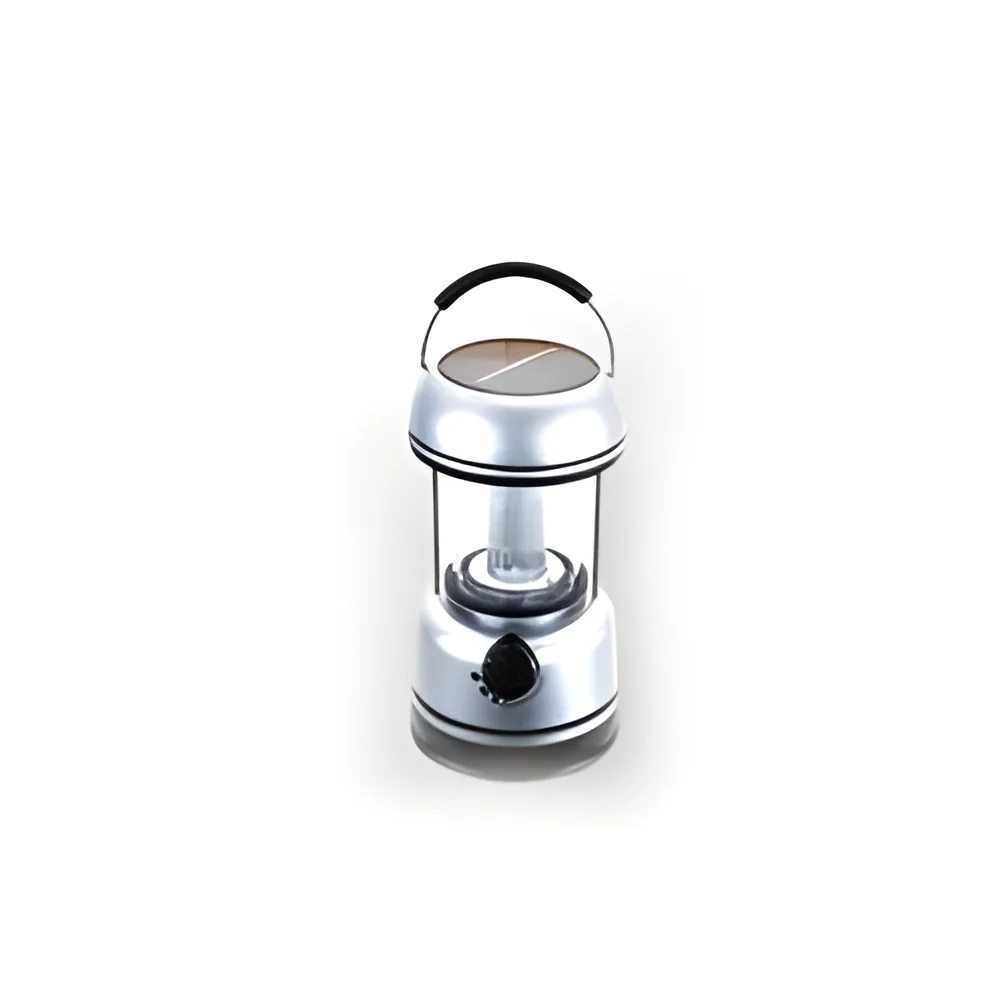
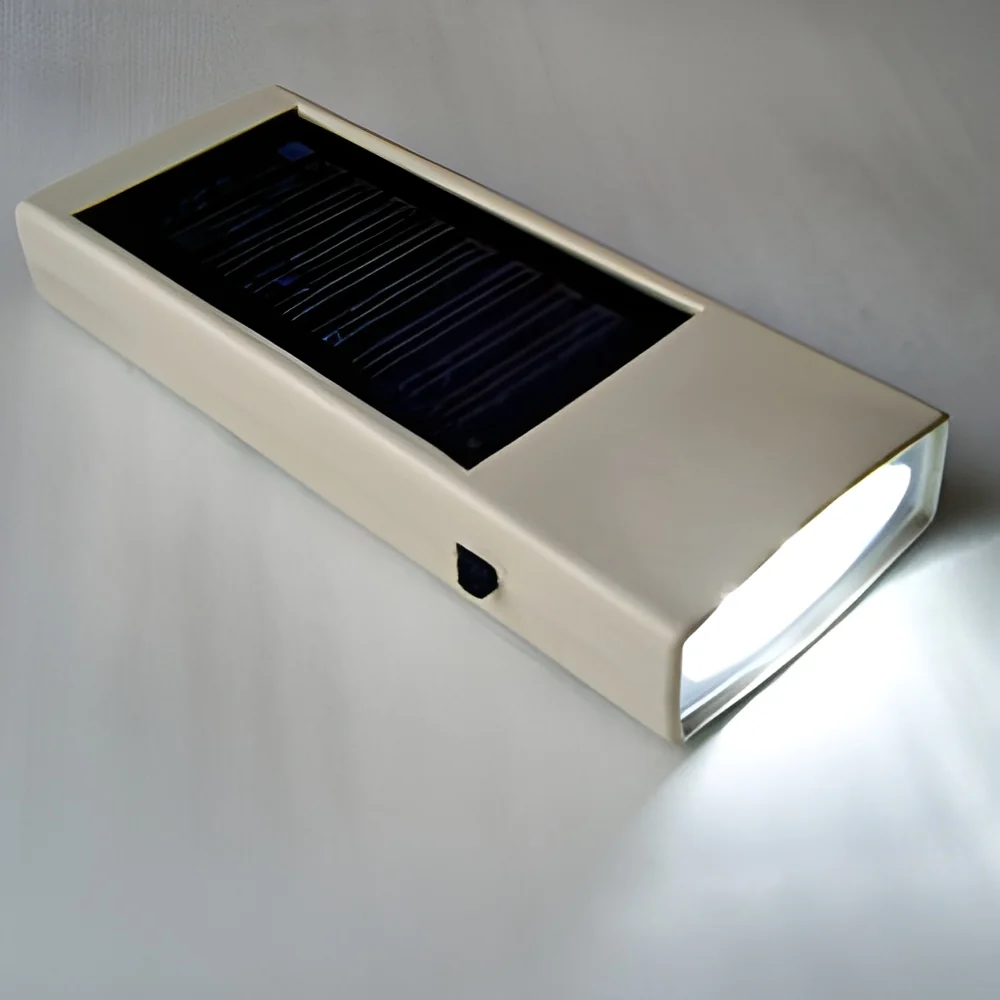
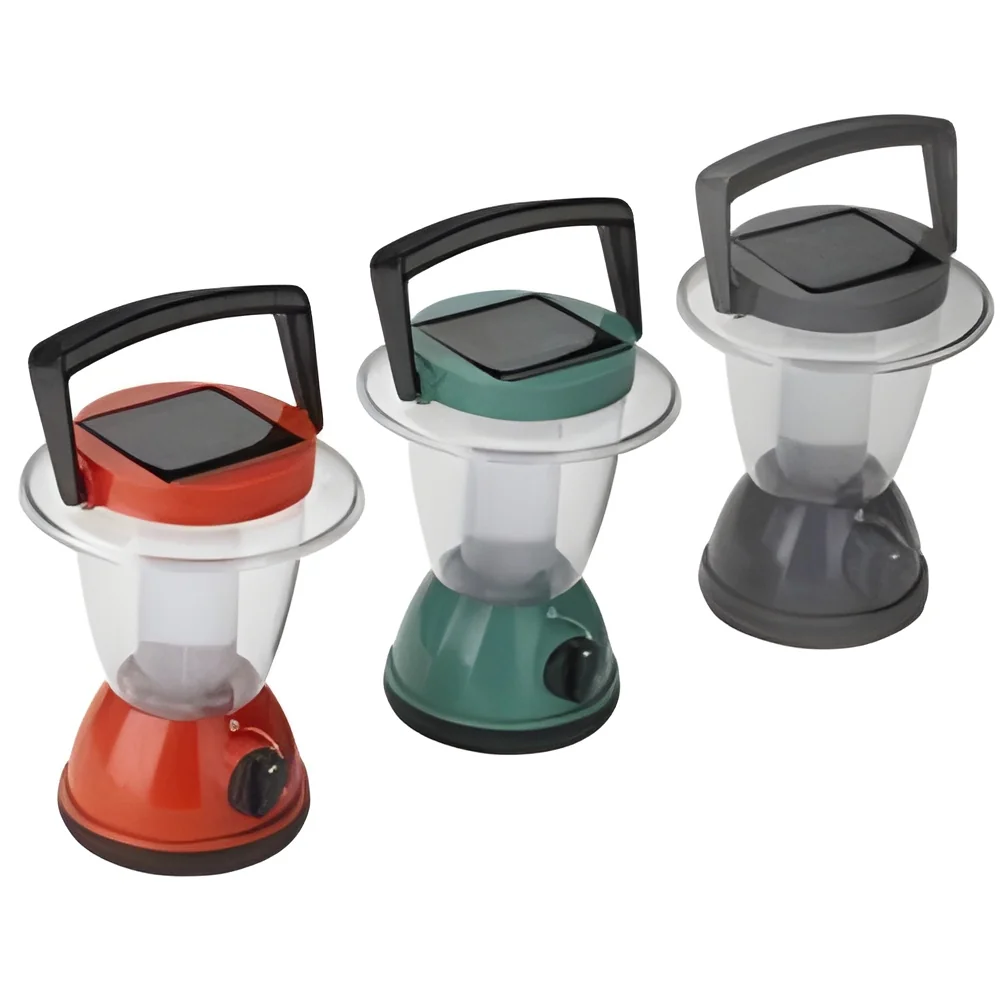
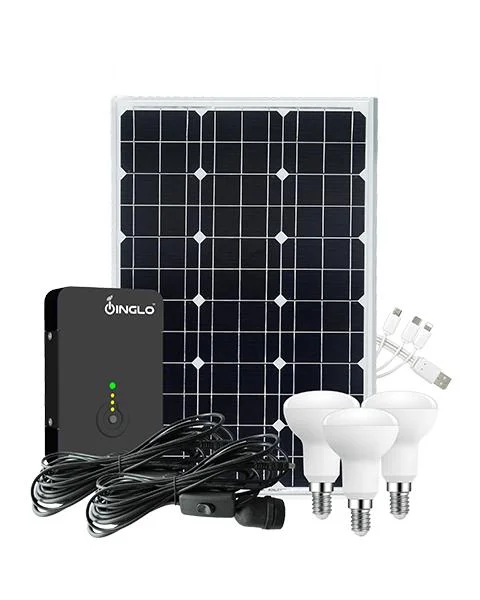
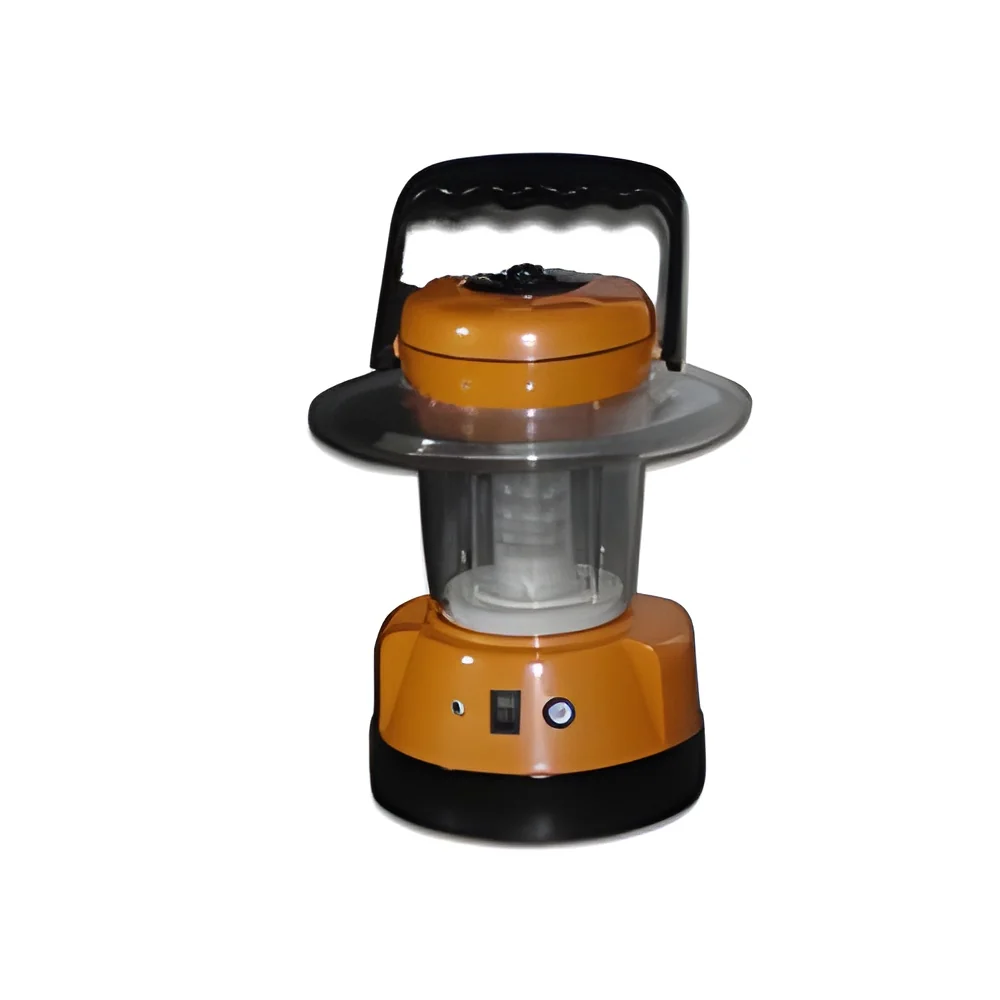
Solar outdoor lights are lighting solutions powered by solar energy, designed to illuminate outdoor spaces without relying on traditional electricity sources. These lights typically consist of solar panels, LED bulbs, rechargeable batteries, and a control system that manages the lighting operation. By harnessing sunlight during the day, these lights charge their batteries, making them operational at night. This technology ensures energy efficiency and sustainability, presenting an eco-friendly alternative to conventional outdoor lighting.
Primarily, solar outdoor lights are used for pathway illumination, garden lighting, security lighting, and accentuating outdoor venues such as parks and recreational areas. They are suitable for residential, commercial, and industrial applications, offering flexibility in installation and operation. Businesses can enhance safety, visibility, and aesthetics in outdoor environments while also reducing energy costs and their carbon footprint. The growing demand for renewable energy solutions has positioned solar outdoor lights as a relevant product in today's market, appealing to environmentally conscious consumers and businesses alike.
Key Features and Specifications
Solar outdoor lights come with a variety of features that enhance their functionality and effectiveness. These features are essential for businesses seeking reliable lighting solutions. Below are key specifications and their details:
1. Solar Panel Efficiency
- High-efficiency solar panels ensure optimal energy absorption.
- Technical parameters often range from 15% to 22% efficiency.
2. Battery Capacity
- Rechargeable batteries store energy for nighttime use.
- Common capacities range from 2000mAh to 10000mAh.
3. LED Brightness
- LED bulbs provide bright illumination with low energy consumption.
- Brightness typically measured in lumens, ranging from 100 to 1000 lumens.
4. Motion Sensor Technology
- Some models include motion detectors for enhanced security.
- Detection ranges can vary from 10 to 30 feet.
5. Weather Resistance
- Designed to withstand various weather conditions.
- IP ratings often range from IP65 to IP68 for water and dust resistance.
6. Installation Flexibility
- Easy installation without the need for wiring or electrical work.
- Can be mounted on walls, fences, or placed on the ground.
7. Light Duration
- Varies based on battery capacity and solar charging efficiency.
- Typical operation time ranges from 6 to 12 hours on a full charge.
8. Control Options
- Some lights offer adjustable settings for brightness and operation times.
- Remote control or app-based options are increasingly common.
In summary, solar outdoor lights are equipped with various features that cater to different business needs, making them a versatile choice for outdoor illumination.
Common Applications and Use Cases
Solar outdoor lights are versatile and applicable across multiple industries. They cater to diverse needs and enhance outdoor environments effectively.
1. Residential: In homes, solar outdoor lights illuminate pathways, gardens, and patios, enhancing safety and aesthetics. They are also popular for security purposes, deterring intruders with motion-sensor models.
2. Commercial: Businesses use solar outdoor lights for parking lots, walkways, and signage. They help improve visibility and safety for customers and employees while minimizing operational costs.
3. Recreational: Parks and recreational areas benefit from solar lighting to enhance user experience. These lights create inviting atmospheres for outdoor activities during the evening.
4. Agricultural: Farms utilize solar outdoor lights for illuminating storage areas and livestock enclosures. This enhances security and operational efficiency.
5. Hospitality: Hotels and resorts employ solar outdoor lights to enhance outdoor spaces such as terraces and gardens, providing a pleasant ambiance for guests.
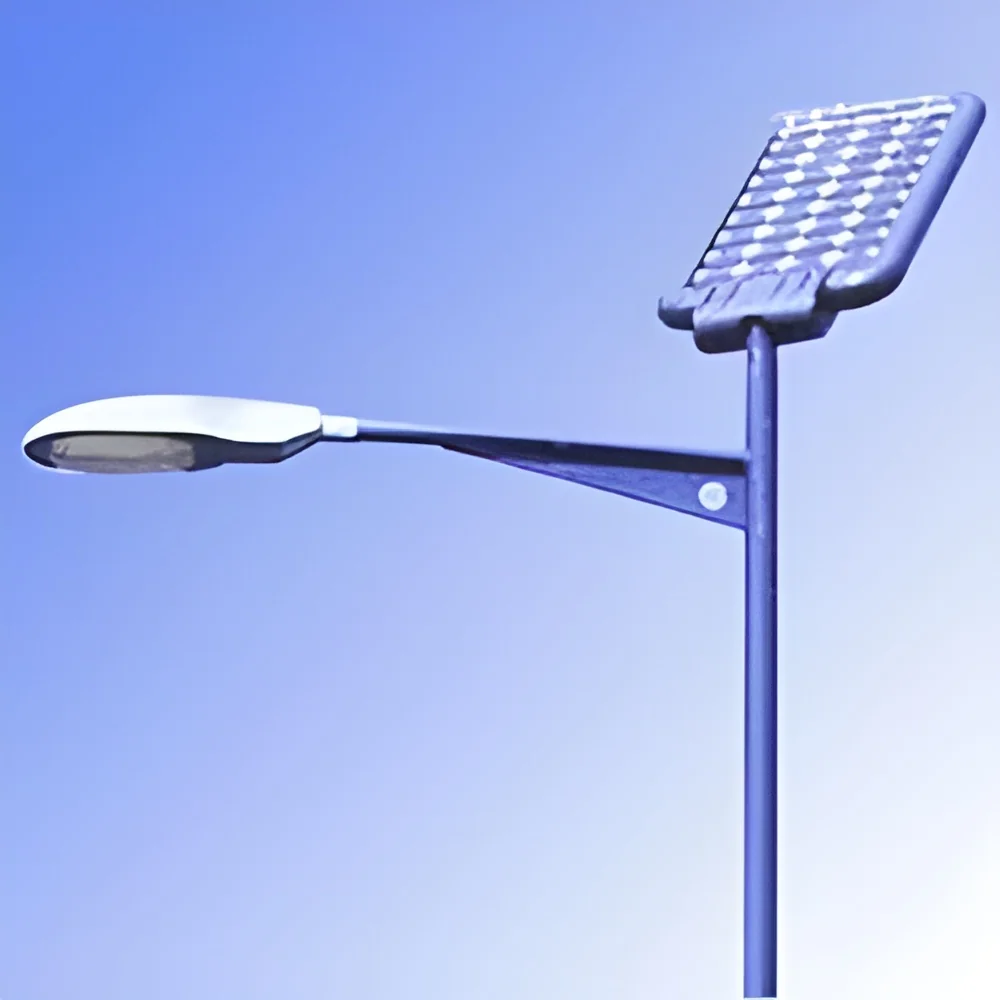
6. Municipal: Cities and towns use solar outdoor lights to illuminate streets, walkways, and public spaces, contributing to community safety and reducing energy expenses.
7. Industrial: Factories and warehouses often implement solar lighting systems for outdoor workspaces and loading docks, ensuring safety during nighttime operations.
Product Variants and Subcategories
Solar outdoor lights come in various designs and functionalities to meet specific needs. This diversity allows businesses to select the most suitable option for their applications.
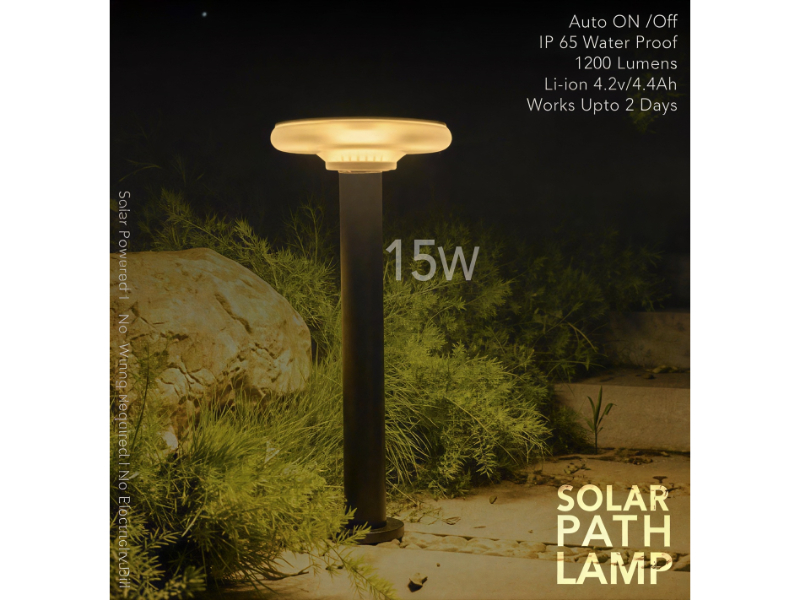
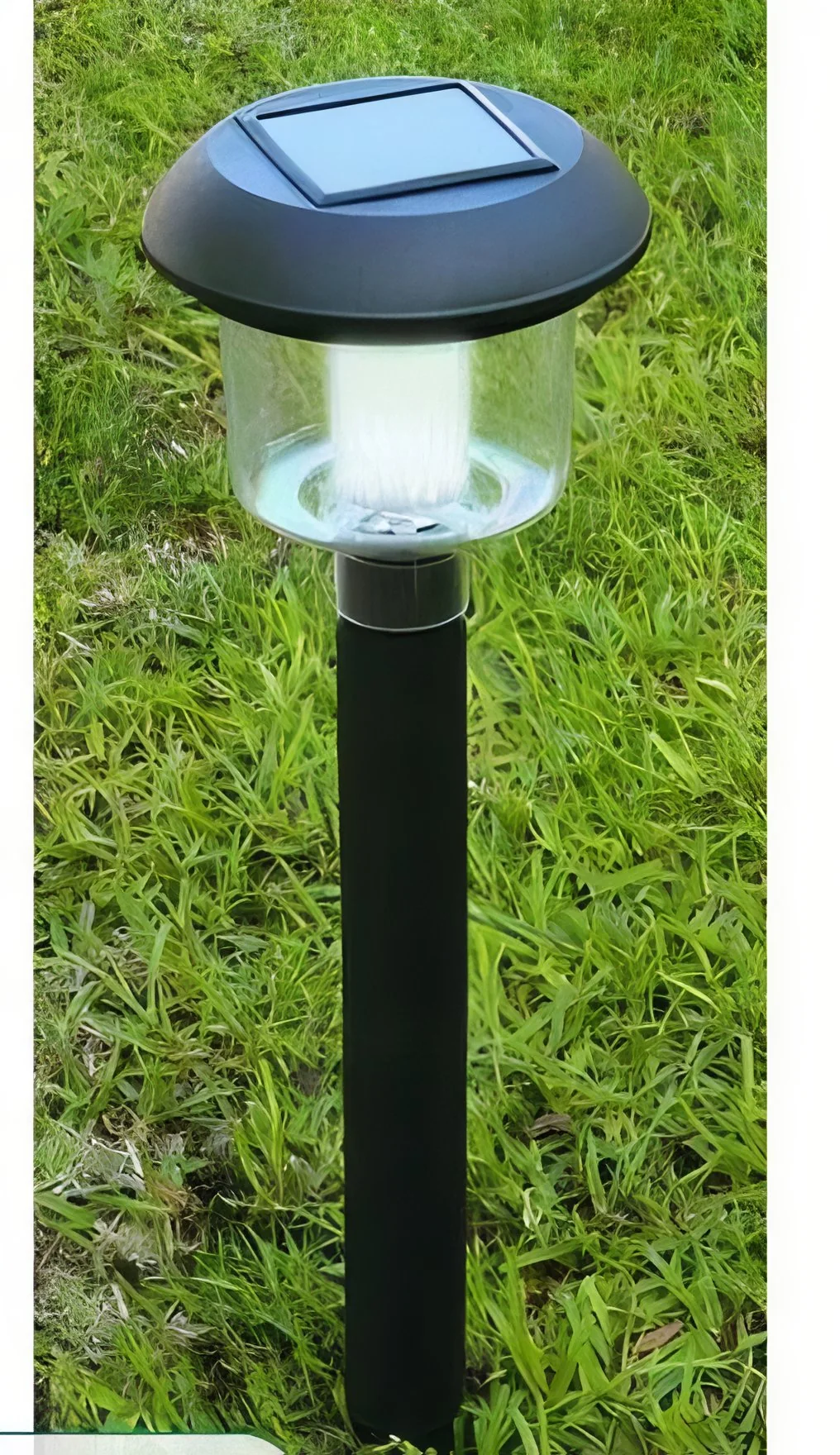
Pathway Lights
These lights are designed to line walkways and paths, providing clear visibility for pedestrians. They typically feature a low profile and soft illumination, enhancing safety and aesthetics.
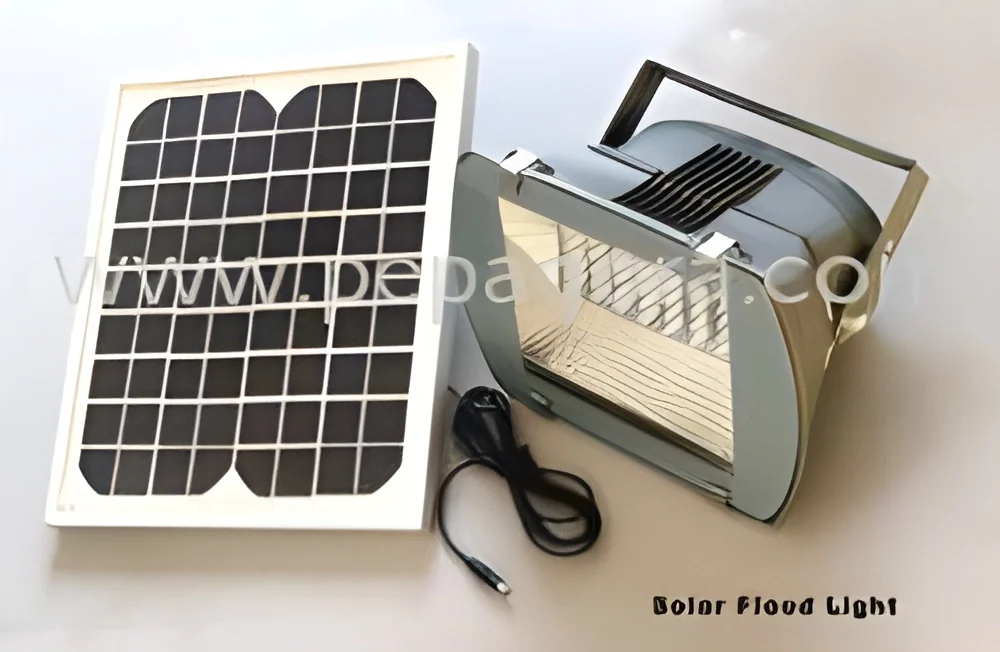
Flood Lights
Flood lights are powerful solar lights that provide expansive coverage for outdoor areas. They are ideal for security and are often equipped with motion sensors for added functionality.
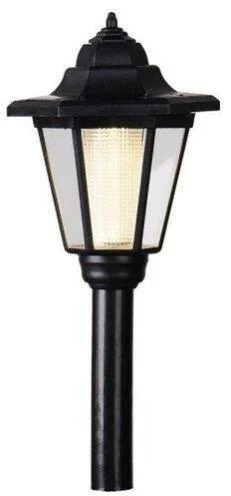
Garden Lights
Garden lights are designed to highlight landscaping features and enhance outdoor aesthetics. They come in various styles and colors, allowing for creative outdoor designs.
Wall-Mounted Lights
These lights are attached to walls, providing illumination for entryways, patios, and outdoor seating areas. They are often equipped with motion sensors for added security.
Benefits and Advantages
Solar outdoor lights offer numerous advantages, making them a wise investment for businesses looking to enhance their outdoor spaces.
1. Cost Savings: By utilizing solar energy, businesses can significantly reduce electricity costs associated with outdoor lighting.
2. Environmental Impact: Solar outdoor lights contribute to sustainability efforts by reducing reliance on fossil fuels and minimizing carbon footprints.
3. Low Maintenance: Once installed, solar lights require minimal maintenance, with no need for electrical wiring or frequent bulb replacements.
4. Easy Installation: Solar outdoor lights can be installed quickly and easily without the need for professional assistance, saving time and costs.
5. Flexibility: These lights are versatile and can be placed in various locations, adapting to different outdoor spaces and requirements.
6. Enhanced Safety: Increased visibility provided by solar lights improves safety for pedestrians and vehicles in outdoor environments.
Buying Guide for B2B Buyers
When sourcing solar outdoor lights, businesses should consider several key factors to ensure they choose the right products for their needs.
1. Quality Assessment: Evaluate the quality of solar panels, batteries, and LED components to ensure long-term performance and reliability. Look for durable materials that can withstand outdoor conditions.
2. Supplier Verification: Vet suppliers for credibility, experience, and customer reviews. Ensure they have a proven track record in providing quality solar lighting solutions.
3. Pricing and MOQ: Understand the pricing structure and minimum order quantities. Compare costs among suppliers to find competitive pricing while ensuring quality is not compromised.
4. Delivery and Lead Times: Inquire about delivery schedules and lead times to ensure timely project execution. Consider logistics and potential delays in shipping.
5. Compliance Requirements: Ensure that the products meet relevant safety and quality standards. Check for certifications that validate compliance with industry regulations.
Compliance and Certifications
Solar outdoor lights must adhere to various quality standards and certifications to ensure safety and reliability. While specific standards like ISO 9001 and HACCP are relevant in many sectors, the most commonly referenced certification for solar products is CE. This certification indicates conformity with health, safety, and environmental protection standards.
In addition to these standards, safety and testing requirements must be met to ensure solar lights perform effectively in various conditions. This includes testing for durability, weather resistance, and electrical safety.
Regional compliance considerations also play a crucial role, especially for businesses operating in different geographic areas. Manufacturers must be aware of local regulations that may affect the design and functionality of solar outdoor lights.
Why Source Solar Outdoor Lights from Pepagora?
Pepagora offers a trusted platform for sourcing solar outdoor lights, providing several key advantages for B2B buyers.
Verified Supplier Network: Pepagora ensures that all suppliers in its network are thoroughly vetted for quality and reliability. This gives businesses peace of mind when selecting products for their outdoor lighting needs.
Streamlined RFQ Process: The platform features a user-friendly request for quotation (RFQ) system that simplifies the procurement process. Buyers can easily compare quotes from multiple suppliers, ensuring they get the best deal.
Trade Assurance and Support: Pepagora provides trade assurance, protecting buyers from potential risks associated with procurement. The platform offers support throughout the purchasing process, ensuring a smooth experience.
Regional Coverage: With a strong presence in India, the GCC, and Southeast Asia, Pepagora connects buyers with suppliers across these regions. This extensive geographical reach allows businesses to tap into diverse markets and sourcing opportunities.



Frequently Asked Questions
What are Solar Outdoor Lights?
Solar Outdoor Lights are lighting solutions powered by solar energy, designed for outdoor use. They typically consist of solar panels, LED lights, and rechargeable batteries, enabling them to operate without conventional electricity.
What are the different types of Solar Outdoor Lights?
The different types of Solar Outdoor Lights include solar path lights, solar flood lights, solar wall lights, and solar garden lights. Each type serves specific purposes, such as illuminating pathways, gardens, or building exteriors.
How do I choose the right Solar Outdoor Lights?
To choose the right Solar Outdoor Lights, consider the intended use, brightness, battery capacity, and design. It's also essential to assess the installation location and the amount of sunlight it receives daily.
What are the standard specifications for Solar Outdoor Lights?
Standard specifications for Solar Outdoor Lights often include lumens output, battery life, solar panel wattage, and material durability. These factors determine the efficiency, longevity, and performance of the lights.
What is the price range for Solar Outdoor Lights?
The price range for Solar Outdoor Lights varies widely based on type and quality, typically ranging from INR 1,000 to INR 10,000 per unit. Bulk purchases may offer additional discounts.
What quality standards apply to Solar Outdoor Lights?
Solar Outdoor Lights should comply with quality standards such as CE, RoHS, and IEC certifications. These standards ensure safety, efficiency, and environmental compliance in manufacturing.
Where can I find Solar Outdoor Lights suppliers in India?
You can find Solar Outdoor Lights suppliers in India through online B2B marketplaces like Pepagora, trade shows, and local directories. Researching suppliers' credentials and customer reviews is advisable before making a purchase.
Can Solar Outdoor Lights be customized?
Yes, many manufacturers offer customization options for Solar Outdoor Lights. Customizations may include adjustments to design, color, brightness, and additional features according to specific requirements.
What is the typical minimum order quantity for Solar Outdoor Lights?
The typical minimum order quantity (MOQ) for Solar Outdoor Lights varies by supplier but generally ranges from 50 to 100 units. It's essential to check with individual suppliers for their specific MOQs.
What is the typical lead time for Solar Outdoor Lights?
The typical lead time for Solar Outdoor Lights can range from 2 to 6 weeks, depending on the supplier and order size. Custom orders may take longer due to additional production requirements.
Why Businesses Trust Pepagora
Thousands of companies trust Pepagora to source smarter and sell faster
Expand Your Sales Globally

Source Smarter,Grow Faster
