
 IN
Panel Boards & Cabinets
9 products available
What are Panel Boards & Cabinets?
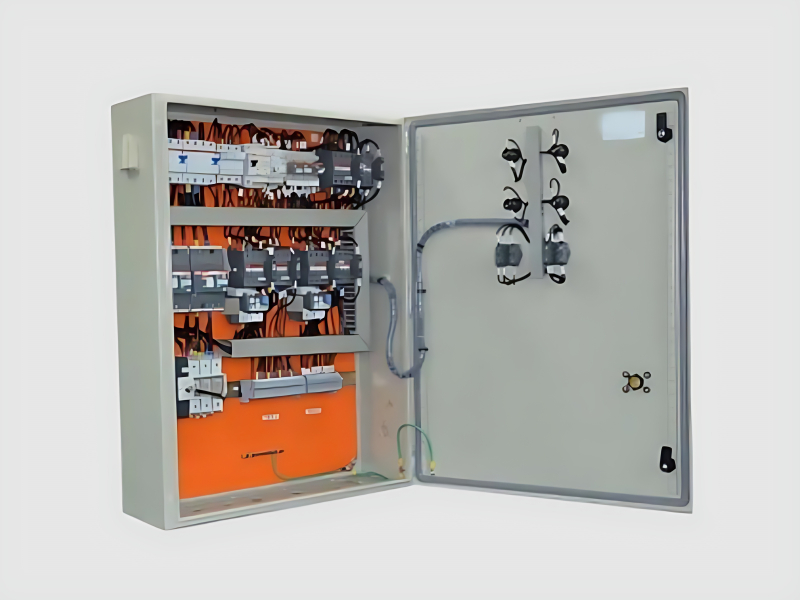
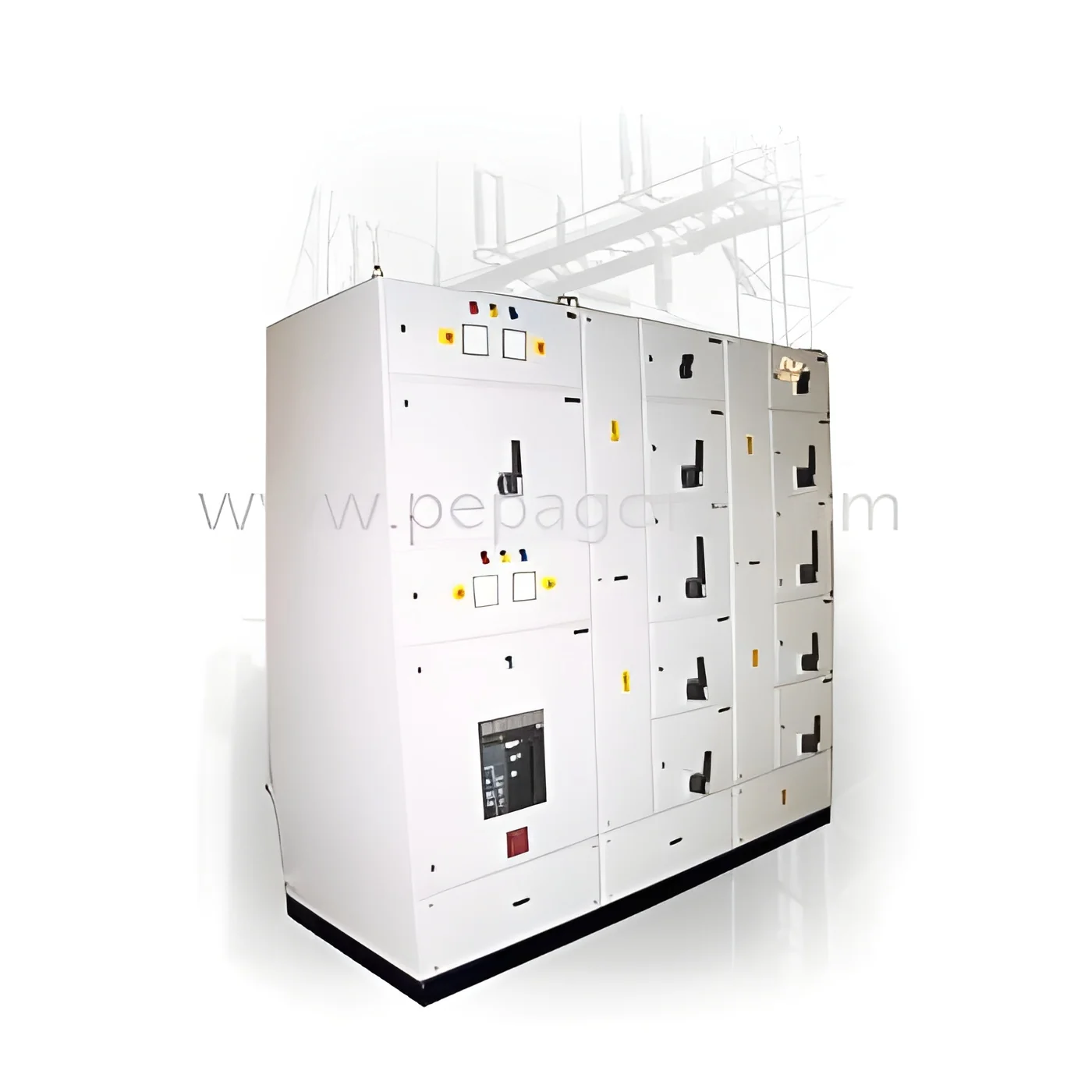
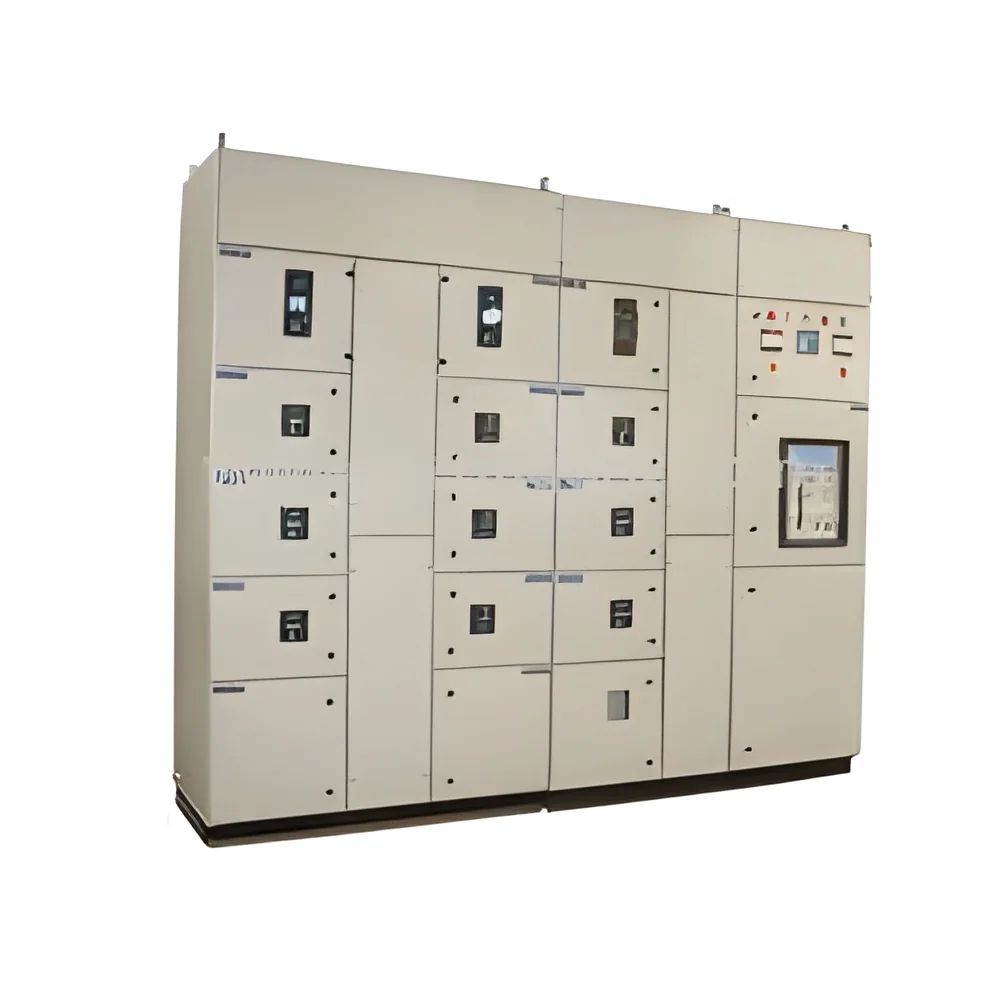
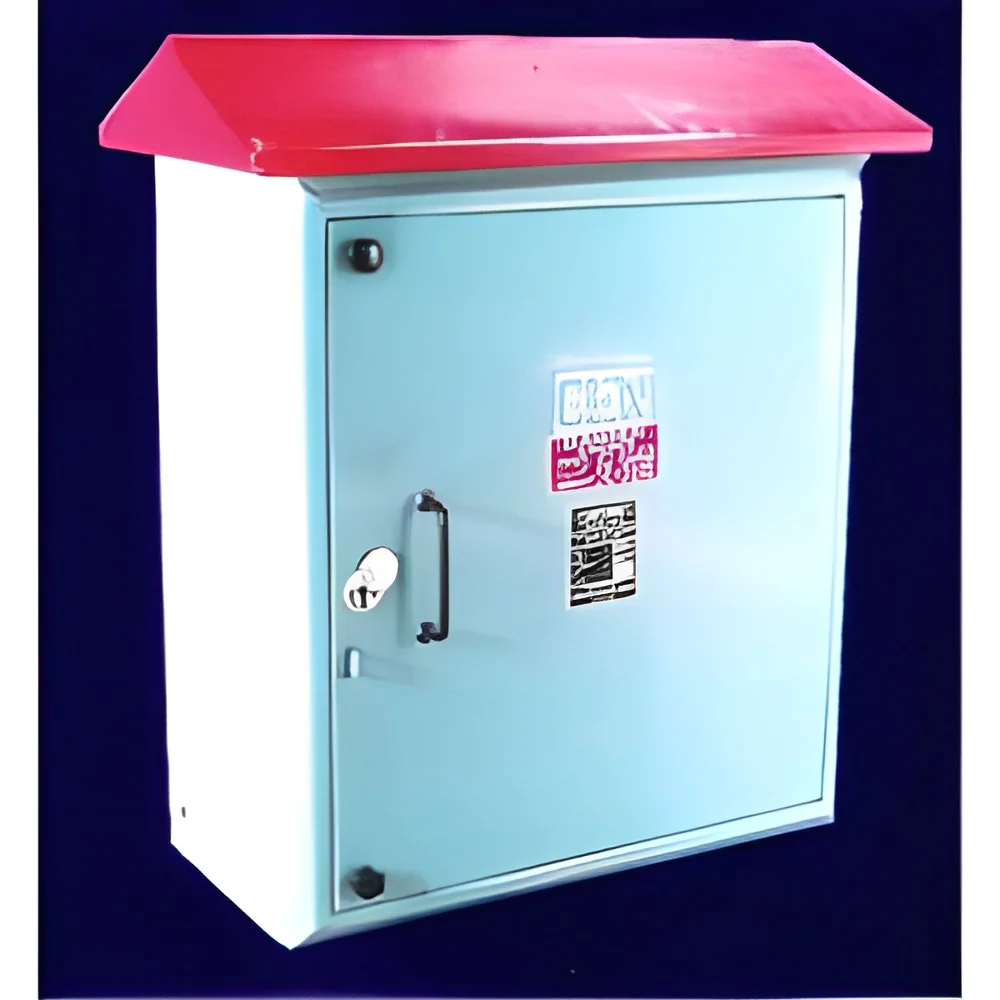
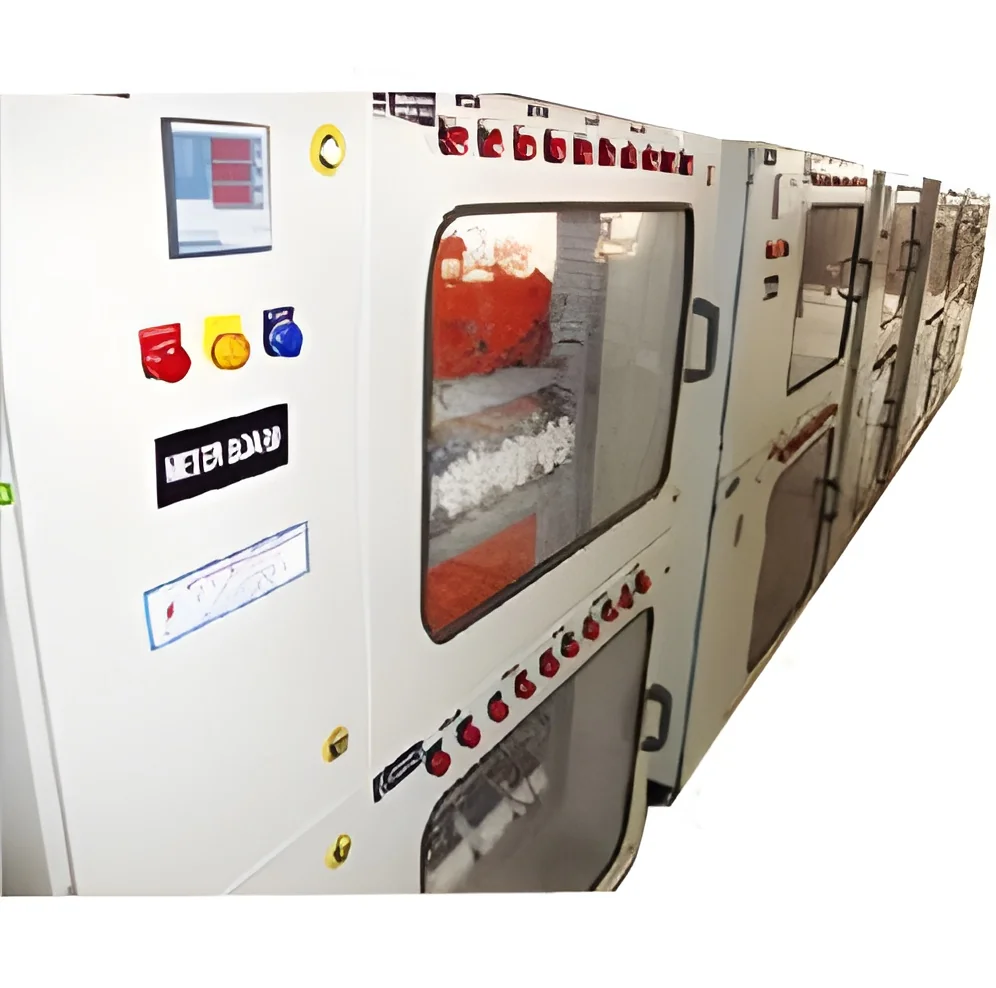
Panel boards and cabinets are essential components in electrical distribution systems. They serve as a central hub for managing and controlling electrical circuits in various applications. Typically constructed from durable materials, these units provide a safe and organized enclosure for circuit breakers, fuses, and other electrical components. Panel boards facilitate the distribution of electricity throughout a facility while ensuring user safety and compliance with electrical codes.
The primary uses of panel boards and cabinets extend across numerous sectors, including manufacturing, commercial buildings, and infrastructure projects. In these environments, they manage power distribution, protect electrical circuits, and provide a means for easy access to electrical components for maintenance and upgrades. Their versatility makes them indispensable in any setting where electricity is utilized, ensuring operational efficiency and safety.
In today’s industrial landscape, panel boards and cabinets are increasingly relevant as organizations seek to optimize energy usage and improve safety protocols. With the growing emphasis on automation and smart technology in various sectors, the demand for reliable electrical management solutions continues to rise, positioning panel boards and cabinets as critical assets in modern infrastructure.
Key Features and Specifications
Panel boards and cabinets come with a range of features and specifications that enhance their functionality and safety. These specifications are designed to meet the diverse needs of various industries and ensure compliance with safety standards.
Key specifications include:
1. Material Construction
- Typically made from steel or aluminum for durability.
- Corrosion-resistant finishes are often applied.
2. Voltage Rating
- Common voltage ratings include 120V, 240V, and 480V.
- Units are designed to handle specific voltage applications.
3. Circuit Capacity
- Available in multiple configurations, such as 12, 24, or 48 circuits.
- Designed to accommodate various load requirements.
4. Enclosure Type
- Options include NEMA-rated enclosures for indoor and outdoor use.
- Additional features may include locking mechanisms for security.
5. Size and Dimensions
- Standard sizes vary to fit different installation spaces.
- Custom sizes may be available to meet specific project needs.
6. Mounting Options
- Can be wall-mounted or freestanding, depending on application.
- Flexibility in installation enhances usability.
7. Compliance Standards
- Many products adhere to international standards such as CE marking.
- Compliance with local electrical codes is critical.
8. Safety Features
- Integrated surge protection and grounding options.
- Features to prevent overload and short-circuiting.
These specifications ensure that panel boards and cabinets are well-suited for their intended applications, providing safety and reliability in electrical distribution.
Common Applications and Use Cases
Panel boards and cabinets are utilized in a variety of industries, each with specific applications that highlight their importance.
1. Manufacturing: In manufacturing plants, panel boards manage power distribution to machinery and equipment, ensuring efficient operation and minimizing downtime.
2. Commercial Buildings: These units are critical in commercial spaces, controlling electrical circuits for lighting, HVAC systems, and office equipment, contributing to energy efficiency.
3. Data Centers: In data centers, panel boards facilitate the distribution of power to servers and networking equipment, ensuring uninterrupted service and operational reliability.
4. Construction: During construction projects, temporary panel boards provide essential power to tools and equipment, supporting various phases of development.
5. Renewable Energy: Panel boards are integral to solar and wind energy systems, managing power from generation to distribution.
6. Transportation: In transportation infrastructure, panel boards control power for signaling systems and communication equipment, enhancing safety and efficiency.
7. Healthcare: Hospitals use panel boards to manage power for critical medical devices and systems, ensuring reliability in patient care.
Product Variants and Subcategories
Panel boards and cabinets are available in various configurations to suit different needs and environments.
Standard Panel Boards
These are designed for general use in commercial and industrial settings. They typically feature multiple circuit options and are available in various sizes to accommodate different electrical loads.
Smart Panel Boards
Equipped with advanced monitoring and control features, smart panel boards allow for real-time data tracking and energy management. They are particularly beneficial in facilities focused on energy efficiency and automation.
Modular Cabinets
Modular designs offer flexibility in configuration and expansion. These cabinets can be easily reconfigured or expanded to accommodate changing electrical needs in growing operations.
Custom Panel Boards
For specialized applications, custom panel boards can be designed to meet specific requirements, including unique voltage ratings and circuit configurations.
Benefits and Advantages
Choosing panel boards and cabinets offers several key benefits that enhance operational efficiency and safety.
1. Improved Safety: Panel boards provide a centralized location for managing electrical circuits, reducing the risk of accidents and ensuring compliance with safety regulations.
2. Enhanced Durability: Constructed from robust materials, these products are designed to withstand harsh environments, providing long-lasting performance.
3. Simplified Maintenance: Easy access to circuit components allows for quick maintenance and troubleshooting, minimizing downtime.
4. Flexibility and Scalability: With various configurations available, panel boards can be tailored to meet evolving electrical needs as businesses grow.
5. Energy Efficiency: Properly managed electrical distribution can lead to significant energy savings, contributing to lower operational costs.
6. Compliance Assurance: Sourcing panel boards that meet industry standards ensures that businesses remain compliant with local regulations and safety codes.
Buying Guide for B2B Buyers
When sourcing panel boards and cabinets, B2B buyers should consider several important factors to ensure they make informed decisions.
1. Quality Assessment: Evaluate the build quality and materials used in panel boards. Look for certifications and compliance with industry standards that guarantee reliability.
2. Supplier Verification: Vet potential suppliers by checking their reputation, track record, and customer reviews. A reliable supplier ensures timely delivery and support.
3. Pricing and MOQ: Understand the pricing structure and minimum order quantities. Compare costs among suppliers to find the best value for your investment.
4. Delivery and Lead Times: Assess logistics capabilities and expected lead times to ensure that products arrive when needed for projects.
5. Compliance Requirements: Verify that products meet all relevant safety and compliance standards to avoid potential legal issues.
Compliance and Certifications
Panel boards and cabinets must adhere to various quality standards and compliance requirements to ensure safety and performance.
ISO 9001 is a widely recognized quality management standard that assures customers of consistent product quality. Compliance with this standard indicates that manufacturers follow stringent quality control processes.
CE certification demonstrates that products meet European Union safety and health requirements. This certification is crucial for businesses looking to operate within EU markets.
Safety and testing requirements are essential for panel boards and cabinets. These products must undergo rigorous testing to ensure they can withstand electrical loads and environmental conditions.
Regional compliance considerations may vary based on local laws and regulations. It is vital for manufacturers and suppliers to stay informed about the specific requirements in their target markets.
Why Source Panel Boards & Cabinets from Pepagora?
Pepagora provides a trusted platform for sourcing panel boards and cabinets, offering several key advantages for B2B buyers.
Verified Supplier Network: Pepagora connects buyers with a network of verified suppliers, ensuring that products are sourced from reputable manufacturers. This reduces the risk of purchasing substandard products.
Streamlined RFQ Process: The platform features a user-friendly request for quotation (RFQ) system, making it easy for buyers to receive competitive quotes from multiple suppliers. This simplifies the procurement process and saves time.
Trade Assurance and Support: Pepagora offers buyer protection through trade assurance, ensuring that transactions are secure. The platform also provides support throughout the purchasing process, helping buyers navigate any challenges.
Regional Coverage: With a presence in India, GCC, and Southeast Asia, Pepagora has extensive regional coverage, allowing buyers to source products locally while benefiting from competitive pricing and reduced shipping times.
This combination of advantages makes Pepagora an ideal choice for businesses seeking reliable panel boards and cabinets.



 India
 India
 India
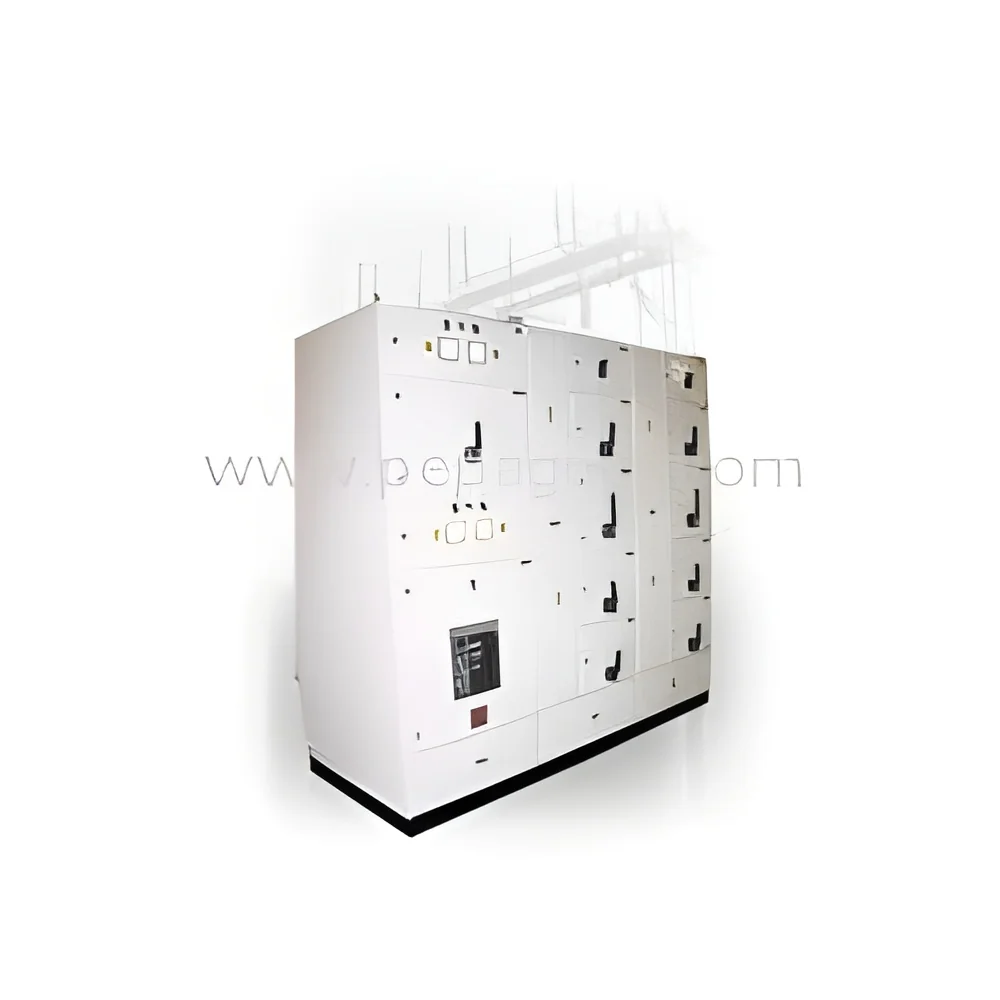

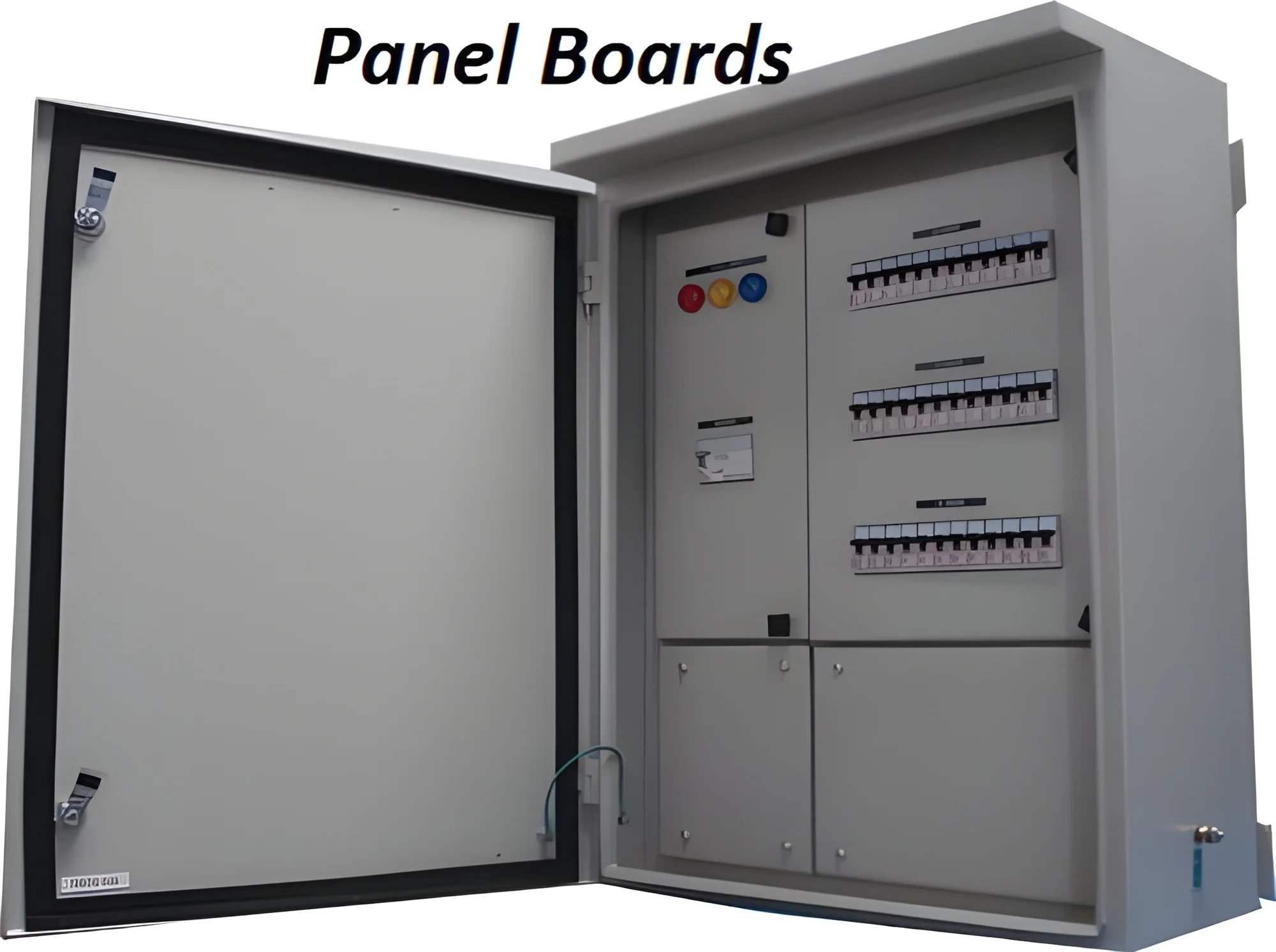 India
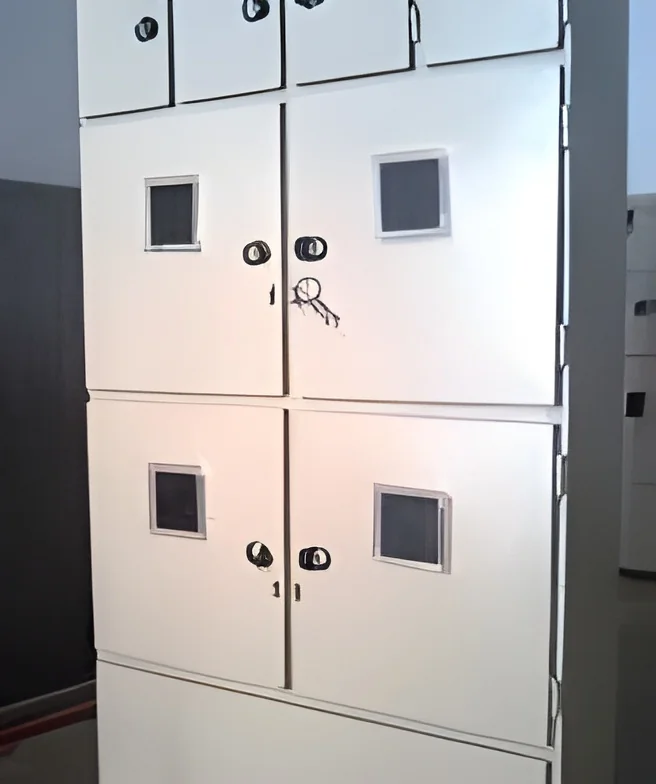

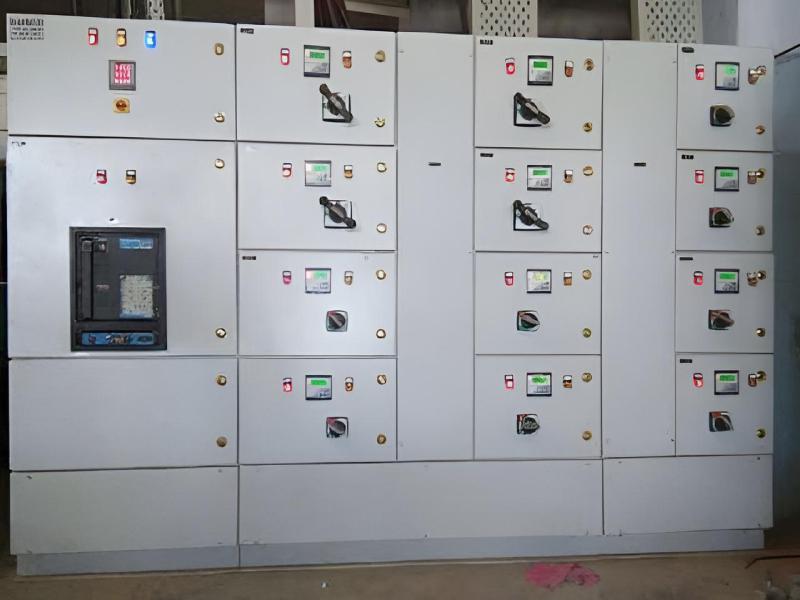
 India
Frequently Asked Questions
What are Panel Boards & Cabinets?
<p>Panel Boards & Cabinets are enclosures that house electrical components, such as circuit breakers, switches, and wiring. They provide protection and organization for electrical systems in residential, commercial, and industrial settings. These cabinets ensure safety by preventing unauthorized access and protecting against environmental factors.</p>
What are the different types of Panel Boards & Cabinets?
<p>There are several types of Panel Boards & Cabinets, including distribution boards, switchboards, and control panels. Distribution boards are used to distribute electrical power to various circuits, while switchboards manage the flow of electricity from multiple sources. Control panels monitor and control machinery operations.</p>
How do I choose the right Panel Boards & Cabinets?
<p>When selecting Panel Boards & Cabinets, consider factors such as the intended application, load capacity, and installation environment. It's crucial to assess the electrical specifications and ensure compatibility with existing systems. Additionally, evaluate the dimensions and space requirements to ensure a proper fit.</p>
What are the standard specifications for Panel Boards & Cabinets?
<p>Standard specifications for Panel Boards & Cabinets typically include ratings for voltage, current, and enclosure type. Most cabinets are designed to meet specific IP (Ingress Protection) ratings to safeguard against dust and moisture. It's essential to refer to applicable industry standards such as IEC or ANSI for detailed requirements.</p>
What is the price range for Panel Boards & Cabinets?
<p>The price range for Panel Boards & Cabinets can vary significantly based on size, material, and specifications. On average, small cabinets may start from a few thousand Indian Rupees, while larger and more complex units can cost significantly more. It's advisable to compare prices from multiple suppliers to find the best option.</p>
What quality standards apply to Panel Boards & Cabinets?
<p>Panel Boards & Cabinets must comply with various quality standards, including ISO certifications and safety regulations. Common standards include IEC 61439 for low-voltage switchgear and controlgear assemblies. Ensuring that products meet these standards is crucial for safety and reliability in electrical installations.</p>
Where can I find Panel Boards & Cabinets suppliers in India?
<p>Panel Boards & Cabinets suppliers can be found through various channels, including online B2B marketplaces like Pepagora.com, trade shows, and industry directories. It's beneficial to research and compare suppliers based on their reputation, product range, and customer reviews. Contacting local electrical distributors may also yield valuable leads.</p>
Can Panel Boards & Cabinets be customized?
<p>Yes, many manufacturers offer customization options for Panel Boards & Cabinets to meet specific needs. Customization can include modifications in size, layout, and component specifications. It's advisable to discuss requirements with suppliers to explore available options and ensure compliance with safety standards.</p>
What is the typical minimum order quantity for Panel Boards & Cabinets?
<p>The typical minimum order quantity (MOQ) for Panel Boards & Cabinets varies by manufacturer and specific product type. Generally, MOQs can range from a single unit for standard models to larger quantities for custom or bulk orders. It's best to consult with suppliers for their specific MOQs and purchasing policies.</p>
What is the typical lead time for Panel Boards & Cabinets?
<p>The lead time for Panel Boards & Cabinets can vary depending on the complexity of the order and the manufacturer's production schedule. Standard products may have a lead time of 2 to 4 weeks, while customized cabinets could take longer. It's important to communicate with suppliers to get accurate lead time estimates for your specific requirements.</p>
Why Businesses Trust Pepagora
Thousands of companies trust Pepagora to source smarter and sell faster
Expand Your Sales Globally

Source Smarter,Grow Faster
