What are Ozone Therapy Machines?
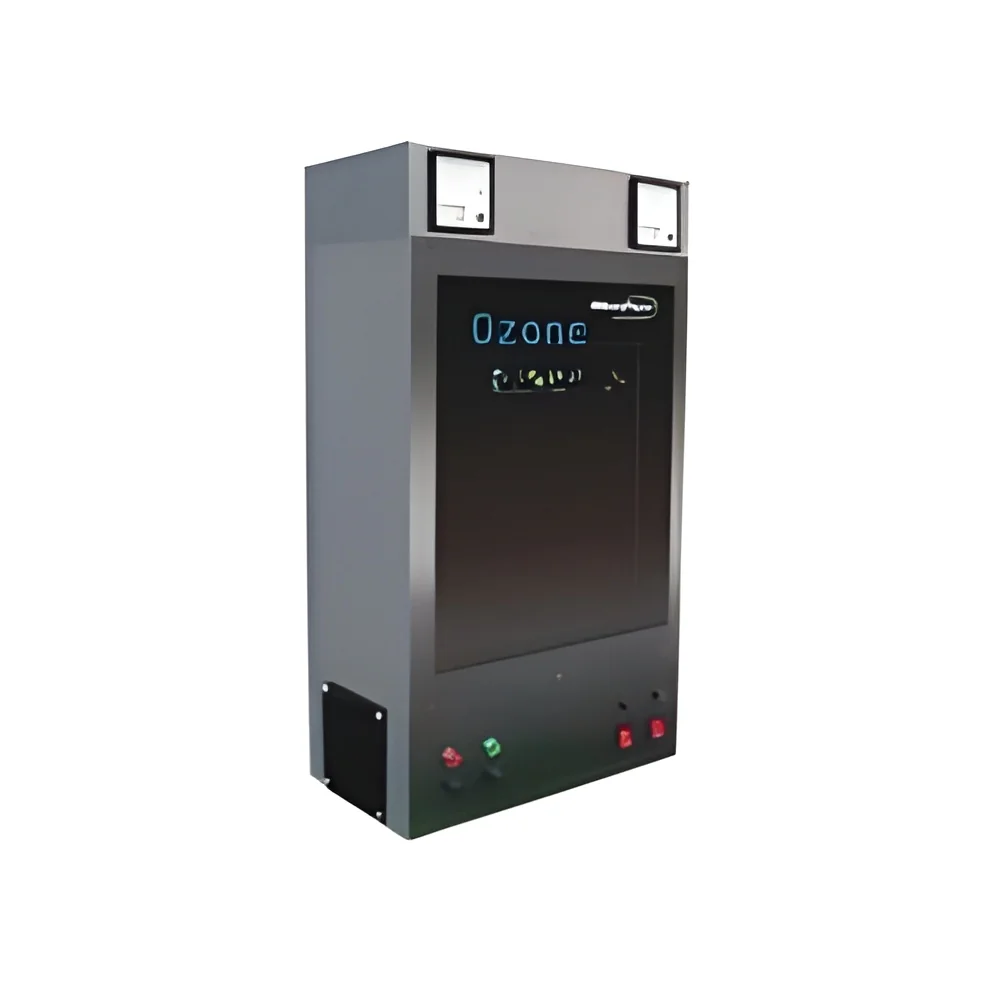
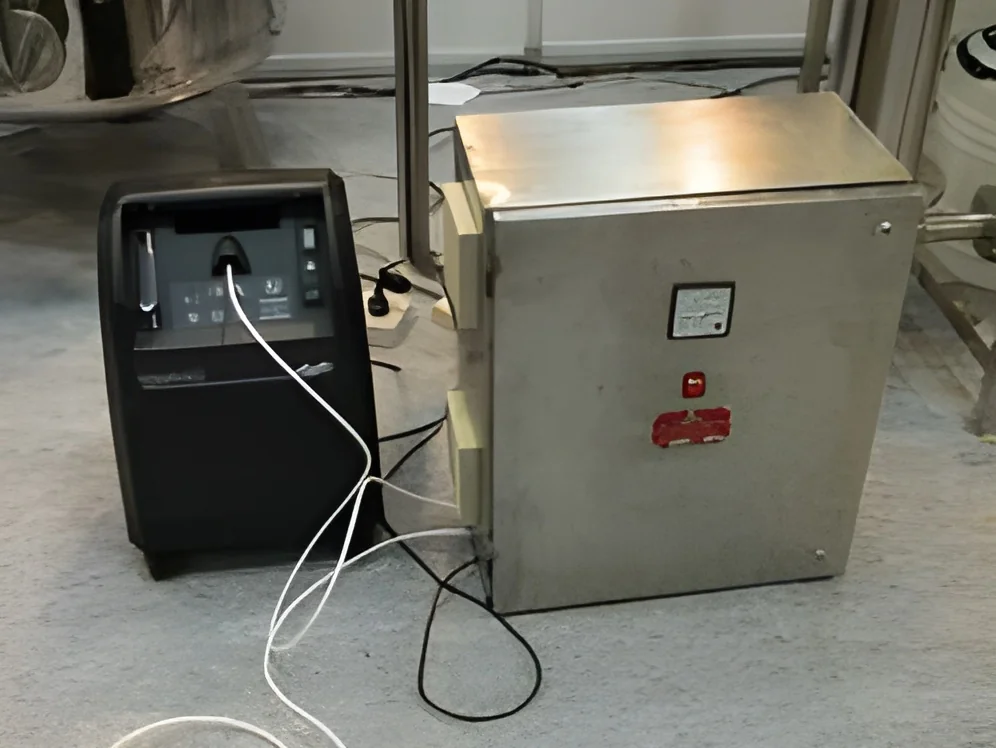
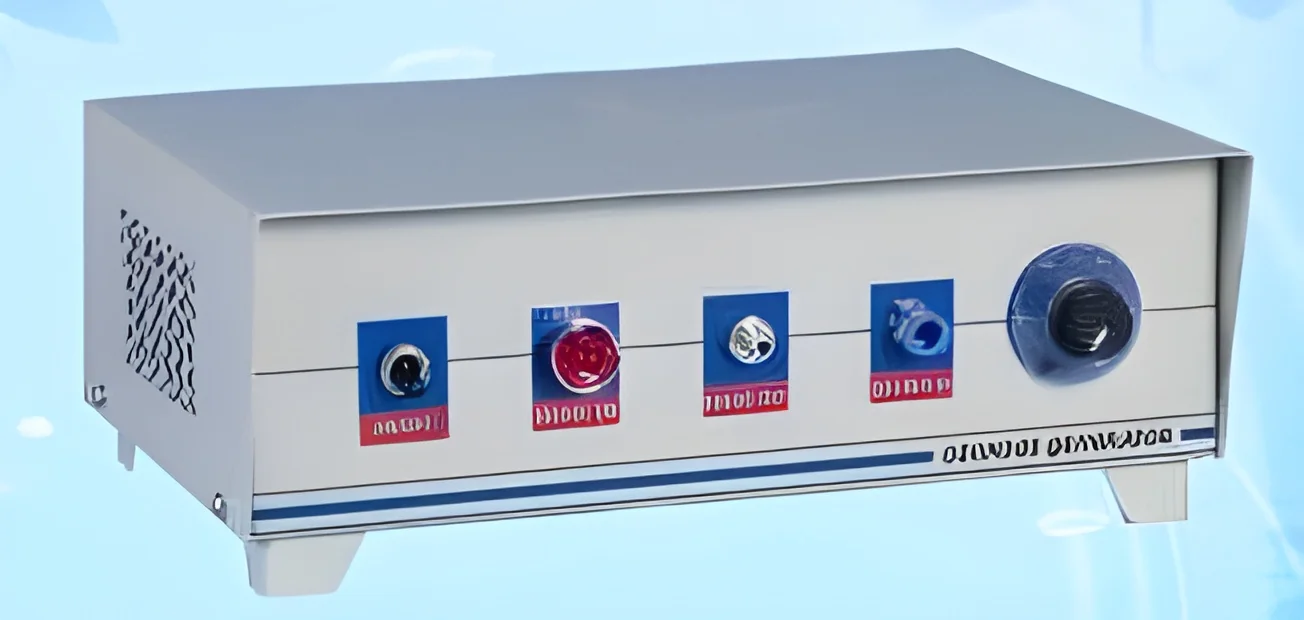
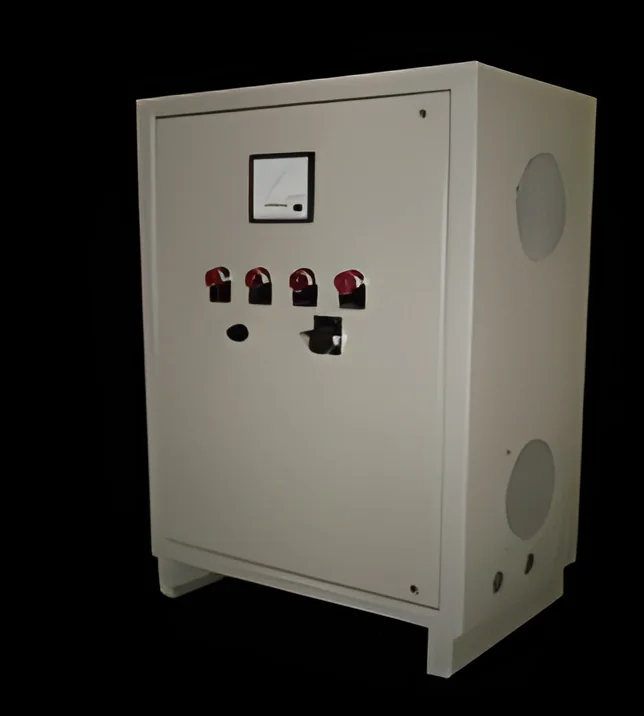
Ozone Therapy Machines are specialized devices designed to produce ozone gas for therapeutic use. Ozone, a triatomic form of oxygen, is known for its strong oxidative properties and potential health benefits. These machines convert oxygen from the air into ozone using electrical energy, which can then be delivered to patients through various methods, including insufflation, injection, or topical application. The machines are designed to operate safely and efficiently, ensuring that the ozone produced meets specific medical standards.
The primary uses of Ozone Therapy Machines include medical treatments for conditions such as chronic pain, infections, and inflammation. They are also used in wellness applications, such as detoxification and enhancing overall health. Businesses in the healthcare sector, such as clinics, spas, and wellness centers, frequently utilize these machines to offer ozone therapy as part of their service portfolio. With increasing awareness of alternative therapies, the market for ozone therapy is expanding, making it a relevant investment for healthcare providers.
As the demand for natural and alternative treatment options grows, Ozone Therapy Machines are gaining traction in the medical industry. This technology aligns with the broader trend towards integrative health solutions, where conventional and alternative therapies coexist. Consequently, businesses looking to enhance their service offerings may find ozone therapy machines to be a valuable addition to their product lineup.
Key Features and Specifications
Ozone Therapy Machines come equipped with various features designed to enhance safety, efficiency, and ease of use. Understanding these specifications is crucial for buyers to select the right machine for their needs.
Key specifications include:
1. Ozone Output Capacity
- This specification indicates the amount of ozone the machine can produce per session.
- Typical ranges are from 0.1 to 5 grams per hour, depending on the machine's design.
2. Power Consumption
- Indicates how much energy the machine consumes during operation.
- Most machines operate between 50 to 300 watts.
3. Control System
- Machines may feature digital or analog control systems for adjusting ozone concentration.
- Digital controls often come with preset programs for ease of use.
4. Safety Features
- Includes built-in alarms, automatic shut-off mechanisms, and ozone concentration monitors.
- Safety systems are essential to prevent exposure to high ozone levels.
5. Portability
- Some models are designed to be compact and lightweight for easy transport.
- Portability is crucial for clinics that require mobility for their services.
6. Treatment Modes
- Many machines offer multiple treatment modes, such as direct injection or ozonated water production.
- Flexible modes allow for tailored therapy based on patient needs.
7. Durability
- Constructed from high-quality materials to withstand regular use.
- Durability ensures longevity, reducing the need for frequent replacements.
8. Compliance with Medical Standards
- Machines should meet various health and safety regulations.
- Compliance with standards such as CE certification is important for market acceptance.
In summary, when evaluating Ozone Therapy Machines, it is important to consider these specifications to ensure that the selected device meets both operational requirements and safety standards.
Common Applications and Use Cases
Ozone Therapy Machines are versatile tools used across several industries, each with unique applications.
1. Healthcare: In hospitals and clinics, ozone therapy is used to treat infections and promote healing in wounds. It can also aid in pain management for chronic conditions.
2. Aesthetics: Spas and beauty clinics utilize ozone therapy for skin rejuvenation and detoxification treatments, promoting healthier skin and overall wellness.
3. Veterinary Medicine: Veterinarians employ ozone therapy for treating infections and enhancing recovery in animals, providing a non-invasive treatment option.
4. Sports Medicine: Athletic facilities use ozone therapy for recovery and injury treatment, helping athletes heal faster and improve performance.
5. Dental Practices: Ozone therapy is gaining popularity in dentistry for its antimicrobial properties, helping to treat oral infections and promote healing after procedures.
6. Wellness Centers: Many wellness facilities offer ozone therapy as part of holistic health programs, focusing on detoxification and immune support.
7. Environmental Applications: Ozone therapy machines are also used in water treatment facilities to purify water and eliminate contaminants.
Product Variants and Subcategories
Ozone Therapy Machines come in a variety of models to suit different applications and user needs. Each variant offers unique features tailored to specific use cases.
Ozone Generator for Home Use
This variant is designed for personal use, allowing individuals to safely perform ozone therapy at home. It typically includes user-friendly controls and safety features to ensure effective and secure treatments.
Medical-Grade Ozone Therapy Machine
These machines are built for clinical environments and adhere to stringent medical standards. They often have advanced monitoring systems and higher ozone output capacities to accommodate professional treatment needs.
Portable Ozone Therapy Device
This variant is lightweight and battery-operated, making it ideal for practitioners who require mobility. It is perfect for on-the-go treatments and can be used in various settings.
Benefits and Advantages
Ozone Therapy Machines offer numerous advantages for both practitioners and patients alike.
Key benefits include:
1. Non-Invasive Treatment: Ozone therapy is a non-surgical option, reducing the risks associated with invasive procedures.
2. Enhanced Healing: The oxidative properties of ozone can promote faster healing and tissue regeneration, benefiting patients with chronic conditions.
3. Antimicrobial Properties: Ozone is effective against bacteria, viruses, and fungi, making it a potent tool in infection control.
4. Improved Oxygen Utilization: Ozone therapy can enhance the body's ability to utilize oxygen, promoting better overall health and vitality.
5. Customizable Treatment: Ozone therapy can be tailored to individual patient needs, providing flexibility in treatment approaches.
6. Cost-Effective: Compared to many traditional medical treatments, ozone therapy can be more affordable, making it accessible to a wider range of patients.
Buying Guide for B2B Buyers
When sourcing Ozone Therapy Machines for business needs, it is essential to consider several key factors to ensure a successful purchase.
1. Quality Assessment: Evaluate the machine's build quality and features. Look for certifications such as CE that indicate compliance with health and safety standards.
2. Supplier Verification: Research potential suppliers to ensure they are reputable and have a history of providing quality products. Customer reviews and industry reputation are good indicators.
3. Pricing and MOQ: Understand the pricing structure and minimum order quantities (MOQ) from suppliers. Compare multiple quotes to ensure competitive pricing.
4. Delivery and Lead Times: Confirm the expected delivery times and logistics involved in shipping the machines. Timely delivery is critical for maintaining service continuity.
5. Compliance Requirements: Familiarize yourself with the regulatory landscape for ozone therapy equipment in your region. Ensure that the machines meet all necessary compliance standards.
Compliance and Certifications
Compliance and certification are crucial aspects of Ozone Therapy Machines, ensuring their safety and efficacy in various applications.
Relevant quality standards such as ISO 9001 focus on maintaining quality management systems. These standards ensure that manufacturers consistently produce high-quality products that meet customer and regulatory requirements.
Industry certifications, including CE marking, indicate that the machines comply with European health, safety, and environmental protection standards. This certification is essential for market acceptance in Europe and other regions recognizing CE standards.
Safety and testing requirements are also paramount. Ozone Therapy Machines should undergo rigorous testing to ensure they operate safely and effectively. This includes checks for ozone output levels and safety features to protect both patients and operators.
Regional compliance considerations vary by market. Buyers must ensure that the machines they source meet local regulations regarding ozone therapy use and equipment safety.
Why Source Ozone Therapy Machines from Pepagora?
Pepagora serves as a trusted platform for sourcing Ozone Therapy Machines, providing several key advantages for businesses.
Verified Supplier Network: Pepagora connects buyers with a network of verified suppliers, ensuring that all listed vendors meet stringent quality and compliance standards. This verification process helps mitigate risks associated with sourcing and purchasing.
Streamlined RFQ Process: The Request for Quotation (RFQ) process at Pepagora is designed to be user-friendly. Buyers can easily submit requests and receive quotes from multiple suppliers, simplifying the decision-making process.
Trade Assurance and Support: Pepagora offers buyer protection through trade assurance policies, ensuring that transactions are secure and that buyers receive the products as promised. This support fosters trust between buyers and suppliers.
Regional Coverage: With a strong presence in India, the GCC, and Southeast Asia, Pepagora provides extensive geographic reach. This regional coverage allows businesses to find local suppliers and ensure timely delivery of their Ozone Therapy Machines.

 IN
IN