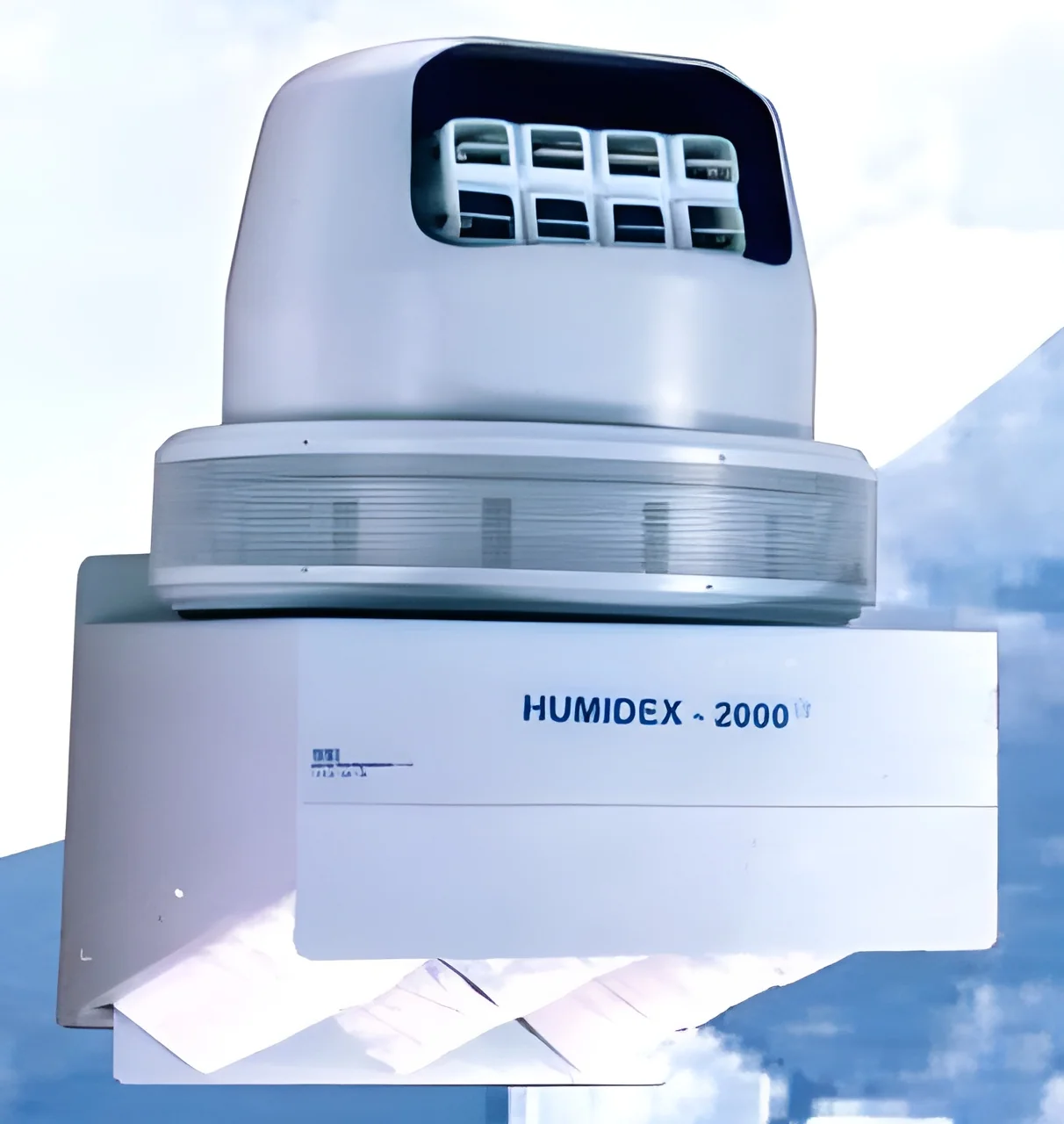
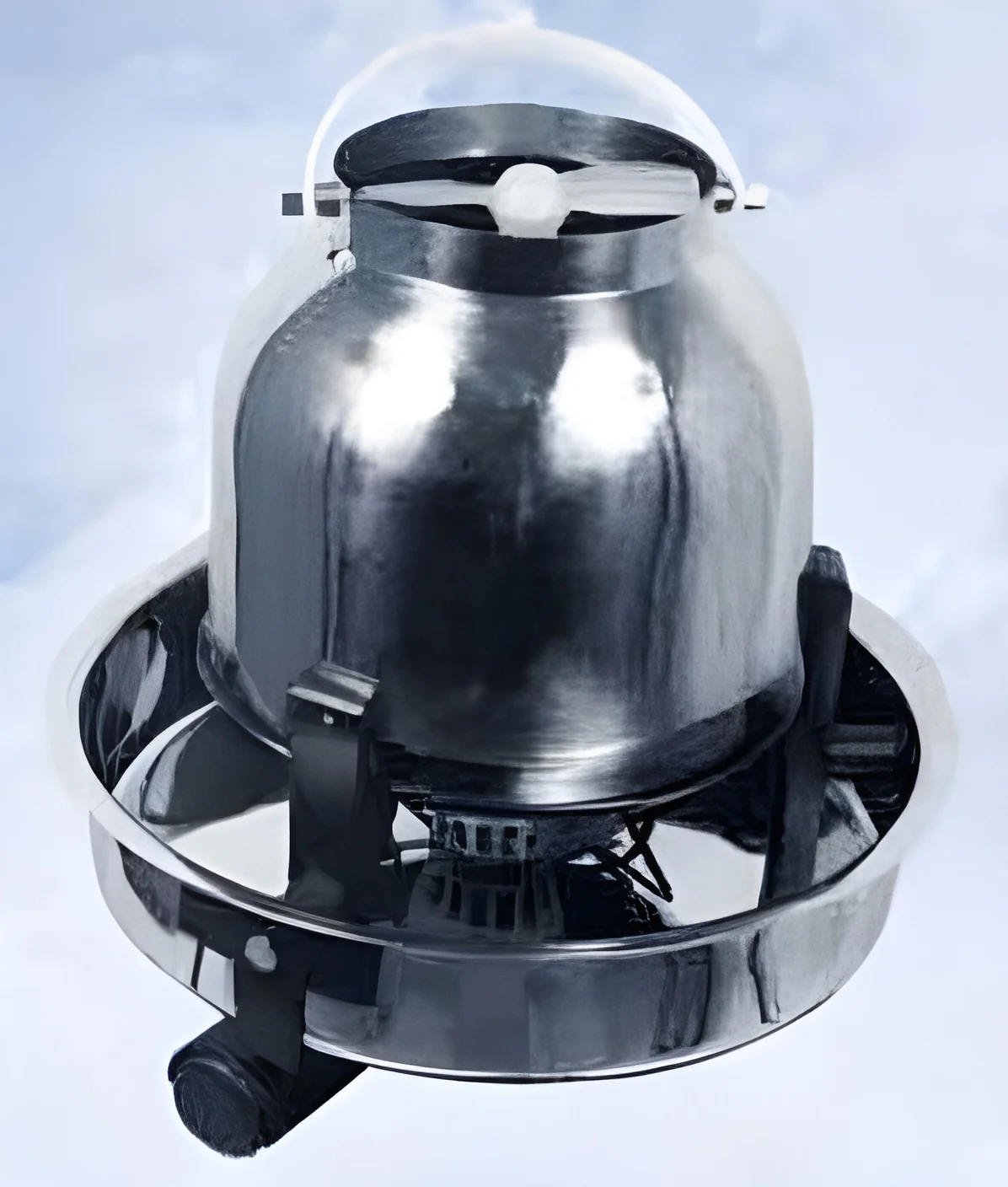
What are Aroma Diffusers & Humidifiers?
Aroma diffusers and humidifiers are devices designed to enhance indoor air quality and atmosphere. Aroma diffusers disperse essential oils into the air, creating pleasant scents and promoting relaxation. Humidifiers add moisture to the air, combating dryness that can lead to discomfort and health issues. Together, they contribute to a more enjoyable and healthier indoor environment.
These devices are primarily used in various settings, including offices, spas, and homes. Businesses utilize aroma diffusers to create inviting atmospheres that can improve customer experiences and enhance employee productivity. Humidifiers are particularly valuable in industries where maintaining certain humidity levels is crucial for equipment and product integrity, such as in manufacturing and healthcare.
In today's market, the demand for aroma diffusers and humidifiers continues to grow as more businesses recognize the benefits of improved air quality. With an increasing focus on wellness and comfort in work and living spaces, these products are becoming essential in both residential and commercial sectors.
Key Features and Specifications
Aroma diffusers and humidifiers come with various features designed to maximize their effectiveness and usability. When selecting these devices, it is crucial to consider key specifications that influence performance and suitability for specific applications.
Key specifications include:
1. Capacity
- Refers to the volume of water the humidifier can hold or the amount of essential oil the diffuser can use.
- Typical ranges are between 100 ml to 500 ml for diffusers and up to several liters for humidifiers.
2. Operation Modes
- Many devices offer multiple operation modes, such as continuous mist or intermittent settings.
- This allows users to customize their experience based on needs.
3. Coverage Area
- Indicates the size of the space the device can effectively service.
- Coverage can range from small rooms (50-100 square feet) to larger areas (up to 1,000 square feet).
4. Noise Level
- Important for environments where quiet operation is essential, such as offices or bedrooms.
- Measured in decibels (dB), with quieter models typically operating below 30 dB.
5. Filter Type
- Some humidifiers may include filters to purify the water used.
- Common types include HEPA filters and activated carbon filters.
6. Power Consumption
- Indicates the energy efficiency of the device.
- Most models will consume between 20 to 50 watts during operation.
7. Material Quality
- The construction material can affect durability and safety.
- High-quality plastics or BPA-free materials are often preferred.
8. Control Features
- Many modern units come with smart technology, allowing control via mobile apps or voice commands.
- Additional features may include timers and automatic shut-off functions.
In summary, understanding these key features and specifications can help buyers select the right aroma diffusers and humidifiers that meet their specific needs.
Common Applications and Use Cases
Aroma diffusers and humidifiers serve various industries and applications, enhancing environments and improving overall well-being.
1. Hospitality: Hotels and resorts use aroma diffusers to create welcoming atmospheres in lobbies and guest rooms, enhancing guest experiences.
2. Healthcare: Hospitals and clinics utilize humidifiers to maintain optimal humidity levels, which can assist in patient comfort and recovery.
3. Retail: Stores employ aroma diffusers to create pleasant scents that can attract customers and encourage longer visits.
4. Office Spaces: Many businesses incorporate these devices to improve air quality, reduce stress, and promote productivity among employees.
5. Education: Schools and daycare centers use humidifiers to create a comfortable learning environment, especially during dry seasons.
6. Wellness Centers: Spas and yoga studios utilize aroma diffusers to promote relaxation and enhance the overall experience for clients.
7. Home Use: Individuals use these devices in their homes to improve air quality, sleep quality, and overall comfort.
Product Variants and Subcategories
Aroma diffusers and humidifiers come in various designs and functionalities, catering to different preferences and needs.
Ultrasonic Aroma Diffuser
This variant uses ultrasonic technology to create a fine mist of essential oils, making it ideal for large spaces. It operates silently and often features adjustable mist settings.
Cool Mist Humidifier
Ideal for dry climates, this humidifier releases a cool mist into the air, helping to alleviate respiratory discomfort. It is suitable for both residential and commercial use.
Essential Oil Diffuser
Specifically designed for dispersing essential oils, this diffuser often includes various light settings and timers, enhancing its usability in wellness and relaxation applications.
Evaporative Humidifier
This type uses a fan to blow air through a wet wick, naturally adding moisture to the air. It is energy-efficient and suitable for larger areas.
Benefits and Advantages
Aroma diffusers and humidifiers offer numerous benefits that enhance both personal and professional environments.
1. Improved Air Quality: These devices help to remove airborne pollutants and allergens, creating a healthier environment.
2. Enhanced Comfort: By regulating humidity levels, humidifiers can alleviate dry skin and respiratory issues, leading to greater comfort.
3. Stress Reduction: Aroma diffusers can create calming atmospheres that reduce stress and promote relaxation.
4. Increased Productivity: In workspaces, better air quality and pleasant scents can enhance focus and productivity among employees.
5. Customizable Experience: Many devices allow users to adjust settings according to their preferences, offering a tailored experience.
6. Multifunctionality: Some models combine both humidifying and aroma-diffusing functions, providing two benefits in one device.
Buying Guide for B2B Buyers
When sourcing aroma diffusers and humidifiers, buyers should consider several critical factors to ensure they select the best products for their needs.
1. Quality Assessment: Evaluate the quality of materials and construction. Look for certifications and positive reviews from previous buyers to ensure reliability.
2. Supplier Verification: Vet suppliers thoroughly by checking their backgrounds, business practices, and customer service records. This helps ensure a trustworthy partnership.
3. Pricing and MOQ: Understand the pricing structures and minimum order quantities (MOQ) to ensure they align with budgetary constraints and purchasing strategies.
4. Delivery and Lead Times: Assess logistics capabilities and lead times for delivery. Timely delivery is essential in maintaining operational flow.
5. Compliance Requirements: Familiarize yourself with any relevant compliance standards and regulations that apply to the products, ensuring all devices meet necessary safety and quality certifications.
Compliance and Certifications
Aroma diffusers and humidifiers must adhere to various compliance standards to ensure safety and quality. Relevant quality standards include ISO 9001, which emphasizes quality management systems, and HACCP for ensuring safe practices in manufacturing and handling.
Industry certifications such as CE signify that products meet European safety standards. Additionally, manufacturers often conduct safety and performance testing to ensure reliability and efficacy.
Regional compliance considerations can vary, so it is essential for buyers to understand local regulations regarding air quality and product safety. Ensuring that products meet these standards is crucial for legal compliance and consumer safety.
Why Source Aroma Diffusers & Humidifiers from Pepagora?
Pepagora provides a trusted platform for sourcing aroma diffusers and humidifiers, offering several key advantages for B2B buyers.
Verified Supplier Network: Pepagora features a rigorous vetting process for suppliers, ensuring that only reputable and reliable manufacturers are listed. This builds trust and confidence in sourcing decisions.
Streamlined RFQ Process: The platform facilitates a straightforward request for quotation (RFQ) process, allowing buyers to easily compare prices and features from multiple suppliers, saving time and effort.
Trade Assurance and Support: Buyers benefit from trade assurance policies, providing an added layer of protection during transactions. This support ensures that buyers feel secure in their purchases.
Regional Coverage: With a strong presence in India, the GCC, and Southeast Asia, Pepagora offers extensive regional coverage, making it easy for businesses across these areas to find the right aroma diffusers and humidifiers to suit their needs.

 IN
IN