
 IN
INHair Dryers (Wall-Mounted, Portable)
6 products available
Key Features and Specifications
Common Applications and Use Cases
Product Variants and Subcategories
Benefits and Advantages
Buying Guide for B2B Buyers
Compliance and Certifications

Frequently Asked Questions
What are Hair Dryers (Wall-Mounted, Portable)?
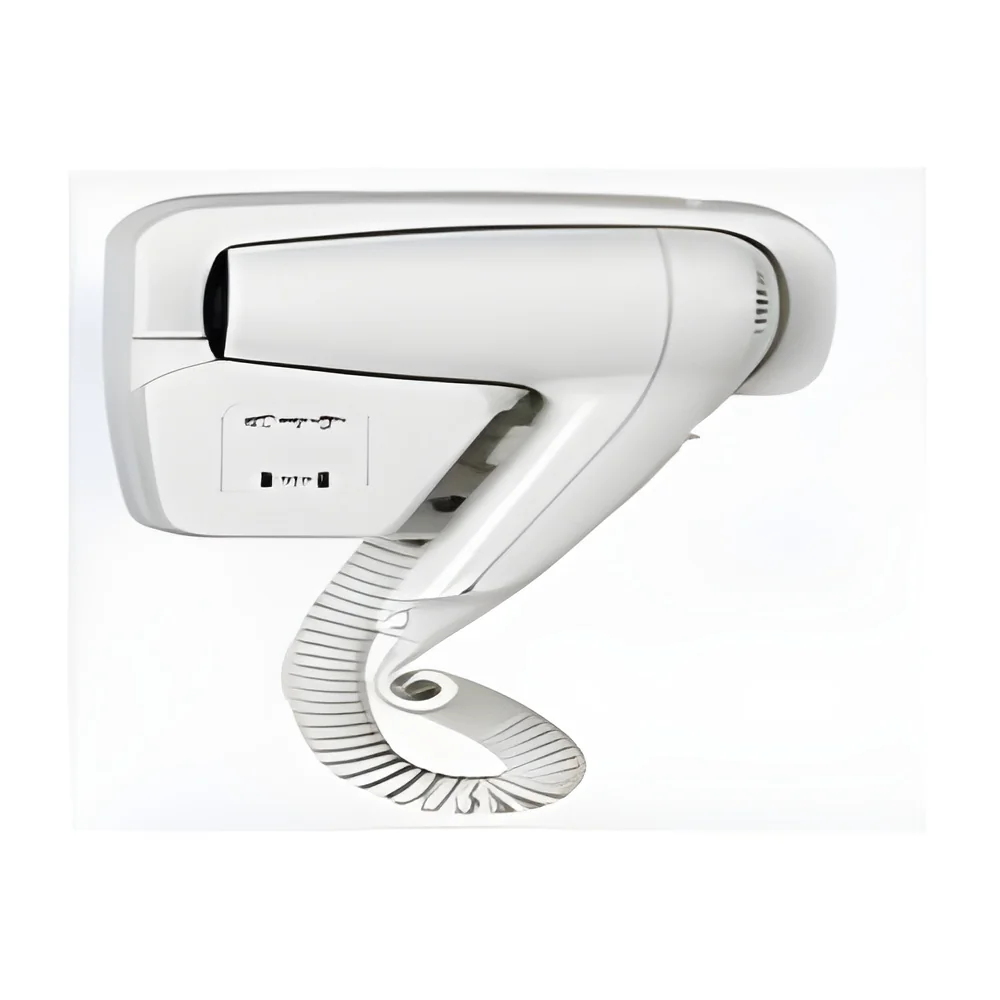
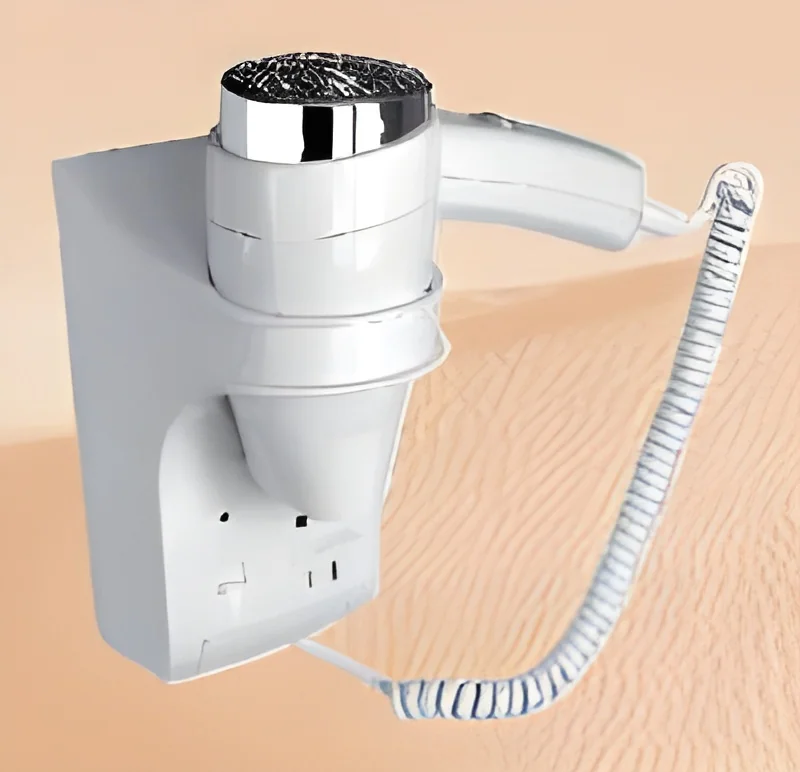
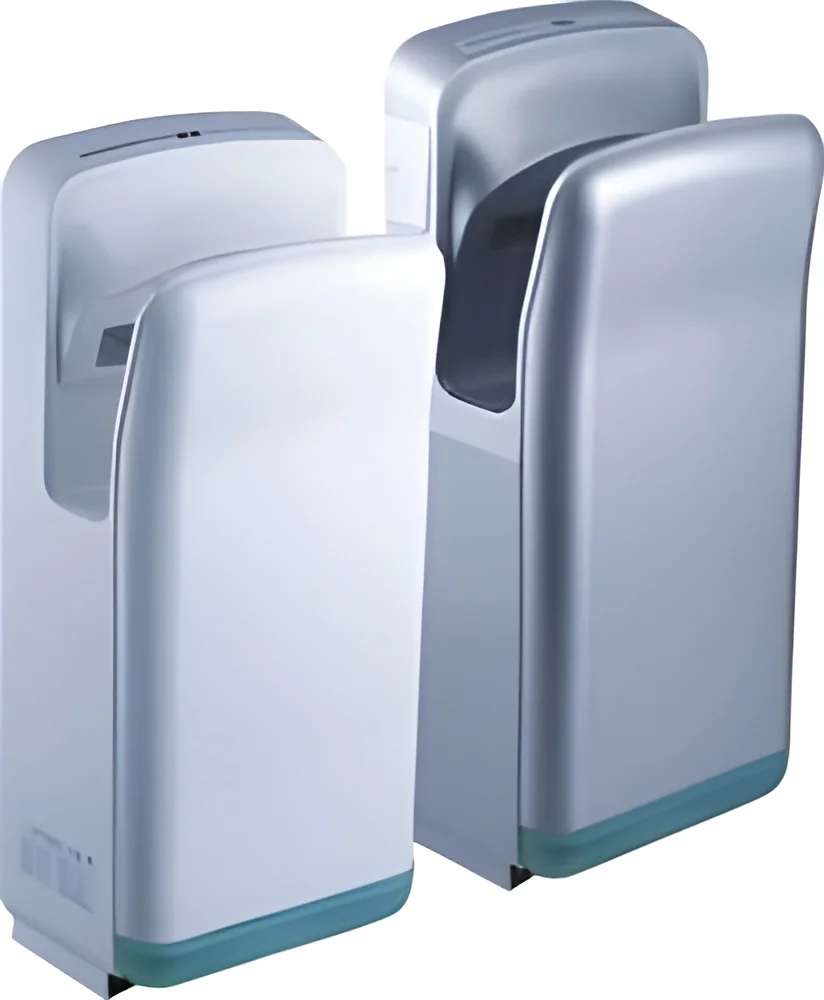
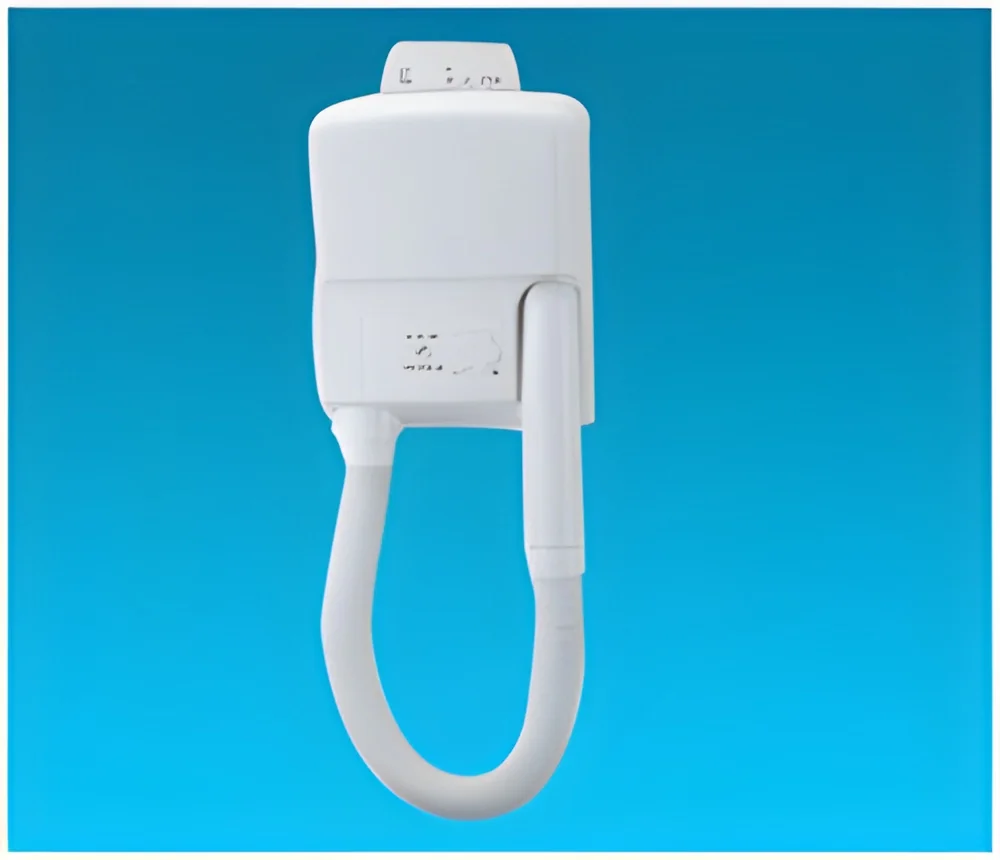
Hair Dryers (Wall-Mounted, Portable) are devices designed to dry hair quickly using hot air. Wall-mounted models are fixed installations, ideal for salons or bathrooms, while portable versions are lightweight and designed for personal use, allowing for ease of transport.
What are the different types of Hair Dryers (Wall-Mounted, Portable)?
The main types of Hair Dryers include wall-mounted dryers, which are typically found in commercial settings like salons or gyms, and portable dryers, which are compact and suitable for travel or home use. Both types may vary in features such as heat settings, power ratings, and additional functionalities.
How do I choose the right Hair Dryers (Wall-Mounted, Portable)?
When selecting Hair Dryers, consider factors such as power wattage, heat settings, and design. Additionally, assess the intended use, whether for personal or professional settings, and check for features like a cool shot button or ionic technology to enhance hair health.
What are the standard specifications for Hair Dryers (Wall-Mounted, Portable)?
Standard specifications for Hair Dryers typically include wattage ranging from 1000 to 2000 watts, multiple heat and speed settings, and safety features such as overheat protection. Portable models should also be lightweight and compact for convenience.
What is the price range for Hair Dryers (Wall-Mounted, Portable)?
The price range for Hair Dryers varies significantly based on type and features, generally falling between INR 1,000 to INR 15,000. Wall-mounted dryers tend to be more expensive due to their installation and durability compared to portable models.
What quality standards apply to Hair Dryers (Wall-Mounted, Portable)?
Hair Dryers are subject to safety and quality standards, including ISI certification in India, which ensures compliance with electrical safety regulations. Manufacturers should also follow international standards to ensure durability and performance.
Where can I find Hair Dryers (Wall-Mounted, Portable) suppliers in India?
You can find Hair Dryers suppliers in India through online B2B marketplaces like Pepagora, trade shows, and industry directories. It's advisable to check supplier reviews and certifications to ensure reliability.
Can Hair Dryers (Wall-Mounted, Portable) be customized?
Yes, many manufacturers offer customization options for Hair Dryers, including branding, color, and specific features. Customization may be subject to minimum order quantities and additional costs.
What is the typical minimum order quantity for Hair Dryers (Wall-Mounted, Portable)?
The typical minimum order quantity (MOQ) for Hair Dryers varies by manufacturer but usually ranges from 50 to 100 units. It's advisable to confirm the MOQ with the supplier before placing an order.
What is the typical lead time for Hair Dryers (Wall-Mounted, Portable)?
The typical lead time for Hair Dryers can range from 2 to 6 weeks, depending on the supplier's production capacity and order size. Custom orders may require additional time for production and delivery.
Why Businesses Trust Pepagora
Thousands of companies trust Pepagora to source smarter and sell faster
Expand Your Sales Globally

Source Smarter,Grow Faster
