𝗞𝗲𝘆 𝗙𝗲𝗮𝘁𝘂𝗿𝗲𝘀 𝗮𝗻𝗱 𝗦𝗽𝗲𝗰𝗶𝗳𝗶𝗰𝗮𝘁𝗶𝗼𝗻𝘀
Beauty equipment for salons and spas is characterized by a range of features and specifications that enhance usability and effectiveness. These specifications are crucial for ensuring that devices meet industry standards and customer expectations.
Key specifications include:
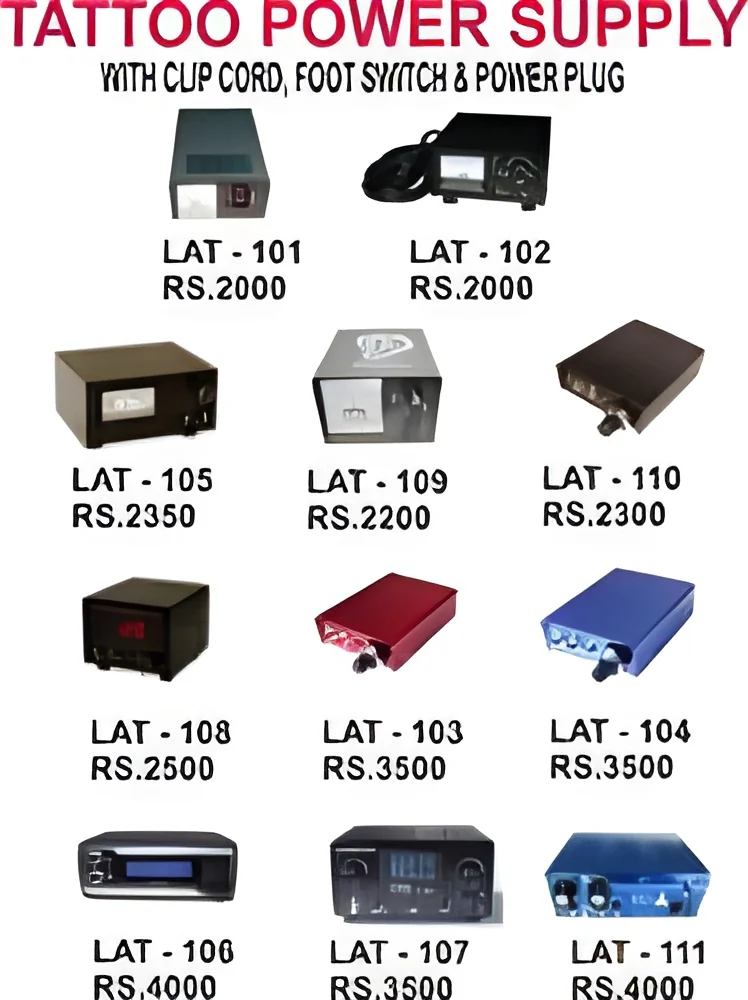
1. Power Supply
- Typically available in AC and DC options
- Voltage ranges from 110V to 240V
2. Heating Capacity
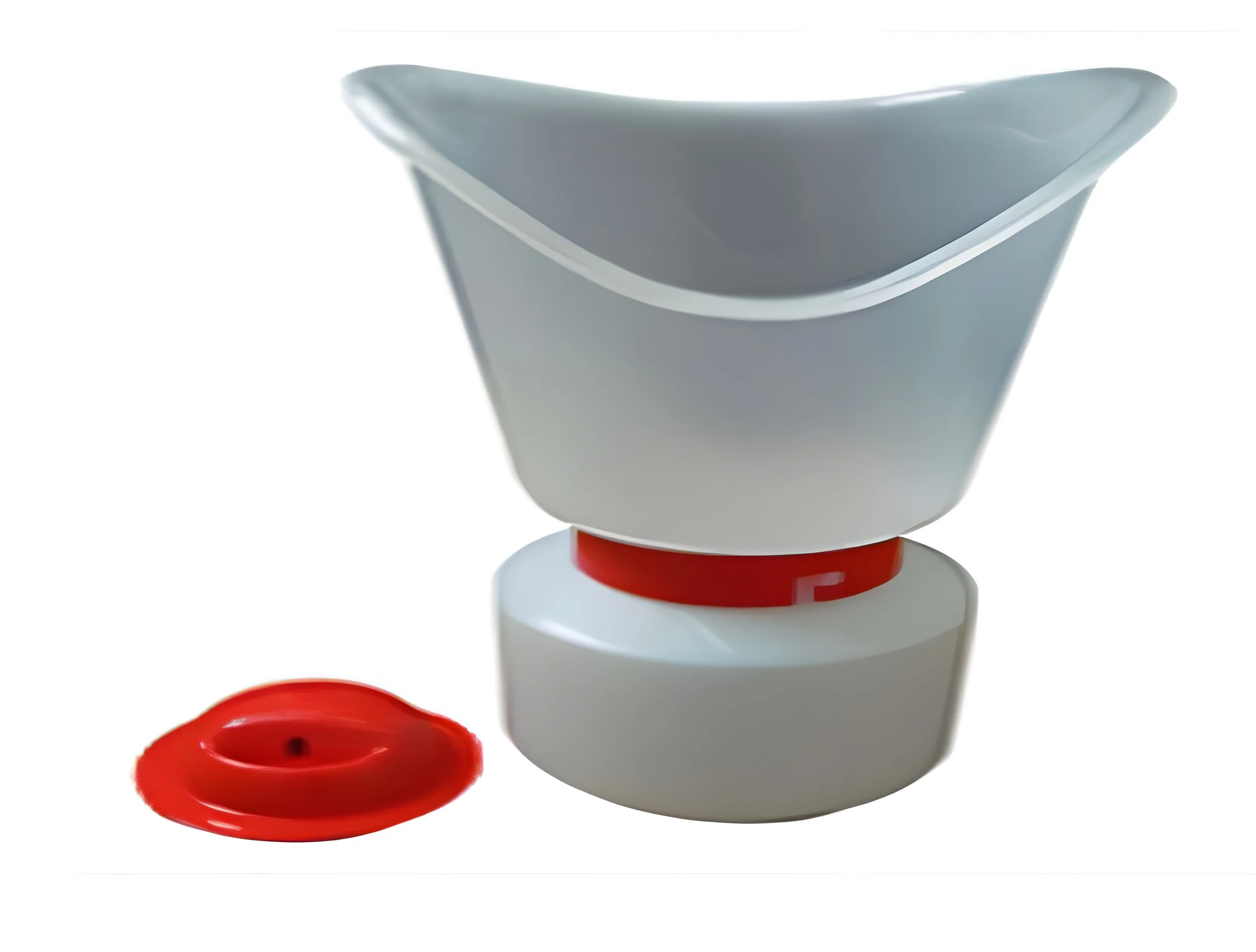
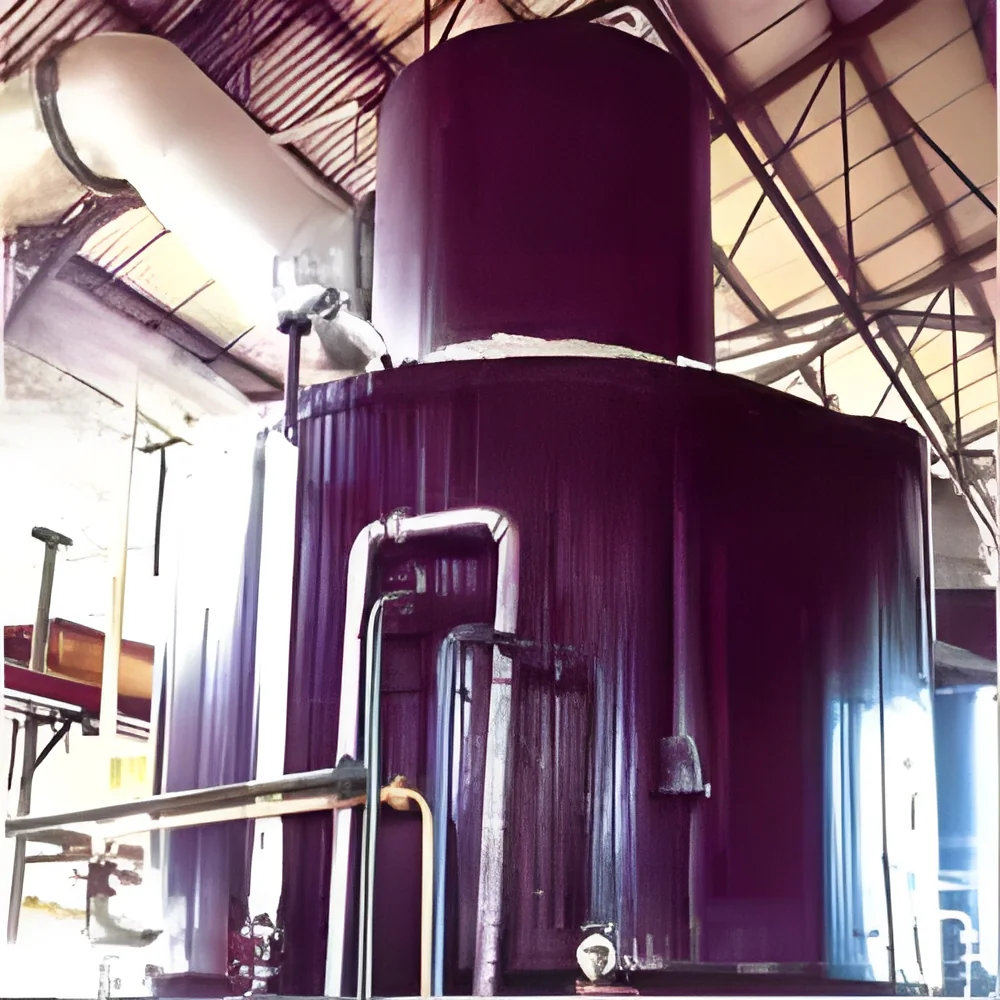
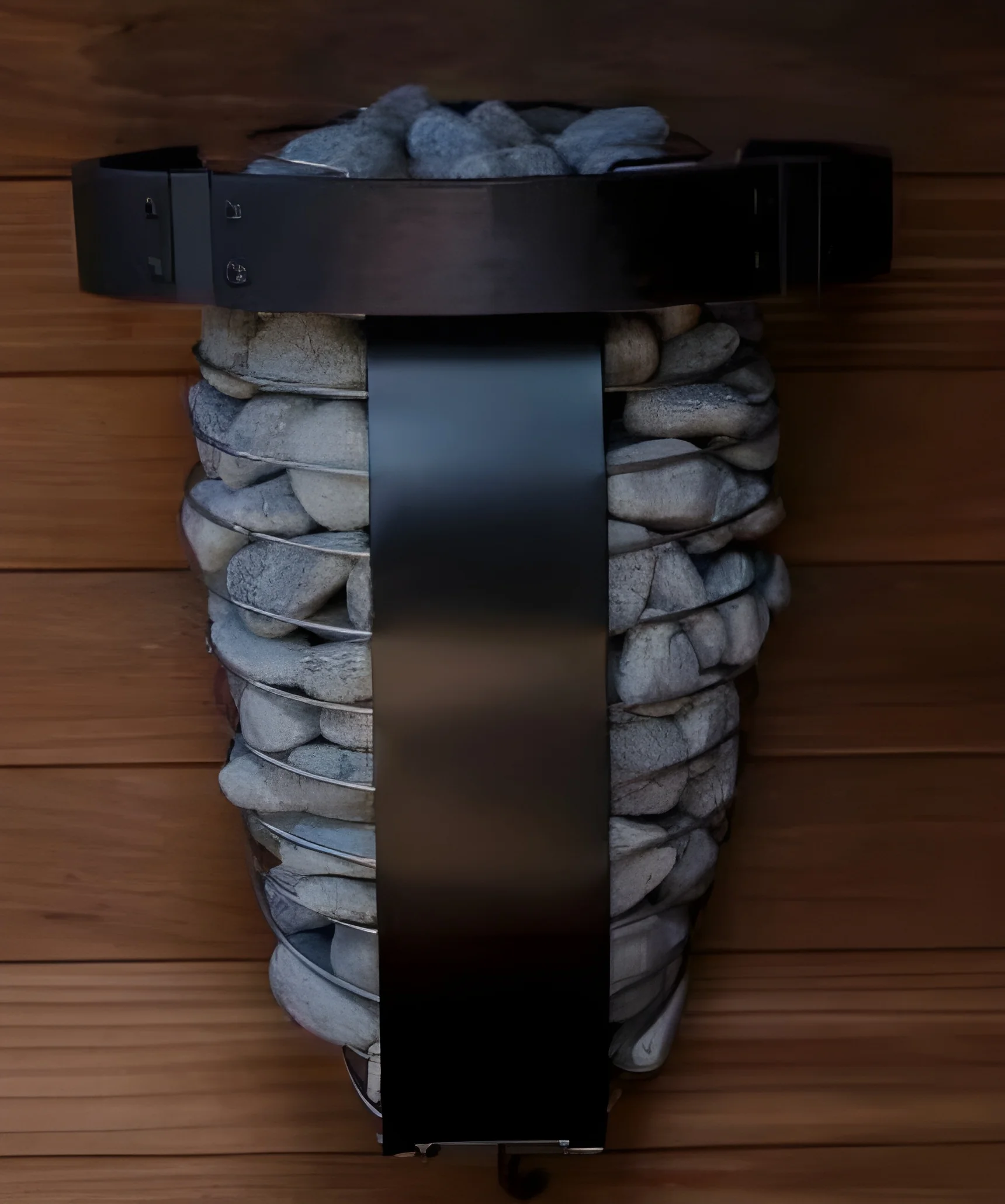
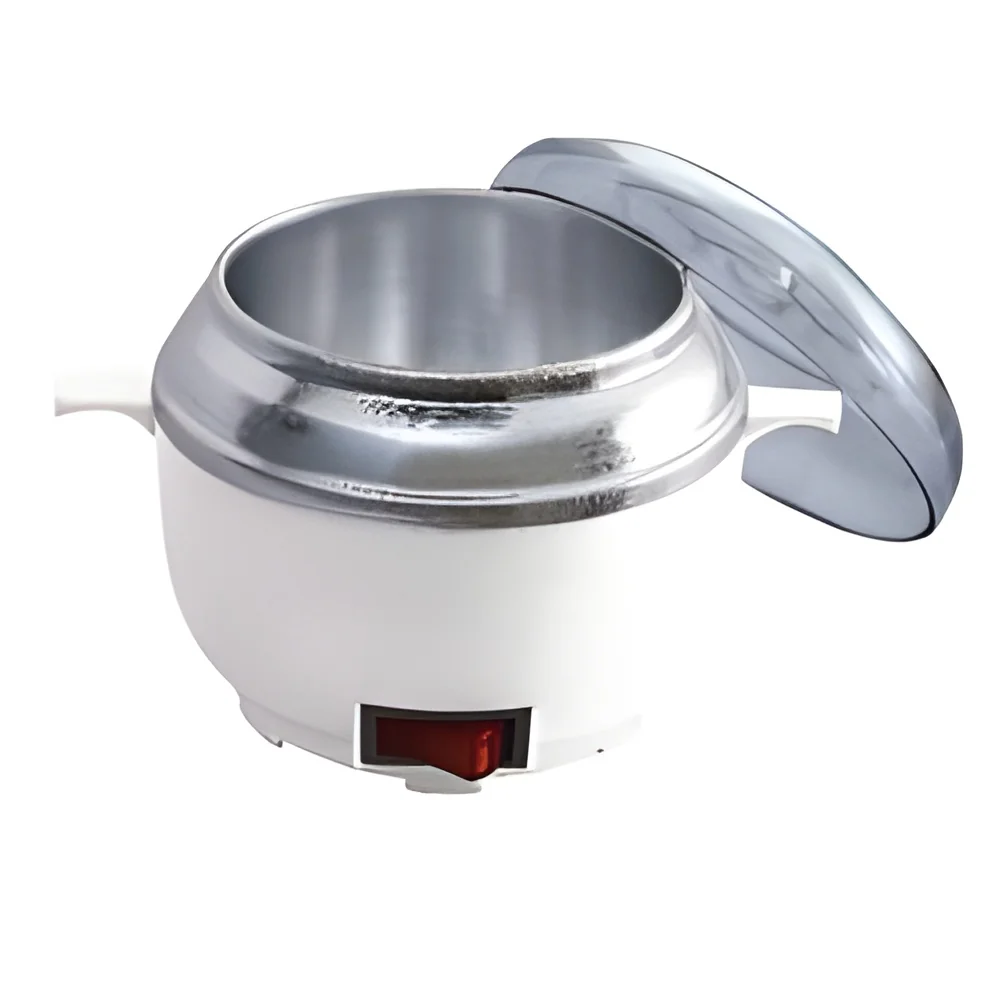
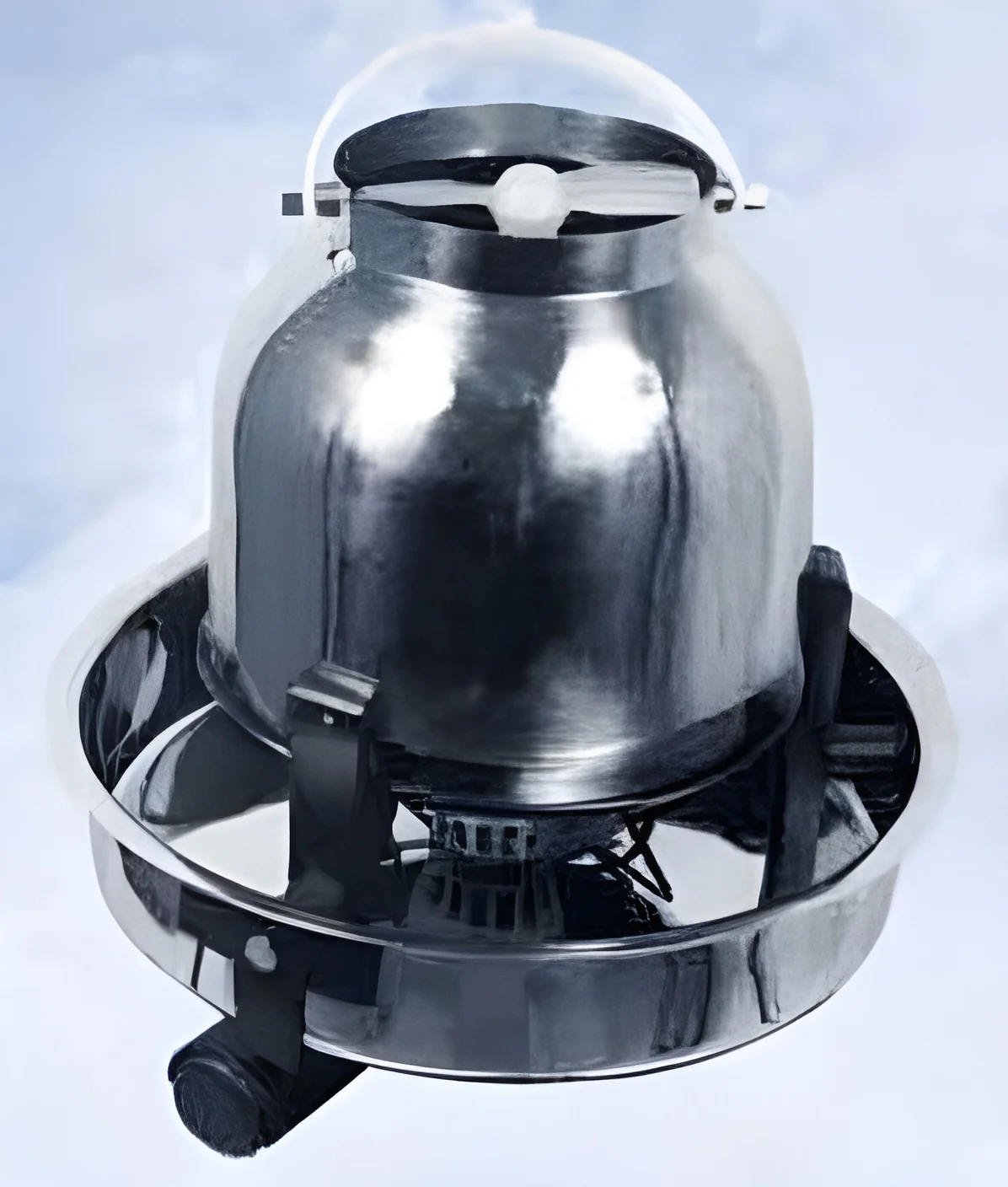
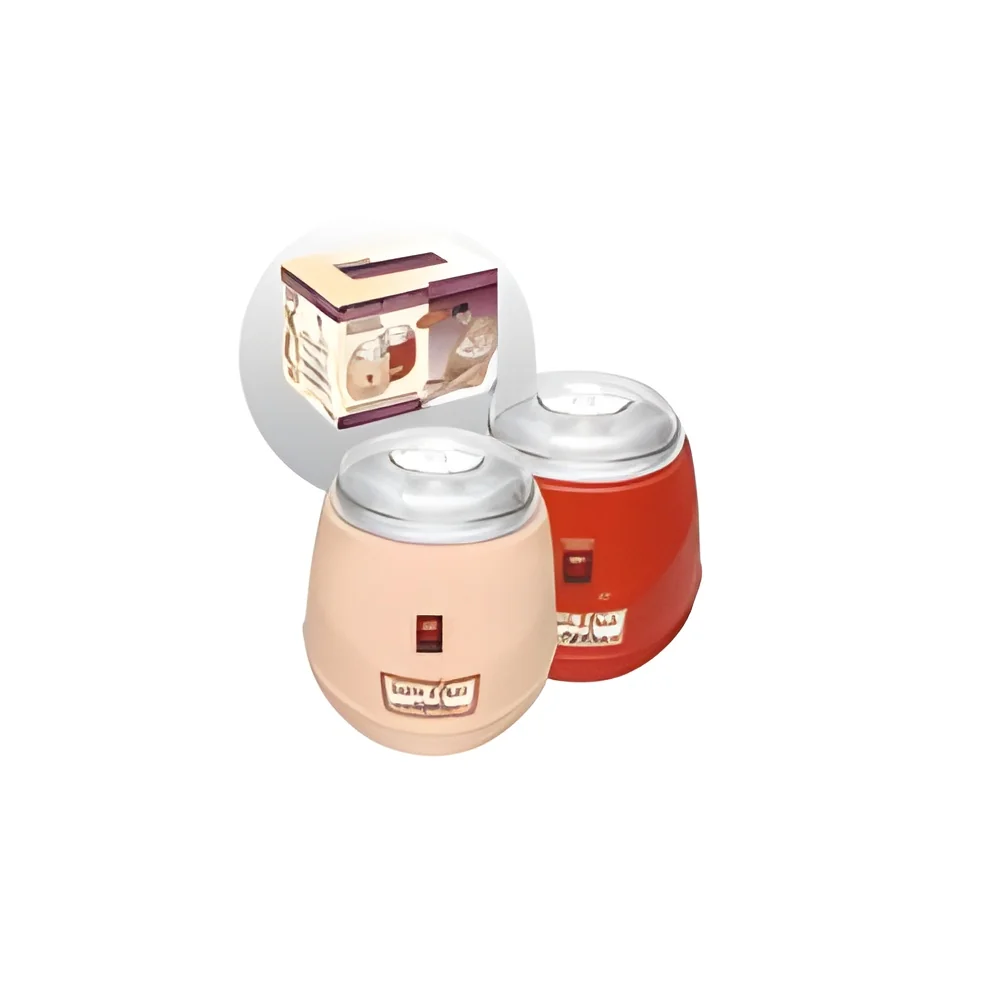
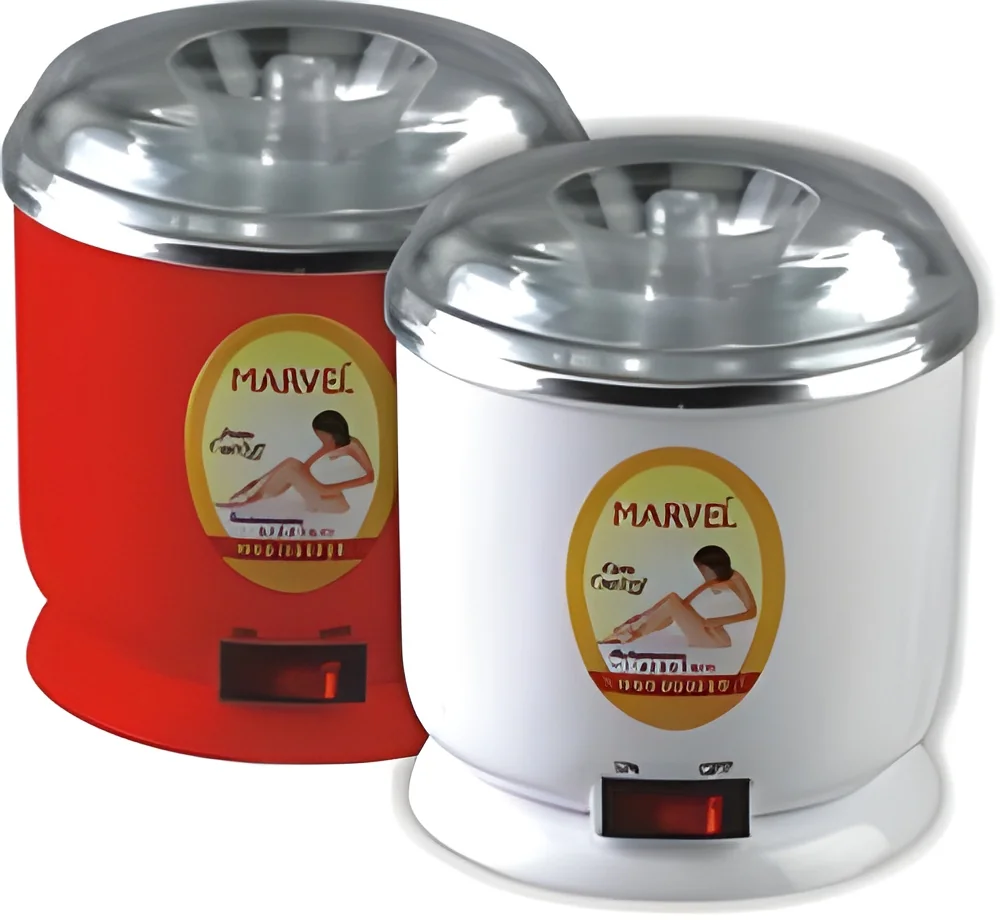
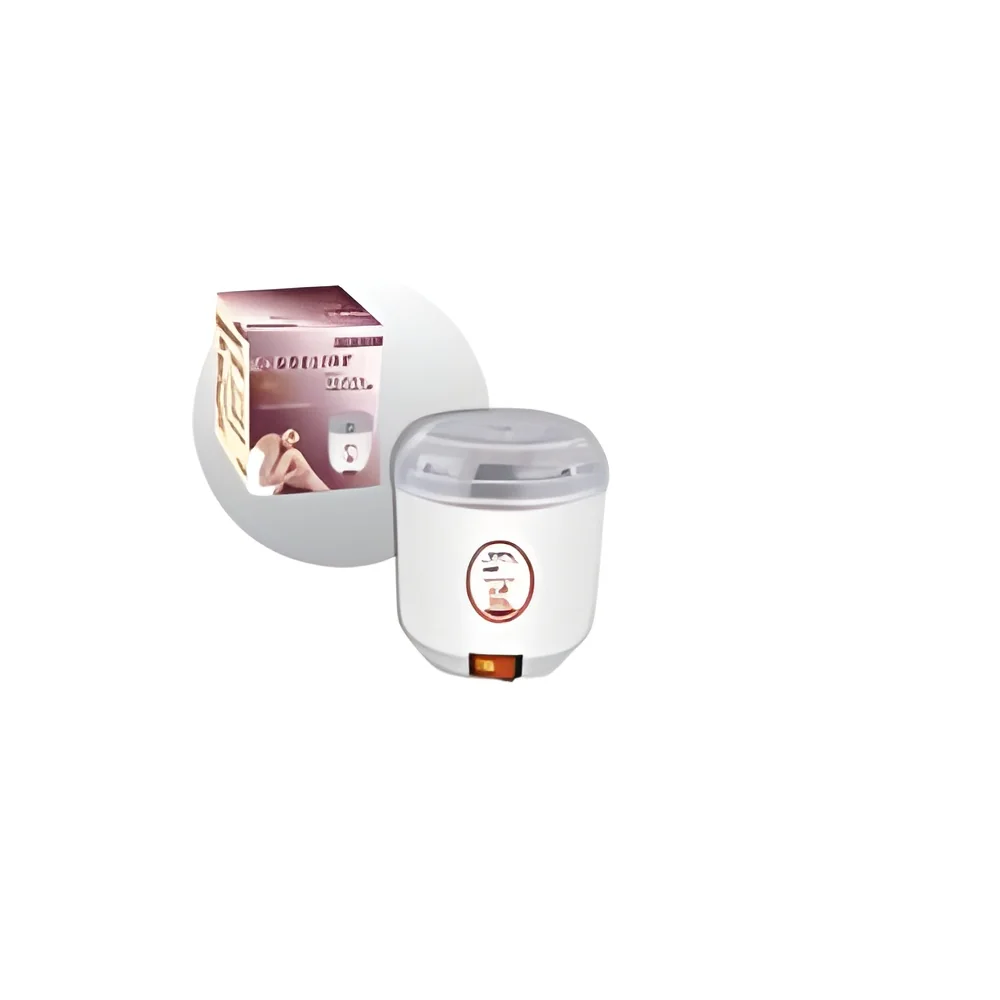
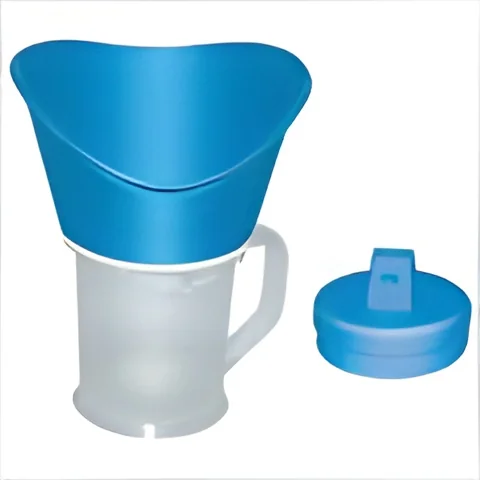
- Essential for devices like wax heaters and steamers
- Temperature settings often adjustable between 30°C to 100°C
3. Material Quality
- Common materials include stainless steel, plastic, and glass
- High durability and resistance to corrosion are crucial
4. Size and Portability
- Dimensions vary based on device type, ranging from compact handheld tools to larger stationary units
- Lightweight designs enhance portability for mobile services
5. User Interface
- Many devices feature digital displays and intuitive controls
- User-friendly operation is key for efficient service delivery
6. Safety Features
- Includes automatic shut-off mechanisms and overheat protection
- Compliance with safety regulations is essential
7. Maintenance Requirements
- Devices should be easy to clean and maintain
- Regular servicing guidelines are often provided by manufacturers
8. Warranty and Support
- Most reputable brands offer warranties ranging from one to three years
- Customer support services are critical for troubleshooting and maintenance
In summary, understanding the key features and specifications of beauty equipment is essential for making informed purchasing decisions. These specifications not only impact the performance of the devices but also influence the overall service quality provided to customers.
𝗖𝗼𝗺𝗺𝗼𝗻 𝗔𝗽𝗽𝗹𝗶𝗰𝗮𝘁𝗶𝗼𝗻𝘀 𝗮𝗻𝗱 𝗨𝘀𝗲 𝗖𝗮𝘀𝗲𝘀
Beauty equipment serves a variety of industries beyond traditional salons and spas.
1. Hair Salons: These establishments utilize tools such as hairdryers, curling irons, and hair treatment equipment to provide a range of hairstyling services.
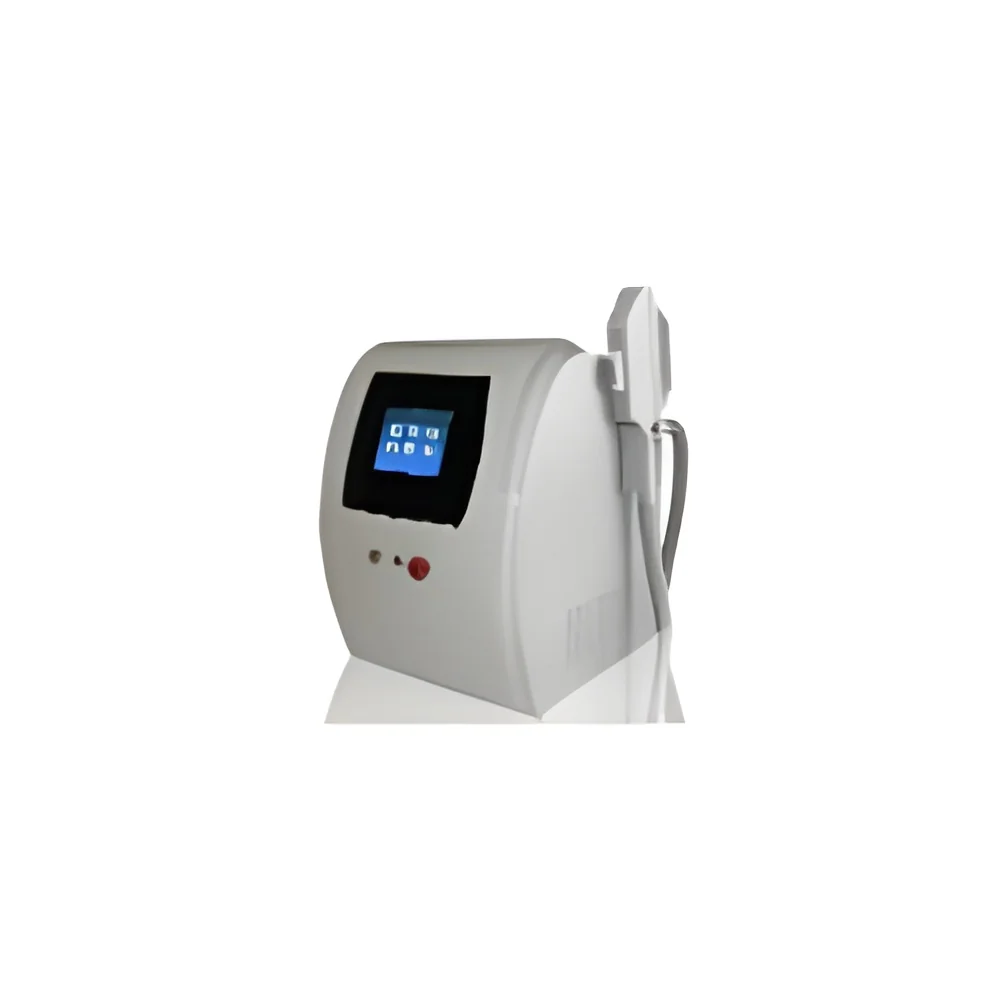
2. Skin Care Clinics: Devices like laser machines, microdermabrasion units, and LED therapy systems are essential for offering advanced skin treatments and therapies.
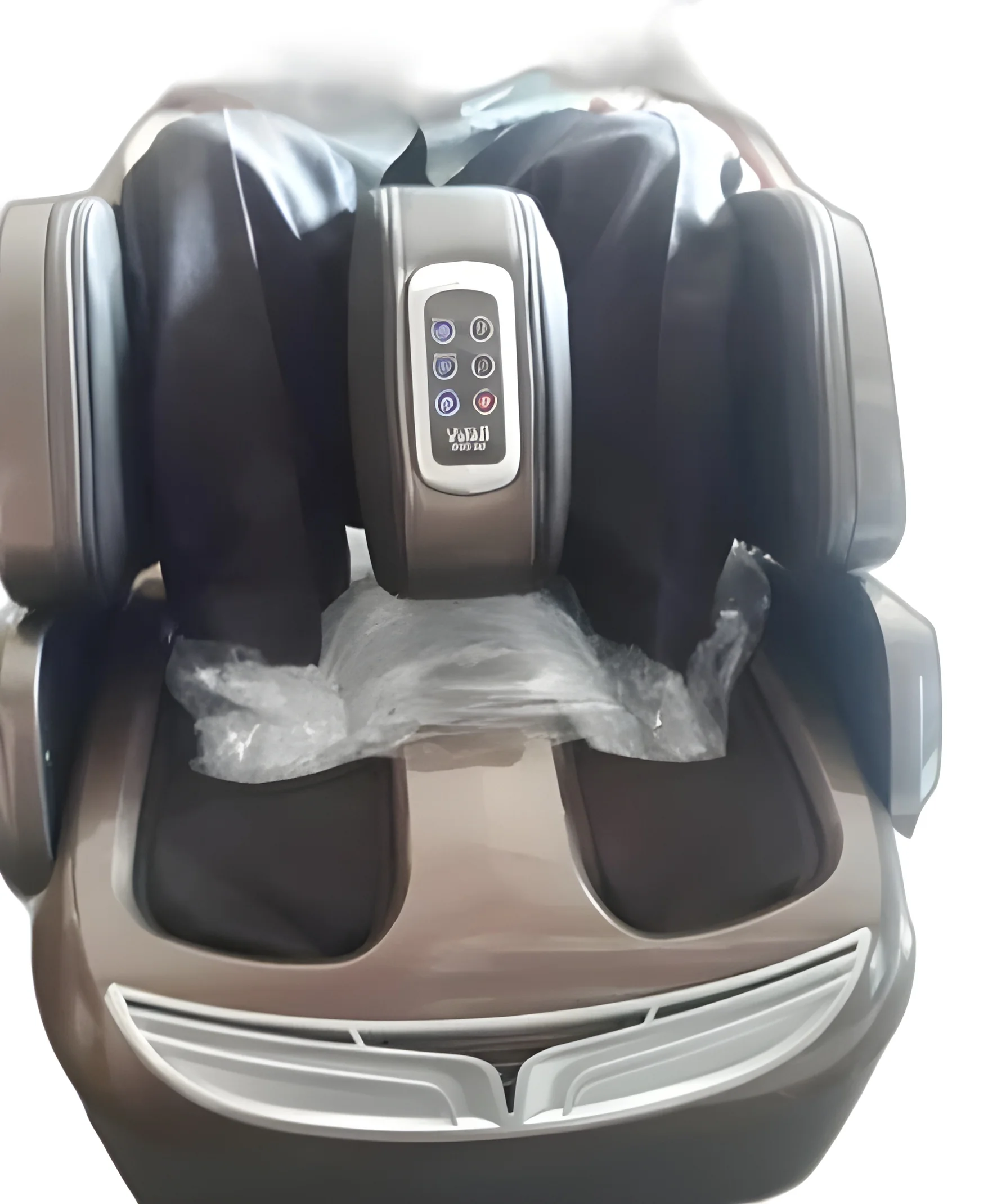
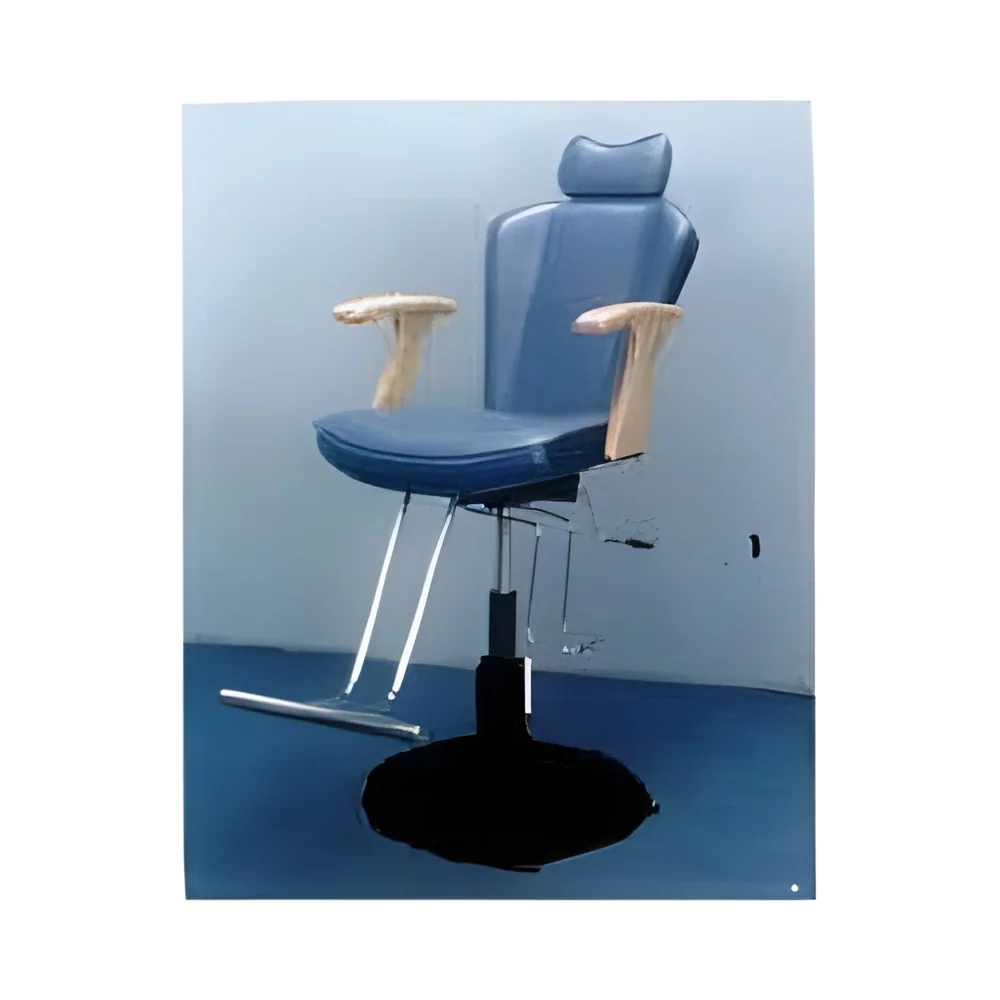
3. Fitness Centers: Many gyms and wellness centers incorporate beauty devices such as massage chairs and skin treatment equipment into their offerings to enhance member experiences.
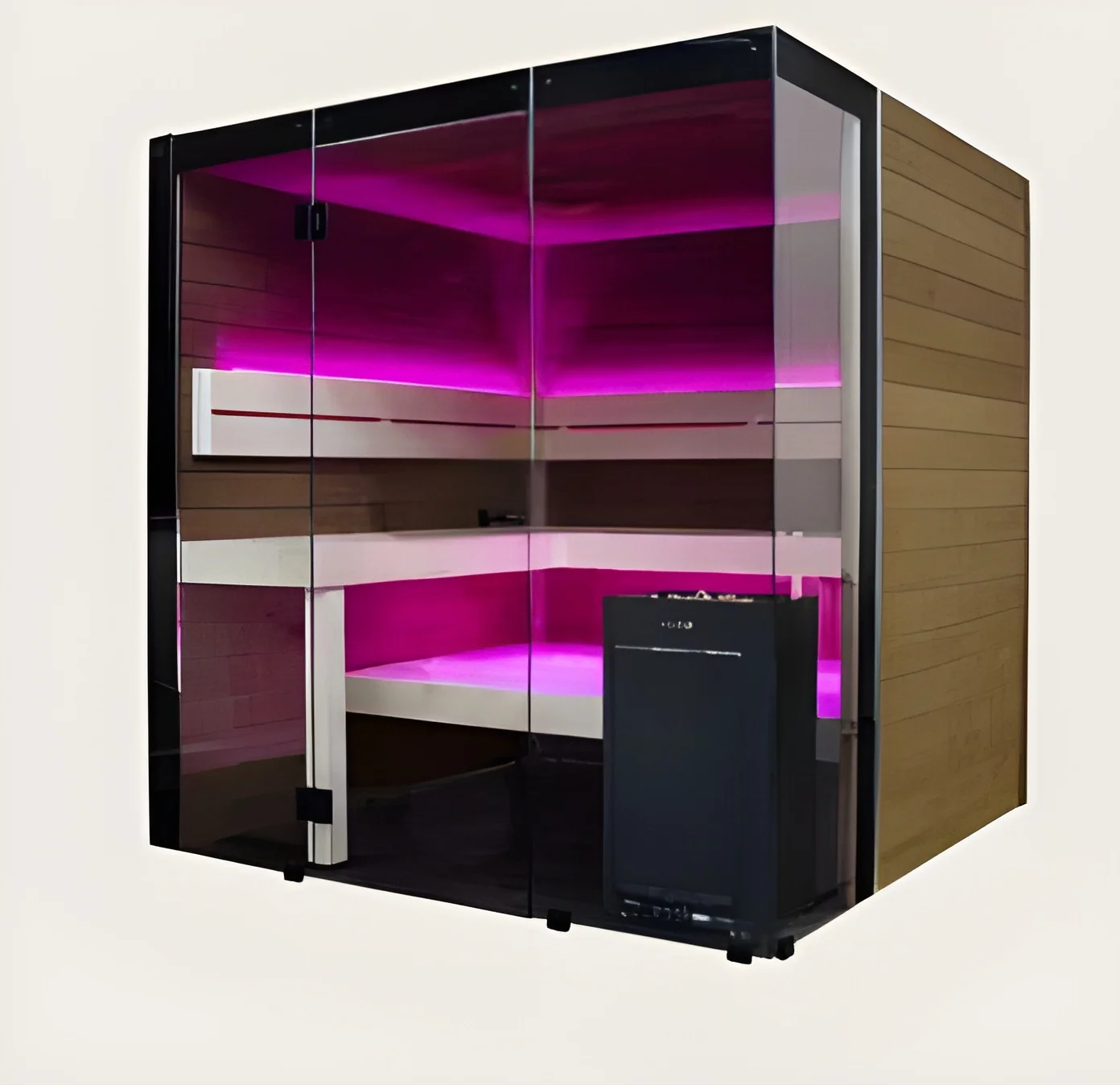
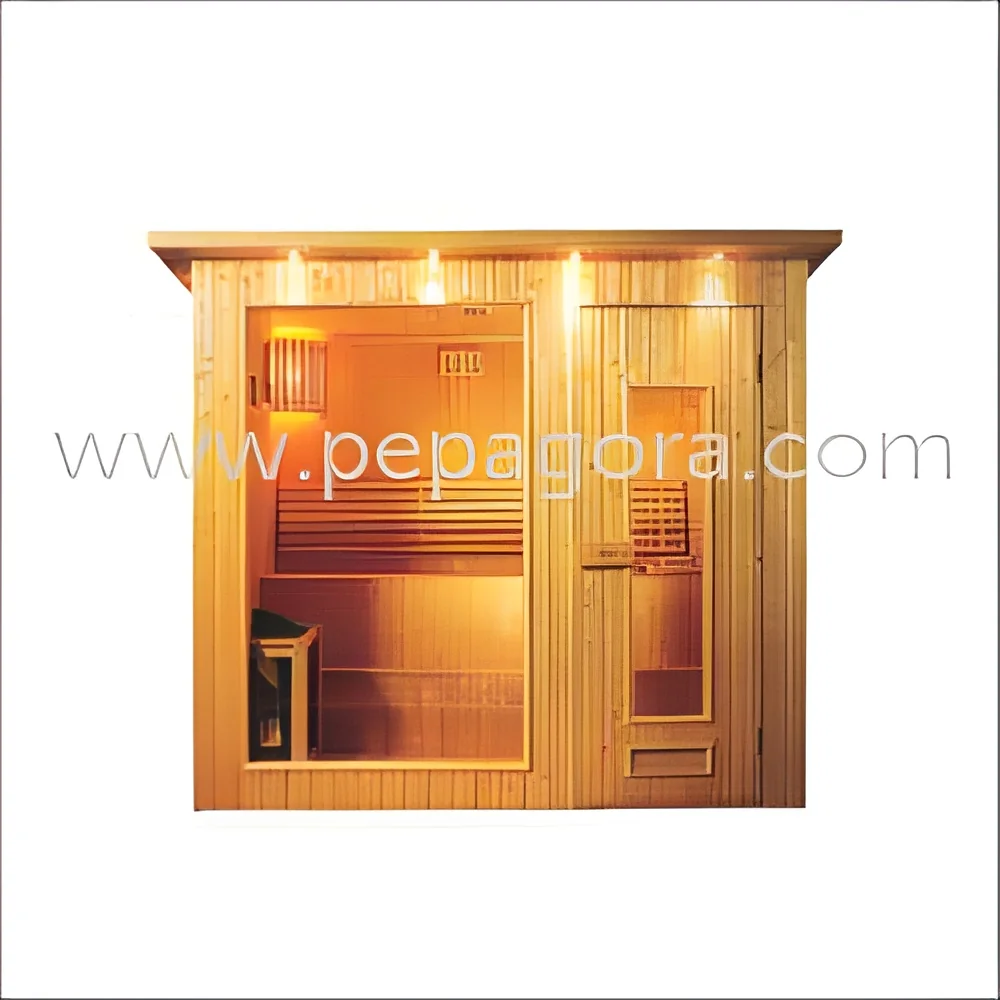
4. Hotels and Resorts: High-end hotels often provide spa services that require professional beauty equipment for relaxation and wellness treatments.
5. Mobile Beauty Services: Professionals offering on-the-go services use portable beauty devices to cater to clients at their locations, such as weddings or events.
6. Medical Aesthetics: Clinics focusing on cosmetic procedures utilize advanced beauty equipment for treatments like Botox, fillers, and skin resurfacing.
7. Retail Beauty Stores: Some retail environments use beauty devices for in-store demonstrations, attracting customers to experience products firsthand.
𝗣𝗿𝗼𝗱𝘂𝗰𝘁 𝗩𝗮𝗿𝗶𝗮𝗻𝘁𝘀 𝗮𝗻𝗱 𝗦𝘂𝗯𝗰𝗮𝘁𝗲𝗴𝗼𝗿𝗶𝗲𝘀
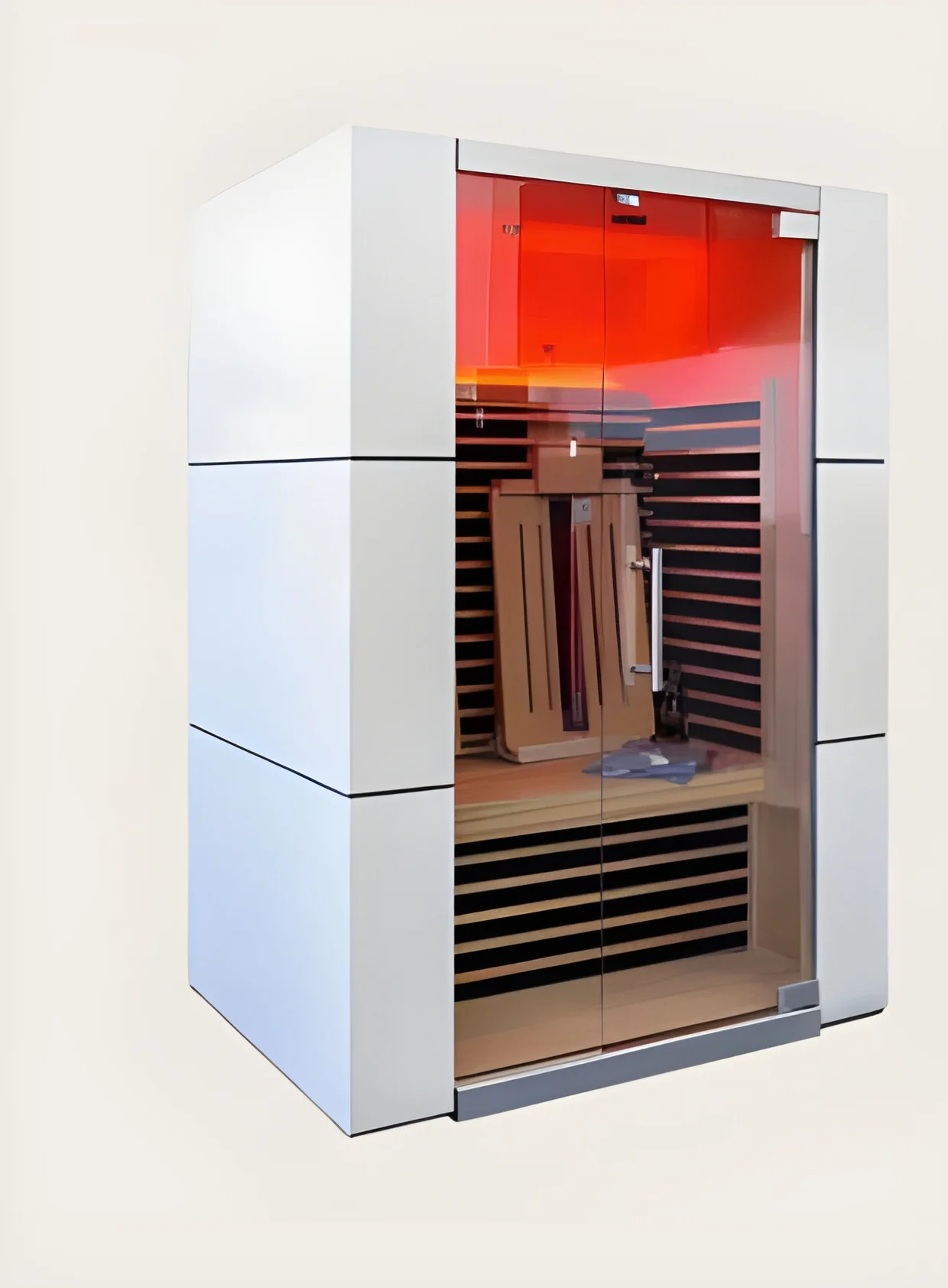
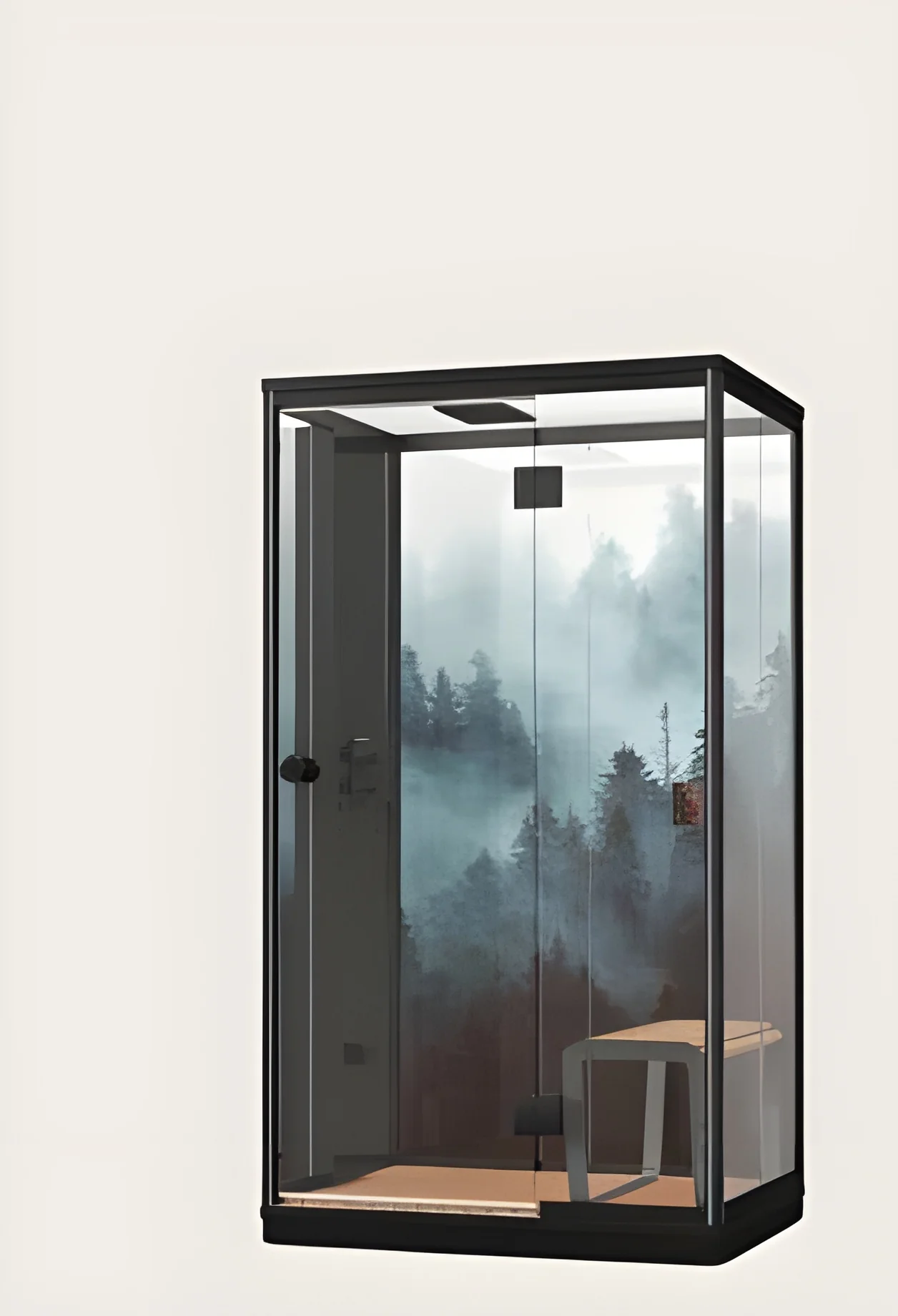
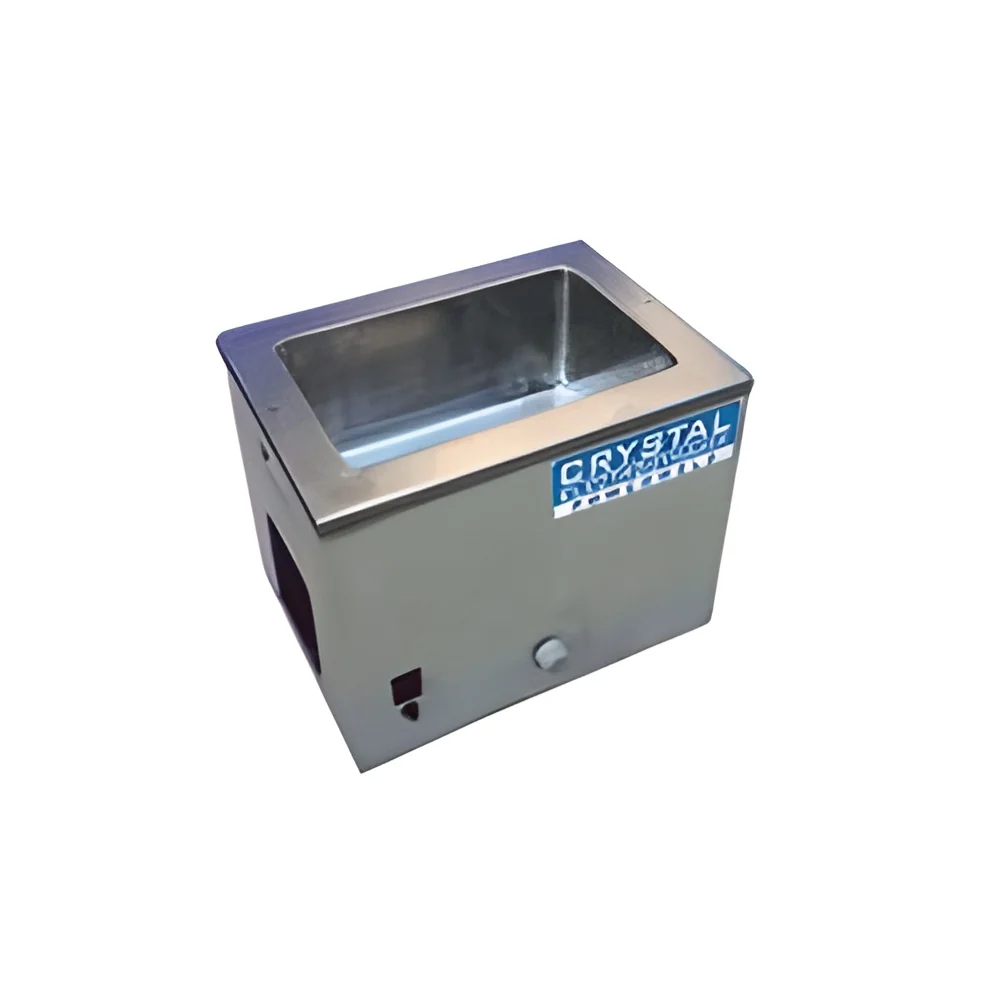
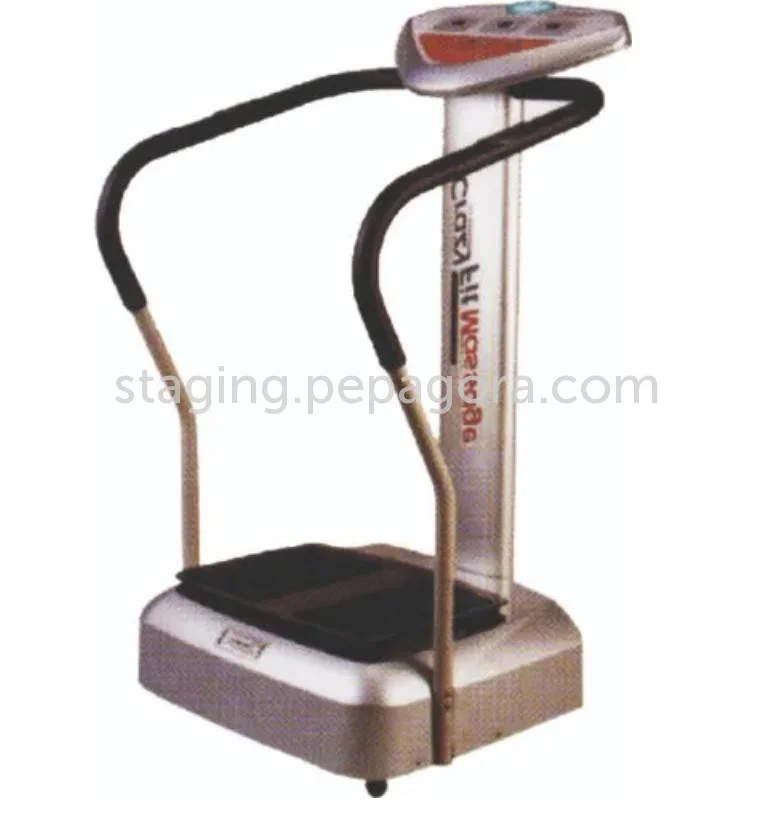
Beauty equipment includes various types designed to cater to specific beauty services and treatments. The diversity in product offerings allows businesses to select equipment that best fits their service model.
Facial Treatment Machines
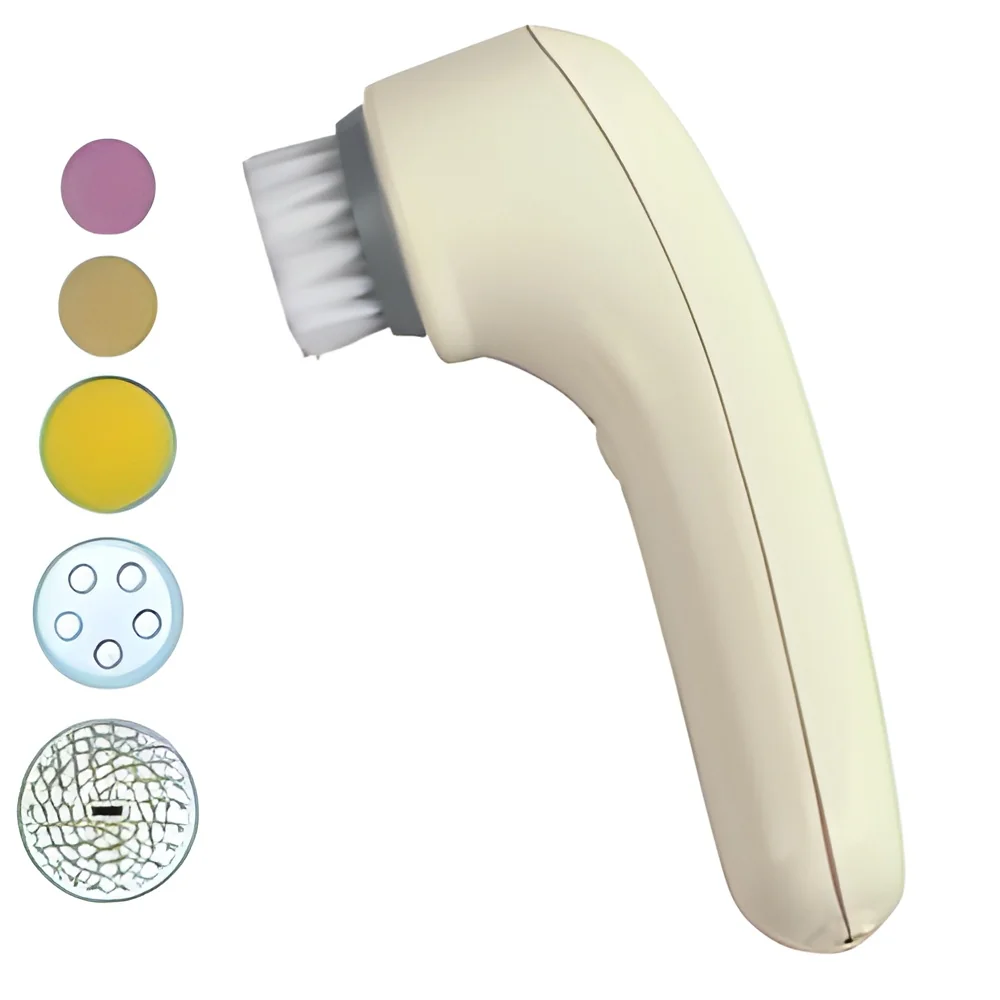
These machines often include multifunctional devices that can offer exfoliation, hydration, and rejuvenation treatments. They are essential for spas and skin care clinics looking to provide comprehensive facial services.
Hair Styling Tools
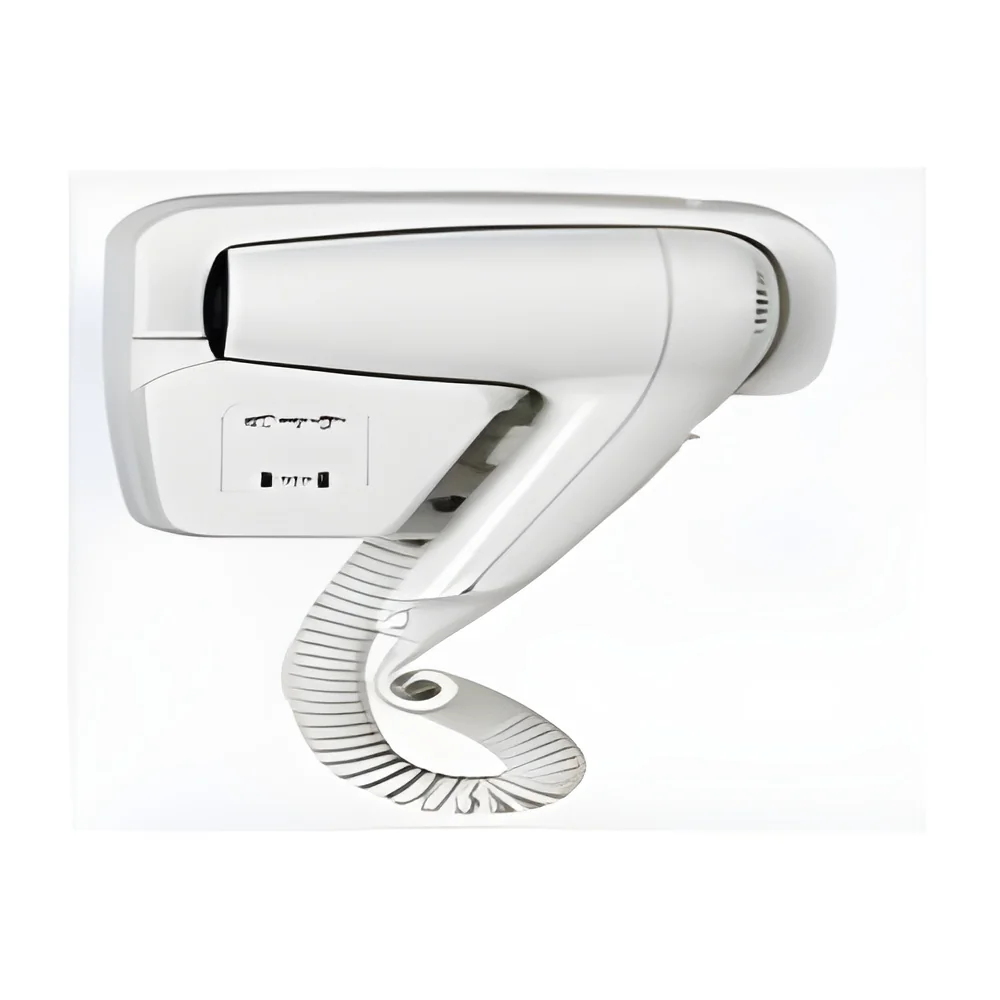
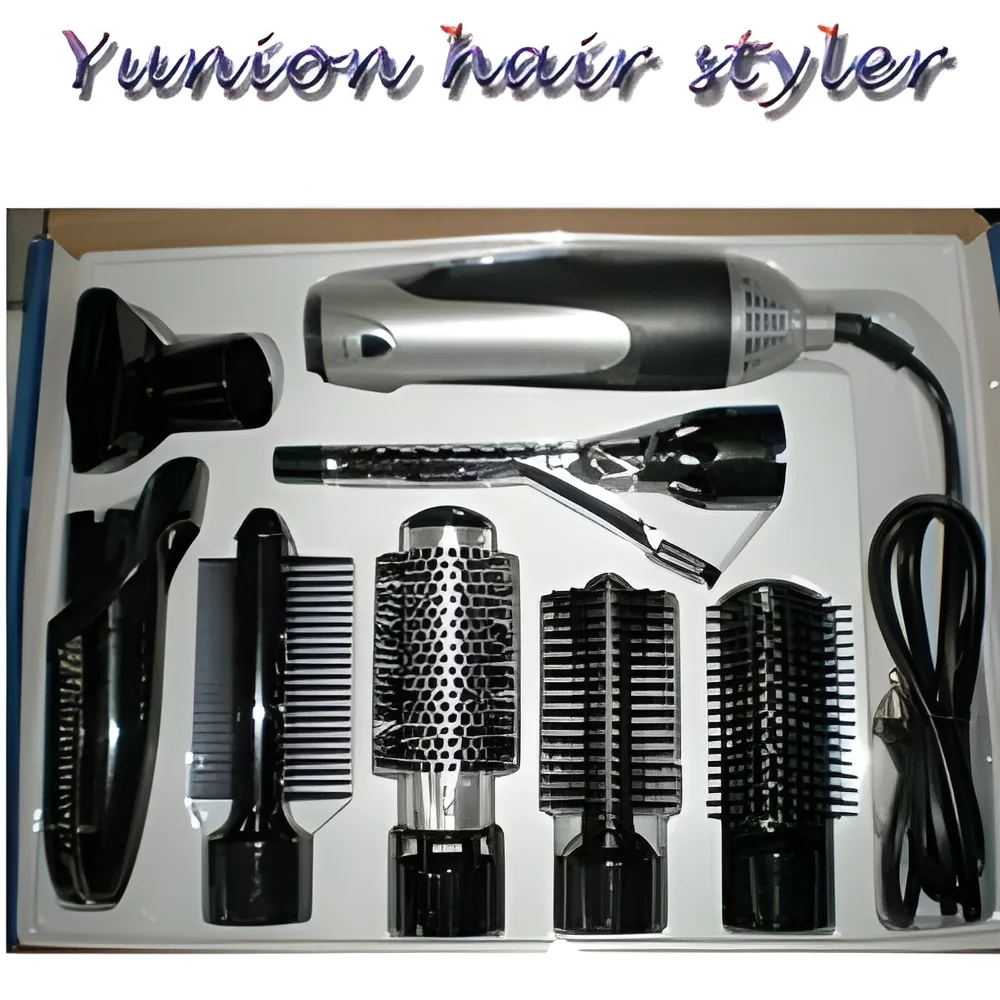
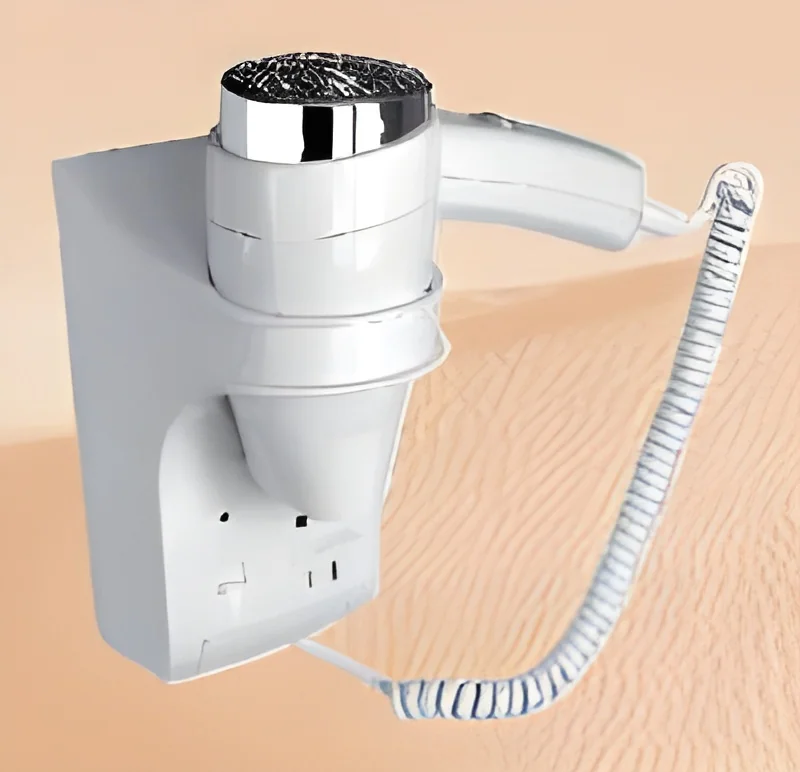
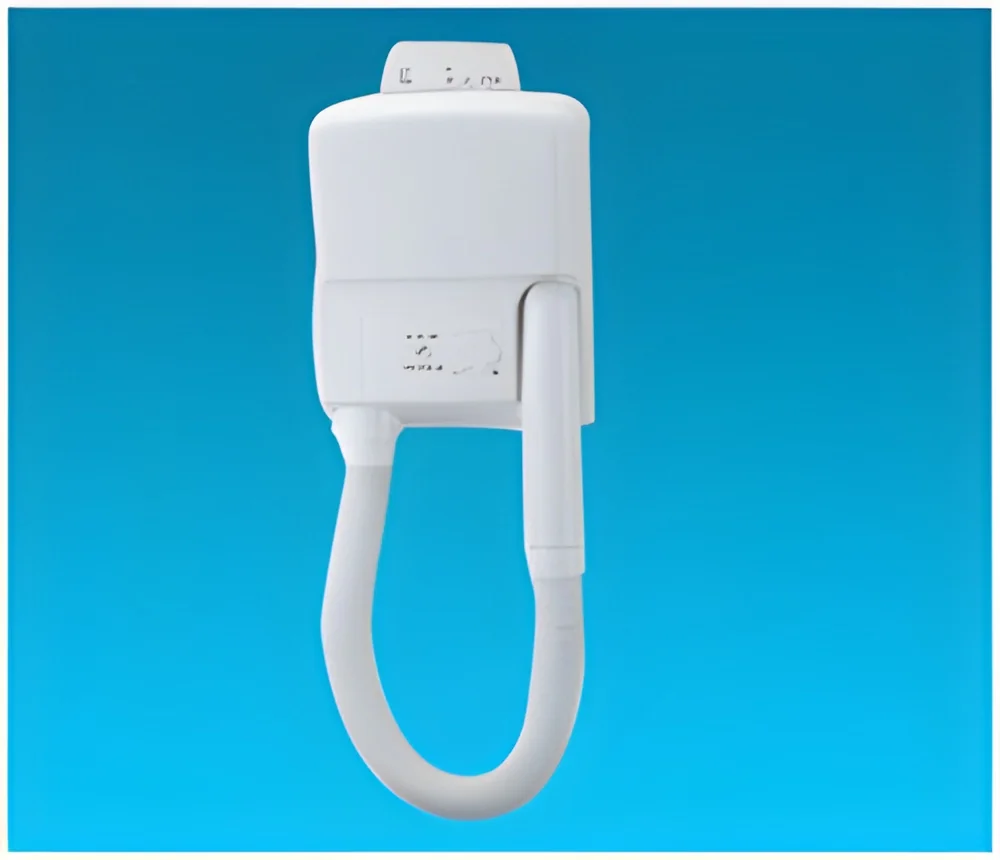
This category includes hairdryers, straighteners, and curling irons. These tools are fundamental in salons and are designed for both professional and home use, ensuring versatility in styling options.
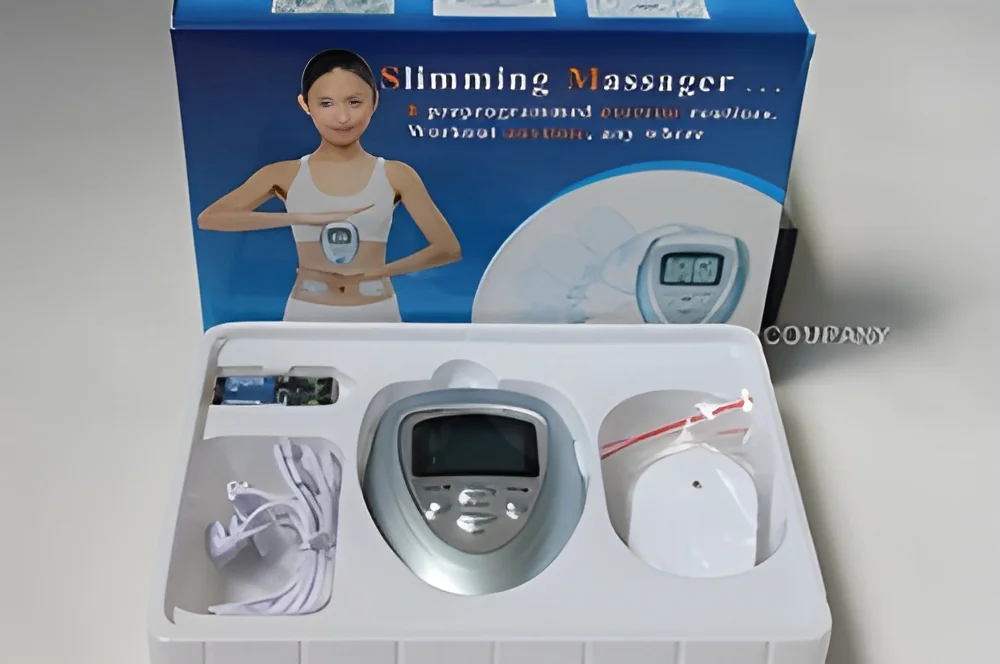
Massage Devices
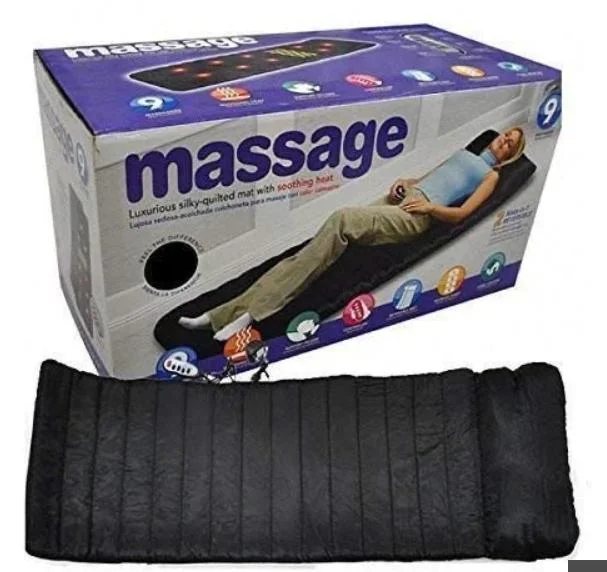
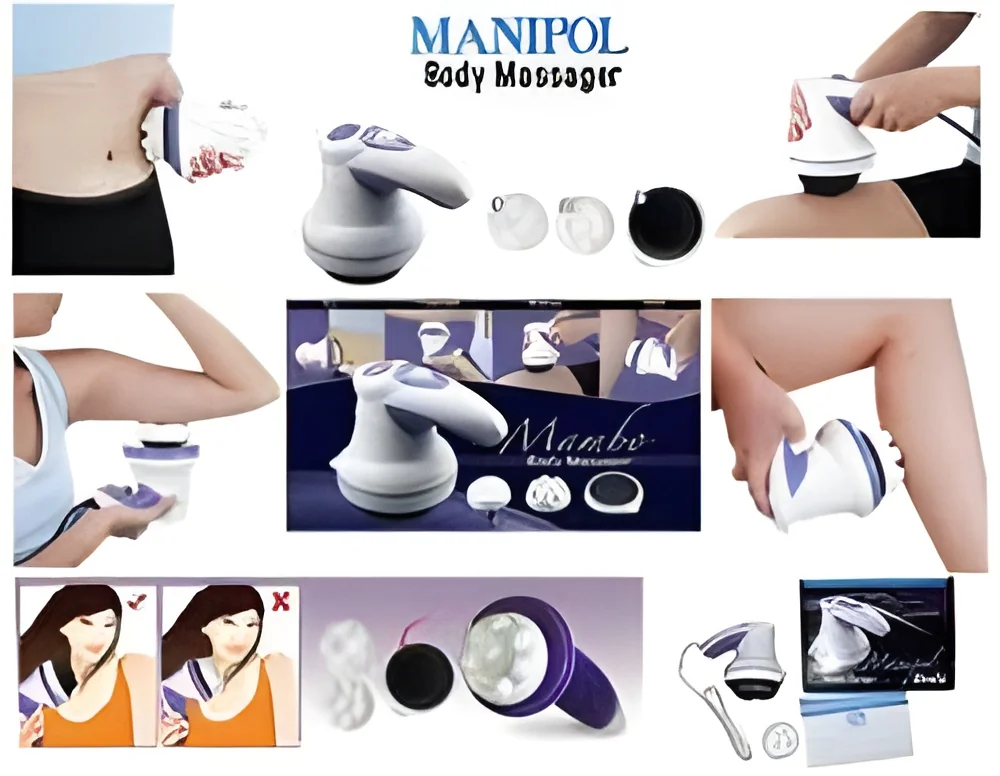
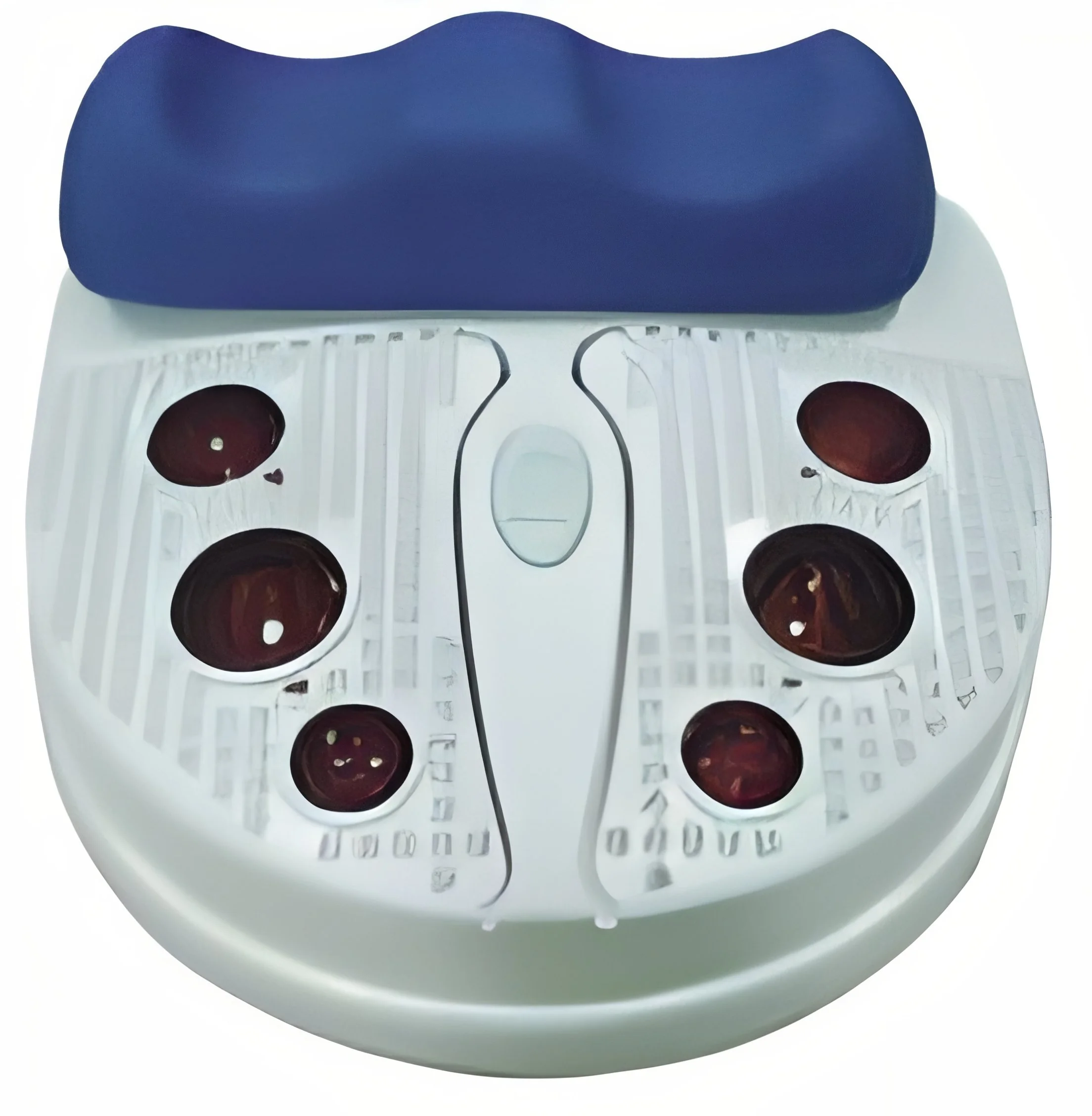
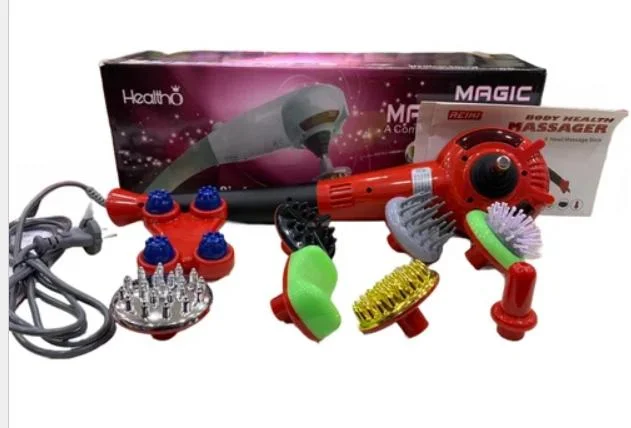
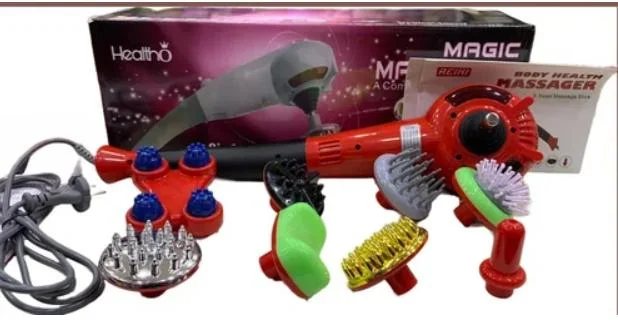
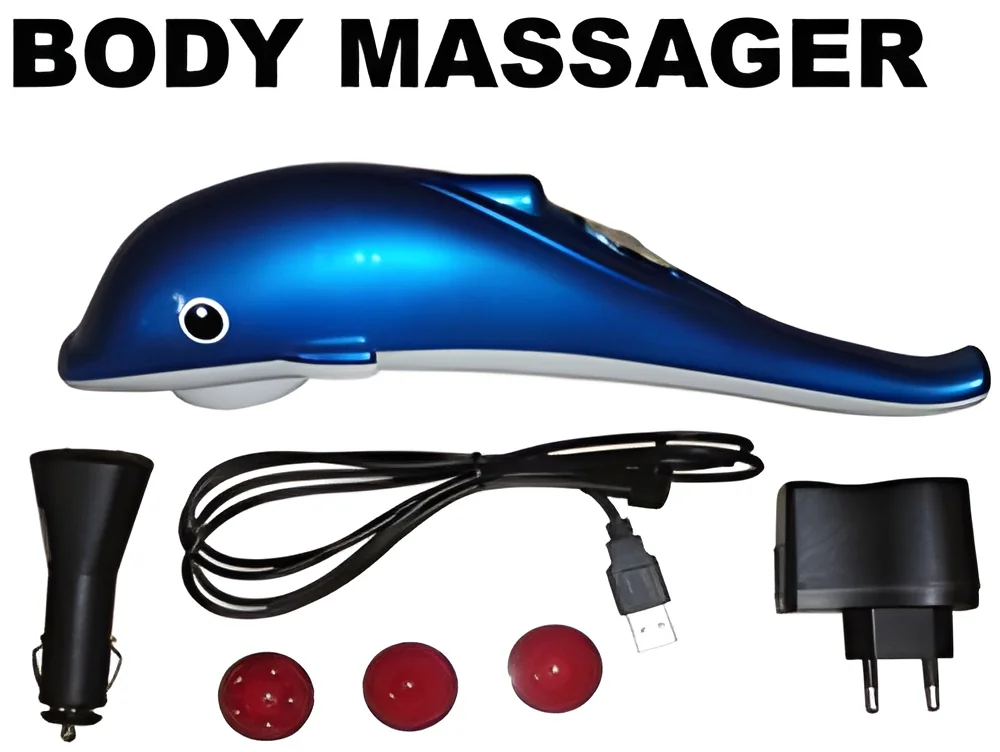
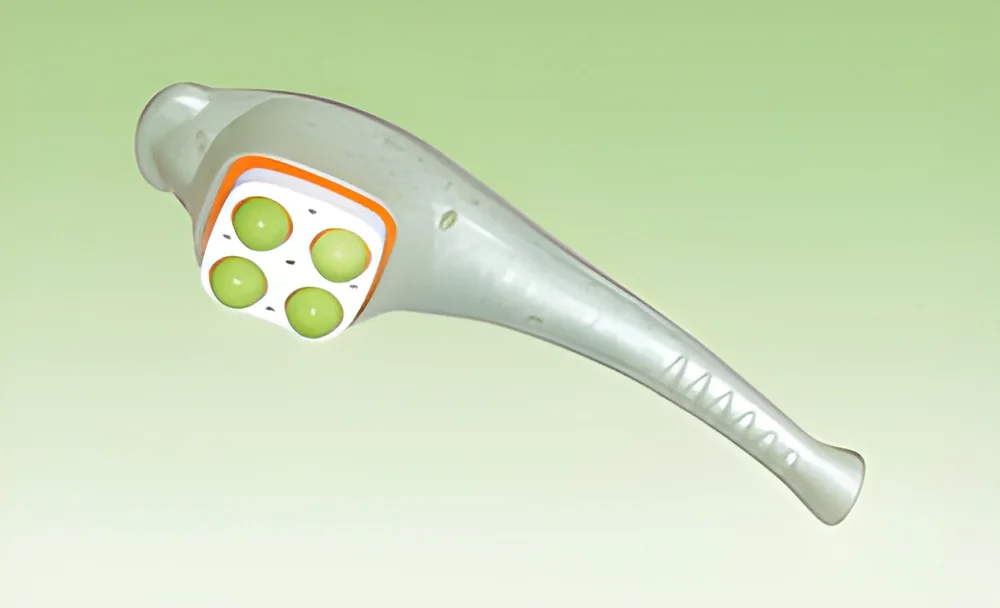
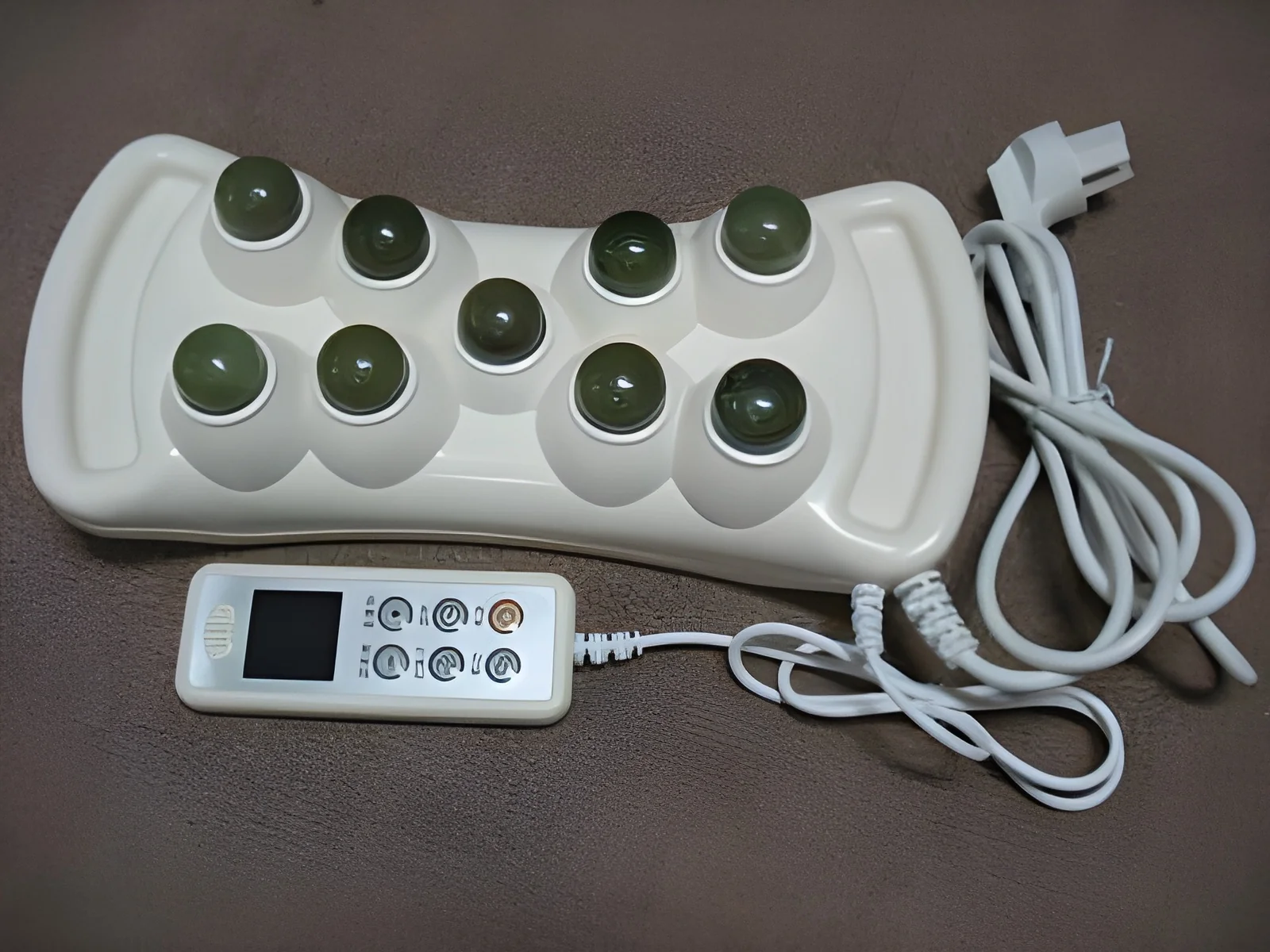
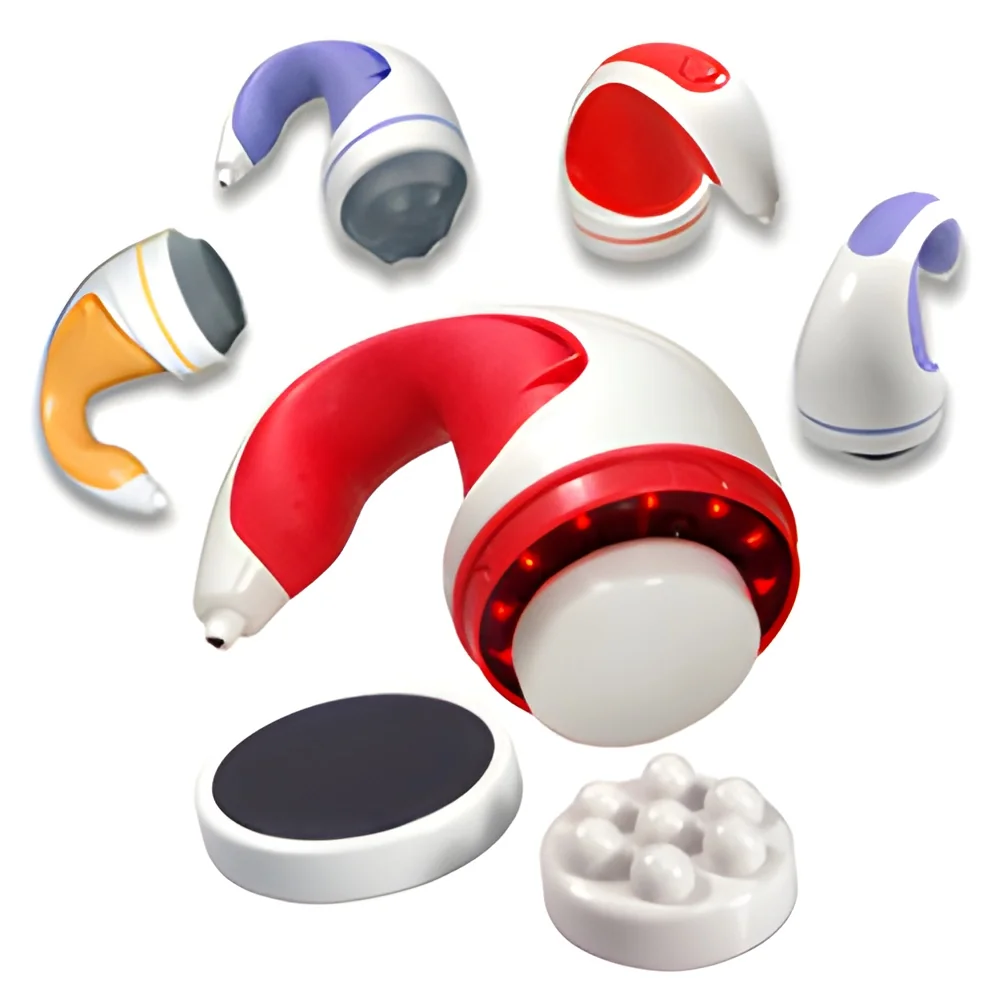
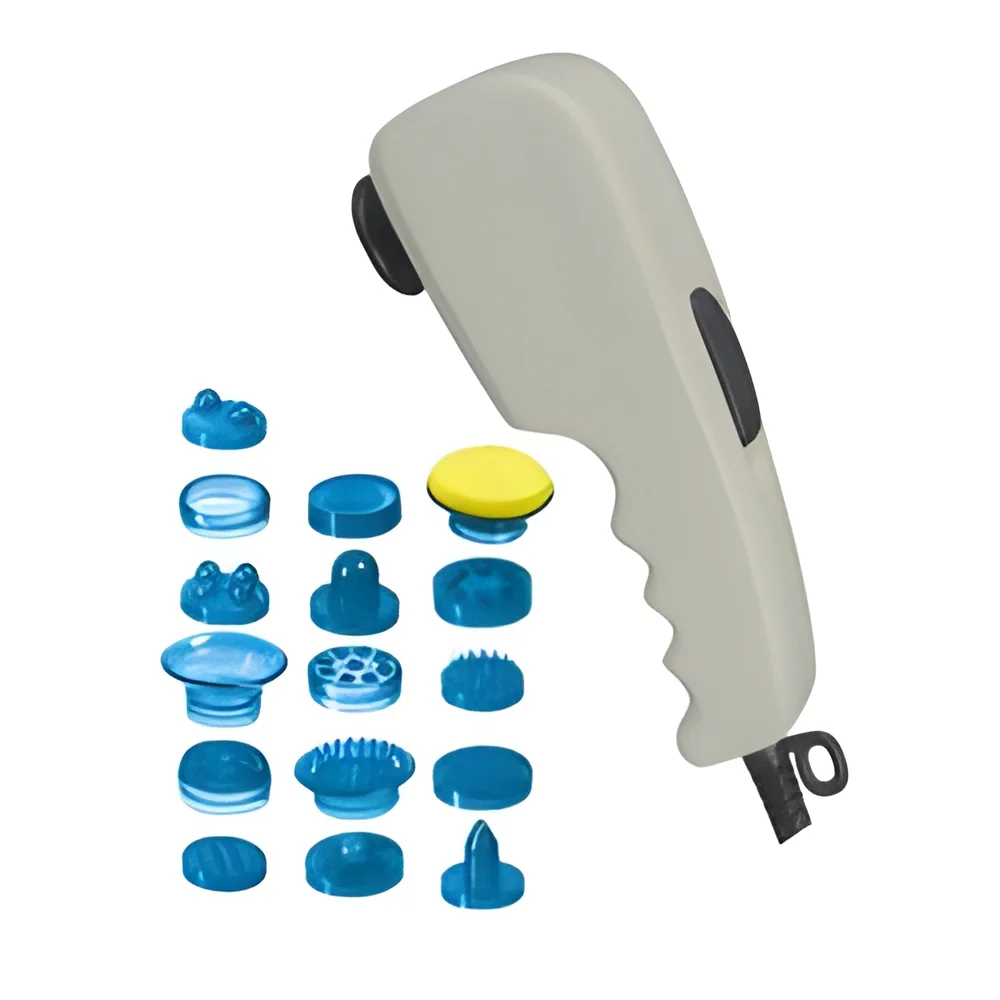
These include electric massage chairs and handheld massagers used in spas and wellness centers. They are designed to promote relaxation and relieve muscle tension.
Nail Care Equipment
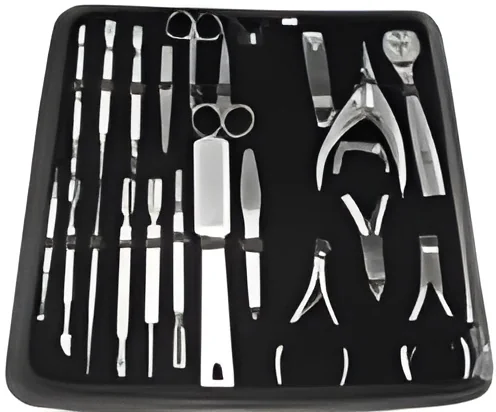
This variant encompasses tools for manicures and pedicures, including nail drills and UV lamps. They are crucial in nail salons and often enhance the overall customer experience.
𝗕𝗲𝗻𝗲𝗳𝗶𝘁𝘀 𝗮𝗻𝗱 𝗔𝗱𝘃𝗮𝗻𝘁𝗮𝗴𝗲𝘀
Investing in quality beauty equipment yields numerous benefits for salons and spas.
1. Enhanced Service Quality: High-quality devices improve treatment effectiveness, leading to better customer satisfaction.
2. Time Efficiency: Advanced machines can significantly reduce the time required for services, allowing businesses to serve more clients.
3. Competitive Edge: Offering state-of-the-art equipment can attract more customers and differentiate a business in a crowded market.
4. Client Loyalty: Consistent use of reliable equipment fosters trust and loyalty among clients who appreciate quality service.
5. Versatility: Many modern devices can perform multiple functions, allowing businesses to expand their service offerings without significant additional investment.
6. Improved Safety: Equipment with updated safety features minimizes the risk of accidents and enhances the overall client experience.
𝗕𝘂𝘆𝗶𝗻𝗴 𝗚𝘂𝗶𝗱𝗲 𝗳𝗼𝗿 𝗕𝟮𝗕 𝗕𝘂𝘆𝗲𝗿𝘀
When sourcing beauty equipment, B2B buyers must take several important factors into account.
1. Quality Assessment: It is essential to evaluate the quality of devices based on materials, build, and performance. Look for reviews and testimonials from other users to gauge reliability.
2. Supplier Verification: Vetting suppliers is crucial. Ensure they have a solid reputation, offer warranties, and provide customer support.
3. Pricing and MOQ: Understand the pricing structure and minimum order quantities. Compare various suppliers to ensure competitive pricing without compromising quality.
4. Delivery and Lead Times: Assess suppliers' logistics capabilities. Timely delivery is crucial for maintaining inventory and meeting client demands.
5. Compliance Requirements: Ensure that the equipment meets relevant industry standards and regulations. Compliance with safety and quality standards is paramount for operational success.
𝗖𝗼𝗺𝗽𝗹𝗶𝗮𝗻𝗰𝗲 𝗮𝗻𝗱 𝗖𝗲𝗿𝘁𝗶𝗳𝗶𝗰𝗮𝘁𝗶𝗼𝗻𝘀
Beauty equipment must adhere to various compliance requirements and certifications to ensure safety and quality.
Relevant quality standards such as ISO 9001 help ensure that manufacturers maintain consistent quality management processes. Compliance with these standards is essential for both consumer safety and product reliability.
Industry certifications such as CE are critical for beauty devices sold within certain regions. CE certification indicates that the equipment meets European health, safety, and environmental protection standards.
Additionally, safety and testing requirements must be strictly followed. This includes regular inspections and testing of devices to ensure they operate safely and effectively.
Regional compliance considerations also play a role in sourcing decisions. Different countries may have specific regulations governing beauty equipment, which must be adhered to in order to avoid legal issues.
Why Source Beauty Equipment (Salon, Spa Devices) from Pepagora?
Pepagora provides a trusted platform for sourcing beauty equipment with several key advantages.
The verified supplier network ensures that buyers are connected with reputable manufacturers and suppliers. Each supplier is vetted to confirm their reliability, product quality, and ability to meet customer needs.
The streamlined RFQ process simplifies the quotation system, allowing buyers to request and receive quotes efficiently. This reduces the time spent on sourcing and helps buyers make informed decisions quickly.
Pepagora also offers trade assurance and support, which provides buyers with protection during the sourcing process. This includes assistance with any disputes and guarantees on product quality.
Lastly, Pepagora's regional coverage extends across India, the GCC, and Southeast Asia. This broad geographic reach allows businesses to access a diverse range of suppliers and products tailored to their specific market needs.

 IN
IN