𝗪𝗵𝗮𝘁 𝗮𝗿𝗲 𝗢𝗳𝗳𝘀𝗲𝘁 𝗣𝗿𝗶𝗻𝘁𝗲𝗱 𝗣𝗮𝗰𝗸𝗮𝗴𝗶𝗻𝗴?
Offset printed packaging refers to a method of printing that utilizes a plate to transfer ink onto a substrate. This technique is widely recognized for its ability to produce high-quality images and text with sharp details and vibrant colors. The offset printing process involves creating a digital or traditional plate, which then applies the ink to a rubber blanket before it is finally transferred to the packaging material. This indirect printing method is particularly advantageous for large production runs, ensuring consistency and accuracy across each printed piece.
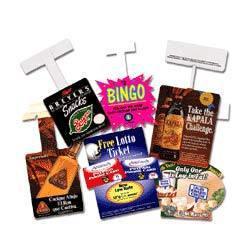
The primary uses of offset printed packaging include various types of consumer goods, food products, and industrial items. This packaging solution is often employed for cartons, labels, and wrappers, making it essential for brands looking to enhance their product’s visual appeal and marketability. Businesses benefit from offset printed packaging as it allows for intricate designs and branding elements to be incorporated seamlessly. As industries continue to grow and evolve, offset printed packaging remains a relevant and vital component in the supply chain, meeting the demands for both aesthetic and functional packaging solutions.
Offset printed packaging holds significant market relevance, particularly as consumer preferences shift towards high-quality and visually appealing products. Companies across different sectors leverage this technology to differentiate their offerings in a competitive landscape. The flexibility of offset printing also allows manufacturers to adapt to changing market trends, ensuring that they can provide customized solutions that meet specific customer needs.
𝗞𝗲𝘆 𝗙𝗲𝗮𝘁𝘂𝗿𝗲𝘀 𝗮𝗻𝗱 𝗦𝗽𝗲𝗰𝗶𝗳𝗶𝗰𝗮𝘁𝗶𝗼𝗻𝘀
Offset printed packaging boasts several key features that make it a preferred choice among manufacturers and brands. These features contribute to its versatility, quality, and appeal, making it suitable for a wide range of applications.
Key specifications include:
1. Print Quality
- High-resolution images and sharp text
- Capability for fine detail reproduction
2. Substrate Compatibility
- Suitable for various materials such as cardboard, paper, and plastics
- Accommodates different thicknesses and finishes
3. Ink Types
- Utilizes both standard and specialty inks
- Options for eco-friendly inks available
4. Color Accuracy
- Consistent color matching across production runs
- Full-color printing capabilities using CMYK process
5. Customization Options
- Ability to incorporate unique designs and branding elements
- Options for various shapes and sizes
6. Production Efficiency
- High-speed printing suitable for large quantities
- Reduced setup time for frequent design changes
7. Environmental Considerations
- Options for recyclable and biodegradable materials
- Compliance with eco-friendly printing practices
8. Lead Time
- Quick turnaround for production and delivery
- Flexibility to accommodate urgent orders
In summary, offset printed packaging offers a combination of high-quality output and efficient production processes, making it an ideal choice for businesses looking to enhance their product presentation.
𝗖𝗼𝗺𝗺𝗼𝗻 𝗔𝗽𝗽𝗹𝗶𝗰𝗮𝘁𝗶𝗼𝗻𝘀 𝗮𝗻𝗱 𝗨𝘀𝗲 𝗖𝗮𝘀𝗲𝘀
Offset printed packaging is widely utilized across various industries, reflecting its adaptability and effectiveness in meeting different packaging needs.
1. Food Industry: This packaging type is commonly used for food products such as snacks, beverages, and frozen goods. Its ability to maintain product freshness and appeal is crucial for consumer acceptance.
2. Retail Sector: Brands in the retail space utilize offset printed packaging for product boxes, labels, and promotional materials. The high-quality prints help create a strong brand identity and attract consumers.
3. Pharmaceuticals: Offset printed packaging is essential in the pharmaceutical industry for medication boxes and labels. It ensures compliance with regulatory requirements while providing clear information to consumers.
4. Cosmetics: The cosmetics industry relies on offset printed packaging for product presentation. Attractive designs and vibrant colors are necessary to stand out on retail shelves.
5. Electronics: Packaging for electronic products often employs offset printing to convey intricate details and branding. This ensures that products are not only well protected but also visually appealing.
6. E-commerce: With the rise of online shopping, offset printed packaging is increasingly used for shipping boxes and mailers. Custom designs help enhance the unboxing experience for consumers.
7. Industrial Products: Companies producing industrial goods use offset printed packaging for boxes and labels to ensure clarity in product information and safety instructions.
𝗣𝗿𝗼𝗱𝘂𝗰𝘁 𝗩𝗮𝗿𝗶𝗮𝗻𝘁𝘀 𝗮𝗻𝗱 𝗦𝘂𝗯𝗰𝗮𝘁𝗲𝗴𝗼𝗿𝗶𝗲𝘀
Offset printed packaging offers a variety of options tailored to different business needs. The diversity of these variants allows companies to choose the most suitable packaging solution for their products.
Standard Cartons: These are widely used for shipping and storage. They can be customized with various prints and finishes, ensuring brand visibility during transit.
Labels and Stickers: Offset printed labels are essential for product identification and branding. They can be applied to various surfaces, making them versatile for different types of products.
Folding Boxes: These boxes are designed for retail products and can be customized for size and design. They provide excellent protection while showcasing the product.
Cosmetic Packaging: Specifically designed for beauty products, this packaging variant combines aesthetics with functionality, ensuring products are presented attractively.
Food Packaging: Tailored for food items, this type of offset printed packaging focuses on maintaining product freshness while providing appealing designs.
𝗕𝗲𝗻𝗲𝗳𝗶𝘁𝘀 𝗮𝗻𝗱 𝗔𝗱𝘃𝗮𝗻𝘁𝗮𝗴𝗲𝘀
Offset printed packaging offers numerous benefits that make it a valuable choice for businesses looking to enhance their product offerings.
Key benefits include:
1. High Print Quality: The offset printing process ensures superior image resolution and color accuracy, vital for brand representation.
2. Cost-Effective for Large Runs: This method is economically beneficial for large production quantities, reducing the cost per unit.
3. Versatile Material Options: Offset printed packaging can be applied to various substrates, catering to diverse product needs.
4. Customization Capabilities: Brands can create unique packaging designs that align with their identity, helping to differentiate from competitors.
5. Quick Turnaround Times: Offset printing allows for efficient production, minimizing delays in bringing products to market.
6. Environmental Considerations: Many offset printed packaging options utilize eco-friendly materials and inks, appealing to environmentally conscious consumers.
𝗕𝘂𝘆𝗶𝗻𝗴 𝗚𝘂𝗶𝗱𝗲 𝗳𝗼𝗿 𝗕𝟮𝗕 𝗕𝘂𝘆𝗲𝗿𝘀
When sourcing offset printed packaging, it is crucial for buyers to consider several factors to ensure they make informed decisions.
1. Quality Assessment: Evaluate the quality of the printing and materials used. Request samples to assess durability and print fidelity.
2. Supplier Verification: Vet suppliers carefully, looking for established businesses with a track record of reliability and quality production.
3. Pricing and MOQ: Understand the pricing structure and minimum order quantities. Ensure that the costs align with your budget and production needs.
4. Delivery and Lead Times: Discuss logistics and expected lead times with suppliers to ensure timely delivery of your packaging.
5. Compliance Requirements: Be aware of any regulatory compliance standards that apply to your industry, ensuring the packaging meets necessary guidelines.
𝗖𝗼𝗺𝗽𝗹𝗶𝗮𝗻𝗰𝗲 𝗮𝗻𝗱 𝗖𝗲𝗿𝘁𝗶𝗳𝗶𝗰𝗮𝘁𝗶𝗼𝗻𝘀
Offset printed packaging must adhere to various quality standards and certifications to ensure safety and reliability.
Relevant quality standards include ISO 9001, which focuses on quality management systems, ensuring that manufacturers consistently meet customer expectations. Additionally, HACCP (Hazard Analysis Critical Control Point) is crucial for food packaging, ensuring safety and compliance with health regulations.
Industry certifications such as CE indicate that the products meet European safety standards, providing assurance to buyers about the quality and safety of the packaging.
Safety and testing requirements are also essential, particularly for products intended for food and pharmaceuticals. This ensures that materials used do not pose any risk to consumers.
Regional compliance considerations may vary, so it is vital for manufacturers to be aware of local regulations that govern packaging materials and printing processes.
𝗪𝗵𝘆 𝗦𝗼𝘂𝗿𝗰𝗲 𝗢𝗳𝗳𝘀𝗲𝘁 𝗣𝗿𝗶𝗻𝘁𝗲𝗱 𝗣𝗮𝗰𝗸𝗮𝗴𝗶𝗻𝗴 𝗳𝗿𝗼𝗺 𝗣𝗲𝗽𝗮𝗴𝗼𝗿𝗮?
Pepagora provides a trusted platform for sourcing offset printed packaging, ensuring that businesses have access to high-quality options tailored to their needs.
Verified Supplier Network: Pepagora connects buyers with a network of verified suppliers who meet stringent quality and reliability standards. This network ensures peace of mind when selecting a supplier.
Streamlined RFQ Process: The platform features a streamlined Request for Quotation process that simplifies obtaining quotes from multiple suppliers. This efficiency aids buyers in making informed decisions quickly.
Trade Assurance and Support: Pepagora offers trade assurance, providing buyers with protection during transactions. This support helps mitigate risks associated with sourcing packaging solutions.
Regional Coverage: With a focus on regions such as India, the GCC, and Southeast Asia, Pepagora ensures a wide geographic reach, making it easier for businesses to find suitable suppliers in their respective markets.

 IN
IN
 India
India