
 IN
Off-Road Bikes
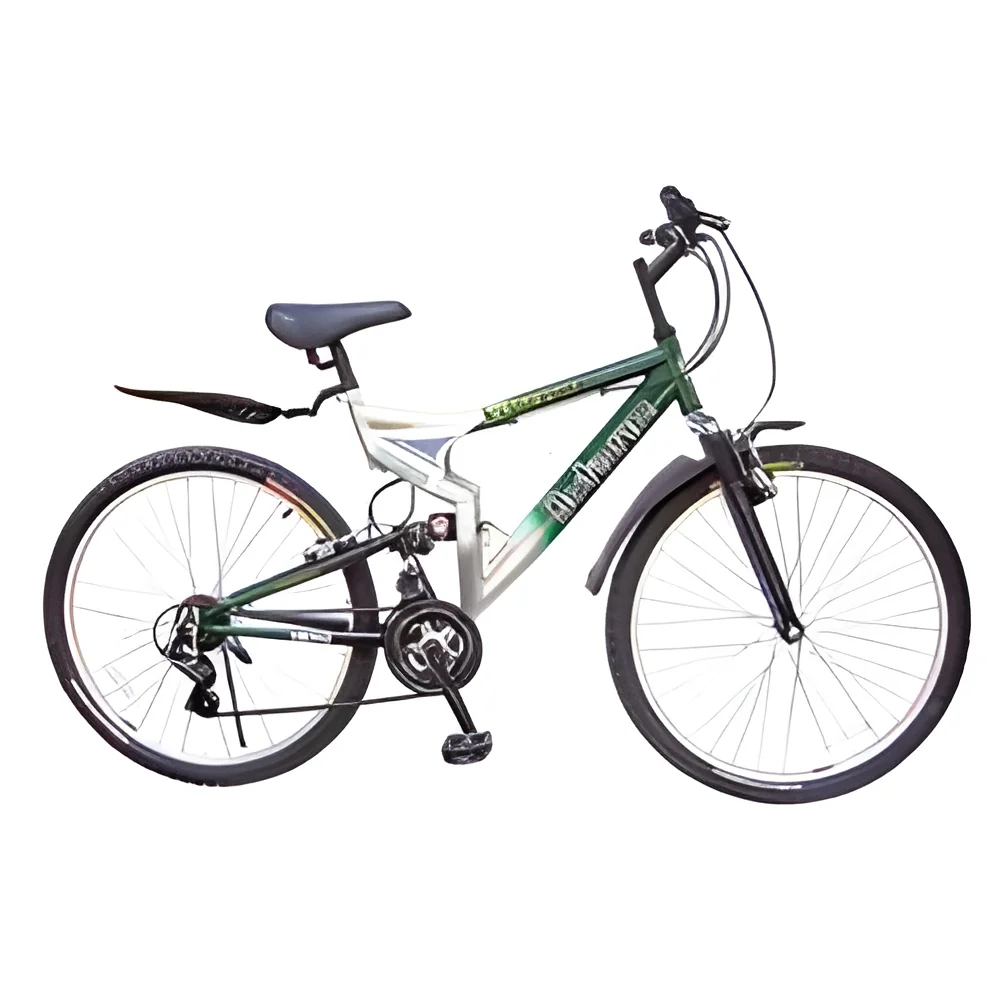
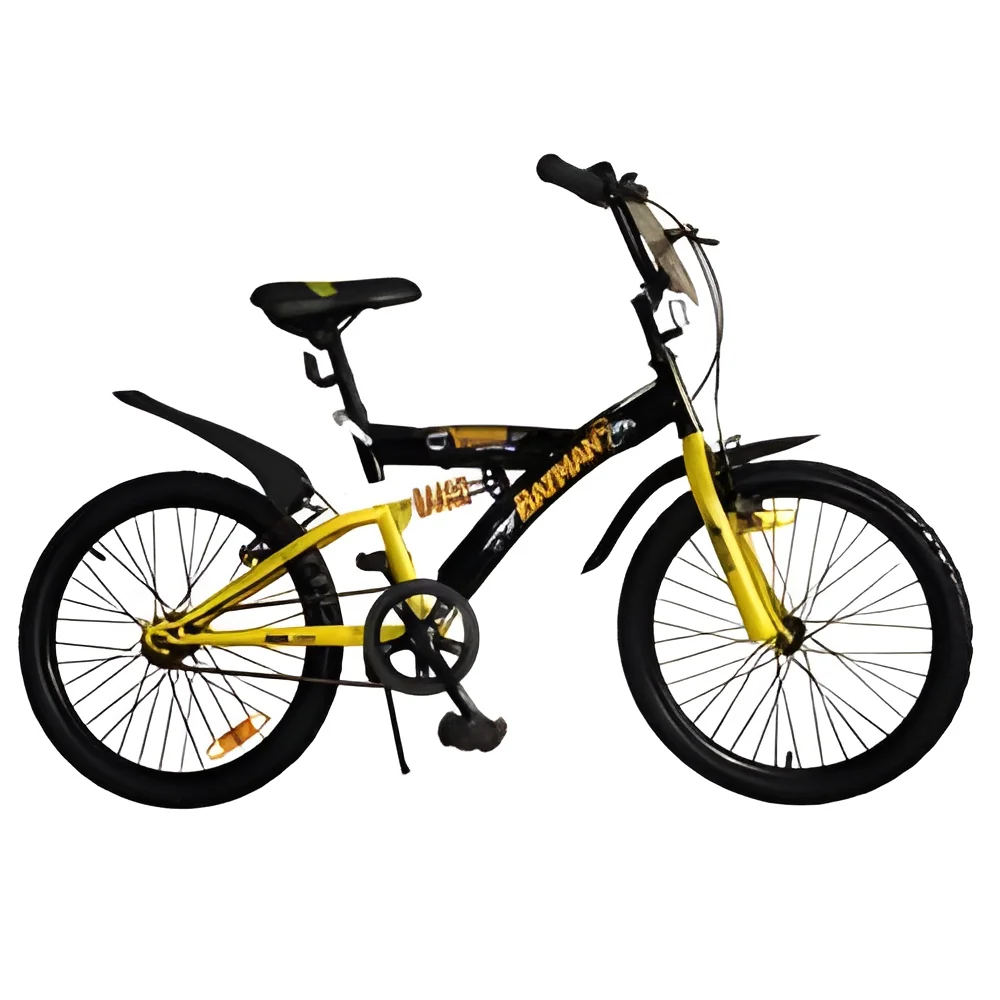
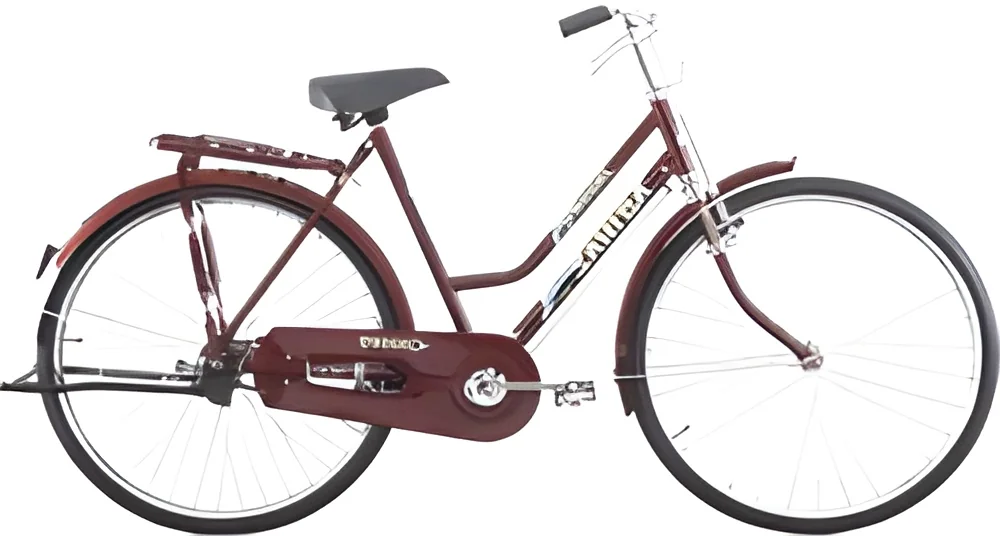
3 products available
What are Off-Road Bikes?
Off-road bikes are specialized two-wheeled vehicles designed to operate on rough terrain. They feature robust construction, enhanced suspension systems, and rugged tires to handle challenging conditions. These bikes are engineered for durability and performance, making them suitable for a variety of outdoor activities.
Primarily, off-road bikes are used in recreational sports, such as motocross, trail riding, and enduro racing. They are also employed in commercial applications, including forestry, agriculture, and construction, where access to remote locations is necessary. The versatility of off-road bikes allows businesses to utilize them for transport and operational tasks in environments that standard vehicles cannot navigate.
In the current market, off-road bikes are gaining traction due to the growing interest in outdoor activities and adventure sports. The demand is driven by both recreational users and commercial sectors looking for reliable transportation solutions in rugged landscapes. As a result, manufacturers are continually innovating to enhance performance, safety, and compliance with industry standards.
Key Features and Specifications
Off-road bikes are equipped with various features that enhance their performance and user experience. Understanding these specifications is crucial for businesses looking to invest in these vehicles.
Key specifications include:
1. Engine Capacity
- Typically ranges from 125cc to 450cc
- Affects power output and suitability for different terrains
2. Suspension System
- Features long-travel suspension for superior shock absorption
- Adjustable settings to accommodate various riding conditions
3. Tire Type
- Knobby tires designed for traction on loose surfaces
- Sizes vary based on the bike type and intended use
4. Weight
- Generally between 80 to 120 kg
- Affects maneuverability and ease of transport
5. Fuel Capacity
- Average range is 7 to 12 liters
- Ensures adequate range for long rides
6. Braking System
- Usually includes hydraulic disc brakes for effective stopping power
- Enhances safety during high-speed rides
7. Frame Material
- Constructed from lightweight aluminum or steel
- Provides durability while maintaining a manageable weight
8. Seat Height
- Varies from 30 to 36 inches
- Important for rider comfort and control
In summary, these features contribute to the overall performance and safety of off-road bikes, making them suitable for a range of applications.
Common Applications and Use Cases
Off-road bikes serve various industries and applications, making them versatile tools for different operational needs.
1. Agriculture: Farmers use off-road bikes to traverse large fields and remote areas, facilitating tasks such as crop monitoring and livestock management.
2. Forestry: These bikes are ideal for accessing dense woodlands, aiding in timber harvesting and wildlife management.
3. Construction: In construction sites, off-road bikes enable quick transportation of personnel and equipment in rugged terrains.
4. Tourism: Adventure tourism companies utilize off-road bikes for guided tours, offering thrilling experiences in natural landscapes.
5. Military: Off-road bikes are used for reconnaissance missions and transporting supplies in challenging terrains.
6. Sports: Motocross and trail riding enthusiasts employ off-road bikes for competitions and recreational activities.
7. Emergency Services: In remote locations, emergency responders use off-road bikes for rapid response and access to hard-to-reach areas.
Product Variants and Subcategories
Off-road bikes encompass a diverse range of models catering to different needs and preferences.
Trail Bikes
Trail bikes are designed for rugged trails and off-road conditions. They offer a balance of power and agility, making them suitable for both beginners and experienced riders.
Motocross Bikes
Motocross bikes are high-performance vehicles built specifically for racing on dirt tracks. They feature powerful engines and lightweight designs for competitive performance.
Enduro Bikes
Enduro bikes are versatile options designed for long-distance riding over varied terrain. They combine features of both trail and motocross bikes, making them ideal for adventure riding.
Dual-Sport Bikes
Dual-sport bikes are street-legal models that can handle both on-road and off-road conditions. They provide flexibility for riders who need a versatile vehicle for different environments.
Benefits and Advantages
Investing in off-road bikes offers numerous advantages for businesses and individuals alike.
1. Enhanced Mobility: Off-road bikes can navigate challenging terrains that standard vehicles cannot, increasing accessibility.
2. Cost Efficiency: They typically consume less fuel than larger vehicles, reducing operational costs over time.
3. Durability: Built to withstand harsh conditions, off-road bikes require less frequent maintenance and repairs.
4. Versatility: These bikes can be used for various applications, from recreation to commercial tasks, providing excellent value.
5. Improved Safety: With advanced braking and suspension systems, off-road bikes offer safer rides on uneven surfaces.
6. Greater Range: With larger fuel capacities and efficient engines, these bikes can cover longer distances without the need for frequent refueling.
Buying Guide for B2B Buyers
When sourcing off-road bikes, B2B buyers should consider several critical factors to ensure a suitable investment.
1. Quality Assessment: Evaluate the build quality and materials used in the bike's construction. A durable bike will withstand the rigors of off-road use and provide reliable performance.
2. Supplier Verification: Vet suppliers by checking their reputation and customer reviews. Ensuring they are established and trustworthy will mitigate risks in the procurement process.
3. Pricing and MOQ: Consider the cost per unit and the minimum order quantity (MOQ) that suppliers require. This information is vital for budgeting and inventory planning.
4. Delivery and Lead Times: Understand the logistics involved, including shipping methods and estimated delivery times, to ensure timely acquisition of the bikes.
5. Compliance Requirements: Familiarize yourself with relevant regulations and certifications needed for off-road bikes, such as safety standards and environmental regulations.
Compliance and Certifications
Compliance and certifications are vital aspects of off-road bikes that ensure quality and safety standards are met.
Many manufacturers adhere to international quality standards such as ISO 9001, which outlines requirements for a quality management system. This certification ensures that the bikes are produced consistently to meet customer expectations.
In addition, off-road bikes often carry industry certifications like CE, indicating conformity with health, safety, and environmental protection standards within the European market.
Safety and testing requirements include rigorous assessments that ensure the bikes can withstand demanding conditions while protecting the rider. These tests often evaluate the braking systems, suspension, and overall structural integrity.
Furthermore, regional compliance considerations might vary, necessitating further research into local regulations for the markets in which the bikes will be sold and used.
Why Source Off-Road Bikes from Pepagora?
Pepagora provides a trusted platform for sourcing off-road bikes, offering several key advantages to B2B buyers.
Verified Supplier Network: Pepagora boasts a comprehensive network of verified suppliers, ensuring that buyers can connect with reputable manufacturers. This verification process enhances buyer confidence in product quality and supplier reliability.
Streamlined RFQ Process: The platform features an efficient request for quotation (RFQ) system that simplifies the procurement process. Buyers can easily request and compare quotes, saving time and effort in sourcing.
Trade Assurance and Support: Pepagora offers trade assurance, providing buyers with protection against potential issues. This support system fosters a secure purchasing environment, allowing businesses to invest confidently.
Regional Coverage: With a strong presence in markets such as India, the GCC, and Southeast Asia, Pepagora facilitates access to off-road bikes across diverse geographic locations. This regional coverage helps buyers find suitable products tailored to their specific needs and local regulations.



Frequently Asked Questions
What are Off-Road Bikes?
Off-Road Bikes are specially designed motorcycles that enable riders to traverse rugged terrains, including dirt trails, rocky paths, and muddy surfaces. They are built with robust features such as enhanced suspension systems, knobby tires, and powerful engines to handle challenging conditions.
What are the different types of Off-Road Bikes?
The different types of Off-Road Bikes include motocross bikes, trail bikes, enduro bikes, and dual-sport bikes. Each type is tailored for specific uses, with motocross bikes designed for racing on closed tracks, while dual-sport bikes are suitable for both on-road and off-road riding.
How do I choose the right Off-Road Bikes?
Choosing the right Off-Road Bike involves considering factors such as your riding experience, the type of terrain you will be riding on, and the bike's specifications. It is also essential to assess the bike's weight, seat height, and suspension to ensure it meets your comfort and performance needs.
What are the standard specifications for Off-Road Bikes?
Standard specifications for Off-Road Bikes typically include engine displacement (ranging from 125cc to 450cc), suspension travel (usually between 10 to 12 inches), and tire size (generally between 21 inches in the front and 18 inches in the rear). Additionally, features like fuel capacity and weight are important metrics to consider.
What is the price range for Off-Road Bikes?
The price range for Off-Road Bikes can vary significantly based on brand, model, and specifications, generally falling between INR 30,000 to INR 2,00,000 or more. Factors such as additional features and customizations can also influence the overall cost.
What quality standards apply to Off-Road Bikes?
Off-Road Bikes are subject to various quality standards, which may include compliance with safety regulations and performance benchmarks set by manufacturers. Additionally, some bikes may undergo testing for durability and reliability to ensure they can withstand rough terrains.
Where can I find Off-Road Bikes suppliers in India?
You can find Off-Road Bikes suppliers in India through online B2B marketplaces like Pepagora.com, where manufacturers and dealers list their products. Additionally, local dealerships and motorcycle exhibitions can be good sources for sourcing Off-Road Bikes.
Can Off-Road Bikes be customized?
Yes, Off-Road Bikes can be customized to enhance performance and aesthetics. Common modifications include upgrading suspension systems, changing tires, and adding accessories such as skid plates and handlebar grips.
What is the typical minimum order quantity for Off-Road Bikes?
The typical minimum order quantity (MOQ) for Off-Road Bikes can vary depending on the supplier but generally ranges from 5 to 10 units. It's advisable to check with specific manufacturers for their MOQ policies.
What is the typical lead time for Off-Road Bikes?
The typical lead time for Off-Road Bikes can range from 4 to 12 weeks, depending on the supplier's inventory and customization requests. It's important to confirm the estimated delivery time when placing an order.
Why Businesses Trust Pepagora
Thousands of companies trust Pepagora to source smarter and sell faster
Expand Your Sales Globally

Source Smarter,Grow Faster
