
 IN
Multimeters
1 products available
What are Multimeters?
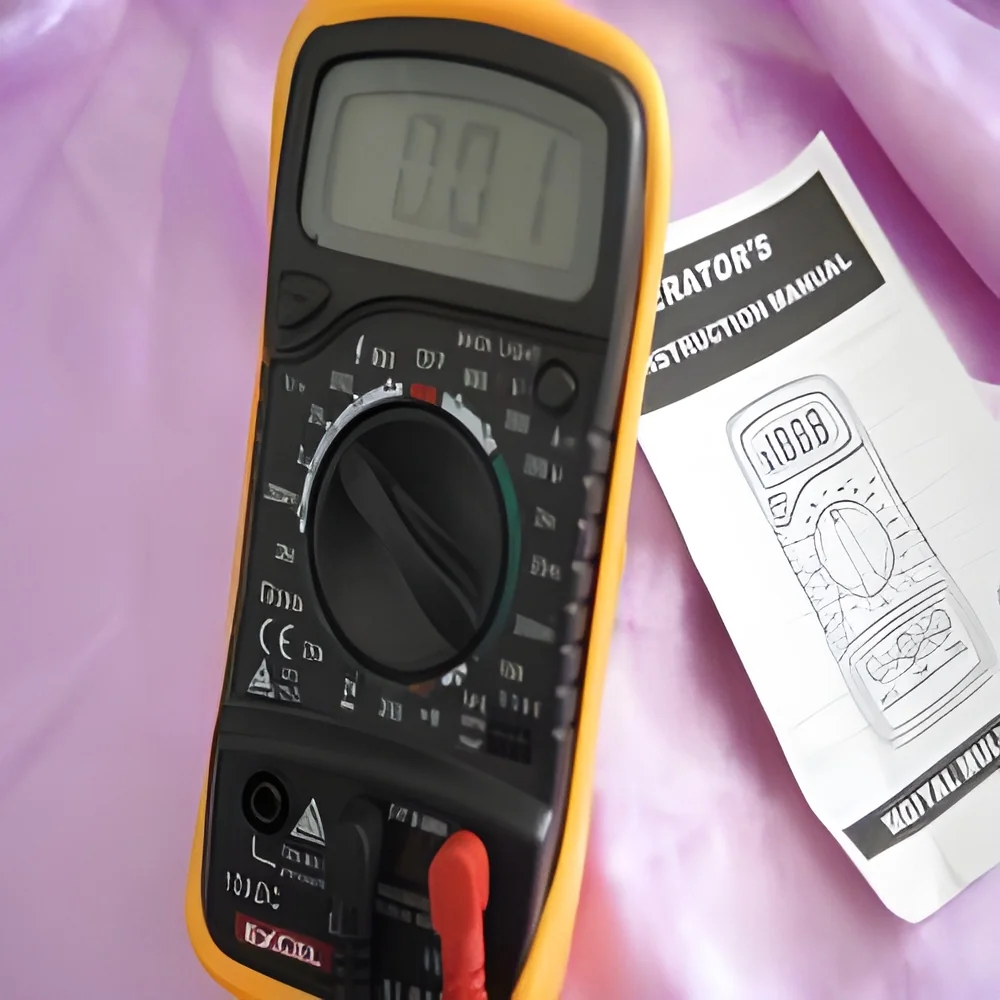
Multimeters are versatile electronic measuring instruments used to measure voltage, current, and resistance. They can be digital or analog, providing users with a broad range of functionalities in a compact device. Digital multimeters offer precise readings on a digital display, while analog multimeters use a needle and dial for measurement. The ability to perform multiple measurements makes multimeters essential tools in various electrical and electronics applications.
In the business context, multimeters are widely used in industries such as manufacturing, telecommunications, automotive, and HVAC. They assist technicians and engineers in troubleshooting electrical systems, ensuring safety, and conducting routine maintenance. By delivering accurate measurements, multimeters enhance operational efficiency and reduce downtime. Their relevance in today’s market is underscored by the growing demand for reliable testing equipment in both industrial and commercial sectors.
Key Features and Specifications
Multimeters come equipped with several key features that enhance their functionality and usability. Understanding these specifications is crucial for selecting the right multimeter for specific applications.
Key specifications include:
1. Measurement Range
- Indicates the maximum and minimum values the multimeter can measure.
- Common ranges include voltage (up to 1000V), current (up to 10A), and resistance (up to 20MΩ).
2. Display Type
- Refers to the type of display used for measurements.
- Options include digital LCD displays and analog needle displays.
3. Accuracy Rating
- Represents how close a measured value is to the actual value.
- Typically expressed as a percentage of reading plus a number of digits (e.g., ±0.5% + 2 digits).
4. Auto-ranging Functionality
- Allows the multimeter to automatically select the appropriate measurement range.
- Simplifies operation for users.
5. Data Hold Function
- Enables the user to freeze the displayed value for easy reading.
- Useful in situations where measurements are difficult to view directly.
6. Battery Life
- Refers to the operating time before needing a battery replacement.
- Some models offer extended battery life for prolonged usage.
7. Safety Ratings
- Indicates the multimeter's ability to handle high voltages safely.
- Common safety ratings include CAT II, CAT III, and CAT IV.
8. Connectivity Options
- Includes features for connecting the multimeter to computers or mobile devices for data logging.
- Bluetooth or USB connectivity are common options.
In summary, these features and specifications are crucial for ensuring that the selected multimeter meets the operational requirements and safety standards of the intended applications.
Common Applications and Use Cases
Multimeters find application across various industries due to their versatility and functionality.
1. Electrical Engineering: Multimeters are essential for testing circuit components, measuring power supply levels, and ensuring the integrity of wiring in electrical systems.
2. Automotive: Technicians use multimeters to diagnose electrical issues in vehicles, check battery voltages, and assess sensor functionality.
3. HVAC: Multimeters are utilized to measure temperature and current in heating, ventilation, and air conditioning systems, ensuring optimal performance.
4. Telecommunications: These devices help in checking signal strength and testing circuit integrity in telecommunications equipment.
5. Manufacturing: Multimeters are used for quality control, helping to ensure that electrical components meet required specifications during production.
6. Home and Building Maintenance: DIY enthusiasts and maintenance professionals employ multimeters for home electrical repairs and safety checks.
7. Research and Development: Engineers and scientists use multimeters to measure and analyze electrical properties in various experimental setups.
Product Variants and Subcategories
The diversity of multimeters allows businesses to select models based on specific needs and applications.
Digital Multimeters
Digital multimeters are the most common type, providing accurate readings with user-friendly digital displays. They are ideal for both professionals and hobbyists, suitable for a wide range of electrical measurements.
Clamp Multimeters
Clamp multimeters combine the functionality of a traditional multimeter with a clamp feature that allows for non-intrusive current measurement by clamping around a conductor. They are particularly useful in high-current applications.
Analog Multimeters
Analog multimeters use a needle and dial for measurement, offering a visual representation of readings. They are less common today but are still preferred in certain applications for their simplicity and reliability.
Benefits and Advantages
Investing in multimeters provides numerous benefits that enhance operational efficiency and safety in various applications.
1. Versatility: Multimeters can perform multiple measurements, including voltage, current, and resistance, making them essential tools for technicians in diverse industries.
2. Accuracy: High-quality multimeters deliver precise measurements, which is critical for troubleshooting and ensuring compliance with industry standards.
3. User-Friendly: Many models feature auto-ranging and data hold functions, simplifying operation and improving user experience.
4. Cost-Effective: By combining several measurement tools into one device, multimeters reduce the need for multiple instruments, saving costs in the long run.
5. Safety Features: Multimeters with safety ratings ensure protection against electrical hazards, contributing to safer working environments.
6. Portability: Compact and lightweight designs allow for easy transport, making them ideal for fieldwork and on-site applications.
Buying Guide for B2B Buyers
When sourcing multimeters, it is essential to consider various factors to ensure the right selection for your business needs.
1. Quality Assessment: Evaluate the quality of the multimeter by checking manufacturer specifications and customer reviews. Look for products that meet industry standards for accuracy and durability.
2. Supplier Verification: Vet suppliers by verifying their reputation, certifications, and customer feedback. Reliable suppliers ensure product availability and post-purchase support.
3. Pricing and MOQ: Understand the pricing structure and minimum order quantity (MOQ) for bulk purchases. Compare prices across different suppliers to find the best value.
4. Delivery and Lead Times: Inquire about delivery timelines and logistics. Ensure that the supplier can meet your deadlines to avoid delays in operations.
5. Compliance Requirements: Check for regulatory compliance and certifications (such as UL and CE) to ensure that the multimeters meet safety and quality standards required in your industry.
Compliance and Certifications
Multimeters must adhere to various quality standards and certifications to ensure safe and reliable operation. Common quality standards include ISO 9001, which focuses on quality management systems, and other industry-specific standards such as HACCP for food safety and GDP for good distribution practices.
Industry certifications like UL and CE indicate that the multimeters have been tested for safety and performance. Products with these certifications are more likely to meet regulatory requirements, offering peace of mind for users.
Additionally, compliance with safety and testing requirements is crucial, especially when multimeters are used in high-voltage environments. Regional compliance considerations may vary, so it is essential to understand the specific regulations applicable in your area.
Why Source Multimeters from Pepagora?
Pepagora offers a trusted platform for sourcing multimeters, providing several advantages that enhance the buying experience.
Verified Supplier Network: Pepagora connects buyers with verified suppliers, ensuring that the products offered meet quality and safety standards. This reduces risks associated with sourcing equipment.
Streamlined RFQ Process: The request for quotation (RFQ) system simplifies the procurement process. Buyers can easily compare suppliers and receive competitive quotes, saving time and effort.
Trade Assurance and Support: Pepagora provides buyer protection through trade assurance, ensuring that transactions are secure and that buyers receive the products as described.
Regional Coverage: With a focus on regions like India, GCC, and Southeast Asia, Pepagora facilitates access to local suppliers, making it easier for businesses to find the right multimeters for their needs.


Frequently Asked Questions
What are Multimeters?
Multimeters are versatile electronic measuring instruments used to measure voltage, current, and resistance. They can be found in both analog and digital formats and are essential tools for electricians, technicians, and engineers.
What are the different types of Multimeters?
There are primarily two types of multimeters: analog and digital. Digital multimeters are more common due to their accuracy and ease of use, while analog multimeters offer a visual representation of measurements through a needle and scale.
How do I choose the right Multimeters?
Choosing the right multimeter depends on your specific needs such as the types of measurements you will be performing. Consider factors such as accuracy, range, display type, and additional features like data logging or auto-ranging.
What are the standard specifications for Multimeters?
Standard specifications for multimeters typically include measurement ranges for voltage, current, and resistance, as well as accuracy ratings, display type, and additional features like continuity testing and diode testing.
What is the price range for Multimeters?
The price range for multimeters can vary widely based on their features and brand. Basic models may start around INR 500, while advanced digital multimeters with additional functionalities can cost several thousand rupees.
What quality standards apply to Multimeters?
Multimeters are often required to meet specific quality standards such as IEC 61010 for safety and performance. Compliance with these standards ensures that the devices are safe to use and provide accurate measurements.
Where can I find Multimeters suppliers in India?
You can find multimeter suppliers in India through B2B marketplaces like Pepagora, industry trade shows, or by searching online for manufacturers and distributors specializing in electronic testing equipment.
Can Multimeters be customized?
Yes, some manufacturers offer customization options for multimeters, including specific features, branding, or tailored specifications to meet unique customer requirements.
What is the typical minimum order quantity for Multimeters?
The typical minimum order quantity (MOQ) for multimeters can vary by supplier and model but often ranges from 10 to 100 units. It's best to check with specific manufacturers for their MOQ policies.
What is the typical lead time for Multimeters?
The typical lead time for multimeters can range from a few days to several weeks depending on the supplier, customization requirements, and availability of stock. Always confirm lead times when placing an order.
Why Businesses Trust Pepagora
Thousands of companies trust Pepagora to source smarter and sell faster
Expand Your Sales Globally

Source Smarter,Grow Faster
