
 IN
Modular Wardrobe Systems
2 products available
What are Modular Wardrobe Systems?
Modular Wardrobe Systems are versatile storage solutions designed to optimize space while providing customizable organization for personal and commercial use. These systems typically consist of various components, such as shelves, drawers, and hanging rods, that can be assembled in different configurations to meet specific needs. The modular design allows users to adapt the system as their requirements change, making it an efficient choice for both residential and commercial applications.
These systems find primary use in various sectors, including retail, hospitality, and residential spaces. In retail environments, modular wardrobes are often employed to display clothing while maximizing floor space. In hotels or apartments, they provide guests with efficient storage options. The ability to configure the system based on available space and user preferences makes modular wardrobes highly relevant in today’s dynamic market.
The increasing demand for customized storage solutions in urban living and commercial spaces drives the growth of the modular wardrobe market. As businesses and consumers seek functional yet stylish storage options, modular systems have become a popular choice. The emphasis on space efficiency and aesthetic appeal ensures that these products remain relevant across several industries.
Key Features and Specifications
Modular Wardrobe Systems offer a range of features aimed at enhancing usability and functionality. These specifications help businesses assess the suitability of the product for their specific needs.
Key specifications include:
1. Customizable Configuration
- Components can be arranged in various layouts to suit user preferences
- Flexibility to add or remove parts as needed
2. Durable Materials
- Constructed from high-quality materials such as wood, metal, or composite
- Designed to withstand daily wear and tear
3. Space Efficiency
- Optimized design to maximize storage capacity in limited spaces
- Vertical and horizontal storage options available
4. Aesthetic Variety
- Available in multiple finishes and colors
- Options to match different interior design styles
5. Easy Assembly
- User-friendly assembly processes with minimal tools required
- Clear instructions provided for quick setup
6. Modular Accessories
- Availability of additional components like shoe racks, tie holders, and lighting
- Enhances the overall functionality of the wardrobe system
7. Adjustable Shelves
- Shelves that can be repositioned to accommodate varying item sizes
- Allows for personalized organization
8. Secure Storage Options
- Some models include lockable drawers or compartments
- Provides security for valuable items
In summary, the robust features and specifications of Modular Wardrobe Systems make them a versatile storage solution for a variety of applications.
Common Applications and Use Cases
Modular Wardrobe Systems are utilized across multiple industries for their flexibility and efficiency.
1. Retail: Retail businesses use modular wardrobes to display clothing items while maintaining an organized appearance. This helps in improving customer experience and maximizing sales space.
2. Hospitality: Hotels and resorts implement modular wardrobes in guest rooms to provide practical storage solutions. This enhances guest satisfaction by offering convenience and style.
3. Residential: Homeowners benefit from modular wardrobes by customizing their storage according to personal needs. This is particularly valuable in smaller living spaces where maximizing room is essential.
4. Corporate: Offices are increasingly adopting modular wardrobes for employee storage. These systems can help maintain a tidy workspace while allowing for personal item storage.
5. Education: Schools and universities utilize modular wardrobes in dormitories and classrooms to provide students with efficient organizational solutions. This ensures a clutter-free environment conducive to learning.
6. Healthcare: Hospitals and clinics use modular wardrobes to store medical supplies and personal belongings of patients. The ability to customize storage helps in maintaining an orderly facility.
7. Fitness: Gyms and fitness centers employ modular wardrobe systems in locker rooms to offer members secure and convenient storage for their belongings.
Product Variants and Subcategories
Modular Wardrobe Systems come in various designs to cater to different needs and preferences. Though specific subcategories are not available, the diversity in product offerings is noteworthy.
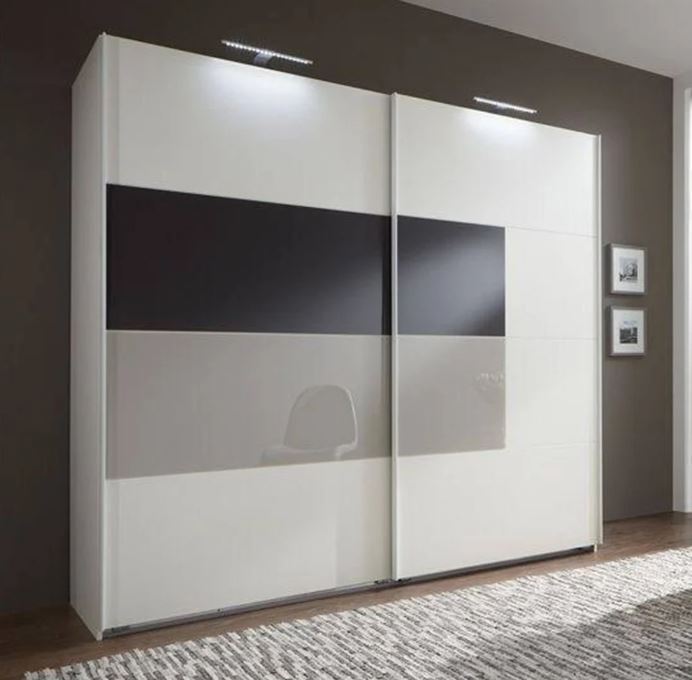
Sliding Door Systems
These wardrobes feature sliding doors that save space, making them ideal for narrow areas. They offer a modern look and can be fitted with mirrors for added functionality.
Open Shelving Systems
This variant emphasizes visibility and accessibility. Open shelving allows users to display items, making it suitable for retail environments and home decor.
Wall-Mounted Systems
Designed to save floor space, these systems attach directly to the wall. They are perfect for smaller rooms and can be customized with various accessories for enhanced storage.
Integrated Lighting Systems
Some modular wardrobes come with built-in lighting options. This feature enhances visibility and adds a touch of elegance to the wardrobe.
Benefits and Advantages
Modular Wardrobe Systems provide several advantages that make them an appealing choice for businesses and consumers alike.
Key benefits include:
1. Customization: Users can tailor the layout and components to fit their specific needs, ensuring maximum efficiency.
2. Space Optimization: Designed to make the best use of available space, these systems help eliminate clutter in both residential and commercial settings.
3. Cost-Effective: Modular systems often provide a more economical option than traditional built-in wardrobes, allowing for flexibility in budgeting.
4. Enhanced Organization: The ability to adjust shelving and add accessories promotes better organization, leading to easier access to items.
5. Aesthetic Appeal: With a variety of designs and finishes available, modular wardrobes can enhance the overall look of a room or store.
6. Durability: Made from high-quality materials, these systems are built to last, reducing the need for frequent replacements.
Buying Guide for B2B Buyers
When sourcing Modular Wardrobe Systems, several factors should be considered to ensure the best purchase decision.
1. Quality Assessment: Evaluate the materials and construction methods used in the wardrobe systems. Look for high-quality finishes and durable hardware to ensure longevity.
2. Supplier Verification: Conduct thorough research on suppliers to verify their credibility. Check for reviews, certifications, and their history in the industry to ensure reliability.
3. Pricing and MOQ: Understand the pricing structure and minimum order quantities required by suppliers. This helps in budgeting and ensures that the purchase aligns with business needs.
4. Delivery and Lead Times: Inquire about the expected lead times for delivery. Timely delivery is crucial for project planning and inventory management.
5. Compliance Requirements: Ensure that the products meet relevant industry standards and regulations. This includes checking for safety certifications and quality assurance processes.
Compliance and Certifications
Modular Wardrobe Systems must adhere to various compliance and certification standards to assure quality and safety.
Relevant quality standards include ISO 9001, which outlines requirements for an effective quality management system. Compliance with such standards ensures that products meet customer expectations and regulatory requirements.
Industry certifications, such as UL and CE, signify that the products have undergone testing and meet specific safety and performance criteria. These certifications are crucial for buyers looking for reliable and safe storage solutions.
Additionally, safety and testing requirements may vary by region, impacting the compliance needed for modular wardrobes. Buyers should be aware of local regulations and ensure that their chosen products meet these necessary criteria.
Why Source Modular Wardrobe Systems from Pepagora?
Pepagora provides a trusted platform for sourcing Modular Wardrobe Systems, offering several key advantages to B2B buyers.
Verified Supplier Network: Pepagora has established a network of verified suppliers, ensuring that buyers can find reliable vendors with quality products. This reduces the risk associated with sourcing and improves purchasing confidence.
Streamlined RFQ Process: The platform features a user-friendly Request for Quotation (RFQ) system that simplifies the procurement process. Buyers can easily request quotes from multiple suppliers, allowing for competitive pricing and options.
Trade Assurance and Support: Pepagora is dedicated to providing buyer protection through trade assurance policies. This support helps buyers navigate potential issues with their orders, ensuring a smooth purchasing experience.
Regional Coverage: With a strong presence in India, the GCC, and Southeast Asia, Pepagora offers extensive regional coverage. This geographic reach allows buyers to connect with suppliers that cater to their specific market needs, making sourcing efficient and effective.



Frequently Asked Questions
What are Modular Wardrobe Systems?
Modular Wardrobe Systems are customizable storage solutions designed to maximize space efficiency in homes or offices. They consist of various components such as shelves, drawers, and hanging rods that can be arranged in multiple configurations to meet individual needs.
What are the different types of Modular Wardrobe Systems?
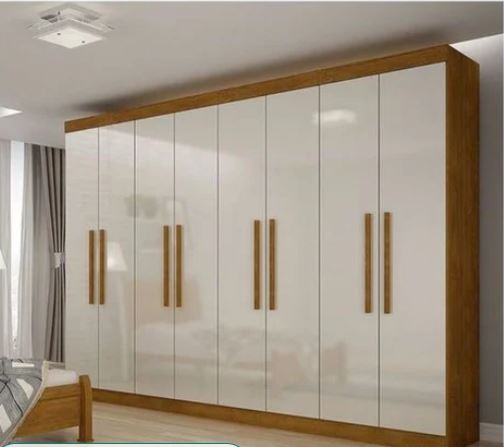
There are various types of Modular Wardrobe Systems, including sliding door wardrobes, hinged door wardrobes, and corner wardrobes. Each type is designed for specific space requirements and aesthetic preferences, allowing users to select the best fit for their environment.
How do I choose the right Modular Wardrobe Systems?
To choose the right Modular Wardrobe Systems, consider your storage needs, available space, and design preferences. Additionally, evaluate the materials and finishes to ensure durability and compatibility with your existing decor.
What are the standard specifications for Modular Wardrobe Systems?
Standard specifications for Modular Wardrobe Systems typically include dimensions, weight capacity, materials used (such as MDF, particle board, or plywood), and finishing options. It's essential to review these specifications to ensure the system meets your functional and aesthetic requirements.
What is the price range for Modular Wardrobe Systems?
The price range for Modular Wardrobe Systems can vary significantly based on materials, design complexity, and brand. Generally, you can expect prices to start from around INR 10,000 and can go up to INR 50,000 or more for high-end options.
What quality standards apply to Modular Wardrobe Systems?
Quality standards for Modular Wardrobe Systems often include adherence to safety regulations, material quality, and durability tests. Look for products that meet industry standards to ensure the longevity and reliability of the wardrobe system.
Where can I find Modular Wardrobe Systems suppliers in India?
You can find Modular Wardrobe Systems suppliers in India through B2B marketplaces like Pepagora.com, local furniture stores, and online retail platforms. It's advisable to compare suppliers based on their product range, pricing, and customer reviews.
Can Modular Wardrobe Systems be customized?
Yes, many manufacturers offer customization options for Modular Wardrobe Systems, allowing you to tailor the design, dimensions, and features according to your specific requirements. This flexibility helps in optimizing space and meeting personal preferences.
What is the typical minimum order quantity for Modular Wardrobe Systems?
The typical minimum order quantity (MOQ) for Modular Wardrobe Systems can vary by supplier and design. It usually ranges from one unit for retail purchases to several units for bulk orders, particularly for manufacturers.
What is the typical lead time for Modular Wardrobe Systems?
The typical lead time for Modular Wardrobe Systems can range from 2 to 6 weeks, depending on the complexity of the order and the manufacturer's capabilities. Custom orders may require additional time, so it is essential to confirm timelines with the supplier.
Why Businesses Trust Pepagora
Thousands of companies trust Pepagora to source smarter and sell faster
Expand Your Sales Globally

Source Smarter,Grow Faster
