What are Vanity Units?
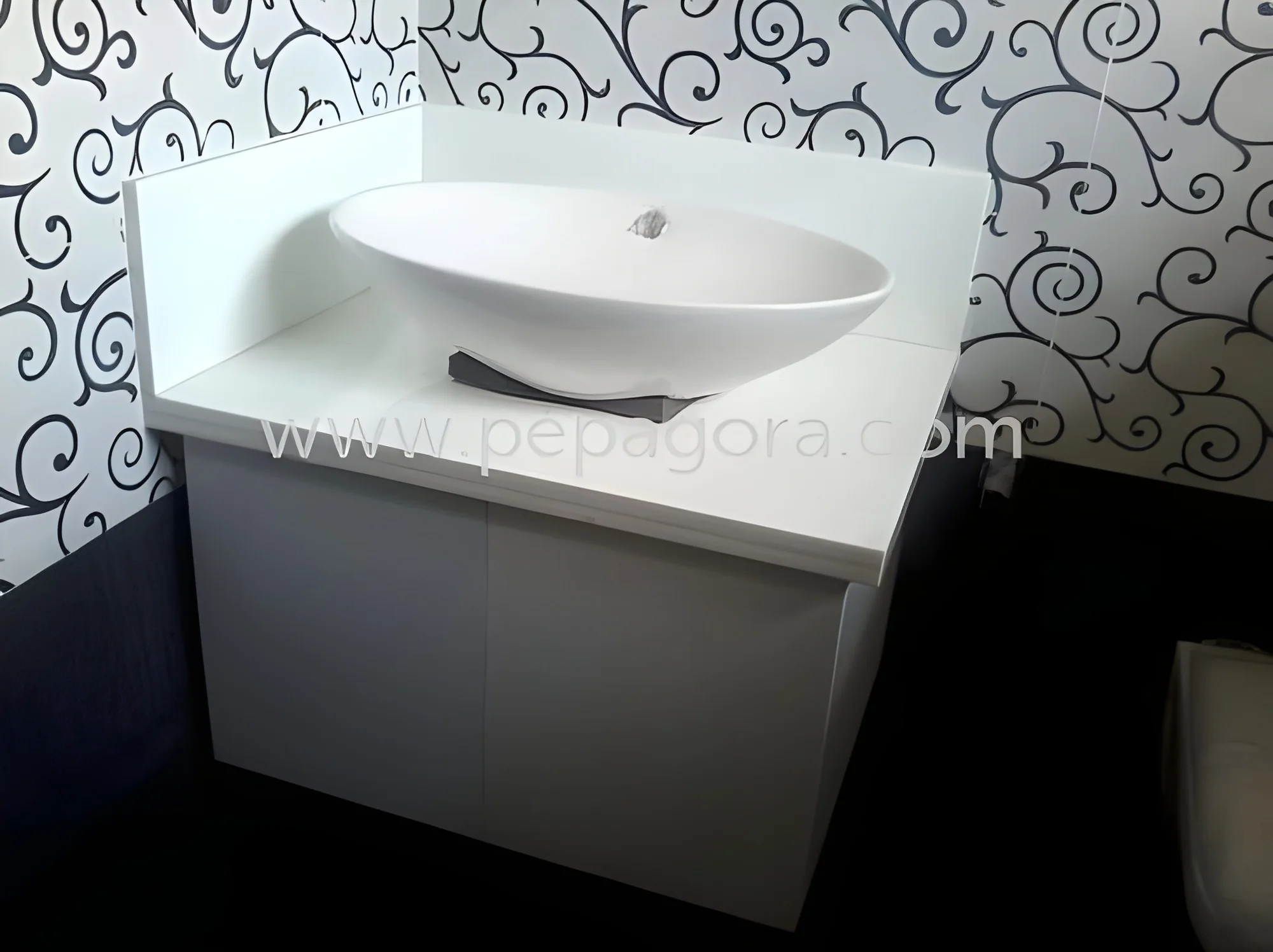
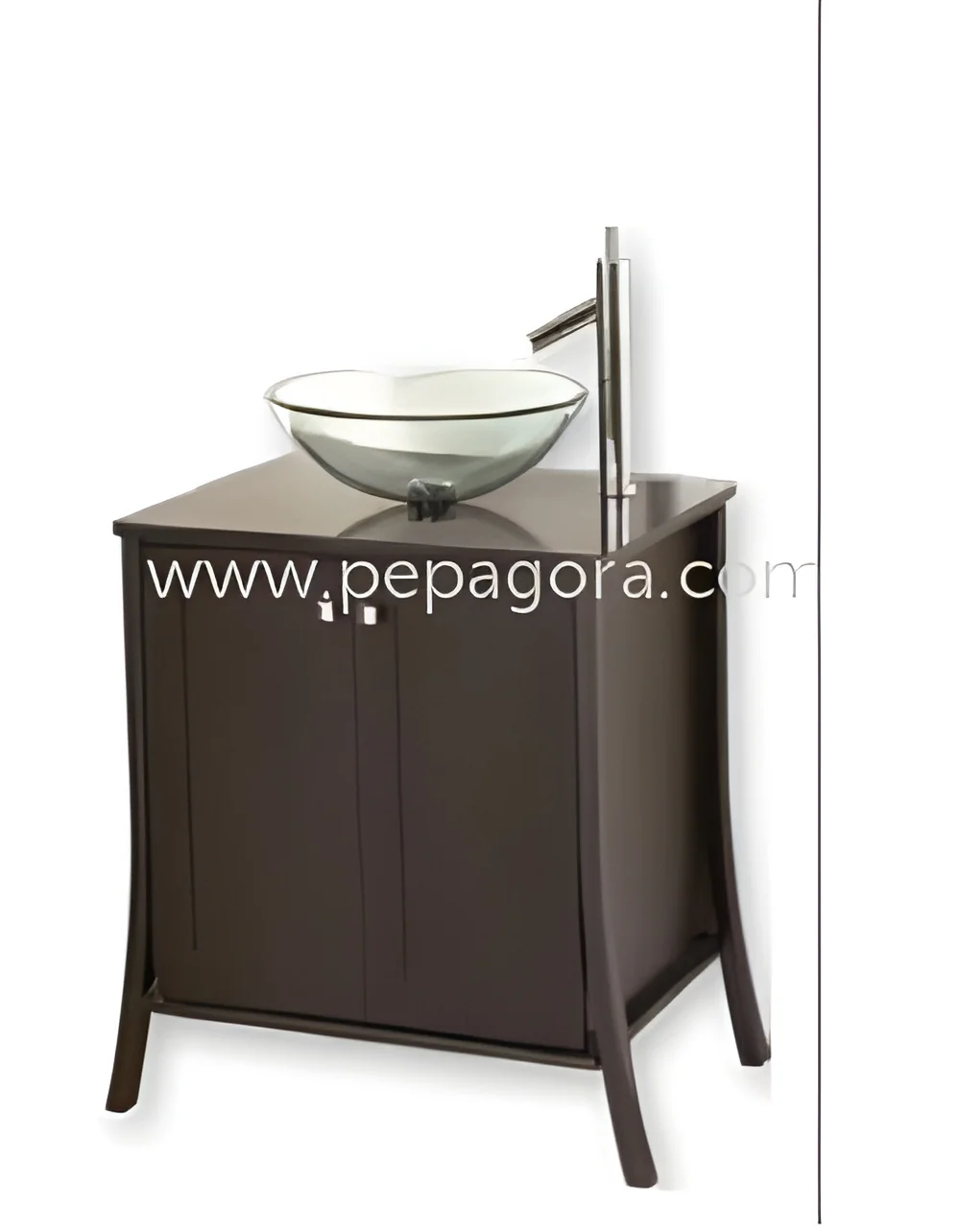
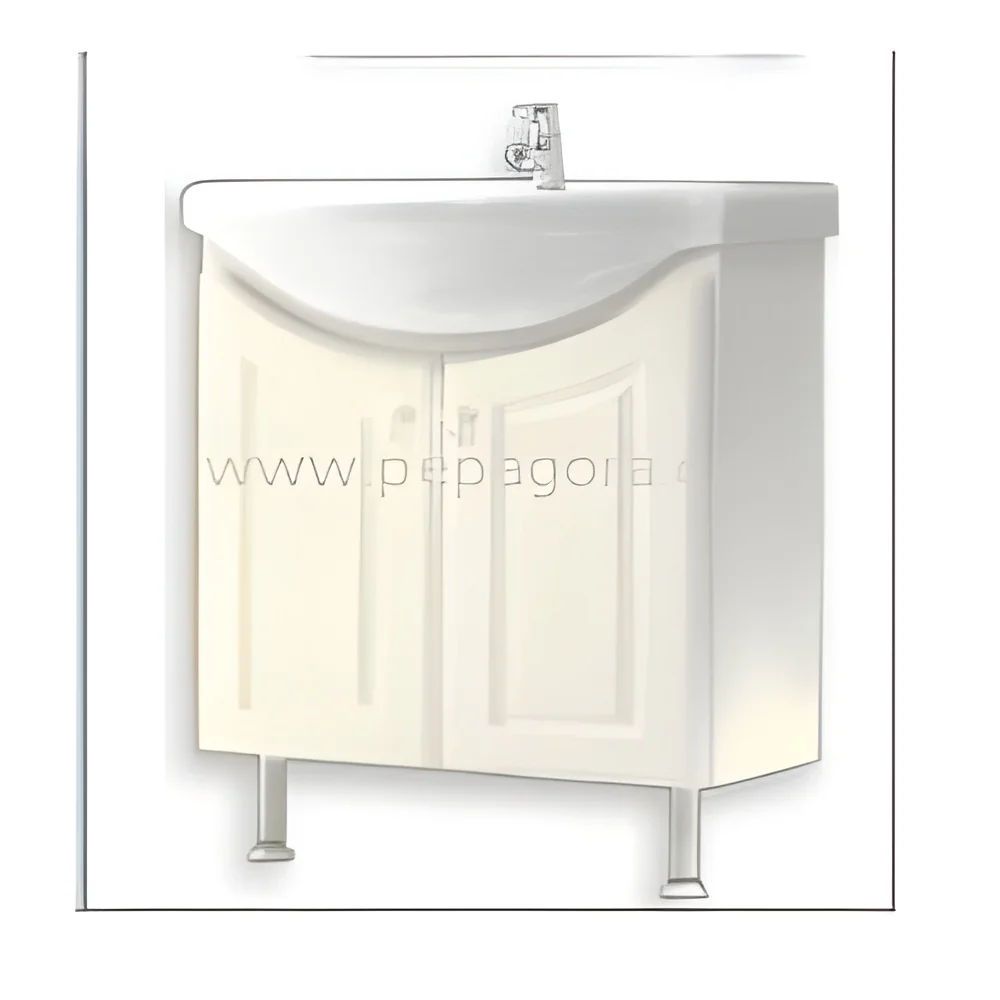
Vanity units are essential fixtures commonly found in bathrooms, combining a sink with storage space in a single unit. These products typically feature a countertop basin and cabinets or shelves that help organize toiletries and other bathroom essentials. Vanity units come in various designs, sizes, and materials, making them versatile for different aesthetic preferences and functional needs.
The primary use of vanity units is to enhance bathroom functionality and organization. They provide a designated area for washing, grooming, and storage, making them indispensable for both residential and commercial spaces. In business applications, they are frequently installed in hotels, spas, and office restrooms, where a combination of style and practicality is essential. As the demand for stylish and efficient bathroom solutions grows, the relevance of vanity units in the market continues to increase, driven by trends in interior design and consumer preferences for modern amenities.
Key Features and Specifications
Vanity units are designed with several key features that enhance their usability and appeal. These specifications can vary depending on the manufacturer, material, and design.
Key specifications include:
1. Material Composition
- Common materials include wood, MDF, and metal.
- Quality ranges from standard durability to premium finishes.
2. Size Dimensions
- Available in various sizes to fit different bathroom layouts.
- Standard widths usually range from 24 to 72 inches.
3. Sink Type
- Options include undermount, vessel, and integrated sinks.
- Sink styles impact both functionality and aesthetic.
4. Storage Options
- Features may include drawers, cabinets, and open shelving.
- Effective storage solutions enhance organization.
5. Countertop Material
- Materials may include granite, quartz, and laminate.
- Each material offers different levels of durability and maintenance.
6. Design Style
- Available in contemporary, traditional, and minimalist designs.
- Design choices can complement various interior decors.
7. Faucet Compatibility
- Most units are designed to accommodate standard faucet fittings.
- Compatibility may affect installation and functionality.
8. Installation Type
- Options include wall-mounted or freestanding units.
- Installation type impacts space utilization and design.
In summary, vanity units provide a blend of functionality and style, making them essential components in modern bathrooms.
Common Applications and Use Cases
Vanity units serve a variety of industries, each with specific applications that highlight their versatility.
1. Residential: In homes, vanity units are primarily used in bathrooms to provide a stylish and functional space for daily hygiene routines.
2. Hospitality: Hotels and resorts utilize vanity units to create an inviting and luxurious atmosphere in guest bathrooms, enhancing the guest experience.
3. Commercial Offices: Many businesses install vanity units in restrooms to maintain a professional image and ensure employee comfort.
4. Healthcare: Clinics and hospitals incorporate vanity units in patient restrooms to offer cleanliness and ease of use for patients and staff.
5. Educational Institutions: Schools and universities use vanity units in restrooms to promote hygiene among students and staff.
6. Retail Spaces: High-end retail stores often feature vanity units in fitting rooms or restrooms to provide a touch of luxury.
7. Spas and Salons: Vanity units play a crucial role in creating an upscale environment, allowing clients to feel pampered and cared for.
Product Variants and Subcategories
Vanity units come in various designs and configurations to cater to different needs and preferences.
Wall-Mounted Vanity Units
These units are fixed to the wall, creating a modern and sleek appearance. They often provide additional floor space and are easier to clean underneath.
Freestanding Vanity Units
Freestanding models offer a traditional look and are available in numerous styles. They provide ample storage and are often easier to install.
Double Sink Vanity Units
Ideal for shared bathrooms, these units feature two sinks and increased storage capacity. They are perfect for families or couples requiring simultaneous access.
Corner Vanity Units
Designed to maximize space in smaller bathrooms, corner units fit snugly into corners, making them a practical choice for tight areas.
Benefits and Advantages
Vanity units offer numerous benefits that enhance their appeal to B2B buyers.
1. Space Optimization: Vanity units effectively utilize bathroom space by combining sink and storage solutions into one unit.
2. Enhanced Organization: These units provide designated storage areas, reducing clutter and improving accessibility to bathroom essentials.
3. Aesthetic Appeal: Available in various styles and finishes, vanity units can significantly enhance the overall look of a bathroom.
4. Increased Property Value: High-quality vanity units can elevate the value of residential and commercial properties by adding luxury and functionality.
5. Customization Options: Many manufacturers offer customization, allowing buyers to select materials, colors, and sizes to fit specific requirements.
6. Easy Maintenance: Many vanity units are designed with materials that are easy to clean and maintain, ensuring longevity and hygiene.
Buying Guide for B2B Buyers
When sourcing vanity units, several factors should be considered to ensure a satisfactory purchase.
1. Quality Assessment: Evaluate the quality of materials used in the vanity units. Look for durable finishes and sturdy construction to ensure longevity in high-traffic areas.
2. Supplier Verification: Conduct thorough vetting of suppliers to ensure reliability. Check for customer reviews and ask for references to gauge their reputation.
3. Pricing and MOQ: Understand the pricing structure and minimum order quantities (MOQ) set by suppliers. This will help in budgeting and planning purchases effectively.
4. Delivery and Lead Times: Inquire about delivery schedules and lead times to ensure timely project completion. Factor in logistics when planning installations.
5. Compliance Requirements: Be aware of any regulatory compliance requirements specific to your region. Ensure that vanity units meet necessary safety and quality standards for use in commercial settings.
Compliance and Certifications
Vanity units must adhere to various compliance and certification standards to ensure safety and quality.
Relevant quality standards include ISO 9001, which pertains to quality management systems. Compliance with these standards ensures that products meet customer and regulatory requirements.
Additionally, CE certification is important for products sold in the European market, indicating conformity with health, safety, and environmental protection standards.
Safety and testing requirements are crucial to guarantee that materials used in vanity units do not pose risks to users. This includes testing for durability and chemical safety.
Regional compliance considerations may vary, so it is essential for manufacturers and suppliers to stay informed about the specific regulations applicable in their target markets.
Why Source Vanity Units from Pepagora?
Pepagora provides a trusted platform for sourcing vanity units with several key advantages.
Verified Supplier Network: Pepagora ensures that all suppliers on its platform are thoroughly vetted. This guarantees reliability and quality, giving buyers confidence in their purchases.
Streamlined RFQ Process: The Request for Quotation (RFQ) system simplifies the process for buyers, allowing them to efficiently compare offers and make informed decisions.
Trade Assurance and Support: Buyers are protected through Pepagora’s trade assurance policies, which help to mitigate risks associated with online transactions.
Regional Coverage: Pepagora has a wide geographic reach, covering markets in India, the GCC, and Southeast Asia. This extensive network allows buyers to source quality products from a variety of suppliers within their region.

 IN
IN