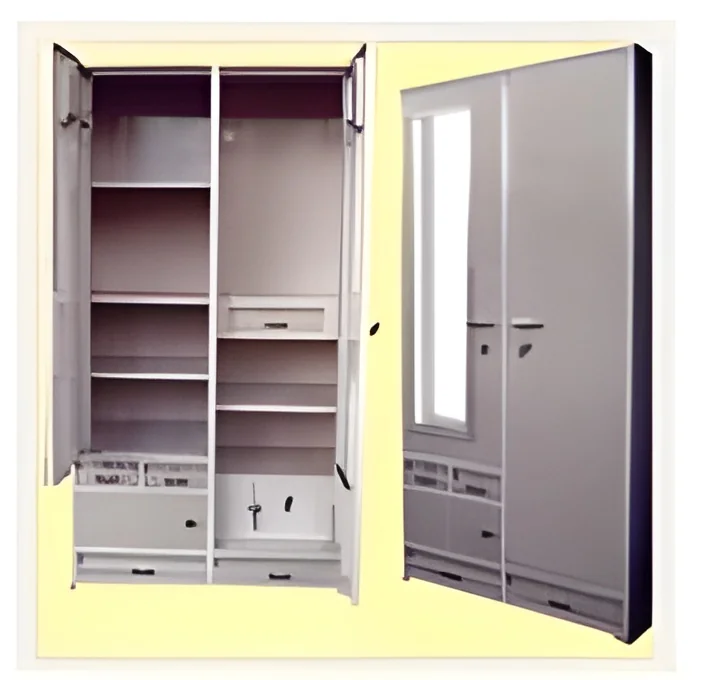
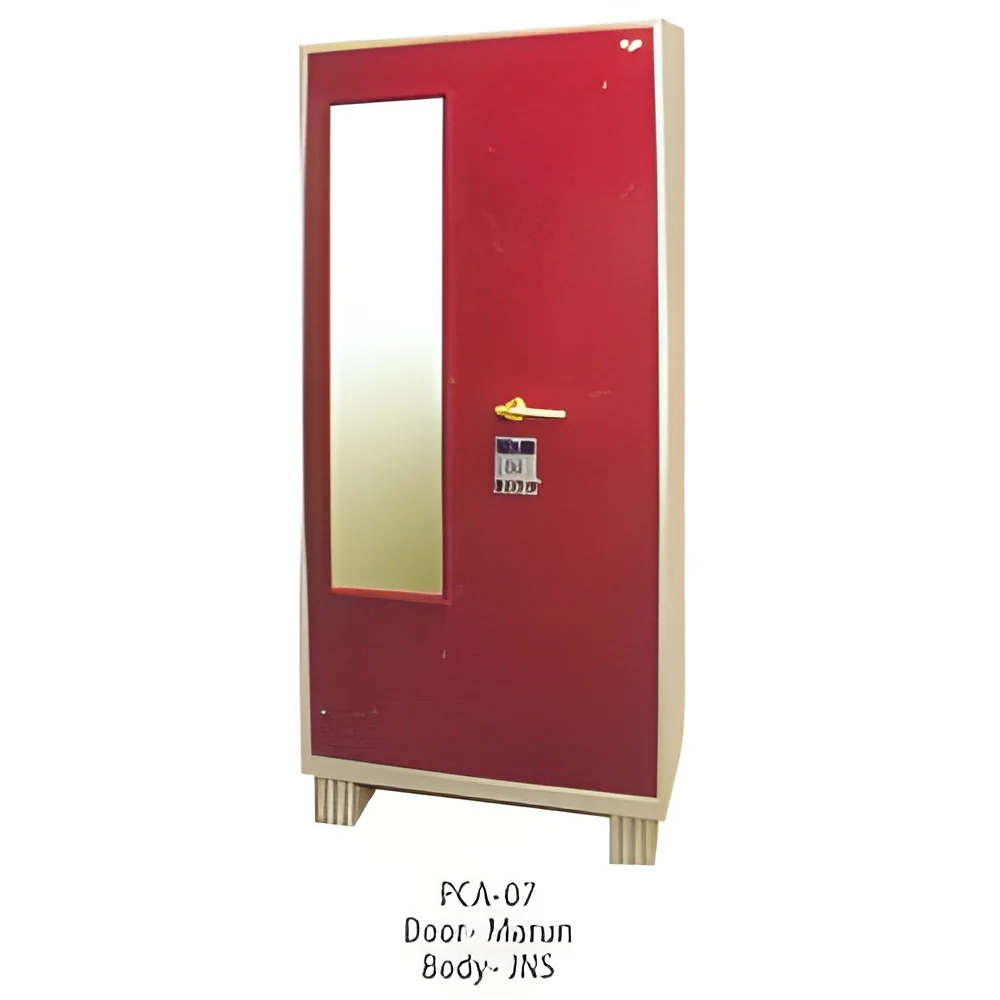
What are Sliding Door Wardrobes?
Sliding door wardrobes are a modern storage solution designed to maximize space efficiency in residential and commercial settings. These wardrobes feature sliding doors that move along a track, allowing for easy access to stored items without the need for additional clearance space that traditional hinged doors require. This design not only enhances functionality but also adds an aesthetic appeal to interiors, making them a popular choice for contemporary designs.
The primary uses of sliding door wardrobes include organizing clothing, accessories, and other personal items in homes, hotels, and retail spaces. They can serve as room dividers or space-saving solutions in compact areas, providing a versatile option for various applications. In the business context, these wardrobes are often used in office spaces, showrooms, and hospitality environments to create orderly and visually appealing storage solutions.
In the current market, sliding door wardrobes are relevant across multiple sectors, including furniture manufacturing, real estate, and interior design. Their demand continues to grow as urbanization increases and the need for efficient use of space becomes more critical. The rise in contemporary design trends further solidifies their place in the industry, making them a sought-after product for both residential and commercial applications.
Key Features and Specifications
Sliding door wardrobes come with various features and specifications that cater to diverse needs. These wardrobes are designed for durability, functionality, and style, making them an attractive option for various markets.
Key specifications include:
1. Material Options
- Constructed from materials such as MDF, plywood, and metal.
- Finishes can include laminate, veneer, or paint for aesthetic flexibility.
2. Door Mechanism
- Features a smooth sliding mechanism, often with soft-close options.
- Track systems can vary in design to accommodate different installation requirements.
3. Size Variability
- Available in multiple sizes to fit different spaces, from compact designs to large built-in units.
- Customizable dimensions to meet specific client needs.
4. Storage Organization
- Includes various internal configurations such as shelves, drawers, and hanging rods.
- Adjustable shelving options for flexible storage solutions.
5. Design Options
- Available in a range of styles, including modern, traditional, and minimalist.
- Customizable colors and finishes to match interior décor.
6. Security Features
- Some models come with locking mechanisms for added security.
- Options for tempered glass panels for visibility while maintaining safety.
7. Installation Requirements
- Typically requires professional installation for optimal function.
- Can be wall-mounted or freestanding depending on design.
8. Maintenance Ease
- Designed for easy cleaning and maintenance.
- Surface finishes that resist stains and wear.
In summary, sliding door wardrobes provide a combination of style and functionality, with various features that cater to the needs of different users.
Common Applications and Use Cases
Sliding door wardrobes are versatile and can be found across numerous industries. Their design and functionality make them suitable for various applications.
1. Residential Homes: Ideal for bedrooms, living rooms, and hallways, they help organize clothing and household items while enhancing the aesthetic of the space.
2. Hotels: Frequently used in guest rooms and suites, they offer an elegant storage solution that maximizes space and provides convenience for guests.
3. Retail Stores: Employed in clothing and accessory shops to display merchandise while providing storage, sliding door wardrobes can enhance the shopping experience.
4. Offices: Used in employee workspaces and common areas, they promote organization and can serve as partitions in open office designs.
5. Educational Institutions: Used in dormitories and staff rooms, they offer students and educators ample storage while maintaining a tidy environment.
6. Gyms and Spas: Commonly found in locker rooms, they provide secure storage for personal items and enhance the overall experience for patrons.
7. Commercial Spaces: Used in showrooms and exhibition areas, they help organize products while creating visually appealing displays.
Product Variants and Subcategories
Sliding door wardrobes come in a variety of designs and features to accommodate different consumer preferences and needs.
Contemporary Designs
These wardrobes feature sleek lines and modern materials, often incorporating glass panels. They are perfect for urban homes looking for a minimalist touch.
Traditional Styles
Often made from wood with rich finishes, traditional sliding door wardrobes offer a classic look. They are suitable for homes with a more classic or rustic theme.
Custom-Built Options
These are tailored to specific requirements, allowing businesses and homeowners to create a wardrobe that fits perfectly in their space. Customization can include size, color, and internal organization.
Benefits and Advantages
Sliding door wardrobes offer numerous benefits that make them an appealing choice for both residential and commercial applications.
1. Space Efficiency: Their sliding doors require less space than traditional doors, making them ideal for tight areas.
2. Aesthetic Appeal: Available in various designs and finishes, they enhance the overall décor of a room.
3. Easy Access: The sliding mechanism provides convenient access to stored items without obstruction.
4. Versatility: Suitable for a variety of environments, from homes to offices, they adapt well to different spaces.
5. Customization: Many options allow for tailored designs that meet specific user needs and preferences.
6. Durability: Made from high-quality materials, they offer long-lasting performance and resistance to wear.
Buying Guide for B2B Buyers
When sourcing sliding door wardrobes, B2B buyers should consider several important factors.
1. Quality Assessment: It is vital to evaluate the materials and construction quality. Look for certifications that ensure durability and reliability.
2. Supplier Verification: Vet suppliers thoroughly to ensure they have a good reputation and provide high-quality products. Check for reviews and references.
3. Pricing and MOQ: Understand the pricing structure and minimum order quantities (MOQ). Compare prices across different suppliers for the best deals.
4. Delivery and Lead Times: Assess the logistics involved in delivery. Ensure that suppliers can meet lead time requirements to avoid project delays.
5. Compliance Requirements: Be aware of any industry regulations or standards that apply to sliding door wardrobes. Ensure that products comply with local and international standards.
Compliance and Certifications
Sliding door wardrobes are subject to various compliance and certification standards that ensure their safety, quality, and environmental impact.
Relevant quality standards include ISO 9001, which outlines criteria for quality management systems. Adhering to these standards ensures that products are consistently manufactured to meet customer expectations.
Industry certifications such as CE indicate that products meet European safety standards. This certification is critical for accessing certain markets and ensuring buyer confidence.
Safety and testing requirements may vary by region, necessitating compliance with local laws and regulations. It is essential for manufacturers and suppliers to stay updated on these requirements to avoid legal issues.
Regional compliance considerations are also important, as different countries may have specific regulations governing materials and manufacturing processes. Buyers should inquire about these aspects when sourcing products.
Why Source Sliding Door Wardrobes from Pepagora?
Pepagora provides a trusted platform for sourcing sliding door wardrobes, offering several key advantages to B2B buyers.
Verified Supplier Network: Pepagora boasts a comprehensive network of verified suppliers. This ensures that buyers are connected with reputable manufacturers who deliver high-quality products.
Streamlined RFQ Process: The Request for Quotation (RFQ) system simplifies the procurement process. Buyers can easily request quotes, compare options, and make informed decisions quickly.
Trade Assurance and Support: Pepagora offers trade assurance, providing buyers with protection throughout the purchasing process. This includes support in case of any disputes, ensuring a smooth transaction.
Regional Coverage: With a focus on India, the GCC, and Southeast Asia, Pepagora facilitates access to a wide range of sliding door wardrobes. This geographic reach enables buyers to find suitable products that meet their specific needs.

 IN
IN