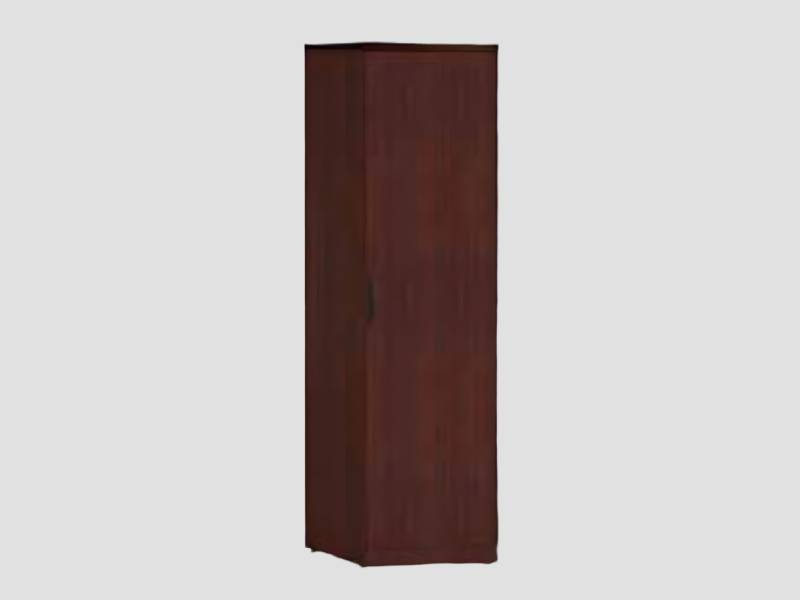
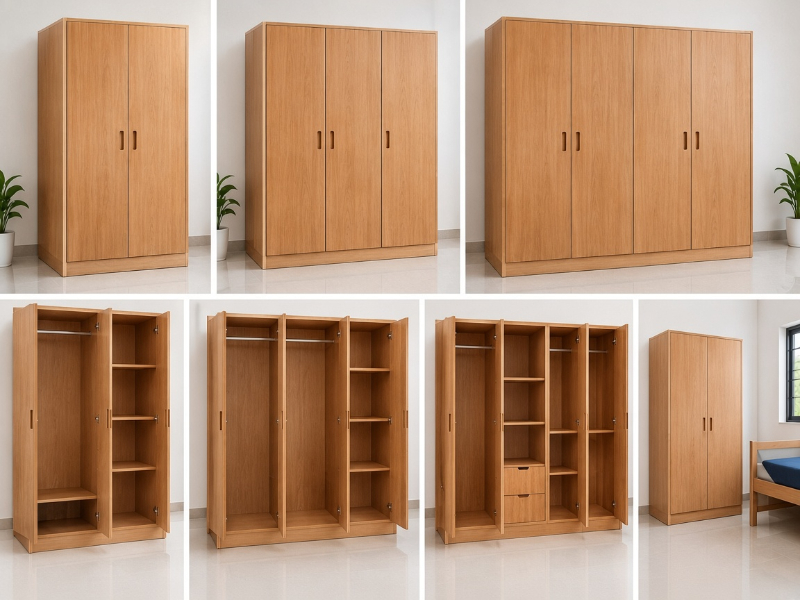
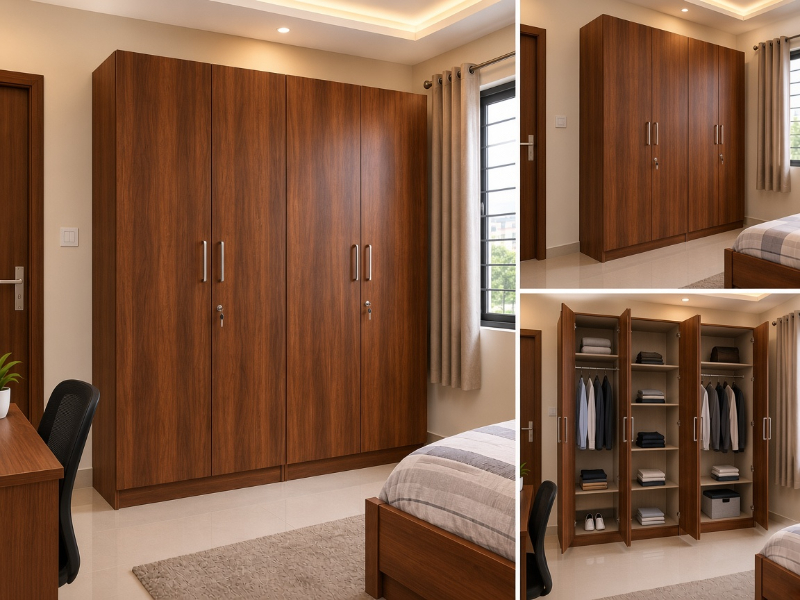
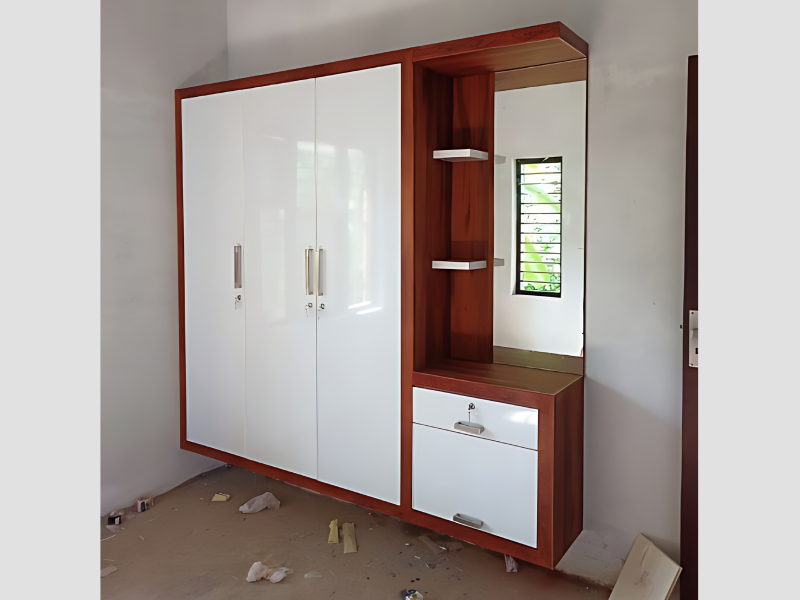
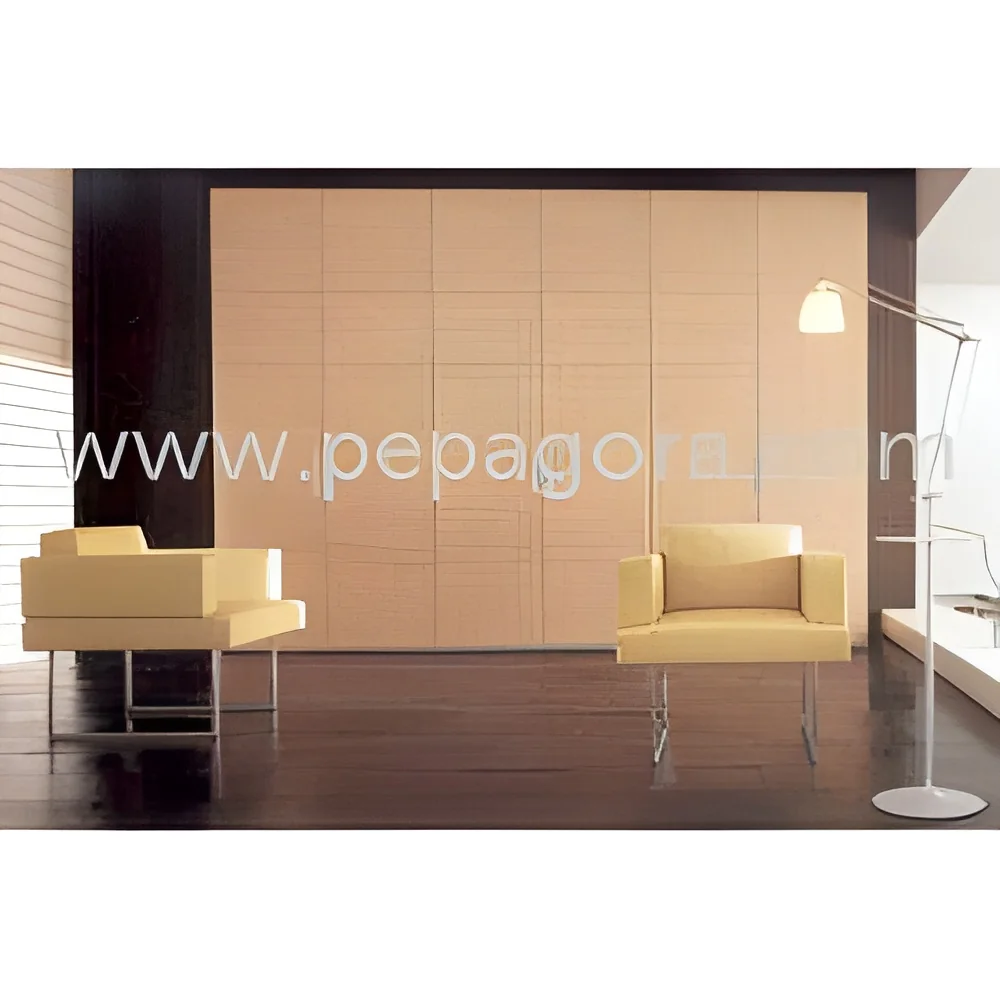
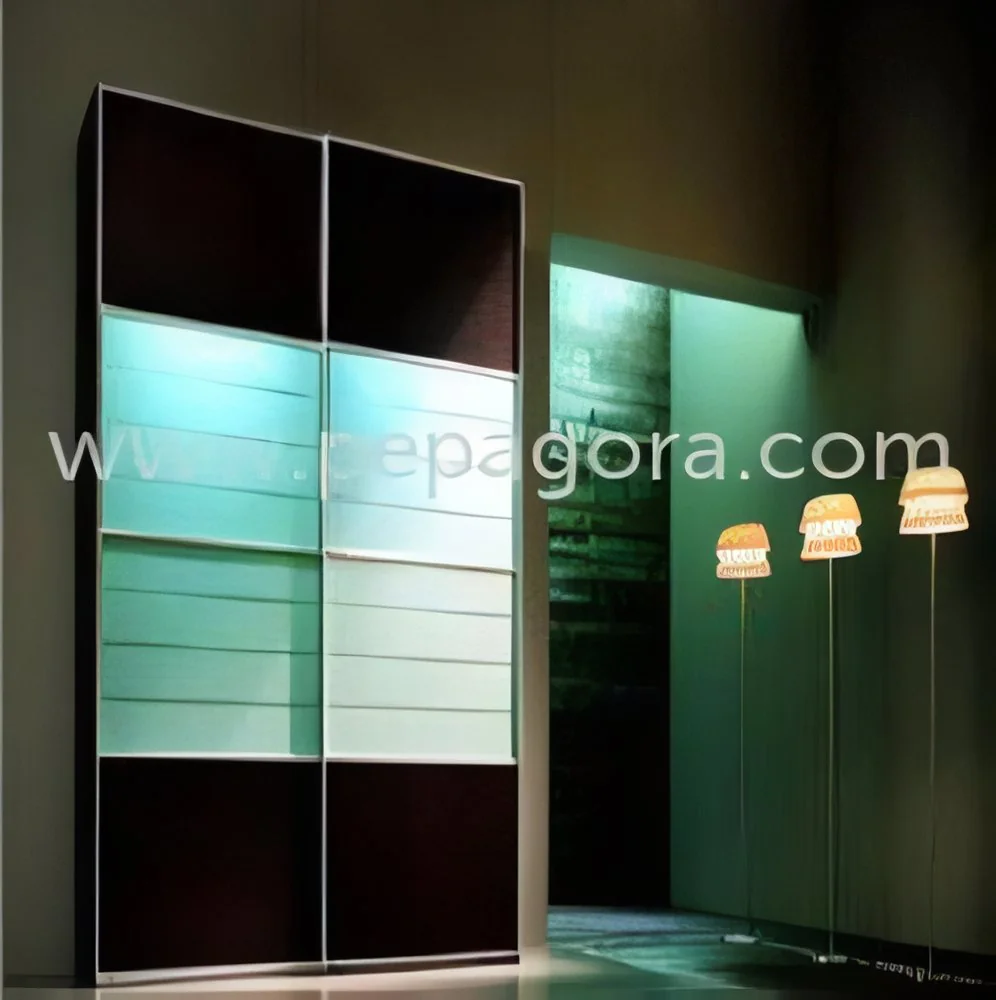
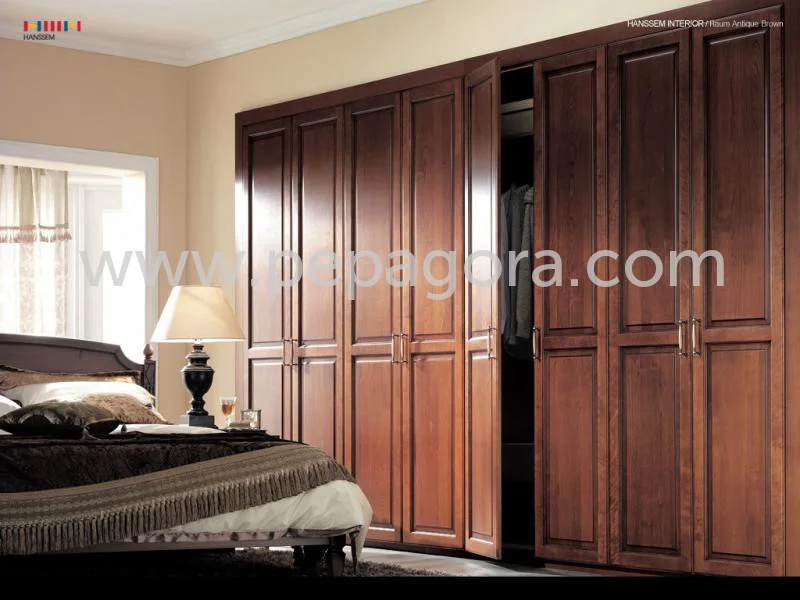
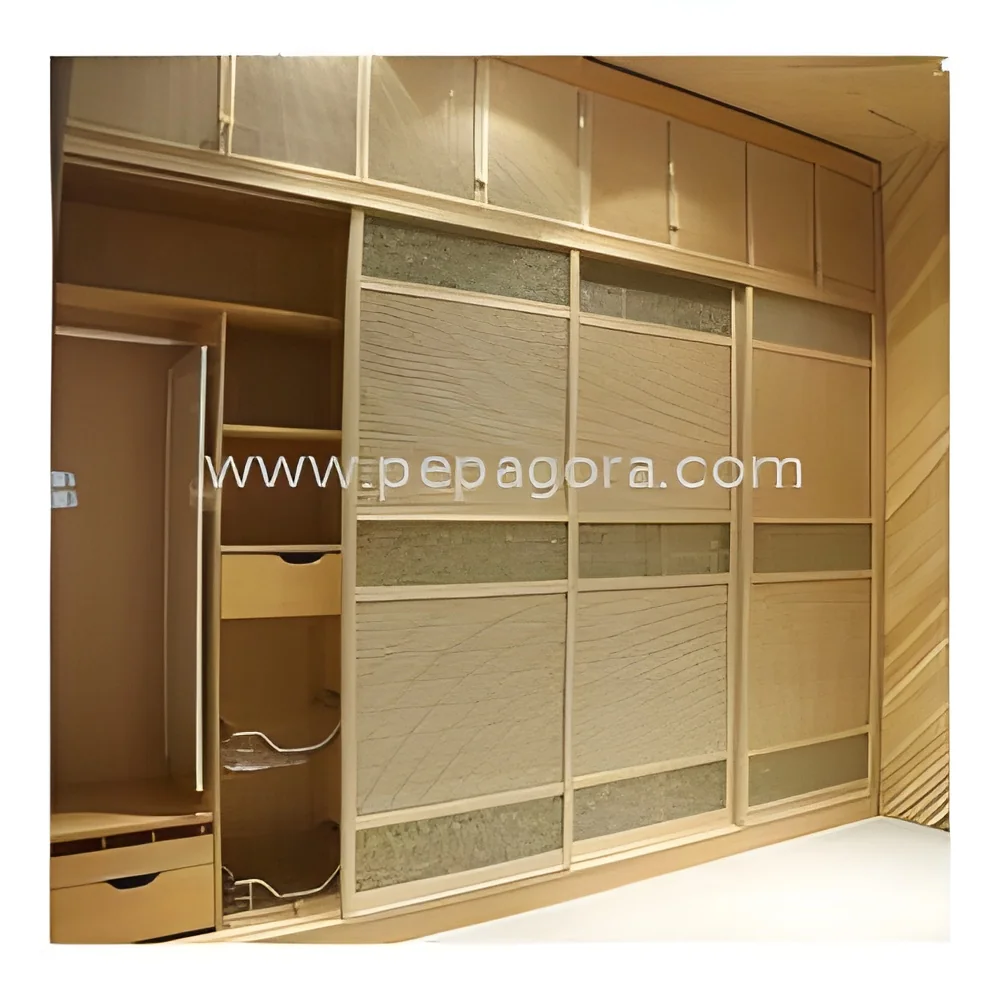
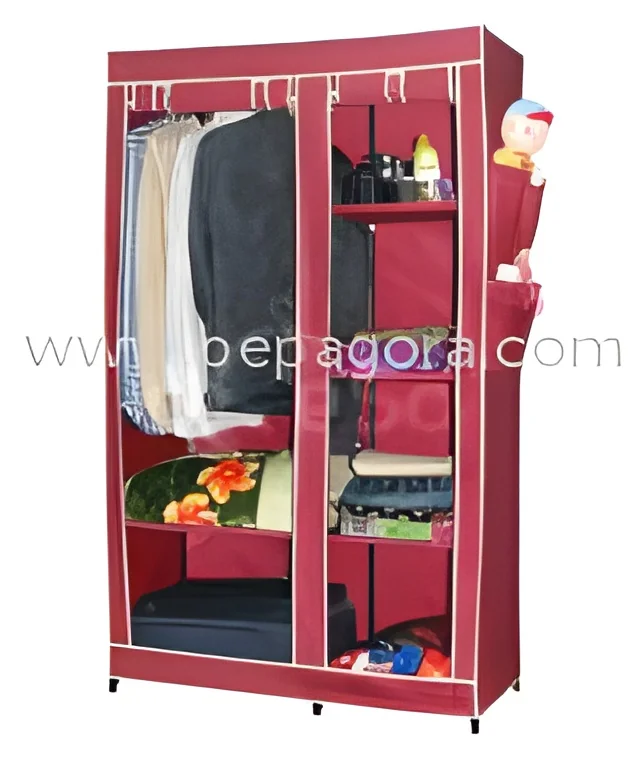
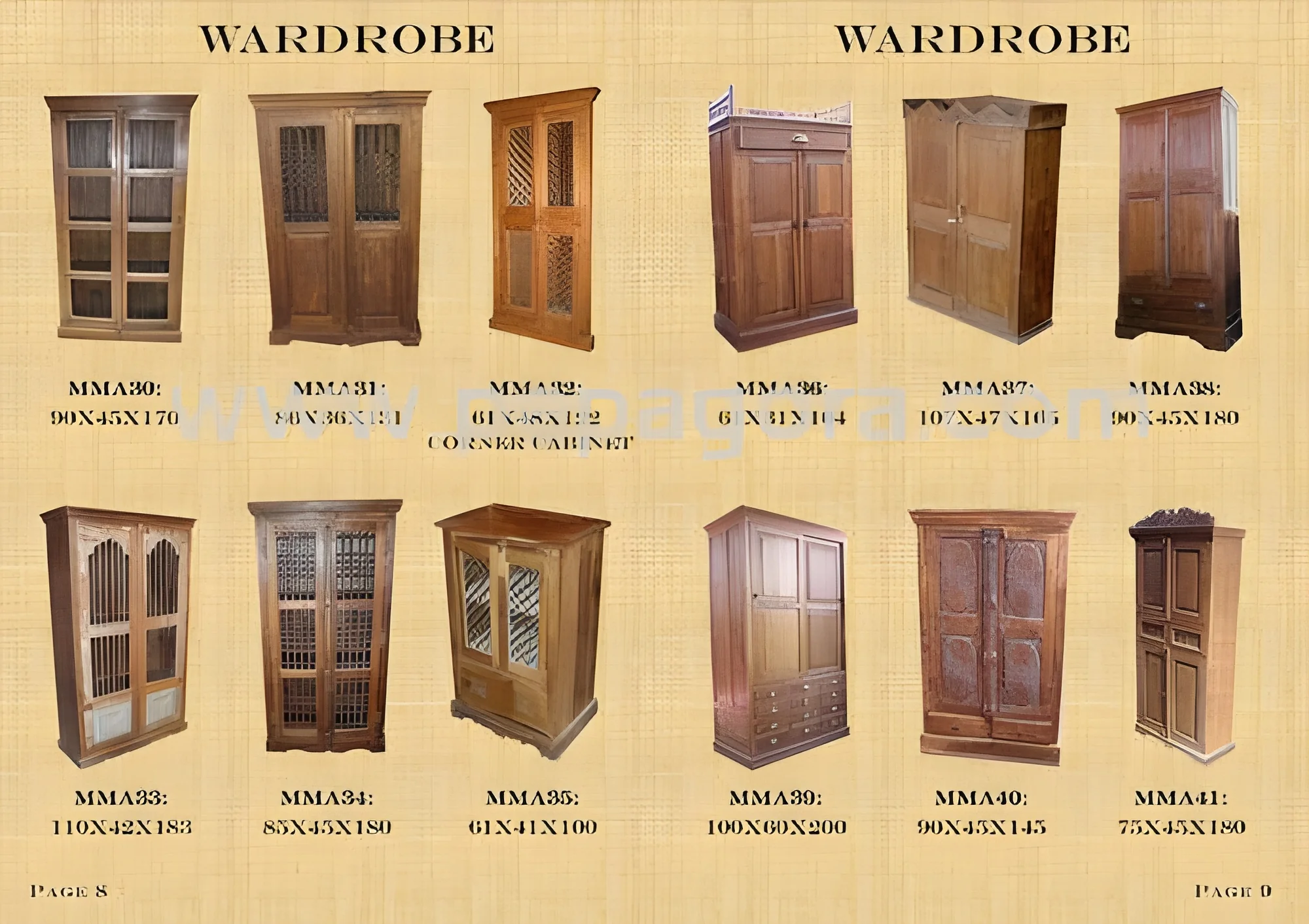
What are Wardrobes?
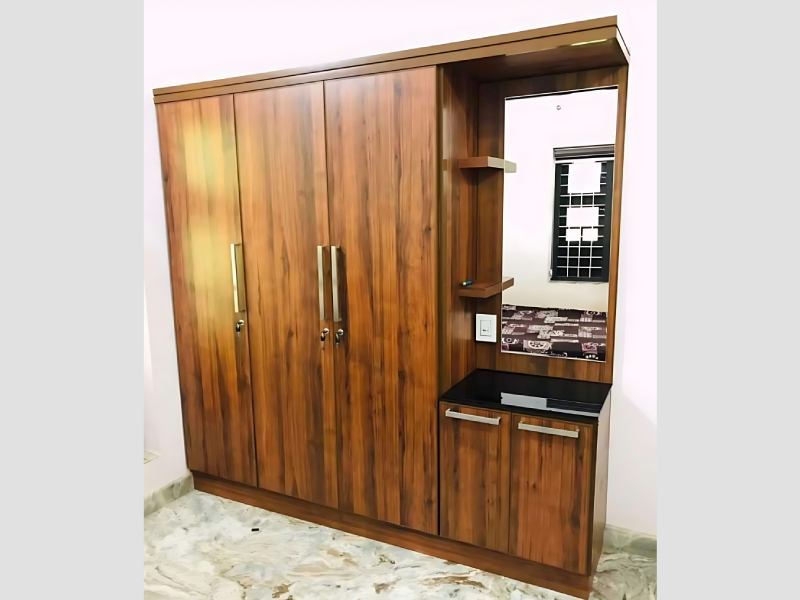
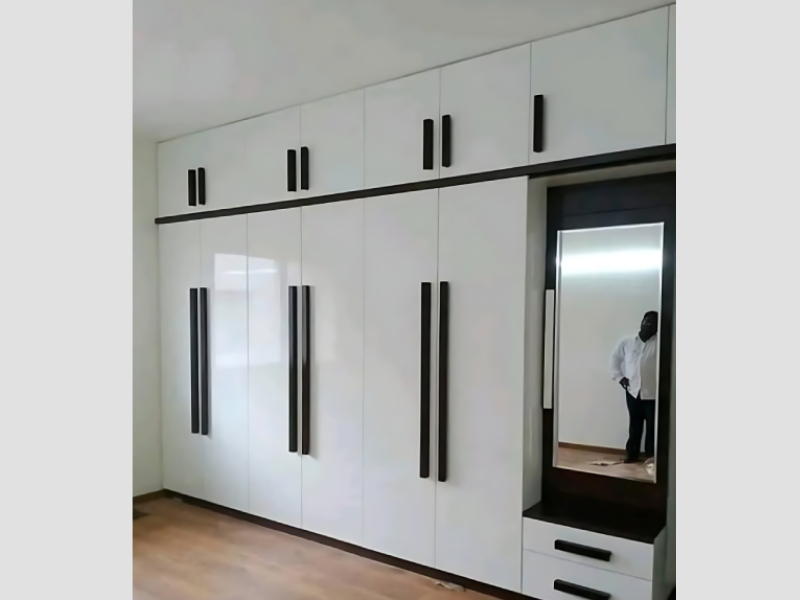
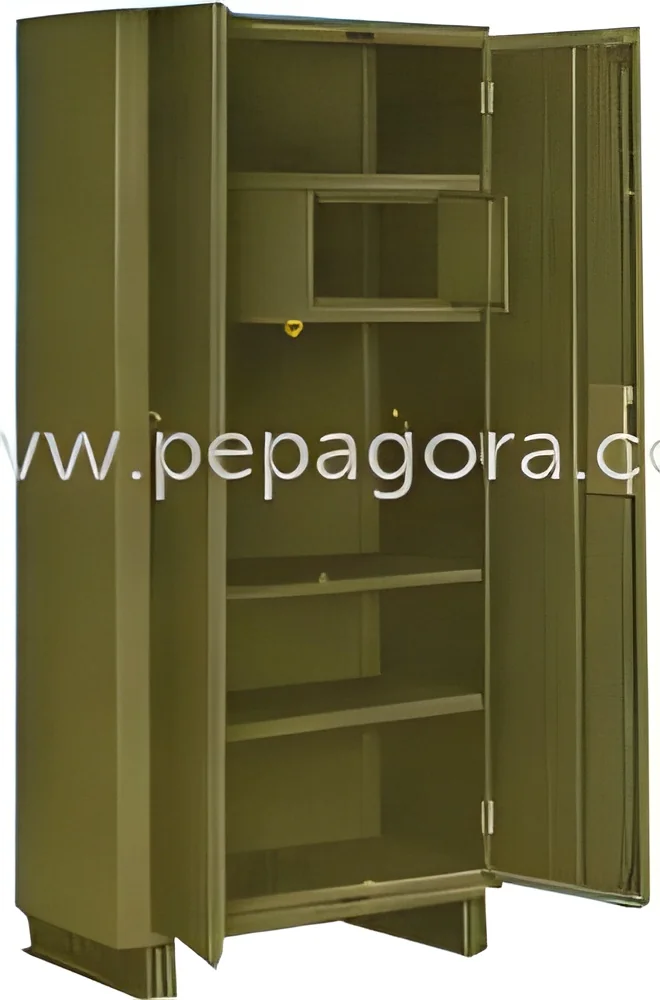
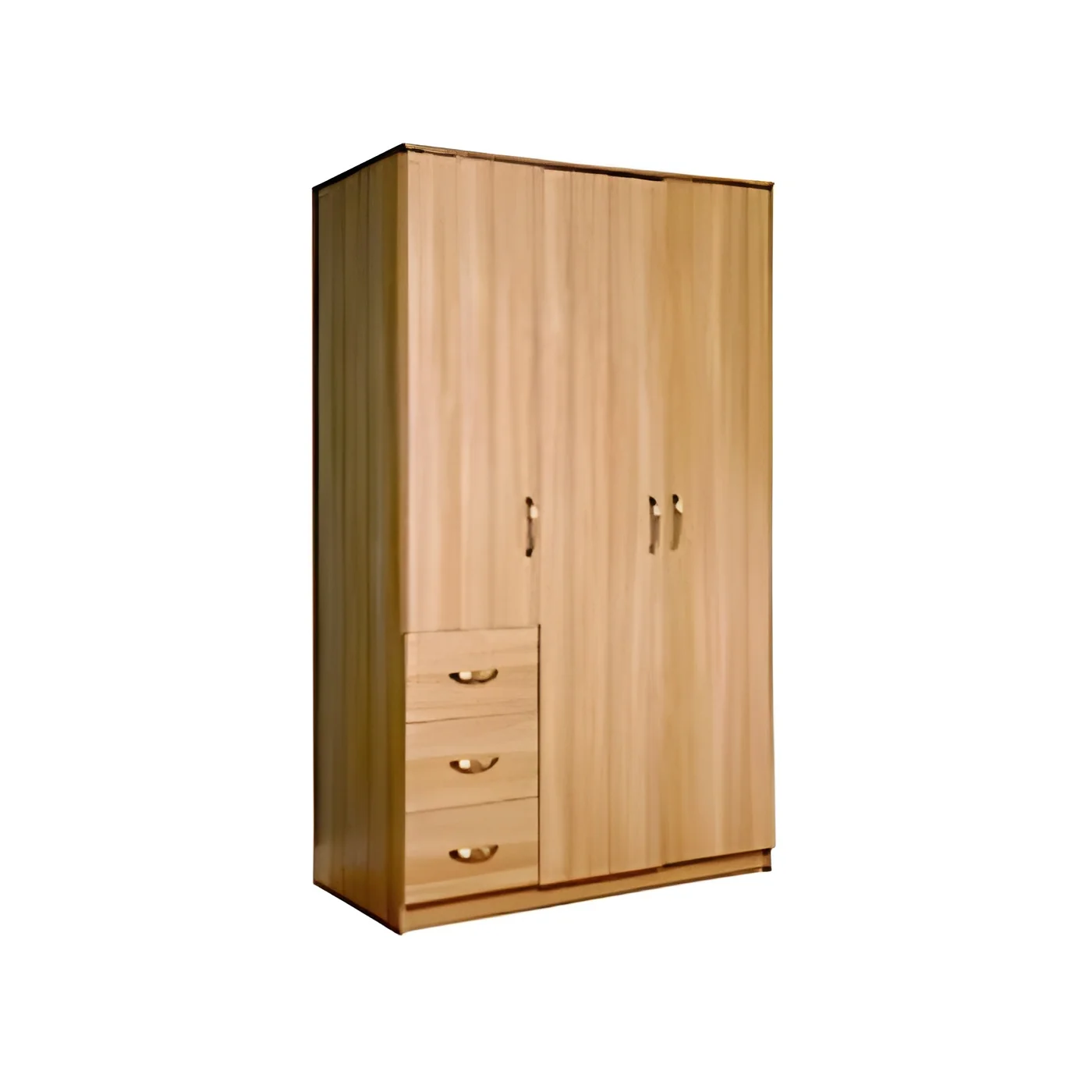
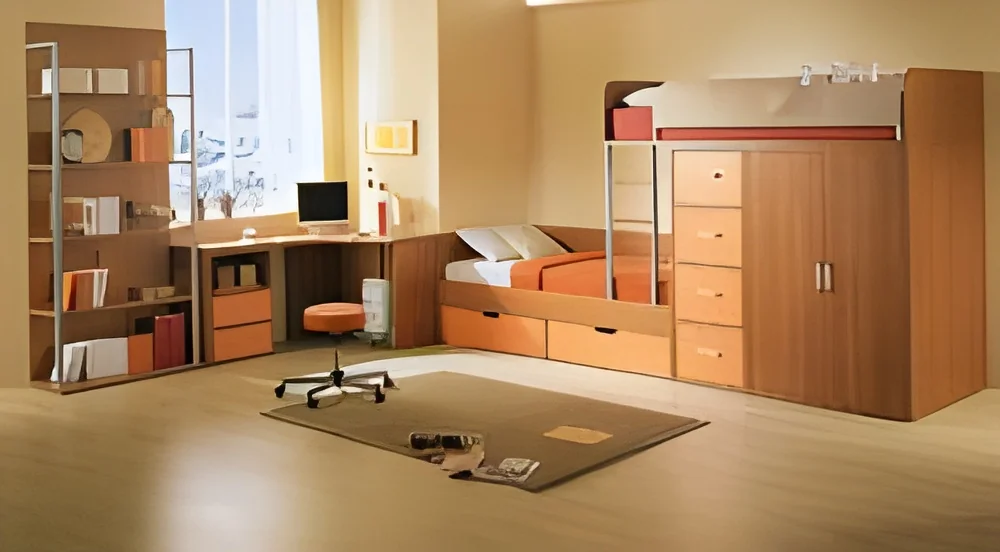
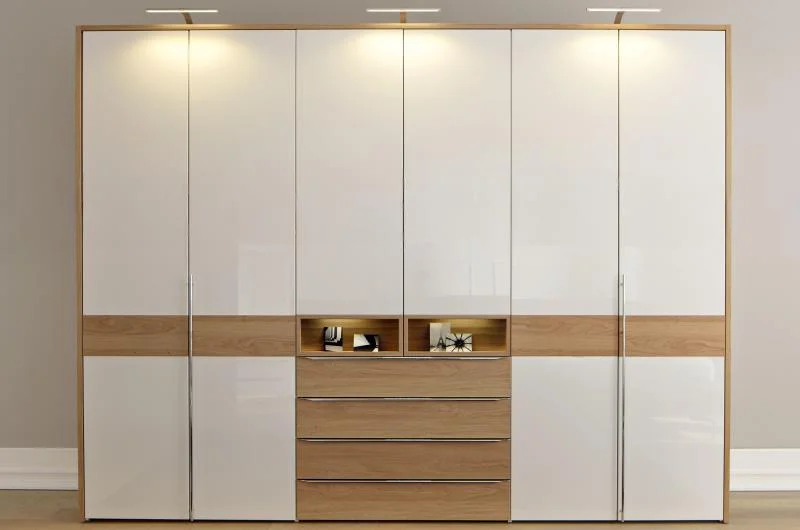
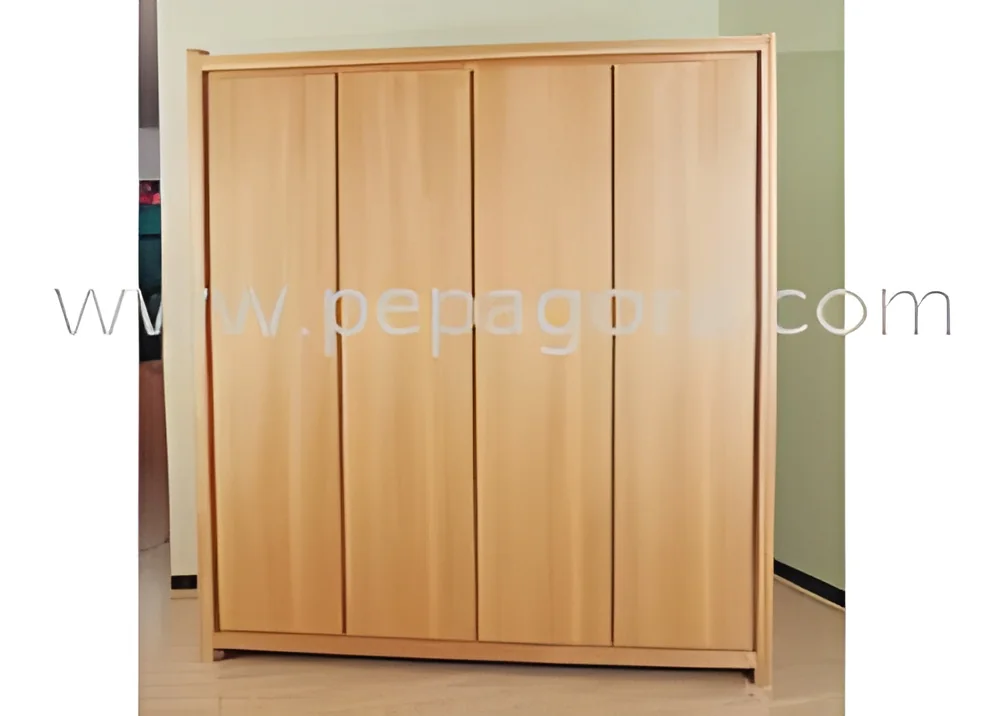
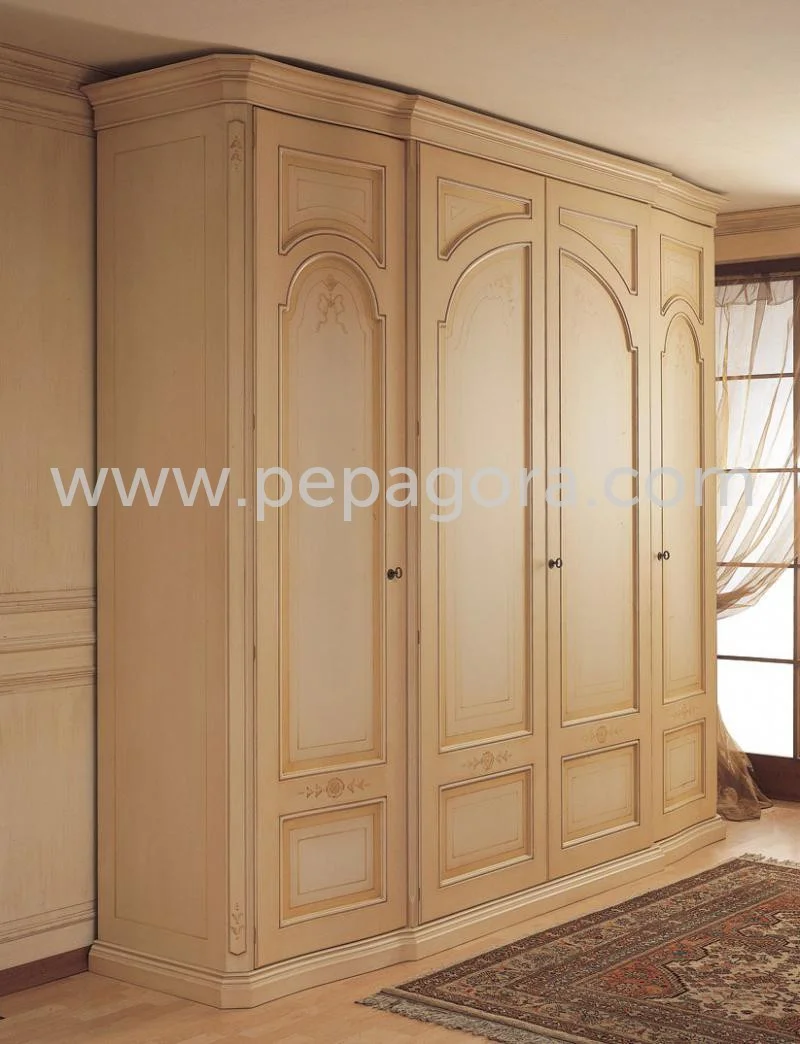
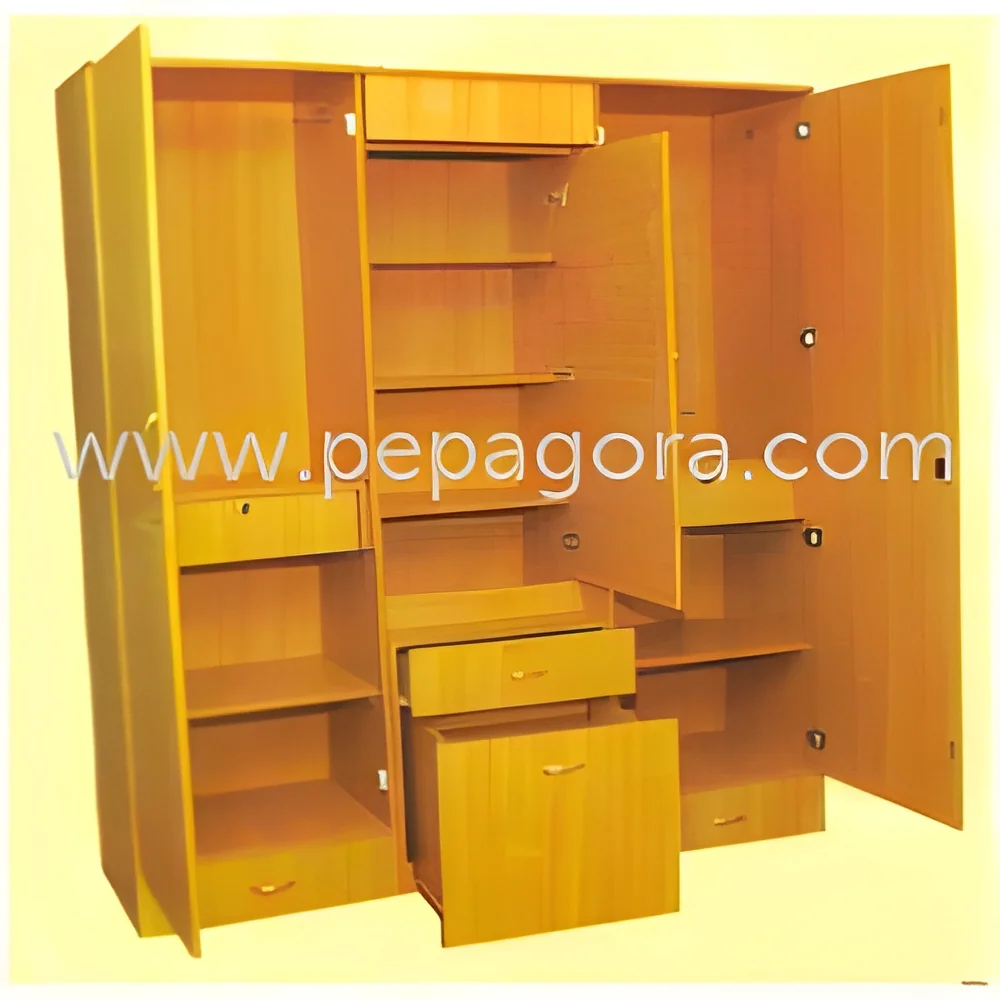
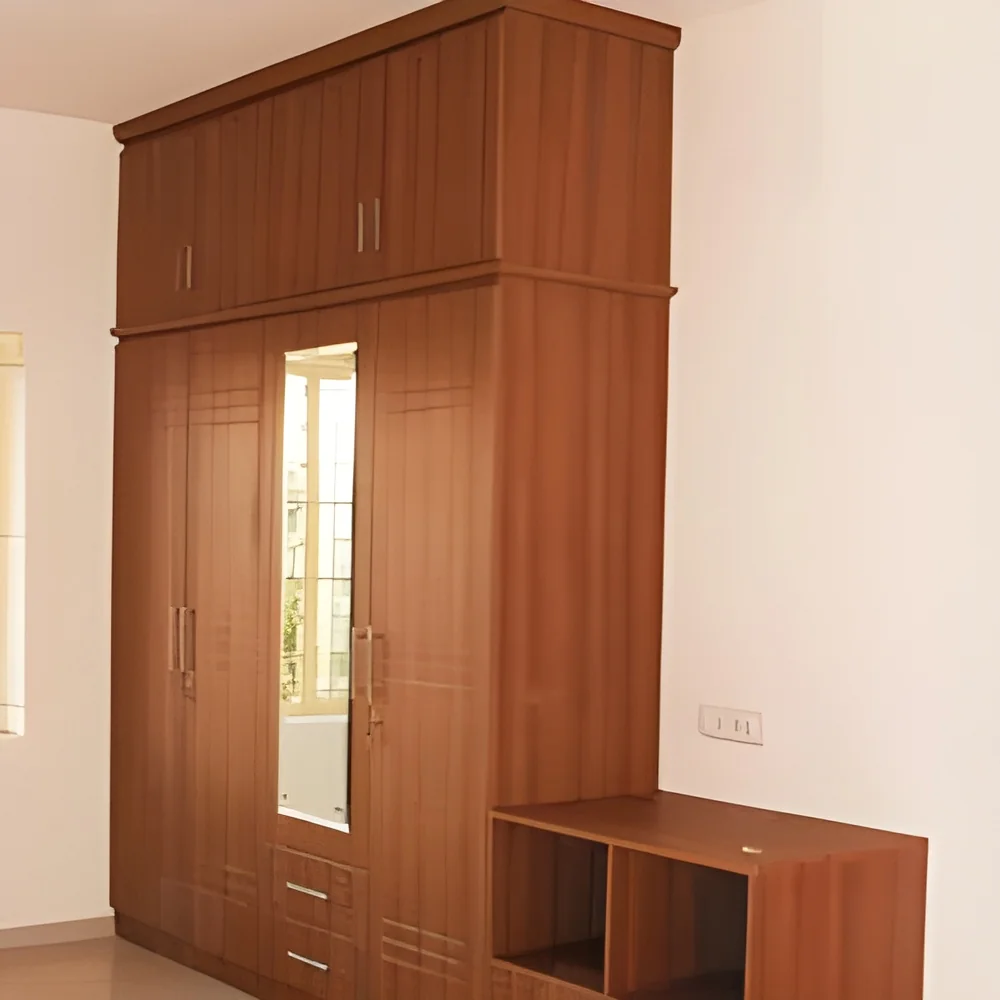
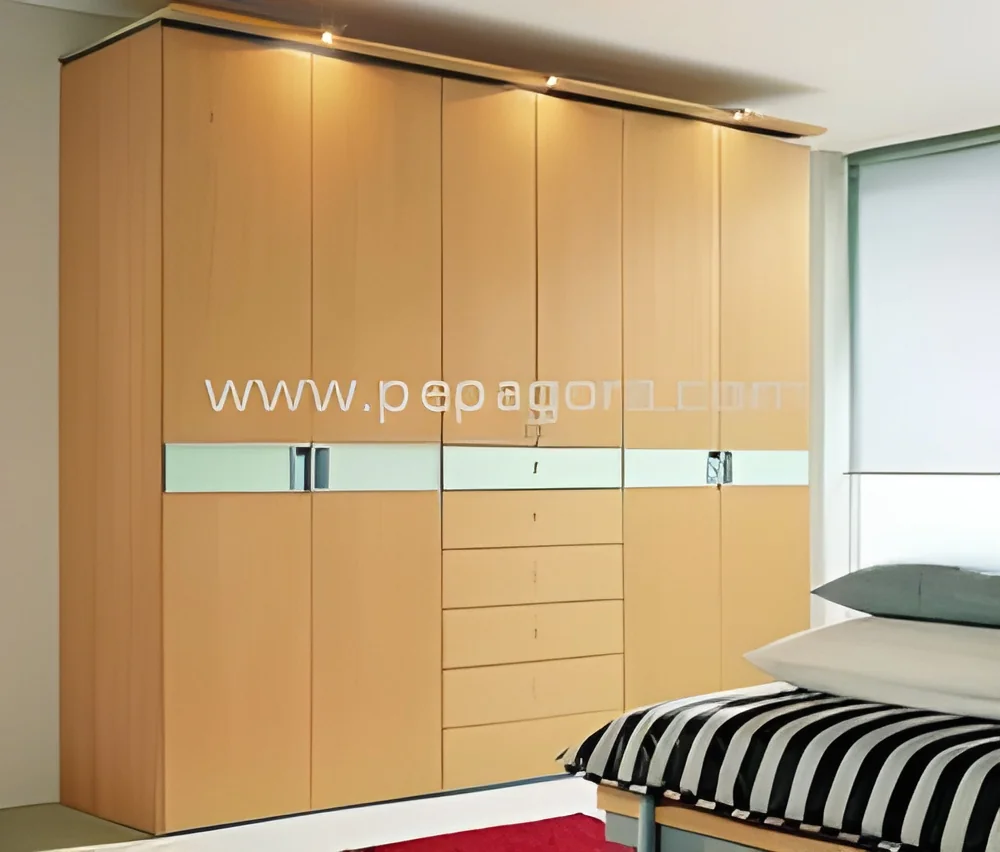
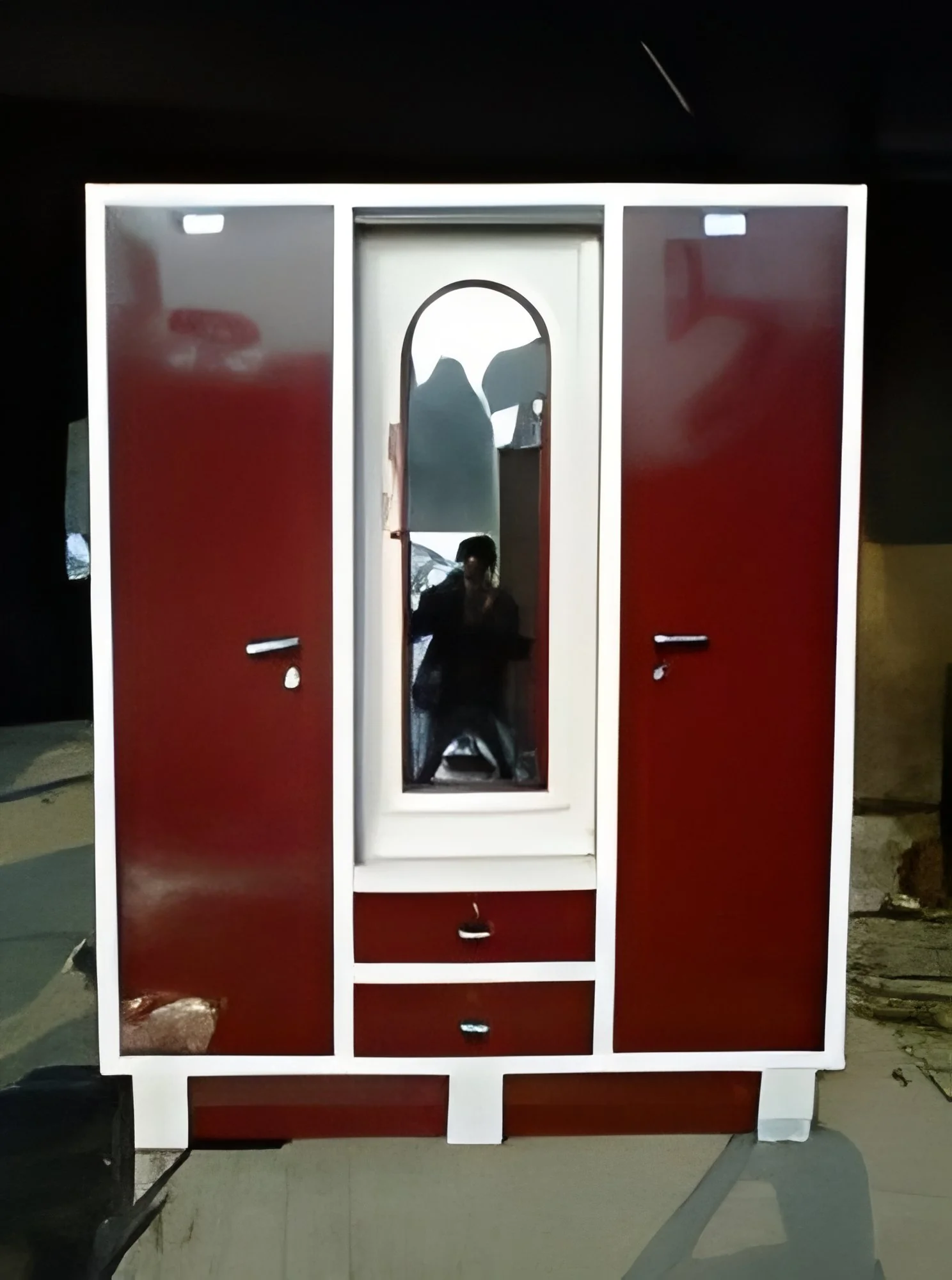
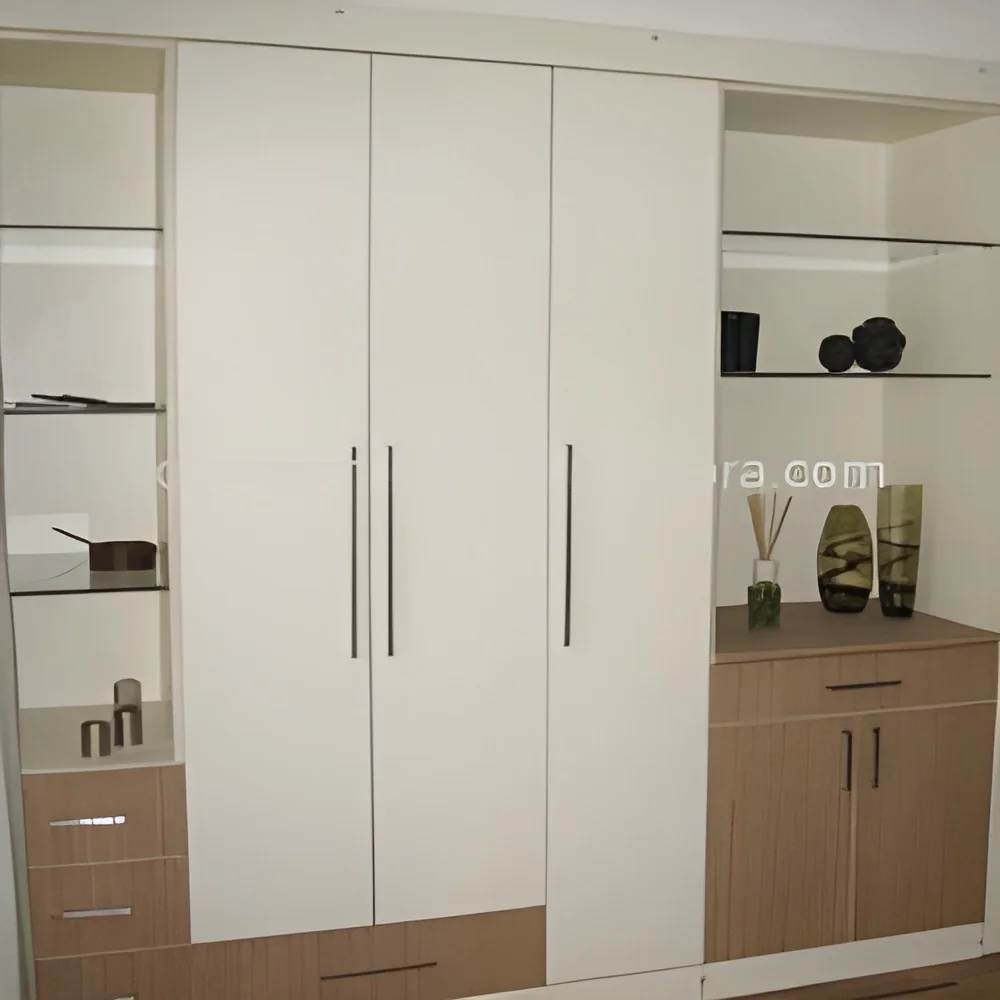
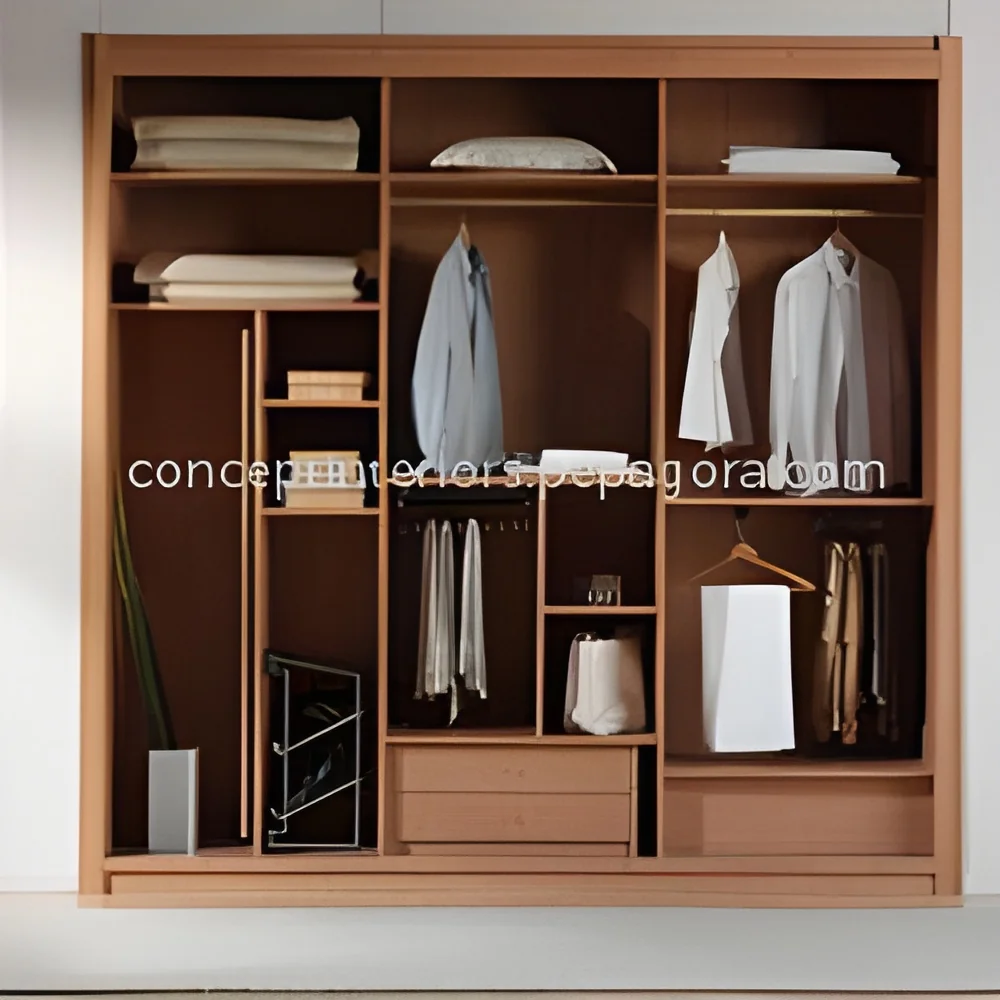
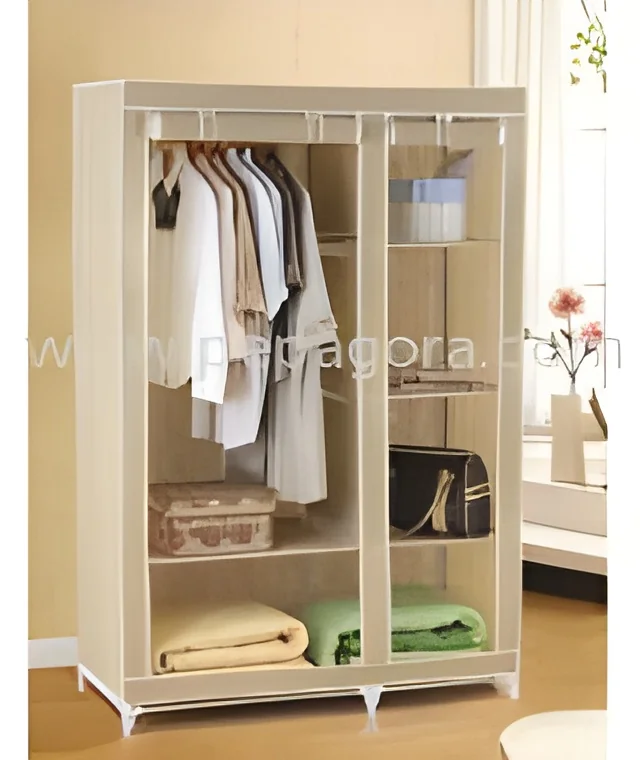
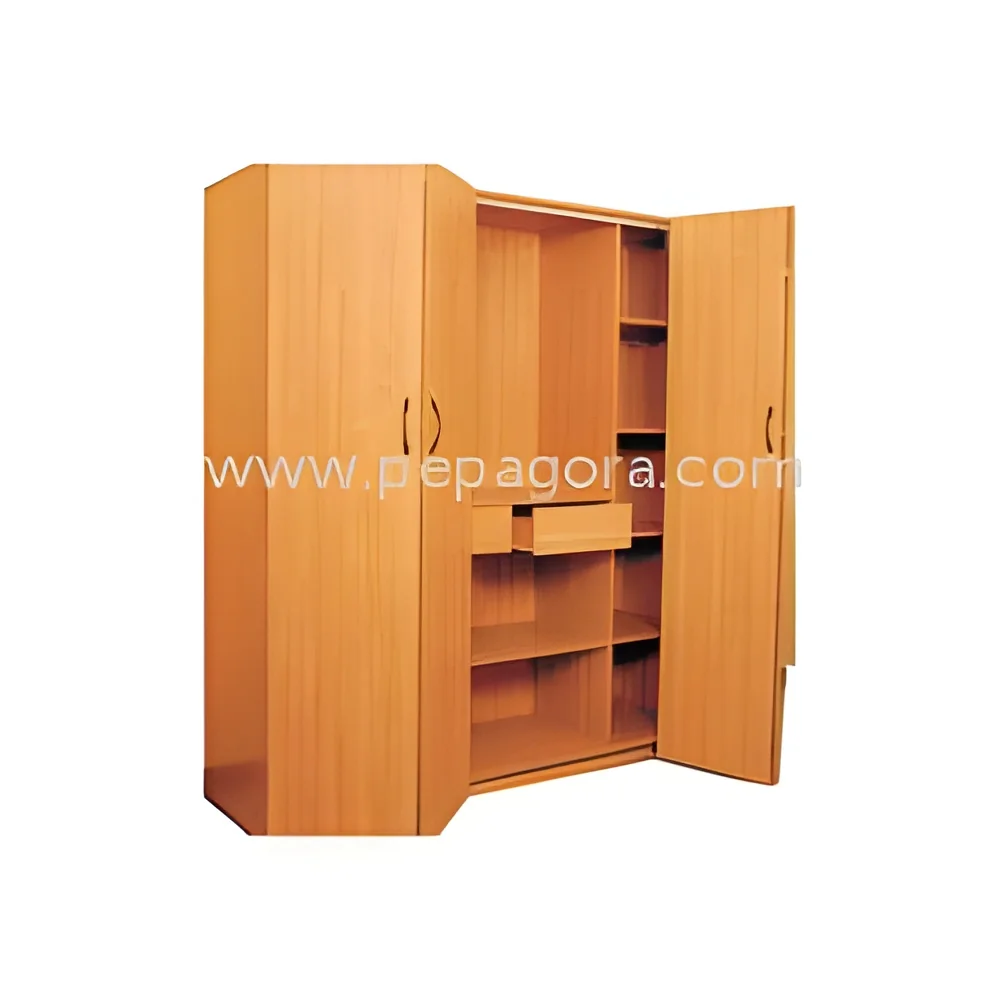
Wardrobes are essential storage units designed primarily to hold clothing, accessories, and other personal items. These furniture pieces can be found in various sizes and configurations, catering to both personal and commercial needs. In a business context, wardrobes are commonly used in offices, hotels, retail stores, and other establishments, providing organized space for clothing and uniforms while enhancing the overall aesthetics of the environment.
The primary uses of wardrobes extend beyond mere storage; they also contribute to the organization of workspaces and living areas. In hotels, wardrobes serve as a fundamental component of guest rooms, allowing guests to store their belongings conveniently. In retail settings, wardrobes can be utilized for displaying merchandise or as part of fitting rooms, enhancing customer experience. The relevance of wardrobes in the industry is underscored by the growing demand for space-efficient and stylish storage solutions, which are increasingly being integrated into modern workspaces and hospitality venues.
Key Features and Specifications
Wardrobes come with several features and specifications that cater to diverse user needs. Understanding these specifications assists businesses in selecting the right wardrobe for their application.
Key specifications include:
1. Material Quality
- Typically made from wood, metal, or composite materials
- Must meet durability and aesthetic standards
2. Size and Dimensions
- Available in various sizes to fit different spaces
- Custom dimensions may be offered by some manufacturers
3. Storage Capacity
- Different configurations provide varying amounts of storage
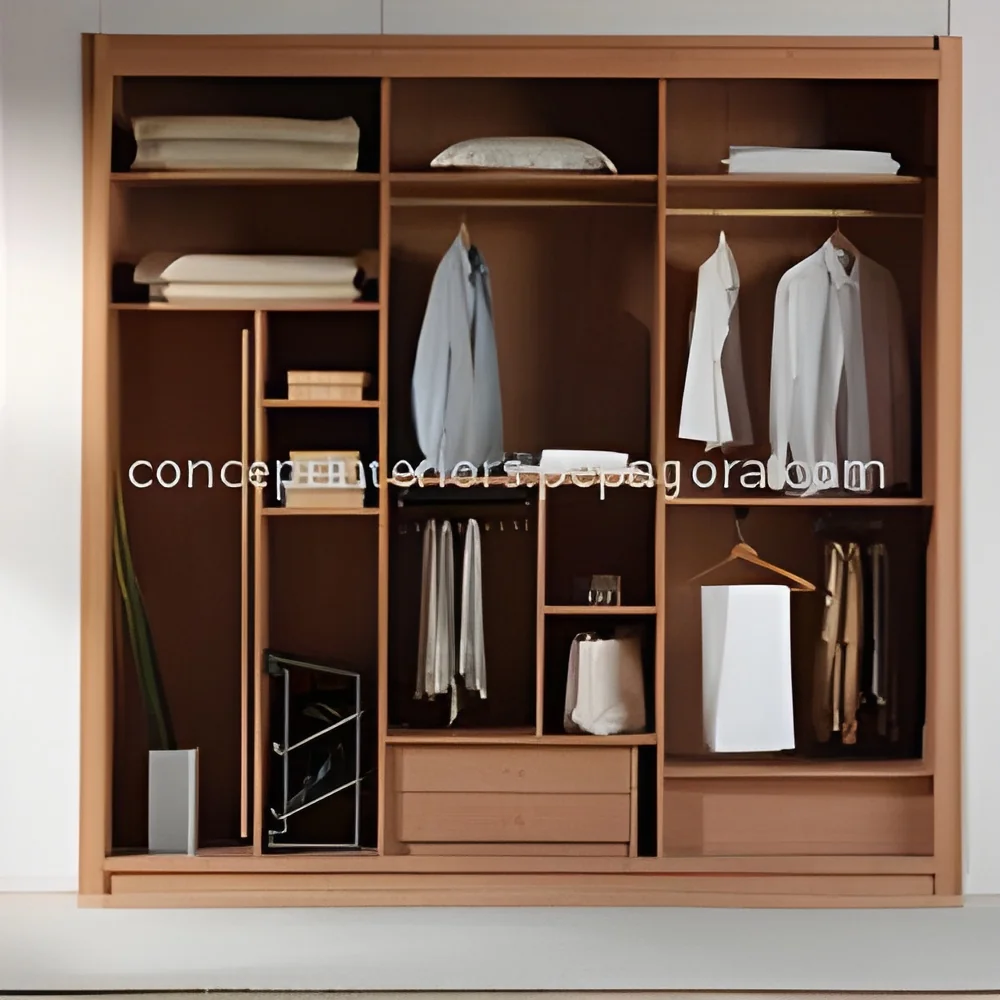
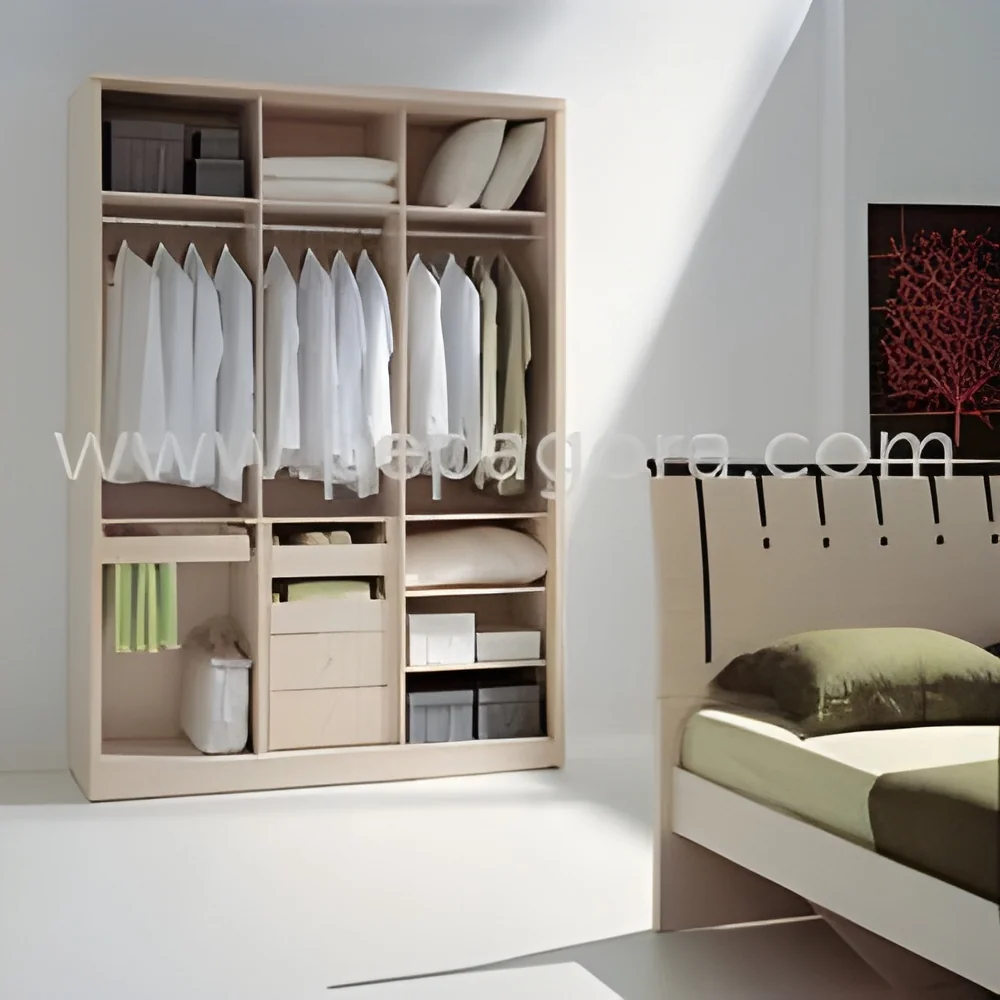
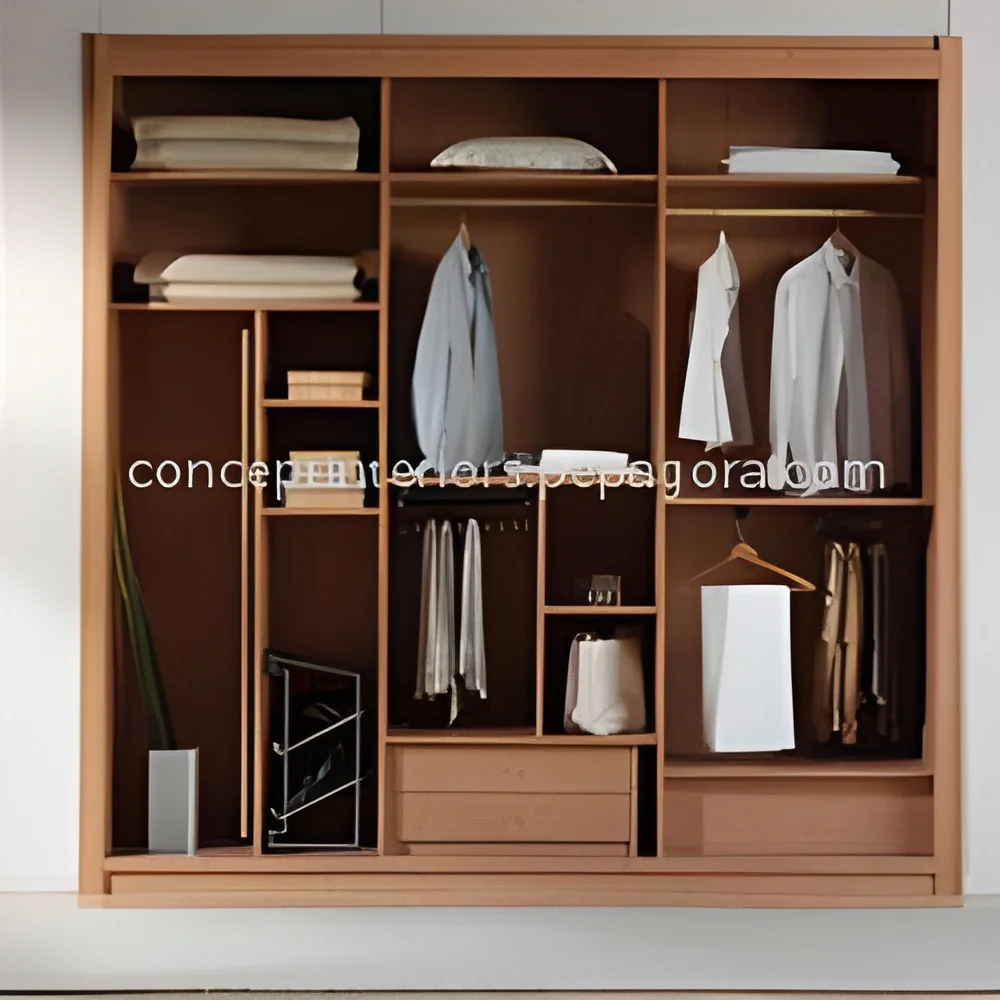
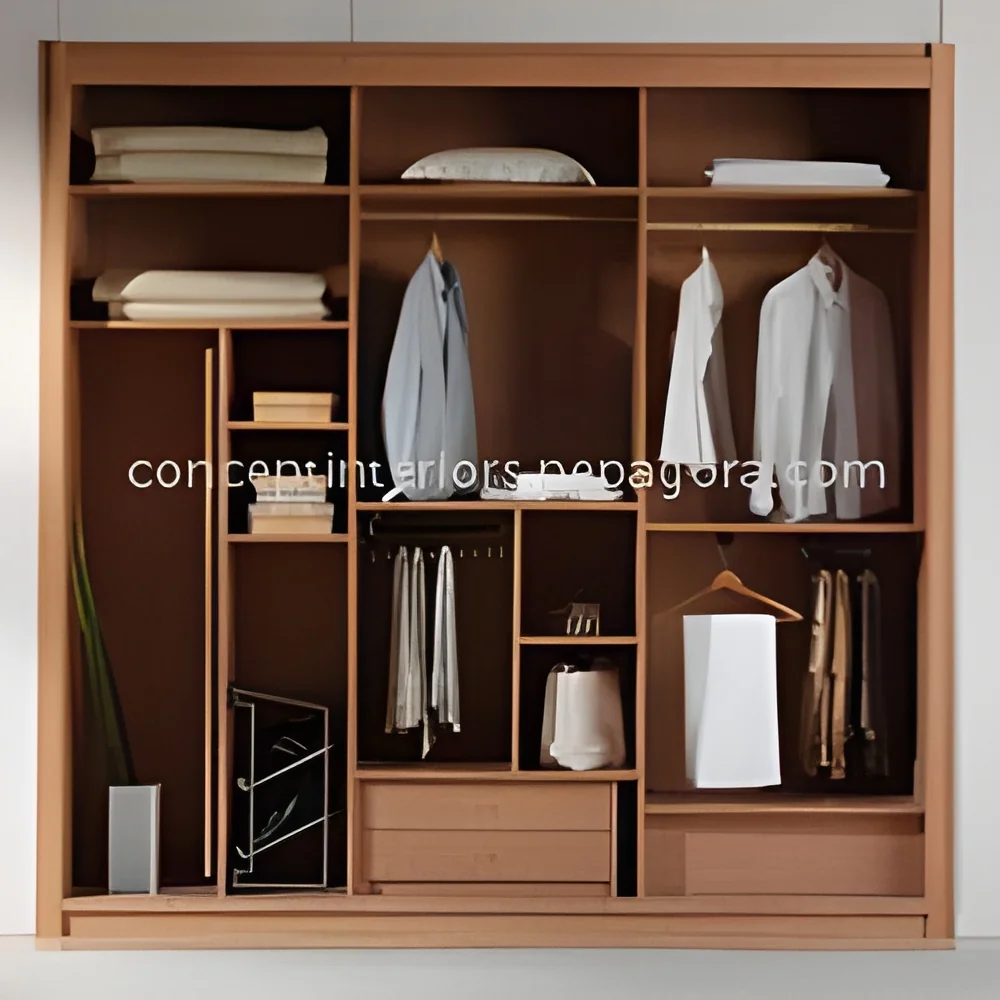
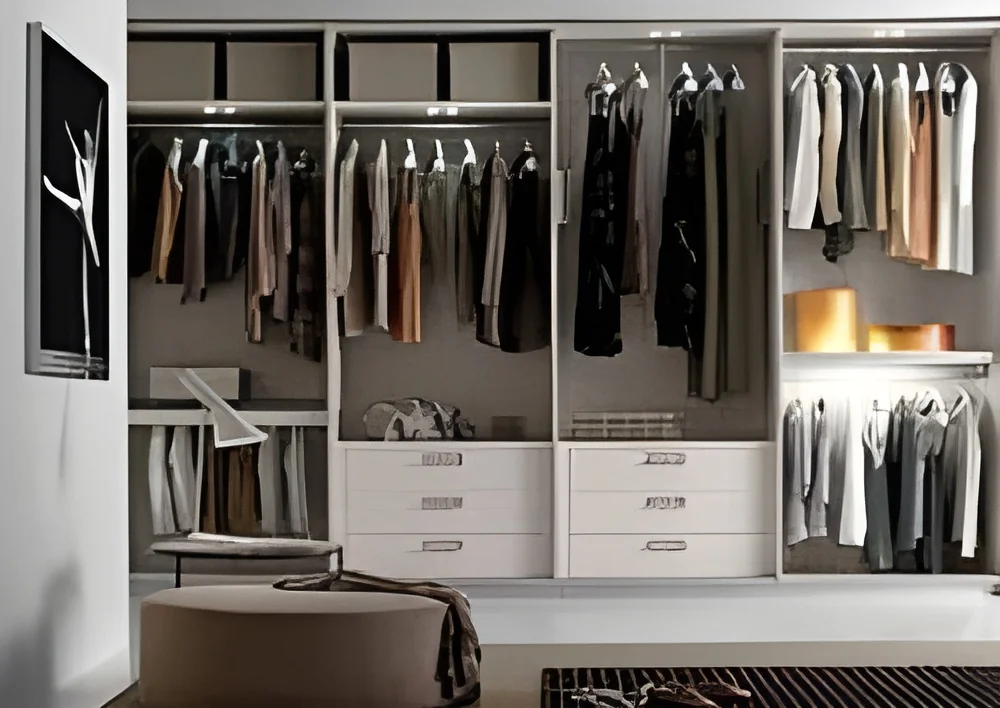
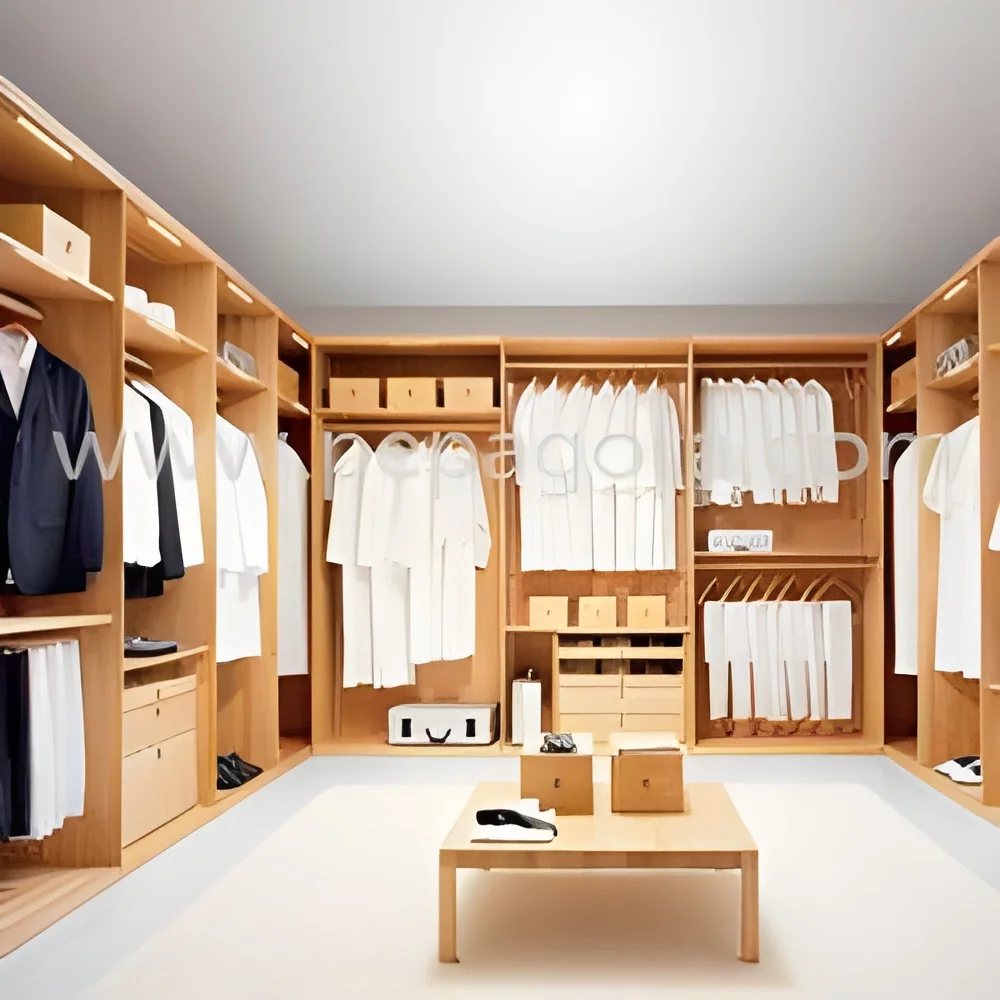
- Options for hanging space, drawers, and shelves
4. Design Style
- Available in contemporary, traditional, and modern designs
- Can be customized to match specific interior decor
5. Locking Mechanism
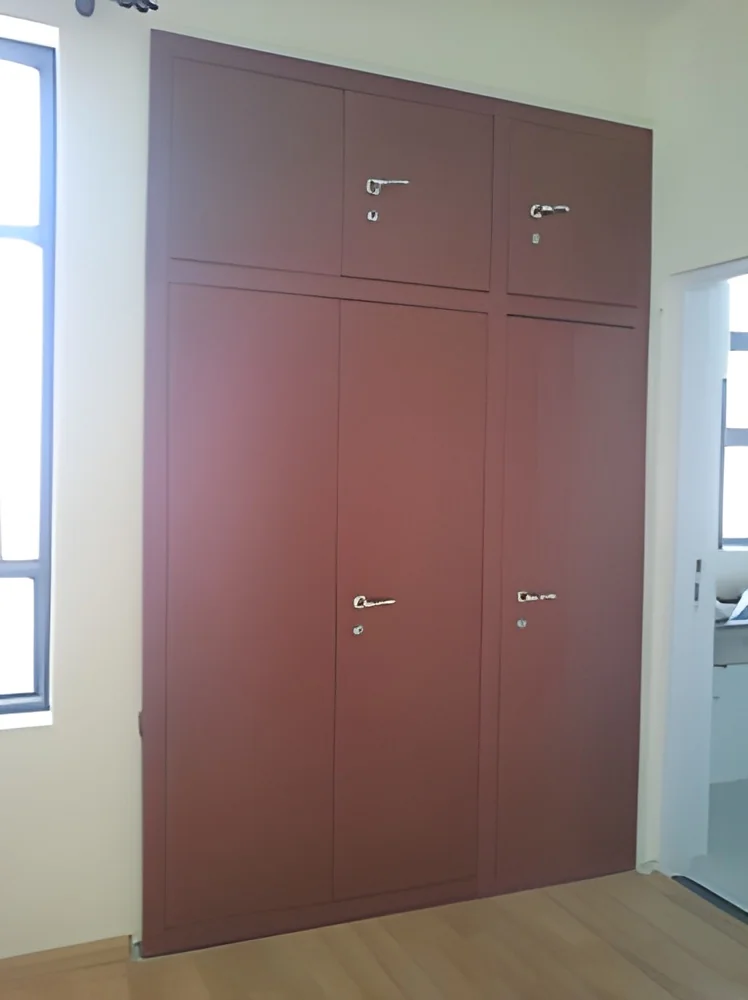
- Many wardrobes feature secure locking systems
- Essential for safeguarding valuable items in commercial settings
6. Mobility Options
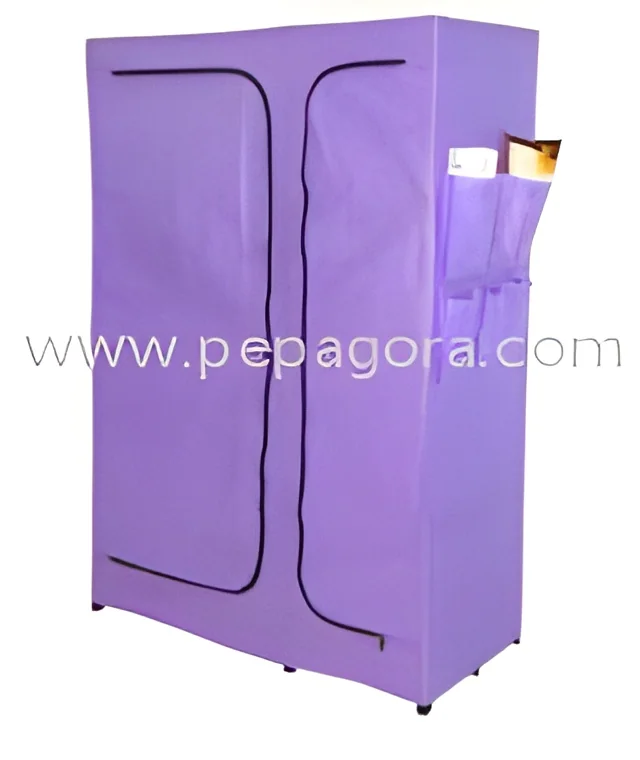
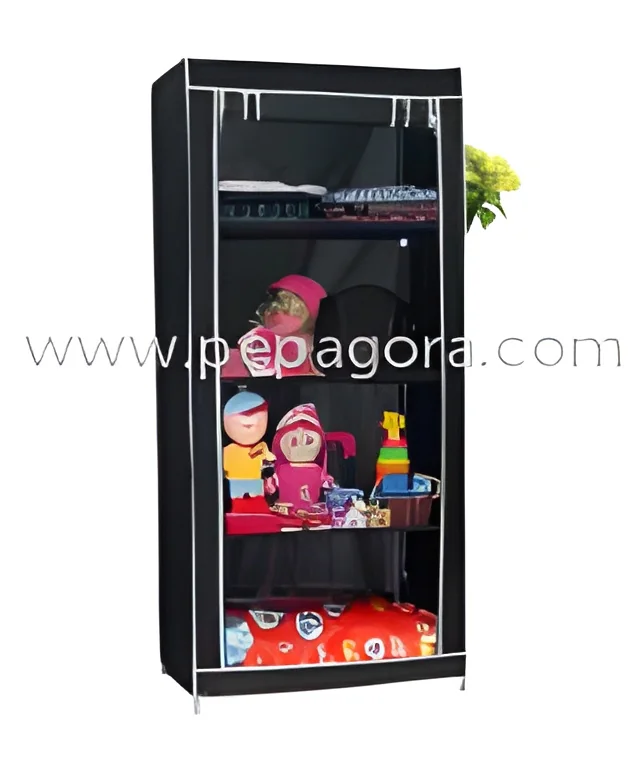
- Some wardrobes come with wheels for easy relocation
- Ideal for dynamic environments like offices or pop-up retail locations
7. Ventilation Features
- Some designs may include ventilation to prevent moisture buildup
- Important for clothing preservation
8. Finish and Color Options
- A variety of finishes and colors to choose from
- Allows for customization to align with branding or color schemes
Wardrobes play a vital role in both residential and commercial environments, making it essential to consider these specifications for optimal usage.
Common Applications and Use Cases
Wardrobes serve various industries, each with unique applications that highlight their versatility.
1. Hospitality Industry: In hotels, wardrobes provide essential storage for guests, offering a space to neatly organize clothing and personal items, enhancing guest comfort.
2. Retail Stores: Retail environments frequently use wardrobes for fitting rooms or as display units, allowing customers to examine clothing options conveniently.
3. Offices: In corporate settings, wardrobes can be utilized for storing uniforms, work attire, and personal belongings, promoting organization among employees.
4. Healthcare Facilities: Wardrobes in hospitals and clinics may be used to store staff uniforms and medical supplies, ensuring easy access and proper organization.
5. Educational Institutions: Schools and universities often require wardrobes for staff and student use, providing a practical solution for storing personal items.
6. Residential Spaces: In homes, wardrobes contribute to organized living, offering a space for clothing and accessories while enhancing interior aesthetics.
7. Event Venues: Wardrobes are often used in event spaces to provide storage for costumes and attire, ensuring quick access during events.
Product Variants and Subcategories
Wardrobes come in a variety of configurations to meet specific needs.
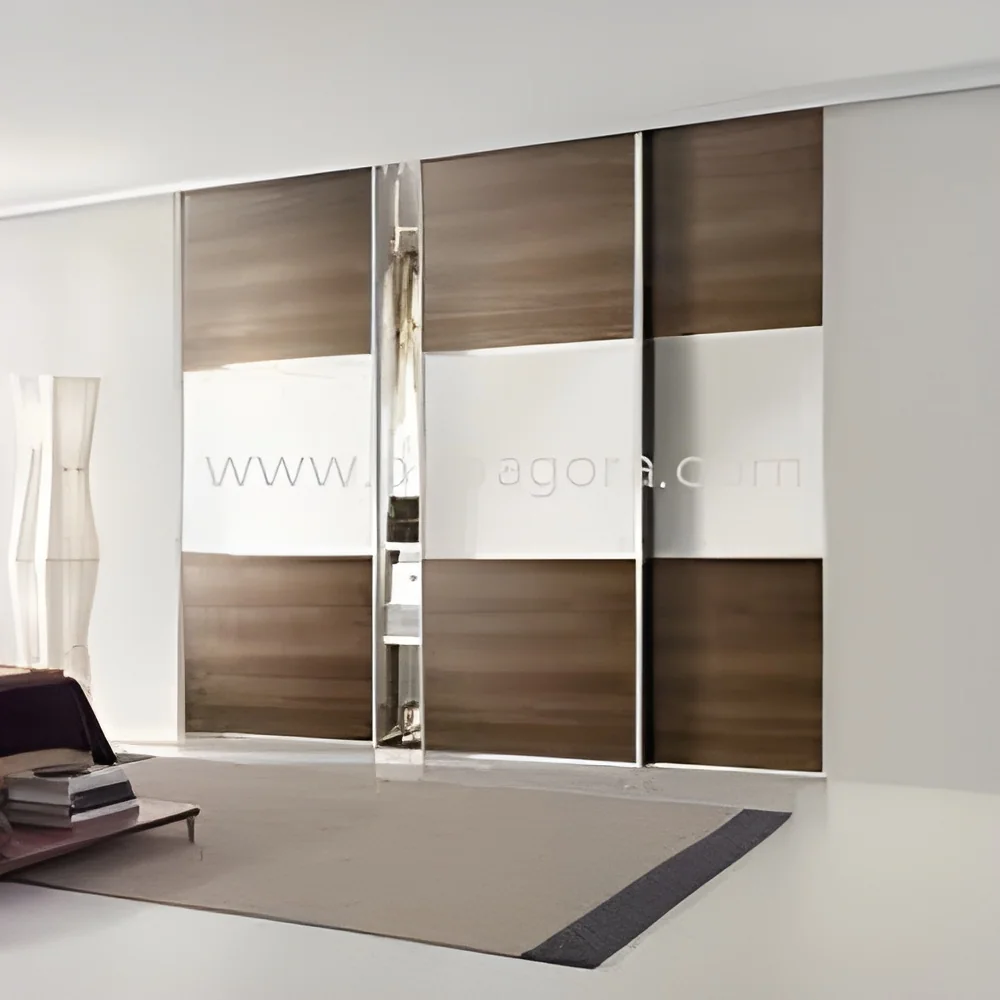
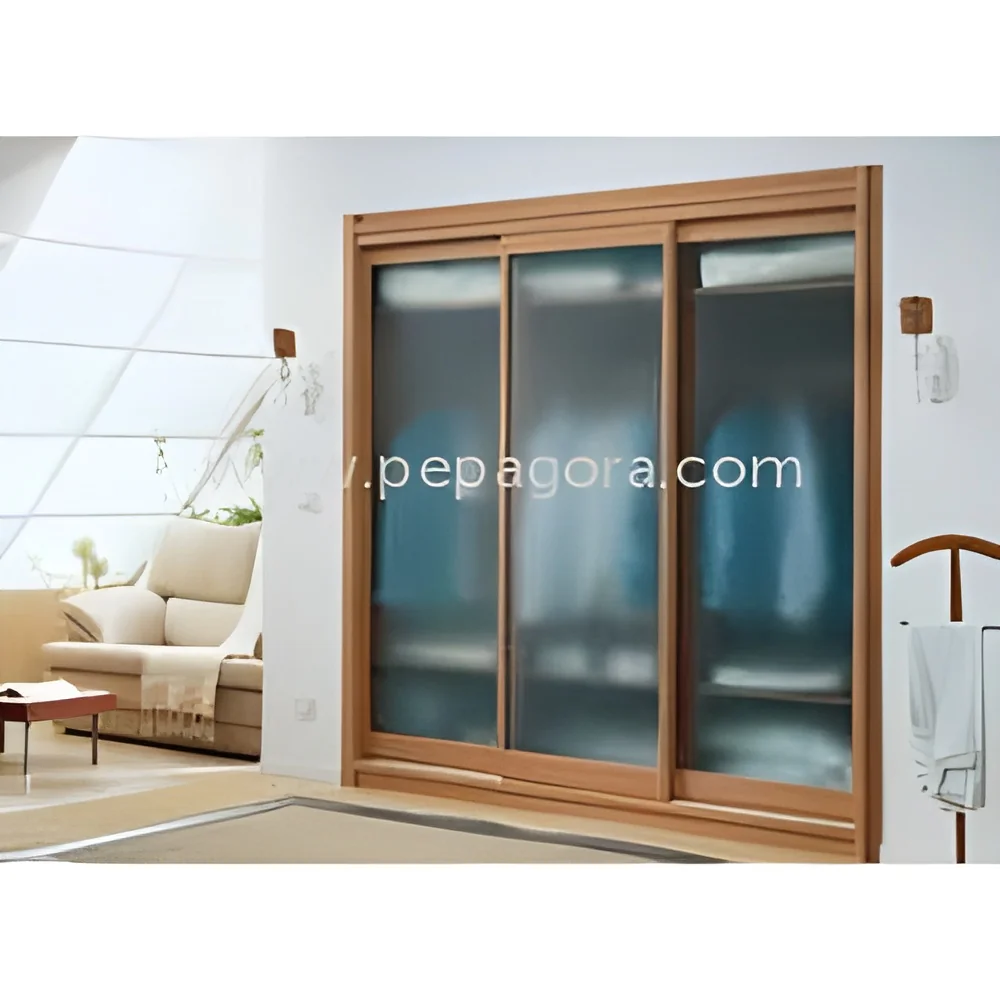
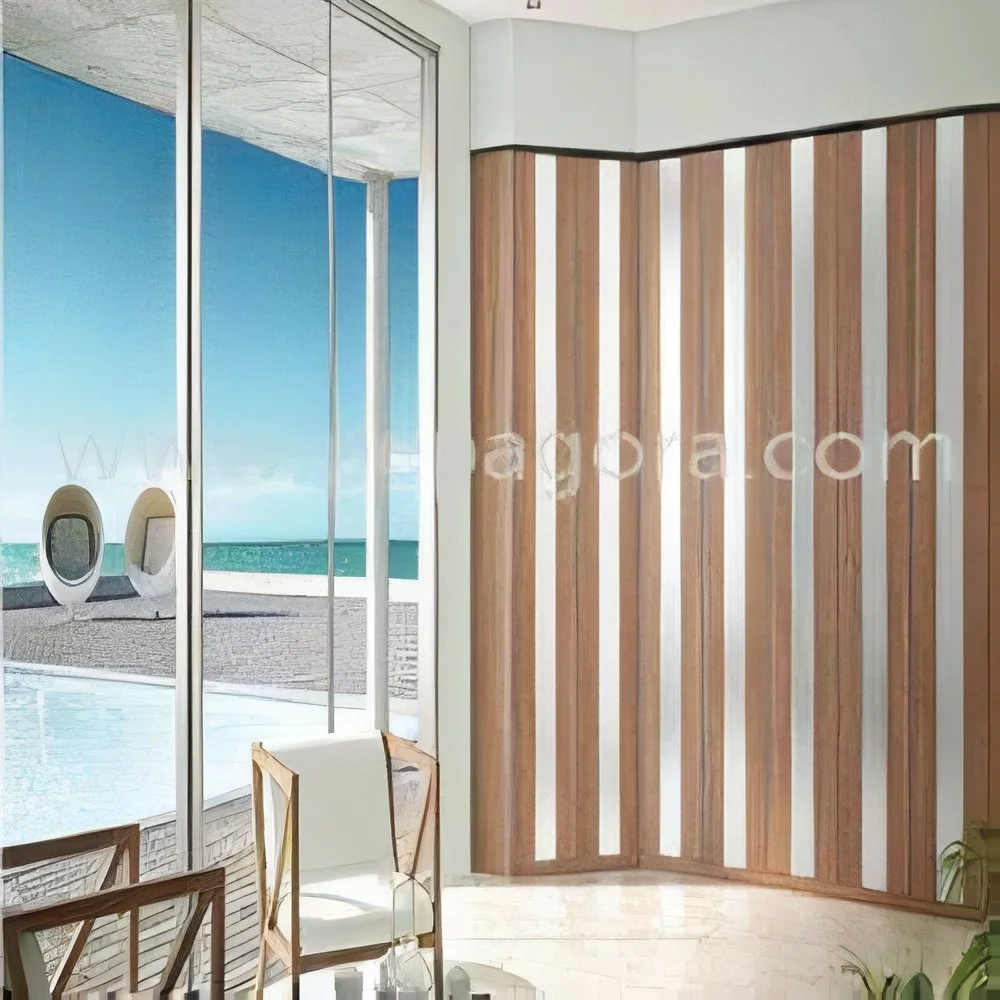
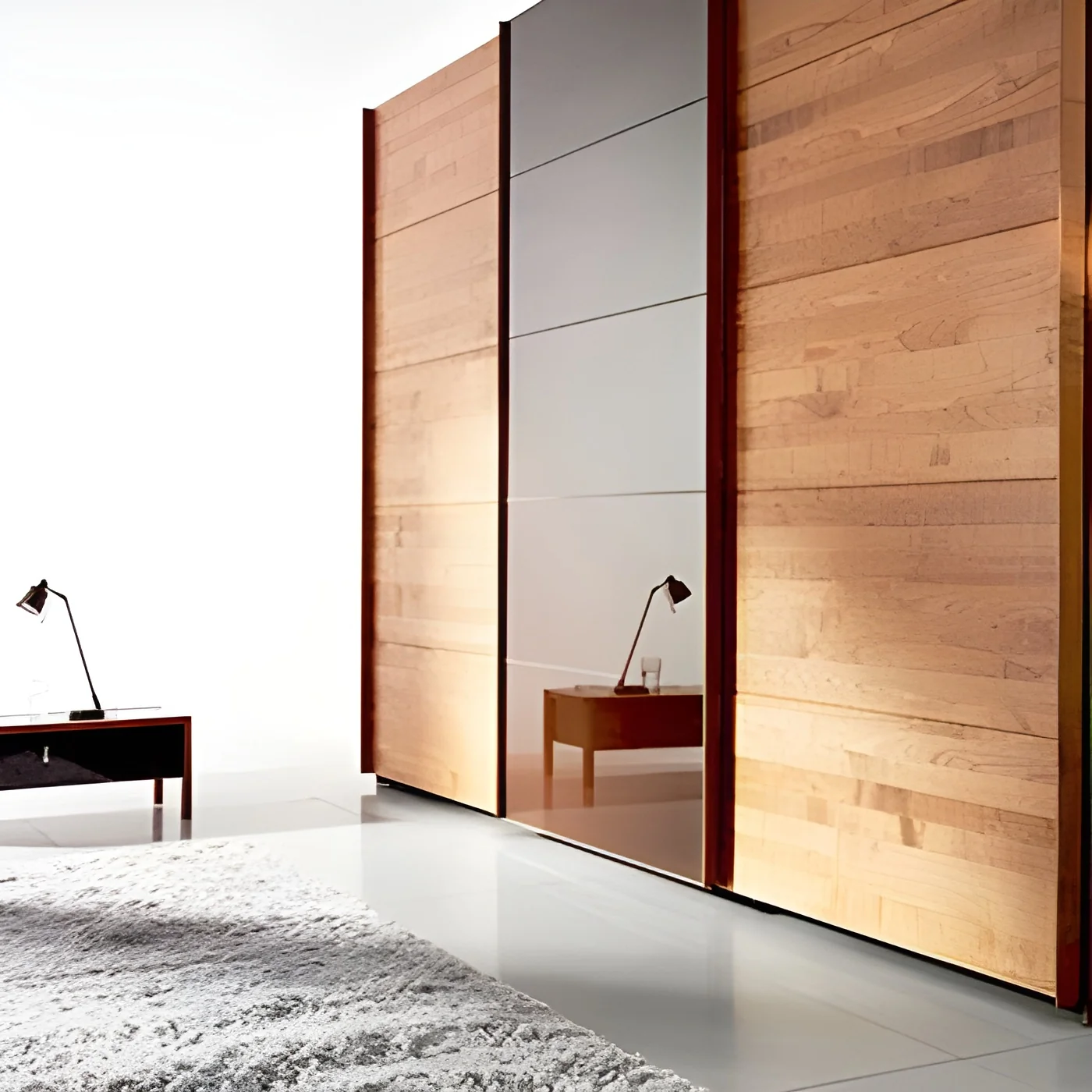
Sliding Door Wardrobe: This variant features sliding doors, making it an ideal choice for spaces with limited room. It offers a sleek design while maximizing access to storage.
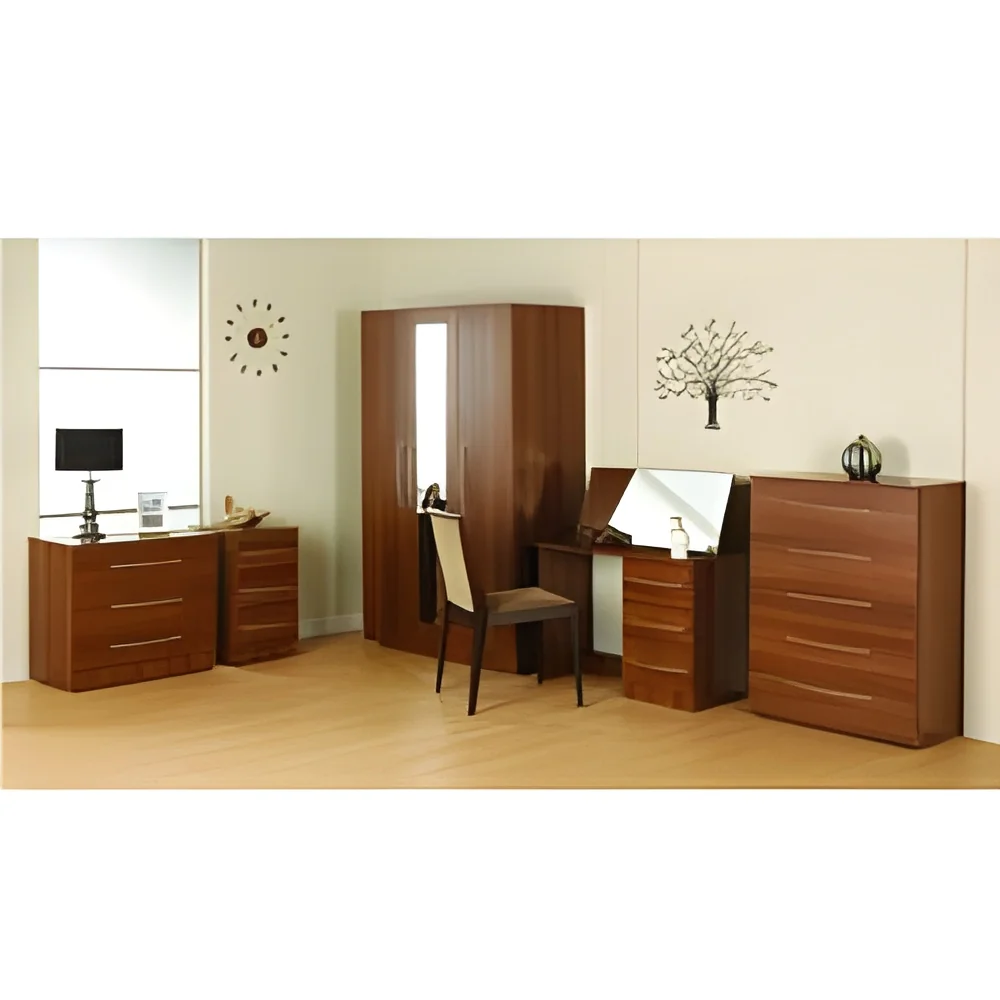
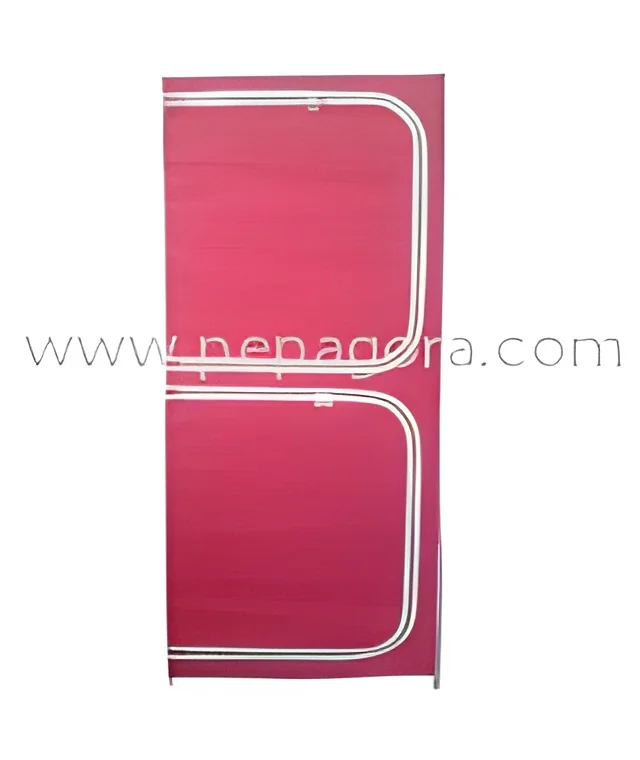
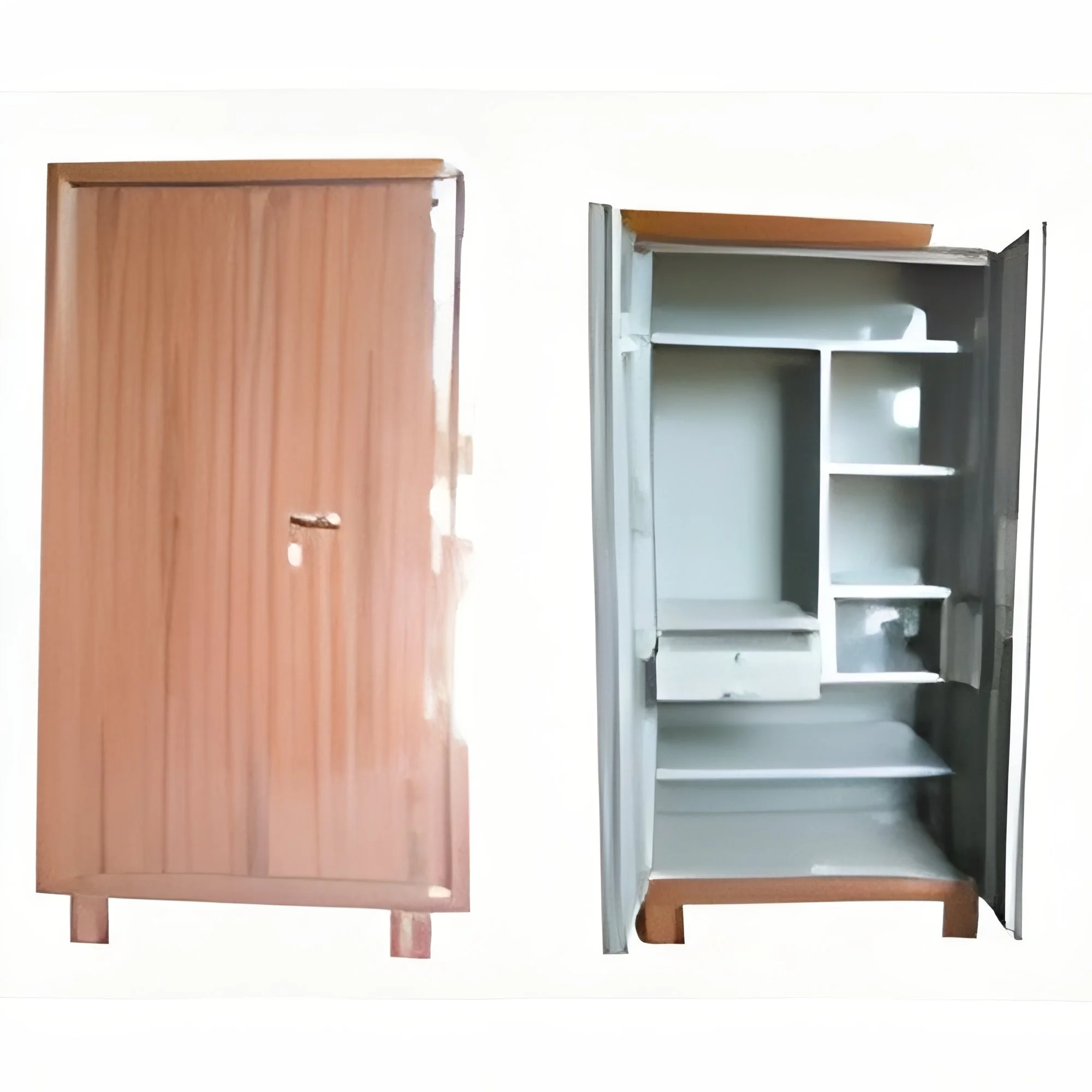
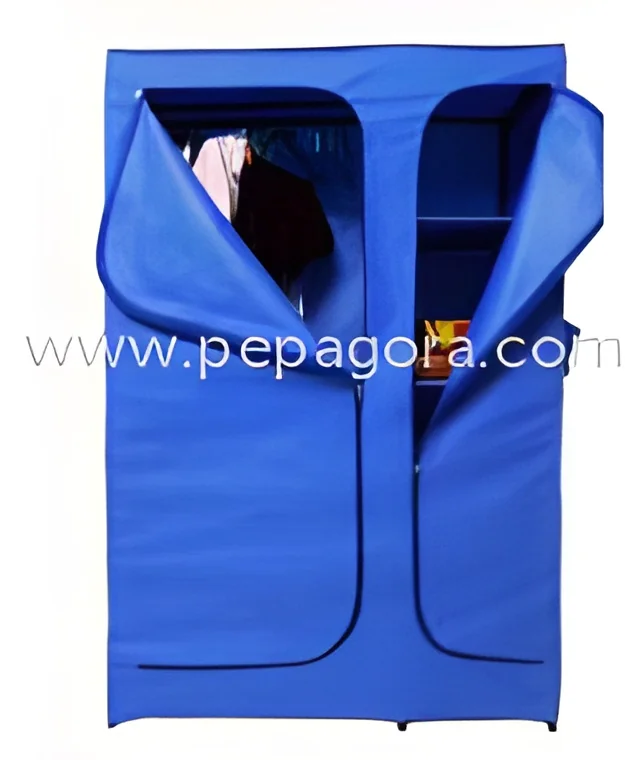
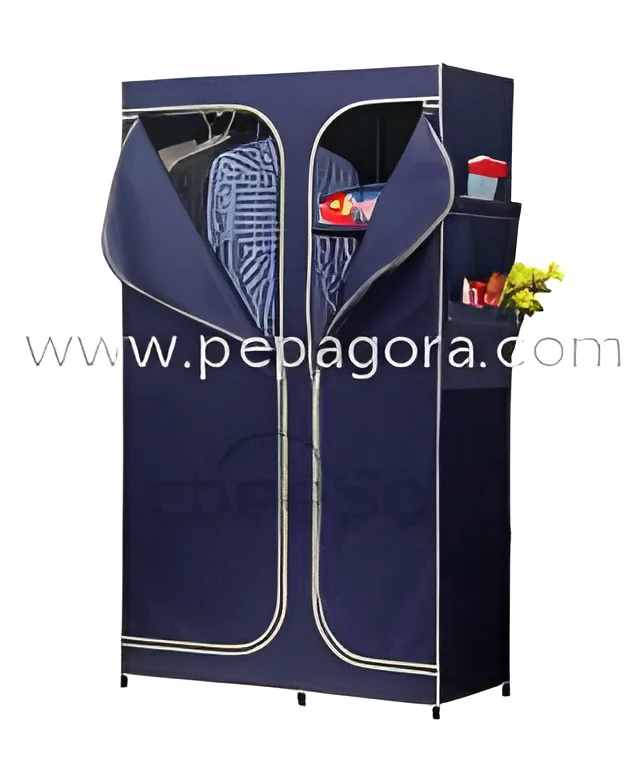
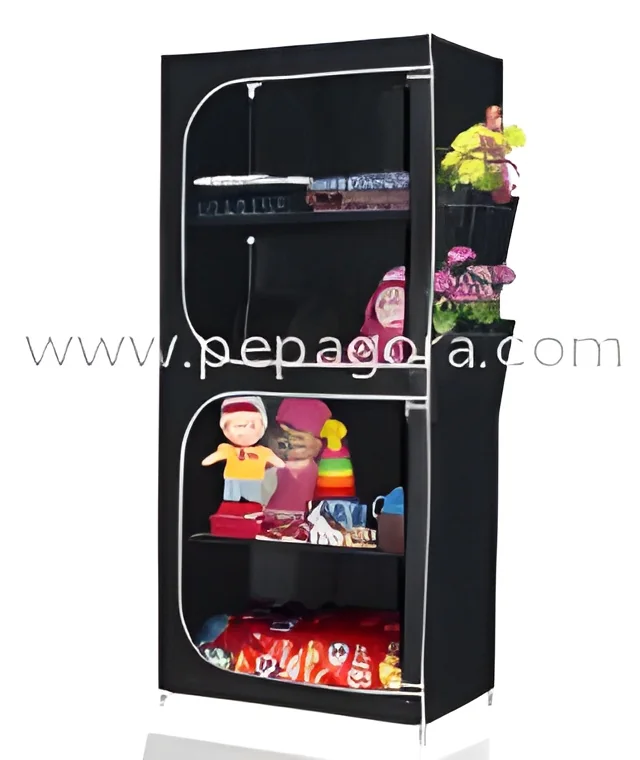
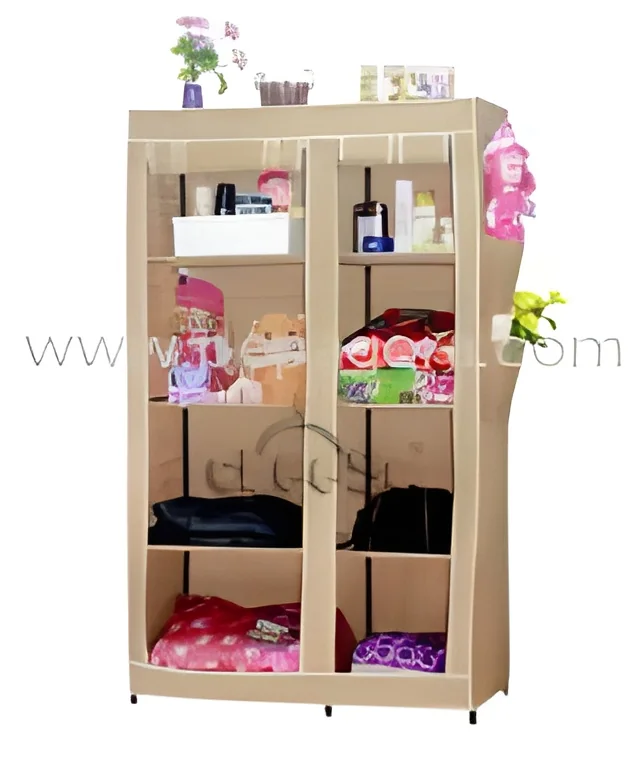
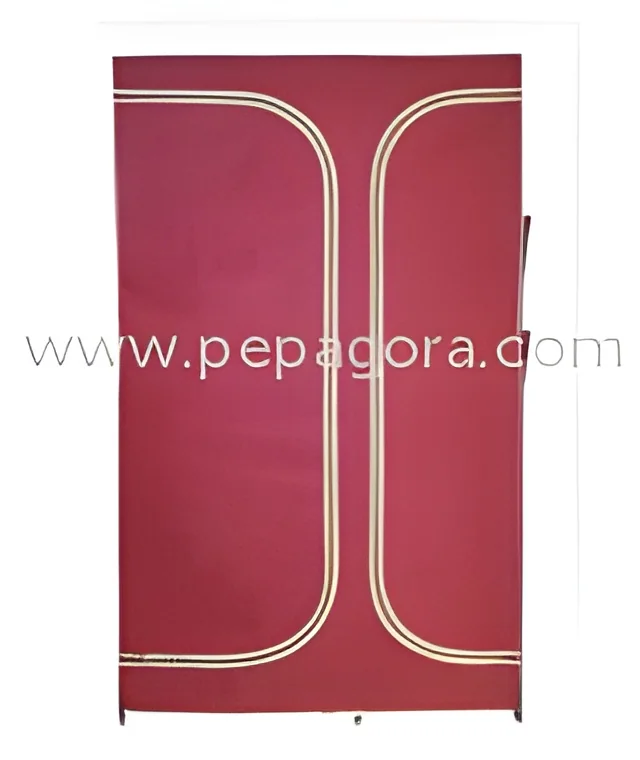
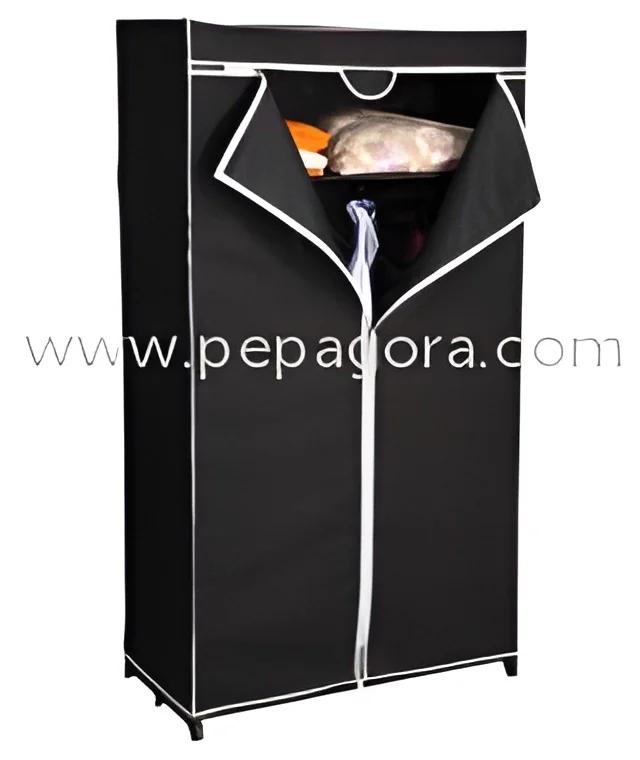
Freestanding Wardrobe: A versatile option that can be easily relocated, freestanding wardrobes offer flexibility in placement and can be used in various settings, from homes to offices.
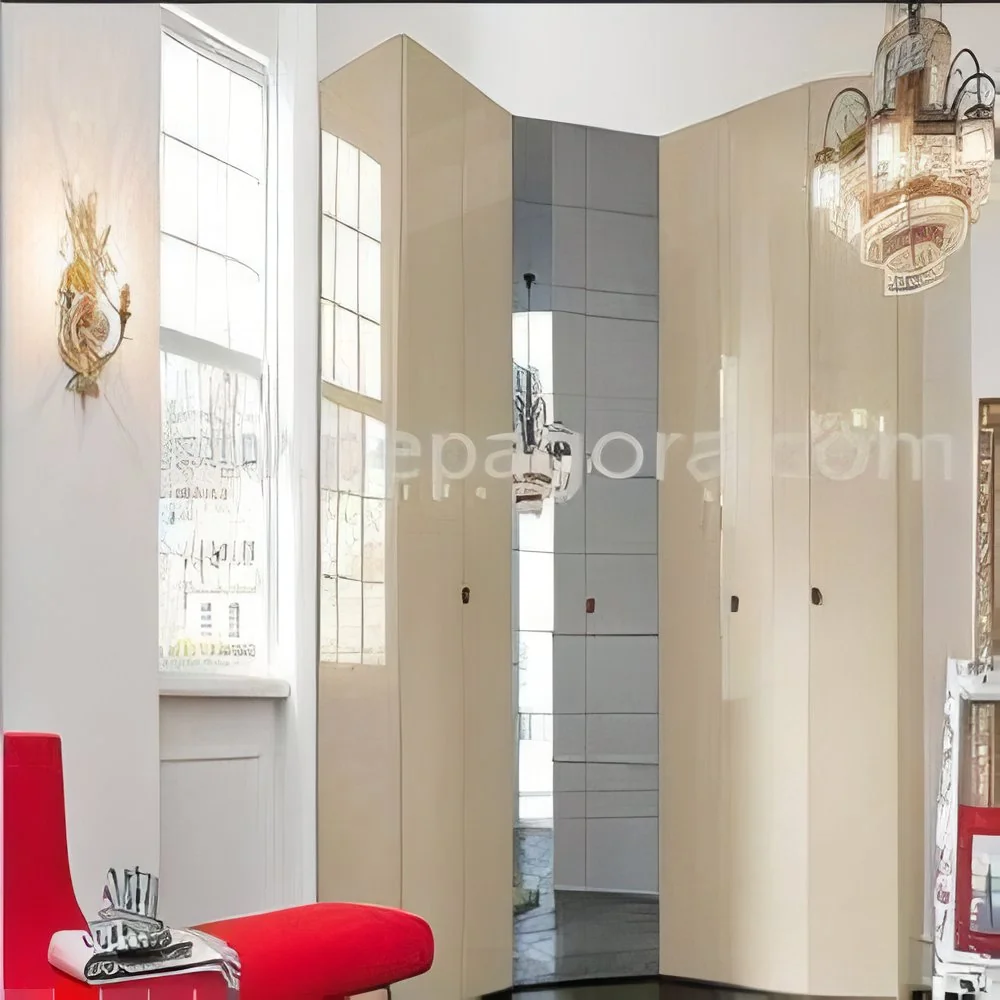
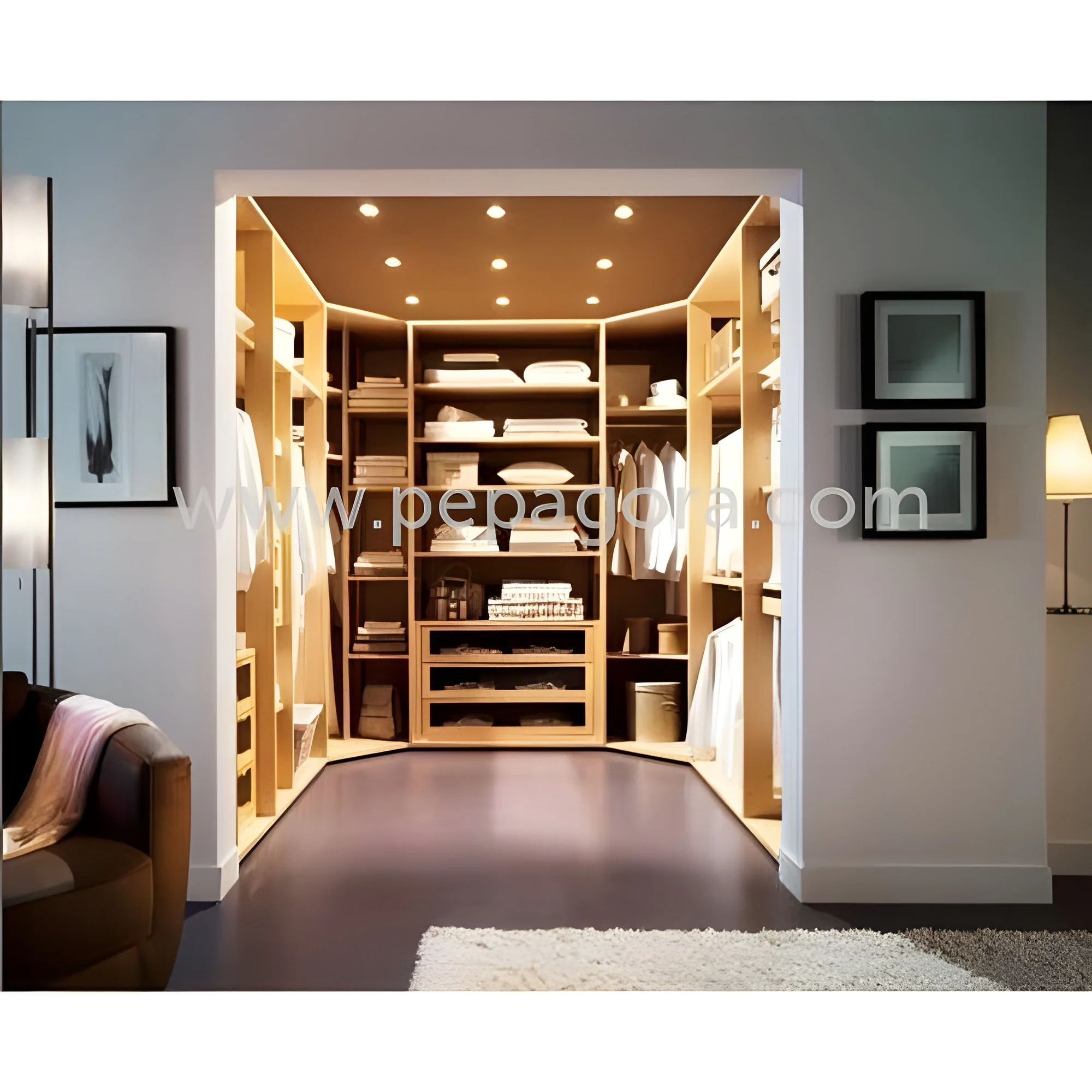
Corner Wardrobe: Perfect for optimizing underutilized spaces, corner wardrobes fit snugly into room corners, providing substantial storage without taking up too much space.
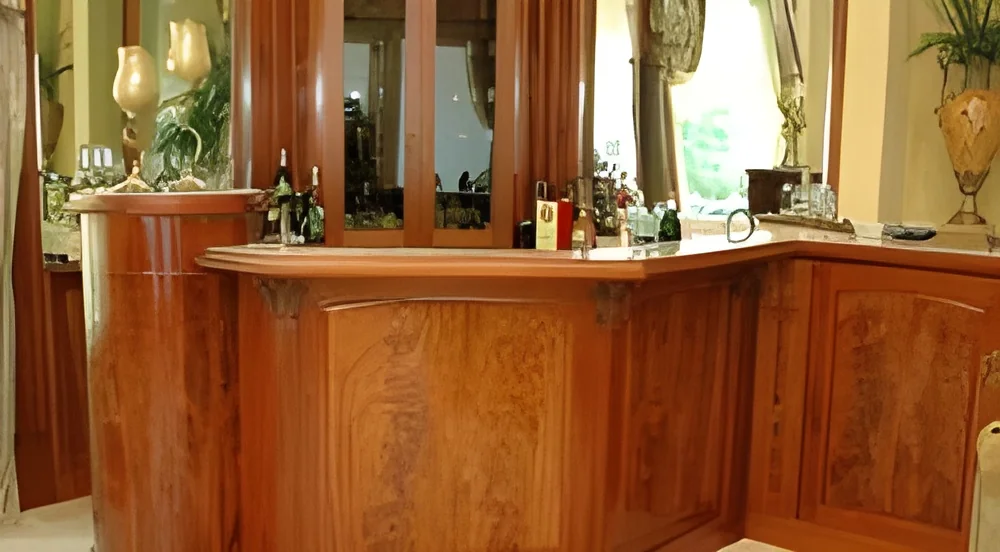
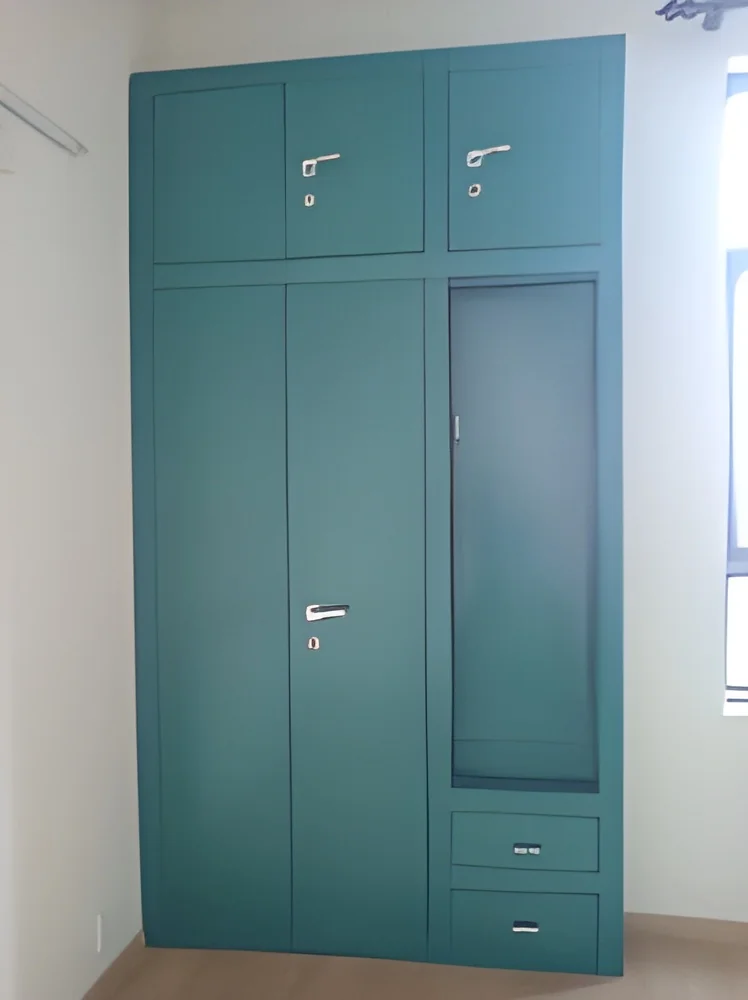
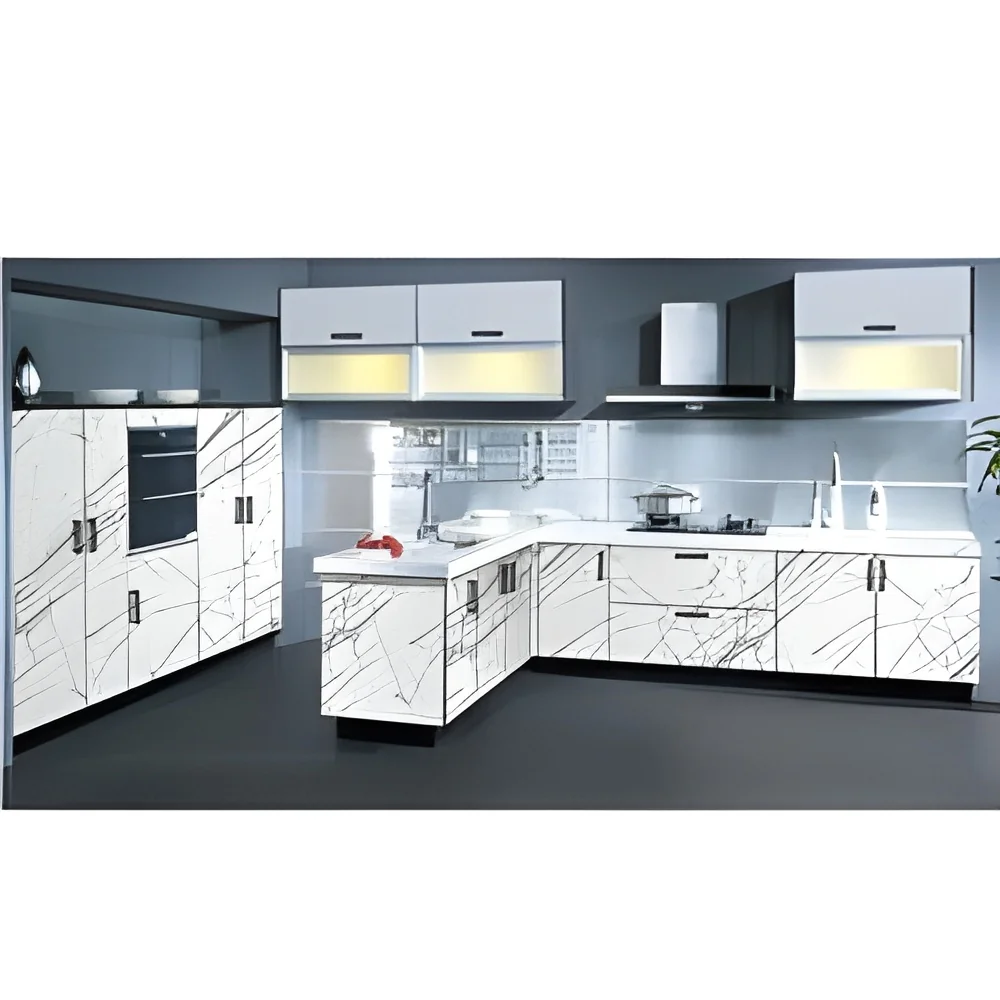
Built-In Wardrobe: Custom-built to fit specific areas, these wardrobes are designed to blend seamlessly with the room's architecture, optimizing space and enhancing aesthetics.
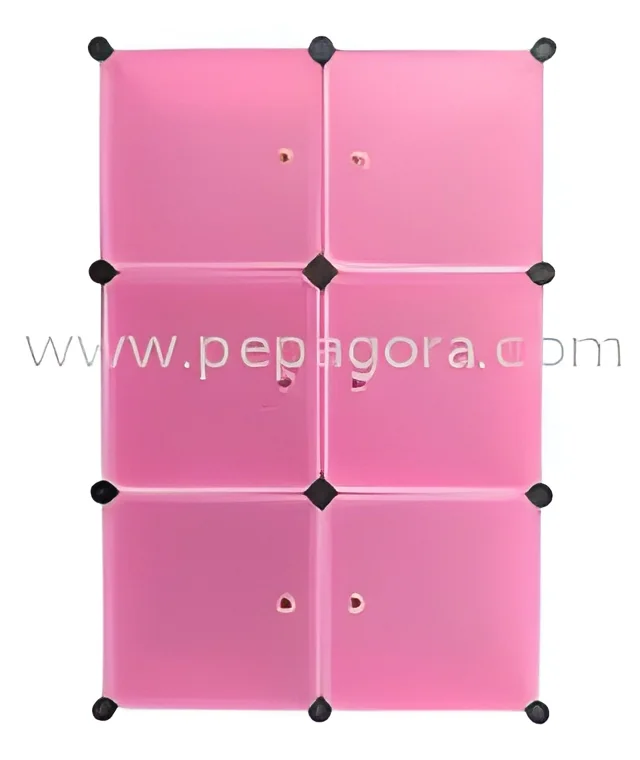
Modular Wardrobe: This type allows for customization and expansion, adapting to changing storage needs over time. Components can be added or removed as required.
Benefits and Advantages
Investing in wardrobes presents numerous advantages for businesses and individuals alike.
1. Enhanced Organization: Wardrobes provide designated space for clothing and accessories, promoting a clutter-free environment.
2. Customization Options: Many wardrobes can be tailored to suit specific needs, including size, style, and internal configuration.
3. Space Efficiency: Wardrobes are designed to maximize storage capabilities in limited spaces, making them ideal for both small and large areas.
4. Improved Aesthetics: Stylish wardrobes contribute positively to the overall decor of a space, enhancing its visual appeal.
5. Long-lasting Durability: Quality wardrobes are built to withstand daily use, ensuring longevity and reliability for businesses.
6. Flexibility in Design: With various designs available, wardrobes can be selected to match specific themes or branding in commercial settings.
Buying Guide for B2B Buyers
When sourcing wardrobes, it is crucial to consider several key factors to make informed decisions.
1. Quality Assessment: Evaluate the material quality and construction of wardrobes to ensure they meet durability requirements. Look for suppliers that adhere to industry standards.
2. Supplier Verification: Research potential suppliers to ascertain their reputation and reliability. Verify certifications and customer reviews to ensure they can deliver quality products.
3. Pricing and MOQ: Understand pricing structures and minimum order quantities (MOQ) from suppliers. This helps in budgeting and ensuring that the purchase aligns with financial goals.
4. Delivery and Lead Times: Discuss logistics and delivery schedules with suppliers to ensure timely arrival of products. Assess lead times to plan inventory effectively.
5. Compliance Requirements: Ensure that wardrobes comply with relevant industry regulations and standards. This can include safety certifications and quality assurance measures.
Compliance and Certifications
Compliance and certifications are critical in ensuring that wardrobes meet quality and safety standards.
Relevant quality standards include ISO 9001, which focuses on quality management systems, ensuring that manufacturers maintain high production quality. Additionally, certifications like CE indicate that products meet European safety, health, and environmental protection standards.
Safety and testing requirements are crucial for wardrobes, especially in commercial settings where durability and safety are paramount. Testing for structural integrity and material safety ensures that the products do not pose risks to users.
Regional compliance considerations may vary, so it is essential to remain informed about local regulations. Businesses should verify that their wardrobes meet all applicable standards in their operating regions to avoid legal complications.
Why Source Wardrobes from Pepagora?
Pepagora provides a trusted platform for sourcing wardrobes, offering several key advantages that enhance the purchasing experience.
Verified Supplier Network: Pepagora connects buyers with a network of verified suppliers, ensuring that all listed manufacturers meet stringent quality standards and reliability metrics.
Streamlined RFQ Process: The Request for Quotation (RFQ) process is designed to simplify sourcing. Buyers can easily compare offers from multiple suppliers, facilitating informed decision-making.
Trade Assurance and Support: Pepagora offers buyer protection through trade assurance, providing peace of mind throughout the purchasing process. This ensures that buyers receive their orders as expected.
Regional Coverage: With a strong presence in regions such as India, the GCC, and Southeast Asia, Pepagora is well-positioned to cater to a diverse range of business needs, ensuring accessibility and convenience for buyers across various markets.

 IN
IN