
 IN
Magazine & Book Printing
64 products available
What are Magazine & Book Printing?
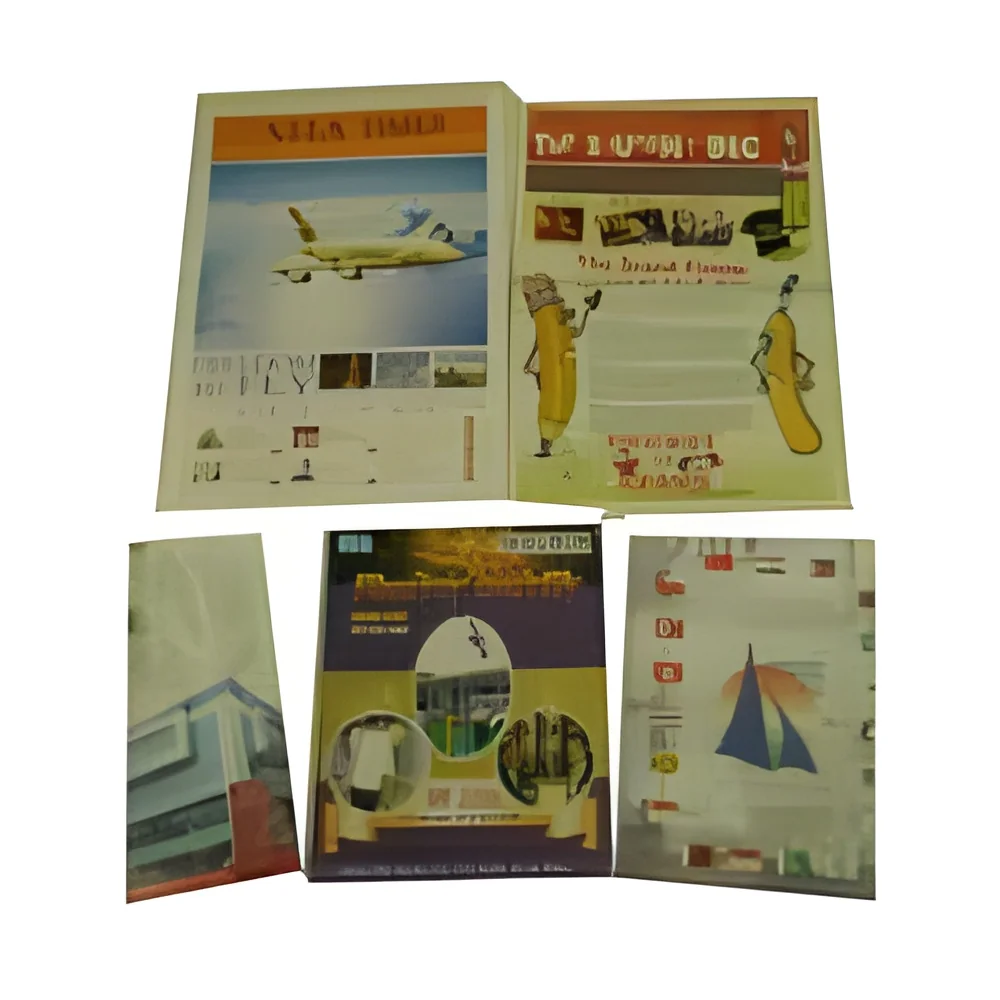
Magazine and book printing refers to the process of producing printed materials such as magazines, books, brochures, and other forms of literature. This involves various techniques including offset printing, digital printing, and binding methods. The goal is to create high-quality printed products that are visually appealing and durable. The process can range from small-batch printing for niche publications to large-scale production for mass-market titles.
These printed materials serve a multitude of purposes in various industries. Businesses use magazines and books for marketing, educational purposes, and brand promotion. They are also utilized by publishers to distribute literary works, articles, and other written content to a broad audience. This printing service is crucial for companies looking to enhance their visibility and communicate effectively with their target demographics.
In the current market context, the demand for magazine and book printing remains strong despite the rise of digital media. Publishers and businesses recognize the value of tangible printed materials in engaging audiences. Moreover, advancements in printing technology have enabled more efficient production processes and customization options, making it a relevant choice for various sectors.
Key Features and Specifications
Magazine and book printing offers a variety of features tailored to meet the needs of diverse clients. Understanding these specifications can help businesses make informed decisions when selecting printing services.
Key specifications include:
1. Printing Technique
- Options include offset printing and digital printing.
- Each technique has distinct advantages based on volume and quality requirements.
2. Paper Quality
- Various paper types are available, including glossy, matte, and recycled paper.
- The choice of paper affects durability, texture, and print quality.
3. Binding Options
- Common binding methods include perfect binding, saddle stitch, and spiral binding.
- The binding method impacts the book's aesthetics and usability.
4. Page Count
- Different projects may require varying page counts, typically ranging from 16 to several hundred pages.
- Selection depends on the content and intended use of the publication.
5. Color Printing
- Options include full color, black and white, or a mix of both.
- Color choices can significantly influence the visual impact of the printed material.
6. Customization
- Many services offer customization options such as size, layout, and finishing touches.
- Customization enhances brand identity and personalizes the product.
7. Turnaround Time
- Typical lead times vary based on project complexity and quantity.
- Quick turnaround options are often available for urgent projects.
8. Minimum Order Quantity
- This varies by supplier and can impact budget decisions.
- Understanding MOQ helps in planning production runs effectively.
Overall, these specifications provide a framework for businesses to evaluate their printing needs and select the appropriate service.
Common Applications and Use Cases
Magazine and book printing serves a wide range of industries and applications.
1. Publishing Industry: This sector relies heavily on printing for novels, magazines, and academic journals. High-quality printing is essential for maintaining brand standards and reader engagement.
2. Marketing and Advertising: Companies use printed materials for brochures, catalogs, and promotional magazines. These materials help convey brand messages and product offerings effectively.
3. Education Sector: Educational institutions print textbooks, workbooks, and learning materials. Quality printing enhances the learning experience and facilitates information retention.
4. Real Estate: Real estate agencies produce high-quality brochures and magazines showcasing properties. Effective visual presentation aids in marketing efforts.
5. Non-Profit Organizations: Many non-profits utilize printed materials for fundraising campaigns and awareness programs. Engaging print design helps communicate their mission effectively.
6. Corporate Communications: Businesses print annual reports, newsletters, and other corporate documents to communicate with stakeholders. Quality printing ensures professionalism.
7. Event Marketing: Events often utilize printed materials for programs, schedules, and promotional items. Effective print materials enhance attendee experience.
Product Variants and Subcategories
The diversity of magazine and book printing allows for various options tailored to specific needs.
Standard Print Publications
These include magazines and books that follow traditional formats and layouts. They are often printed in bulk and are designed for mass distribution.
Custom Print Projects
This variant involves unique projects that require specialized designs and layouts. Businesses may seek custom solutions for marketing materials or niche publications.
Short-Run Printing
Ideal for smaller quantities or limited editions, this option allows businesses to print only what they need. This approach minimizes waste and can be more cost-effective for certain projects.
Benefits and Advantages
Choosing magazine and book printing offers several advantages for businesses seeking to enhance their visibility.
1. High-Quality Output: Quality printing ensures that colors are vibrant and text is sharp, making materials visually appealing.
2. Tangible Presence: Printed materials provide a physical representation of a brand, which can strengthen recognition and recall among customers.
3. Customization Flexibility: The ability to customize size, layout, and materials allows businesses to align their printed products with brand standards.
4. Engagement Opportunities: Printed materials can create a more engaging experience for audiences compared to digital formats.
5. Long Shelf Life: Printed items can be retained for longer periods, providing ongoing exposure and potential for repeated engagement.
6. Credibility: High-quality printed materials can enhance the perceived professionalism and trustworthiness of a brand.
Buying Guide for B2B Buyers
When sourcing magazine and book printing services, several factors should be considered to ensure a successful partnership.
1. Quality Assessment: Review samples of previous work to evaluate print quality, color accuracy, and overall finish. Quality is paramount in maintaining brand standards.
2. Supplier Verification: Check the credentials of potential suppliers, including their experience, client reviews, and previous projects. This helps ensure reliability and expertise.
3. Pricing and MOQ: Compare pricing structures and minimum order quantities to find options that align with your budget and production needs. Look for transparency in pricing.
4. Delivery and Lead Times: Understand the supplier's production timelines to ensure your project aligns with your deadlines. Timely delivery is crucial for marketing campaigns and events.
5. Compliance Requirements: Ensure that the printing service adheres to any relevant industry regulations or standards. This includes environmental considerations and safety certifications.
Compliance and Certifications
Magazine and book printing must meet various compliance and certification standards to ensure quality and safety.
Relevant quality standards such as ISO 9001 focus on maintaining quality management systems. This certification ensures that printing processes meet international quality benchmarks.
Additionally, industry certifications like CE indicate compliance with safety standards, particularly in materials used for printing. This is essential for products intended for consumer markets.
Safety and testing requirements are also critical. Printers must ensure that inks and materials are non-toxic and safe for use, particularly in children's books or educational materials.
Regional compliance considerations may vary based on local regulations. Suppliers should be aware of and comply with these specific requirements to ensure smooth operations.
Why Source Magazine & Book Printing from Pepagora?
Pepagora offers a trusted platform for sourcing magazine and book printing, presenting several key advantages to B2B buyers.
Verified Supplier Network: Pepagora connects you with a broad network of verified suppliers, ensuring that you engage with reputable and experienced printing companies.
Streamlined RFQ Process: The platform simplifies the request for quotation process, allowing businesses to receive multiple quotes quickly. This efficiency facilitates better decision-making.
Trade Assurance and Support: Buyers benefit from trade assurance, providing protection throughout the purchasing process. This support ensures that your interests are safeguarded.
Regional Coverage: Pepagora operates across multiple regions, including India, the GCC, and Southeast Asia. This geographic reach allows businesses to find local suppliers that meet their specific needs.
Overall, sourcing magazine and book printing through Pepagora enables businesses to access quality services while ensuring compliance and reliability.



Frequently Asked Questions
What are Magazine & Book Printing?
Magazine & Book Printing refers to the process of producing printed materials such as magazines, books, brochures, and catalogs. This process involves various stages including design, layout, and actual printing, often utilizing different printing techniques like offset, digital, or screen printing.
What are the different types of Magazine & Book Printing?
There are several types of Magazine & Book Printing, including offset printing, digital printing, and flexographic printing. Offset printing is commonly used for large runs due to its cost-effectiveness, while digital printing is ideal for smaller quantities and customized prints.
How do I choose the right Magazine & Book Printing?
Choosing the right Magazine & Book Printing involves considering factors like the type of print required, quantity, budget, and turnaround time. It's also essential to review the printer's portfolio and customer reviews to ensure they meet your quality standards.
What are the standard specifications for Magazine & Book Printing?
Standard specifications for Magazine & Book Printing typically include paper type, weight, color mode (CMYK or RGB), and binding options. Common sizes for magazines range from A4 to A5, and books can vary significantly depending on their genre and audience.
What is the price range for Magazine & Book Printing?
The price range for Magazine & Book Printing can vary widely based on factors such as the type of printing, quantity, paper quality, and finishing options. Generally, prices can start from a few rupees per unit for large quantities and can go higher for specialized or smaller runs.
What quality standards apply to Magazine & Book Printing?
Quality standards for Magazine & Book Printing include adherence to ISO standards for color accuracy and consistency, paper quality, and print resolution. Printers often use sample proofs to ensure that the final product meets the expected quality before mass production.
Where can I find Magazine & Book Printing suppliers in India?
You can find Magazine & Book Printing suppliers in India through online marketplaces, industry trade shows, and local directories. Platforms like Pepagora.com offer a comprehensive list of suppliers and manufacturers specializing in printing services.
Can Magazine & Book Printing be customized?
Yes, Magazine & Book Printing can be customized to meet specific requirements, including size, paper type, binding methods, and design elements. Many printing companies offer personalized solutions to cater to the unique needs of clients.
What is the typical minimum order quantity for Magazine & Book Printing?
The typical minimum order quantity (MOQ) for Magazine & Book Printing varies by supplier but often starts at around 100 copies for standard publications. Smaller quantities may be available for digital printing services but could come at a higher per-unit cost.
What is the typical lead time for Magazine & Book Printing?
The typical lead time for Magazine & Book Printing can range from a few days to several weeks, depending on the complexity of the project and the quantity ordered. It's advisable to discuss timelines with your chosen supplier to ensure timely delivery.
Why Businesses Trust Pepagora
Thousands of companies trust Pepagora to source smarter and sell faster
Expand Your Sales Globally

Source Smarter,Grow Faster
