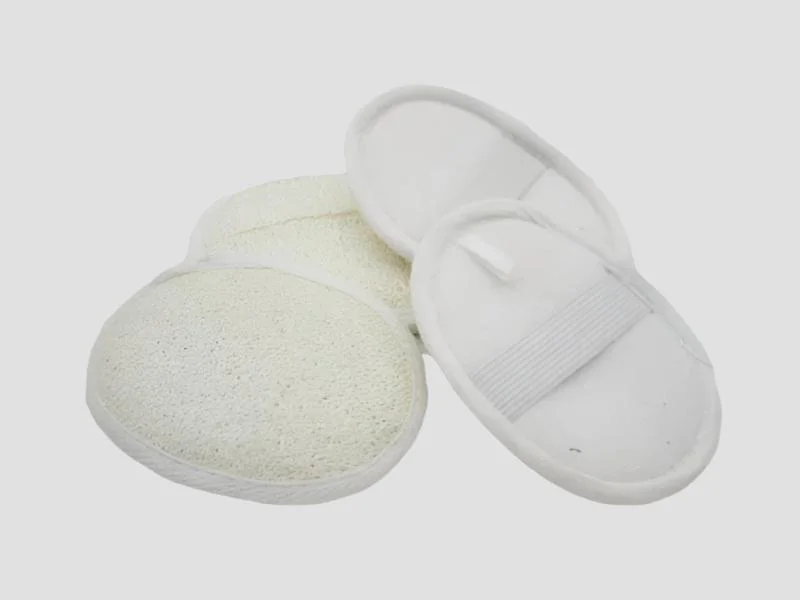
What are Loofahs & Bath Sponges?
Loofahs and bath sponges are natural and synthetic bath accessories used primarily for personal hygiene and skin exfoliation. Loofahs, derived from the fibrous interior of the loofah gourd, are well-known for their exfoliating properties. Bath sponges, often made from synthetic materials or natural sea sponge, are used for gentle cleansing and lathering during bathing. Both products are essential in the personal care industry, offering various textures and benefits depending on their material composition.
These products are commonly used in residential and commercial settings, including personal care, spa services, and hospitality. Businesses in the beauty and wellness sector rely on high-quality loofahs and bath sponges to enhance customer experiences. Their versatility makes them suitable for different applications, from daily hygiene routines to luxury spa treatments. The market for these products has been growing steadily as consumers increasingly prioritize self-care and wellness.
In the context of industry relevance, loofahs and bath sponges fit into broader trends of natural and eco-friendly products. As sustainability becomes a priority for consumers, natural loofahs are gaining popularity over synthetic options. This shift is driving innovation and expanding market opportunities for manufacturers and suppliers in the personal care sector.
Key Features and Specifications
Loofahs and bath sponges come with various features that cater to different consumer needs. Understanding these specifications is crucial for businesses looking to source the right products.
Key specifications include:
1. Material Type
- Natural loofah or synthetic sponge
- Each material offers unique exfoliation and lathering properties
2. Size and Shape
- Available in various shapes and sizes
- Common sizes range from small handheld to larger spa variants
3. Texture
- Different textures for varying exfoliation levels
- Smooth, coarse, or medium options available
4. Absorbency Rate
- Indicates how much water the sponge can hold
- Higher absorbency is preferred for better lathering
5. Durability
- Longevity of the product with regular use
- Natural loofahs may break down faster than synthetic sponges
6. Hygiene Features
- Antimicrobial properties in some synthetic options
- Easy to clean and maintain for hygiene standards
7. Eco-Friendliness
- Biodegradable options available for sustainability
- Certifications for environmentally friendly production processes
In summary, understanding these features helps businesses select the right loofahs and bath sponges based on their specific needs and customer preferences.
Common Applications and Use Cases
Loofahs and bath sponges serve various industries with specific applications tailored to their functions.
1. Personal Care: Widely used in homes for daily bathing routines, enhancing skin exfoliation and cleanliness.
2. Spa and Wellness: Essential in spa settings for treatments like body scrubs and massages, offering a luxurious experience.
3. Hospitality: Hotels and resorts often provide these items in guest bathrooms, contributing to a high-end experience.
4. Retail: Sold in beauty supply stores and online platforms, appealing to consumers seeking personal care products.
5. Health and Fitness: Used in gyms and wellness centers for showers, promoting hygiene among users.
6. Aesthetic Clinics: Employed in skin treatment protocols to improve skin texture and health.
7. Eco-Friendly Markets: Gaining traction in markets focused on sustainable personal care products, appealing to environmentally conscious consumers.
Product Variants and Subcategories
Loofahs and bath sponges exhibit a range of diversity to meet various consumer needs.
Natural Loofah Sponges
These sponges are derived from the loofah plant. They are ideal for exfoliation, helping to remove dead skin cells. Their natural composition makes them biodegradable and eco-friendly.
Synthetic Bath Sponges
Usually made from materials like polyurethane, these sponges are known for their softness and durability. They provide a gentle cleansing experience, making them suitable for sensitive skin.
Sea Sponges
Harvested from the ocean, sea sponges are known for their natural absorbency and softness. They are often used in luxury bathing experiences and are biodegradable.
Exfoliating Mitts
While not traditional sponges, these mitts made from loofah or synthetic materials offer a unique way to exfoliate and cleanse the skin during bath time.
Benefits and Advantages
Loofahs and bath sponges offer numerous benefits that enhance personal care routines.
1. Exfoliation: They effectively remove dead skin cells, promoting smoother and healthier skin.
2. Improved Hygiene: Using these products helps maintain cleanliness and can reduce the risk of skin issues.
3. Versatile Use: Suitable for various applications, from home use to professional spa treatments, making them adaptable for businesses.
4. Eco-Friendly Options: Natural loofahs are biodegradable, appealing to environmentally conscious consumers.
5. Cost-Effective: Available at various price points, they can fit into different budget ranges for businesses.
6. Customization Potential: Many suppliers offer customization options for branding, which can enhance the marketing of these products.
Buying Guide for B2B Buyers
When sourcing loofahs and bath sponges, businesses should consider several key factors to ensure they select the right products.
1. Quality Assessment: Look for high-quality materials that meet industry standards. Examine the durability and performance of the products through samples when possible.
2. Supplier Verification: Vet potential suppliers to ensure they have a good reputation and adhere to quality control measures. Check for certifications and customer reviews to validate their credibility.
3. Pricing and MOQ: Understand the pricing structures and minimum order quantities (MOQ) offered by suppliers. This will help in budgeting and planning inventory.
4. Delivery and Lead Times: Assess the logistics involved in shipping the products. Check for lead times to ensure timely delivery for your business needs.
5. Compliance Requirements: Ensure that products meet relevant industry standards and regulations, including safety and health guidelines.
Compliance and Certifications
Compliance and certifications are essential aspects of sourcing loofahs and bath sponges. Products should adhere to quality standards such as ISO 9001 and HACCP, ensuring they meet safety and quality requirements. These standards help establish processes that guarantee product consistency and safety in manufacturing.
Additionally, certifications like CE mark denote conformity with health, safety, and environmental protection standards within the European Economic Area. It is crucial for businesses to seek suppliers that comply with these certifications for market credibility.
Safety and testing requirements should also be considered, particularly for synthetic options. Regular testing for harmful substances ensures that products are safe for consumer use. Furthermore, regional compliance considerations may vary, so understanding local regulations is important for businesses trading internationally.
Why Source Loofahs & Bath Sponges from Pepagora?
Pepagora offers a trusted platform for sourcing loofahs and bath sponges, providing several key advantages to businesses.
Verified Supplier Network: Pepagora has a rigorous supplier verification process, ensuring that businesses connect with reputable manufacturers. This network provides access to high-quality products that meet industry standards.
Streamlined RFQ Process: The Request for Quotation (RFQ) system simplifies the procurement process. Buyers can easily compare prices and specifications from multiple suppliers, facilitating informed purchasing decisions.
Trade Assurance and Support: Pepagora offers buyer protection through trade assurance, giving businesses peace of mind when sourcing products. This support helps build trust between buyers and suppliers.
Regional Coverage: With a strong presence in India, GCC, and Southeast Asia, Pepagora connects businesses with suppliers across these regions. This geographic reach enables companies to access diverse product offerings while catering to local market demands.

 IN
IN
 India
India