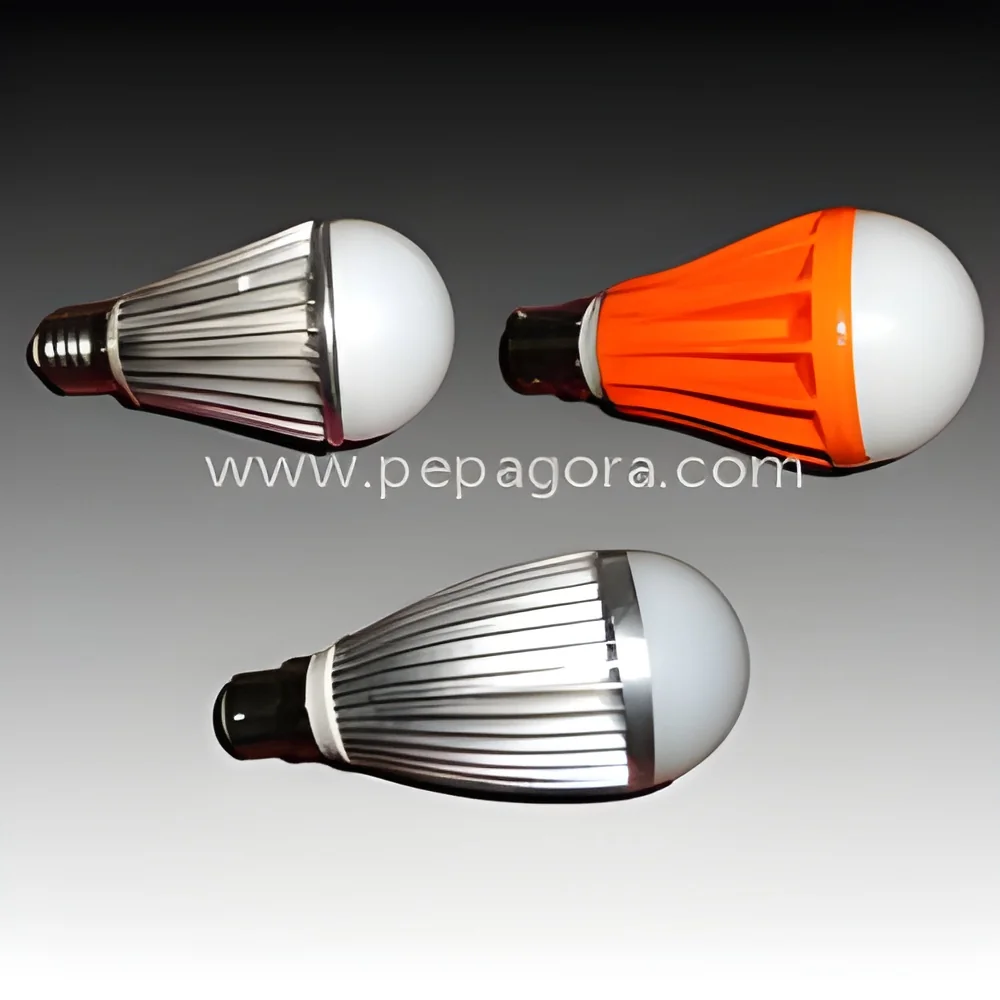
What are LED Bulbs?
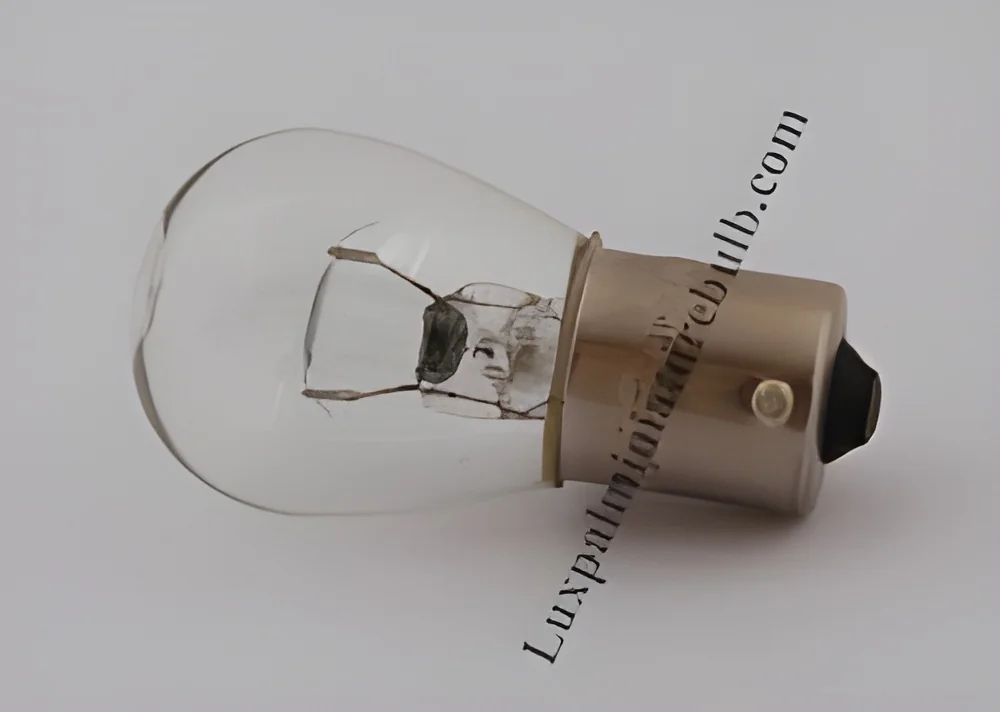
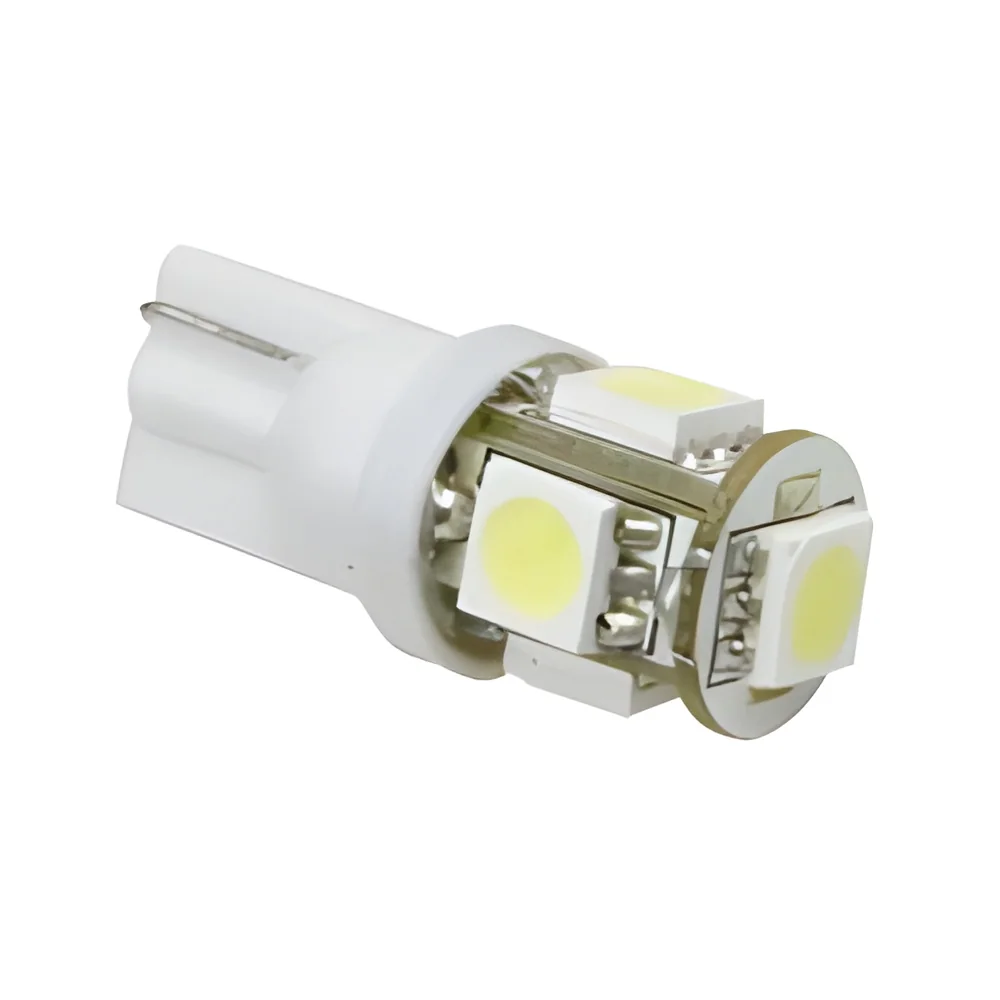
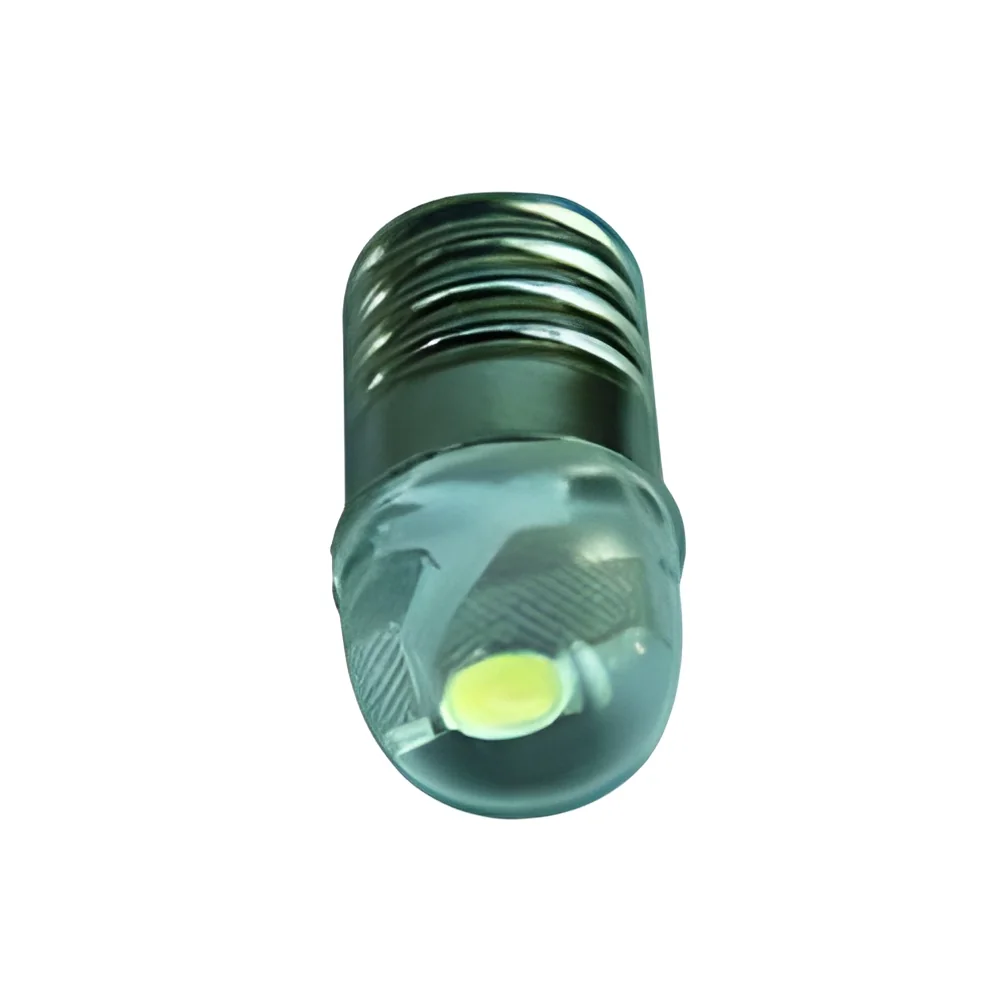
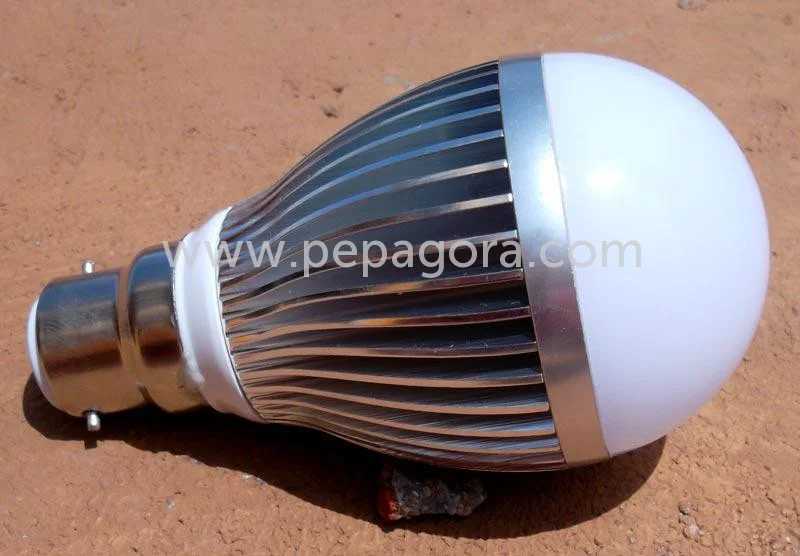
LED bulbs, or light-emitting diode bulbs, are an advanced form of lighting technology that use solid-state electronics to produce light. Unlike traditional incandescent or fluorescent bulbs, LED bulbs convert a larger portion of energy into light rather than heat, making them highly efficient. This technology enables longer lifespans, often exceeding 25,000 hours, and reduces energy consumption significantly. The compact size of LED bulbs also allows for versatile applications in various fixtures and settings.
LED bulbs are widely used across multiple sectors, including commercial, industrial, and residential applications. Businesses utilize LED lighting in offices, warehouses, retail spaces, and outdoor environments for its energy efficiency and quality of light. The shift towards LED technology is driven by both economic benefits and environmental considerations, as companies seek sustainable solutions to reduce their carbon footprint. The growing market for LED bulbs reflects their increasing relevance in energy-efficient practices and smart lighting solutions.
Key Features and Specifications
LED bulbs come with several key features that enhance their performance and usability. Understanding these specifications is crucial for making informed purchasing decisions.
Key specifications include:
1. Luminous Efficacy
- Measures how much light is produced per watt of electricity consumed.
- Typically ranges from 80 to 120 lumens per watt.
2. Color Temperature
- Indicates the color appearance of the light emitted.
- Available in warm white (2700K), cool white (4000K), and daylight (5000K-6500K).
3. Lifespan
- Refers to the average operating hours before the bulb fails.
- Generally lasts 15,000 to 50,000 hours, depending on usage.
4. Wattage
- Represents the power consumption of the bulb.
- Common wattages range from 5W to 15W for standard bulbs.
5. Beam Angle
- Describes the spread of light emitted by the bulb.
- Ranges from narrow (less than 30 degrees) to wide (greater than 120 degrees).
6. Dimming Capability
- Indicates whether the bulb can be used with dimmer switches.
- Many LED bulbs are now available with dimming features.
7. Voltage Rating
- Specifies the compatible voltage for operation.
- Common ratings include 120V and 230V depending on the region.
8. Certifications
- Many LED bulbs are certified for safety and performance.
- Common certifications include CE and UL.
In summary, understanding these features and specifications is vital for selecting the right LED bulbs to meet specific business needs and preferences.
Common Applications and Use Cases
LED bulbs are versatile and can be deployed in a variety of settings and industries.
1. Commercial Offices: LED bulbs are used in office spaces for general lighting, ensuring energy savings while providing a comfortable working environment.
2. Retail Stores: In retail, LED lighting enhances product visibility and creates an inviting atmosphere, helping to attract customers.
3. Warehouses: High-bay LED fixtures are effective for illuminating large storage areas, improving safety and operational efficiency.
4. Hospitality: Hotels and restaurants utilize LED bulbs for both ambient and accent lighting, contributing to overall guest experience.
5. Healthcare: LED lighting is employed in hospitals and clinics for its clean light and low heat emission, promoting a sterile environment.
6. Outdoor Lighting: Streetlights and parking lot lights benefit from LED technology, providing bright illumination while reducing energy costs.
7. Residential: Many homeowners have adopted LED bulbs for their energy efficiency and longevity, making them a popular choice for home lighting.
Product Variants and Subcategories
LED bulbs come in various forms and designs to cater to different needs and preferences.
A19 LED Bulbs: These are standard household bulbs designed for general lighting. They offer various color temperatures and wattages, making them suitable for most residential fixtures.
PAR LED Bulbs: These bulbs are designed for directional lighting and are often used in track lighting and recessed fixtures. They provide focused illumination and are available in different beam angles.
Candelabra LED Bulbs: Ideal for decorative fixtures, these bulbs mimic the appearance of traditional candle-shaped bulbs while offering energy efficiency.
GU10 LED Bulbs: Commonly used in spotlighting applications, GU10 bulbs fit into specific fixtures, providing bright light for accent lighting in homes and businesses.
Benefits and Advantages
LED bulbs present numerous advantages that make them a preferred choice for businesses and consumers alike.
1. Energy Efficiency: LED bulbs consume significantly less energy than traditional bulbs, leading to lower electricity bills.
2. Long Lifespan: With their extended operational life, LED bulbs reduce the frequency of replacements, saving on maintenance costs.
3. Environmentally Friendly: LED technology is free from harmful substances like mercury, reducing environmental impact.
4. Instant Illumination: Unlike some fluorescent bulbs, LEDs provide full brightness immediately upon being turned on.
5. Low Heat Emission: LED bulbs generate minimal heat, reducing cooling costs in commercial spaces.
6. Versatility: Available in various shapes, sizes, and color temperatures, LED bulbs can fit into almost any lighting application.
Buying Guide for B2B Buyers
When considering the purchase of LED bulbs for business use, several factors should be evaluated to ensure optimal selection.
1. Quality Assessment: Look for high-quality bulbs that meet industry standards and provide reliable performance. Check for certification marks like CE and UL.
2. Supplier Verification: Vet potential suppliers by reviewing their reputation, customer feedback, and product warranties. A reliable supplier should have a proven track record in the market.
3. Pricing and MOQ: Understand the pricing structure and minimum order quantities (MOQ) for bulk purchases. Compare costs among different suppliers to find the best value.
4. Delivery and Lead Times: Inquire about delivery schedules and lead times to ensure timely access to products. This is crucial for maintaining inventory levels.
5. Compliance Requirements: Ensure that the LED bulbs comply with local regulations and safety standards. This helps avoid legal issues and ensures product safety.
Compliance and Certifications
LED bulbs must adhere to various industry standards and certifications to ensure safety and performance. Key quality standards include ISO 9001, which focuses on quality management systems, and other relevant benchmarks that guarantee product reliability.
Certifications such as CE and UL indicate that LED bulbs meet stringent safety and performance criteria. These certifications are crucial for businesses that prioritize safety and compliance in their operations.
Safety and testing requirements are also essential, as they ensure that LED bulbs are free from defects and operate within specified parameters. Businesses should be aware of regional compliance considerations to avoid potential penalties and ensure smooth operations.
Why Source LED Bulbs from Pepagora?
Pepagora provides a trusted platform for sourcing LED bulbs, offering several key advantages to buyers.
Verified Supplier Network: Pepagora connects businesses with a verified network of suppliers, ensuring that buyers can access high-quality products with confidence. Each supplier undergoes strict vetting processes to maintain standards.
Streamlined RFQ Process: The Request for Quotation (RFQ) process on Pepagora is user-friendly and efficient. Buyers can easily request quotes from multiple suppliers, facilitating competitive pricing and better deals.
Trade Assurance and Support: With built-in buyer protection features, Pepagora offers trade assurance, ensuring that transactions are secure and that buyers receive the products they expect.
Regional Coverage: Pepagora has a broad geographic reach, serving markets in India, the GCC, and Southeast Asia. This extensive coverage allows businesses to find local suppliers and reduce shipping times, enhancing overall efficiency.

 IN
IN
 India
India