
 IN
Knitted Scarves
13 products available
What are Knitted Scarves?
Knitted scarves are versatile textile products designed primarily for warmth and style. They are created through the process of knitting, which involves interlocking loops of yarn using needles. The result is a soft and flexible fabric that can be worn around the neck or used as a decorative accessory. Knitted scarves can be made from various materials, including wool, acrylic, cotton, and blends, making them suitable for different climates and fashion preferences.
These scarves are commonly used in both casual and formal settings, providing functionality and aesthetic appeal. In a business context, knitted scarves can be used in promotional events, custom branding for corporate gifts, or as part of a uniform in colder climates. They are also popular in retail, where they can enhance product lines in clothing and accessories, making them a valuable addition for businesses in the fashion industry.
The knitted scarf market is significant within the textile and apparel sectors. With rising consumer demand for fashionable winter accessories, businesses that offer high-quality knitted scarves can capitalize on seasonal trends. The global market for scarves continues to grow, emphasizing the relevance of knitted scarves in both retail and corporate environments.
Key Features and Specifications
Knitted scarves come with a variety of features that make them appealing to consumers and businesses alike. The choice of material, design, and size are critical factors that influence their functionality and style. When evaluating knitted scarves, it is essential to consider specific features that cater to different applications.
Key specifications include:
1. Material Composition
- Common materials include wool, acrylic, and cotton
- Variations in texture and warmth based on the fiber used
2. Dimensions
- Standard lengths range from 60 to 80 inches
- Widths typically vary from 6 to 12 inches
3. Knit Patterns
- Options include ribbed, cable knit, and plain
- Affects both aesthetics and warmth retention
4. Color Options
- Available in a wide range of colors and patterns
- Customization for branding or personal preferences
5. Care Instructions
- Machine washable or hand wash depending on material
- Recommendations for drying and storage
6. Seasonal Design
- Options for summer weights to heavy winter scarves
- Tailored for seasonal marketing strategies
7. Customization Potential
- Capabilities for embroidery or printing logos
- Ideal for promotional campaigns and branding
In summary, understanding these specifications helps businesses select the right knitted scarves for their needs, ensuring quality and customer satisfaction.
Common Applications and Use Cases
Knitted scarves serve various industries, showcasing their diverse applications.
1. Fashion Retail: In the fashion industry, knitted scarves are essential accessories that complement seasonal collections. They enhance outfits and provide additional warmth during colder months.
2. Corporate Gifts: Businesses often use knitted scarves as corporate gifts to promote brand identity. Custom logos can be added, making them memorable gifts that clients and employees appreciate.
3. Sports and Outdoor: Outdoor sports brands utilize knitted scarves for warmth during activities like skiing or hiking. They serve both functional and promotional purposes at events and in retail stores.
4. Hospitality: Hotels and restaurants may provide knitted scarves as part of their winter offerings. These can be used by staff or offered to guests as part of a luxury experience.
5. Education: Schools and universities may incorporate knitted scarves into their uniforms or merchandise, especially in regions with colder climates, fostering community spirit.
6. Nonprofit Organizations: Charities often sell knitted scarves to raise funds. These products can be crafted by volunteers, promoting craftsmanship and community involvement.
7. Online Retail: E-commerce platforms benefit from offering a variety of knitted scarves, catering to diverse customer preferences and seasonal trends.
Product Variants and Subcategories
Knitted scarves come in various styles and designs, catering to different consumer needs and fashion trends.
Chunky Knit Scarves
These scarves feature a thick, oversized knit that provides extra warmth and a trendy look. They are popular for casual wear and are often made from wool or acrylic blends.
Infinity Scarves
Infinity scarves are circular and can be worn in multiple loops around the neck. They are convenient and stylish, appealing to a wide range of age groups.
Lightweight Scarves
Designed for transitional weather, lightweight knitted scarves are ideal for layering. They are often made from cotton or acrylic, making them breathable and versatile.
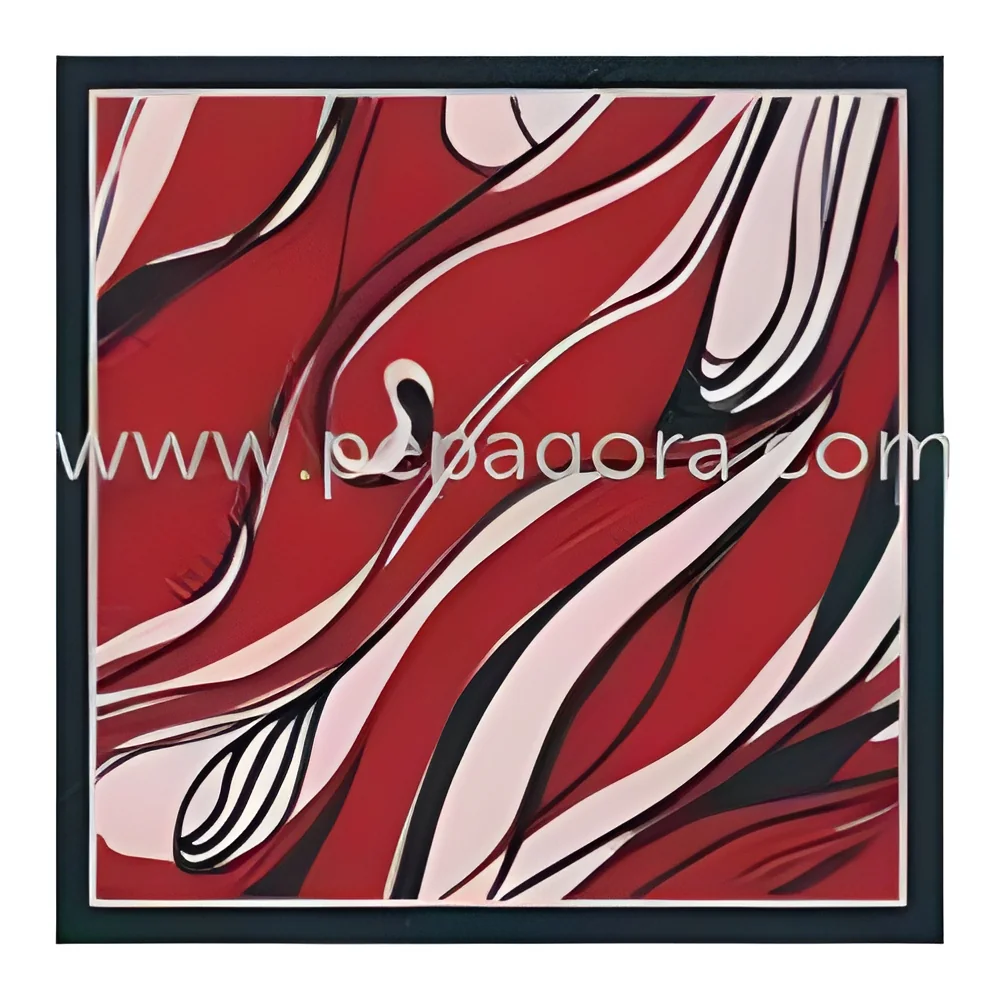
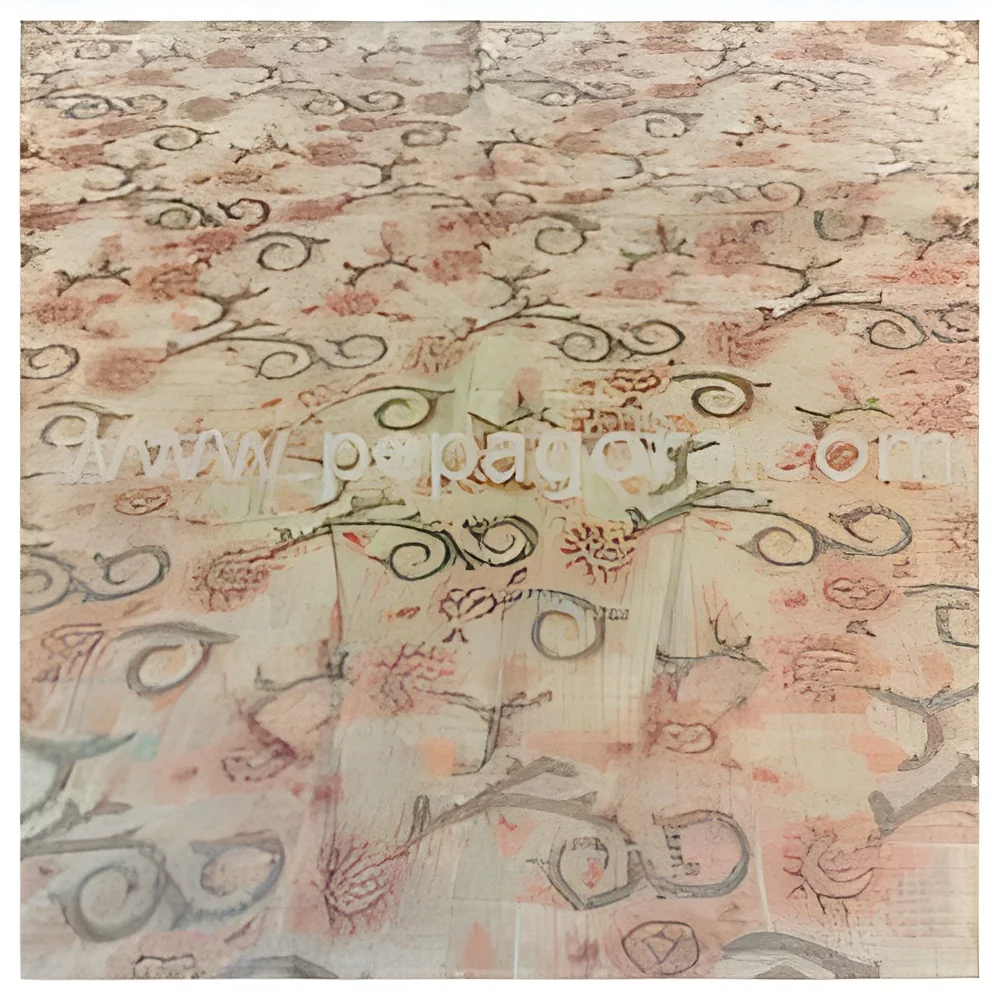
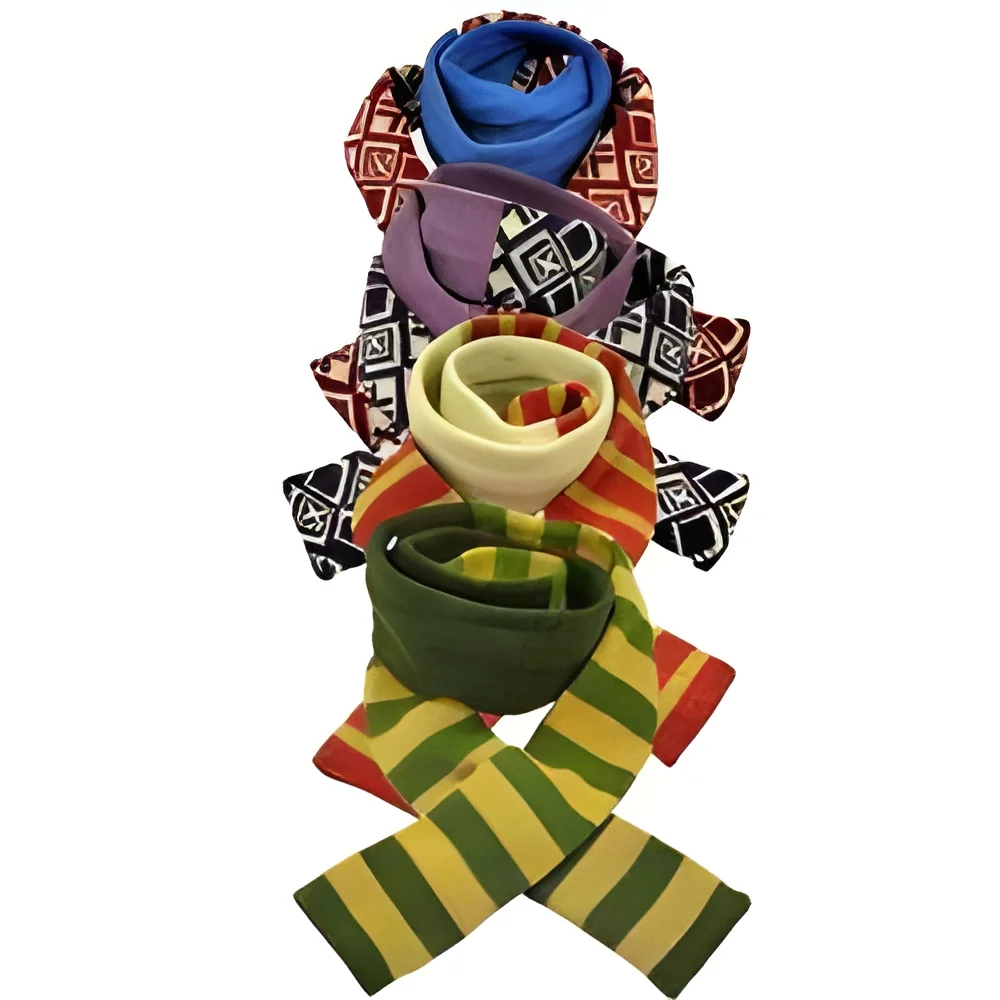
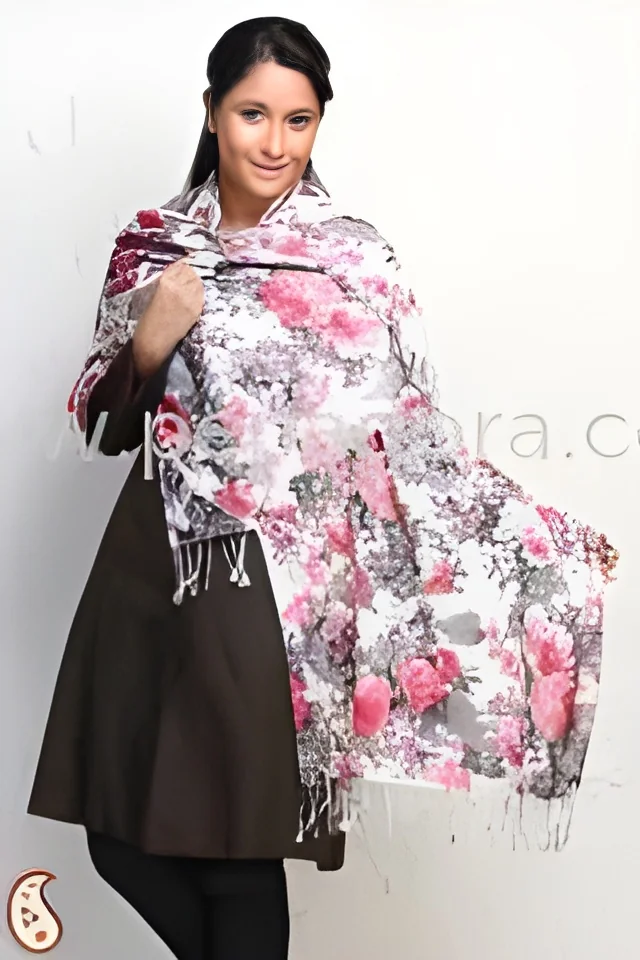
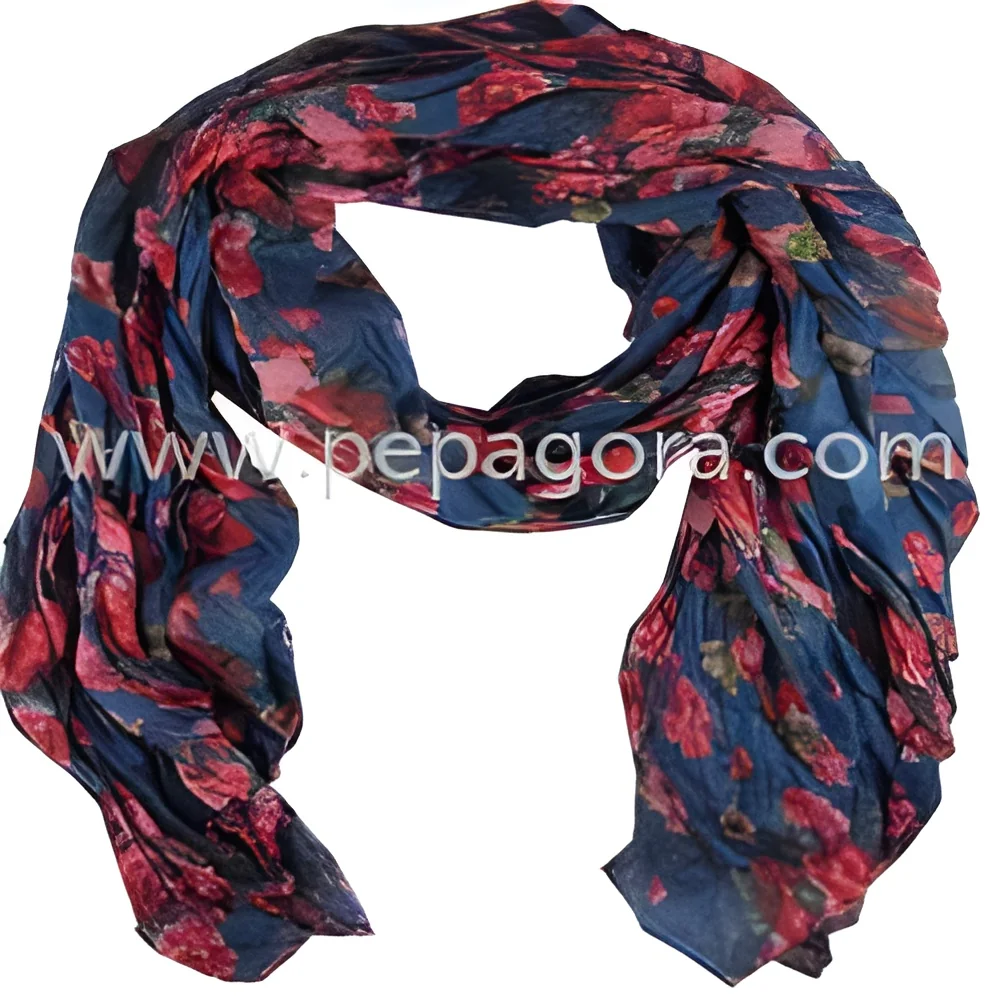
Patterned Scarves
Scarves with unique patterns, such as stripes or floral designs, add a touch of personality to any outfit. These are often targeted at fashion-forward consumers looking for statement pieces.
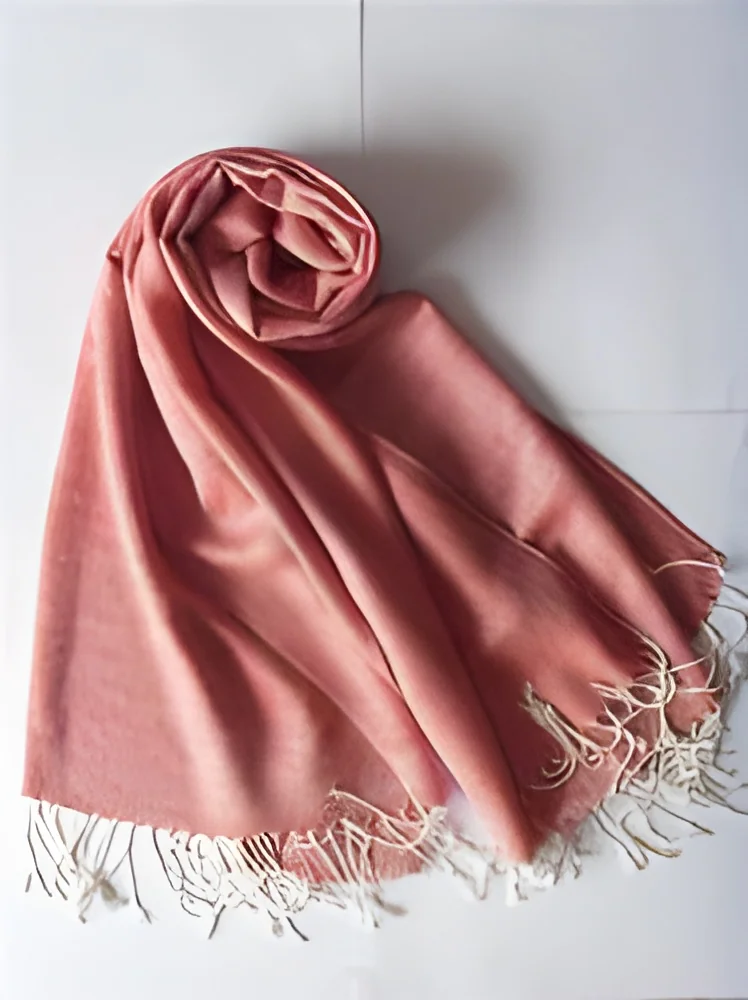
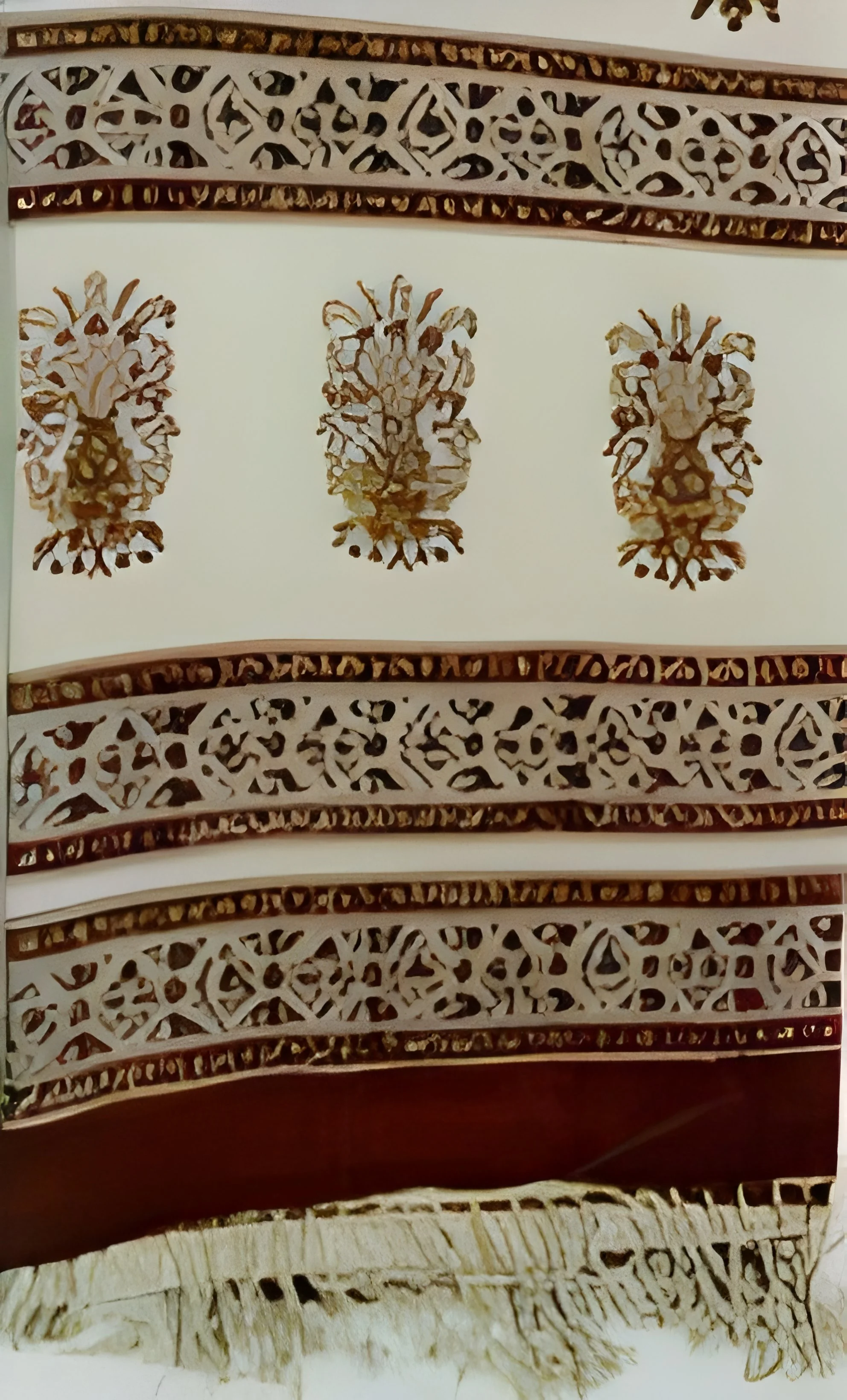
Fringed Scarves
Fringed edges give a playful and trendy appearance to knitted scarves. They are favored by younger demographics and can be made from various materials for different seasons.
Benefits and Advantages
Knitted scarves offer numerous benefits that make them desirable for consumers and businesses alike.
1. Versatility: Knitted scarves can be worn in various styles and settings, making them suitable for both casual and formal occasions.
2. Customization: Businesses can easily customize scarves with logos or designs, enhancing brand visibility and customer engagement.
3. Comfort: Made from soft and flexible materials, knitted scarves provide warmth and comfort during colder months, appealing to consumers in chilly climates.
4. Fashion Appeal: Knitted scarves are trendy accessories that enhance an outfit, allowing businesses to attract fashion-conscious customers.
5. Seasonal Demand: The seasonal nature of knitted scarves creates opportunities for retailers to capitalize on winter sales and promotions.
6. Eco-Friendly Options: With increasing consumer interest in sustainable products, knitted scarves made from organic or recycled materials can attract environmentally conscious buyers.
Buying Guide for B2B Buyers
When sourcing knitted scarves, B2B buyers should consider several key factors to ensure they make informed purchasing decisions.
1. Quality Assessment: Evaluate the quality of materials and craftsmanship to ensure the scarves meet customer expectations. Consider factors such as durability and warmth.
2. Supplier Verification: Vet potential suppliers by checking their reputation, certifications, and past performance. Reliable suppliers are crucial for maintaining quality.
3. Pricing and MOQ: Understand the pricing structure and minimum order quantities (MOQ) from suppliers. Balance cost with quality to ensure a profitable margin.
4. Delivery and Lead Times: Assess the logistics involved in shipping knitted scarves, including lead times. Timely delivery is essential for meeting seasonal demand.
5. Compliance Requirements: Ensure that the scarves meet relevant regulatory and safety standards. Familiarize yourself with any certifications that the products should hold.
Compliance and Certifications
Compliance and certifications are vital aspects of the knitted scarf industry. Various quality standards ensure that products meet safety and performance expectations.
ISO 9001 is a key standard that focuses on quality management systems. It ensures that manufacturers adhere to best practices in production, thereby delivering consistent quality.
Another important certification is CE marking, which indicates that products comply with European health, safety, and environmental protection standards. This is particularly important for companies looking to enter European markets.
Safety and testing requirements are also crucial. Manufacturers should conduct tests to ensure that materials are free from harmful substances and suitable for use.
Regional compliance considerations may vary. Buyers should research local regulations regarding textiles to ensure that the knitted scarves meet all necessary legal requirements.
Why Source Knitted Scarves from Pepagora?
Pepagora provides a trusted platform for sourcing knitted scarves with several key advantages that enhance the purchasing experience.
Verified Supplier Network: Pepagora features a robust network of verified suppliers who have undergone thorough checks. This ensures that buyers can trust the quality and reliability of the products they receive.
Streamlined RFQ Process: The Request for Quotation (RFQ) system simplifies the procurement process. Buyers can easily communicate their needs and receive multiple quotes, allowing for informed decision-making.
Trade Assurance and Support: Pepagora offers trade assurance, providing protection to buyers throughout the transaction process. This support fosters confidence in purchasing knitted scarves.
Regional Coverage: With a strong presence in India, the GCC, and Southeast Asia, Pepagora’s geographic reach allows businesses to source knitted scarves from reliable suppliers tailored to their regional needs.
In summary, Pepagora is an ideal platform for businesses seeking quality knitted scarves, ensuring a smooth and secure sourcing experience.

 India
 India
Frequently Asked Questions
What are Knitted Scarves?
Knitted scarves are textile accessories made from yarn using various knitting techniques. They are designed to provide warmth and style, often worn around the neck during cold weather.
What are the different types of Knitted Scarves?
There are several types of knitted scarves, including infinity scarves, chunky scarves, and long scarves. Each type differs in style, thickness, and length, catering to different fashion preferences and warmth needs.
How do I choose the right Knitted Scarves?
When choosing knitted scarves, consider factors such as material, thickness, and design. It is also important to think about the intended use, whether for warmth or fashion, to ensure you select a suitable option.
What are the standard specifications for Knitted Scarves?
Standard specifications for knitted scarves typically include dimensions, material composition, and knitting technique. Common materials include wool, acrylic, and blends, with typical lengths ranging from 60 to 80 inches and widths from 6 to 12 inches.
What is the price range for Knitted Scarves?
The price range for knitted scarves can vary widely based on material, design, and craftsmanship. Generally, they can range from INR 200 to INR 2000 or more per piece, depending on these factors.
What quality standards apply to Knitted Scarves?
Quality standards for knitted scarves may include durability, colorfastness, and softness. Manufacturers often adhere to industry norms to ensure that the scarves are comfortable and long-lasting.
Where can I find Knitted Scarves suppliers in India?
You can find knitted scarves suppliers in India through B2B marketplaces like Pepagora, trade shows, and industry directories. It is advisable to review supplier credentials and product offerings before making a purchase.
Can Knitted Scarves be customized?
Yes, knitted scarves can be customized in terms of size, color, and design. Many manufacturers offer customization options to meet specific customer preferences and branding requirements.
What is the typical minimum order quantity for Knitted Scarves?
The typical minimum order quantity (MOQ) for knitted scarves can vary by supplier but usually ranges from 50 to 100 pieces. It is recommended to check with specific manufacturers for their MOQ policies.
What is the typical lead time for Knitted Scarves?
The typical lead time for knitted scarves can range from 2 to 6 weeks, depending on the supplier and order size. Factors such as customization and shipping distance may also affect the overall delivery time.
Why Businesses Trust Pepagora
Thousands of companies trust Pepagora to source smarter and sell faster
Expand Your Sales Globally

Source Smarter,Grow Faster
