
 IN
Insulation Resistance Testers
7 products available
What are Insulation Resistance Testers?
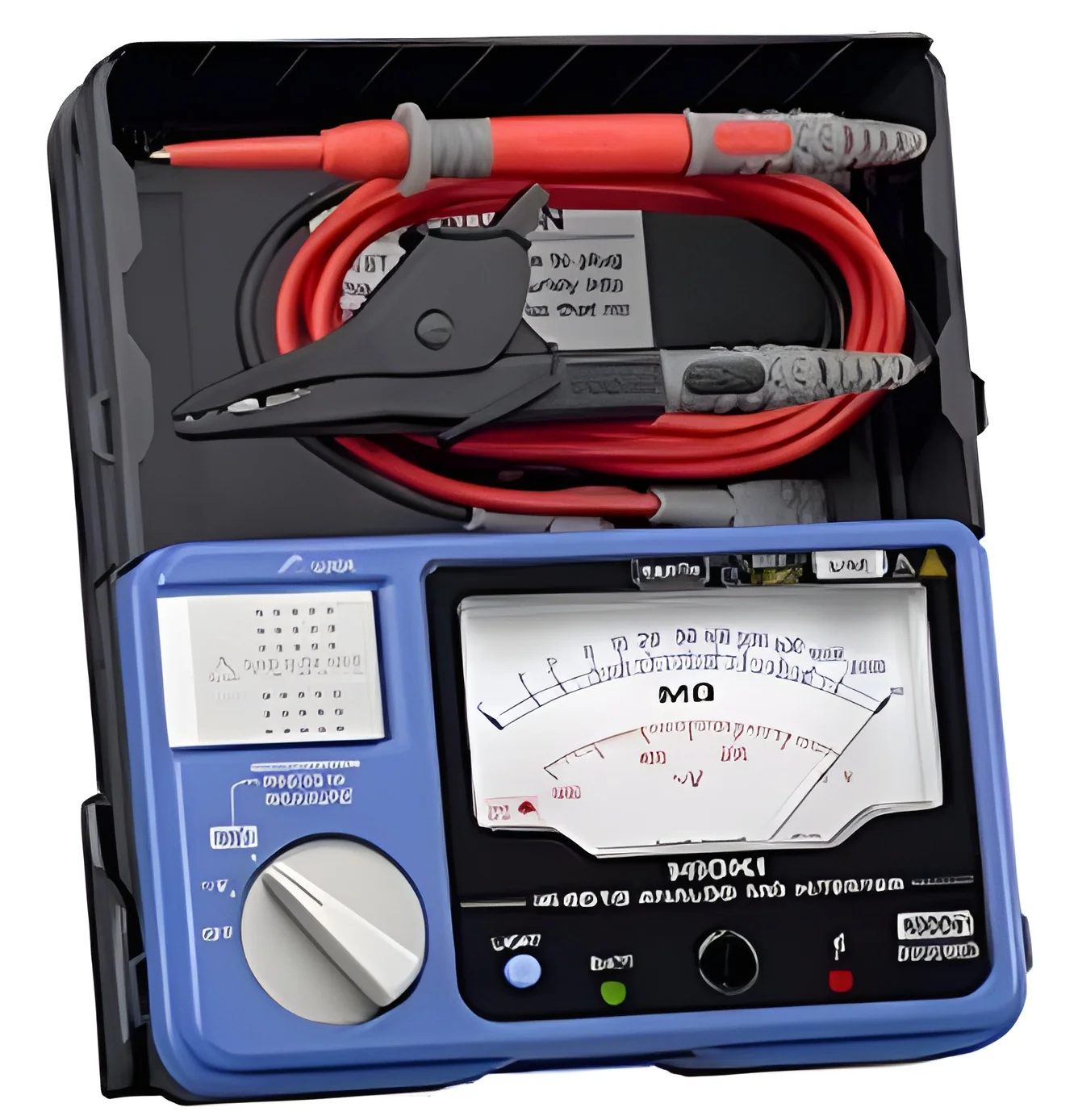
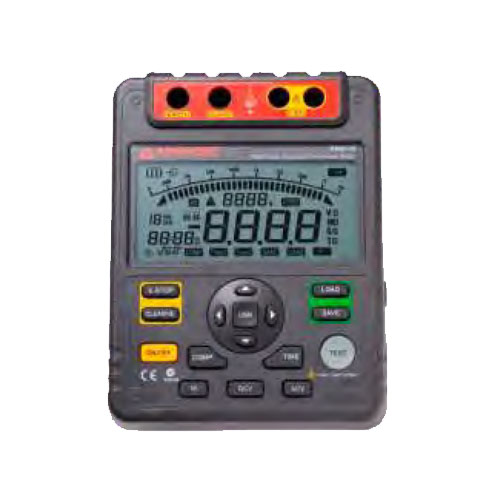
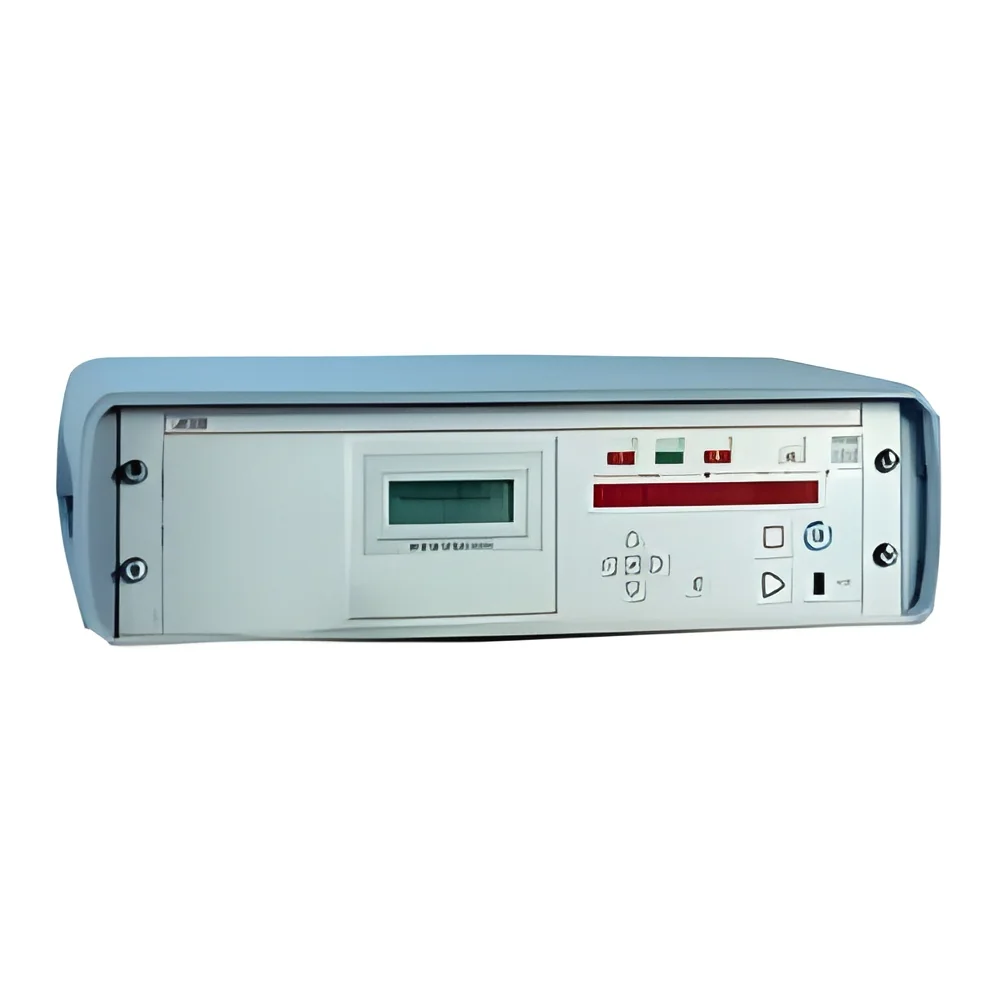
Insulation Resistance Testers are specialized devices used to measure the resistance of electrical insulation in various components and systems. These testers apply a specific voltage to the insulation and measure how much current leaks through it. The result indicates the quality of the insulation and its ability to prevent electrical leakage, which is crucial for safety and efficiency in electrical systems.
These testers are primarily used in industries where electrical equipment and installations are prevalent. This includes sectors such as manufacturing, construction, and utilities where consistent performance of electrical systems is essential. By ensuring that insulation is intact and effective, businesses can prevent equipment failure, reduce maintenance costs, and enhance safety.
In the current market, the relevance of insulation resistance testing has grown due to increasing regulatory requirements for electrical installations and maintenance. Companies are now more focused on preventive maintenance strategies, making insulation resistance testing a critical component in their operational protocols.
Key Features and Specifications
Insulation Resistance Testers come equipped with various features and specifications that enhance their usability and effectiveness. These specifications ensure that the testers provide accurate measurements and are suitable for different applications.
Key specifications include:
1. Voltage Range
- Typically ranges from 50V to 1000V.
- Allows testing of various insulation materials and voltages.
2. Measurement Range
- Resistance measurement usually from 1 MΩ to 10 GΩ.
- Enables detection of insulation degradation at different levels.
3. Test Modes
- Multiple testing modes such as automatic and manual.
- Provides flexibility for different testing scenarios.
4. Battery Life
- Long battery life, often exceeding 1000 tests on a single charge.
- Ensures reliability during fieldwork.
5. Display Type
- Digital displays with backlighting for visibility.
- Shows clear reading of resistance values.
6. Safety Features
- Built-in protection against overvoltage and short-circuiting.
- Enhances user safety during testing.
7. Data Logging
- Some models offer data logging capabilities.
- Allows for tracking test results over time.
8. Size and Portability
- Compact and lightweight designs.
- Facilitates easy transport to different job sites.
With these features, Insulation Resistance Testers cater to a wide range of industrial applications while ensuring safety and reliability.
Common Applications and Use Cases
Insulation Resistance Testers find application in various industries, ensuring the safety and efficiency of electrical systems.
1. Electrical Utilities: In this sector, testers are used to verify the integrity of insulation in power generation and distribution equipment. Regular testing helps prevent outages and equipment failures.
2. Manufacturing: Factories utilize insulation testers to maintain machinery and prevent electrical faults. Regular checks ensure that equipment operates safely and efficiently.
3. Construction: Insulation testing is crucial during the installation of electrical systems in new buildings. It confirms that all installations meet safety standards before they go live.
4. Transportation: In the automotive and aviation sectors, insulation testers are used to check wiring and electronic components, ensuring safety and reliability.
5. Data Centers: These facilities rely on insulation resistance testing to prevent electrical failures that could lead to data loss. Regular testing ensures continuous operation.
6. Renewable Energy: In solar and wind energy installations, insulation testers are critical for maintaining system integrity and performance.
7. Marine and Offshore: Insulation testing in marine applications helps to ensure the safety of electrical systems in challenging environments.
Product Variants and Subcategories
Insulation Resistance Testers come in various models, designed to meet specific user needs.
Standard Insulation Resistance Tester
This model is ideal for general-purpose use, featuring essential functions for measuring insulation resistance. It is compact, easy to use, and suitable for most industrial applications.
Advanced Insulation Resistance Tester
This variant includes advanced features such as data logging and connectivity options. It is suited for professionals who require detailed analysis and record-keeping.
Portable Insulation Resistance Tester
Designed for fieldwork, this model is lightweight and battery-operated. It provides essential testing capabilities, making it ideal for technicians working in remote locations.
Benefits and Advantages
Insulation Resistance Testers offer numerous benefits that enhance operational efficiency and safety.
1. Enhanced Safety: Regular testing helps identify potential insulation failures, reducing the risk of electrical accidents.
2. Cost Savings: By preventing equipment failures, businesses can save on repair costs and minimize downtime.
3. Compliance Assurance: Using these testers helps companies meet industry regulations and standards, avoiding potential fines.
4. Improved Reliability: Regular insulation testing leads to more reliable electrical systems, ensuring continuous operation.
5. Easy to Use: Most models are user-friendly, allowing technicians to perform tests quickly and efficiently.
6. Versatility: Insulation Resistance Testers can be used across various industries and applications, making them a valuable tool for many businesses.
Buying Guide for B2B Buyers
When sourcing Insulation Resistance Testers, there are several key factors to consider to ensure the right choice for your business needs.
1. Quality Assessment: Look for testers that meet recognized quality standards. High-quality devices will provide accurate measurements and last longer.
2. Supplier Verification: Vet suppliers carefully. Ensure they have a good reputation and provide reliable products.
3. Pricing and MOQ: Consider the cost of the testers and the minimum order quantity. Evaluate if the pricing aligns with your budget while ensuring quality.
4. Delivery and Lead Times: Understand the logistics involved. Check delivery times and ensure that they fit within your project timelines.
5. Compliance Requirements: Know the regulatory standards applicable to your industry. Ensure the testers you purchase meet these requirements for safety and performance.
Compliance and Certifications
Insulation Resistance Testers must adhere to various quality standards and certifications to ensure their reliability and safety.
Relevant quality standards include ISO 9001, which focuses on quality management systems, ensuring that manufacturers produce consistent and reliable products.
Many testers are certified by recognized organizations such as UL and CE, which indicates compliance with safety and performance standards. This certification is crucial for ensuring that the devices meet industry regulations.
Safety and testing requirements are fundamental to the operation of these testers. They must undergo rigorous testing to ensure they function correctly and safely in various environments.
Additionally, regional compliance considerations may apply depending on where the testers will be used. Buyers should confirm that their chosen models meet local regulations to avoid legal issues.
Why Source Insulation Resistance Testers from Pepagora?
Pepagora provides a trusted platform for sourcing Insulation Resistance Testers, offering several key advantages to B2B buyers.
Verified Supplier Network: Pepagora connects buyers with a network of verified suppliers. Each supplier undergoes a rigorous vetting process, ensuring quality and reliability in the products offered.
Streamlined RFQ Process: The platform features an efficient Request for Quotation (RFQ) system, allowing buyers to easily request quotes from multiple suppliers. This saves time and enhances the purchasing process.
Trade Assurance and Support: Pepagora offers trade assurance to protect buyers throughout their purchasing journey. This includes support for resolving disputes and ensuring satisfactory transactions.
Regional Coverage: With a broad geographic reach, including India, the Gulf Cooperation Council (GCC), and Southeast Asia, Pepagora ensures that buyers can find suitable suppliers in their region, simplifying logistics and communication.
By leveraging the advantages provided by Pepagora, businesses can confidently source Insulation Resistance Testers that meet their specific requirements.


 India

 India
 India
 India
 India
Frequently Asked Questions
What are Insulation Resistance Testers?
Insulation Resistance Testers are specialized electrical testing instruments used to measure the insulation resistance of electrical equipment. They ensure that the insulation of conductors and electrical systems is intact and functioning properly, which is crucial for safety and performance.
What are the different types of Insulation Resistance Testers?
There are several types of Insulation Resistance Testers, including analog testers, digital testers, and microprocessor-based testers. Each type varies in features, measurement range, and accuracy, catering to different testing needs and environments.
How do I choose the right Insulation Resistance Testers?
Choosing the right Insulation Resistance Tester involves considering factors such as the measurement range, accuracy, and the specific application requirements. Additionally, evaluating features like data logging, portability, and user interface can help in selecting the most suitable tester.
What are the standard specifications for Insulation Resistance Testers?
Standard specifications for Insulation Resistance Testers typically include measurement ranges (e.g., 0.1 MΩ to 10 GΩ), test voltages (e.g., 250V, 500V, 1000V), and accuracy ratings. Other specifications may include response time, temperature range, and safety ratings.
What is the price range for Insulation Resistance Testers?
The price range for Insulation Resistance Testers can vary significantly based on the brand, features, and specifications. Generally, prices can range from a few thousand to several tens of thousands of Indian Rupees.
What quality standards apply to Insulation Resistance Testers?
Insulation Resistance Testers are subject to various quality standards, including IEC 61010 for safety and performance. Compliance with ISO certifications may also be relevant, depending on the manufacturer and the intended application.
Where can I find Insulation Resistance Testers suppliers in India?
You can find Insulation Resistance Testers suppliers in India through online B2B marketplaces like Pepagora.com, industry trade shows, and local distributors. Researching manufacturers and reading reviews can also help identify reliable suppliers.
Can Insulation Resistance Testers be customized?
Yes, some manufacturers offer customization options for Insulation Resistance Testers to meet specific client requirements. Customizations may include tailored measurement ranges, additional features, or specific labeling.
What is the typical minimum order quantity for Insulation Resistance Testers?
The typical minimum order quantity (MOQ) for Insulation Resistance Testers varies by manufacturer and supplier. Generally, MOQs can range from 1 to 50 units, depending on the customization and pricing agreements.
What is the typical lead time for Insulation Resistance Testers?
The typical lead time for Insulation Resistance Testers can vary based on the supplier and the order specifications. Generally, lead times can range from a few days to several weeks, especially if customization is involved.
Why Businesses Trust Pepagora
Thousands of companies trust Pepagora to source smarter and sell faster
Expand Your Sales Globally

Source Smarter,Grow Faster
