
 IN
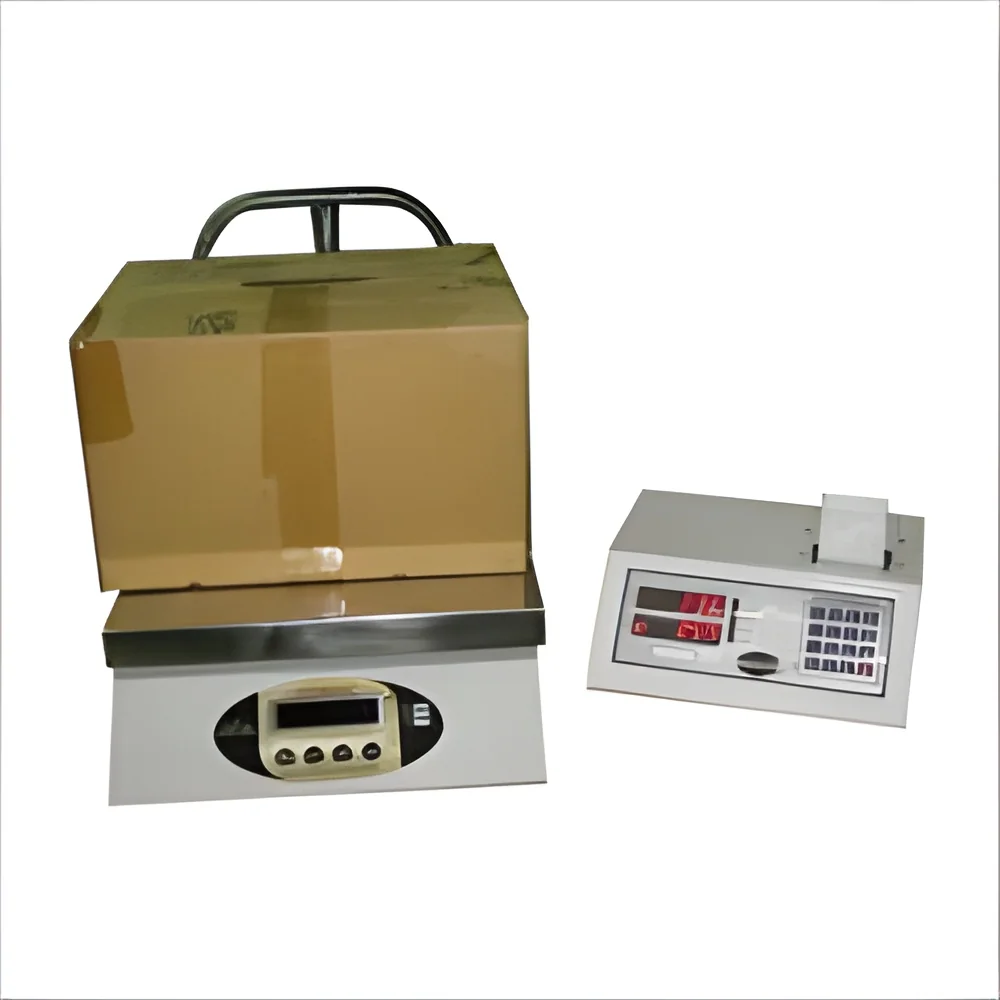
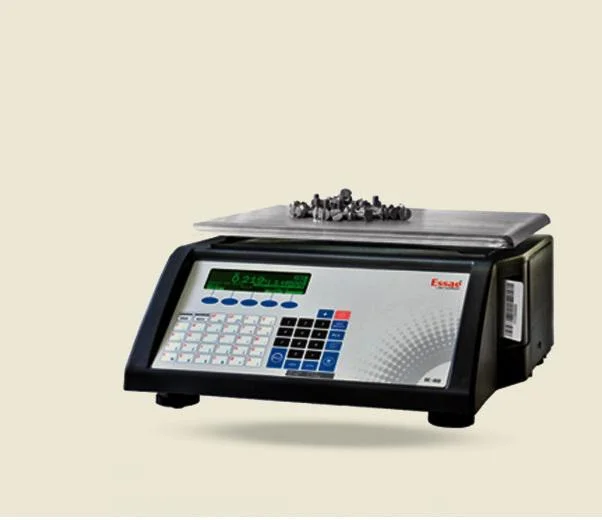
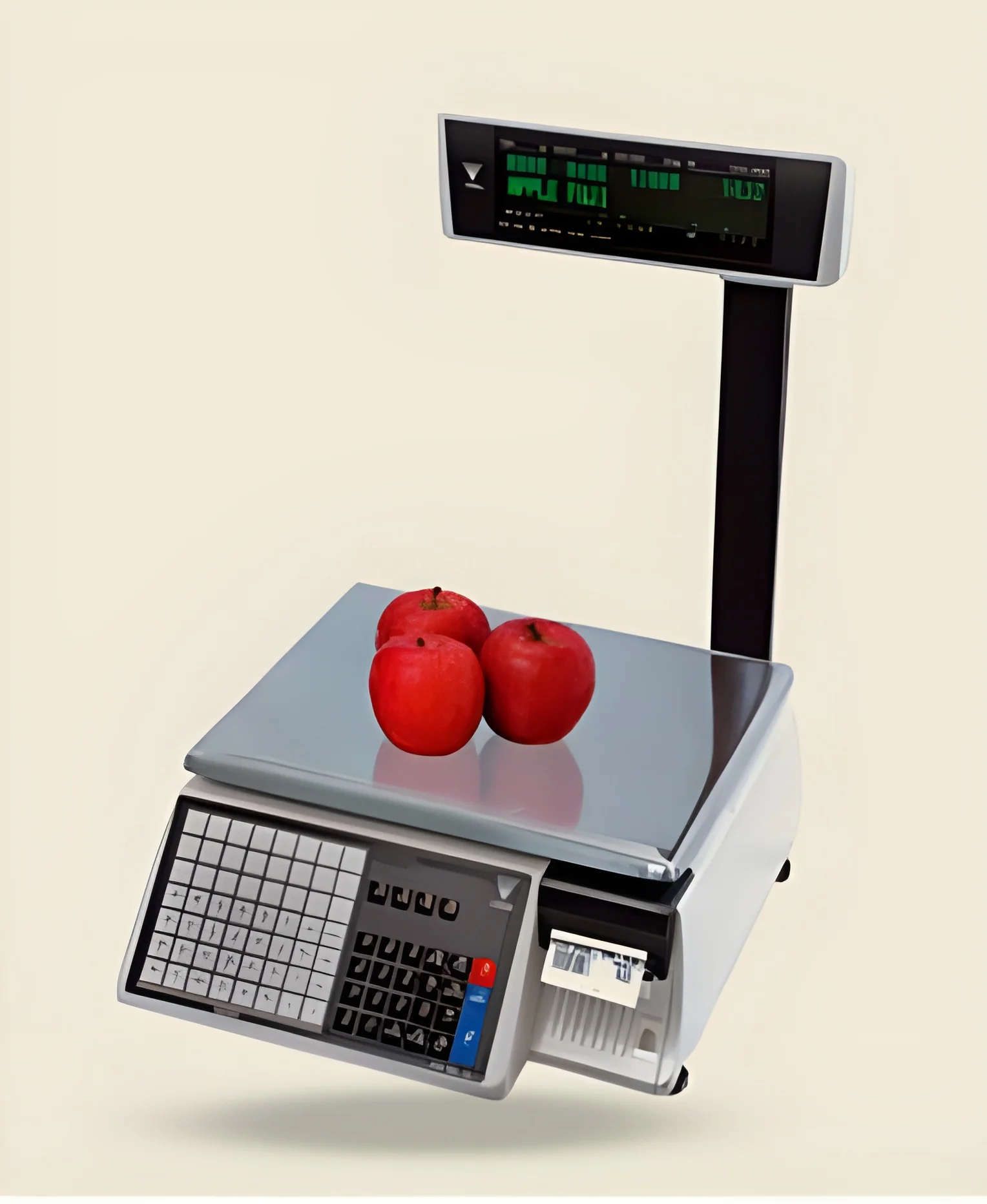
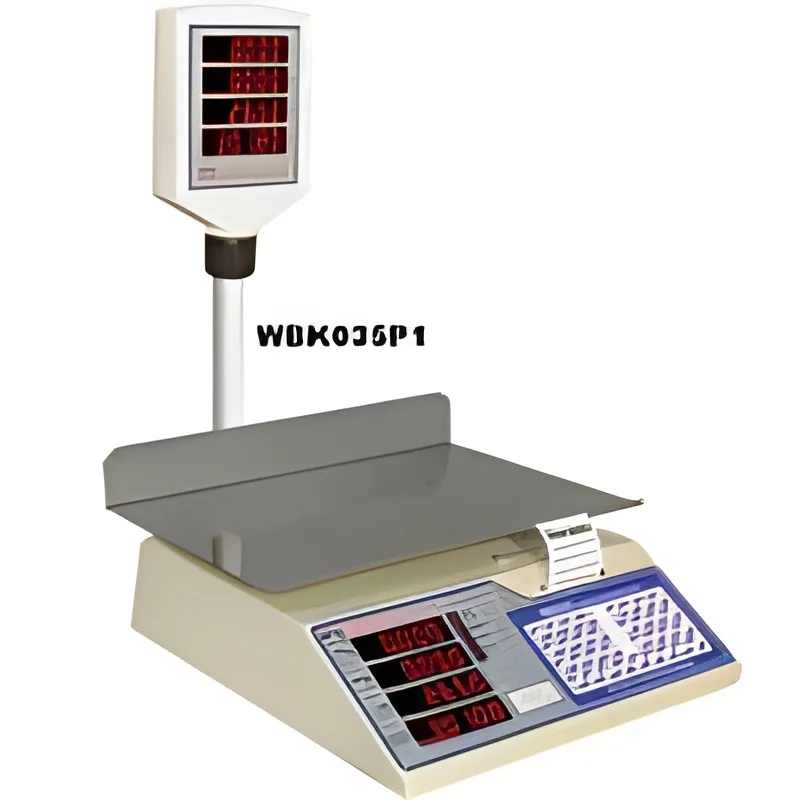
Industrial Label Printers
10 products available
What are Industrial Label Printers?
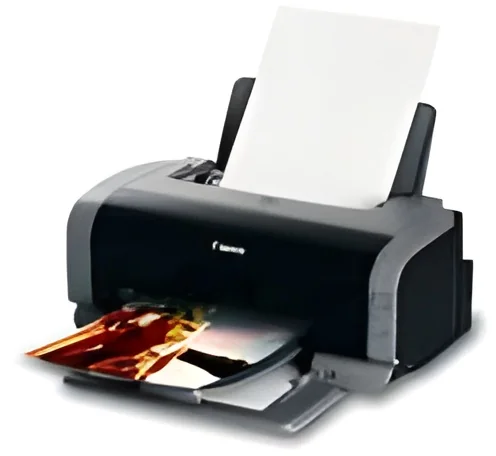
Industrial label printers are specialized devices designed to produce high-quality labels suitable for various industrial applications. These printers are engineered to handle large volumes of printing, ensuring durability and efficiency in demanding environments. They typically utilize advanced printing technologies such as thermal transfer and direct thermal printing, which allow for the creation of labels that can withstand harsh conditions.
The primary uses of industrial label printers include asset tracking, product labeling, and compliance marking in manufacturing, warehousing, and distribution sectors. Businesses rely on these printers to streamline operations and enhance productivity. With the growth of e-commerce and supply chain management, the need for reliable labeling solutions has significantly increased, making industrial label printers integral to many industries.
In today's market, industrial label printers are crucial for maintaining organizational efficiency and regulatory compliance. As industries evolve, the demand for versatile, high-performance labeling solutions continues to grow, positioning these printers as essential tools within manufacturing and logistics operations.
Key Features and Specifications
Industrial label printers come equipped with various features that enhance their functionality and usability. These specifications help businesses choose the right printer for their needs.
Key specifications include:
1. Print Speed
- The print speed typically ranges from 4 inches per second to 14 inches per second, depending on the model and application.
2. Print Resolution
- Print resolutions can vary from 203 dpi to 600 dpi, providing options for different labeling requirements.
3. Media Compatibility
- These printers can accommodate a wide range of media types, including labels, tags, and wristbands, with widths ranging from 0.5 inches to 8 inches.
4. Connectivity Options
- Common connectivity options include USB, Ethernet, and wireless capabilities, allowing for flexible integration into existing systems.
5. Durability
- Designed for industrial environments, these printers are often built with rugged materials to withstand harsh conditions.
6. User Interface
- Many printers feature intuitive touch screens or user-friendly interfaces for easy operation and management.
7. Software Compatibility
- Compatibility with popular labeling software enables seamless integration and easy label design.
8. Warranty and Support
- Most manufacturers offer warranties ranging from one to three years, along with technical support options.
In summary, industrial label printers feature a variety of specifications that cater to different business needs, ensuring efficient and reliable labeling solutions.
Common Applications and Use Cases
Industrial label printers find applications across numerous industries, providing tailored solutions to specific labeling needs.
1. Manufacturing: In manufacturing, these printers are used for product labeling, inventory management, and compliance markings. They help streamline operations and ensure compliance with regulations.
2. Warehousing: In warehouse settings, industrial label printers are essential for labeling shelves, pallets, and products. They enhance inventory accuracy and facilitate efficient logistics.
3. Retail: Retail environments utilize these printers for price labeling and promotional tags. Quick and clear labeling helps improve customer experience and operational efficiency.
4. Healthcare: In healthcare, these printers are used for patient wristbands, medication labels, and equipment tagging. Accurate labeling is crucial for patient safety and regulatory compliance.
5. Food and Beverage: The food and beverage industry relies on industrial label printers for product labeling, nutritional information, and compliance with food safety regulations.
6. Electronics: In electronics manufacturing, these printers are used for labeling components and products. They ensure proper identification and traceability in production lines.
7. Transportation: The transportation sector employs these printers for shipping labels and tracking purposes, enhancing logistics and delivery efficiency.
Product Variants and Subcategories
Industrial label printers come in various types and models to suit different operational needs.
Thermal Transfer Printers: These printers use a thermal transfer ribbon to produce durable labels that can withstand extreme conditions. They are ideal for applications requiring long-lasting labels.
Direct Thermal Printers: Utilizing heat-sensitive media, these printers create sharp images without the need for ribbons. They are suitable for short-term labeling tasks and high-volume printing.
Portable Label Printers: Designed for on-the-go applications, these compact printers offer convenience and flexibility. They are ideal for fieldwork and remote labeling needs.
Desktop Label Printers: These printers are meant for lower volume printing and are typically used in office environments. They provide quality printing in a compact design.
Benefits and Advantages
Industrial label printers offer several benefits that enhance operational efficiency and labeling accuracy.
1. High Durability: These printers are built to withstand harsh environments, ensuring longevity and reliability in industrial settings.
2. Cost-Effective Solutions: By providing high-volume printing capabilities, industrial label printers reduce labor costs and improve productivity.
3. Customization Options: Businesses can create customized labels that meet specific requirements, enhancing brand visibility and compliance.
4. Improved Efficiency: With fast print speeds and easy integration into existing systems, these printers streamline label production processes.
5. Enhanced Accuracy: High-resolution printing ensures clear and accurate labels, reducing errors and improving operational efficiency.
6. Versatile Applications: These printers can handle various media types and sizes, making them suitable for a wide range of industries and applications.
Buying Guide for B2B Buyers
When sourcing industrial label printers, it is essential to consider various factors to ensure the right choice for business needs.
1. Quality Assessment: Evaluate the print quality and durability of labels produced by the printer. Look for models that meet industry standards for quality and performance.
2. Supplier Verification: Vet suppliers carefully to ensure they are reputable and provide reliable products. Check reviews and certifications to confirm their reliability.
3. Pricing and MOQ: Compare prices from different suppliers and inquire about minimum order quantities. Ensure that the pricing structure aligns with your budget and requirements.
4. Delivery and Lead Times: Confirm delivery options and lead times to ensure timely acquisition of printers. Consider logistics and potential delays in the supply chain.
5. Compliance Requirements: Understand any industry-specific compliance requirements that may affect labeling. Ensure that the printers meet these standards.
Compliance and Certifications
Industrial label printers must adhere to certain quality standards and certifications to ensure safety and reliability. Relevant standards include ISO 9001, which focuses on quality management systems, and HACCP, which is crucial for food safety management.
Additionally, industry certifications such as CE indicate compliance with European health, safety, and environmental protection standards. These certifications ensure that the products meet specific safety and performance criteria.
Safety and testing requirements are also critical, with manufacturers often subjected to rigorous testing to guarantee their printers operate safely and effectively in industrial environments. Regional compliance considerations may also apply, depending on the market in which the printers will be used.
Why Source Industrial Label Printers from Pepagora?
Pepagora provides a trusted platform for sourcing industrial label printers, offering several key advantages to B2B buyers.
Verified Supplier Network: Pepagora connects buyers with a network of verified suppliers, ensuring that businesses can source quality products with confidence. This verification process mitigates risks associated with supplier reliability.
Streamlined RFQ Process: The platform features a user-friendly request for quotation (RFQ) system, enabling buyers to easily obtain quotes from multiple suppliers. This process saves time and simplifies procurement.
Trade Assurance and Support: Pepagora offers trade assurance services to protect buyers throughout the sourcing process. This includes support for resolving any potential disputes, ensuring a safer purchasing experience.
Regional Coverage: With a strong presence in India, the GCC, and Southeast Asia, Pepagora provides geographic reach that facilitates efficient sourcing for businesses operating in these regions. This regional focus helps connect buyers with local suppliers, enhancing logistics and delivery times.



 India
 India
 India
 India
Frequently Asked Questions
What are Industrial Label Printers?
Industrial Label Printers are specialized devices designed to produce durable and high-quality labels for various applications in industries such as manufacturing, logistics, and retail. These printers are built to handle large volumes and are often used for labeling products, packaging, and shipping.
What are the different types of Industrial Label Printers?
The different types of Industrial Label Printers include thermal transfer printers, direct thermal printers, and inkjet printers. Each type has its own advantages depending on the application, such as durability, print quality, and speed.
How do I choose the right Industrial Label Printers?
Choosing the right Industrial Label Printer involves considering factors such as print volume, label size, required durability, and specific printing technology. It is also important to assess compatibility with existing systems and the types of labels needed for your applications.
What are the standard specifications for Industrial Label Printers?
Standard specifications for Industrial Label Printers include print resolution, print speed, connectivity options, and media handling capabilities. Additionally, many printers offer features such as LCD displays, barcode printing, and rugged design for industrial environments.
What is the price range for Industrial Label Printers?
The price range for Industrial Label Printers can vary widely, typically ranging from INR 20,000 to over INR 1,00,000 depending on the brand, features, and capabilities. Higher-end models may offer advanced functionalities and better durability suited for industrial use.
What quality standards apply to Industrial Label Printers?
Industrial Label Printers are subject to various quality standards that ensure reliability and performance. Common standards include ISO certifications for quality management and compliance with safety regulations, which may vary by industry.
Where can I find Industrial Label Printers suppliers in India?
You can find Industrial Label Printers suppliers in India through various channels including online B2B marketplaces like Pepagora, trade shows, and industry-specific directories. It's advisable to compare suppliers based on their product offerings and customer reviews.
Can Industrial Label Printers be customized?
Yes, many Industrial Label Printers offer customization options such as specific print sizes, label designs, and software compatibility. Customization may also extend to the type of labels used, including materials and adhesives.
What is the typical minimum order quantity for Industrial Label Printers?
The typical minimum order quantity (MOQ) for Industrial Label Printers can vary by supplier but generally ranges from 1 to 10 units. It's best to check with individual suppliers for their specific MOQ requirements.
What is the typical lead time for Industrial Label Printers?
The typical lead time for Industrial Label Printers can range from a few days to several weeks, depending on the supplier and the availability of the specific model. Custom orders may have longer lead times, so it is advisable to confirm with the supplier.
Why Businesses Trust Pepagora
Thousands of companies trust Pepagora to source smarter and sell faster
Expand Your Sales Globally

Source Smarter,Grow Faster
