What are Herbal Fabric Dyeing Services?
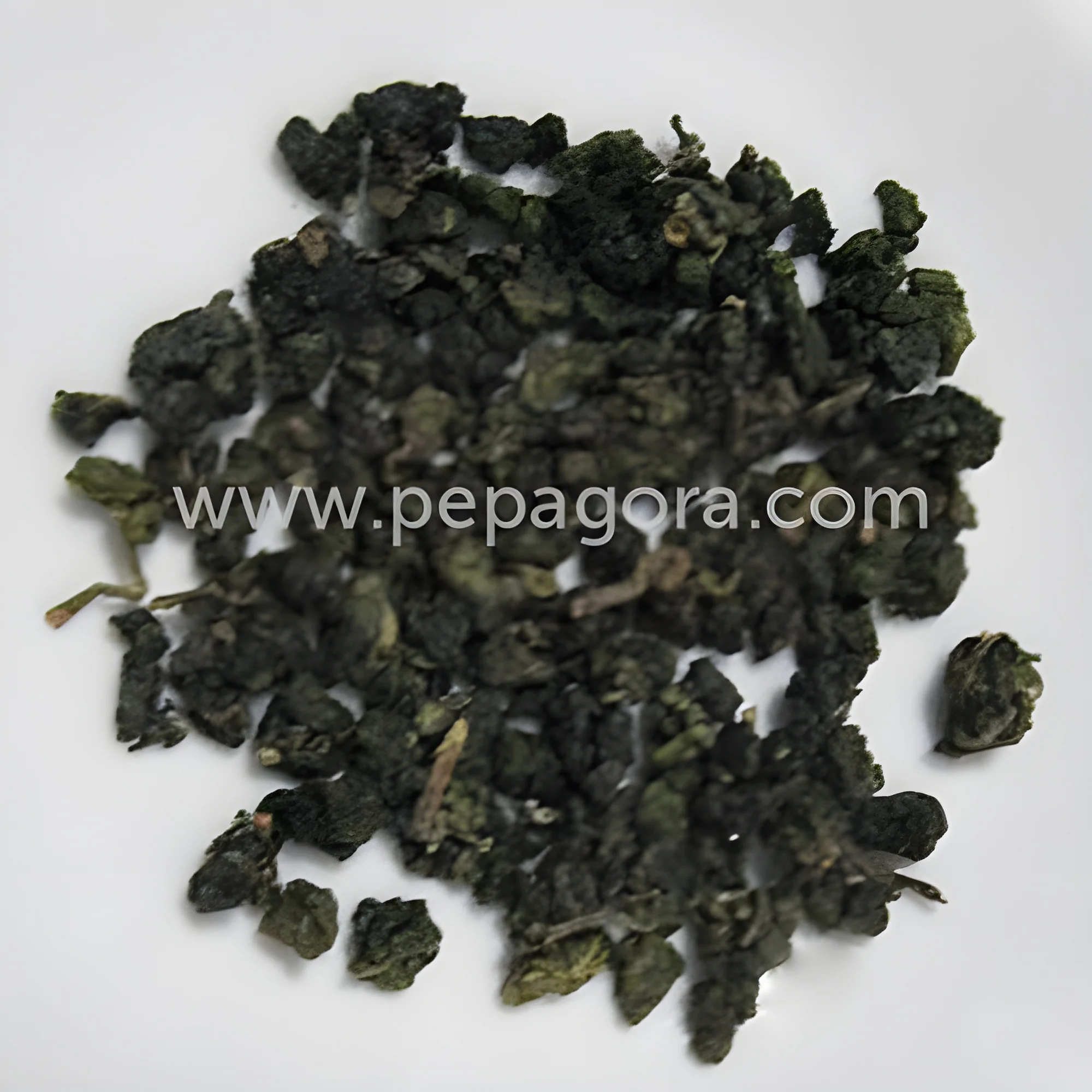
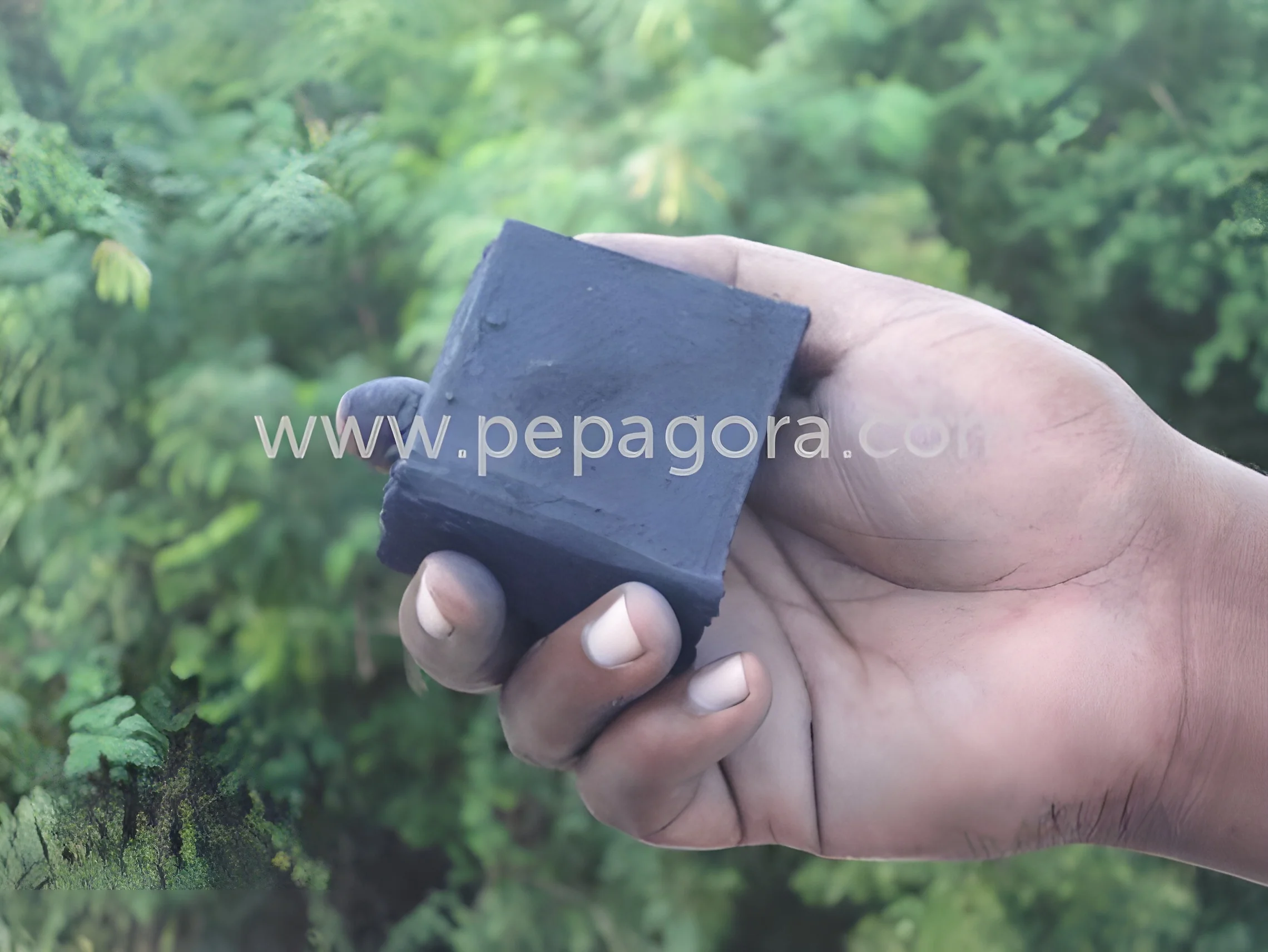
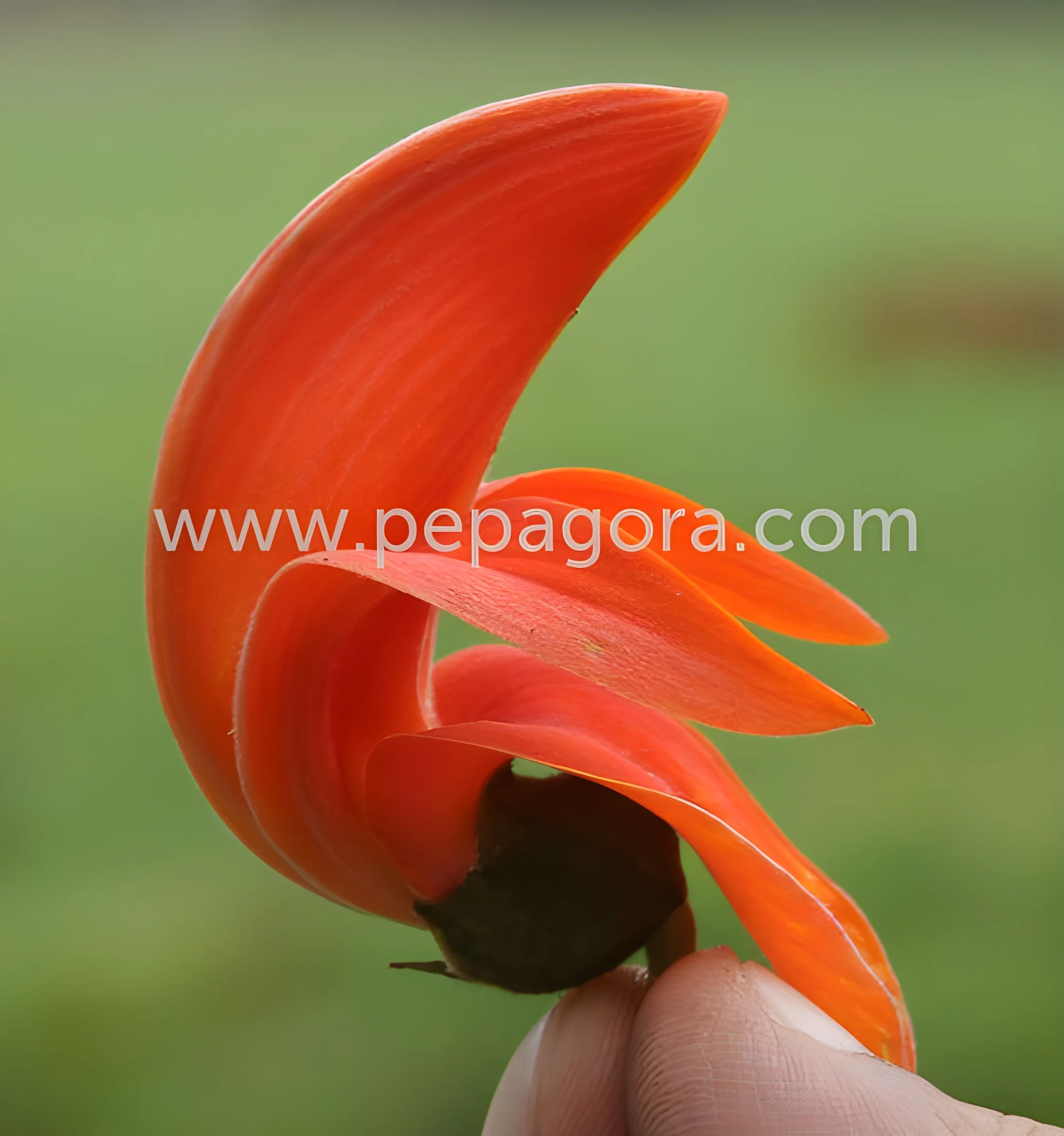
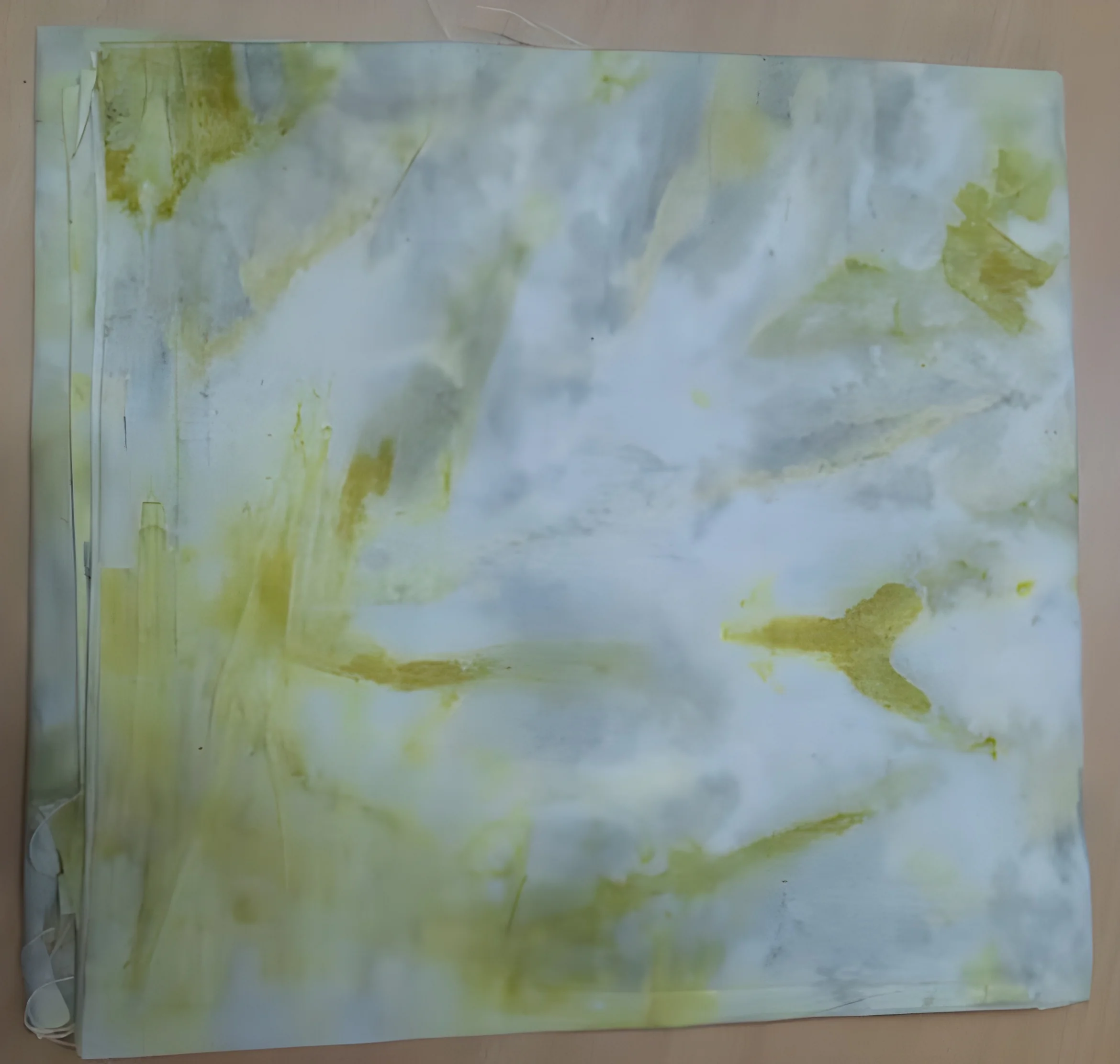
Herbal fabric dyeing services utilize natural plant-based materials to color textiles. This method is environmentally friendly and leverages the properties of various herbs and plants to produce vibrant and diverse colors. The process typically involves extracting pigments from leaves, roots, flowers, or bark and applying these natural dyes to fabrics. Herbal dyeing is considered a sustainable alternative to synthetic dyes, which may contain harmful chemicals.
These services are primarily used in the fashion, home textiles, and upholstery industries, where there is a growing demand for eco-friendly products. Businesses that prioritize sustainability often choose herbal dyeing to align with consumer preferences for organic and naturally sourced materials. This dyeing technique can be applied to various fabric types, including cotton, silk, and wool, making it versatile for numerous applications.
The relevance of herbal fabric dyeing in today's market is increasing. As industries move toward greener practices, the demand for natural dyes is on the rise. Companies are now looking for ways to differentiate their products through sustainable practices, making herbal fabric dyeing services a valuable option for businesses aiming to enhance their environmental credentials.
Key Features and Specifications
Herbal fabric dyeing services come with a range of features that highlight their unique advantages. These specifications ensure that businesses can achieve the desired color quality while maintaining sustainability.
Key specifications include:
1. Natural Dyes
- Derived from various plant sources
- Non-toxic and biodegradable
2. Fabric Compatibility
- Suitable for a range of materials including cotton, silk, and wool
- Allows for flexibility in product offerings
3. Color Range
- Wide spectrum of colors possible
- Customization options to meet specific client needs
4. Eco-Friendly Process
- Minimizes environmental impact
- Reduces reliance on synthetic chemicals
5. Quality Control
- Adherence to quality standards throughout the dyeing process
- Regular testing for colorfastness and fabric integrity
6. Low Water Usage
- Utilizes less water compared to conventional dyeing methods
- Supports water conservation efforts
7. Customization Capabilities
- Ability to create unique colors based on client specifications
- Flexible order sizes available
8. Compliance with Industry Standards
- Meets safety and quality regulations
- Certifications such as CE ensure reliability
These features not only enhance product quality but also position businesses favorably in a competitive market focused on sustainability.
Common Applications and Use Cases
Herbal fabric dyeing services are applicable across various industries, providing eco-friendly solutions for textile needs.
1. Fashion Industry: Designers increasingly seek herbal dyes to create sustainable clothing lines. This approach not only caters to eco-conscious consumers but also enhances the uniqueness of products.
2. Home Textiles: Curtains, cushions, and bed linens dyed with natural colors are gaining popularity. Consumers appreciate the organic look and feel, making these products desirable in the home décor market.
3. Upholstery: Restaurants and hotels are opting for herbal-dyed fabrics to furnish their spaces. These textiles offer a sustainable choice while adding warmth and character to interiors.
4. Craft and DIY: Artisans and hobbyists use herbal dyes for handmade products. This segment values the natural aspect and uniqueness that comes with each dye lot.
5. Educational Institutions: Schools and community programs utilize herbal dyeing in art classes to teach sustainability and the importance of natural resources.
6. Eco-Friendly Brands: Companies focused on sustainability often incorporate herbal dyeing in their production processes to align with their corporate values.
7. Textile Exporters: Businesses looking to differentiate their offerings in international markets find herbal dyes appealing due to their eco-friendly attributes and unique colors.
Product Variants and Subcategories
The diversity of herbal fabric dyeing services allows for various applications tailored to specific business needs.
Natural Dyeing for Fashion: This variant focuses on creating vibrant colors suitable for clothing lines. It emphasizes colorfastness and fabric integrity, ensuring that garments maintain their appearance over time.
Eco-Friendly Home Textiles: This variant targets businesses producing home furnishings. It highlights the natural aesthetics of herbal dyes, appealing to consumers seeking sustainable home décor options.
Artisanal Crafting: This variant is designed for small-scale producers and artisans. It offers unique color formulations, supporting creative projects that require specific and distinctive colors.
Benefits and Advantages
Choosing herbal fabric dyeing services provides several key advantages for businesses.
1. Sustainability: Utilizing natural resources significantly reduces environmental impact, appealing to eco-conscious consumers.
2. Unique Color Profiles: The diversity of natural dyes allows businesses to create distinctive color palettes, setting their products apart in the market.
3. Health and Safety: Herbal dyes are non-toxic and free from harmful chemicals, making them safer for both workers and consumers.
4. Market Appeal: Eco-friendly practices enhance brand image and can attract a broader customer base that values sustainability.
5. Customization Opportunities: The ability to tailor dye colors and processes allows businesses to meet specific client needs effectively.
6. Compliance with Standards: Adhering to safety and quality standards helps ensure product reliability, fostering trust with consumers and partners.
Buying Guide for B2B Buyers
When sourcing herbal fabric dyeing services, it is essential for businesses to consider several factors to ensure a successful partnership.
1. Quality Assessment: Evaluate the quality of dyes and the dyeing process. Look for certifications and testing results that demonstrate adherence to industry standards.
2. Supplier Verification: Vet suppliers thoroughly to ensure they have a proven track record in herbal dyeing. Seek references and check for compliance with safety regulations.
3. Pricing and MOQ: Understand the pricing structure and minimum order quantities. Ensure that the costs align with your budget while considering the value of sustainable practices.
4. Delivery and Lead Times: Discuss logistics and timelines to ensure that production schedules align with your business needs. Timely delivery is crucial in maintaining supply chain efficiency.
5. Compliance Requirements: Ensure that the supplier complies with regional regulations and industry standards. This may include certifications related to environmental impact and product safety.
Compliance and Certifications
Herbal fabric dyeing services must adhere to several quality standards and certifications to ensure reliability and safety. Key quality standards include ISO 9001, which focuses on maintaining quality management systems. This certification ensures that businesses consistently meet customer and regulatory requirements.
Additionally, adherence to HACCP (Hazard Analysis Critical Control Point) and GDP (Good Distribution Practice) guidelines is essential in maintaining safety throughout the dyeing process. These frameworks help in identifying potential hazards and ensuring that the products are safe for consumer use.
Industry certifications, such as CE marking, indicate compliance with European health, safety, and environmental protection standards. This certification enhances marketability, especially in regions with stringent regulations.
Regional compliance considerations may vary, and businesses should be aware of local regulations regarding natural dyeing practices. Understanding these requirements helps ensure that products are compliant and safe for the intended market.
Why Source Herbal Fabric Dyeing Services from Pepagora?
Pepagora provides a trusted platform for sourcing herbal fabric dyeing services, offering several key advantages for businesses.
Verified Supplier Network: Pepagora connects buyers with a network of verified suppliers who specialize in herbal dyeing. This ensures that businesses can find reliable partners that meet their quality and sustainability needs.
Streamlined RFQ Process: The request for quotation (RFQ) process on Pepagora is designed to be efficient and straightforward. Buyers can easily submit their requirements and receive competitive quotes from multiple suppliers.
Trade Assurance and Support: Pepagora offers trade assurance measures to protect buyers during transactions. This support ensures that businesses can source with confidence, knowing that their interests are safeguarded.
Regional Coverage: With a strong presence in India, the GCC, and Southeast Asia, Pepagora facilitates connections across diverse markets. This geographic reach enables businesses to tap into local and international opportunities, enhancing their supply chain capabilities.

 IN
IN
 India
India