
 IN
Heavy-Duty Workbenches
4 products available
What are Heavy-Duty Workbenches?
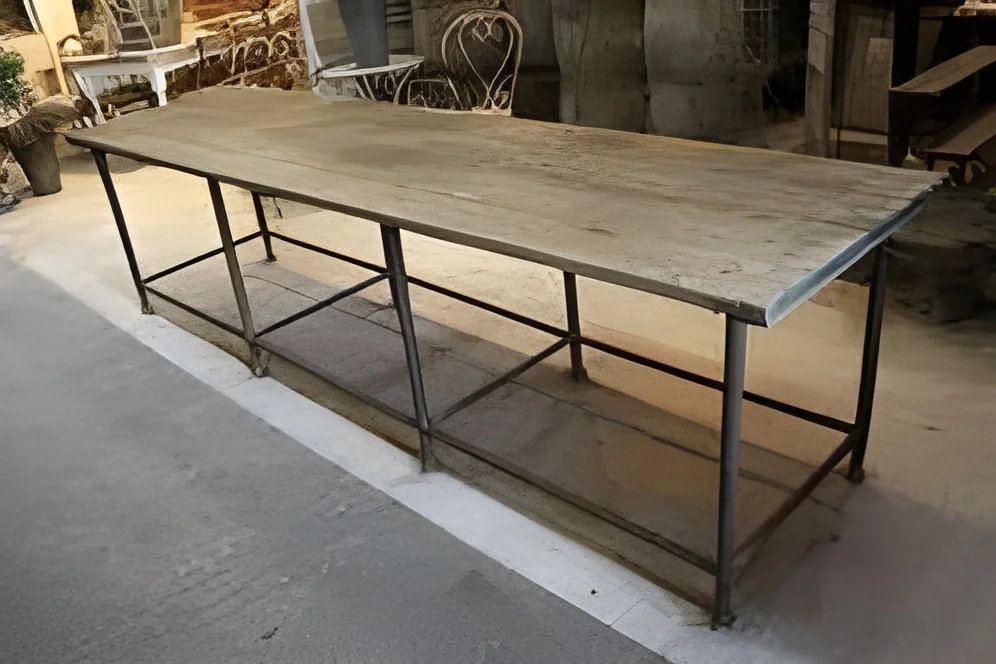
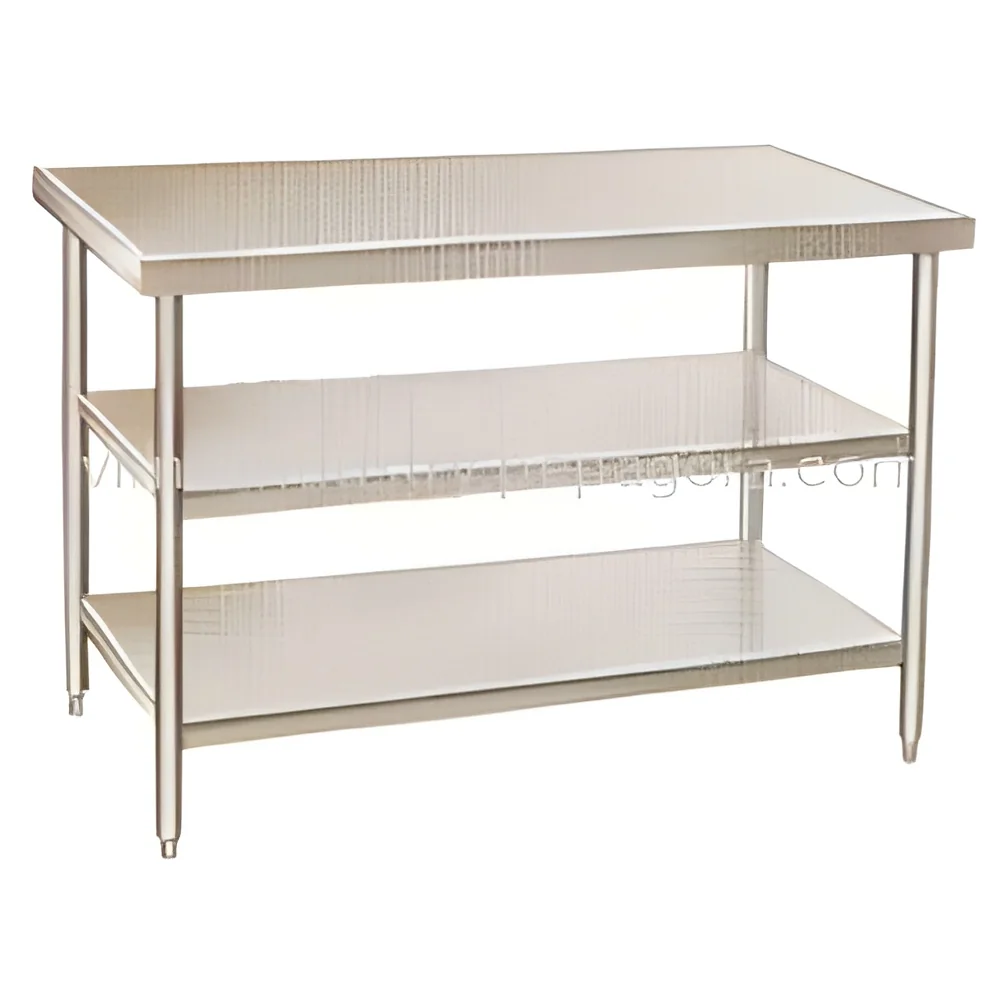
Heavy-duty workbenches are robust, durable surfaces designed for intensive use in industrial and commercial settings. They are engineered to withstand heavy loads and harsh working conditions, making them ideal for manufacturing, assembly, and maintenance tasks. These workbenches often feature sturdy materials such as steel or solid wood, providing a reliable platform for various applications.
The primary uses of heavy-duty workbenches span multiple industries, including automotive, electronics, and construction. Businesses utilize these workbenches for tasks such as product assembly, repair work, and tool organization. Their design allows for easy customization with additional features like shelving or integrated power sources, making them versatile for different operational needs.
In today's market, heavy-duty workbenches are increasingly essential for companies aiming to enhance productivity and safety. As industries evolve, the demand for reliable work surfaces continues to grow, driving innovation in design and materials. This relevance ensures that heavy-duty workbenches remain a staple in the toolkit of modern businesses.
Key Features and Specifications
Heavy-duty workbenches come equipped with a variety of features that enhance their functionality and durability. These specifications ensure that the workbench can meet the rigorous demands of various applications.
Key specifications include:
1. Load Capacity
- Typically ranges from 1,500 to 5,000 pounds.
- Designed to support heavy tools and materials.
2. Material Composition
- Common materials include steel, wood, and laminate.
- Steel workbenches provide durability, while wood offers a more traditional feel.
3. Surface Dimensions
- Standard sizes range from 48 inches to 96 inches in length.
- Depths generally vary from 24 inches to 36 inches.
4. Height Adjustability
- Some models offer adjustable height features.
- Allows customization for ergonomic preferences.
5. Surface Finish
- Options include powder-coated or galvanized finishes.
- Enhances resistance to scratches and corrosion.
6. Additional Features
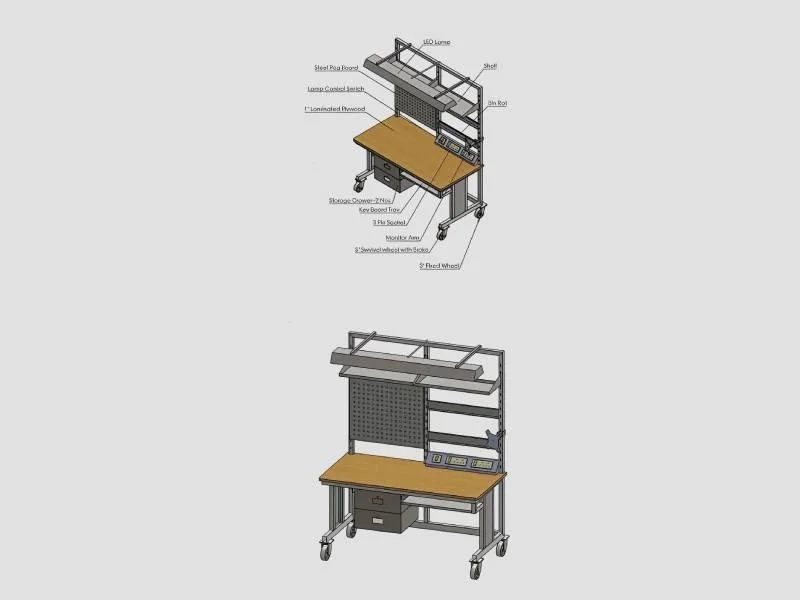
- Options for integrated power outlets and lighting.
- Storage solutions like drawers or shelves may be included.
7. Mobility
- Some workbenches come with casters for easy relocation.
- Locking mechanisms ensure stability during use.
8. Compliance Standards
- Certain models may comply with industry safety standards.
- Ensures reliable performance in demanding environments.
In summary, heavy-duty workbenches are designed with specific features and specifications that cater to the needs of various industries, ensuring reliability and longevity in demanding applications.
Common Applications and Use Cases
Heavy-duty workbenches serve a wide array of industries, providing essential support for various tasks.
1. Automotive: Used for vehicle repairs, assembly, and tool organization, these workbenches withstand the rigors of a busy garage environment.
2. Electronics: Ideal for assembling and testing electronic components, heavy-duty workbenches offer stability and precision for detailed work.
3. Manufacturing: These workbenches support production lines, providing a robust platform for assembling goods and managing materials.
4. Construction: Heavy-duty workbenches are utilized on job sites for tool storage and material preparation, ensuring that workers have access to necessary resources.
5. Warehousing: In warehouses, these workbenches assist with packing and sorting operations, contributing to efficient logistics.
6. Laboratory: Heavy-duty workbenches provide a reliable surface for scientific testing and experiments, meeting strict regulatory requirements.
7. Aerospace: These workbenches are critical in assembly and maintenance tasks, where precision and strength are paramount.
Product Variants and Subcategories
Heavy-duty workbenches come in various configurations to meet diverse operational needs. While specific subcategories are not available, the product diversity allows businesses to choose based on their unique requirements.
Mobile Workbenches: These variants feature wheels for easy movement and are ideal for dynamic work environments where tasks frequently change locations.
Fixed Workbenches: Designed for stability, fixed workbenches are perfect for environments where the workbench remains in one place, providing a strong base for heavy-duty tasks.
Height-Adjustable Workbenches: These workbenches allow users to modify the height for ergonomic benefits, catering to different user preferences and tasks.
Specialized Workstations: Some heavy-duty workbenches are tailored for specific industries, such as electronics or automotive, featuring additional elements like power supplies or tool organizers.
Benefits and Advantages
Investing in heavy-duty workbenches offers numerous advantages for businesses seeking efficiency and reliability.
1. Durability: Constructed from robust materials, heavy-duty workbenches can withstand heavy use and resist wear over time.
2. Versatility: These workbenches are adaptable for various applications, making them suitable for multiple industries.
3. Increased Productivity: A stable and organized workspace enhances workflow, allowing employees to perform tasks more efficiently.
4. Customization: Many models offer options for additional features, ensuring that businesses can tailor workbenches to their specific needs.
5. Safety: Heavy-duty construction reduces the risk of accidents, providing a safe working environment for employees.
6. Long-term Investment: The durability and functionality of heavy-duty workbenches make them a cost-effective solution in the long run.
Buying Guide for B2B Buyers
When sourcing heavy-duty workbenches, B2B buyers should consider several critical factors to ensure they make informed purchasing decisions.
1. Quality Assessment: Evaluate the materials and construction methods used in the workbenches. Look for certifications or compliance with industry standards to ensure durability and safety.
2. Supplier Verification: Research potential suppliers to verify their reputation and reliability. Consider their experience in the industry and customer reviews.
3. Pricing and MOQ: Understand the pricing structure and minimum order quantities associated with different suppliers. Compare costs to find the best value for your investment.
4. Delivery and Lead Times: Inquire about logistics, including shipping times and costs. Ensure that the supplier can meet your delivery needs.
5. Compliance Requirements: Check if the workbenches meet relevant industry regulations and standards to avoid potential legal issues.
Compliance and Certifications
Heavy-duty workbenches must adhere to specific compliance standards to ensure safety and quality. Key quality standards often include ISO 9001, which focuses on maintaining a quality management system that enhances customer satisfaction.
Industry certifications such as CE indicate that the product meets European health, safety, and environmental protection standards. These certifications assure buyers of the workbench's reliability and performance.
Safety and testing requirements also play a crucial role in compliance. Workbenches should undergo rigorous testing to confirm their load capacity and stability under various operating conditions.
Additionally, regional compliance considerations may vary based on local regulations. Buyers should be aware of these factors to ensure that their workbenches meet all necessary requirements.
Why Source Heavy-Duty Workbenches from Pepagora?
Pepagora provides an excellent platform for sourcing heavy-duty workbenches, offering several key advantages that cater to the needs of B2B buyers.
Verified Supplier Network: Pepagora carefully curates its supplier network, ensuring that all suppliers are vetted for reliability and quality. This network provides buyers with confidence in their purchasing decisions.
Streamlined RFQ Process: The request for quotation (RFQ) system simplifies the procurement process. Buyers can easily compare quotes and select the best option for their requirements.
Trade Assurance and Support: Pepagora offers buyer protection through trade assurance measures. This support helps mitigate risks associated with purchasing from new suppliers.
Regional Coverage: With a strong presence in India, the GCC, and Southeast Asia, Pepagora enables businesses to source heavy-duty workbenches from trusted suppliers across these regions, ensuring access to quality products and services.


Frequently Asked Questions
What are Heavy-Duty Workbenches?
Heavy-Duty Workbenches are robust, durable tables designed to withstand heavy loads and intense use in industrial and commercial settings. They are typically constructed from high-quality materials, providing a stable surface for various tasks such as assembly, fabrication, and repair.
What are the different types of Heavy-Duty Workbenches?
There are several types of Heavy-Duty Workbenches, including adjustable height workbenches, modular workbenches, and those with integrated storage solutions. Each type is designed to cater to specific needs and environments, ranging from manufacturing to woodworking.
How do I choose the right Heavy-Duty Workbenches?
When selecting a Heavy-Duty Workbench, consider factors such as load capacity, size, material, and additional features like storage or mobility. Assess your specific workspace requirements to ensure the workbench meets your operational needs.
What are the standard specifications for Heavy-Duty Workbenches?
Standard specifications for Heavy-Duty Workbenches often include a weight capacity ranging from 500 to 2000 pounds, a surface height of 28 to 36 inches, and materials such as steel or hardwood. Additional specifications may include surface dimensions and finishes tailored for specific applications.
What is the price range for Heavy-Duty Workbenches?
The price range for Heavy-Duty Workbenches typically varies from INR 10,000 to INR 50,000, depending on the size, material, and additional features. Customizations and specialized designs may increase the overall cost.
What quality standards apply to Heavy-Duty Workbenches?
Heavy-Duty Workbenches should comply with industry standards such as ISO 9001 for quality management and relevant safety standards. These ensure that the workbenches are manufactured to high-quality specifications and are safe for use in industrial environments.
Where can I find Heavy-Duty Workbenches suppliers in India?
You can find Heavy-Duty Workbenches suppliers in India through online B2B marketplaces like Pepagora, industry trade shows, and manufacturing directories. Researching and contacting multiple suppliers can help you compare options and find the best fit for your needs.
Can Heavy-Duty Workbenches be customized?
Yes, many manufacturers offer customization options for Heavy-Duty Workbenches to meet specific requirements. Customizations can include different sizes, materials, color finishes, and additional features such as shelving or power outlets.
What is the typical minimum order quantity for Heavy-Duty Workbenches?
The typical minimum order quantity (MOQ) for Heavy-Duty Workbenches can vary by supplier, but it generally ranges from 1 to 10 units. Larger orders may qualify for discounts or better pricing.
What is the typical lead time for Heavy-Duty Workbenches?
The typical lead time for Heavy-Duty Workbenches varies based on the supplier and customization requirements, generally ranging from 2 to 6 weeks. It's advisable to confirm the lead time with the supplier during the ordering process.
Why Businesses Trust Pepagora
Thousands of companies trust Pepagora to source smarter and sell faster
Expand Your Sales Globally

Source Smarter,Grow Faster
